
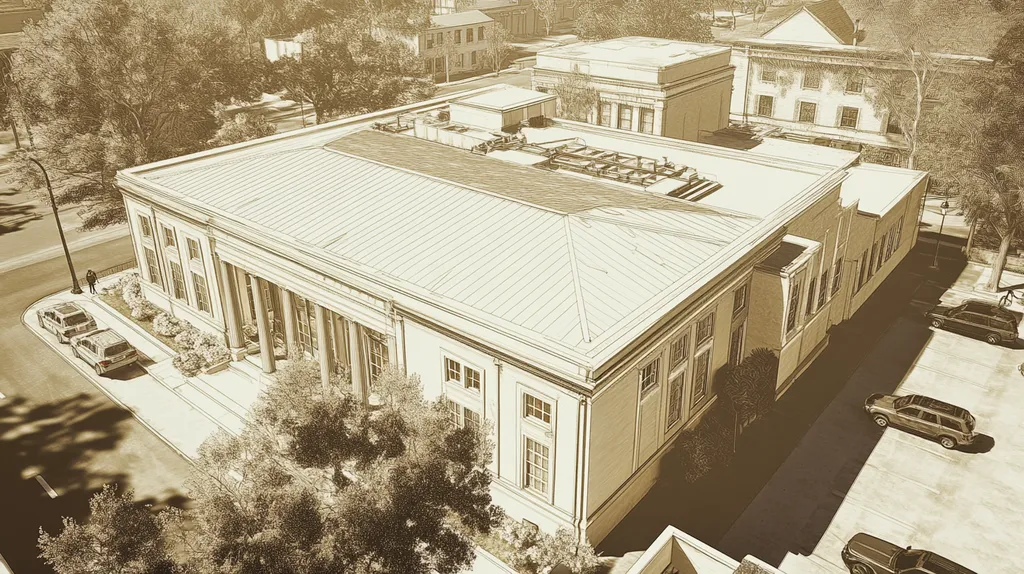
For industrial facility managers, roof coating failures can trigger catastrophic repair costs reaching up to $15 per square foot – nearly triple the cost of preventative maintenance. Research shows that 70% of premature roof deterioration stems from inadequate maintenance practices.
While quality materials matter, it’s the ongoing care that determines whether a coating lasts 5 years or 20. Today’s facility managers must navigate an intricate web of performance factors, financial considerations, and compliance requirements.
This comprehensive guide provides actionable solutions to maximize coating longevity through strategic maintenance, from essential inspection protocols to emergency preparedness.
SECTION 1: PERFORMANCE FACTORS
Industrial roof coatings serve as the vital shield protecting commercial properties from the elements. Yet, opting for low-quality coatings can lead to sky-high repair bills and a roof that falters long before its time. Research shows that effectively maintaining a roof can help facility managers trim up to 30% off total operational costs throughout its lifespan. In this section, we’ll uncover three crucial performance factors—material quality, installation techniques, and environmental impacts—that can significantly enhance coating longevity.
Material Quality and Durability
The choice of materials is central to achieving maximum longevity for industrial roof coatings. Coatings crafted from advanced polymer formulas excel at resisting UV rays and minimizing thermal expansion. On the other hand, lower-quality materials can quickly succumb to damage, resulting in unsightly cracking and peeling.
Facility managers should zero in on coatings that meet recognized industry standards. For example, products certified by the Cool Roof Rating Council are engineered to reflect solar energy, which cuts energy costs and extends roof durability. Choosing top-notch materials means fewer maintenance headaches and interruptions in daily operations.
Regular inspections play a key role in catching issues arising from subpar materials early. By routinely assessing the condition of the roof coatings, facility managers can tackle potential failures head-on. This proactive vigilance not only enhances the coating’s life but also protects the entire roofing system.
Key Action Items
Installation Techniques and Standards
The effectiveness of industrial roof coatings largely hinges on how well they are installed. Proper application guarantees optimal adhesion, thickness, and uniformity—all essential for durability. Skimping on installation quality, even with the finest materials, can undermine the coating’s performance.
Facility managers should ensure that only trained professionals undertake installation, adhering closely to the manufacturer’s guidelines and industry best practices. For instance, thorough surface preparation is crucial; overlooking this step can lead to bonding failures and costly replacements.
Additionally, implementing quality control measures during installation can nip future problems in the bud. Conducting inspections after installation helps reveal any potential oversights. Identifying and correcting these issues early can save time and money in the long run.
Key Action Items
Environmental Impact on Coatings
Environmental conditions are another crucial aspect affecting the performance of industrial roof coatings. Factors such as extreme temperature changes, humidity, and chemical exposure can expedite the deterioration of these protective layers. Understanding these environmental risks is essential for facility managers.
For example, areas prone to heavy rainfall or heightened UV exposure may require specialized coatings designed to endure these stresses, significantly lowering maintenance needs over time. Selecting the appropriate product for specific environmental factors can make a substantial difference.
Furthermore, keeping an eye on seasonal weather trends can help shape maintenance schedules. By understanding the local climate, facility managers can proactively administer regular cleanings and inspections to fend off mold and mildew that can harm coatings.
Key Action Items
SECTION 2: FINANCIAL CONSIDERATIONS
Facility managers must understand the significant financial implications tied to industrial roof coatings. A subpar coating doesn’t just threaten the roof’s integrity; it can lead to rising costs over time. For instance, neglecting maintenance can result in premature failures, prompting costly emergency repairs that can swiftly exceed budget expectations. Grasping these financial dynamics is crucial for making informed decisions that extend lifespan and reduce risks.
Initial Investment and Cost-Benefit Analysis
Investing in high-quality industrial roof coatings often requires a significant initial outlay. However, this upfront cost can yield substantial long-term benefits. A thoughtful cost-benefit analysis demonstrates that premium coatings frequently repay their costs numerous times by extending the roof’s lifespan.
Facility managers should carefully assess not just the price tag of the coating, but also factors like anticipated durability and warranty options. Choosing a coating specifically designed to resist harsh environmental conditions can potentially save thousands in future repairs and replacements.
While premium brands and advanced technology may elevate initial expenses, they also tend to reduce both maintenance frequency and costs. Facilities that invest in high-quality coatings typically experience fewer major roofing issues, leading to lower overall expenditures.
Key Action Items
Maintenance and Repair Costs
Regular maintenance is essential to maintaining the financial viability of industrial roof coatings. Ignoring this crucial aspect can escalate repair costs and lead to lost revenue from operational disruptions. Routine inspections and a proactive maintenance routine can catch problems before they become costly repairs.
Establishing a clear maintenance schedule not only helps with budgeting but also minimizes unexpected expenses. Allocating budget for routine checks and minor fixes can help prevent larger, unanticipated costs down the line. Those who prioritize regular upkeep can often extend the life of their roofs significantly.
Furthermore, tracking maintenance costs offers valuable insights into the overall financial health of roofing expenditures. This data fosters better budgeting and allows facilities to focus spending on the most effective solutions.
Key Action Items
Long-Term Savings and ROI
Smart investments in durable roofing solutions and proactive maintenance can lead to impressive long-term savings. Reflective coatings, for instance, can dramatically cut heating and cooling costs over time.
Additionally, roofs treated with advanced coatings typically come with longer warranties, signaling their expected performance and durability. This not only reduces the risk of unexpected repair expenses but also enhances the roof’s overall value as part of the facility’s assets.
Calculating return on investment (ROI) becomes clear when factoring in both tangible savings and increased reliability. Facilities can anticipate ROI ranging from 15-35% by adopting best practices and integrating high-quality materials. Ultimately, focusing on long-term savings and ROI fosters a sound financial strategy, creating opportunities for reinvestment in other vital areas of facility management.
Key Action Items
SECTION 3: COMPLIANCE REQUIREMENTS
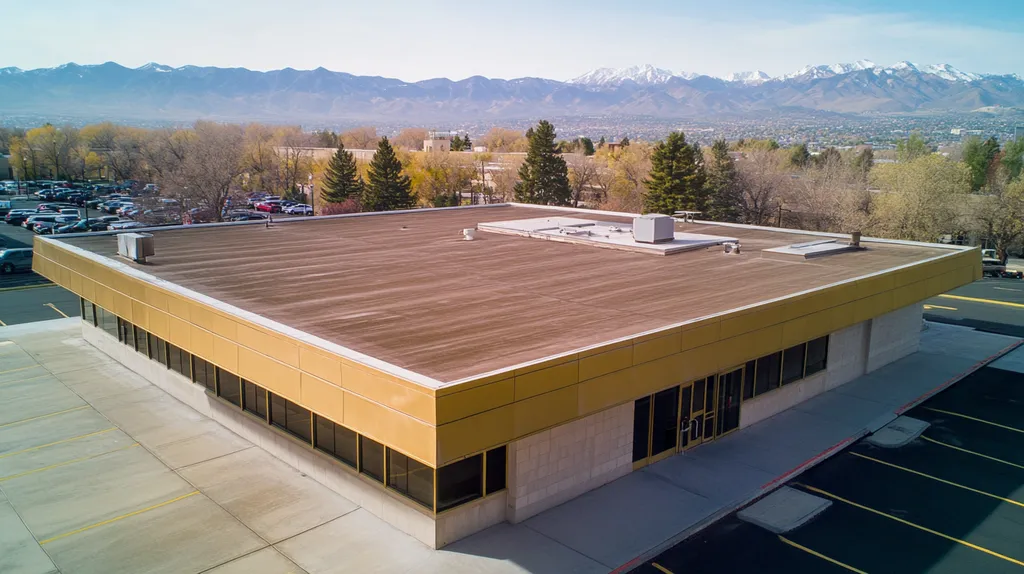
For facility managers and property owners aiming to extend the life of their industrial roof coatings, understanding compliance requirements is not just a good practice—it’s essential! Skipping these regulations can lead to costly repairs, legal penalties, and reputational damage. For example, not adhering to local building codes might result in stop-work orders, crippling operations and eroding finances. Let’s dive into the regulatory landscape that governs roof coatings.
Regulatory Standards for Roof Coatings
A plethora of regulatory standards guides the application of roof coatings, with a strong emphasis on safety and environmental impact. The Environmental Protection Agency (EPA) sets limits on volatile organic compounds (VOCs) found in roofing materials. Coatings that exceed these VOC levels could face regulatory scrutiny, posing risks not only to the facility but also to community health.
Furthermore, standards established by the American Society for Testing and Materials (ASTM) define the necessary criteria that coatings must meet in terms of durability and performance. Adhering to ASTM standards ensures that roof coatings receive necessary testing for vital factors such as adhesion and UV resistance—key elements that bolster longevity.
By keeping abreast of these guidelines, facility managers can choose compliant coatings, preventing unexpected interruptions and promoting sustainability. Such knowledge also aids in negotiating warranties to ensure the materials used deliver exceptional long-term value.
Key Action Items
Building Codes and Local Ordinances
Building codes and local ordinances, which can vary widely by region, play a pivotal role in the determination of appropriate roofing materials and installation practices. Facility managers must familiarize themselves with existing codes that specify required material types, methods, and maintenance practices. For instance, many municipalities mandate the use of reflective or cool roofs to help reduce energy consumption.
Ignoring these codes can result in severe consequences, such as fines or mandates to remove non-compliant materials. This not only drains financial resources but can also derail project timelines.
Incorporating knowledge of local ordinances into maintenance strategies ensures that industrial roofing systems not only meet current standards but can also flexibly adapt to future regulatory shifts. Staying compliant also enhances the reputation of the facility, attracting potential tenants and customers eager for responsible partners.
Key Action Items
Industry Certifications and Accreditations
Industry certifications and accreditations, such as those from the Roofing Industry Alliance for Progress, serve as benchmarks to boost credibility and compliance. Facility managers should seek contractors who possess these credentials, assuring adherence to recognized best practices in both installation and maintenance. This often results in superior performance and a longer roof lifespan.
Contractors with accredited certifications frequently exhibit deeper knowledge of the latest materials and techniques, enhancing overall system performance while ensuring compliance. This approach not only bolsters efficiency and safety in roofing operations but provides peace of mind through warranties that protect facility investments.
By emphasizing the importance of industry certifications, facility managers can greatly enhance both the compliance and effectiveness of their industrial roof coatings, ensuring enduring value for their facilities.
Key Action Items
SECTION 4: RISK MANAGEMENT
Ensuring the longevity of industrial roof coatings is more than just a routine check-up; it requires proactive risk management. With environmental stress accounting for an estimated 20% of roofing failures, property owners need to stay alert. By identifying potential failure points before they escalate, significant costs can be saved, and valuable assets can be protected. This section highlights the critical areas facility managers need to prioritize, including spotting vulnerabilities, mitigating weather-related risks, and navigating liability and insurance considerations.
Identifying Potential Failure Points
Spotting potential failure points is foundational for effective risk management. Problems such as wear and tear, UV degradation, and improper installation can greatly diminish a roof’s longevity. Facility managers should conduct regular inspections to identify these vulnerabilities before they turn into serious issues.
Common trouble spots often occur at seams, flashings, and penetrations. These areas are notorious for leaks, which can lead to interior damage or even mold growth. A proactive inspection schedule enables facility managers to tackle these concerns early, ultimately avoiding costly repairs.
Leveraging technology like infrared thermography or drone inspections can give insights into hard-to-access areas of the roof. These modern tools enhance visibility and provide crucial data to support informed maintenance decisions.
Key Action Items
Mitigating Weather-Related Risks
Weather-related risks can wreak havoc on the lifespan of industrial roof coatings. Severe storms, hail, and fluctuating temperatures can significantly impact coating integrity. Hence, facility managers should carefully consider local climate conditions when selecting roofing systems and coatings.
For example, areas prone to heavy rainfall require a strong drainage system and high-quality water-resistant coatings, which prevent water accumulation leading to leaks. In colder climates, regular snow removal is essential to minimize thermal stress on the roof.
Implementing weather monitoring systems helps further mitigate risks. These systems provide alerts for severe weather conditions, allowing facility managers to act swiftly. By minimizing the adverse effects of weather extremes, the roof coating’s integrity can be better preserved.
Key Action Items
Liability and Insurance Considerations
Liability and insurance are critical elements of effective risk management. Facility managers need to grasp their liability in the case of roofing failures. If issues arise from neglect or inadequate maintenance, property owners could face legal challenges or costly financial repercussions.
Establishing clear contractual agreements regarding roofing maintenance and inspections can ensure accountability. Hiring reputable roofing contractors minimizes risks and keeps responsibilities defined. Additionally, regular reviews of insurance policies are essential to ensure coverage is adequate for roofing-related damage.
Investing in quality materials and workmanship may also lead to lower insurance premiums since insurers often reward proactive maintenance efforts. This incentivizes facility managers to adopt comprehensive upkeep practices.
Key Action Items
SECTION 5: OPERATIONAL PROCEDURES
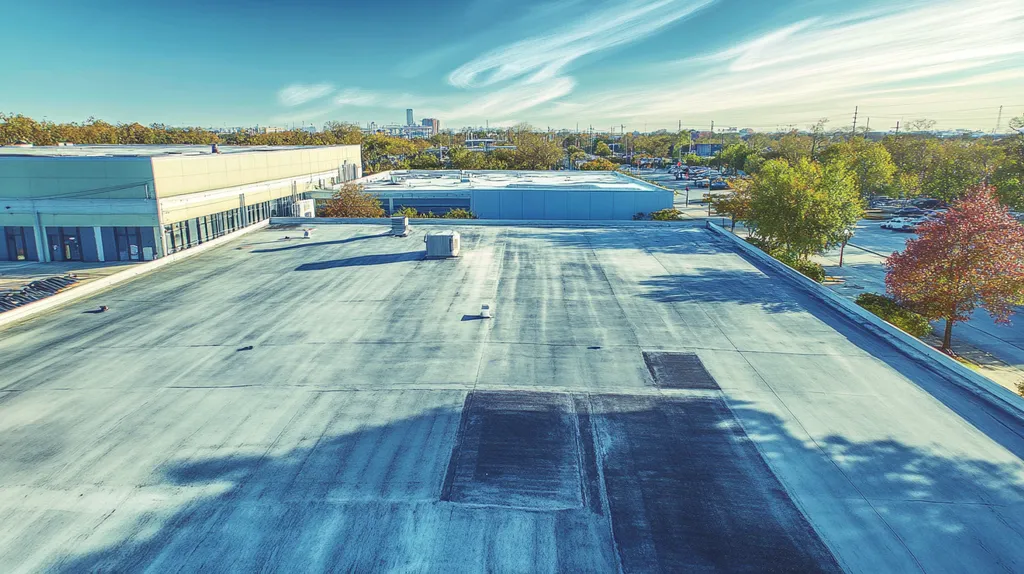
To keep industrial roof coatings in top shape, proactive management is a must. Ignoring operational procedures can lead not only to expensive repairs but also to reduced building efficiency. Studies show that consistent inspections can extend roofing systems’ lives by up to 25%. This section focuses on vital operational procedures that facility managers should implement, covering inspection protocols, preventative maintenance strategies, and emergency repair guidelines.
Regular Inspection and Monitoring
Regular inspections are the backbone of effective roof maintenance. Establishing a quarterly inspection schedule ensures that wear and potential issues are identified early. Key areas to scrutinize include seams, flashing, and drainage systems, all of which are vulnerable to leaks and failures.
Utilizing advanced technologies like infrared thermography or drone inspections allows for thorough evaluations of the roof’s health. These tools can uncover hidden moisture problems that might go unnoticed. Comprehensive documentation of inspection data is essential for tracking changes and planning future actions.
Monitoring the roof’s performance following each inspection is equally important. Facility managers should be mindful of weather patterns, as severe storms can exacerbate existing issues. Employing roof management software can streamline inspection scheduling, repairs, and data analysis.
Key Action Items
Preventative Maintenance Practices
Preventative maintenance is crucial for extending the life of industrial roof coatings. This approach entails regular actions to avert costly emergencies. For example, routinely cleaning gutters and drains helps prevent water buildup that can lead to leaks and structural problems.
Applying protective membranes or coatings bolsters the roof’s resistance to UV rays and thermal cycling. This proactive measure significantly slows deterioration and can lower energy consumption by enhancing insulation. Scheduling these applications during less busy seasons can further optimize roof longevity.
Routine repairs like resealing seams and fixing flashing should be integrated into maintenance plans. By addressing minor repairs early, facility managers can minimize unexpectedly costly failures. Keeping detailed documentation helps with warranty compliance and future budgeting.
Key Action Items
Emergency Repair Protocols
When emergencies strike, having a clearly defined repair protocol is vital for minimizing damage and restoring functionality quickly. Facility managers should ensure an emergency response team is trained and ready to assess, document, and resolve roofing issues effectively.
Maintaining a list of reliable, pre-vetted roofing contractors allows for swift mobilization during emergencies. Building relationships with trusted professionals ensures timely access to necessary materials and expertise. Quick responses to leaks or damage help reduce the risk of extensive interior issues and related costs.
Regular emergency drills can prepare the response team to act swiftly under pressure. Keeping communication channels open and making all stakeholders aware of protocols can significantly enhance repair efficiency.
Key Action Items
SECTION 5: OPERATIONAL PROCEDURES
To ensure industrial roof coatings remain in peak condition, proactive management is vital. Ignoring vital operational procedures can lead to expensive repairs and lower overall building efficiency. Research shows that consistent inspections can prolong roofing systems’ lives by as much as 25%. This section outlines essential operational procedures that facility managers should embrace, focusing on inspection routines, preventative maintenance strategies, and emergency repair protocols.
Regular Inspection and Monitoring
Regular inspections are the backbone of effective roof maintenance. A well-planned approach involves scheduling quarterly inspections to catch wear and potential issues early. Key areas to assess include seams, flashings, and drainage systems—spots where leaks and failures frequently develop.
Leveraging advanced technologies, such as infrared thermography or drone inspections, allows for thorough evaluations of the roof’s condition. These innovative methods can reveal hidden moisture problems that are often missed. Documenting inspection results is crucial for monitoring changes and planning future interventions.
Post-inspection, facility managers must keep tabs on the roof’s performance. Observing weather patterns is essential, as severe storms can exacerbate existing vulnerabilities. Utilizing roof management software can streamline the scheduling and tracking of inspections, repairs, and data analysis.
Key Action Items
Preventative Maintenance Practices
Preventative maintenance is key to extending the life of industrial roof coatings. This strategy involves performing routine actions that help avoid costly emergencies. For instance, regularly cleaning gutters and drainage systems prevents water accumulation, a leading cause of leaks and structural damage.
Applying protective membranes or coatings boosts the roof’s resistance to UV rays and thermal conditions. Such proactive measures significantly slow deterioration and reduce energy consumption by enhancing insulation. Timing these applications during off-peak seasons can also help prolong roof integrity.
Routine repairs like resealing seams and fixing flashings should be integrated into the maintenance program. Addressing minor repairs promptly helps prevent more significant failures down the line. Keeping meticulous documentation supports warranty compliance and facilitates future budgeting.
Key Action Items
Emergency Repair Protocols
Effective emergency repairs hinge on a well-defined protocol that minimizes damage and restores functionality swiftly. When a roofing issue arises, facility managers must ensure that a trained emergency response team is in place. This team should be equipped to assess, document, and resolve roofing problems efficiently.
Maintaining a roster of reliable roofing contractors is crucial for rapid deployment during emergencies. Building connections with pre-vetted contractors allows for prompt access to necessary materials and expertise. Quick responses to leaks or damage can mitigate interior damage and additional costs.
Conducting regular emergency drills prepares the response team to act swiftly under pressure. Open communication channels and keeping all stakeholders informed of protocols significantly enhance repair efficiency.
Key Action Items
Looking Ahead
With industrial roof coating failures costing facilities up to $15 per square foot in repairs, implementing proper maintenance practices isn’t just advisable—it’s crucial for business survival.
Research shows that proactive maintenance can extend coating life by up to 300% while reducing overall operational costs by 30%.
Success hinges on three critical factors: adhering to inspection schedules, staying compliant with evolving regulations, and maintaining detailed documentation of all roofing activities.
By following the actionable steps outlined in this guide, facility managers can significantly extend coating longevity while protecting their bottom line from unexpected repairs.
The future of industrial roofing lies in preventative care—those who adapt these practices today will reap the benefits for decades to come.
FREQUENTLY ASKED QUESTIONS
Q. How does material quality affect my commercial roof?
A. The quality of materials dictates the durability of coatings. High-quality coatings resist UV rays and thermal expansion, reducing the chance of damage. Investing in premium materials protects your roof and minimizes maintenance issues over time.
Q. What financial considerations should I know about my industrial roof?
A. Understanding the total cost of ownership is key. Analyzing maintenance and repair costs can help avoid future expenses associated with neglect. Investing in quality coatings can lead to substantial long-term savings, ensuring your financial strategy remains robust.
Q. What compliance requirements must I meet for my commercial roof?
A. Compliance standards are essential for avoiding penalties. Familiarity with local building codes and environmental regulations ensures your roofing materials meet necessary criteria. Staying informed on these standards can protect your investment and enhance sustainability.
Q. How can I manage risks associated with my industrial roof?
A. Proactively identifying potential failure points is crucial. Regular inspections and quality control measures help mitigate risks. Addressing vulnerabilities early prevents costly damages and extends your roof’s lifespan, ensuring you protect valuable assets efficiently.
Q. What operational procedures should I follow for my industrial roof?
A. Establishing a routine inspection and preventative maintenance schedule is key. This includes monitoring wear and tear, cleaning gutters, and addressing minor repairs quickly. Following these procedures greatly enhances the longevity and functionality of your roofing system.
Q. How does weather impact my industrial roof performance?
A. Weather extremes can dramatically affect coating integrity. Heavy rain, snow, and UV exposure are significant factors that accelerate wear and tear. Implementing appropriate drainage systems and protective coatings can mitigate these risks and enhance the performance of your roof.
Q. What are the benefits of using preventive maintenance for industrial roofs?
A. Preventive maintenance helps identify and address issues before they escalate into costly repairs. Regular upkeep not only extends the roof’s lifespan but also enhances energy efficiency, ultimately saving you money in the long run.






