

Welcome to today’s Battle Royale featuring two roofing heavyweights: “Silicone” in the east corner versus “Polyurethane Coatings” in the west!
Tonight’s showdown pits these contenders against each other across six punishing rounds designed to test every aspect of their performance for Coating Systems Impacting Commercial Roof Drainage Systems.
At stake? Millions in potential costs, decades of building protection, and the critical performance demands of modern commercial and industrial facilities.
Our professional judging panel will evaluate each round on technical merit, real-world performance, and value delivery. After all six rounds, we’ll declare our ultimate champion.
Ladies and gentlemen, facility managers and building owners… it’s time to rumble!
ROUND 1: INITIAL COSTS & INSTALLATION
While property owners obsess over fancy “smart” roofing gadgets that promise to revolutionize the industry, the real battle comes down to basic coating choices that can make or break your drainage system. With commercial roof replacements ranging from $8-15 per square foot, choosing the wrong coating system isn’t just an inconvenience – it’s a budget-crushing mistake that can flood your facility and drain your maintenance funds.
Material Expenses
Let’s cut through the marketing hype and look at real costs. Silicone coatings typically run $1.50-3.00 per square foot, while polyurethane systems demand $2.00-4.00 per square foot – and that’s before factoring in primer costs and additional materials.
Silicone brings single-coat simplicity to the table, often requiring less material for effective coverage. Its higher solids content means you get more protection per gallon, even if the initial sticker price makes your accountant wince.
Polyurethane usually demands multiple coats and primers, driving up material costs despite attractive base pricing. When drainage requirements demand thicker applications, those costs multiply faster than roof leaks after a spring storm.
ADVANTAGE: Silicone
Installation Complexity
If coating installations were Olympic events, silicone would win gold in simplicity. Its forgiving nature allows for direct application over most properly prepared surfaces, with minimal fuss about ambient conditions.
Polyurethane systems play hard to get, demanding strict temperature and humidity controls. Multiple coating layers mean multiple opportunities for application errors, especially around critical drainage points.
Weather sensitivity adds another layer of complexity to polyurethane installations. When moisture threatens, crews often face the choice between rushing work or extending project timelines – neither option benefits the building owner.
ADVANTAGE: Silicone
Project Timeline
Time is money in commercial roofing, and silicone coating systems understand the assignment. Most applications can be completed in 1-2 days, with rapid curing that doesn’t hold up other trades or facility operations.
Polyurethane installations move at the pace of a three-toed sloth taking a lunch break. Each coat requires specific cure times, and good luck if the weather doesn’t cooperate – you might be looking at a week or more before completion.
The timeline impact extends beyond just installation days. Polyurethane’s complex curing requirements can disrupt facility operations and create logistical headaches that silicone simply doesn’t cause.
ADVANTAGE: Silicone
ROUND 1 WINNER: Silicone
ROUND 2: DURABILITY & LIFESPAN
While facility managers chase the latest roofing fads, the uncomfortable truth is that 80% of commercial roof failures stem from choosing the wrong coating system. A coating’s durability directly impacts drainage performance – when coatings fail, water infiltration follows, turning minor maintenance issues into major structural nightmares.
Weather Resistance
Silicone coatings laugh in the face of Mother Nature’s worst tantrums. Their molecular structure remains stable under intense UV exposure, maintaining flexibility and water resistance for up to 20 years when properly maintained.
The coating’s natural water-beading properties help prevent ponding issues, while its resistance to oxidation keeps drainage paths clear and functional long after installation. Even in extreme temperature swings, silicone maintains its protective properties.
Polyurethane starts strong but fades faster than a summer tan. While initially providing excellent weather resistance, UV exposure causes gradual degradation that can compromise drainage performance within 7-10 years.
Temperature fluctuations hit polyurethane particularly hard, leading to microscopic cracks that can allow water infiltration around drains and other critical areas. This vulnerability increases maintenance requirements and shortens effective lifespan.
ADVANTAGE: Silicone
Impact & Wear Resistance
Here’s where polyurethane flexes its muscles. Its superior tensile strength and abrasion resistance make it ideal for high-traffic roofs where maintenance crews regularly service equipment.
The coating’s hard-curing nature creates a robust surface that resists impacts and mechanical wear. This durability helps maintain proper drainage slopes and prevents deformation around drain areas.
Silicone’s softer nature makes it more susceptible to physical damage. While great for weather resistance, its reduced hardness can lead to scratches and gouges that potentially compromise drainage patterns.
Regular roof traffic can gradually wear paths in silicone coatings, creating low spots where water collects. This vulnerability requires more careful maintenance planning and traffic management.
ADVANTAGE: Polyurethane
Long-Term Performance
Silicone maintains its protective properties with minimal degradation over time. Its stable chemical structure means drainage patterns established at installation remain effective years later, without the coating shrinking or pulling away from critical areas.
The material’s natural resistance to biological growth helps keep drainage paths clear, while its permanent flexibility prevents age-related cracking. This consistency translates to more predictable maintenance schedules.
Polyurethane’s performance curve looks more like a ski slope. Initial excellence gives way to accelerating degradation, especially in areas with harsh UV exposure or frequent temperature changes.
While touch-ups and recoating can extend life expectancy, polyurethane’s fundamental chemistry makes long-term degradation inevitable. This deterioration often starts around drainage points – exactly where you need reliability most.
ADVANTAGE: Silicone
ROUND 2 WINNER: Silicone
ROUND 3: PERFORMANCE FACTORS
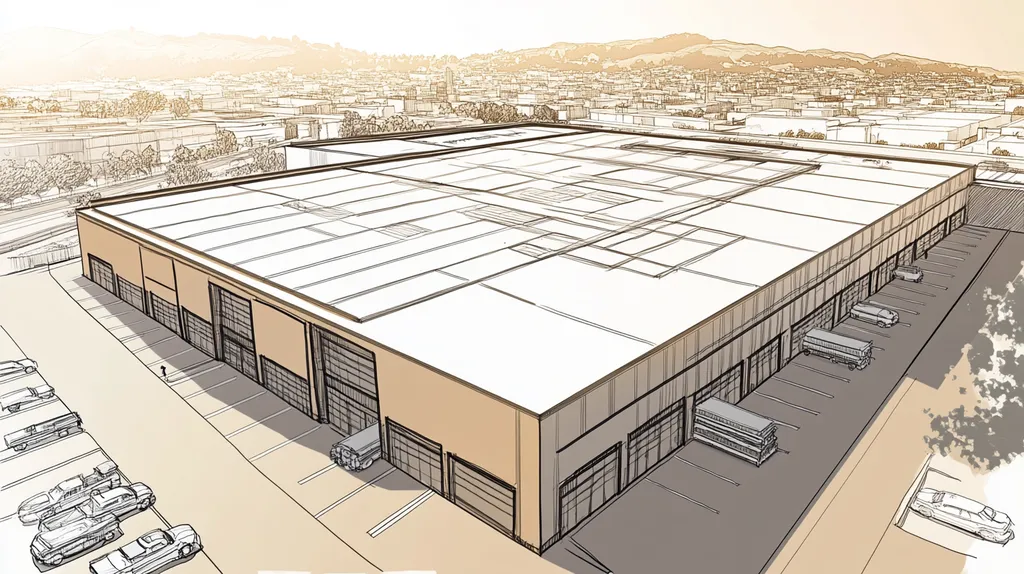
While tech startups peddle AI-powered drainage sensors that cost more than a luxury car, the real drama unfolds in how basic coating choices affect water flow. Every passing storm puts your coating system to the test, and failure means more than just a wet floor – we’re talking structural damage that can shut down operations and crater property values.
Durability Under Weather Conditions
Commercial buildings demand drainage solutions that can handle whatever Mother Nature throws their way. Flat and low-slope roofs are especially vulnerable to water accumulation, making coating performance critical. (source: Waterproof Magazine)
Silicone coatings maintain their flexibility and adhesion through brutal temperature swings, preventing the microscopic cracks that lead to drainage failures. Their hydrophobic properties actively repel water, creating natural pathways to drains even as the coating ages.
Polyurethane starts strong but develops personality issues faster than a reality TV contestant. UV exposure causes gradual brittleness, leading to surface degradation that disrupts carefully engineered drainage slopes.
ADVANTAGE: Silicone
Application and Maintenance Needs
Let’s talk about application drama – because timing is everything when water’s involved. Silicone coatings play nice with most weather conditions, allowing crews to maintain critical drainage slopes without fighting humidity and dew points.
Touch-ups and repairs around drains become a zen-like experience with silicone. The material bonds to itself indefinitely, meaning you can spot-fix problem areas without turning the whole roof into a construction zone.
Polyurethane throws more tantrums than a toddler at bedtime when it comes to application conditions. Its strict temperature and humidity requirements can stretch simple drain-area repairs into week-long productions.
ADVANTAGE: Silicone
Impact on Drainage Efficiency
When it comes to keeping water moving, coating texture matters more than most realize. Silicone’s smooth finish creates something like a water slide for rainfall, directing flow toward drains instead of creating mini-pools.
The coating’s permanent flexibility means it won’t crack or separate around drain flanges – areas where many systems fail first. Even better, its natural resistance to biological growth keeps drainage paths clear without constant maintenance.
Polyurethane’s tendency to harden over time can create subtle surface irregularities that disrupt water flow. While initially smooth, age-related changes can transform carefully planned drainage paths into meandering obstacle courses.
ADVANTAGE: Silicone
ROUND 3 WINNER: SILICONE
ROUND 4: MAINTENANCE REQUIREMENTS
While roofing manufacturers promise “maintenance-free” solutions that sound too good to be true, the reality hits facility managers like a leaky skylight during monsoon season. Every coating choice creates a maintenance legacy that can either streamline operations or create a never-ending cycle of repairs and headaches.
Making the wrong choice means watching your maintenance budget evaporate faster than morning dew on a hot roof, while your staff wastes precious hours managing unnecessary upkeep instead of tackling real facility priorities.
Routine Inspection Requirements
Silicone coatings keep inspection schedules manageable with their predictable aging patterns. Their stable chemical structure means what you see is what you get – no surprise degradation hiding under seemingly intact surfaces.
Annual inspections focus mainly on mechanical damage and seam conditions, rather than hunting for mysterious coating failures. The material’s natural resistance to biological growth means less time searching for sneaky mold or algae colonies that can compromise drainage.
Polyurethane demands detective-level inspection skills to catch early signs of UV degradation and chemical breakdown. Surface checks aren’t enough – crews need to thoroughly examine every drain, penetration, and seam for hidden deterioration.
The coating’s complex aging process means small issues can rapidly escalate between inspection cycles. This uncertainty forces more frequent checks and creates maintenance scheduling headaches.
ADVANTAGE: Silicone
Repair Complexity
When silicone needs repairs, the process is refreshingly straightforward. The material bonds seamlessly to itself without special primers or activation agents, making spot repairs quick and reliable.
The coating’s forgiving nature means maintenance crews can handle most repairs without specialized training. Even better, repairs can usually wait for convenient scheduling without risking further damage.
Polyurethane repairs feel like solving a Rubik’s cube blindfolded. Surface preparation requirements rival those of a NASA launch pad, and getting proper adhesion between old and new material requires perfect conditions.
The narrow application window means simple repairs often stretch into multi-day projects. Miss those perfect conditions, and you’re looking at coating delamination faster than you can say “warranty claim.”
ADVANTAGE: Silicone
Long-term Maintenance Costs
Silicone’s predictable aging and simple repair requirements translate directly to lower maintenance budgets. The coating’s stability means you’re not constantly chasing deterioration or planning major recoating projects.
Basic cleaning and occasional touch-ups keep the system performing without breaking the maintenance bank. Even better, repairs typically require minimal material and labor, keeping costs manageable.
Polyurethane systems hide their true maintenance costs like a poker player with a bad hand. While initial repairs might seem straightforward, the coating’s degradation pattern means those repairs become more frequent – and more expensive – over time.
The need for specialized materials and precise application conditions drives up repair costs, while the increasing frequency of required maintenance creates a budget-draining cycle that facility managers dread.
ADVANTAGE: Silicone
ROUND 4 WINNER: Silicone
ROUND 5: SUSTAINABILITY CREDENTIALS
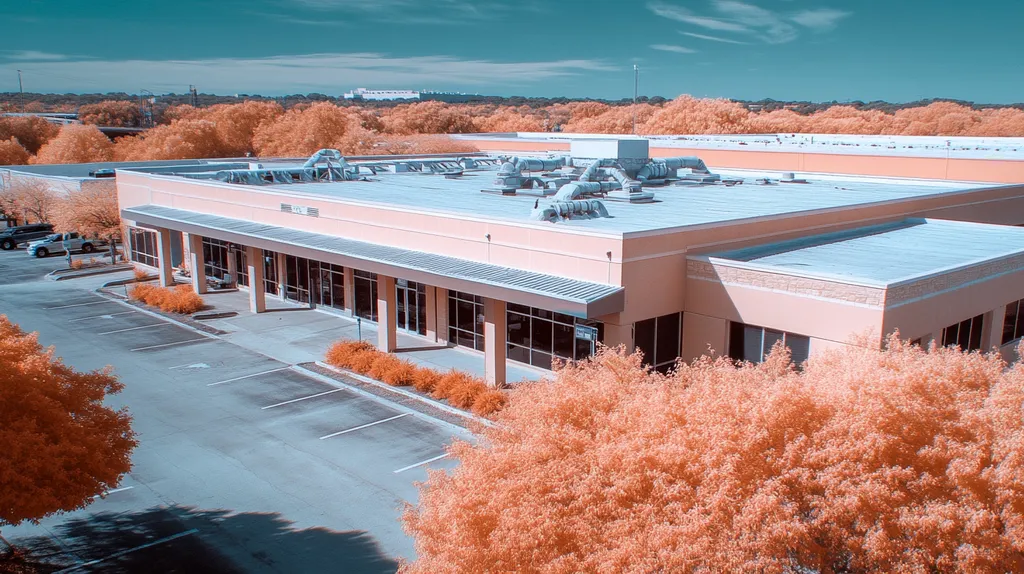
While marketing departments spew endless greenwashing about their “eco-friendly” coatings, the harsh reality is that poor material choices create environmental disasters that last decades. Every coating decision impacts not just your building’s carbon footprint, but the entire environmental lifecycle of your roofing system.
From toxic VOC emissions that make environmentalists weep to energy efficiency ratings that would embarrass a drafty barn, choosing the wrong coating system doesn’t just hurt your budget – it hurts the planet.
Energy Efficiency and Heat Management
Silicone coatings dominate the energy efficiency game with reflectivity ratings that make solar panels jealous. Their stable chemical structure maintains exceptional UV reflection even after years of weathering, keeping building cooling costs lower than a penguin’s thermostat.
The coating’s natural heat-resistant properties prevent thermal degradation, ensuring consistent performance through brutal summer heat waves. Even better, this thermal stability helps maintain proper drainage slopes by preventing heat-induced material movement.
Polyurethane starts with decent reflective properties but fades faster than a cheap t-shirt in the sun. As UV exposure degrades the surface, heat absorption increases dramatically, turning your carefully engineered cool roof into a solar heat collector.
This degradation creates a downward spiral of increased cooling costs and accelerated material breakdown. The coating’s darkening surface actively works against your building’s energy efficiency goals.
ADVANTAGE: Silicone
Environmental Impact
Silicone coatings bring surprisingly green credentials to the sustainability table. Their low-VOC formulations mean installation crews don’t need hazmat suits, while the single-coat application reduces overall material consumption.
The coating’s extended lifespan means less frequent replacement cycles, dramatically reducing landfill impact. Plus, their inert nature prevents chemical leaching into stormwater systems.
Polyurethane systems try to play the green card but fold under scrutiny. Multiple coating layers mean higher material consumption, while strict application requirements often result in wasted product when conditions aren’t perfect.
The coating’s complex chemical structure makes recycling nearly impossible, ensuring every replacement cycle adds more material to already overflowing landfills.
ADVANTAGE: Silicone
Long-term Sustainability
Silicone’s durability creates a sustainability trifecta: fewer replacements, reduced material consumption, and lower lifetime energy costs. The coating’s stable performance means you’re not constantly fighting an uphill battle against degradation and efficiency loss.
Simple maintenance requirements reduce the need for harsh cleaning chemicals and repair materials. When repairs are needed, the coating’s self-bonding properties eliminate the need for additional primers or activators.
Polyurethane systems require increasingly intensive maintenance as they age, consuming more resources and chemicals with each passing year. Their shorter lifespan means more frequent complete replacements, creating a cycle of waste that contradicts basic sustainability principles.
The need for specialized repair materials and complex recoating procedures further increases the system’s environmental impact throughout its service life.
ADVANTAGE: Silicone
ROUND 5 WINNER: Silicone
ROUND 6: SPECIALIZED APPLICATIONS
While manufacturers chase trends like solar-powered drainage sensors and AI-controlled gutters, the real battle happens where rubber meets roof. Specialized applications can turn your carefully engineered drainage system into an expensive waterpark attraction if you choose the wrong coating – especially on facilities with unique challenges like chemical exposure, extreme temperatures, or high maintenance traffic.
Performance in Extreme Weather
Commercial buildings demand drainage solutions that can handle whatever Mother Nature throws their way. Flat and low-slope roofs are especially vulnerable to water accumulation, making coating performance critical. (source: Waterproof Magazine)
Silicone coatings maintain their flexibility down to -80°F and up to 350°F without cracking or separating. This temperature stability means drainage paths stay intact through freeze-thaw cycles that would shatter lesser materials.
When faced with torrential rains or heavy snow loads, silicone’s hydrophobic properties actively push water toward drains instead of allowing it to pond. The coating’s permanent elasticity prevents temperature-induced gaps around critical drainage points.
Polyurethane becomes more brittle than week-old bread in extreme cold, leading to microscopic cracks that can compromise drainage integrity. High temperatures cause softening and deformation that disrupts carefully engineered drainage slopes.
ADVANTAGE: Silicone
Chemical and Environmental Resistance
Industrial facilities face unique challenges when caustic emissions, chemical spills, or atmospheric pollutants threaten coating integrity. Silicone’s inert chemical structure shrugs off most industrial contaminants like a duck sheds water.
The coating’s resistance to oxidation and UV degradation means it maintains its protective properties even when bombarded by harsh industrial environments. This stability ensures drainage pathways remain functional despite constant chemical exposure.
Polyurethane systems show their weakness when faced with chemical attacks. Their complex molecular structure breaks down under sustained exposure to industrial pollutants, leading to premature failure around critical drainage points.
While initial chemical resistance might impress, polyurethane’s vulnerability to UV-accelerated degradation means that chemical damage compounds over time, creating maintenance nightmares around drains and penetrations.
ADVANTAGE: Silicone
High-Traffic and Equipment Areas
Mechanical equipment areas and maintenance paths create unique drainage challenges that can make or break a coating system. Polyurethane finally finds its moment to shine with superior impact resistance and wear properties.
The coating’s hard-cure characteristics create a durable surface that maintains drainage slopes even under heavy foot traffic and equipment servicing. This toughness prevents the formation of depression areas that could trap water.
Silicone’s softer nature becomes a liability in high-traffic zones. Regular maintenance activities can compress the coating, creating low spots that disrupt planned drainage patterns.
Without careful traffic management, silicone-coated areas around equipment and walkways can develop wear patterns that compromise drainage effectiveness.
ADVANTAGE: Polyurethane
ROUND 6 WINNER: Silicone
AND THE WINNER IS…
After six punishing rounds of technical evaluation, the judges’ scorecards are in, and we have our undisputed champion in the battle of commercial roof coating supremacy…
SILICONE takes the title with a dominant 5-1 victory!
This coating powerhouse demonstrated championship-caliber performance across nearly every category, delivering knockout blows in durability, maintenance requirements, and environmental sustainability. Its superior weather resistance, simplified installation process, and long-term cost effectiveness proved too much for its opponent to overcome.
However, don’t count polyurethane completely out of the fight. When it comes to high-traffic areas and impact resistance, this contender still packs a serious punch. For facilities requiring exceptional wear resistance or frequent equipment maintenance access, polyurethane remains a formidable choice.
IMPORTANT NOTICE: While tonight’s match provided clear results, every building faces unique challenges. Local climate conditions, existing roof characteristics, and specific facility requirements can all impact coating performance. Property owners should partner with qualified roofing professionals to evaluate their particular situation before making any final decisions.
Remember, champions aren’t crowned by following the crowd – they’re made by matching the right coating system to their specific building’s needs. Now get out there and make your roof a winner!
FREQUENTLY ASKED QUESTIONS
Q. What are the initial costs for a commercial roof coating?
A. Initial costs for coatings can vary significantly. Silicone typically costs less at $1.50-3.00 per square foot, while polyurethane systems range from $2.00-4.00. Keep in mind, the perceived savings can quickly vanish if you choose the wrong option and face expensive maintenance headaches later.
Q. How do durability and lifespan differ for commercial roof coatings?
A. Silicone coatings typically offer a lifespan of up to 20 years with minimal degradation, while polyurethane can degrade within 7-10 years due to UV exposure. Choosing for longevity is critical; otherwise, you’re setting yourself up for leaks and unexpected expenses down the road.
Q. How do coatings impact drainage efficiency on a commercial roof?
A. Coating textures significantly affect water flow. Silicone’s smooth finish encourages efficient drainage, while polyurethane’s hardening can create surfaces that disrupt flow. Maintaining a clear drainage path is essential; otherwise, you’re inviting standing water that can damage your roof and your wallet.
Q. What are the maintenance requirements for commercial roof coatings?
A. Silicone coatings require far less maintenance, as they resist biological growth and show predictable aging. In contrast, polyurethane demands more frequent inspections to catch early signs of degradation. Regular maintenance can feel like running on a treadmill – exhausting and never-ending if you’re not careful.
Q. Are silicone coatings more sustainable than polyurethane for commercial roofs?
A. Absolutely! Silicone coatings are low-VOC and last significantly longer, reducing the need for replacements. Polyurethane, while it tries to greenwash, has UV degradation and short lifespans that increase environmental impact. If sustainability matters, silicone should be your go-to coating.
Q. Can silicone coatings handle extreme weather on a commercial roof?
A. Definitely! Silicone coatings remain flexible under extreme temperatures, ensuring effective drainage. Polyurethane, on the other hand, can become brittle in the cold and soft in the heat, leading to failures. If your area sees severe weather, silicone is the more reliable choice.
Q. How important is the coating choice in specialized roof applications?
A. Extremely important! Each coating’s performance can vary based on the unique challenges, like high traffic or chemical exposure. Silicone generally excels in harsh environments, while polyurethane may struggle, causing unexpected water retention problems. Choose wisely to avoid costly mistakes!






