

Welcome to today’s Battle Royale featuring two roofing heavyweights: “Silicone” in the east corner versus “Polyurethane” in the west!
Tonight’s showdown pits these contenders against each other across six punishing rounds designed to test every aspect of their performance for UV Resistance in Commercial Roof Coating Selection.
At stake? Millions in potential costs, decades of building protection, and the critical performance demands of modern commercial and industrial facilities.
Our professional judging panel will evaluate each round on technical merit, real-world performance, and value delivery. After all six rounds, we’ll declare our ultimate champion.
Ladies and gentlemen, facility managers and building owners… it’s time to rumble!
ROUND 1: INITIAL COSTS & INSTALLATION
When it comes to commercial roof coatings, the wrong choice can drain your budget faster than a roof leak during monsoon season. Initial costs and installation decisions impact not just your immediate bottom line, but decades of maintenance expenses and performance. Today’s coating choices demand careful analysis of three critical factors that separate wallet-friendly solutions from expensive regrets.
Material Expenses
Let’s cut through the marketing fluff and talk real numbers. Silicone coatings command premium prices, typically running 20-30% higher than their polyurethane counterparts. This price gap often causes sticker shock among budget-conscious facility managers.
However, silicone’s superior weathering characteristics and longer service life make it the tortoise in this race. One properly applied silicone coating can outlast multiple polyurethane applications, especially in high-UV environments.
Polyurethane’s lower upfront cost looks tempting until you factor in its shorter lifespan and more frequent recoating needs. It’s like buying the cheapest tires for your delivery fleet—you’ll be replacing them twice as often.
Based on lifetime value calculations, silicone takes the clear “ADVANTAGE” in material costs.
Installation Complexity
Silicone coatings are the “set it and forget it” option of the roofing world. They require minimal surface prep and can even be applied in higher humidity conditions without compromising adhesion.
These coatings forgive minor application imperfections and don’t demand the precise thickness control of their polyurethane rivals. For contractors, this means fewer callbacks and reduced labor costs.
Polyurethane installations read like a chemistry experiment gone wrong. They demand perfectly clean, dry surfaces, specific temperature ranges, and precise mixing ratios. Get any of these wrong, and you’re looking at coating failure faster than you can say “warranty claim.”
With fewer ways to mess things up, silicone earns another clear “ADVANTAGE” in installation simplicity.
Project Timeline
Time is money in commercial roofing, and project delays can cascade into tenant complaints and lost revenue. Silicone coatings typically cure within 2-4 hours, allowing for same-day water resistance and faster project completion.
These quick-curing properties mean less vulnerability to weather delays and faster return to service for building operations. Even better, silicone’s moisture tolerance means installation can proceed in less-than-perfect conditions.
Polyurethane systems require extensive cure times between coats and demand perfect weather conditions. A single rain shower can derail your timeline by days, turning your roofing project into an unwanted lesson in patience.
For keeping projects on schedule, silicone claims another clear “ADVANTAGE.”
ROUND 1 WINNER: Silicone
ROUND 2: DURABILITY & LIFESPAN
When your roof coating fails, it’s not just an inconvenience – it’s a ticking time bomb of structural damage, energy waste, and skyrocketing repair costs. Every hour of UV exposure tests your coating’s resilience, and choosing wrong means watching thousands in protection literally evaporate under the sun. Today’s matchup examines three critical factors that separate lasting protection from expensive Band-Aids.
Durability Under UV Exposure
UV radiation is the silent killer of roof coatings, breaking down chemical bonds and destroying protective properties one photon at a time. Think of it as molecular torture – only the toughest materials survive long-term exposure without cracking, chalking or disintegrating.
Silicone coatings laugh in the face of UV assault, maintaining their flexibility and protective properties even after decades of exposure. Their inorganic structure means the sun’s rays bounce off rather than breaking down the coating’s molecular bonds. It’s like having sunscreen that never wears off.
Polyurethane coatings start strong but gradually surrender to UV exposure, becoming brittle and prone to cracking. Their organic chemistry means UV radiation steadily degrades the coating’s structure, leading to premature aging and reduced protection. Think of a plastic garden chair left out in the sun – it doesn’t end well.
For UV resistance, silicone claims a decisive “ADVANTAGE”.
Overall Lifespan
In the commercial roofing world, longevity isn’t just about survival – it’s about maintaining protective performance year after year. A coating that limps along providing minimal protection might technically survive, but it’s not doing its job.
Silicone coatings routinely achieve 20+ year lifespans while maintaining their protective properties. Their resistance to weathering, ponding water, and temperature extremes means they stay flexible and adherent long after other coatings have given up the ghost.
Polyurethane coatings typically need replacement or significant restoration within 10-15 years, especially in high-UV environments. While they can achieve longer lifespans in ideal conditions, real-world exposure usually cuts their effective service life short.
In the lifespan category, silicone takes another clear “ADVANTAGE”.
Maintenance Requirements
Every maintenance call is a drain on resources and a disruption to building operations. Smart coating choices minimize these interventions, letting facility managers focus on more pressing issues than recurring roof repairs.
Silicone coatings are the “set it and forget it” champions of the maintenance world. Their natural resistance to weathering, dirt pickup, and ponding water means fewer cleaning sessions and touch-ups. When repairs are needed, new silicone readily bonds to old, making spot repairs simple.
Polyurethane coatings demand more frequent attention to maintain their protective properties. Their susceptibility to UV damage means more regular inspections and earlier recoating needs. Inter-coat adhesion issues can also complicate repairs, turning simple touch-ups into major projects.
For maintenance simplicity, silicone scores another clear “ADVANTAGE”.
ROUND 2 WINNER: SILICONE
ROUND 3: PERFORMANCE FACTORS
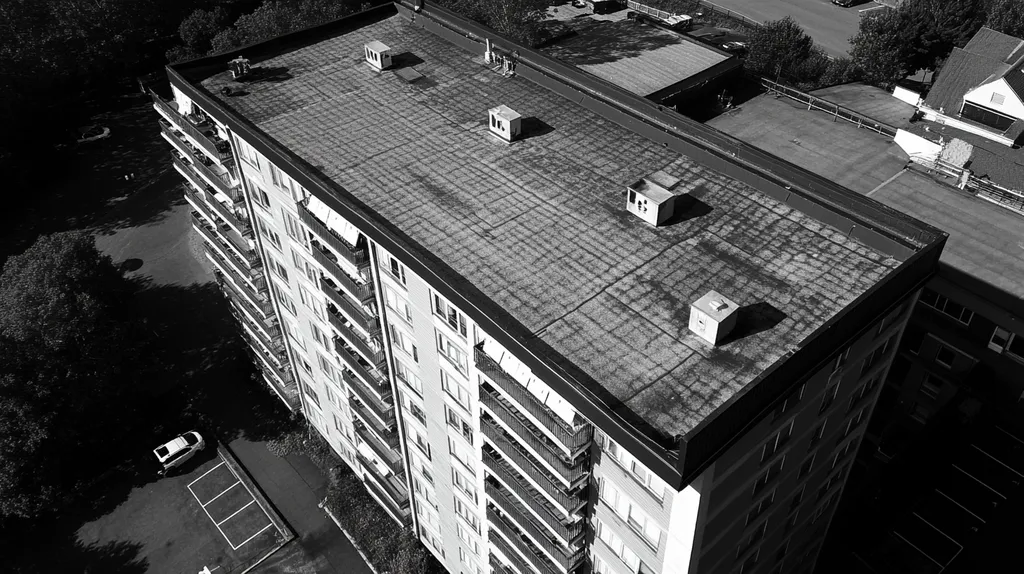
While marketing teams love throwing around buzzwords like “superior UV protection” and “advanced solar resistance,” the real-world performance of roof coatings tells a far less glamorous story. Every day, countless commercial roofs silently deteriorate under relentless solar assault, with coating failures often discovered only after water starts dripping onto expensive equipment.
Understanding true UV performance means looking beyond the slick product brochures to examine how these coatings actually behave under years of punishing sun exposure. The wrong choice here doesn’t just waste money – it leaves your building vulnerable to accelerated deterioration and premature failure.
UV Resistance in Silicone Roof Coatings
Silicone’s molecular structure creates an inherently UV-stable coating that maintains its protective properties even after decades of solar exposure. Unlike organic materials, silicone doesn’t rely on sacrificial components or additional UV stabilizers to resist degradation.
Reflective silicone coatings help reduce energy costs by reflecting sunlight away from the building surface, significantly improving energy efficiency and reducing cooling costs. (source: XW Construction)
This natural UV stability means silicone coatings maintain their flexibility and waterproofing properties without becoming brittle or chalking under intense sun exposure. Even in desert environments, properly applied silicone coatings resist degradation and maintain their protective properties.
For UV resistance capabilities, silicone claims a clear “ADVANTAGE”.
UV Resistance in Polyurethane Roof Coatings
Polyurethane coatings rely heavily on chemical UV stabilizers and sacrificial components to achieve their solar resistance. While effective initially, these protective elements gradually deplete over time, leaving the coating increasingly vulnerable to UV damage.
As these UV inhibitors break down, polyurethane coatings typically experience accelerated degradation. This manifests as surface chalking, loss of flexibility, and eventual cracking – all of which compromise the coating’s protective capabilities.
The coating’s organic chemistry makes it particularly susceptible to UV-induced oxidation, leading to molecular breakdown and deterioration of physical properties. This vulnerability often necessitates more frequent recoating or the application of additional UV-protective topcoats.
In terms of UV resistance, polyurethane shows a clear “DISADVANTAGE”.
Long-Term Performance Impact
When evaluating long-term performance, UV resistance directly impacts maintenance costs, recoating intervals, and overall roof protection. Coatings that maintain their properties under UV exposure require less frequent maintenance and provide more reliable protection.
Silicone’s stable UV performance translates to predictable aging and fewer surprise failures. This reliability lets facility managers plan maintenance schedules with confidence, rather than reactively addressing unexpected degradation.
Polyurethane’s variable UV resistance creates more uncertainty in long-term performance planning. The gradual depletion of UV protective elements means increasing vulnerability to degradation over time, often requiring intervention sooner than anticipated.
For long-term performance stability, silicone takes another clear “ADVANTAGE”.
ROUND 3 WINNER: SILICONE
ROUND 4: MAINTENANCE REQUIREMENTS
While marketing brochures promise “maintenance-free” solutions, the reality of commercial roof coatings hits harder than a summer hailstorm. Every maintenance shortcut becomes a costly repair waiting to happen, with some facility managers learning the $50,000 lesson that “low maintenance” doesn’t mean “no maintenance.”
Today’s coating choices can mean the difference between simple annual checkups and budget-crushing emergency repairs. Let’s examine how these contenders handle the long-term maintenance fight.
Cleaning and Surface Care
Silicone coatings feature a smooth, slick surface that naturally resists dirt accumulation and biological growth. Rain acts like a self-cleaning mechanism, washing away most surface contaminants without intervention.
When cleaning is needed, silicone’s non-stick properties mean most debris rinses away with simple low-pressure washing. Even stubborn stains typically respond to gentle cleaning without risking coating damage.
Polyurethane surfaces tend to develop a microscopic texture that traps dirt and promotes algae growth. This characteristic demands more frequent cleaning with specialized solutions and techniques to prevent coating deterioration.
The ease of maintenance gives silicone a clear “ADVANTAGE” in surface care requirements.
Repair Procedures
When damage occurs, silicone coatings offer remarkable repair simplicity. New silicone readily bonds to existing material without special primers or surface preparation, making spot repairs quick and reliable.
The forgiving nature of silicone means repairs can often be completed with basic tools and minimal technical expertise. This translates to faster response times and lower repair costs.
Polyurethane repairs demand extensive surface preparation and precise application conditions. The chemical sensitivity of these coatings means repairs often require complete removal and replacement of affected areas.
For repair simplicity and reliability, silicone claims another clear “ADVANTAGE”.
Long-term Maintenance Costs
Silicone’s durability translates directly to reduced maintenance frequency. Most installations require only annual inspections and occasional cleaning to maintain peak performance.
The material’s resistance to weathering means maintenance remains predictable throughout its service life. Facility managers can budget confidently without fear of surprise degradation or hidden problems.
Polyurethane systems typically demand increasing maintenance attention as they age. UV exposure gradually compromises the coating’s integrity, leading to more frequent inspections and earlier recoating needs.
In maintenance cost considerations, silicone earns another clear “ADVANTAGE”.
ROUND 4 WINNER: SILICONE
ROUND 5: SUSTAINABILITY CREDENTIALS
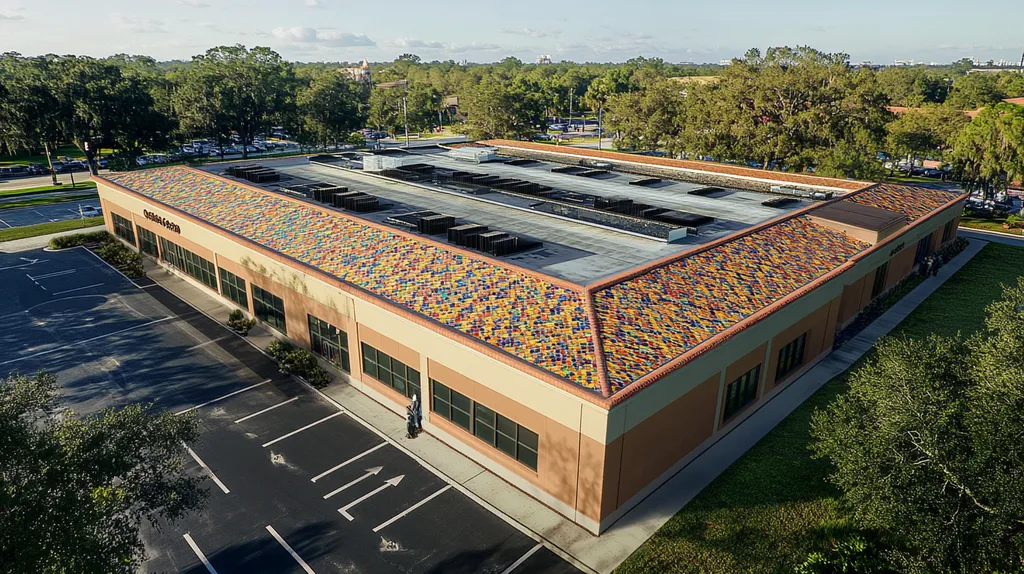
While marketing departments tout every coating as “green,” the hard reality is that poor sustainability choices are becoming liability nightmares. With increasing environmental regulations and soaring energy costs, the wrong coating selection can transform from a quick fix into a costly environmental compliance headache. Today’s sustainability decisions impact not just your green initiatives, but your ability to maintain operations under tightening environmental standards.
Environmental Impact
Modern coating selections must balance immediate protection needs against long-term environmental consequences. Traditional solutions that ignore sustainability metrics increasingly face regulatory scrutiny and rising disposal costs.
Silicone coatings deliver environmental advantages through their inert chemical structure and low VOC emissions. Their stability means fewer degradation byproducts leaching into the environment, while their longevity reduces landfill impact through less frequent replacement.
Polyurethane systems carry a heavier environmental burden due to their chemical composition and shorter service life. Their organic structure produces more environmental contaminants during degradation, while more frequent replacement cycles increase waste generation.
For environmental responsibility, silicone claims a clear “ADVANTAGE”.
Energy Performance
With energy costs skyrocketing, coating choices directly impact building operating expenses. Smart selections can slash cooling costs, while poor choices turn your roof into an energy-wasting heat magnet.
Silicone coatings maintain their reflective properties throughout their service life, consistently reducing cooling loads and energy consumption. Their stable surface characteristics mean sustained energy savings without degradation of thermal performance.
Polyurethane coatings often show declining reflectivity as they age and weather. Surface degradation gradually reduces their energy-saving potential, leading to increasing cooling costs over time.
In energy efficiency impact, silicone takes another clear “ADVANTAGE”.
Resource Conservation
Every premature coating replacement wastes resources and adds to environmental burden. Smart material choices maximize service life while minimizing resource consumption.
Silicone’s exceptional durability and simple repair characteristics support resource conservation through extended service life. Single applications often last decades, while repairs require minimal additional materials.
Polyurethane’s shorter lifespan and complex repair requirements increase resource consumption through more frequent replacement cycles. Their demanding maintenance needs also drive up material usage over time.
For resource efficiency, silicone earns another clear “ADVANTAGE”.
ROUND 5 WINNER: SILICONE
ROUND 6: SPECIALIZED APPLICATIONS
When marketing departments pitch “universal solutions,” they conveniently forget that specialized applications can destroy even premium coatings faster than a toddler with fingerpaints. From food processing facilities battling caustic cleaners to coastal properties fighting salt spray, choosing the wrong specialized coating turns your roof into an expensive chemistry experiment gone wrong.
Chemical Resistance Requirements
Industrial environments hammer roof coatings with everything from acidic fumes to alkaline cleaners. Every facility has its own toxic cocktail of airborne challenges that can turn standard coatings into goo.
Silicone coatings demonstrate remarkable resistance to most industrial chemicals, maintaining their protective properties even when exposed to harsh cleaning agents and process emissions. Their inert molecular structure means they rarely react with industrial pollutants.
Polyurethane shows vulnerability to certain chemical exposures, particularly strong acids and bases. While some formulations offer enhanced chemical resistance, they typically require special additives that can compromise other performance characteristics.
For chemical resistance in specialized applications, silicone claims a clear “ADVANTAGE”.
Temperature Extreme Performance
From solar panel farms cooking under triple-digit heat to cold storage facilities cycling between freeze and thaw, temperature extremes destroy ordinary coatings. Specialized applications demand materials that maintain flexibility and adhesion across brutal temperature ranges.
Silicone coatings maintain their physical properties from -80°F to 350°F without becoming brittle or soft. This stability means consistent protection even during rapid temperature swings that crack lesser materials.
Polyurethane coatings become increasingly brittle in cold conditions and can soften dramatically under extreme heat. This temperature sensitivity often leads to coating failure in facilities with wide temperature variations.
For temperature extreme performance, silicone takes another clear “ADVANTAGE”.
Process-Specific Requirements
Manufacturing facilities often generate unique combinations of heat, moisture, and chemical exposure that destroy standard coatings. From commercial kitchens belching grease-laden steam to paper mills pumping out humid acid vapor, process-specific conditions demand specialized protection.
Silicone coatings excel in high-moisture environments while maintaining resistance to most process byproducts. Their stable chemistry means they don’t interact with or absorb most industrial emissions.
Polyurethane provides superior impact resistance but can be compromised by prolonged exposure to process chemicals and moisture. Their organic chemistry makes them more likely to react with industrial emissions.
For process-specific protection, silicone earns another clear “ADVANTAGE”.
ROUND 6 WINNER: SILICONE
AND THE WINNER IS…
After six grueling rounds of technical analysis, we have a decisive victory! In a dominant performance that stunned industry veterans, SILICONE has emerged as our undisputed champion with a clean sweep across all rounds!
Silicone’s superior UV resistance, exceptional durability, and minimal maintenance requirements delivered crushing blows to the competition. Its natural resistance to weathering, outstanding chemical stability, and remarkable temperature performance proved unbeatable in round after round.
Yet Polyurethane remains a worthy contender, particularly in applications demanding superior impact resistance or where budget constraints make its lower initial cost attractive. Its established track record in moderate climate zones continues earning respect from industry professionals.
However, every building tells its own story. Local climate conditions, specific facility requirements, and unique property characteristics can significantly impact coating performance. While this analysis provides general guidance, it cannot account for all variables that might influence your specific situation. Always consult qualified roofing professionals who can evaluate your building’s particular needs.
Ladies and gentlemen, in the high-stakes arena of commercial roof protection, remember: The real victory comes not from blindly following the champion, but from strategically matching your facility’s specific requirements to the right coating’s strengths. Choose wisely – your building’s future is on the line!
FREQUENTLY ASKED QUESTIONS
Q. What are the initial costs for commercial roof coatings?
A. Silicone coatings usually cost 20-30% more than polyurethane. However, their longevity can lead to lower overall expenses in the long run.
Q. How do durability and lifespan differ in industrial roofs?
A. Silicone coatings can last 20+ years under harsh conditions, while polyurethane typically needs replacing in 10-15 years, especially with UV exposure.
Q. What factors affect commercial roof performance?
A. Silicone’s unmatched UV resistance maintains its protective qualities over time, while polyurethane coatings are prone to degradation and require more maintenance.
Q. What are maintenance requirements for commercial roof coatings?
A. Silicone coatings require minimal cleaning and simple repairs, whereas polyurethane often needs frequent inspections and specialized maintenance techniques.
Q. How do sustainability credentials vary between roof coatings?
A. Silicone coatings produce fewer harmful byproducts and have lower VOC emissions, making them more environmentally friendly than their polyurethane counterparts.
Q. Why are specialized applications important in industrial roofs?
A. Specific environments can deteriorate standard coatings. Silicone shows superior resistance to chemicals and temperature extremes suitable for specialized applications compared to polyurethane.
Q. What’s the impact of weather on commercial roof coatings?
A. Silicone can be applied in a variety of weather conditions, curing quickly and resisting UV damage. Polyurethane, in contrast, needs perfect weather for successful applications.






