
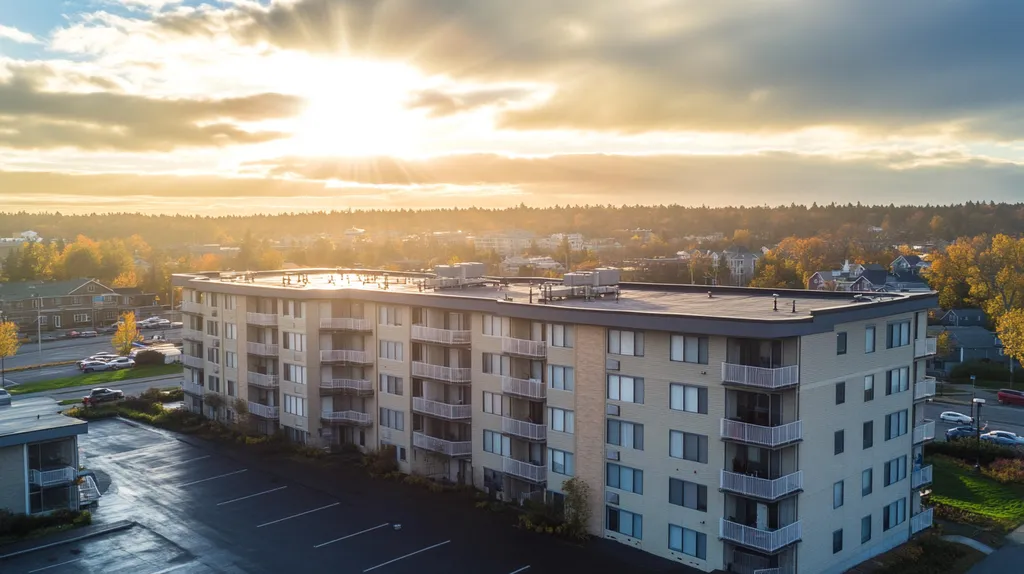
Commercial roofing systems face a critical threat: studies show that UV exposure causes up to 70% of premature roof coating failures, leading to billions in repair costs annually across North America.
For property owners and facility managers, understanding UV degradation’s impact on roofing materials has become essential as climate changes intensify sun exposure and accelerate material breakdown.
This comprehensive guide examines how UV radiation affects commercial roof coating performance, financial implications, and preventive strategies through a detailed analysis of material science, compliance requirements, and operational best practices.
SECTION 1: PERFORMANCE FACTORS
Understanding how UV exposure affects commercial roof coatings is essential for property owners and facility managers. Studies show that nearly 70% of roofing systems suffer failures linked to UV-related degradation. This deterioration not only shortens the lifespan of roof coatings but can also lead to expensive repairs and increased energy costs. Key factors to consider include material deterioration, the impacts of thermal shock, and the influence of reflectivity on energy efficiency.
Material Deterioration from UV
Ultraviolet (UV) radiation is a significant contributor to the deterioration of roofing materials over time. Common materials such as TPO and PVC can become brittle and lose their protective qualities under prolonged UV exposure. This degradation not only affects the roof’s appearance but also compromises its ability to resist water, increasing the risk of leaks and further damage.
Research indicates that roofs lacking adequate UV protection can lose as much as 80% of their initial reflective capacity within just five years. This decline accelerates the aging process and necessitates more frequent maintenance. It’s crucial for property owners to recognize that investing in UV-resistant coatings can greatly extend the lifespan of their roofs.
Moreover, weakened underlying materials can jeopardize the roof’s structural integrity. As roofs age, they become more vulnerable to damage from severe weather events, leading to higher repair costs and the potential for significant failures.
Key Action Items
Thermal Shock and Structural Integrity
Temperature fluctuations caused by direct sunlight can lead to thermal shock, which poses a serious risk to roof structures. As temperatures rise during the day and fall at night, roofing materials undergo expansion and contraction. This constant movement is prone to create cracks and split seams.
Thermal shock is particularly common in flat roofs that face significant UV exposure. As UV degradation decreases material flexibility, the likelihood of cracks increases. Consequently, property managers may confront immediate roofing repairs and potential structural damage, both of which can lead to costly replacements.
Facilities located in regions with extreme temperature changes are likely to experience faster roof system failures. This scenario isn’t just an inconvenience; it can disrupt operations and lead to increased costs for facility managers.
Key Action Items
Energy Efficiency and Reflectivity
Reflectivity significantly influences a roofing system’s energy efficiency, affecting both indoor climate and energy expenses. Roofs that lose their initial reflectivity due to UV damage contribute to rising indoor temperatures. As a result, reliance on air conditioning systems escalates, leading to higher energy bills.
Studies show that a reflective roof can lower cooling energy costs by as much as 30%. However, UV exposure can diminish these benefits, highlighting the importance of UV-resistant coatings in maintaining energy efficiency over time. Property owners should understand that investing in these coatings can offer long-term cost savings.
Furthermore, energy-efficient roofing systems play a crucial role in sustainability efforts, reducing the facility’s overall carbon footprint. In a time when environmental responsibility is vital, choosing the right coating impacts not only costs but also contributes positively to the community and planet.
Key Action Items
SECTION 2: FINANCIAL CONSIDERATIONS
Property owners and facility managers must recognize the financial implications of UV exposure on roof coatings. Ignoring UV damage can lead to soaring maintenance and repair costs, as well as heightened energy expenses. Research indicates that UV exposure can reduce a roof’s lifespan by up to 25%, making it essential to understand these financial aspects for informed roofing decisions.
Increased Maintenance and Repair Costs
UV exposure significantly accelerates the wear and tear of commercial roof coatings. Over time, materials can harden, crack, or peel, leaving the underlying structure vulnerable to the elements.
As damage increases, property managers may face the financial strain of expensive repairs that could have been prevented. For instance, a roofing system without adequate UV protection could need a complete renovation within ten years, whereas a high-quality UV-resistant coating could easily double that lifespan.
Moreover, indirect costs can arise from water damage to interior spaces or disruptions to business operations caused by roofing failures. By investing in UV-resistant materials, property owners can reduce both immediate maintenance concerns and long-term financial risks.
Key Action Items
Energy Cost Implications
The impact of UV exposure extends beyond physical damage; it also bears heavily on energy costs. Roofs lacking sufficient UV protection can absorb excessive heat, translating into increased cooling expenses.
Installing reflective roof coatings can lower internal temperatures and lead to potential energy savings of up to 20% during the hottest summer months. Conversely, roofs without UV resistance can drive up cooling demands, escalating operational costs.
Additionally, soaring energy usage contributes to a greater carbon footprint, which could have financial and regulatory consequences as companies aim for sustainability. Investing in UV-resistant coatings can mitigate energy costs significantly over the lifespan of the roof, making a strong economic case for proactive financial planning.
Key Action Items
Extended Roof Lifespan and Cost Savings
Addressing UV exposure offers significant financial benefits, particularly through extended roof lifespan. Quality UV-resistant coatings can prolong a roof’s service life, minimizing the frequency of repairs or replacements.
For instance, a roof that typically lasts 20 years may see its lifespan extend to 30 years with appropriate UV coating applications. This extension translates into lower lifecycle costs, easing the financial burden on property owners who face fewer roofing expenditures over time.
Moreover, a well-maintained roof contributes positively to property value, making it more attractive to potential tenants or buyers. Thus, the initial investment in UV protection not only yields reduced maintenance costs but also enhances overall asset value. Incorporating UV resistance into roofing strategies is both a protective measure and a savvy financial move with enduring benefits.
Key Action Items
SECTION 3: COMPLIANCE REQUIREMENTS
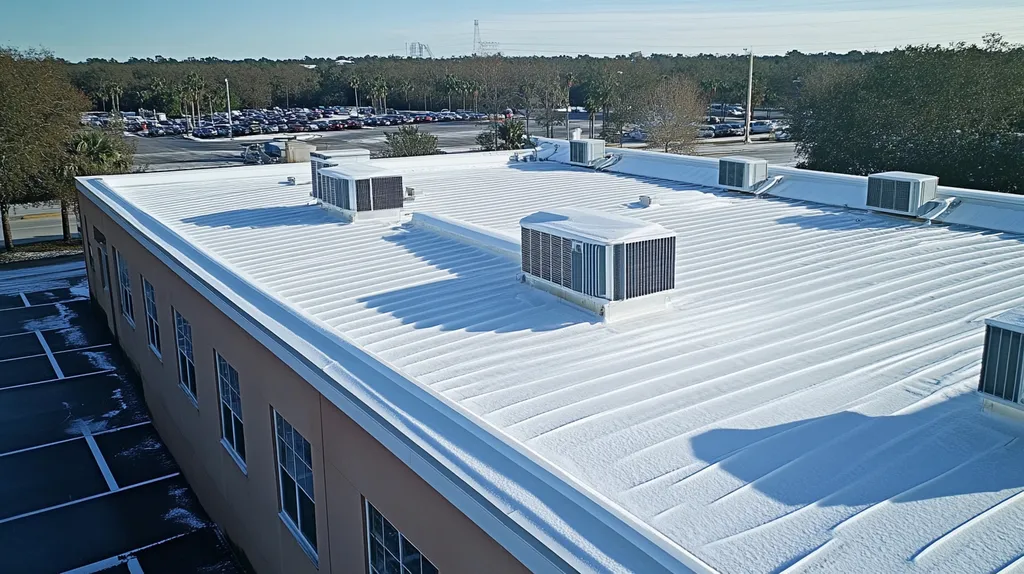
As the demand for durable roofing systems increases, property owners and facility managers are under pressure to meet compliance requirements fully. UV-related failures can incur significant financial losses, making understanding these regulations not just important but essential. This section outlines critical regulatory standards, building code requirements, and industry guidelines that inform strategic roofing decisions.
Regulatory Standards for Roofing Materials
Regulatory standards are essential for guiding the selection of roofing materials for commercial buildings. Organizations like ASTM International and ANSI set criteria for UV exposure and performance. For instance, roofing membranes must pass stringent tests demonstrating their ability to resist UV degradation over time.
Non-compliance can put property owners at risk of liability if a roof fails prematurely, potentially resulting in denied insurance claims. It is also vital for facility managers to stay updated, as regulatory bodies frequently revise standards to keep pace with technological advancements in roofing materials.
Opting for materials that meet or exceed these standards not only helps mitigate UV exposure risks but also typically comes with longer warranties, ensuring better long-term performance and peace of mind.
Key Action Items
Building Code Compliance and UV Resistance
Building codes serve as critical guides for construction practices, underpinning safety and durability. Many locales have specific codes that include UV resistance requirements to reduce risks of roof failures. Non-compliance can lead to financial penalties and delays in project timelines.
For example, municipalities often mandate reflective roofing materials to curb heat absorption, which not only lowers energy expenses but also aligns with sustainability initiatives. Property managers must ensure that their roofing systems comply with local codes to avoid complications.
Conducting regular inspections is vital to maintaining compliance, especially when buildings undergo renovations that must meet updated codes. Such diligence helps prevent costly adjustments later on.
Key Action Items
Industry Guidelines for UV Protection
Industry guidelines provide invaluable frameworks for assessing UV protection in commercial roofing systems. Organizations like the National Roofing Contractors Association (NRCA) recommend best practices that align with current knowledge on sunlight exposure and protection strategies.
For instance, the NRCA outlines preferred types of coatings and membrane materials known for their UV resistance. These selections are not only effective but often come with robust warranties, thereby helping to avoid premature roof failures.
Staying informed about emerging industry trends related to UV exposure can empower property managers to make better decisions. Understanding that reflective coatings can deliver energy savings enables property owners to gain a competitive edge in a market that increasingly values sustainability.
Key Action Items
SECTION 4: RISK MANAGEMENT
Neglecting UV exposure can lead to early roof failures, costly repairs, and major interruptions in operations. Research indicates that commercial roofs may lose up to 50% of their protective capabilities within just a few years of complacency. It’s essential for property professionals to grasp the risks linked to UV damage in order to safeguard their investments. This section focuses on assessing UV damage, reducing leakage risks, and preventing structural complications.
Identifying and Assessing UV Damage
Starting with a comprehensive roof inspection is key to identifying UV damage. Property managers should routinely check for signs like cracking, blistering, and fading, all of which indicate a decline in protective coatings and heightened susceptibility to leaks.
Utilizing infrared imaging can help detect temperature variations, indicating underlying moisture issues linked to UV exposure. Regular inspections enable early detection of problems, thereby prolonging the roof’s life.
Keeping detailed records of each inspection helps track the roof’s condition over time. This documentation is vital for warranty claims and can inform maintenance plans, ultimately saving property owners money in the long run.
Engaging the expertise of a professional roofing contractor during assessments can yield insights into subtle damages that may be missed without professional training.
Key Action Items
Mitigating Water Intrusion and Leaks
Water intrusion represents a significant threat to commercial roofs and can be worsened by UV damage. As roofing materials degrade, the likelihood of leaks rises, which can result in mold and structural complications.
Applying high-quality waterproof coatings to seal cracks and seams can significantly reduce leak risks. Additionally, maintaining drainage systems like gutters and downspouts is crucial, as clogged gutters can lead to standing water that exacerbates roofing material damage.
Implementing a biannual inspection schedule is vital for catching small leaks before they develop into larger, costlier issues. Early detection can save property owners substantial amounts in repairs and downtime.
If UV degradation is severe, consider re-roofing or adding a reflective coating. These measures enhance water resistance and increase energy efficiency by bouncing sunlight away.
Key Action Items
Preventing Thermal and Structural Failures
Thermal expansion and contraction from UV exposure can create serious structural problems. Non-UV-resistant materials may warp, bow, or detach from the substrate, posing safety risks.
Selecting materials specifically designed to handle UV exposure is crucial for preventing structural failures. Energy-efficient membranes that reflect sunlight minimize thermal stress on roofs significantly.
Incorporating effective insulation also helps reduce temperature extremes. Ensure the roofing system is well-ventilated and uses insulation materials that demonstrate UV resistance.
Regularly monitoring roof temperature is vital for identifying potential hot spots that could lead to premature failures. Thermographic surveys can effectively reveal these thermal weak points.
Finally, educating building staff about the importance of roof maintenance fosters a proactive culture. Such an environment ensures roofs are well managed, ultimately extending their lifespan.
Key Action Items
SECTION 5: OPERATIONAL PROCEDURES
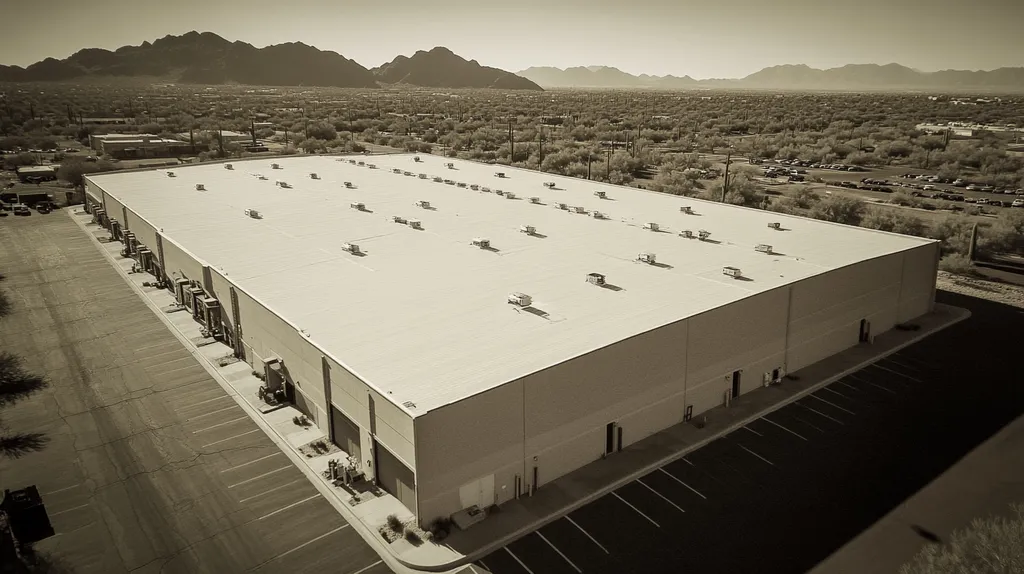
Implementing effective operational procedures is crucial for preserving the durability of roof coatings against damaging UV exposure. A lack of organized approaches can result in severe roof degradation, resulting in costly repairs and safety risks. By conducting regular inspections, timely applying protective coatings, and properly training maintenance teams, property owners can combat the adverse effects of UV rays. This section outlines operational procedures essential for keeping roofing systems resilient and effective.
Regular Inspection and Maintenance Schedules
Routine inspections form the backbone of effective roof maintenance. Property owners should establish a schedule for inspections at least twice a year, ideally before and after peak UV exposure seasons. During these assessments, trained personnel should look for signs of wear, such as cracks and fading, that indicate deterioration of the roof coating.
Documenting inspection outcomes is essential for tracking wear over time. This record can highlight the effects of UV exposure and guide maintenance decisions regarding coating upkeep and replacements. Additionally, promptly addressing any issues discovered during inspections can prevent further damage.
Establishing a consistent maintenance strategy is vital for preserving the integrity of roofing systems. This strategy should include removing debris from the rooftop to ensure UV reflectivity and coating performance remain intact. Regular upkeep not only extends the lifespan of coatings but also enhances the overall value of the facility.
Key Action Items
Application and Reapplication of Roof Coatings
Applying high-quality roof coatings is critical for enhancing resistance to UV damage. Choosing the appropriate materials that suit local climate conditions is essential; buildings exposed to intense sunlight benefit from reflective coatings that decrease heat absorption and UV impact.
Strict adherence to manufacturers’ guidelines is necessary during application. Property owners should ensure optimal conditions—such as suitable temperature and humidity levels—to enhance coating adhesion and durability.
Reapplication schedules should depend on inspection outcomes and environmental factors. Quality coatings typically require reapplying every 5 to 10 years, based on wear. This practice helps maintain a protective shield against UV rays and extends the overall lifespan of the roof.
Key Action Items
Training for Facility Maintenance Personnel
Training facility maintenance personnel is vital to effective operational procedures. Providing staff with comprehensive knowledge of roof coating types, UV exposure effects, and maintenance best practices empowers them to detect issues early and respond appropriately.
Training programs should address both theoretical knowledge and practical skills related to roofing maintenance. Hands-on sessions can enhance personnel’s ability to identify UV damage and apply repair techniques effectively. This education significantly elevates the quality of maintenance performed on commercial roofs.
Additionally, keeping maintenance teams updated about the latest advancements in roofing technologies ensures timely identification of overlooked issues. This continuous learning encourages a proactive management approach, ultimately improving roof longevity.
Key Action Items
SECTION 5: OPERATIONAL PROCEDURES
Implementing effective operational procedures is essential for preserving the durability of roof coatings against harmful UV exposure. Without a systematic approach, property owners risk severe degradation of roofing systems, leading to costly repairs and safety hazards. Regular inspections, timely application of coatings, and proper training for maintenance teams can greatly reduce the adverse effects of UV rays. This section outlines the key operational procedures necessary to keep roofing systems resilient and effective.
Regular Inspection and Maintenance Schedules
Regular inspections are the cornerstone of effective roof maintenance. Property owners should implement a biannual inspection schedule, ideally before and after peak UV exposure seasons. During these evaluations, trained personnel should look for signs of wear, such as cracks and fading, that indicate deterioration of the roof coating.
Documenting inspection findings is vital for tracking wear over time. These records provide insights into the effects of UV exposure and inform necessary decisions regarding coating maintenance and replacements. Additionally, promptly addressing any issues identified during inspections can prevent further damage.
Establishing a consistent maintenance protocol is equally important. This routine should include clearing debris from the roof surface, which can impede UV reflectivity and coating performance. Regular upkeep not only extends the lifespan of coatings but also enhances the overall value of the facility.
Property owners are encouraged to utilize advanced inspection technologies, such as infrared thermography, to detect hidden moisture issues. These modern tools enhance inspection effectiveness, ensuring that potential problems are identified proactively.
Key Action Items
Application and Reapplication of Roof Coatings
Applying high-quality roof coatings plays a critical role in enhancing resistance to UV damage. Careful selection of materials based on local climate conditions is essential; buildings exposed to intense sunlight benefit from reflective coatings that reduce heat absorption and UV degradation.
Strict adherence to manufacturer guidelines during the application process is crucial. Property owners should ensure that conditions are optimal—considering temperature, humidity, and surface preparation—to promote excellent adhesion and long-term durability of coatings.
Reapplication schedules should align with inspection findings and environmental factors. Generally, high-performance coatings may require reapplication every 5 to 10 years, depending on wear and exposure. Implementing this routine helps maintain protective measures against UV rays and extends the lifespan of the roof.
Moreover, investing in quality coatings and professional application services yields long-term savings. A well-maintained roof with suitable coatings helps prevent significant expenses related to water damage and structural deterioration.
Key Action Items
Training for Facility Maintenance Personnel
Training facility maintenance personnel is key to implementing effective operational procedures. Providing staff with comprehensive knowledge about roof coating types, UV exposure effects, and maintenance best practices empowers them to detect issues early and respond appropriately.
Training programs should cover both theoretical and practical components of roofing maintenance. Hands-on sessions enable personnel to effectively recognize signs of UV damage and apply necessary repair techniques, significantly enhancing the quality of maintenance on commercial roofs.
Additionally, keeping maintenance teams informed about the latest advancements in roofing technologies and materials ensures timely identification of any overlooked issues. This ongoing education fosters a proactive approach to property management, thereby extending roof longevity.
Establishing a culture of safety during training sessions is equally crucial. Implementing proper safety protocols ensures that personnel can conduct inspections and maintenance without risking their well-being.
Key Action Items
Looking Ahead
With UV-related roof coating failures accounting for over $2 billion in annual repair costs across North America, property owners can no longer afford to ignore this critical threat to their facilities.
Studies show that implementing comprehensive UV protection strategies can extend roof lifespans by 40-60% while reducing energy costs by up to 30%.
Success requires a three-pronged approach: selecting appropriate UV-resistant materials, maintaining strict inspection schedules, and ensuring proper installation and maintenance procedures.
As climate changes continue to intensify UV exposure levels, facilities that fail to adapt risk accelerated deterioration, increased operational costs, and potential regulatory non-compliance.
The time for proactive UV protection measures is now – before degradation compromises structural integrity and financial stability.
FREQUENTLY ASKED QUESTIONS
Q. How does UV exposure affect my commercial roof coatings?
A. UV exposure can lead to significant deterioration of commercial roof coatings, causing brittleness and loss of protective qualities. Studies show roofs without proper UV protection may lose 80% of their initial reflective capacity in just five years. This deterioration can lead to leaks and higher energy costs, emphasizing the need for UV-resistant coatings to preserve roof integrity.
Q. What financial implications should I consider for my industrial roof?
A. The financial impact of neglecting UV exposure on your industrial roof can be substantial. It can reduce the roof’s lifespan by up to 25%, leading to increased maintenance and repair costs. By using UV-resistant materials, property owners can significantly offset these expenses and enhance overall property value through prolonged roof durability.
Q. What are the compliance requirements for commercial roofs?
A. Compliance requirements for commercial roofs include adhering to regulatory standards set by organizations like ASTM International and local building codes. Ensuring your roofing materials meet these standards is vital for liability protection and avoiding potential penalties. Regular inspections and documentation can help maintain compliance and safeguard your investment.
Q. How can I manage risks associated with UV exposure on my roof?
A. Effective risk management starts with regular assessments to identify signs of UV damage. Routine inspections help catch issues early, reducing water intrusion risks that can be costly. Additionally, applying high-quality waterproof coatings and maintaining drainage systems will further protect your roof from potential UV-related damages.
Q. What operational procedures should I implement for my commercial roof?
A. Implementing robust operational procedures includes scheduling regular inspections and timely application of UV-resistant coatings. Ensure that maintenance personnel are trained on recognizing UV damage and following best practices. This systematic approach can significantly enhance the durability and performance of your roofing systems over time.
Q. How can UV exposure impact my energy costs?
A. UV exposure can lead to increased energy costs as roofing systems lose their reflective capabilities. Roofs without adequate UV protection absorb more heat, which raises internal temperatures and leads to higher air conditioning needs. Upgrading to reflective roof coatings can significantly lower cooling costs and enhance energy efficiency.
Q. What should I look for when assessing UV damage on my roof?
A. Key indicators of UV damage include cracking, blistering, and fading of the roofing material. Regular inspections should include using infrared imaging to detect moisture issues beneath the surface. Keeping detailed records of inspection findings will provide insights into maintenance needs and help track deterioration trends effectively.






