

In today’s industrial landscape, overlooking energy-efficient roof coatings costs U.S. businesses over $3.7 billion annually in unnecessary energy expenses.
With cooling costs rising by an average of 7% yearly, facility managers cannot afford to remain misinformed about modern roofing solutions that could slash their energy bills by up to 30%.
This analysis cuts through common misconceptions about industrial roof coatings, revealing evidence-based strategies that not only reduce operational costs but also extend roof lifespan and contribute to environmental sustainability.
SECTION 1: COMMON MISCONCEPTIONS
Misunderstandings about energy efficiency in industrial roofing can have serious financial repercussions. Many property owners and facility managers believe cool roofs are only suitable for hot climates, which can lead to significant losses in potential energy savings. The truth is, energy-efficient roofing systems can lower operational costs in a range of weather conditions. Unpacking these misconceptions is crucial for maximizing building efficiency and minimizing expenses in the long run.
Cool Roofs Are Only for Hot Climates
It’s a common but misguided belief that cool roofs are only effective in warmer regions, which limits their potential benefits in temperate zones. In truth, cool roofs are designed to reflect sunlight and absorb less heat, which provides advantages even in cooler months.
Research reveals that in colder climates, cool roofs can significantly curb heating costs by preventing excessive heat loss. By stabilizing indoor temperatures, they enhance energy efficiency throughout the entire year. Property owners in any climate should seriously consider cool roofs as a smart choice.
Moreover, these roofs contribute to mitigating the urban heat island effect, an important factor for buildings in densely populated areas. Cool roofs don’t just save energy; they also play a role in improving local air quality and overall comfort.
Understanding that cool roofs perform well regardless of geographic location makes them an appealing investment for any industrial facility.
Energy-Efficient Roofing is Too Expensive
Another prevalent misconception is that energy-efficient roofing options come with overwhelming costs. The initial price may seem high, deterring many from pursuing these systems in favor of cheaper alternatives. However, this short-sighted view fails to consider the long-term return on investment that energy-efficient roofs deliver.
Evidence shows that implementing energy-efficient roofing can lead to significant cost reductions on energy bills, often recouping the initial investment within just a few years. For instance, a facility adopting a cool roof can experience cooling costs slashed by up to 30% in urban environments.
Additionally, many energy-efficient coatings qualify for government incentives or rebates, making them more affordable upfront. Taking a long-term perspective on roofing investments can lead to substantial financial benefits over the lifespan of the building.
Ultimately, energy-efficient roofing should be viewed not as a cost but as a crucial investment in operational efficiency and sustainability.
All Cool Roofs Look the Same
A frequently held misconception is that all cool roofs share a uniform appearance. This belief not only limits the aesthetic appeal of energy-efficient options but also may deter property owners from considering them. In reality, there exists a wide array of designs, materials, and colors available for cool roofs.
Manufacturers now provide various choices, from traditional white coatings to stylish colored membranes that seamlessly integrate with existing architectural styles. This diversity allows property owners to select solutions that are both visually appealing and energy-efficient.
Furthermore, advancements in cool roofing technology have resulted in offerings that are not only more durable than traditional systems but also enhance the value of buildings through improved curb appeal.
Rejecting the notion that all cool roofs look alike opens up a world of possibilities for property owners seeking a balance of functionality and visual appeal.
SECTION 2: PRACTICAL IMPLICATIONS
Energy efficiency in coating industrial roofs is more than just a smart choice; it’s a critical component for sustainable operations in today’s challenging climate. Studies indicate that reflective roof coatings can slash energy costs by up to 30%. As climate challenges mount, property owners must consider energy-efficient solutions that positively impact their financial health, roof lifespan, and ecological impact. Grasping these practical implications is essential for making choices that support both business efficiency and environmental stewardship.
Impact on Energy Consumption
The energy demands of a building significantly influence operational expenses. By applying reflective materials to industrial roofs, facilities can drastically cut cooling requirements, especially in warmer regions. For instance, a white roof can lower surface temperatures by as much as 60 degrees Fahrenheit compared to a traditional dark roof.
This thermal advantage results in reduced air conditioning reliance, leading to lower electricity costs. Over time, these savings can accumulate into thousands of dollars annually for large facilities. Investing in a reflective coating is not just about immediate costs; it’s an investment in long-term energy savings.
Building owners who neglect energy-efficient coatings risk watching their operational costs escalate as energy prices continue to rise. Embracing reflective coatings shouldn’t be viewed just as a cost-cutting measure but as a strategic choice crucial for the success of modern industrial operations.
Moreover, government incentives and rebates for energy-efficient upgrades can provide welcome financial relief. These programs help make the transition to reflective coatings more attainable, particularly for budget-conscious property managers.
Effects on Roof Durability and Maintenance
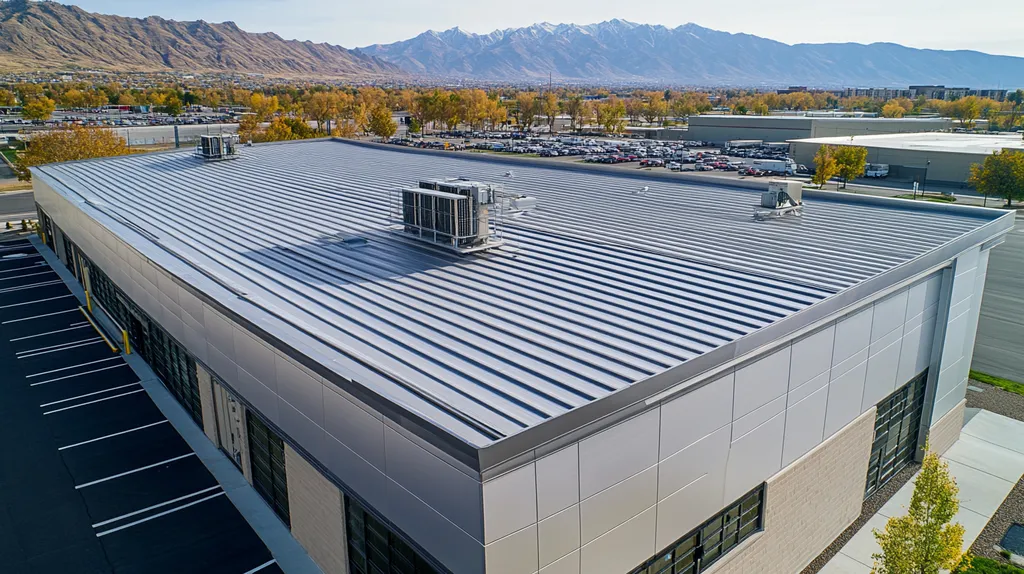
Energy-efficient coatings are not only designed to conserve energy; they also serve to enhance roof durability. Reflective coatings shield roofing surfaces from UV damage, a common cause of premature wear. By reflecting sunlight, these coatings significantly lower the thermal stress on roofing materials.
A roof treated with reflective materials can enjoy a markedly extended lifespan, offering a return on investment through minimized maintenance costs. Facilities that overlook this technology often face expensive repairs or the early replacement of their roofing systems.
Additionally, maintaining coated roofs tends to require less frequent attention and is often less complex, leading to further time and resource savings. This efficiency allows facility managers to better allocate their labor towards other essential maintenance tasks.
Ultimately, investing in durable, energy-efficient coatings not only fortifies the roof’s lifespan but also safeguards vital business assets, promoting long-term operational efficiency.
Influence on Urban Heat Island Effect
The urban heat island effect has become a pressing concern in many cities, as buildings trap heat and create uncomfortably warm environments. Reflective roof coatings play a vital role in alleviating this problem by cooling urban landscapes. As more facilities transition to reflective materials, the collective impact on city temperatures can be substantial.
Research shows that a broader implementation of reflective roofs can effectively lower local air temperatures by as much as 4 degrees Fahrenheit. This drop benefits not only the buildings themselves but also enhances the overall comfort for surrounding communities.
Tackling the urban heat island effect is essential for achieving sustainability targets and meeting environmental regulations. Property owners who acknowledge their role in this challenge position themselves as leaders in corporate responsibility and environmental stewardship.
Beyond the environmental advantages, properties that reduce their heat footprint often experience improved tenant satisfaction and value appreciation. Such factors can drive greater demand for commercial spaces, ultimately benefiting property owners and enhancing their market position.
SECTION 3: COST OF MISINFORMATION
In today’s fast-paced business landscape, neglecting energy-efficient roofing options can lead to alarming financial repercussions. Studies indicate that not investing in effective roof coatings can result in wasted energy costs exceeding 30% each year. Misunderstanding the long-term benefits of these coatings compromises a facility’s budget and overall operational efficiency. Therefore, access to accurate information is essential for making informed roofing decisions.
Overlooking Long-Term Savings
Investing in energy-efficient roof coatings pays off significantly over time for industrial buildings. Reflective coatings, for example, can decrease cooling costs by as much as 30%, providing a swift return on investment.
However, many property owners fixate on the upfront costs without recognizing the considerable savings these coatings offer down the line. Choosing cheaper, less effective roofing materials often leads to wasted energy and rising monthly expenses.
The failure to acknowledge potential savings can harm a facility’s financial health, depriving owners of the chance to reinvest those funds into vital aspects of their operations.
Ultimately, overlooking long-term benefits puts at risk not only the budget but also the sustainability objectives of industrial facilities.
Ignoring Potential Tax Credits and Rebates
Many property owners remain unaware that installing energy-efficient roofs can qualify them for valuable tax credits and rebates aimed at promoting sustainability and energy conservation.
Neglecting these opportunities means forfeiting substantial financial support. Federal tax credits often cover a percentage of installation costs, while local utility companies may offer enticing rebates for energy-efficient upgrades.
Failing to explore these financial incentives can increase roofing project costs, undermining the financial advantages of high-quality coatings. Understanding these available incentives is crucial for maximizing budget impact.
Tax credits and rebates present an excellent opportunity to alleviate upfront costs, significantly influencing investment decisions and reinforcing the value of energy-efficient coatings in industrial buildings.
Increased Operational Costs
When misinformation guides roofing choices, operational costs can escalate due to inefficient energy consumption. Buildings without energy-efficient coatings often require more frequent HVAC maintenance and replacements, driving up annual operating expenses.
High energy bills can strain budgets, with some facilities experiencing costs up to 40% higher than comparable buildings utilizing effective roof coatings. This increased strain can lead to vital budget cuts in other areas.
Moreover, inadequate roofing impacts employee comfort and productivity. Excess heat creates uncomfortable working conditions, potentially resulting in lost hours and diminished morale.
Recognizing the consequences of misinformation regarding roof coatings empowers facility managers to make decisions that enhance efficiency and yield cost savings. Incorporating energy-efficient roofing solutions benefits the financial bottom line and cultivates a sustainable working environment.
SECTION 4: REALITY CHECK
With energy costs soaring and environmental challenges escalating, it has become urgent for industrial property owners to prioritize energy-efficient roofing solutions. Neglecting to optimize energy efficiency can lead to exorbitant utility bills and poor indoor conditions. Coating industrial roofs is one effective strategy that can deliver energy savings, but the actual benefits can vary depending on local climate and the durability of materials used. This section unpacks essential facts that should guide roofing decisions for maximum impact.
Actual Benefits in Cooler Climates
Energy-efficient roofing coatings stand to offer substantial advantages for industrial buildings situated in cooler climates. Here, reflective coatings excel at reducing heat absorption, which translates to lower cooling costs during warmer months. Property owners can expect a notable drop in energy consumption due to this effect.
In contrast, the benefits of reflective coatings may diminish in warmer climates, with some studies indicating their efficacy wanes as temperatures rise. Therefore, it’s critical for facility managers to evaluate local climate conditions before making a roofing decision.
Moreover, the choice of coating material is paramount. Some products are better suited for drawing heat away from buildings, so selecting the right coating to meet geographical needs is integral to reaping full energy savings.
Not only do cooler climates enable immediate energy savings, but they also contribute to extending the lifespan of roofing materials. A cooler roof generally undergoes fewer thermal cycles, minimizing expansion and contraction and leading to improved durability.
Durability of Energy-Efficient Materials
The durability of energy-efficient roofing materials is a key consideration for industrial property owners. Contrary to some assumptions, higher efficiency does not necessarily mean reduced longevity. In fact, quality energy-efficient coatings, when correctly applied, can actually enhance roof longevity.
Leading manufacturers subject their products to rigorous testing to ensure they withstand environmental stressors. Some coatings resist UV damage, while others provide greater flexibility against temperature fluctuations, reducing the need for frequent maintenance and emergency repairs.
However, poor application or opting for subpar materials can result in premature roof failure, leaving owners facing earlier-than-expected replacements. Thus, choosing high-quality materials and ensuring professional installation is essential for long-lasting advantages.
Additionally, materials that come with warranties bolster their reliability. Such warranties give property owners confidence that their energy-efficient coating will perform effectively over time, mitigating risks associated with the initial investment.
Real-World Examples of Energy Efficiency
Another noteworthy case involved a distribution center in the Pacific Northwest, which adopted a high-end membrane system. This not only provided optimal insulation but also increased the roof’s lifespan. The facility manager noted a marked decline in long-term maintenance expenses as a result.
These examples spotlight the significance of custom solutions tailored to specific regional challenges. By carefully considering local climate conditions and operational needs, property owners can make informed decisions that truly enhance energy efficiency.
Such practical illustrations reinforce that investing in energy-efficient roofing can lead to both financial benefits and operational improvements. Property owners who heed these lessons position themselves not just for immediate savings but for long-term organizational resilience.
SECTION 5: EVIDENCE-BASED ALTERNATIVES
As energy costs climb and sustainability becomes essential, the pressure on commercial and industrial facilities to adopt efficient roofing solutions intensifies. In the U.S., these buildings account for a significant chunk of energy consumption, with roofs playing a crucial role in thermal performance. Overlooking modern coating technologies can lead to soaring operational costs and a decrease in the longevity of buildings. This section showcases effective alternatives that not only boost energy efficiency but also accentuate visual appeal.
Reflective Coatings and Their Benefits
Reflective coatings serve as a transformative solution for enhancing energy efficiency in industrial roofing. These advanced coatings reflect sunlight rather than soaking it up, effectively minimizing heat accumulation. Research indicates that reflective roofs can result in a cooling cost reduction of up to 30%.
With many commercial buildings featuring expansive rooftops, these coatings are a perfect fit for maximizing energy performance. Not only do they improve energy efficiency, but they also extend the lifespan of roofs by reducing thermal stress. Additionally, the application of lighter shades aids in mitigating the urban heat island effect, benefiting broader communities.
Moreover, incorporating reflective coatings may qualify businesses for various energy efficiency incentives, helping offset initial installation costs. This makes them a prudent investment. By choosing reflective coatings, facility owners can create a more comfortable indoor environment for their employees, leading to enhanced productivity.
Insulation and R-Value Considerations
Boosting roof insulation is vital for a facility’s overall energy efficiency. The R-value quantifies a roof’s resistance to heat flow, and higher values indicate superior insulation capabilities. Commercial roofs lacking proper insulation often lead to overheating in summer and heat loss during winter, significantly affecting energy costs.
To enhance R-value, property owners should consider diverse insulation materials such as rigid foam, spray foam, or reflective insulation. Each option has distinct advantages tailored to specific building needs. For example, spray foam insulation not only improves R-value but also forms an airtight seal, aiding in energy conservation.
Investing in high R-value insulation can yield considerable long-term savings. The Department of Energy estimates that buildings with optimized insulation can save up to 20% on annual heating and cooling expenses. Such an investment pays dividends through reduced energy bills over time.
Furthermore, adequate insulation results in a more stable indoor climate, fostering a comfortable atmosphere that boosts productivity and employee satisfaction.
Stylish and Functional Roofing Options
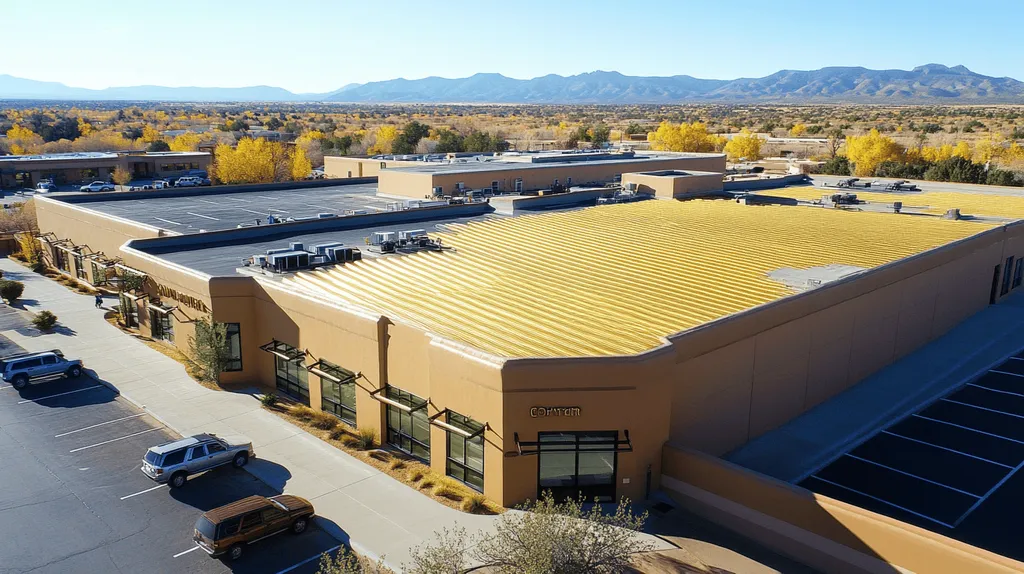
Today’s industrial roofing solutions bridge the gap between functionality and aesthetics. Modern designs provide style alongside energy efficiency, with choices ranging from green roofs to attractive metal roofing. These options cater to operational needs while satisfying aesthetic preferences.
Green roofs not only offer insulation but also effectively manage rainwater runoff and promote biodiversity. They can significantly lower roof temperatures and enhance insulation during colder months. Many companies leverage these roofs in their branding, transforming sites into visually stimulating environments.
Additionally, cool metal roofing systems reflect heat and contribute to reduced energy demand. Their durability often surpasses that of traditional roofing materials. Many manufacturers now provide a variety of finishes—galvanized, painted, or textured—that enhance the roof’s visual appeal without compromising performance.
Investing in stylish, functional roofing options not only addresses energy efficiency challenges but also enhances a facility’s marketability. In a competitive landscape, an attractive and environmentally conscious building can draw in high-quality tenants and clients, boosting commercial success.
SECTION 6: TEST AND VERIFY
The stakes for industrial property owners to ensure energy efficiency in roofing are higher than ever. With energy costs climbing and environmental regulations tightening, the right roof coatings not only promise significant savings but also contribute to sustainability efforts. However, verifying how these coatings truly perform is essential. Conducting thorough tests is critical for making informed decisions that uphold both financial interests and environmental responsibility.
Conducting Thermal Performance Tests
Thermal performance tests play a crucial role in assessing the effectiveness of roof coatings. These evaluations measure how well a roof can reflect heat, which is pivotal for reducing cooling costs in industrial settings. To gauge this performance, property owners should implement standardized tests such as the Solar Reflectance Index (SRI), which quantifies a coating’s ability to minimize heat absorption.
Additionally, infrared thermography can yield valuable insights by detecting heat-related issues not visible to the naked eye. Regular testing provides facility managers with the data to document improvements over time, ensuring the coatings maintain their effectiveness.
By compiling results from these tests, property owners can make informed comparisons of various coatings. Understanding which products deliver the best thermal performance can shape long-term savings strategies and enhance overall energy efficiency.
Consistent thermal testing is not merely beneficial; it is essential for maximizing returns on investments made in roof coatings.
Monitoring Energy Consumption Changes
Monitoring energy consumption after applying roof coatings is key to understanding their effectiveness. Facility managers should meticulously track energy bills before and after installation to substantiate actual savings. This data is instrumental in highlighting the real impact of the roofing investment.
Employing energy management systems can further amplify monitoring capabilities. These tools provide real-time data on energy usage, enabling facility managers to identify trends and potential areas for further savings. Regular examinations of this information allow property owners to quickly assess the return on their investments.
Additionally, comparing energy consumption against industry benchmarks offers valuable insights into how well the facility’s roof measures up to similar buildings. This benchmark data can spark informed discussions with contractors regarding future upgrades or treatments.
In essence, diligent monitoring of energy consumption not only confirms the effectiveness of roof coatings but also drives ongoing improvement initiatives.
Case Studies and Field Data Analysis
Delving into case studies and field data offers compelling evidence of the advantages associated with energy-efficient roof coatings. Property owners can reference documented examples where specific coatings led to remarkable cuts in energy usage and operating costs.
For instance, a manufacturing facility that upgraded its roof coatings reported a 30% decrease in cooling expenses within the first year of installation. This dramatic reduction underscores the potential for similar facilities to realize impressive savings.
Field analysis, including surveys and feedback from facility managers, can also provide valuable perspectives. Understanding practical applications of these coatings and their outcomes helps refine choices for future roofing solutions.
Moreover, collaborating with industry professionals to analyze aggregate data can reveal trends, best practices, and transformative insights. Leveraging this information empowers property owners to make decisions steeped in empirical evidence.
In summary, employing case studies and field data analysis significantly enhances comprehension of energy efficiency in roofing solutions.
The Bottom Line
With energy costs rising 7% annually, industrial facilities can no longer afford to overlook the transformative potential of energy-efficient roof coatings.
The evidence is clear: properly selected and installed coatings can slash cooling costs by up to 30% while extending roof lifespans by decades.
Modern coating solutions have evolved far beyond basic white membranes, offering diverse aesthetic options that enhance property values while delivering measurable efficiency gains.
For industrial property owners, the choice is stark: embrace evidence-based coating solutions or watch operational costs continue to climb in an increasingly competitive market.
The technology exists, the ROI is proven, and the environmental imperative is undeniable – the time for action on energy-efficient industrial roof coatings is now.
FREQUENTLY ASKED QUESTIONS
Q. Are cool roofs only suitable for commercial roofs in hot climates?
A. Many believe cool roofs only benefit hot climates, but they work everywhere! Their capability to reflect sunlight and reduce heat absorption provides year-round energy savings, even in cooler regions.
Q. How do energy-efficient coatings impact industrial roof maintenance?
A. Energy-efficient coatings enhance durability, reducing the need for frequent maintenance. They shield roofs from UV damage and thermal stress, leading to longer lifespans and less complex care for facility managers.
Q. What are the financial consequences of overlooking energy-efficient coatings?
A. Not investing in energy-efficient coatings can lead to wasted energy costs exceeding 30% annually. This increases operational expenses and hampers budget sustainability, impacting overall business efficiency in the long run.
Q. Do cooler climates still benefit from energy-efficient roofing systems?
A. Yes! Energy-efficient coatings in cooler climates can significantly lower cooling costs and energy consumption. By reflecting heat, they help maintain consistent indoor temperatures and enhance roof longevity.
Q. Can energy-efficient coatings improve my commercial roof’s lifespan?
A. Absolutely! High-quality, reflective coatings reduce thermal stress and UV damage, leading to extended roof life. Investing in these coatings decreases the risk of premature failures and costly replacements.
Q. How can I test the effectiveness of my industrial roof coatings?
A. Conducting thermal performance tests, such as the Solar Reflectance Index, can measure coating effectiveness. Monitoring energy consumption changes before and after application also helps confirm the savings gained.
Q. What are the stylish roofing options available for industrial buildings?
A. Modern options include green roofs and attractive metal roofing systems. These solutions not only enhance energy efficiency but also improve aesthetics, helping facilities attract high-quality tenants and clients.






