
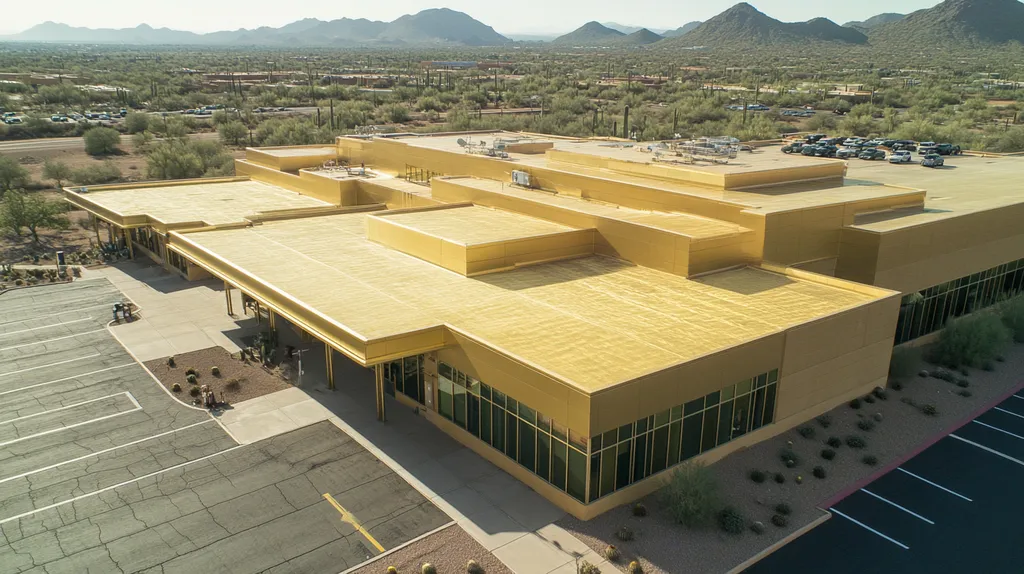
In today’s industrial facilities, roof coating color choices can mean the difference between optimal performance and costly inefficiencies. Studies show that dark-colored roofs can reach temperatures up to 90°F hotter than lighter alternatives, driving cooling costs up by as much as 40%.
As energy prices continue to climb and environmental regulations tighten, facility managers face mounting pressure to optimize their roofing systems for maximum efficiency. The right coating color doesn’t just impact temperature—it affects everything from maintenance schedules to compliance requirements.
This comprehensive guide examines the critical factors facility managers must consider when evaluating roof coating colors, from performance metrics to long-term financial implications.
SECTION 1: PERFORMANCE FACTORS
The color of your roof coating isn’t just a cosmetic choice—it plays a pivotal role in your industrial roof’s performance and efficiency. Selecting the right hue can lead to notable reductions in energy consumption and significant savings on utility bills. For instance, light-colored coatings can reflect sunlight, slashing heat absorption and cooling costs by as much as 30%. Recognizing these performance factors is vital for facility managers who want to make the most of their roofing investments.
Solar Reflectance and Thermal Emittance
Understanding solar reflectance and thermal emittance is crucial for selecting the right roof coating. Solar reflectance measures a roof’s ability to bounce back solar energy, while thermal emittance indicates how well it can release the heat it absorbs. Coatings designed with high solar reflectance can maintain cooler buildings by minimizing heat build-up. A white or light-colored coating can deflect up to 80% of sunlight, leading to lower interior temperatures and a more comfortable working environment.
Darker coatings, on the contrary, tend to absorb more heat, driving up cooling demands, especially in areas with high sun exposure. Facility managers are encouraged to choose coatings with strong solar reflectance ratings to boost overall energy efficiency.
Moreover, thermal emittance is equally important; materials that release absorbed heat effectively will keep surface temperatures cooler. A smart combination of high reflectance and emittance delivers optimal roofing performance, leading to substantial long-term savings and enhancing the lifespan of roofing materials.
Key Action Items
Infrared Radiation Reflection
The sun isn’t just blasting visible light; a significant portion of solar energy comes in the form of infrared radiation (IR). Roof coatings that effectively reflect IR can dramatically reduce heat buildup, enhancing cooling efficiency for your facilities. By reflecting IR, these coatings lessen the thermal strain on HVAC systems—an advantage that’s hard to ignore.
Facilities that incorporate IR-reflective coatings often see cooling costs decrease by as much as 40% during sizzling summer months. This translates into lower operational expenses and a more comfortable workspace. Some coating manufacturers emphasize their IR-reflective properties, empowering property owners to make informed choices.
Choosing coatings that excel at reflecting infrared radiation not only improves energy efficiency but also combats the urban heat island effect, where local temperatures soar due to heat accumulation. For facility managers committed to sustainability, evaluating infrared reflection capabilities is essential for maximizing roof performance while reducing the carbon footprint.
Key Action Items
Cooling Power and Energy Savings
The effectiveness of a roof coating in maintaining low surface temperatures is a key player in energy savings, especially in regions facing sweltering summers. Coatings that provide superior cooling power can substantially lower air conditioning requirements, which is critical for operational efficiency. Many industrial facilities have reported energy cost reductions ranging from 20% to 40% after installing high-performance reflective roof coatings.
Such savings not only boost the bottom line but also ensure long-term operational benefits as energy prices climb. Strategic investments in roof coatings that feature excellent cooling attributes are essential for facility managers looking to optimize energy efficiency.
As energy costs continue to trend upwards, the need for innovative cooling solutions rises. Selecting quality roof coatings transcends mere aesthetics—it represents a vital move toward achieving significant energy savings and promoting sustainable practices in building management.
Key Action Items
SECTION 2: FINANCIAL CONSIDERATIONS
When it comes to industrial roofing, the financial consequences of roof coating color often fly under the radar. Yet, these decisions can lead to striking differences in both upfront costs and long-term savings. For instance, research reveals that dark roofs can heat up over 150°F, which significantly drives up energy costs. Facility managers and property owners must grasp these factors to make savvy roofing choices that genuinely benefit their bottom line.
Initial Cost vs. Long-Term Savings
Property owners frequently find themselves weighing the allure of lower immediate costs associated with traditional dark roofing against the slightly higher upfront investment required for lighter, reflective coatings. While dark roofs might seem like a budget-friendly option at first, they often lead to much higher cooling bills as time goes on. On the flip side, lighter coatings can cool roof surfaces by 30°F or more, translating to remarkable energy savings.
To get the complete picture of ownership costs, it’s vital to assess how reduced HVAC wear and tear adds to the financial equation. Roofs that stay cooler lead to fewer mechanical breakdowns and less downtime due to overheating, saving facilities thousands on repairs during their lifespan.
Moreover, investing in a quality reflective roofing system can yield savings that far outweigh the initial expense. Over a 20-year timeline, many facilities see energy cost reductions reaching 50% of their initial roofing investment, proving that smart choices now can pay dividends in the future.
Key Action Items
Energy Cost Reduction Analysis
Energy expenses tend to represent a considerable chunk of operational costs for industrial facilities. Reflective roof coatings, specifically engineered to bounce back sunlight, can lead to substantial reductions in cooling energy requirements. Studies show that cool roofing systems can boost energy efficiency by as much as 20%, resulting in notably lower monthly utility bills.
As energy prices continue to climb, the benefits of installing a reflective roof become even more apparent. For example, if a facility typically spends $50,000 a year on cooling, switching to a light-colored roof coating could save more than $10,000 annually.
Additionally, there are often local and federal incentives available to encourage facilities to adopt energy-efficient roofing solutions. These incentives can help offset the initial investment, making a transition to reflective roof coatings even more financially appealing.
Key Action Items
ROI on Cool Roof Coatings
Return on investment (ROI) serves as a crucial benchmark for property owners when assessing different roofing options. Cool roof coatings generally offer impressive ROI due to their energy-saving features and longer lifespan. Many facilities report receiving returns between 2 to 10 times their initial investment within just a few years of installation.
Enhanced energy efficiency translates not only to reduced operating costs but also to increased property values. Buildings fitted with reflective coatings can attract tenants who prioritize lower utility bills, boosting occupancy rates and rental income as a result.
Furthermore, the environmental benefits linked to cool roofs—such as mitigating the urban heat island effect—can also elevate a business’s reputation. Companies that showcase their commitment to sustainable practices can stand out in competitive markets.
A thorough assessment of ROI should encompass energy savings, potential increases in property value, and available financial incentives. This insight arms facility managers with the data needed to advocate for more sustainable roofing solutions that enhance financial health both now and in the future.
Key Action Items

SECTION 3: COMPLIANCE REQUIREMENTS
Grasping compliance requirements is essential for making smart choices about roof coating colors. Ignoring building codes and regulations could lead to hefty fines and operational roadblocks. Facilities that opt for non-compliant roof coatings may face penalties beyond mere financial strain, hindering overall efficiency.
Building Codes and Regulations
Building codes are the backbone of safe and effective roofing, dictating everything from materials to installation techniques. These regulations ensure roofs are sturdy, energy-efficient, and safe for occupants. Industrial facilities must ensure that their chosen roof coating colors align with local and national codes to sidestep penalties.
Many regions require proof of compliance with the International Building Code (IBC) or local codes. These codes often specify the needed reflectivity and emissivity values for coatings. Overlooking these guidelines can result in expensive re-roofing projects or adjustments down the road.
Furthermore, staying informed about zoning laws is crucial, especially when selecting reflective or cool roof options. Conducting thorough research in this area can conserve resources and effort over time. Before locking down a roof coating selection, consulting with local building officials is advisable.
Key Action Items
Environmental Standards and Certifications
Environmental standards are becoming central to roofing projects as sustainability gains importance. Many facilities must adhere to requirements set by organizations such as ENERGY STAR® and the Cool Roof Rating Council (CRRC), which emphasize energy-efficient roof coatings and their environmental effects.
Choosing roof coatings that comply with these standards can boost a facility’s sustainability credentials. For example, ENERGY STAR® certified coatings can reflect more sunlight and absorb less heat, resulting in reduced energy consumption. Compliance can also unlock tax incentives and enhance a company’s reputation for corporate responsibility.
When selecting roof coatings, property owners should inquire about certifications and ensure products meet or surpass state and federal environmental guidelines. Clarity in product specifications can streamline compliance verification efforts.
Key Action Items
Compliance with DOE Climate Zones
The Department of Energy (DOE) designates climate zones that significantly influence roofing material and coating selections. Understanding which climate zone a facility falls into is crucial for making effective choices about roof coatings, as each zone has particular requirements related to reflectivity and thermal performance.
For example, lighter-colored coatings are often favored in warmer climates to decrease cooling expenses, while darker coatings may be more suitable for colder regions to enhance heat retention. Not aligning coating selections with local climate conditions can result in wasted energy and increased operational costs.
Facilities should refer to local DOE guidelines to ensure their roof systems are compliant and to maximize energy efficiency. Assess how geographic location affects energy consumption and select coatings accordingly.
Key Action Items
SECTION 4: RISK MANAGEMENT
Effective risk management is essential for industrial facilities to safeguard assets and maintain uninterrupted operations. Ignoring the implications of roof coating color and temperature can lead to severe consequences, including premature degradation and hefty repair costs. Adopting a thoughtful approach to roofing decisions can enhance energy efficiency and promote long-term sustainability. This section delves into strategies for mitigating heat-related damage, boosting durability, and refining maintenance procedures.
Heat-Related Damage Mitigation
High temperatures pose significant threats to industrial roofs. Selecting an inappropriate roof coating color can lead to overheating, risking damage to both roofing membranes and the underlying structures. For instance, darker colors absorb excess heat, causing materials to expand and contract excessively, ultimately weakening seams and resulting in leaks.
Choosing lighter, reflective coating colors can effectively mitigate these risks by keeping roof temperatures down. This not only prolongs the lifespan of roofing materials but also boosts overall building efficiency. Facilities using reflective coatings can see cooling cost reductions, translating to energy savings that enhance the bottom line.
A deep understanding of local climate conditions is vital as well. Areas with intense sunlight may require tailored strategies for heat mitigation to avoid heat-induced roof failures. Investing in heat-reflective coatings supports both facility performance and sustainability initiatives, reinforcing corporate responsibility goals.
Key Action Items
Durability and Weather Resistance
The choice of roof coating color greatly influences its durability and resistance to the elements. Darker coatings may become brittle quicker under intense UV exposure, leading to cracks and flaking. In contrast, lighter colors typically maintain their integrity longer and resist fading.
Extreme weather conditions, such as heavy rain or intense UV radiation, can pose serious risks to industrial roofs. Coatings specifically designed for weather resistance provide a protective barrier against moisture intrusion, extending roof longevity and saving facilities from costly repairs.
Additionally, advanced chemical formulations in coatings help enhance durability against pollutants and debris. Regular checks of coating integrity can assist facilities in staying ahead of any potential weather-related damage, ensuring robust protection from the elements.
Key Action Items
Maintenance and Repair Considerations
Ongoing maintenance is vital for any roofing system, and the coating color significantly influences how often a roof requires attention. Lighter coatings may show dirt and stains more readily than darker options, potentially necessitating more frequent cleaning and maintenance activities.
Nonetheless, the cost of maintaining a lighter color can be counterbalanced by the accompanying energy savings and longevity benefits. Establishing clear maintenance protocols that factor in color choices ensures roofs remain both functional and visually appealing. Scheduling regular inspections allows early identification of wear signs.
When repairs become necessary, comprehension of how coating color impacts repair materials is critical. Choosing compatible repair products guarantees that patches maintain the same durability and reflectivity as the primary coating. Adequate training for maintenance personnel enhances overall facility performance.
Key Action Items

SECTION 5: OPERATIONAL PROCEDURES
In the demanding world of industrial facilities, operational efficiency hinges on the effectiveness of roof coatings, affecting both energy costs and the longevity of the building. Studies reveal that lighter roof coatings can lower roof surface temperatures by up to 30°F, offering significant energy savings. To achieve optimal performance, property owners and facility managers must focus on meticulous application, rigorous maintenance, and seasonal adjustments for their roofing systems.
Application and Installation Guidelines
Successful roof coating starts with carefully planned application and installation. Property owners should choose coatings that are compatible with their existing roofing materials to guarantee strong adhesion and durability. This process often begins with thorough surface preparation to eliminate debris, contaminants, and any old coatings that could negatively impact performance.
Coatings must be applied under ideal weather conditions—typically within a temperature range of 50°F to 90°F—while avoiding high humidity or rain. Engaging trained professionals for application minimizes the risk of issues like peeling or blistering that can undermine the coating’s effectiveness.
The proper thickness is another essential factor. Applying two coats with a minimum specified mil thickness ensures durability and maximizes the reflective capabilities of the coating. Conducting a test patch can help assess adhesion and appearance before applying the full coat, while monitoring the coating’s performance afterward will provide valuable insights into insulation value and temperature control.
Key Action Items
Inspection and Maintenance Schedules
Establishing a proactive inspection and maintenance schedule is essential for ensuring continuous roof performance. Conducting regular visual inspections—preferably twice a year—can uncover potential problems like cracks, blisters, or discoloration before they escalate into expensive repairs. Managers should also check for debris accumulation, which can trap moisture and lead to deterioration.
Documenting these inspections is crucial for tracking the roof’s condition and making informed maintenance decisions. Property owners can refer to these records to decide whether the current coating remains effective or if a refresh is warranted.
Maintenance may involve simple cleaning or more significant repairs on vulnerable areas. Partnering with a reliable roofing contractor ensures timely and expert completion of these maintenance tasks. Furthermore, conducting comprehensive annual assessments can enhance overall roof performance and identify further improvements.
Key Action Items
Seasonal Coating Performance Adjustments
Seasonal variations can dramatically impact roof coating performance. As temperatures change, materials expand and contract, which may lead to cracks or compromised seams that allow moisture intrusion. Property managers must be diligent in assessing roof conditions before and after each season.
During warmer months, lighter-colored coatings are essential for reflecting solar radiation and minimizing heat absorption. In contrast, winter may call for specialized coatings that withstand freeze-thaw cycles effectively.
Monitoring energy costs associated with roof performance is another crucial task for property managers. Rising energy bills may indicate a need to reevaluate coating choices based on external temperature shifts. Working with roofing professionals can provide valuable insights into optimizing coatings for seasonal changes, ultimately enhancing energy efficiency and reducing operational costs.
Key Action Items
SECTION 5: OPERATIONAL PROCEDURES
In the competitive landscape of industrial facilities, the operational efficiency of roof coatings directly impacts energy costs and building longevity. Research indicates that lighter roof coatings can reduce roof surface temperatures by up to 30°F, leading to significant energy savings. To maximize this potential, property owners and facility managers must prioritize proper application, regular maintenance, and seasonal performance adjustments to ensure their roofing systems remain effective and efficient.
Application and Installation Guidelines
Effective roof coating begins with precise application and installation. Property owners should select coatings that are compatible with existing roofing materials to guarantee strong adhesion and longevity. This vital step often necessitates thorough surface preparation, removing debris and contaminants that could hinder performance.
Coatings must be applied under optimal weather conditions, typically between 50°F and 90°F, while avoiding high humidity or impending rain. Engaging trained professionals for application minimizes the risk of issues such as peeling or blistering that undermine the coating’s effectiveness.
The correct thickness is also crucial. Industry standards recommend applying two coats, each achieving a minimum mil thickness. Uniform coverage across the roof surface maximizes insulation capabilities and prolongs its lifespan. Conducting a test patch helps assess adhesion and appearance before the full application, while monitoring performance afterward will provide valuable insights into insulation value and temperature control.
Key Action Items
Inspection and Maintenance Schedules
Establishing a proactive inspection and maintenance schedule is critical for sustaining roof performance. Regular visual inspections, ideally twice a year, can identify potential issues, such as cracks, blisters, or discoloration, before they escalate into costly repairs. Facility managers should also check for debris accumulation that can trap moisture and lead to deterioration.
Documenting inspections is essential. Keeping detailed records helps track the roof’s condition over time and informs maintenance decisions. Property owners can use these records to evaluate whether the current coating is functioning effectively or if a refresh is warranted.
Regular maintenance may involve simple cleaning procedures or more extensive touch-ups on vulnerable areas. Collaborating with a reputable roofing contractor ensures timely and professional completion of maintenance tasks. Moreover, comprehensive annual assessments can enhance overall roof performance and identify potential improvements, resulting in a longer lifespan and greater energy efficiency.
Key Action Items
Seasonal Coating Performance Adjustments
Seasonal changes can significantly affect roof coating performance. As temperatures fluctuate, materials can expand and contract, potentially leading to cracks or compromised seams that allow moisture intrusion. Property managers must be vigilant and assess roof conditions before and after seasonal transitions.
During warmer months, lighter-colored coatings should be prioritized for their ability to reflect solar radiation and reduce heat absorption. In winter, indicates a preference for specialized coatings that withstand freeze-thaw cycles efficiently.
Regular monitoring of energy costs linked to roof performance is also crucial. Rising energy bills may signal a need to reevaluate coating choices due to external temperature shifts. Engaging with professional roofing consultants offers valuable insights on optimizing coatings for seasonal performance. This proactive approach results in not just a longer-lasting roof but also maximizes energy efficiency, significantly reducing operational costs.
Key Action Items
Moving Forward
With energy costs continuing to rise by 5-7% annually, industrial facilities can no longer afford to overlook the impact of roof coating color on their bottom line.
Studies consistently demonstrate that light-colored, reflective coatings can reduce peak roof temperatures by up to 90°F and slash cooling costs by 40% compared to traditional dark surfaces.
The data is clear: facilities implementing strategic roof coating color choices see ROI within 2-3 years through reduced energy consumption, extended roof lifespan, and lower maintenance costs.
As environmental regulations tighten and sustainability becomes a business imperative, the choice of roof coating color will increasingly influence both operational efficiency and regulatory compliance.
The time for industrial facilities to optimize their roof coating color strategy is now – before rising temperatures and stricter standards force their hand.
FREQUENTLY ASKED QUESTIONS
Q. How does roof color affect a commercial roof’s energy efficiency?
A. The color of your roof influences how much heat is absorbed or reflected. Lighter colors can significantly reduce heat absorption, leading to decreased cooling needs and lower energy bills.
Q. What financial benefits does an industrial roof’s color provide?
A. Investing in lighter reflective coatings may have higher initial costs but can lead to substantial energy savings over time. Many facilities experience a reduction in cooling expenses that outweighs these upfront costs.
Q. What compliance requirements should I consider for my industrial roof?
A. It’s crucial to ensure your roof coating meets local building codes and environmental regulations. Compliance prevents costly fines and helps maintain energy efficiency, supporting sustainability goals.
Q. How can I mitigate heat-related damage to my industrial roof?
A. Choosing a reflective coating can help keep roof surfaces cooler, reducing risk of damage from heat. Regular inspections and maintenance practices will further protect your roofing materials from extreme temperatures.
Q. What should I include in my roof maintenance schedule?
A. Your maintenance schedule should feature regular inspections, debris removal, and cleaning to prevent deterioration of the roof. Documenting findings helps assess condition and informs any necessary repairs or coatings.
Q. How does seasonal change affect roof coating effectiveness?
A. Seasonal temperature fluctuations affect coating performance by causing expansion and contraction. Regular assessments are crucial to ensure your roofing system adapts to seasonal conditions and maintains energy efficiency.
Q. What unique considerations arise from local climate for industrial roofs?
A. Local climate influences the choice of roof coating color and material, dictating reflectivity and thermal performance. Aligning your roof’s attributes with local climate can significantly enhance energy efficiency and longevity.






