

As energy costs continue to skyrocket, commercial property owners face a stark reality: buildings account for nearly 40% of U.S. energy consumption, with traditional roofing being a major culprit in heat absorption and wasted cooling costs.
Enter reflective commercial roof coatings, a sophisticated solution that can slash cooling expenses by up to 30% while extending roof lifespans by decades.
Understanding these innovative materials – from their energy-saving mechanisms to practical applications – has become essential for property owners seeking to maximize efficiency and minimize operational costs.
This comprehensive guide illuminates the what, why, and how of reflective roof coatings, helping decision-makers navigate the path toward more sustainable and cost-effective building management.
SECTION 1: THE BASICS EXPLAINED
In a world where energy costs soar and environmental concerns mount, reflective commercial roof coatings are stepping into the spotlight as heroes of efficiency. The U.S. Department of Energy reports that buildings account for a staggering 39% of the nation’s total energy consumption. Understanding how these innovative coatings can boost energy efficiency and prolong roof life is essential for any savvy property owner. This section unpacks the fundamentals of reflective roof coatings: what they are, why they’re vital, and how they work.
What It Is (In Plain Language)
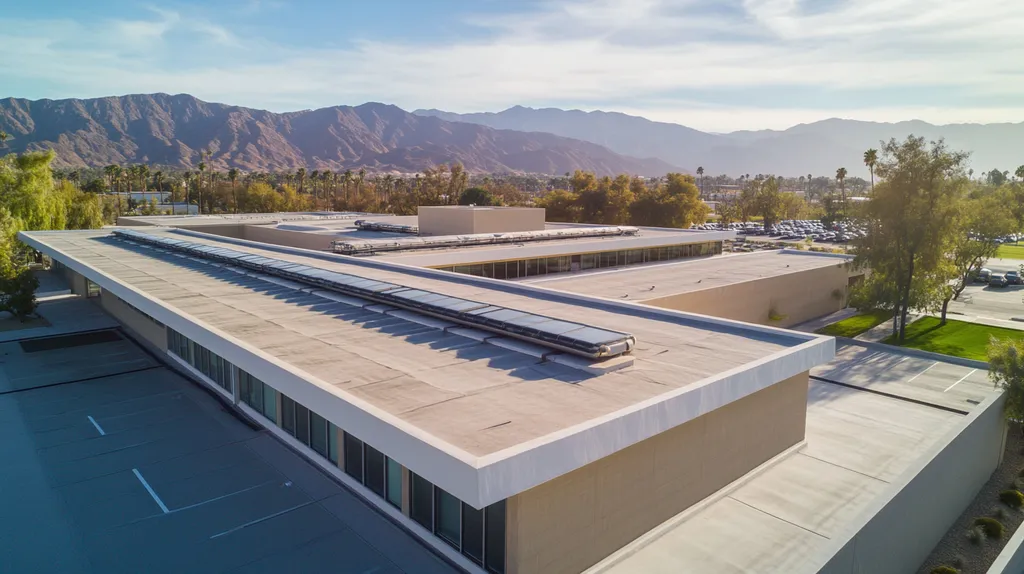
Reflective commercial roof coatings are advanced materials applied to roofs, designed to fend off heat from the sun’s rays. Available in various formulations, such as elastomeric and acrylic types, these coatings shine in their ability to reflect sunlight and keep rooftop temperatures down. Think of them as both a shield and a thermal barrier—an essential upgrade for many commercial buildings.
These coatings shine particularly bright on flat or low-slope roofs, which often struggle with heat retention. By applying a reflective coating, property owners can enhance their building’s energy efficiency significantly. For instance, a white reflective coating can reduce roof temperatures by as much as 50 degrees Fahrenheit when basking in direct sunlight.
Investing in reflective coatings is not just about immediate benefits; it’s a commitment to the long-term well-being of the roof. Once these coatings are in place, they deliver advantages like UV protection and waterproofing, which stave off costly repairs in the future. This understanding is crucial for effective building management.
Why It Matters (To Your Building)
The impact of reflective roof coatings on a commercial property can be profound. Excessive heat absorption can balloon energy bills, impacting budgets significantly. With reflective coatings, property owners can enjoy savings of 20-30% on HVAC costs by maintaining more comfortable indoor temperatures, translating into real financial relief over time.
Let’s not forget the environmental benefits. Increased reflectivity not only enhances energy efficiency but also mitigates the urban heat island effect, where city locales heat up disproportionately compared to their rural counterparts. Properties investing in reflective coatings are making a positive contribution to the local climate.
Moreover, property owners should recognize that a reflective coating’s ability to reduce thermal stress means roofing materials can last longer. Whether saving on replacement costs or reducing potential risks, this is a wise play for building managers looking to optimize their operations.
How It Works
Reflective roof coatings utilize specialized pigments and additives to bounce back a substantial portion of solar radiation. This clever mechanism reduces the thermal load on rooftops and consequently minimizes air conditioning demands. Light-colored or specially crafted coatings can reflect up to 90% of incoming sunlight.
By reflecting heat, these coatings keep roofs cool and, by extension, maintain lesser reliance on HVAC systems—a crucial factor in energy savings. Research indicates that reflective roofs can prolong HVAC system life by decreasing operational demands.
Additionally, many of these coatings incorporate UV inhibitors to protect against the sun’s damaging rays. With proper maintenance, a reflective coating can last over a decade, ensuring that energy efficiency remains a priority for years to come. Embracing this technology is a forward-thinking measure for modern structures.
SECTION 2: PRACTICAL APPLICATIONS
As energy prices rise and sustainability becomes more pressing, the need for efficient solutions in commercial properties is more evident than ever. Facility managers and property owners are increasingly searching for ways to cut costs and promote eco-friendliness. Reflective roof coatings emerge as a robust solution, significantly reducing energy consumption while extending the lifespan of roofing systems. By grasping their practical applications, decision-makers can position themselves favorably in both environmental stewardship and financial savings.
Common Uses & Examples
Reflective commercial roof coatings are versatile and find their place in a wide array of buildings, including warehouses, retail spaces, and manufacturing facilities. In fact, these coatings tackle the urban heat island effect, which can escalate cooling costs in densely populated areas. A case in point: a large distribution center in a sweltering climate experienced a remarkable 20% drop in energy bills after applying a reflective coating. Educational institutions also recognize the benefits, using these coatings to create more comfortable learning environments for students and staff alike.
These coatings are not just for new constructions; they can also be effectively applied to existing roofs during regular maintenance sessions. Many property owners are drawn to this eco-conscious choice as a proactive means to extend their roofs’ lifespans while staying aligned with environmental regulations. In industries like healthcare and hospitality, where maintaining a pleasant indoor atmosphere is crucial, reflective coatings play a vital role in energy management strategies.
When You Need It Most
Timing can make all the difference when considering reflective coatings for commercial roofs. These coatings should be prioritized during roof repairs or replacements, especially in areas with intense sun or variable seasonal temperatures. In locales where cooling costs are a significant concern, the immediate energy savings from installing reflective coatings can easily justify the investment. One facility manager in the southern United States reported recouping installation costs within a year, largely during peak summer months.
Property owners planning long-term renovations or sustainability improvements should include reflective coatings in their initial strategy. Identifying the right moment for application enables property owners to avoid the steeper costs associated with retrofitting down the line. By embracing reflective coatings early in the planning phase, they not only capitalize on energy savings but also enhance the financial viability of their properties.
Interactions With Other Systems
Reflective roof coatings harmonize beautifully with various roofing systems, boosting overall performance. For example, when paired with insulation upgrades, these coatings create a synergistic effect that amplifies energy efficiency. A commercial property that enhanced its roof insulation and applied a reflective coating enjoyed improved thermal resistance and a notable reduction in energy bills.
These coatings also complement other sustainability initiatives, such as solar panel installations. A reflective roof surface can effectively lower the operating temperature of solar panels, enhancing their efficiency by up to 10%. This dual benefit not only improves energy production but also extends the lifespan of both the solar panels and the roofing system itself.
In sum, integrating reflective coatings into existing and new roofing systems opens doors to a wealth of benefits that align with modern energy efficiency standards. Property owners and facility managers should carefully assess these interactions to devise optimal strategies, ensuring long-term advantages and operational success.
SECTION 3: KEY TERMINOLOGY DECODED
Navigating the terminology of reflective commercial roof coatings isn’t just a luxury—it’s a necessity for making wise investments. Misunderstanding key terms can lead to costly oversights and inefficient roofing solutions. For instance, knowing the difference between insulation ratings can greatly impact energy savings. This section highlights essential terms, clarifies industry jargon, and simplifies measurement units to empower property owners and facility managers in their decision-making journeys.
Essential Terms Explained
Understanding key terms related to reflective roof coatings is crucial. “Solar Reflectance” measures how much sunlight a roof surface reflects, which is vital for energy savings. Higher reflectance values translate to better performance in minimizing energy consumption for cooling.
The “Cool Roof Rating Council (CRRC)” plays a pivotal role in evaluating and labeling these reflective coatings, providing a standardized way to compare products. Grasping these terms empowers decision-makers to make better choices.
Industry Jargon Translated
The roofing industry loves its lingo, which can sometimes feel like a foreign language. “Reflective Coating” is often synonymous with “Cool Roof” but can also denote specific coatings designed for enhanced energy efficiency. Understanding this distinction is essential for proper application.
Measurement & Units Simplified
Grasping measurement units is vital for evaluating roofing products. The “R-value” indicates thermal resistance, revealing how well a roofing system prevents heat transfer. A higher R-value signifies superior insulation and energy conservation.
“Steepness” or “pitch” of the roof, measured in rise over run, impacts how much sunlight a surface receives and affects its efficiency. Understanding these measurements allows for tailored solutions that fit specific roof designs.
SECTION 4: DECISION FACTORS
When it comes to choosing reflective commercial roof coatings, the stakes are notably high. With energy costs spiraling and maintenance burdens looming large, property owners and facility managers need to make informed decisions that directly impact operations and profitability. Comprehending the financial and performance implications of these coatings is not just advisable; it’s essential. This section outlines pivotal factors for consideration, including cost considerations, performance trade-offs, and lifespan and durability factors.
Cost Considerations
Cost is often the first thing that leaps to mind when grappling with roofing choices. Reflective coatings may present a higher initial price tag when stacked against traditional roofing options. However, this upfront investment can pave the way for significant savings on energy bills and maintenance in the long run.
Property owners should take a holistic view of the total cost of ownership. This means looking beyond just installation costs to include potential reductions in heating and cooling expenses. A noteworthy example is that reflective coatings can lower roof surface temperatures by up to 60 degrees Fahrenheit, which might reduce energy expenditures by 10-30% annually.
Exploring financing options and incentives for energy-efficient upgrades can also be a game-changer. Many local governments and utilities offer rebates for applying reflective coatings, allowing savvy owners to capitalize on available savings. Ignoring these financial possibilities might prove costly in the end.
Ultimately, striking a balance between immediate costs and long-term advantages is crucial for wise decision-making. A thorough analysis can illuminate the most beneficial investment strategy tailored to each unique property.
Performance Trade-offs
Choosing a reflective roof coating involves navigating more than just price; it requires a keen understanding of performance trade-offs. While these coatings are champions of energy efficiency, they might not suit every commercial property. Factors like roofing material and the specific environment play pivotal roles in determining the effectiveness of the coating.
For example, flat roofs subject to high foot traffic or heavy equipment loads may necessitate a sturdier coating system. Some reflective coatings could degrade more quickly under such demands, leading to increased maintenance and sooner-than-expected replacement needs.
Searching for products with a proven track record for durability in respective applications is essential. Recognizing that not all reflective coatings are equal can save property owners from issues related to peeling, blistering, or diminished reflectivity down the line.
Moreover, ensuring that the selected coating meets local building codes and regulations helps maintain compliance and bolsters the property’s integrity. A detailed evaluation of all performance factors is vital for making a fully-informed choice.
Lifespan & Durability Factors
The lifespan and durability of roof coatings emerge as critical aspects in the decision-making process. While reflective coatings generally prolong a roof’s life, the extent of this benefit is influenced by product quality and environmental conditions. Property owners must commit to diligent product research to pinpoint options with verified longevity.
High-quality reflective coatings can last anywhere from 10 to 20 years or even longer when applied and maintained correctly. Factors such as UV exposure, temperature swings, and harsh weather can significantly affect longevity. Understanding these variables is crucial in selecting the right product for each specific location.
Regular inspections and ongoing maintenance are key to ensuring durability. Neglecting these practices can lead to premature wear, undermining the benefits of the original investment in reflective coatings. Instituting a proactive maintenance plan is essential for maximizing both the lifespan and performance of the roof.
Ultimately, choosing a coating that provides long-lasting protection not only bolsters energy efficiency but also preserves the property’s overall value. Property owners must carefully weigh lifespan factors as they sift through reflective roof coating options.

SECTION 5: COMMON CHALLENGES
While reflective commercial roof coatings are champions of energy efficiency, they come with their own set of challenges that savvy property owners and facility managers must navigate. Installation and maintenance can present potential hurdles if not carefully managed. Issues such as improper application can undermine the benefits these coatings provide, leading to costly problems down the line. This section sheds light on frequent challenges, signals to be aware of, and preventative strategies to keep roofs in peak condition.
Frequent Problems & Solutions
Improper application is a significant hurdle for reflective roof coatings. If the surface isn’t adequately cleaned and prepared, adhesion issues can occur, resulting in unsightly peeling and blistering over time. This not only detracts from the roof’s performance but also its aesthetic appeal.
Addressing this begins with careful inspections before application. A clean, dry roof surface can help ensure that the coating adheres properly, maximizing longevity. Choosing seasoned contractors who are well-versed in the installation process is essential for achieving the best results.
Another common challenge is UV degradation. Even top-quality coatings can diminish in reflectivity due to the relentless sun. Implementing a regular maintenance schedule with periodic re-coating can combat this issue and prolong the coating’s effectiveness.
Water ponding is a concern as well, particularly for flat roof designs where drainage might not be optimal. Ensuring that the roofing system is set up for adequate drainage is pivotal. Regular checks for clogged drains and addressing potential pooling during installation can safeguard against this issue.
Warning Signs To Watch For
Property managers should maintain a vigilant watch for warning signs that signal a need for immediate action. Discoloration or fading of the roof’s surface is a notable indicator that the reflective coating may be losing its effectiveness, which can lead to higher heat absorption.
Cracks or blisters on the surface are also red flags. These can allow moisture to infiltrate and damage the underlying membrane, putting the roof’s integrity at risk and leading to potentially expensive repairs.
Listening for any unusual noises, such as popping or cracking, should raise alarms. These noises often indicate stress in the roofing material and may hint at impending system failure.
Lastly, pools of water lingering post-rainfall may signify drainage problems. Keeping a close eye on the roof’s condition can facilitate early intervention, thus preserving the reflective coating’s functionality and the building’s energy efficiency.
Preventative Approaches
Establishing a preventive maintenance program is critical to ensure the longevity of reflective roof coatings. Regular inspections can identify minor issues before they develop into major headaches, preserving the roof’s performance.
A routine cleaning schedule is integral to maintaining the coating’s reflective properties. Accumulation of debris and dirt can impede performance, making it vital to keep the surface pristine.
Incorporating roof evaluations into the overarching facility management plan allows for thorough assessments. Engaging roofing specialists for regular condition analyses can help catch early signs of deterioration.
Finally, investing in training for the maintenance team on proper care for reflective roof systems yields substantial long-term benefits. Equipping staff with knowledge of common challenges and solutions will empower them to maintain the roof’s performance for years to come.
SECTION 6: NEXT STEPS & RESOURCES
The decision to invest in reflective commercial roof coatings is not just timely but critical for property owners and facility managers. With energy prices ballooning, investing in energy-efficient solutions can lead to impressive savings—up to 30% on cooling costs! Navigating the selection of a reliable service provider and adhering to industry standards will ensure that this investment pays off in the long run.
Questions To Ask Providers
When engaging with roofing contractors, clarity is essential. Start by asking about their experience with reflective coatings. Request specific examples of previous projects, including the outcomes achieved and challenges encountered.
Delve into performance metrics. Inquire about the anticipated energy savings and the longevity of the coatings being proposed for your building. Don’t forget to understand the warranties that come with both materials and labor, as these can vary significantly.
Installation processes are equally important to discuss. Ensure the provider adheres to recommended application techniques and safety standards—after all, success starts with a solid foundation.
Lastly, talk about ongoing maintenance plans. Regular upkeep is crucial for maximizing the benefits of reflective roofing systems and prolonging their lifespan.
Industry Standards & Guidelines
Being well-versed in industry standards ensures you make the right choices regarding reflective roof coatings. The Cool Roof Rating Council (CRRC) sets the benchmarks for solar reflectance and thermal emittance—two critical performance indicators when evaluating products.
It’s also worthwhile to consult standards established by the American Society for Testing and Materials (ASTM). These protocols help ensure that roof coatings meet quality and performance expectations, reducing the risk of premature failure.
Moreover, an understanding of local codes or regulations surrounding roofing materials is essential. Compliance can greatly impact installation processes and overall effectiveness.
Lastly, consider reviewing Energy Star certification requirements to guide your selection of eco-friendly products. These certifications often signify improved energy savings and decreased environmental impact.
Further Learning Simplified
To expand knowledge about reflective roof coatings, look no further than reliable resources. The U.S. Department of Energy offers in-depth insights into energy-efficient building strategies, including effective roof coatings.
Trade associations also provide a wealth of educational materials. The National Roofing Contractors Association (NRCA) frequently shares publications and webinars focusing on innovations in roofing technology.
Moreover, industry reports and case studies illuminate successful applications of reflective coatings. Analyzing real-world examples helps clarify potential outcomes and best practices.
Finally, consider attending community workshops or seminars for engaging, informal settings to ask questions and learn from experts. Utilizing these resources will empower property owners to make informed, confident roofing investments.
The Bottom Line
With commercial buildings consuming nearly 40% of U.S. energy and cooling costs rising annually, reflective roof coatings represent a critical efficiency solution that can no longer be ignored.
These innovative materials deliver documented savings of up to 30% on cooling expenses while extending roof lifespans by decades – a dual benefit that directly impacts the bottom line.
The technology has matured significantly, with modern coatings offering superior durability and performance compared to early solutions.
As energy costs continue climbing and environmental regulations tighten, property owners who delay implementing reflective coatings risk falling behind both financially and operationally.
The path forward is clear: reflective roof coatings have evolved from an optional upgrade to an essential component of sustainable commercial property management.
FREQUENTLY ASKED QUESTIONS
Q. What are reflective commercial roof coatings?
A. Reflective roof coatings are advanced materials applied to roofs that reflect sunlight, helping to keep temperatures down. They are particularly effective on flat or low-slope roofs and reduce cooling costs significantly, enhancing energy efficiency over time.
Q. How do reflective roof coatings work for commercial roofs?
A. These coatings utilize specialized pigments that reflect sunlight and decrease heat absorption. By maintaining cooler rooftop temperatures, they can significantly reduce the demand for air conditioning, leading to substantial energy savings throughout the warmer months.
Q. Where can I apply reflective coatings on my industrial roof?
A. Reflective coatings can be applied to various surfaces, including warehouses, retail spaces, and manufacturing facilities. They are great for both new roofs and existing ones during regular maintenance, helping to extend lifespan while enhancing energy management.
Q. What factors should I consider when choosing a commercial roof coating?
A. Critical factors include cost, compatibility with existing materials, local climate conditions, and the expected lifespan of the coating. Additionally, understanding the environmental regulations in your area can further inform your decision-making process.
Q. What are the common challenges with reflective roof coatings on commercial properties?
A. Common challenges include improper application, UV degradation, and water ponding on flat roofs. These issues can be mitigated through careful inspection, regular maintenance, and choosing experienced contractors for installation to ensure long-lasting results.
Q. How can I maximize the lifespan of my reflective commercial roof coatings?
A. Regular inspections and a proactive maintenance plan are crucial. Cleaning the surface to remove debris, promptly addressing repairs, and periodic re-coating can significantly extend the effectiveness and longevity of your roofing system.
Q. What questions should I ask roofing contractors about commercial roof coatings?
A. Inquire about their experience with reflective coatings, performance metrics, installation processes, warranty details, and long-term maintenance plans. This ensures your project aligns with industry standards and maximizes the benefits of your investment.






