

In today’s competitive commercial real estate market, where first impressions drive property values, roof aesthetics can no longer be overlooked. Studies show that buildings with well-maintained, aesthetically pleasing roofs command 5-10% higher lease rates and experience faster tenant acquisition.
Modern coating technologies offer property owners unprecedented opportunities to transform their roofs from mere functional elements into valuable aesthetic assets. These solutions not only enhance visual appeal but also provide crucial protection against environmental damage while improving energy efficiency.
This comprehensive guide explores the latest coating innovations, application methods, and maintenance strategies that enable commercial property owners to maximize both the visual impact and performance of their roofing investments.
SECTION 1: FUNDAMENTAL CONCEPTS
The importance of roof coatings cannot be overstated when it comes to preserving both the integrity and visual appeal of commercial properties. With the commercial roofing market growing at approximately 4.5% annually, it is essential for contractors and property owners to recognize how roof coatings enhance functionality and aesthetics alike. This section delves into what roof coatings are, the various types available, and their numerous benefits, laying the groundwork for informed and strategic decision-making.
Definition and Purpose of Roof Coatings
Roof coatings are liquid-applied products designed to form a protective layer over existing roofing systems. They are specifically formulated to bolster the roof’s durability while also enhancing its aesthetic charm. These versatile coatings can be used on a variety of roofing types, including metal, single-ply, and built-up systems.
The primary aim of roof coatings is to seal off and safeguard the underlying materials from environmental hazards. They provide a vital shield against harmful UV rays, moisture, and extreme temperatures, all of which can lead to structural deterioration over time.
By implementing these coatings, property owners can significantly extend the lifespan of their roofs and minimize costly replacements. This added layer of protection is particularly invaluable in urban areas where severe weather and pollutants can accelerate damage.
In essence, roof coatings fulfill both practical and aesthetic roles, transforming an ordinary structure into an appealing asset while ensuring long-term durability.
Types of Commercial Roof Coatings
A variety of commercial roof coatings exist, each with its own distinct properties suited to specific needs. For instance, acrylic coatings are water-based and offer remarkable UV resistance and flexibility, making them an excellent choice for flat roofs exposed to bright sunlight.
Polyurethane coatings, in contrast, excel in durability and are frequently chosen for roofs that endure foot traffic or maintenance activities. They deliver exceptional waterproofing capabilities and can withstand a wider range of temperatures, providing long-lasting performance.
Silicone coatings are another favored option, celebrated for their excellent water resistance and high UV reflectivity. This makes silicone coatings particularly advantageous in rain-heavy regions, as they remain effective even during intense storms.
Lastly, asphalt-based coatings can enhance traditional built-up roofs, improving both adhesion and waterproofing. This versatility allows for effective application across various roofing systems.
Benefits of Using Roof Coatings
The benefits of roof coatings extend well beyond improving aesthetics. Crucially, they protect roofs from weather-related wear and tear, significantly lowering repair needs and overall maintenance costs.
Moreover, many roof coatings are designed to reflect sunlight, which can enhance a building’s energy efficiency. This reflective property keeps interior spaces cooler, effectively reducing air conditioning expenses, especially in warmer climates.
Applying a roof coating can also rejuvenate an older roof without necessitating a complete replacement. This not only revitalizes the building’s appearance but also serves as a cost-efficient alternative for property owners aiming to improve curb appeal while safeguarding their investments.
Finally, opting for high-quality roof coatings can align with sustainability goals, as many are environmentally friendly and can boost the energy performance of the building, thus helping to reduce its overall carbon footprint.
SECTION 2: SYSTEM COMPONENTS
The right choice of roof coatings is vital not only for the durability of commercial roofs but also for enhancing their visual appeal. Selecting appropriate coatings enables property owners to boost energy efficiency, lower maintenance costs, and extend roof lifespan. In a competitive landscape where first impressions greatly impact customer engagement and tenant satisfaction, aesthetic enhancements can lead to significant advantages.
Acrylic Roof Coatings: Features and Uses
Acrylic roof coatings stand out for their versatility and simple application process. They form a seamless, waterproof barrier that reflects harmful UV rays, significantly reducing cooling costs for commercial buildings. This quality makes them particularly advantageous for properties located in warmer climates, as they help conserve energy.
In addition to their functional benefits, acrylic coatings come in a diverse array of colors and finishes. This aesthetic flexibility allows property managers to enhance their roofs’ appeal without sacrificing performance. Whether blending into the environment or showcasing corporate branding, customized options can elevate the overall look of a building.
Acrylic coatings are also eco-friendly, being water-based and often available with low volatile organic compounds (VOCs). This aligns with sustainability efforts, earning favor among property owners who want to improve their environmental impact and present a positive image to clients and stakeholders.
Maintenance of acrylic coatings is straightforward, as their durable properties allow for quick touch-ups. This ease of repair ensures that both the roof’s functionality and aesthetic quality are preserved over time, providing long-term value for property owners.
Silicone and Polyurethane Coatings: Comparison
Silicone and polyurethane coatings are exceptional choices, each serving unique purposes. Silicone coatings excel in water resistance and flexibility, making them ideal in regions with heavy rain. Their excellent UV resistance further protects the underlying materials, extending the roof’s lifespan.
Conversely, polyurethane coatings are celebrated for their remarkable durability, particularly in high-traffic areas. Their ability to withstand physical wear, such as foot traffic, reduces the frequency of maintenance and enhances long-term return on investment for property managers.
Aesthetically, both coating types offer various colors, but silicone coatings often provide greater reflectivity. This feature helps maintain cooler building temperatures, aligning with the growing demand for energy-efficient roofing solutions.
When deciding between silicone and polyurethane, an assessment of roof conditions and building requirements is key. This strategic approach will ensure the selected coating strikes the perfect balance between beauty and performance.
Asphalt Rubber Membrane Coatings: Applications
Asphalt rubber membrane coatings offer a distinctive option for improving both appearance and functionality of roofs. These coatings create a strong waterproof barrier while incorporating rubber components that help enhance flexibility and durability. This is particularly advantageous for roofs subject to temperature fluctuations or structural movement.
Primarily used in low-slope roofing systems, asphalt rubber coatings efficiently manage water runoff and reduce the risk of leaks. This protection translates into longer maintenance intervals, offering peace of mind to property owners.
The aesthetic aspect is further enhanced by the smooth finish of asphalt rubber coatings, which can imitate traditional roofing materials. Additionally, property owners can customize these coatings with colors or granules to seamlessly integrate with the overall architectural design.
Investing in asphalt rubber membrane coatings can substantially enhance both the functional and visual aspects of a roof. This makes them an appealing choice for business owners looking to leave a positive impression on clients and guests alike.

SECTION 3: IMPLEMENTATION METHODS
Implementing coatings on commercial roofs can be a transformative process, yet it requires careful planning and execution. Proper implementation methods not only enhance performance but also ensure that the visual improvements are long-lasting. Given that the average lifespan of a commercial roof is around 20 years, understanding the meticulous coating process is crucial for optimizing roof health and enhancing its appeal.
Surface Preparation for Coating Application
Before any coating is applied, thorough surface preparation is essential. This step includes cleaning the roof to eliminate dirt, debris, and existing loose materials that can hinder adhesion. Neglecting this crucial process can compromise coating performance, necessitating costly rework.
It’s equally important to inspect the roof for structural issues, such as cracks or blisters. Addressing these problems ahead of time not only protects the roof but also enhances the longevity of the coating. A well-prepared surface is vital for ensuring a strong bond, which positively impacts coating durability.
Pressure washers or industrial scrubbers are commonly used for cleaning. The method chosen will depend on both the roofing material and its condition. For example, specific cleaning agents must be used on TPO roofs to prevent damage.
Following the cleaning process, applying a primer may be necessary to enhance the coating’s bond to the substrate. This foundational step can significantly improve the longevity of the coating, paving the way for aesthetic upgrades that stand the test of time.
Application Techniques for Different Coatings
The method of application should be carefully chosen based on the coating type and the roof system. Spray application is often favored for its efficiency and ability to cover large commercial roofs evenly, ensuring minimal material waste.
Roller application, while slightly slower, is ideal for smaller projects or detailed areas, allowing for precise control over the amount of coating applied. This method reduces overspray and ensures uniform thickness for the desired aesthetic effect.
Brush application is best suited for intricate areas or touch-ups, where detailed finishing is crucial. However, be mindful that this method is time-consuming and may not be practical for larger surfaces.
If multiple coats are required, following the manufacturer’s recommended drying times between layers is essential. This practice strengthens adhesion and guarantees that the aesthetic enhancements last long-term.
Safety Precautions During Installation
Common safety gear includes gloves, goggles, and respiratory masks, particularly when dealing with solvent-based coatings. Training workers in the proper handling of these materials significantly lowers the chances of on-site incidents.
Additionally, managing the work environment is crucial. Adequate ventilation is necessary when applying coatings indoors, to prevent harmful fume buildup. When applying at heights, always ensure that fall protection systems are in place to keep workers safe.
Lastly, adhering to safety regulations, such as those provided by OSHA, is not optional. Following these guidelines not only protects the workforce but also enhances the quality and efficiency of the installation process.
SECTION 4: MAINTENANCE REQUIREMENTS
For property owners and facility managers, maintaining a commercial roof’s aesthetic appeal is not just important—it’s essential. Failing to perform regular maintenance can lead to rapid deterioration, unsightly stains, or even serious property damage. A well-cared-for roof not only enhances curb appeal but also extends the life of the roof coating, saving on future repair costs. This section outlines critical maintenance practices like regular inspections, effective cleaning techniques, and reapplication procedures that help preserve the roof’s visual integrity.
Regular Inspection and Repair Needs
Conducting regular inspections is crucial for catching potential issues before they worsen. Property owners should plan for inspections at least twice a year, ideally in spring and fall. These inspections are essential for identifying early signs of wear, such as cracking or peeling, which could compromise the coating’s effectiveness.
Particular attention should be given to seams, flashing, and penetrations—the usual suspects for deterioration. Any identified damage should be promptly documented and repaired to prevent further issues.
Neglecting minor issues can snowball into major repair bills down the line. Partnering with a qualified roofing professional can streamline inspections and ensure comprehensive evaluations that lead to actionable results.
In the end, regular inspections contribute not just to esthetics but demonstrate a proactive commitment to maintaining the property, thereby enhancing its overall value.
Cleaning and Debris Removal Best Practices
Cleaning is a vital part of preserving both the appearance and functionality of a commercial roof. Accumulated debris, like leaves and dirt, can trap moisture, leading to mold or algae growth, which diminishes visual appeal and shortens the roof’s lifespan.
Property managers should adopt a regular cleaning schedule, especially after significant weather events. Gentle cleaning methods, such as using a soft brush or low-pressure wash, will protect the coating while effectively removing grime.
Additionally, ensuring drainage systems are clear is crucial to prevent water pooling, which could cause leaks or accelerated wear. Keeping gutters and downspouts unobstructed helps maintain both the functionality and aesthetics of the roof.
By prioritizing cleaning and debris removal, property owners can effectively reduce risks and enhance the visual impact of their buildings.
Reapplication and Touch-Up Procedures
Reapplying roof coatings is essential for ensuring long-lasting aesthetic and functional benefits. Coatings have a finite lifespan and should generally be reapplied every five to ten years, depending on usage and environmental conditions. Setting a periodic reapplication schedule can help ward off early deterioration.
Conducting touch-ups after inspections is also important for addressing any localized damage. Using compatible products and adhering to manufacturer guidelines ensures repairs seamlessly blend with existing coatings, maintaining visual quality.
It’s also essential to monitor color and finish, as fading or discoloration may indicate the need for reapplication to keep the roof visually appealing.
By implementing proactive approaches to reapplication and touch-ups, property owners can protect their aesthetic investments, which in turn safeguards property value and improves curb appeal.
SECTION 5: PERFORMANCE METRICS
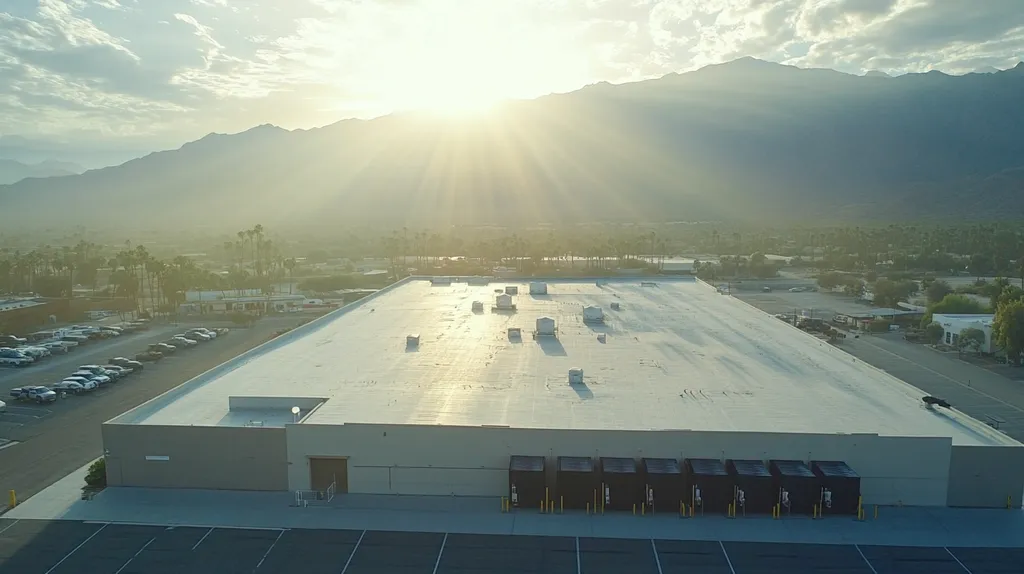
Evaluating the performance metrics of coatings designed to enhance the aesthetics of commercial roofs is essential for property owners. These coatings provide far more than mere visual appeal; they play a crucial role in energy efficiency, durability, and ultimately, property value. For example, implementing a white reflective coating can cut cooling costs by as much as 30%. Understanding these metrics empowers managers to make decisions that positively impact their financial outcomes.
Energy Efficiency and Cost Savings
Roof coatings can dramatically improve a building’s energy efficiency. White and light-colored coatings excel at reflecting sunlight, reducing heat absorption and resulting in significant savings on cooling expenses. Studies have shown that these energy-efficient coatings can lead to reductions of up to 30% in cooling costs.
Besides lowering energy expenses, these coatings help maintain a comfortable indoor environment, which is vital for facilities such as schools and healthcare centers. A stable temperature can enhance occupant satisfaction and productivity.
Many utilities offer incentives for energy-efficient upgrades, providing further financial advantages for property owners who choose the right coating. This proactive choice can align with sustainability goals while benefiting the bottom line.
When paired with regular maintenance, energy-efficient coatings can yield long-term savings. The initial investment in high-quality coatings often pays off quickly through reduced energy bills and lower maintenance expenses.
Extended Roof Lifespan and Durability
Quality roof coatings enhance both the aesthetics and durability of commercial roofs. They serve as a protective shield against damaging UV rays, moisture, and debris, helping to significantly extend the life of the underlying roofing materials—possibly by an impressive 10 to 15 years.
This longevity is linked directly to decreased lifecycle costs. Each extra year of a roof’s service can translate to thousands of dollars saved in replacement expenses, making these coatings a smart investment.
Additionally, high-performance coatings reduce the risk of leaks and corrosion, which are common issues that jeopardize structural integrity. Regular application of these coatings significantly minimizes the likelihood of costly repairs and emergency interventions.
Investing in durable coatings not only enhances performance but also ensures peace of mind regarding roof reliability for years to come.
Aesthetic and Property Value Impact
The visual appeal of a commercial building can significantly influence its market value. A well-maintained roof featuring an attractive coating often contributes to a positive first impression. This impact is particularly critical for retail and office properties, where appearance matters in attracting customers.
Research indicates that buildings with modern roof coatings may command higher resale values. Enhancing a roof’s aesthetic appeal, therefore, becomes an investment in overall property equity.
Furthermore, visually striking roofs assist in branding initiatives. Business owners can select colors and finishes that reflect corporate identity, reinforcing brand recognition in the marketplace.
In jurisdictions with strict aesthetic regulations, an appealing roof also helps ensure compliance and foster good community relations. A strategic investment in roof coatings can positively influence operational success and community standing while enhancing property value.
SECTION 5: PERFORMANCE METRICS
Understanding the performance metrics of coatings that enhance the aesthetics of commercial roofs is crucial for property owners looking to maximize their investments. These coatings influence not only visual appeal but also energy efficiency, durability, and overall property value. For example, a white reflective coating can reduce cooling costs by as much as 30%. By examining these metrics, managers can make informed decisions that lead to significant financial benefits.
Energy Efficiency and Cost Savings
Coatings can significantly boost a roof’s energy efficiency. White and light-colored coatings reflect sunlight, minimizing heat absorption and leading to major savings on cooling costs. Research indicates that these energy-efficient options can lead to reductions of up to 30% in cooling expenses, which can make a noticeable impact on operating budgets.
In addition, these coatings help regulate indoor temperatures, creating a comfortable environment that increases occupant satisfaction. This comfort is especially critical for facilities like schools and healthcare centers, where maintaining stable temperatures is essential for both safety and productivity.
Many utilities offer financial incentives for those who implement energy-efficient upgrades, providing even more motivation for property owners to adopt these solutions. Choosing the right coating not only enhances aesthetics but also aligns with broader sustainability goals.
When combined with regular maintenance, energy-efficient coatings can yield long-term financial savings. The initial investment in quality coatings often pays off quickly, translating into lower energy bills and reduced maintenance costs over time.
Extended Roof Lifespan and Durability
High-quality coatings do more than just enhance the look of a roof; they also extend its lifespan and boost durability. Acting as a protective barrier against harmful UV radiation, moisture, and debris, these coatings can increase the life of the underlying roofing materials by an impressive 10 to 15 years.
The longevity provided by these coatings directly translates into reduced lifecycle costs. Each additional year that a roof remains operational can save property owners thousands in potential replacement expenses—making these coatings a wise financial decision.
Furthermore, these protective layers minimize the risk of leaks and corrosion, common issues that can compromise the structural integrity of a roof. Facilities that regularly apply coatings are generally less likely to face the costly expenses associated with major repairs and emergency interventions.
Investing in durable coatings is a proactive choice that enhances performance and reliability, ensuring that roofs remain a dependable asset for years to come.
Aesthetic and Property Value Impact
The visual appeal of a commercial building can have a significant impact on its market value. A well-maintained roof adorned with an attractive coating makes a positive first impression, which is particularly vital for retail and office properties where aesthetics directly influence customer engagement.
Research shows that buildings with modern roof coatings tend to command higher resale values, indicating that enhancing a roof’s appearance is indeed an investment in property equity.
Aesthetically appealing roofs can also bolster branding initiatives. Business owners can select colors and finishes that reflect their corporate identity, thus reinforcing brand recognition and appeal in the marketplace.
In communities with strict aesthetic regulations, an attractive roof can also help ensure compliance and foster positive relations with neighbors. With a strategic approach to roof coatings, property owners can enhance both operational success and community standing while boosting overall property value.
Moving Forward
As commercial properties face increasing pressure to maximize asset value and minimize operating costs, aesthetic roof coatings have emerged as a transformative solution that delivers measurable returns.
Studies show that buildings with well-maintained, aesthetically enhanced roofs command 5-10% higher property values and experience 30% lower cooling costs on average.
The evolution of coating technologies now enables property owners to simultaneously address visual appeal, energy efficiency, and structural protection – creating a compelling value proposition for this strategic investment.
With regulatory requirements for energy efficiency tightening and tenant expectations rising, implementing a comprehensive coating strategy is no longer optional for commercial properties aiming to remain competitive in today’s market.
The future of commercial roofing clearly lies in solutions that blend superior protection with enhanced aesthetics, delivering both immediate and long-term returns on investment.
FREQUENTLY ASKED QUESTIONS
Q. What are the benefits of commercial roof coatings?
A. Commercial roof coatings protect the underlying materials while enhancing visual appeal. They act as a barrier against UV rays and moisture, extending the roof’s lifespan and reducing maintenance costs. Additionally, these coatings can rejuvenate older roofs, increasing property value by improving aesthetics and functionality.
Q. How do I choose a coating for my industrial roof?
A. Selecting a coating requires evaluating specific roof conditions and desired outcomes. Consider environmental factors like UV exposure and foot traffic, which may influence the choice between acrylic or polyurethane coatings. Consulting with roofing professionals can ensure you choose the optimal solution tailored to your building’s needs.
Q. What is the importance of surface preparation for coatings?
A. Proper surface preparation is crucial for ensuring adequate adhesion of coatings. This process involves cleaning the roof to remove debris and addressing any structural issues. Neglecting this step can lead to early coating failure and increased maintenance needs, compromising both aesthetics and roof health.
Q. How can I maintain my commercial roof’s appearance?
A. Regular inspections and cleaning are essential for maintaining a commercial roof’s appearance. Schedule biannual evaluations to identify wear and promptly address any issues. Additionally, keeping the roof free of debris and ensuring drainage systems function properly will significantly enhance both appearance and lifespan.
Q. What are the energy efficiency benefits of roof coatings?
A. Roof coatings can significantly improve energy efficiency by reflecting sunlight and minimizing heat absorption. This can lead to reduced cooling costs, with some studies showing savings of up to 30%. Implementing energy-efficient coatings contributes to maintaining comfortable indoor environments, enhancing overall occupant satisfaction.
Q. How often should I reapply coatings on my commercial roof?
A. Generally, roof coatings should be reapplied every five to ten years, depending on their condition and environmental factors. Regular inspections can help determine when touch-ups or full reapplications are necessary to maintain both protective and aesthetic qualities, ultimately preserving your investment.
Q. Can roof coatings be applied in bad weather?
A. It is best to avoid applying roof coatings during poor weather conditions, such as rain or extreme temperatures. These conditions can affect adhesion and drying times, leading to unsatisfactory results. Planning the application during optimal weather helps ensure the coatings perform effectively and last longer.






