
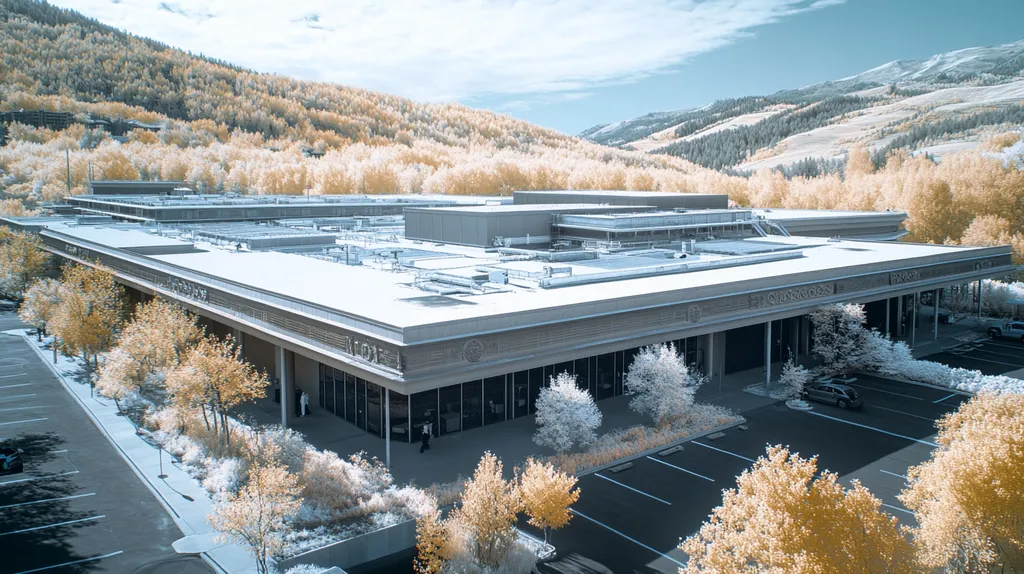
For industrial facility owners, roofing represents one of the largest maintenance investments, with replacement costs often exceeding $1 million for typical warehouses and manufacturing plants.
Yet studies show that 87% of commercial roof failures occur due to improper budget planning and deferred maintenance, leading to premature system failure and unnecessary operational disruptions.
This comprehensive guide examines proven strategies for maximizing industrial roof longevity while minimizing total ownership costs through strategic planning, preventive maintenance, and informed decision-making.
SECTION 1: THE BASICS EXPLAINED
Industrial roofing represents one of the most significant investments for commercial property owners, with replacement costs often exceeding $1 million for large facilities. While 87% of roof failures occur due to preventable maintenance issues, many owners still take a reactive approach to roof management. Understanding the fundamentals of industrial roofing systems and implementing strategic budget planning can dramatically extend roof life while reducing total ownership costs.
What It Is (In Plain Language)
An industrial roof system consists of multiple integrated components designed to protect valuable assets and operations below. Beyond just the visible surface, these systems include insulation layers, vapor barriers, drainage mechanisms, and structural support elements.
Unlike residential roofs, industrial systems must accommodate heavy mechanical equipment, extreme temperature fluctuations, and chemical exposure while spanning much larger areas. Common materials include EPDM rubber, TPO membranes, modified bitumen, and metal panels.
Each roofing type offers distinct advantages for specific facility needs. For example, TPO excels in reflecting heat and reducing cooling costs, while modified bitumen provides superior durability against foot traffic and impacts.
Understanding these basic components and materials helps owners select appropriate solutions and maintenance approaches for their specific building requirements.
Why It Matters (To Your Building)
The roof system directly impacts nearly every aspect of building performance and operating costs. Even minor leaks can cascade into major structural damage, equipment failures, inventory losses, and business interruptions.
Energy efficiency heavily depends on roof condition. Studies show that deteriorated roofing can increase HVAC costs by 10-20% through compromised insulation and air infiltration.
Worker safety and regulatory compliance also hinge on proper roof maintenance. OSHA citations related to roof hazards can result in significant fines, while slip-and-fall incidents often lead to costly litigation.
Environmental regulations increasingly affect roofing decisions, with many jurisdictions requiring specific energy performance levels or sustainable materials for commercial buildings.
How It Works
Lifecycle cost planning forms the foundation of effective industrial roof management. This process involves projecting total roofing expenses over time, including inspections, repairs, coatings, maintenance, and eventual replacement based on your roof’s specific characteristics. (source: Independent Roofing)
Regular inspections by qualified professionals help identify potential issues before they escalate into major problems. These assessments typically examine membrane condition, seam integrity, drainage patterns, and flashings.
Preventive maintenance programs address small repairs promptly while protecting the roof surface through cleaning and coating applications. This proactive approach typically costs 30-50% less than reactive repairs.
Documentation of all roof-related activities creates a historical record that guides future decisions and helps optimize maintenance timing. This data proves invaluable for planning capital expenditures and evaluating repair versus replacement options.
SECTION 2: PRACTICAL APPLICATIONS
Industrial roofing decisions carry significant financial implications, with each strategic choice impacting long-term facility performance. Recent data shows that improper roof maintenance leads to premature system failure and unnecessary expenses exceeding $100,000 for typical commercial buildings. Understanding practical applications of roofing strategies helps facility managers protect their investments while maximizing operational efficiency. This section examines key implementation scenarios, critical timing considerations, and system integration requirements.
Common Uses & Examples
The primary application of industrial roofing strategy focuses on systematic preservation of the building envelope. Proactive maintenance costs just 14 cents per square foot annually compared to 25 cents for reactive approaches, while extending average roof life from 13 to 21 years. (source: Buildings.com)
Reflective coating applications represent another key strategic element. These surfaces can reduce peak roof temperatures by up to 50°F and cut cooling costs by 15-25% in warm climates.
Drainage management systems require regular attention to prevent water accumulation. Proper slope maintenance and clear drainage paths prevent ponding that can lead to membrane degradation and structural issues.
Strategic roof access planning helps protect surfaces from maintenance traffic damage. Designated walkways and equipment paths preserve membrane integrity while ensuring safe worker access.
When You Need It Most
Seasonal transitions demand heightened attention to roofing systems. Fall inspections help prepare for winter stresses, while spring assessments identify any damage from cold weather exposure.
Major equipment installations or modifications require careful planning to maintain roof integrity. This includes proper flashing installation and load distribution analysis.
Emergency response protocols become essential during severe weather events. Having predetermined action plans and contractor relationships helps minimize damage from unexpected incidents.
Building repurposing or tenant changes often necessitate roofing system modifications. These transitions provide opportunities to upgrade systems and improve long-term performance.
Interactions With Other Systems
HVAC equipment placement and maintenance directly impact roof performance. Proper support systems and access paths prevent mechanical damage while ensuring equipment efficiency.
Electrical and plumbing penetrations require careful integration with roofing systems. Regular inspection of these junction points prevents water infiltration and maintains system integrity.
Building automation systems increasingly incorporate roof monitoring capabilities. Sensors can track membrane temperatures, moisture levels, and structural movement to prevent problems.
Solar panel installations demand specialized roofing considerations. Weight distribution, attachment methods, and maintenance access all affect long-term roof performance.
SECTION 3: KEY TERMINOLOGY DECODED
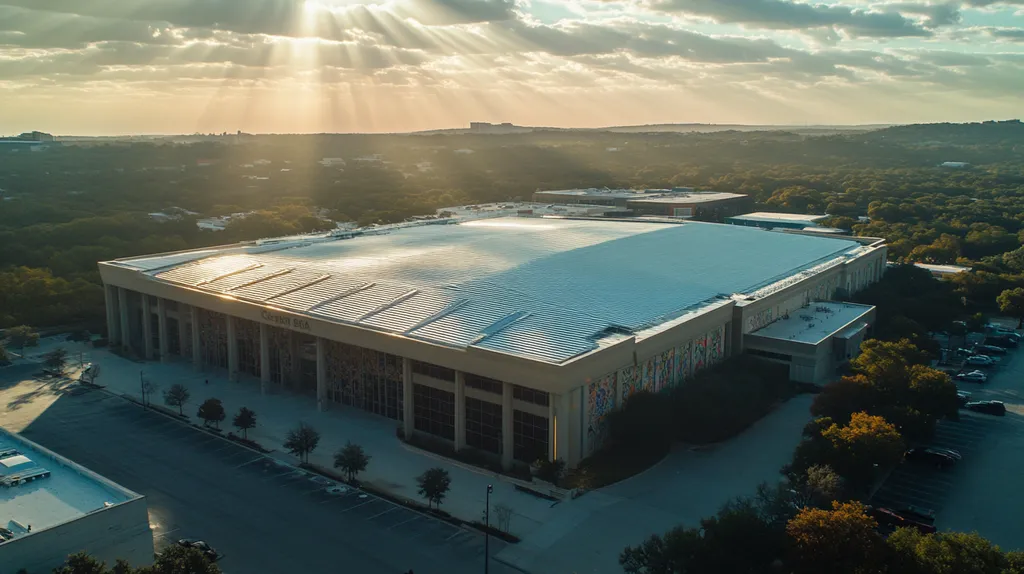
Industrial roofing terminology can make the difference between a successful long-term investment and costly mistakes. Misunderstanding key terms leads to specification errors that reduce roof lifespans by up to 40% and increase maintenance costs by thousands annually. Clear comprehension of roofing terminology enables facility managers to make informed decisions, properly evaluate contractor proposals, and implement effective maintenance programs.
Essential Terms Explained
Membrane systems serve as the primary water barrier for industrial roofs. Single-ply options like TPO and EPDM provide different performance characteristics – TPO excels in UV reflection while EPDM offers superior durability against impacts and chemicals.
R-value measures insulation effectiveness, with higher numbers indicating better thermal resistance. Most commercial buildings require a minimum R-30 rating, though optimal values vary by climate zone and facility use.
Roof assemblies include multiple integrated components beyond just the surface layer. The substrate provides structural support, while vapor barriers prevent moisture accumulation that can degrade insulation performance.
Surface reflectivity ratings indicate a roof’s ability to reflect solar radiation. Higher reflectivity reduces cooling costs and extends membrane life by minimizing thermal stress and UV exposure.
Industry Jargon Translated
Penetrations refer to any roof openings for equipment, vents, or utilities. Each penetration requires proper flashing and waterproofing to maintain system integrity and prevent leaks.
Positive drainage describes slopes and channels that actively move water off the roof. Standing water can add dangerous structural loads while accelerating membrane deterioration.
Wind uplift resistance indicates a roof’s ability to withstand air pressure differences. Higher ratings become crucial in coastal areas or tall buildings where wind forces intensify.
Thermal movement accounts for material expansion and contraction with temperature changes. Proper accommodation prevents membrane tears and seam failures that lead to leaks.
Measurement & Units Simplified
Square footage calculations determine material quantities and costs. One roofing square equals 100 square feet, with typical industrial projects ranging from 100 to 1,000+ squares.
Membrane thickness is measured in mils (thousandths of an inch). While 45-mil systems offer basic protection, 60-mil or thicker membranes provide enhanced durability for high-traffic areas.
Slope ratios express vertical rise per horizontal foot. Minimum slopes of 1/4 inch per foot ensure proper drainage, though local codes may require steeper pitches in high-precipitation regions.
Load ratings indicate how much weight a roof can safely support. These calculations must account for equipment, snow loads, and maintenance traffic to prevent structural failures.
SECTION 4: DECISION FACTORS
Industrial roofing decisions represent critical turning points for facility operations and budgets. A single misstep in material selection or installation timing can trigger cascading failures that impact productivity, energy costs, and asset protection. With commercial roof replacements often exceeding $1 million, decision-makers must carefully weigh multiple factors to protect their investments and ensure optimal performance.
Cost Considerations
Lifecycle cost planning forms the foundation of sound roofing investments. This comprehensive approach projects total expenses over time, including inspections, repairs, maintenance, and eventual replacement based on specific facility conditions and usage patterns. (source: Independent Roofing)
Material selection dramatically impacts both initial and long-term costs. Premium membranes may cost 20-30% more upfront but often deliver twice the service life of economy options.
Installation timing affects both immediate expenses and operational disruption. Strategic scheduling during optimal weather conditions reduces delays and ensures proper curing, while coordinating with facility downtime minimizes production losses.
Warranty coverage represents another crucial cost factor. Enhanced warranty packages may increase initial costs but provide valuable protection against defects and premature failure.
Performance Trade-offs
Energy efficiency often competes with durability in roofing decisions. Highly reflective membranes excel at reducing cooling costs but may require more frequent maintenance or replacement in high-traffic areas.
Chemical resistance versus UV protection presents another common trade-off. Some materials offer superior chemical resistance for industrial environments but may degrade faster under intense sun exposure.
Load-bearing capacity affects both immediate capabilities and future flexibility. Stronger structural support increases costs but enables additional equipment installation and reduces maintenance restrictions.
Drainage design influences both performance and longevity. Enhanced slope and larger drains cost more initially but prevent water accumulation that leads to premature membrane failure.
Lifespan & Durability Factors
Environmental conditions play a decisive role in system longevity. UV exposure, temperature fluctuations, and chemical emissions all impact material degradation rates and maintenance requirements.
Traffic patterns significantly affect wear rates. Designated walkways and equipment paths increase initial costs but protect the main roof surface from damage and extend overall system life.
Maintenance accessibility influences long-term performance. Strategic placement of access points and service areas helps ensure proper upkeep while protecting sensitive roof components.
Future facility changes must factor into durability planning. Flexible designs that accommodate equipment upgrades or layout modifications help prevent premature replacement needs.
SECTION 5: COMMON CHALLENGES
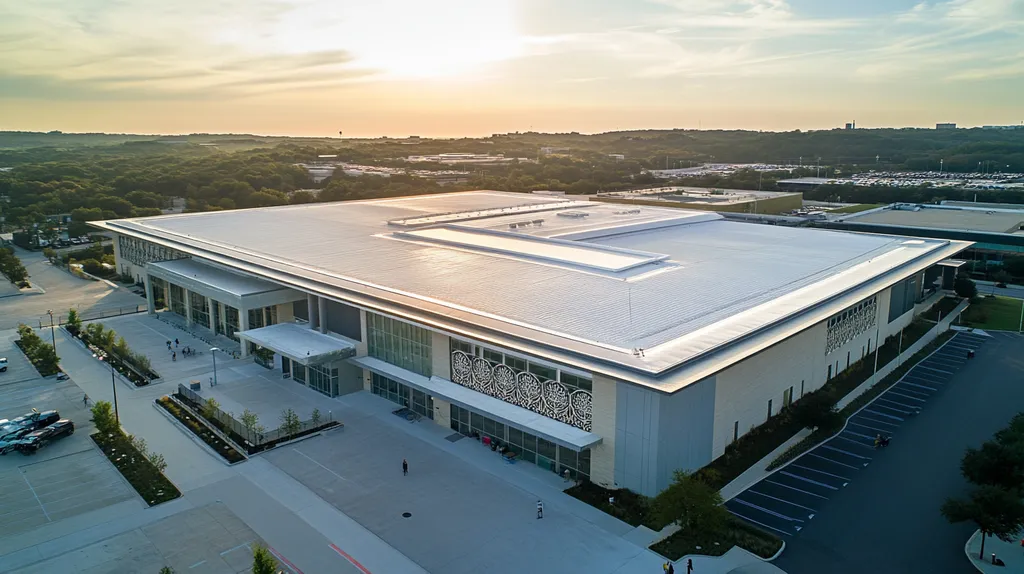
Industrial roofing systems face increasingly complex challenges as facilities evolve and environmental demands intensify. Studies show that 85% of premature roof failures stem from preventable issues, yet many facilities continue reactive maintenance approaches that cost 3-4 times more than proactive strategies. Understanding and addressing common challenges can mean the difference between a roof lasting 25+ years or failing in less than a decade.
Frequent Problems & Solutions
Membrane deterioration ranks as the leading cause of industrial roof failure, often resulting from UV exposure, chemical contamination, or mechanical damage. Implementing proper chemical containment and designated maintenance paths can significantly reduce these risks.
Seam failures present another critical vulnerability, particularly in large industrial installations where thermal movement stresses joint integrity. Regular seam inspections and timely repairs prevent minor separations from developing into major leaks.
Flashing failures around penetrations account for nearly 35% of all industrial roof leaks. Proper installation combined with scheduled inspections of these critical transition points helps maintain water-tight integrity.
Ponding water accelerates membrane aging while adding dangerous structural loads. Installing auxiliary drains and maintaining positive slope through periodic restoration prevents these accumulation issues.
Warning Signs To Watch For
Interior water stains often appear long after roof damage occurs, making them unreliable early warning indicators. Instead, facility managers should monitor membrane surface conditions, including blistering, cracking, or displacement.
Excessive granule loss on modified bitumen roofs signals advanced deterioration requiring immediate attention. This erosion compromises UV protection and accelerates system failure.
Membrane shrinkage or pulling at perimeters indicates material stress that can compromise water-tight integrity. Early detection allows for targeted repairs before widespread failure occurs.
Unusual energy cost spikes may indicate compromised insulation from water infiltration. Thermal imaging surveys can identify wet insulation zones requiring targeted replacement.
Preventative Approaches
Lifecycle cost planning provides the foundation for effective preventative maintenance, enabling strategic allocation of resources based on roof condition and performance requirements. This systematic approach typically reduces total ownership costs by 50% compared to reactive maintenance. (source: Independent Roofing)
Regular surface cleaning removes debris and contaminants that accelerate membrane aging. Quarterly inspections should include drain clearing and removal of any sharp objects or materials that could damage the roof.
Protective coating applications can extend membrane life by 5-10 years when properly timed. These renewals restore UV protection and weather resistance while costing fraction of replacement.
Detailed documentation of all roof-related activities creates valuable historical data for optimizing maintenance timing. This information proves essential for evaluating repair versus replacement decisions and warranty claims.
SECTION 6: NEXT STEPS & RESOURCES
Industrial roofing decisions carry substantial financial implications, with proper planning potentially saving facility owners millions in long-term costs. Recent data shows that inadequate research and preparation lead to premature roof failures in 65% of commercial buildings. Taking strategic next steps and leveraging industry resources can dramatically improve outcomes while protecting valuable assets. This section outlines essential questions, standards, and learning opportunities to optimize roofing investments.
Questions To Ask Providers
Regular roof maintenance can reduce repair costs by up to 50% while extending system life by 25%, making provider selection crucial for long-term success. A well-structured maintenance program enables predictable budgeting and minimizes emergency repair risks that disrupt operations. (source: National Roofing Contractors Association)
Request detailed documentation of provider certifications and manufacturer partnerships. These credentials indicate technical expertise and access to premium materials that affect warranty coverage.
Examine their quality control processes and inspection protocols. Professional providers maintain detailed documentation systems and employ certified inspectors for regular assessments.
Discuss their emergency response capabilities and typical response times. Leading providers maintain dedicated rapid-response teams and established material supply chains for urgent repairs.
Industry Standards & Guidelines
Building code compliance forms the foundation of proper roofing practices. Local regulations specify minimum requirements for materials, installation methods, and safety features.
FM Global and UL standards provide crucial benchmarks for system performance. These independent ratings help evaluate material quality and installation requirements.
ASTM International publishes detailed testing protocols for roofing materials. Understanding these standards helps verify product claims and ensure appropriate applications.
The Cool Roof Rating Council (CRRC) establishes metrics for energy performance. Their ratings system enables accurate comparison of reflective roofing options.
Further Learning Simplified
Professional associations offer specialized training programs and certifications. These resources provide structured learning paths for understanding system specifications and maintenance requirements.
Manufacturer websites maintain technical libraries with detailed product information. These resources explain material characteristics and installation requirements in practical terms.
Industry publications regularly feature case studies of successful projects. These real-world examples demonstrate effective solutions for common challenges.
Regional roofing associations host educational events and workshops. These gatherings provide opportunities to examine new technologies and discuss emerging trends with industry experts.
The Bottom Line
With industrial roof replacements routinely exceeding $1 million, strategic budget planning represents a critical investment in facility longevity and operational continuity.
Studies consistently show that proactive maintenance programs reduce lifetime costs by 50% while doubling roof lifespan compared to reactive approaches.
The key to maximizing return on investment lies in understanding system components, implementing regular inspections, and addressing minor issues before they escalate into major failures.
By combining proper material selection, scheduled maintenance, and detailed documentation, facility managers can protect their roofing assets while optimizing both short-term budgets and long-term value.
The difference between strategic planning and reactive management often determines whether an industrial roof lasts 25 years or fails in less than 10.
FREQUENTLY ASKED QUESTIONS
Q. What is an industrial roof in simple terms?
A. An industrial roof comprises various layers designed to protect assets beneath. These include insulation, vapor barriers, and drainage mechanisms needed for large facilities. Understanding the components helps in selecting maintenance strategies specific to your needs.
Q. How can proactive maintenance extend the life of commercial roofs?
A. Proactive maintenance includes regular inspections and timely repairs, which significantly prolong roof lifespan. This approach saves money on repairs and reduces the frequency of potential roof failures by identifying issues before they escalate into costly problems.
Q. What are essential terms related to industrial roofs?
A. Important terms include membrane systems, R-value for insulation, and positive drainage. Understanding these terms helps in making informed decisions about material selections and evaluating maintenance strategies effectively for your facility.
Q. What costs should I consider for my commercial roof?
A. Key costs include initial material selection, installation fees, and long-term maintenance expenses. It’s essential to consider lifecycle costs rather than just initial costs to ensure sustainable and informed financial decisions for roofing investments.
Q. What common challenges do industrial roofs face?
A. Common challenges include membrane deterioration, seam failures, and ponding water. Addressing these issues through regular maintenance can prevent premature failures, saving you significant costs and extending the roof’s overall lifespan.
Q. How can I select the right roofing provider for my commercial roof?
A. It’s crucial to request documentation of certifications and quality control processes from providers. Discuss their experience with emergency responses and their capacity to meet your specific needs, ensuring you choose a reliable partner for your roofing project.
Q. What are effective strategies for managing large-scale roofing projects?
A. Developing a clear project timeline and budget is critical. Coordinate with experienced contractors, conduct regular inspections, and maintain open communication to adapt the plans as needed. This approach minimizes disruptions and optimizes resource allocations during the project.






