
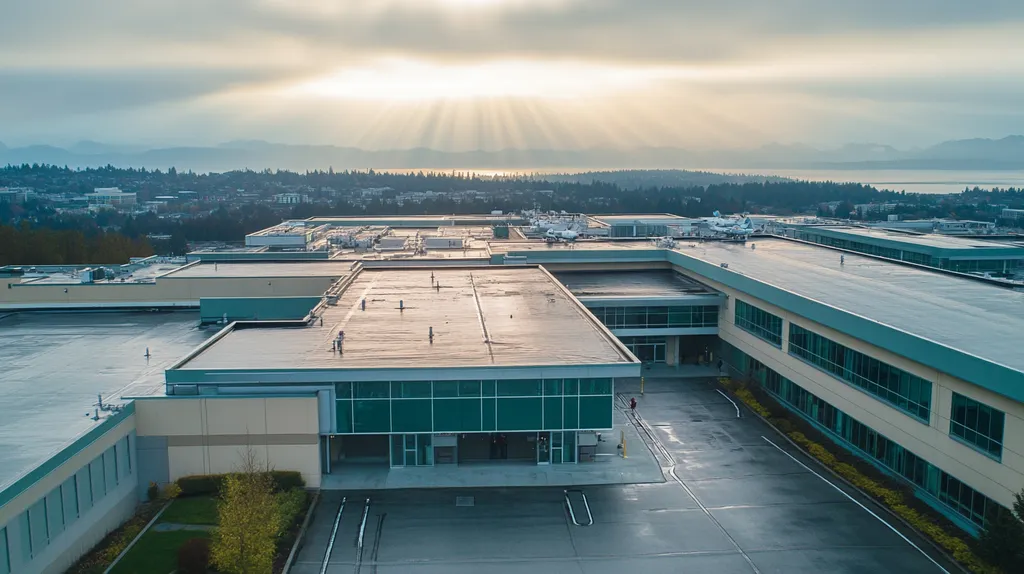
While nearly 70% of commercial property owners default to full roof replacement, this widespread practice wastes millions in unnecessary spending each year. The reflexive “tear it off and start fresh” mindset overlooks a powerful alternative – strategic re-coating.
Recent studies show that properly timed roof re-coating can extend service life by 10-15 years while cutting energy costs by up to 30%. Yet this solution remains woefully underutilized.
This analysis examines how entrenched replacement practices, systemic oversights, and missed opportunities combine to drain resources that smarter coating strategies could preserve. Understanding these dynamics is crucial for property owners seeking to optimize their roofing investments.
SECTION 1: CURRENT PRACTICES
For many commercial property owners, deciding what to do with aging roofs can feel like navigating a complex maze. Alarmingly, data reveals that nearly 70% of commercial roofs are outright replaced rather than re-coated, often leading to inflated costs without reason. As roofs wear and tear over time, the pressure mounts to make quick, budget-friendly decisions. This section delves into the prevailing tendency toward full replacements, the critical lack of routine inspections, and the pitfalls of cost-centric decision-making that can obscure the advantages of re-coating.
Full Replacement Dominance
Full roof replacement has become the default mode of operation for many property owners. This prevalent practice springs from a widely held belief that older roofs are beyond salvage, triggering costly investments. In truth, roofs often exhibit signs of aging—like unsightly leaks or surface wear—that could be effectively managed with a simple re-coating instead.
When roofs are replaced prematurely, property owners not only face significant expense but also contribute to a growing waste problem. The materials tossed aside typically end up in landfills, raising environmental red flags. In contrast, re-coating presents a sustainable solution that extends the life of existing roofs while reducing ecological footprints.
Thanks to recent advances in coating technology, re-coating offers effective, long-lasting benefits that can even surpass those of traditional materials. It’s crucial for companies to weigh these innovative options thoughtfully before committing to the costly route of replacement.
By recognizing the viability of re-coating, property managers can make informed choices that balance budgets and environmental responsibility. Amplifying awareness of re-coating as a smart alternative is vital for a greener future in the roofing industry.
Routine Inspection Gaps
A significant factor propelling the trend of full roof replacements is the absence of regular inspections. Too often, property owners neglect routine assessments, paving the way for neglect and eventual costly decisions. In the absence of proper inspections, minor roof issues can snowball into major crises that make replacement seem like the only viable option.
Routine inspections serve a dual purpose: they allow for timely identification of necessary repairs and indicate where re-coating could be advantageous. Early detection of wear and tear can empower property managers to tackle issues before they escalate. In fact, countless roofs could have benefitted from a well-timed re-coat had they received prompt attention.
Moreover, establishing a schedule for inspections cultivates a proactive ecosystem for roof maintenance. Instead of rushing to react when leaks strike, property owners can strategically plan for re-coating at the right moment, sidestepping the perils of snap decisions. This leap from a reactive to a proactive maintenance approach can ultimately save both time and money.
Investing in routine inspections underscores the importance of exploring options like re-coating that can prolong a roof’s lifespan. By prioritizing consistent assessments, property owners can ensure their roofs receive the necessary care to avert untimely replacements.
Cost-Centric Decision Making
Nowadays, many commercial property owners find themselves fixating on initial costs when tackling roofing decisions. This overwhelming focus on upfront expenses often blinds them to the long-term benefits offered by maintenance strategies, such as roof re-coating. Financial pressures lead owners to seek quick fixes that may not actually represent the best economic choices.
While replacing an entire roof can sap significant financial resources, many owners are clueless about the stark contrast: re-coating is typically far less expensive. By disregarding the option to re-coat, property managers might inadvertently inflate their roofing costs over time. A judiciously timed re-coat can deliver protection that lasts years, resulting in substantial savings.
Furthermore, properties that embrace re-coating strategies often boast enhanced long-term value. Routine maintenance through re-coating not only boosts energy efficiency but also lowers utility bills and heightens tenant appeal. The financial benefits of re-coating extend beyond just reducing initial outlay; they ultimately contribute to a healthier bottom line.
As the industry evolves, fostering a culture that prioritizes long-term savings over short-term costs is essential. By educating property owners on the total cost of ownership, a smarter decision-making framework emerges, favoring effective maintenance options like re-coating.
SECTION 2: SYSTEMIC ISSUES
For many property owners, the choice between draining budgets on expensive roof replacements and seeking sustainable alternatives can feel like a high-stakes gamble. Shockingly, approximately 80% of commercial roofs are replaced prematurely, largely due to misjudged assessments of their condition. Ignoring critical aspects such as a roof’s performance, energy efficiency, and environmental impact can shove property owners down a costly path. Tackling these systemic issues is crucial for making informed decisions that not only prolong roof life but also minimize total expenses.
Overlooking Roof Condition
A frequent misstep in the commercial roofing landscape is the hasty conclusion that replacement is the only option. Property owners often fail to properly assess the existing roof’s condition and rush into costly decisions. However, a thorough evaluation could highlight the potential for rejuvenation through re-coating, extending the service life of an aging roof significantly.
Case in point: what appears to be extensive damage can often stem from minor leaks or superficial wear—issues that a re-coating can efficiently address. Investing in a detailed inspection can uncover these hidden problems, saving owners a hefty sum. A well-timed re-coat on a structurally solid roof can yield an additional 15 years of protection.
Owners should embrace routine maintenance inspections instead of immediately opting for replacement. This proactive strategy not only minimizes long-term capital expenditures but also safeguards the roof’s integrity.
Neglecting proper assessments could lead to financial setbacks and compromise the reliability of the entire building. Understanding the current condition of the roof is essential in making prudent roofing decisions.
Ignoring Energy Efficiency
Energy efficiency is an often-overlooked facet that can significantly alter roofing decisions. Many property owners default to traditional roof replacements without recognizing the energy savings that re-coating could yield. By applying reflective roof coatings, owners can significantly enhance energy efficiency through reduced heat absorption.
Research indicates that reflective surfaces can lower cooling costs by as much as 30%, equating to meaningful savings over time. Unfortunately, this valuable potential often escapes notice, as many focus solely on the immediate need for roof repairs.
By re-coating commercial roofs with energy-efficient materials, owners aren’t just cutting costs; they’re also enhancing the comfort of their spaces. Cooler roofs contribute to a more pleasant indoor environment, potentially boosting employee productivity.
Overlooking energy efficiency while fixating on structural repairs represents a missed opportunity. Recognizing the synergy between roofing solutions and energy efficiency is vital for long-term economic and operational success.
Environmental Impact Neglect
In today’s construction milieu, environmental consciousness is paramount. Yet, many property owners underestimate the waste generated by roof replacements. The roofing industry produces an astonishing amount of waste, with around 20 billion pounds of roofing materials ending up in U.S. landfills annually.
Re-coating emerges as a sustainable alternative, allowing roofs to be revitalized without the environmental burden of full-scale replacements. The strategy conserves precious material resources and aligns more closely with eco-friendly practices in construction.
Furthermore, utilizing fewer materials translates to reduced carbon footprints linked to manufacturing, transportation, and disposal processes. By opting for re-coating, property owners can actively engage in sustainable practices without compromising roof performance.
Ignoring the environmental ramifications of roofing choices not only threatens the planet but could also tarnish a company’s standing. As sustainability gains importance, making thoughtful roofing decisions isn’t just ethical; it’s a strategic advantage in today’s market.
SECTION 3: MISSED OPPORTUNITIES
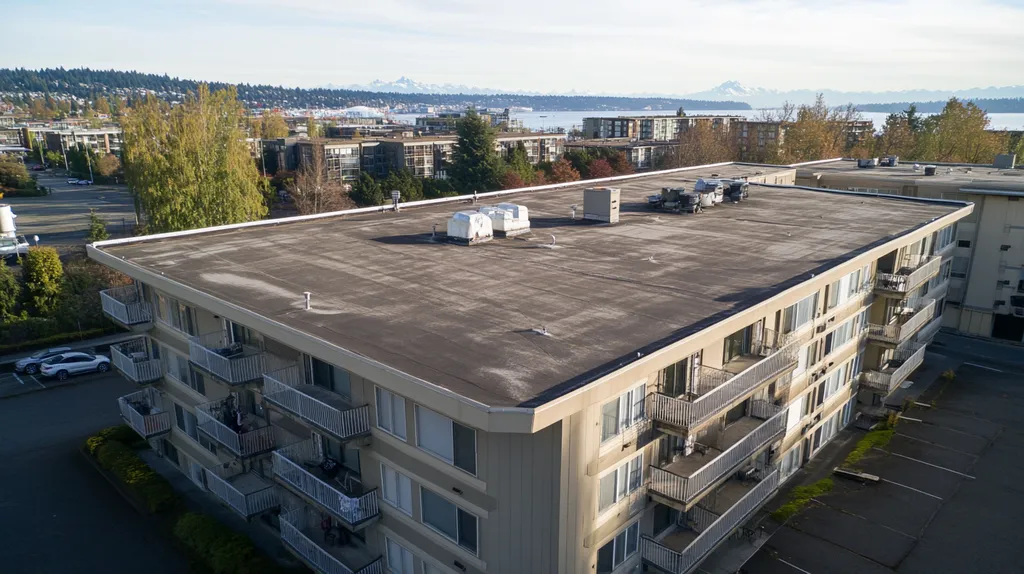
Skipping the option to re-coat aging commercial roofs can lead to significant missed opportunities that affect both the bottom line and operational efficiency. Many property owners remain unaware that re-coating not only fosters energy savings, extends the roof’s lifespan, and minimizes work disruptions, but also enhances business performance. By pivoting toward a re-coating strategy instead of full replacement, property owners can unlock a treasure trove of benefits.
Untapped Energy Savings
One of the most glaring missed opportunities associated with traditional replacement strategies is the potential for substantial energy savings. Re-coating a roof with reflective materials can dramatically reduce heat absorption, resulting in lower cooling costs—especially in warmer climates.
For instance, research has shown that reflective roof coatings can decrease surface temperatures by up to 60 degrees Fahrenheit. This reduction in heat translates to decreased demand on air conditioning systems and noticeable utility savings. In an era where energy costs are climbing, this benefit is not just nice to have; it’s crucial.
Moreover, businesses that prioritize energy efficiency can bolster their market reputation. Achieving green certifications becomes more accessible with energy-saving measures like re-coating in place, positioning companies favorably in an increasingly eco-conscious market.
In summary, incorporating re-coating into standard operational practices can profoundly influence a building’s energy consumption and financial success, creating a sustainable alternative to traditional roof replacement.
Extended Roof Lifespan
Another key aspect often overlooked is the remarkable potential to prolong a roof’s lifespan. Re-coating effectively serves as restorative maintenance, breathing new life into aging roofs. Instead of opting for a costly replacement, a well-executed re-coating can add up to 10 to 15 years of useful life to existing roofs.
This additional longevity can significantly impact budget planning and asset management within a commercial structure. Beyond mere lifespan extension, re-coating also mitigates minor surface issues before they escalate into major headaches. By sealing cracks and leaks, re-coating not only protects the roof but also safeguards the underlying structures from damage, reducing long-term repair costs.
Investing in a re-coating strategy can fundamentally transform the lifecycle management of a facility’s roofing system, resulting in substantial financial benefits.
Minimized Disruption Benefits
Minimizing operational disruption is yet another compelling reason to favor re-coating over replacement. Roof replacements often bring challenges such as extensive downtime and interference with day-to-day operations. On the other hand, re-coating can be executed with minimal impact on business activities.
Typically faster and less labor-intensive, re-coating projects allow business operations to continue relatively uninterrupted. Many re-coating jobs can wrap up in a day or two, rather than dragging on for weeks. This efficiency is crucial for maintaining productivity and revenue.
Additionally, re-coating involves fewer disruptions for the surrounding environment and employees, enhancing both safety and comfort during the project. Smooth operations can lead to higher morale among staff who would otherwise contend with the chaos of extensive construction activities.
Choosing re-coating not only protects operational flow but also creates a more conducive work environment, marking it as a prudent investment for facilities management.
SECTION 4: ROOT CAUSES
Many commercial roof failures can be traced back to missed opportunities for early intervention. An astonishing 30% of commercial roofs are replaced unnecessarily due to misdiagnosed issues. These figures highlight the crucial need for property owners to grasp the underlying problems before opting for costly replacements. The primary culprits driving these premature decisions include an absence of professional evaluation, misguided budget management, and insufficient maintenance practices. Collectively, these factors contribute to hastened aging and diminish the value of roofing investments.
Lack of Professional Evaluation
Overlooking a detailed roof assessment can lead to costly misdiagnoses. Many property owners depend on casual observation rather than engaging professional evaluations. This habit often relies on outdated beliefs about the roof’s actual condition, potentially leading to premature decisions.
Expert roofing professionals can spot subtle signs of wear and potential damage that might elude the untrained eye. For example, minor membrane issues, when detected early, can be resolved with a simple re-coating, saving time and money. Delaying these assessments, however, risks significant damage that may mandate a full roof replacement.
Regular, ideally biannual, inspections act as a safeguard for a roof’s longevity. These evaluations can pinpoint small issues before they blossom into major dilemmas. Skipping this critical investment ultimately costs property owners much more over time.
Establishing a preventive evaluation plan can significantly curb unnecessary replacements. By making professional assessments a priority, property owners can preserve the integrity of their roofing investments for years to come.
Budget Constraints Mismanagement
Budget limitations frequently push property owners to view replacement as the only solution when roofing troubles arise. However, this mindset often stems from short-term thinking rather than strategic long-term planning. Many times, funds allocated for maintenance are diverted to other expenses, further aggravating roofing problems.
Property managers frequently underestimate the critical role of maintenance budgets. For instance, neglecting to allocate funds for minor repairs can spiral into major structural challenges. While the initial cost of re-coating is manageable, it often gets sidelined in budget discussions.
Financial mismanagement leads decision-makers to overlook the full spectrum of available options. This lack of insight not only eliminates chances for effective re-coating solutions but also pushes them towards pricier replacement strategies.
Aligning budget management with a robust maintenance plan is essential. This strategy enables property owners to seize re-coating opportunities and maintain roof integrity without stretching finances thin.
Inadequate Maintenance Practices
A culture of neglect regarding roof maintenance can lead to devastating consequences. Property owners often underestimate that a routine maintenance regimen could significantly extend a roof’s lifespan. Too frequently, they wait for minor issues to escalate into critical failures.
Common oversights range from neglecting to clear debris to failing to inspect seams and flashings. Such inattention can cause water ponding, accelerating wear and reducing effectiveness. Timely re-coating could have sidestepped these issues entirely, had maintenance been prioritized.
Moreover, many facilities lack a systematic maintenance schedule. Without proactive measures, roofs endure cumulative damage over time, prompting unwanted replacements rather than considering proactive re-coating options.
By adopting routine maintenance practices, property owners can reverse these trends. Those equipped with a maintenance schedule are better positioned to tackle minor concerns before they escalate. Such proactive approaches facilitate timely re-coating decisions, benefiting both the property and the bottom line.
DATA DRIVEN EVIDENCE
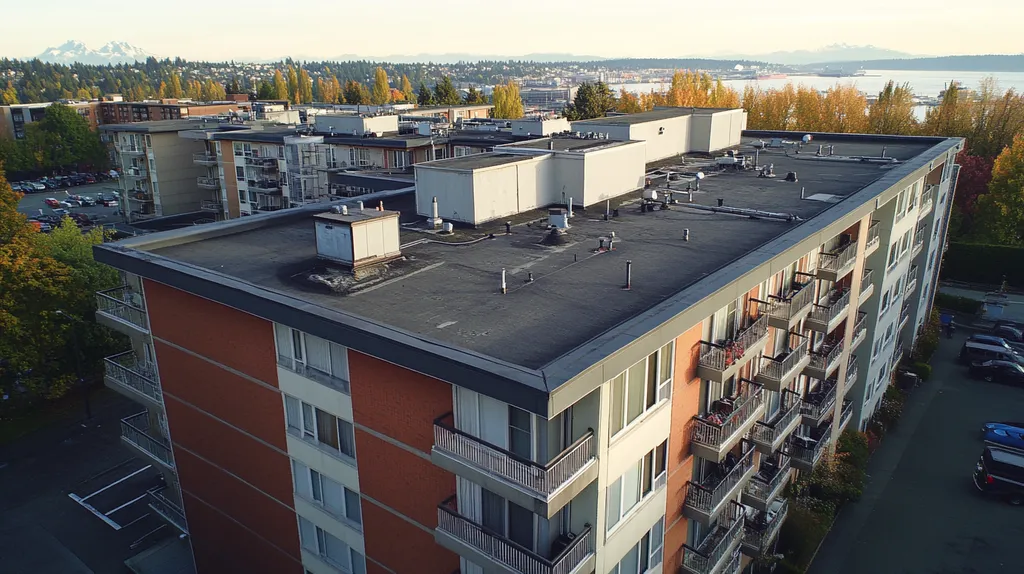
In a climate where operational efficiency and environmental sustainability are paramount, informed roofing decisions are essential. Strikingly, studies suggest that re-coating an aging commercial roof can save property owners between 30% and 50% compared to full replacements. This section explores the cold, hard data on costs, energy performance, and sustainability to spotlight the advantages of roof re-coating.
Cost Comparison Studies
When considering roofing options, costs can often feel like the decisive factor. A revealing study from the National Roofing Contractors Association disclosed that re-coating typically ranges from $1 to $3 per square foot, while full roof replacements can skyrocket to $7 to $15 per square foot. This substantial price gap is why savvy property owners are increasingly leaning towards re-coating as a practical alternative.
Moreover, re-coating often extends the lifespan of existing roofs by an impressive 10 to 15 years. This means that rather than draining budgets on replacements, property owners can save those funds for other urgent maintenance needs or facility upgrades. Additionally, with re-coating’s quick application, businesses experience far less downtime, addressing yet another financial concern.
Countless building owners report that their annual maintenance expenses significantly drop following a re-coating project. Such evidence compellingly underscores the economic viability of re-coating compared to the traditional model of replacement.
Energy Efficiency Metrics
In today’s increasingly energy-conscious landscape, energy efficiency is a critical factor. Research shows that re-coated roofs can enhance energy performance by up to 30%, primarily due to the use of reflective coatings. These innovative materials help lower interior temperatures, leading to reduced demands on air conditioning systems.
Manufacturers have reported impressive declines in cooling energy usage in buildings equipped with reflective coatings, translating directly into lower utility bills. Property owners who participated in these studies also noted improved indoor climate control, especially during sweltering summer months.
The superior insulation value of re-coated roofs leads to significant energy savings year-round, supporting broader sustainability initiatives while taking care of the bottom line. This shift towards energy-efficient roofing solutions is gaining traction, illustrating that re-coating isn’t just wise economically — it’s also a green choice.
Sustainability Outcomes
As environmentally-conscious regulations tighten, sustainable practices are becoming more crucial for businesses. Re-coating presents an eco-savvy alternative that not only minimizes landfill waste but also addresses environmental concerns head-on. Research indicates that replacing roofs contributes millions of tons of waste each year; re-coating helps cut this figure by prolonging the lifespan of existing materials.
Additionally, most re-coating processes utilize low-VOC materials, substantially reducing harmful emissions. This aligns with the sustainability goals many corporations strive to meet, enhancing their overall corporate responsibility.
By embracing re-coating as a standard practice, businesses not only meet their sustainability benchmarks but also bolster their reputation. Companies recognized for their eco-friendly practices often see increased customer loyalty and market share, making re-coating a prudent financial and branding strategy.
SECTION 6: ALTERNATIVE SOLUTIONS
As pressing economic factors and environmental concerns loom large, commercial property owners and facilities managers must explore better alternatives to conventional roof replacements. With the potential to prolong a roof’s life by over a decade, re-coating aging roofs emerges as a practical, eco-friendly solution. This section delves into numerous roof coating advantages, the strategic application based on roofing types, and the necessity of integrated maintenance plans to maximize benefits.
Roof Coating Advantages
Roof coatings come loaded with advantages that can truly reshape a facility’s operational landscape. Foremost, these coatings greatly enhance a building’s energy efficiency. Reflective coatings, for example, can cut cooling expenses by up to 30%, all thanks to their ability to repel heat.
But the savings don’t stop there. Applying a roof coating typically costs a fraction of a full replacement, freeing up tens of thousands of dollars for owners. This streamlined process also means less downtime, allowing businesses to keep their doors open while improvements are made.
Moreover, roof coatings contribute positively to sustainable practices. They can help manage water runoff, significantly lessening the risk of flooding in urban environments. This environmentally-conscious approach aligns perfectly with the growing expectations for sustainable business operations.
Finally, a well-applied coating can enhance a building’s visual appeal, potentially boosting property value. Together, these financial, operational, and ecological benefits make re-coating an option that should be front and center for aging roofs.
Strategic Coating Applications
When it comes to applying coatings, strategy is paramount. Different roofs have unique needs based on their materials and existing conditions. For instance, metal roofs thrive under elastomeric coatings that prevent rust and corrosion, extending their utility significantly.
Flat roofs, on the other hand, benefit from bituminous coatings designed to amp up waterproofing capabilities. These coatings provide robust protection against UV damage and degradation, ensuring lasting performance.
Property owners should also consider local weather trends and rooftop usage. Regions with heavy precipitation may require coatings that prioritize water resistance, while sun-soaked areas might gain from reflective coatings that minimize heat absorption.
Timing is equally crucial when applying coatings. Opting for favorable weather conditions ensures proper adhesion, maximizing the product’s lifespan. By selecting the right materials and employing tailored strategies, facility managers can significantly boost their roofs’ performance and longevity.
Integrated Maintenance Plans
An integrated maintenance plan extends beyond re-coating, encompassing a comprehensive strategy for facility upkeep. Regular inspections serve as an early warning system, allowing property owners to catch wear and tear before they spiral into costly repairs. By integrating roof coatings into routine maintenance, businesses can prolong the overall lifespan of their roofing systems.
Proactivity is key; rather than waiting for visible damage, property owners should champion the timely application of coatings to preserve roof integrity and performance. This shift in mentality transforms roofing management from a reactive response to a proactive strategy.
Furthermore, collaborating with experienced roofing professionals is essential in executing these plans effectively. These experts can offer valuable insights into best practices for re-coating and maintenance, ensuring roofs remain functional and protected for as long as possible.
Ultimately, adopting an integrated approach means securing not just a roof over one’s head but a robust system that aligns with financial prudence and sustainability goals. This comprehensive perspective empowers property owners and facility managers to make informed, strategic decisions about their roofing assets.
The Bottom Line
With over $4 billion wasted annually on premature commercial roof replacements, the industry stands at a critical crossroads.
Recent studies show that strategic re-coating can extend roof life by 10-15 years while reducing cooling costs by up to 30%, yet this solution remains dramatically underutilized due to outdated replacement mindsets.
The data is clear: re-coating delivers superior returns through reduced material waste, lower energy consumption, and minimal business disruption.
As environmental regulations tighten and energy costs climb, property owners who cling to wasteful replacement practices risk both their bottom line and their competitive edge.
The future of commercial roofing lies not in reflexive replacement, but in sophisticated re-coating strategies that maximize both sustainability and return on investment.
FREQUENTLY ASKED QUESTIONS
Q. Why do most commercial roofs get fully replaced?
A. Many property owners mistakenly believe that aging roofs are beyond salvage, leading to expensive replacements. The tendency to rush into decisions without proper inspections or evaluations creates unnecessary costs and waste. Understanding that coatings can often restore aging roofs is key to avoiding this costly pitfall.
Q. How can industrial roof maintenance reduce premature replacements?
A. Regular inspections help identify minor issues early, allowing for timely re-coatings instead of expensive replacements. By emphasizing consistent maintenance, owners can preserve their roof’s integrity and lifespan. This proactive approach is essential for mitigating long-term costs and avoiding unnecessary expenditures.
Q. What energy savings can be achieved through commercial roof re-coating?
A. Re-coating roofs with reflective materials can reduce energy costs by up to 30%. This results from the reduction in heat absorption, leading to lower cooling demands. Property owners can expect significant long-term savings on utility expenses, making this strategy both economically and environmentally friendly.
Q. How do environmental factors influence commercial roof decisions?
A. Environmental concerns are increasingly pivotal in roofing choices, as many roofs contribute to landfill waste. Coating roofs minimizes this impact by extending the life of existing materials. Ultimately, owners can align their roofing decisions with sustainable practices, enhancing their brand’s reputation while helping the planet.
Q. How can a commercial roof’s lifespan be effectively extended?
A. Regular maintenance and well-timed re-coating can add an extra 10 to 15 years. Early intervention for minor issues allows for restoration rather than total replacement. Maintaining the roof’s condition ensures both functionality and cost-efficiency, making it an invaluable investment for property owners.
Q. Can choosing the right roofing coating improve performance?
A. Yes, different roofs require specific coatings for maximum efficacy. Metal roofs may benefit from elastomeric coatings, while flat roofs require bituminous ones for better waterproofing. Tailoring the choice to suit material and environment enhances durability and ensures optimal performance of the roof.
Q. What should be included in a roofing maintenance plan?
A. An effective plan should include regular inspections, timely re-coating, and a proactive approach to minor repairs. Collaborating with roofing experts can also help maintain the integrity and performance of the roof. This comprehensive approach enhances longevity and mitigates potential costs down the line.






