
Industrial roof coatings represent a $2.8 billion market, yet studies show that over 40% of commercial buildings experience preventable roofing failures due to inadequate performance monitoring. These failures cost facility managers an average of $3.50 per square foot in emergency repairs annually.
Understanding and tracking key performance metrics can mean the difference between a roof that lasts 20+ years and one that needs replacement in under a decade. From surface degradation to drainage efficiency, these critical indicators serve as early warning systems for potential failures.
This comprehensive guide examines six essential areas of roof coating performance, providing facility managers with actionable metrics and practical solutions to extend roof life while maximizing return on investment.
SECTION 1: PERFORMANCE FACTORS
Industrial roof coatings play a pivotal role in extending the life of roofs, making it crucial for facility managers to grasp key performance metrics. Inadequate assessments of roof conditions can trigger expensive failures, with some research indicating that poor maintenance may inflate operational costs by as much as 30%. To guarantee peak performance, managers must focus on the surface condition, drainage systems, and membrane integrity. This section will delve into these critical evaluation areas, empowering decision-makers with proactive strategies.
Surface Condition Assessment
The surface condition of a roof is a vital performance metric that significantly impacts its lifespan. Routine inspections are essential for spotting damage, surface degradation, or debris that could hinder the coating’s protective properties. When a roof’s surface isn’t properly cleaned before coating, the risk of adhesion failures increases, jeopardizing the coating’s effectiveness.
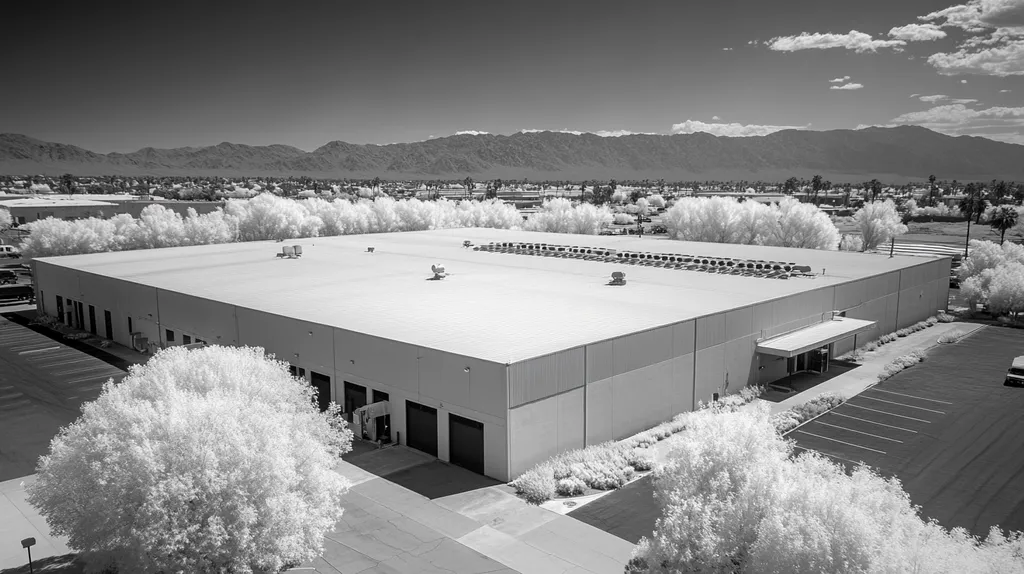
Facility managers should employ visual inspections alongside advanced technologies like infrared thermography to thoroughly evaluate surface conditions. This combined approach not only highlights potential vulnerabilities but also offers crucial data that can inform maintenance efforts. Skipping this step can leave facilities open to unexpected risks and rising repair expenses.
Additionally, regular assessments contribute to safety. For instance, surfaces slick with algae or moisture can create hazards for maintenance teams. Consistent upkeep promotes personnel safety, mitigates liability risks, and cultivates a more secure working environment.
Key Action Items
Drainage System Efficiency
A well-functioning drainage system is essential for prolonging the life of an industrial roof. Inefficient drainage can result in water pooling, significantly raising the risk of leaks and structural issues. Evidence suggests that roofs lacking adequate drainage can lose up to 50% of their expected lifespan due to the detrimental effects of water stress.
Facility managers need to evaluate the drainage system, which includes scuppers, gutters, and downspouts, ensuring they operate properly. Regular inspections should target blockages caused by debris or vegetation, which can lead to undesirable water accumulation. Simple tasks, like cleaning drains, can drastically improve system performance.
It’s also important to take note of the roof’s slope, as proper design facilitates effective water runoff. A flawed slope can create severe complications down the line. Managers should consult roofing professionals to assess and, if needed, modify the drainage layout.
Key Action Items
Membrane Integrity Evaluation
Assessing the integrity of a roofing membrane is crucial for optimal coating performance. A compromised membrane, whether due to degradation or punctures, can severely undermine the coating’s protective function, leading to leaks and other failures. Routine evaluations are advisable, as damaged membranes often lead to costly emergency repairs and interruptions in business operations.
Facility managers should conduct physical inspections, looking for cracks, blisters, and punctures that may threaten the roof’s performance. Advances in non-destructive testing techniques, such as electronic leak detection, can offer critical insights into membrane health without risking structural damage.
Establishing a regular timetable for membrane evaluations can prevent minor concerns from morphing into substantial issues. Keeping a detailed record of inspections and repairs allows for informed decision-making regarding long-term roof care.
Key Action Items
SECTION 2: FINANCIAL CONSIDERATIONS
With facility managers under continual pressure to optimize operating costs, understanding the financial implications of industrial roof coatings becomes paramount. A keen grasp of the balance between costs and benefits can dramatically influence a facility’s profitability. Overlooking these important metrics can lead to poor decisions that result in hefty long-term expenses. This section will cover vital financial analyses, including cost-benefit evaluations, lifecycle costs, and the return on investment (ROI) from energy efficiency.
Cost-Benefit Analysis of Coatings
Before diving into any roof coating project, a cost-benefit analysis becomes essential. This analysis compares the expected advantages of a coating against its costs, often revealing valuable insights. For example, while a high-quality reflective coating may initially demand a larger investment, it can yield substantial energy savings over time.
Facility managers should not only look at direct financial benefits, such as lower maintenance costs and an extended roof lifespan, but also consider indirect savings. These insights can be quantified to provide a more comprehensive understanding of overall value, helping managers prioritize needs and allocate their budgets wisely.
Different coatings have varying performance metrics that affect overall costs. Coatings designed to withstand UV rays or extreme weather conditions may come with a higher price tag but ultimately save money in repairs. A thoughtful cost-benefit analysis empowers informed budgeting that minimizes future financial headaches.
Key Action Items
Lifecycle Cost Assessment
A thorough lifecycle cost assessment is crucial. It goes beyond just the initial installation costs by examining the total expenses involved throughout the roofing system’s lifespan, including maintenance, repairs, and eventual replacement. This comprehensive view enables facility managers to identify the most cost-effective options.
Take, for instance, a premium coating that might seem costly at first glance but can actually lower repair frequencies and extend the roof’s life, ultimately resulting in lower lifecycle costs. In contrast, a cheaper coating may present initial savings but can lead to higher expenses due to frequent maintenance needs.
Understanding these lifecycle costs empowers facility managers to make strategic, long-term decisions rather than getting lured in by short-term reductions. Investing time into this assessment keeps roof management aligned with broader organizational financial objectives.
Key Action Items
ROI on Energy Efficiency
Calculating the return on investment for energy-efficient roof coatings is a critical financial consideration. Such coatings can significantly reflect sunlight, easing the burden on cooling systems and resulting in lower energy costs, particularly in warmer climates. Facilities adopting these coatings often see improved HVAC efficiency and reduced energy bills shortly after installation.
To assess ROI, facility managers can compare the energy savings generated by the coating against installation costs. For instance, if a reflective coating costs $20,000, yielding $4,000 in annual energy savings, the payback period could be as quick as five years.
On top of that, energy efficiency strategies can improve a facility’s sustainability profile, leading to potential rebates or incentives from utility companies. These incentives make the case for energy-efficient roof coatings even stronger.
In summary, investing in energy-efficient roofing options enhances not only the roof’s durability but also contributes to financial health and sustainability.
Key Action Items
SECTION 3: COMPLIANCE REQUIREMENTS
Compliance with industry standards and local regulations is crucial in today’s complex world of industrial roofing. Facility managers face a multitude of requirements that can deeply affect their operational efficiency and sustainability aspirations. Alarmingly, research shows that around 40% of commercial buildings could be at risk of falling short on energy compliance, exposing them to costly fines and overheads. Gaining a comprehensive understanding of these compliance requirements is essential to optimizing roof performance and ensuring longevity.
Adherence to LEED Standards
Embracing Leadership in Energy and Environmental Design (LEED) standards is a game-changer for companies focused on sustainability. Roof coatings play a pivotal role, boosting a building’s LEED certification by improving energy efficiency and minimizing environmental impact. For instance, reflective roof coatings contribute to points in the Energy and Atmosphere category, leading to lower energy consumption.
Ignoring these standards can mean missing out on certification opportunities, which could enhance a facility’s attractiveness in the market. To pursue LEED certification effectively, facility managers should select coatings tailored to meet these qualifications. Understanding the nuances of the LEED rating system is key to making informed roofing choices.
Furthermore, performing regular audits can ensure that roofing systems continue to align with LEED standards over time. Facility managers should establish a routine assessment schedule to evaluate roofing performance against these vital requirements to maintain compliance.
Key Action Items
Compliance with Local Regulations
Navigating local regulations governing roof coatings is crucial and varies considerably by location. Many cities have introduced guidelines aimed at reducing urban heat islands, which often mandate specific reflectivity standards for roofing materials. Facility managers must stay informed about these codes to avoid penalties and ensure compliance.
For instance, a facility in Los Angeles could incur fines if it fails to use prescribed reflective roofing products. Understanding local requirements is essential for preventing expensive last-minute adjustments during roof installation. Consulting local building codes early in the coating selection process is advisable.
Maintaining up-to-date documentation and permits can smooth inspections and compliance checks. Additionally, regular dialogue with local authorities can keep facility managers informed about any upcoming regulatory changes that might impact roofing choices.
Key Action Items
Meeting Industry Standards for Cool Roofs
Cool roofs present a valuable opportunity to enhance energy efficiency by reflecting more sunlight and absorbing less heat than standard roofs. Adhering to industry standards for cool roofs is vital for facility managers aiming to improve thermal performance. The Cool Roof Rating Council (CRRC) sets guidelines for measuring solar reflectance and thermal emittance of roofing materials.
Failure to meet these standards can lead to escalated energy costs, with potential increases of up to 15% in cooling demand for non-compliant roofs. Choosing coatings that meet or exceed CRRC specifications is a proactive strategy for managing operational expenses.
Moreover, cool roofs can earn credits towards various green certifications, offering both financial savings and improved market visibility. Facility managers should consider investing in CRRC-certified coatings to ensure compliance and optimal performance.
Key Action Items
SECTION 4: RISK MANAGEMENT
Risk management is essential for ensuring the durability and effectiveness of industrial roof coatings. Ignoring potential vulnerabilities could result in costly leaks, damage, and interruptions to operations. A single leak can lead to thousands in lost productivity and materials. To avoid such fallout, facility managers must proactively address critical issues, such as identifying potential leak points, mitigating environmental wear, and managing structural integrity risks.
Identifying Potential Leak Points
Identifying potential leak points is the first vital step in effective risk management. Areas like roof seams, penetrations, and flashing transitions are common trouble spots that can compromise coating integrity. Regular inspections help catch these vulnerabilities early, ultimately preventing more significant issues down the line.
Common sources of leaks often include poorly sealed joints and intersections where roofing materials meet. Sometimes, a mere visual inspection isn’t enough; employing moisture detection tools can provide deeper insights into these vulnerabilities. This proactive approach ensures small problems are dealt with before they escalate.
Managers should also evaluate the roof’s age and wear when assessing leak risks. Older roofs tend to present more vulnerabilities, making routine checks even more crucial. By keeping a close eye on potential leak points, facility managers can significantly reduce repair costs over time.
Key Action Items
Mitigating Environmental Wear
Environmental factors can dramatically affect industrial roof coatings, making mitigation strategies a top priority. UV radiation, temperature shifts, and extreme weather events can degrade roofing materials, reducing their effectiveness. Each of these elements can shorten the lifespan of the coating, raising the chances of leaks and structural concerns.
For example, UV damage can cause coatings to crack and peel, exposing the underlying materials to moisture. Facility managers should prioritize UV-resistant coatings to combat this issue, enhancing durability while significantly extending service life.
Proper drainage is also critical for minimizing wear caused by heavy rains and snow. Standing water can accelerate deterioration, prompting leaks and potential structural damage. Implementing robust drainage systems can help alleviate this risk, paving the way for a longer-lasting coating.
Key Action Items
Managing Structural Integrity Risks
The structural integrity of a roof is crucial for the effectiveness of industrial roof coatings. Risks manifest when the underlying structure is compromised, making regular assessments essential. Cracks, sagging, or warping of the roofing substrate can threaten the entire coating system.
Facility managers should routinely inspect the structure itself and look for signs of deterioration. These may include changes in the roof’s shape or visible damage to the support systems. Early identification of these issues helps prevent costly failures and extensive repairs.
When structural weaknesses are found, immediate action is vital. Addressing these problems may involve reinforcing support beams or repairing decking. Such proactive measures ensure that the roof system is resilient against environmental pressures, thereby safeguarding the coating’s integrity.
Key Action Items
SECTION 5: OPERATIONAL PROCEDURES
Ignoring operational procedures can lead to premature roof failure and significant repair costs. Regular inspections and maintenance are essential for maximizing the lifespan of industrial roof coatings. Proactive maintenance can save facility managers up to 50% in roofing costs over time, making it a wise investment. This section will focus on the critical practices of scheduling regular inspections, maintaining drainage systems, and applying seasonal coatings.
Scheduling Regular Inspections
Scheduling regular inspections is vital for ensuring the integrity of industrial roof coatings. Ideally, inspections should occur twice a year, in spring and fall, to catch small problems like cracks or blisters before they evolve into serious damage.
During these inspections, trained personnel should examine the roof surface and the underlying structure. Inspectors must look for signs of moisture intrusion, standing water, and the condition of any penetrations. Comprehensive inspections not only maintain the coating’s efficacy but also enhance longevity.
Leveraging a digital inspection platform can maximize benefits, allowing for clear documentation of findings and tracking of maintenance history. This meticulous record-keeping supports future budgeting and planning for repairs while facilitating early detection of issues to minimize future downtime and costs.
Key Action Items
Maintaining Drainage Systems
Proper drainage is essential for extending the life of industrial roof coatings. Clogged gutters and downspouts can cause water to pool on the roof, leading to damage to the coating and the materials below. Regular maintenance is key in ensuring these systems are functioning effectively.
Facility managers should aim for at least quarterly maintenance of drainage systems, including debris removal from gutters and ensuring downspouts are directing water away from the structure. Quick resolution of any blockages will help prevent water buildup and associated damage.
It’s crucial to confirm that the drainage systems are designed appropriately for the roof’s size and the area’s weather conditions. Investing in professional assessments can also offer recommendations for improving system effectiveness to mitigate potential water damage efficiently.
Key Action Items
Applying Seasonal Coatings
Applying seasonal coatings is an essential practice that can greatly enhance the performance of industrial roofs. Weather changes can stress roofing materials, making timely application of protective coatings crucial, especially in areas prone to extreme conditions.
Facility managers should consider applying coatings prior to harsh weather events, such as heavy rainfall or intense sunlight. For example, reflective coatings can keep roofs cooler during summer, while waterproofing layers prepare roofs for winter. Both strategies promote the longevity of the roof coating.
Regular application not only optimizes performance but also integrates into overall maintenance routines. This proactive approach can extend the roof’s lifespan and lower long-term repair or replacement costs. Tracking the effectiveness of these coatings over time will yield valuable insights for future maintenance decisions.
Key Action Items
SECTION 5: OPERATIONAL PROCEDURES
Skipping operational procedures can trigger premature roof failure and lead to hefty repair costs. Regular inspections and diligent maintenance are key for ensuring the durability of industrial roof coatings. In fact, studies show that proactive maintenance can save facility managers up to 50% in roofing costs over time. This section will highlight the importance of scheduling regular inspections, maintaining drainage systems, and applying seasonal coatings.
Scheduling Regular Inspections
Scheduling regular inspections is essential for maintaining the integrity of industrial roof coatings. Ideally, these evaluations should occur at least twice a year, in the spring and fall, to catch small issues like cracks and blisters before they escalate.
During these inspections, trained personnel should assess both the roof surface and the underlying structure. This includes checking for moisture intrusion, areas of standing water, and examining penetrations. A thorough inspection helps ensure that the coating remains effective and extends the roof’s lifespan.
Additionally, utilizing a digital inspection platform can streamline the process, allowing for clear documentation and easier tracking of maintenance history. Keeping detailed records can pave the way for better budgeting and planning while helping to catch issues early, ultimately saving both time and money.
Key Action Items
Maintaining Drainage Systems
Proper drainage is fundamental for prolonging the life of industrial roof coatings. Clogged gutters and downspouts can result in water pooling, which may cause significant damage to both the coating and underlying materials. Regular checks are essential to ensure these drainage systems are effective and clear.
Facility managers should conduct maintenance on drainage systems at least quarterly, focusing on cleaning debris from gutters and ensuring that downspouts direct water away from the building. Prompt resolution of any blockages is crucial to prevent water buildup and associated problems.
Additionally, ensuring drainage systems are adequately sized for the roof and local weather conditions is vital. Poorly designed drainage can lead to costly erosion of the coating over time, thereby increasing maintenance expenses.
Key Action Items
Applying Seasonal Coatings
Applying seasonal coatings is a proactive operational procedure that can significantly enhance industrial roof performance. Weather fluctuations can stress roofing materials, making timely protective coatings crucial—especially in regions with extreme conditions.
Facility managers should plan for coating applications before harsh weather events, such as heavy rains or intense sun exposure. For instance, reflective coatings can keep roofs cooler in summer, while waterproofing layers are vital for winter preparedness. Both strategies greatly improve the durability of the roof’s coating.
Regular applications not only optimize roof performance but also integrate seamlessly into the overall maintenance routine. Keeping track of these coatings’ performance over time provides valuable insights, informing future maintenance strategies and decisions.
Key Action Items
The Bottom Line
With industrial roof failures costing businesses an average of $3.50 per square foot annually in emergency repairs, implementing robust performance metrics is no longer optional – it’s essential for survival.
The data shows that facilities actively tracking and responding to key performance indicators extend their roof life by 40-60% compared to those using reactive maintenance.
From surface degradation monitoring to compliance with evolving LEED standards, each metric serves as an early warning system for potential failures.
By adopting the comprehensive metrics outlined in this guide, facility managers can transform their roofing assets from potential liabilities into strategic advantages that deliver measurable returns on investment.
The future of industrial roofing lies not just in better materials, but in smarter, data-driven management approaches that optimize performance across all critical indicators.
FREQUENTLY ASKED QUESTIONS
Q. What key performance metrics should I assess for my industrial roof?
A. Focus on surface condition, drainage system efficiency, and membrane integrity. Regular inspections can prevent costly issues like leaks and damage and extend your roof’s lifespan.
Q. How do I analyze the financial benefits of my commercial roof coating?
A. Conduct a cost-benefit analysis to compare expected advantages against costs. Consider both direct savings, like lower maintenance costs, and indirect savings to understand your coating’s total value.
Q. What compliance standards should my industrial roof meet?
A. Ensure adherence to LEED standards and local regulations regarding roofing materials. Regular audits can help maintain compliance and optimize your roof’s performance.
Q. How do I manage risks associated with industrial roofs?
A. Identify potential leak points, mitigate environmental wear, and manage structural integrity risks. Regular inspections can help catch issues early, minimizing damage and repair costs.
Q. When should I schedule inspections for my commercial roof?
A. Schedule inspections at least twice a year, ideally in spring and fall. This proactive approach helps catch minor issues before they lead to major problems.
Q. How often should I maintain my roof’s drainage systems?
A. Conduct maintenance on drainage systems quarterly, including cleaning gutters and inspecting downspouts. This ensures water flows correctly and prevents pooling, which can damage the roofing material.
Q. What are the benefits of using seasonal coatings on my industrial roof?
A. Seasonal coatings enhance your roof’s performance by providing weather-specific protection, such as reflective coatings for summer and waterproofing layers for winter. This proactive approach significantly extends roof longevity.






