

Welcome to today’s Battle Royale featuring two roofing heavyweights: “Metal Roof Coatings” in the east corner versus “Reflective Membranes” in the west!
Tonight’s showdown pits these contenders against each other across six punishing rounds designed to test every aspect of their performance for Commercial Roof Color Choice.
At stake? Millions in potential costs, decades of building protection, and the critical performance demands of modern commercial and industrial facilities.
Our professional judging panel will evaluate each round on technical merit, real-world performance, and value delivery. After all six rounds, we’ll declare our ultimate champion.
Ladies and gentlemen, facility managers and building owners… it’s time to rumble!
ROUND 1: INITIAL COSTS & INSTALLATION
The financial implications of commercial roofing decisions extend far beyond initial price tags. Poor material or installation choices can trigger cascading costs, from increased energy consumption to premature system failure. Property owners and facility managers must carefully weigh the upfront investment against long-term performance when comparing metal roof coatings and reflective membranes.
Material Expenses
Metal roof coatings represent a significant upfront investment, typically costing 25-40% more than reflective membrane alternatives. This price difference stems from specialized coating formulations and the need for high-grade application equipment.
Reflective membranes offer more budget-friendly initial costs, making them attractive for projects with tight capital constraints. Their standardized manufacturing process and widespread availability help keep material expenses competitive.
While reflective membranes win on upfront costs, metal coatings often demonstrate superior durability and weather resistance. This enhanced longevity can offset the higher initial investment through reduced replacement frequency.
ADVANTAGE: REFLECTIVE MEMBRANES
Installation Complexity
Metal roof coating application demands precise surface preparation and environmental conditions for proper adhesion. This complexity requires specialized contractor expertise and equipment, driving up labor costs.
Reflective membranes follow more standardized installation procedures, allowing for faster completion with less specialized training. Their simplified application process reduces the risk of installation errors.
However, proper installation remains critical regardless of system choice. The ERA has documented that installation quality impacts performance more significantly than material selection. (source: Facility Executive)
ADVANTAGE: REFLECTIVE MEMBRANES
Project Timeline
Metal roof coating installations typically require 5-7 days for surface preparation and multiple coating layers. Each layer needs specific curing conditions and time, extending the overall project duration.
Reflective membrane installations can often be completed in 2-4 days, depending on roof size and complexity. This shorter timeline minimizes business disruption and reduces labor costs.
Weather sensitivity affects both systems, but metal coatings face stricter application temperature and humidity requirements. These environmental constraints can further extend project timelines during unfavorable conditions.
ADVANTAGE: REFLECTIVE MEMBRANES
ROUND 1 WINNER: REFLECTIVE MEMBRANES
ROUND 2: DURABILITY & LIFESPAN
The durability and lifespan of commercial roofing systems directly impact long-term facility costs and operational stability. Poor material selection can lead to premature failure, requiring costly replacements years before planned lifecycle completion. Understanding performance characteristics becomes crucial when comparing metal roof coatings and reflective membranes.
Material Integrity
Metal roof coatings utilize advanced polymer and metallic compounds engineered for extreme durability. These formulations create a seamless, impermeable barrier that maintains structural integrity even under harsh conditions.
Reflective membranes rely on single-ply or multi-ply synthetic materials that can experience degradation from UV exposure and temperature cycling. While modern membrane formulations show improved resilience, they remain more susceptible to physical damage than metal coatings.
The color of a commercial roof influences material longevity, with lighter colors experiencing less thermal stress and degradation over time. (source: Building Enclosure Online)
ADVANTAGE: METAL ROOF COATINGS
Weather Resistance
Metal roof coatings create a monolithic surface highly resistant to wind uplift and impact damage. Their elastomeric properties allow them to expand and contract with temperature changes while maintaining watertight integrity.
Reflective membranes can be vulnerable at seams and penetrations, particularly during severe weather events. While properly installed systems perform well, they generally offer less protection against extreme conditions than metal coatings.
Both systems require proper drainage design to prevent standing water, but metal coatings demonstrate superior resistance to moisture-related deterioration.
ADVANTAGE: METAL ROOF COATINGS
Maintenance Requirements
Metal roof coatings typically require minimal maintenance beyond periodic inspections and cleaning. Their durable finish resists accumulation of debris and biological growth, maintaining performance characteristics with basic upkeep.
Reflective membranes demand more frequent maintenance to preserve their reflective properties and structural integrity. Regular cleaning, seam inspection, and repair of mechanical damage become essential maintenance tasks.
The simplified maintenance profile of metal coatings translates to lower lifecycle costs and reduced facility disruption.
ADVANTAGE: METAL ROOF COATINGS
ROUND 2 WINNER: METAL ROOF COATINGS
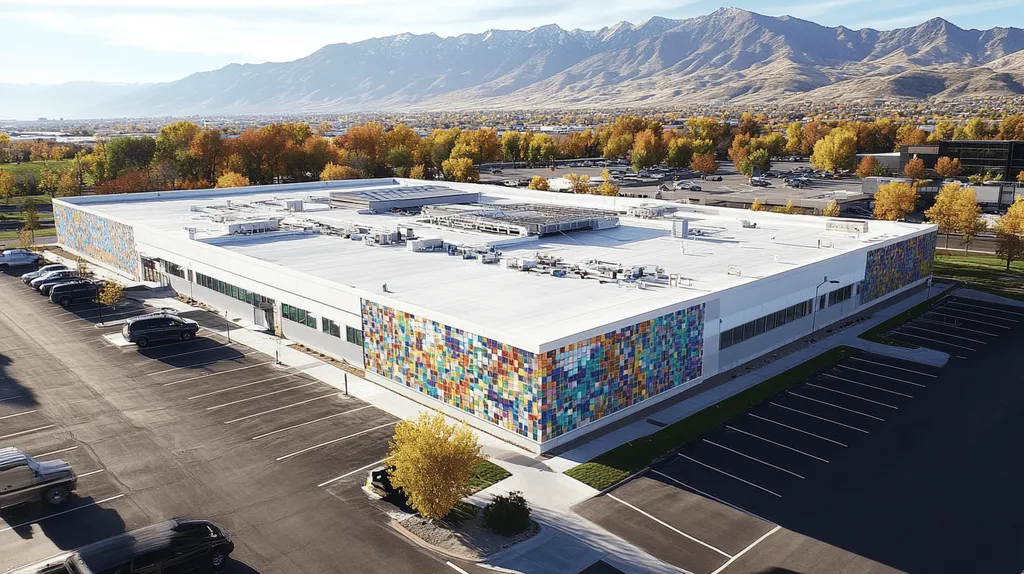
ROUND 3: PERFORMANCE FACTORS
The performance characteristics of commercial roofing systems directly impact building operations and long-term costs. Poor system selection can result in premature failure, excessive energy consumption, and maintenance challenges that drain facility budgets. When comparing metal roof coatings and reflective membranes, understanding their real-world performance becomes essential for making informed decisions.
Durability
Metal roof coatings create a seamless protective barrier that resists environmental degradation. Their advanced polymer formulations maintain structural integrity under extreme temperature variations and weather conditions, typically lasting 25-30 years with proper installation.
Reflective membranes offer reliable protection but face greater vulnerability to physical damage and UV exposure. Their seamed construction introduces potential failure points, particularly around roof penetrations and flashings.
Recent studies by the EPDM Roofing Association have shown that modern membrane materials demonstrate improved durability and lower global warming potential than previous generations. (source: Building Enclosure Online)
ADVANTAGE: METAL ROOF COATINGS
Energy Efficiency
Metal roof coatings provide thermal regulation through specialized pigments and reflective additives. Their performance varies by color selection, with lighter shades offering superior heat reflection and reduced cooling loads.
Reflective membranes excel at solar reflection, consistently achieving high thermal performance regardless of installation conditions. Their engineered surface properties maintain reliable energy efficiency throughout their service life.
While both systems contribute to building energy management, reflective membranes demonstrate more predictable and consistent thermal performance.
ADVANTAGE: REFLECTIVE MEMBRANES
Weather Resistance
Metal roof coatings form a monolithic surface highly resistant to wind uplift and impact damage. Their elastomeric properties allow them to maintain watertight integrity despite thermal cycling and building movement.
Reflective membranes rely on mechanical fastening or adhesion systems that can be compromised during severe weather events. While modern installation techniques improve performance, they remain more susceptible to weather-related damage than seamless coatings.
The superior weather resistance of metal coatings translates to reduced maintenance requirements and enhanced long-term protection.
ADVANTAGE: METAL ROOF COATINGS
ROUND 3 WINNER: METAL ROOF COATINGS
ROUND 4: MAINTENANCE REQUIREMENTS
Maintenance requirements represent a critical factor in commercial roofing decisions, often accounting for up to 40% of total lifecycle costs. Poor maintenance practices lead to premature system failure, increased energy consumption, and unexpected repair expenses that can devastate facility budgets.
Routine Inspections
Metal roof coatings require biannual professional inspections to verify coating integrity and identify potential issues early. Their seamless surface allows for straightforward visual assessment, making problems easier to spot and document.
Reflective membranes demand quarterly inspections due to their vulnerability at seams and attachment points. Each inspection must carefully evaluate membrane tension, seam integrity, and surface reflectivity to maintain system performance.
The reduced inspection frequency and simplified assessment process of metal coatings translate to lower ongoing maintenance costs and reduced facility disruption.
ADVANTAGE: METAL ROOF COATINGS
Surface Cleaning
Metal roof coatings demonstrate superior resistance to dirt accumulation and biological growth. Their smooth, uniform surface allows natural rainfall to remove most contaminants, typically requiring only annual professional cleaning.
Reflective membranes need more frequent cleaning to maintain their solar reflective properties. Dirt, algae, and atmospheric pollutants can significantly impact their performance, necessitating quarterly cleaning protocols.
Recent studies by the EPDM Roofing Association have shown that modern membrane materials demonstrate improved durability and lower global warming potential than previous generations, though maintenance requirements remain higher than metal coatings. (source: Building Enclosure Online)
ADVANTAGE: METAL ROOF COATINGS
Repair Protocols
Metal roof coating repairs can typically be addressed through spot applications without compromising adjacent areas. This targeted approach minimizes repair costs and reduces facility disruption during maintenance.
Reflective membrane repairs often require larger section replacements to maintain system integrity. Their seamed construction means that damage to one area can affect surrounding membrane stability.
The simplified repair requirements of metal coatings provide significant advantages in both cost control and maintenance efficiency.
ADVANTAGE: METAL ROOF COATINGS
ROUND 4 WINNER: METAL ROOF COATINGS
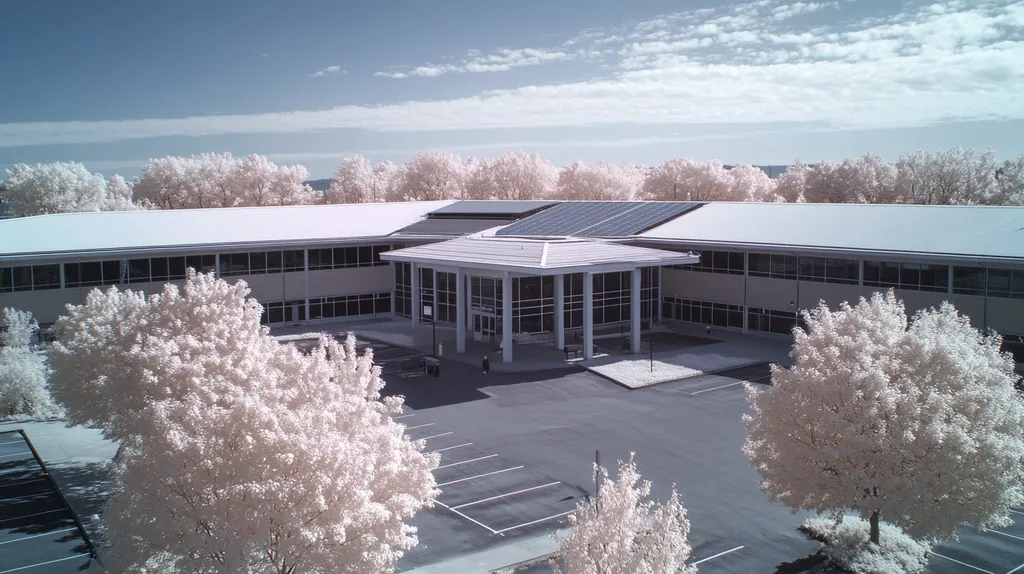
ROUND 5: SUSTAINABILITY CREDENTIALS
Environmental performance has become a critical factor in commercial roofing decisions, with mounting pressure from regulations, stakeholders, and climate concerns. Poor sustainability choices can result in increased carbon footprints, higher operational costs, and reduced property values. Understanding the environmental impact of roofing systems has never been more essential for facility decision-makers.
Environmental Impact
Metal roof coatings deliver exceptional environmental performance through their extended lifecycle and minimal waste generation. Their seamless application eliminates the need for mechanical fasteners and reduces material disposal during installation and replacement.
Reflective membranes require more frequent replacement, generating additional waste over time. However, many manufacturers now offer recycling programs to minimize landfill impact.
New research shows the color of a commercial roof only bears a negligible impact (2-3%) on the energy efficiency of a building. The ERA research highlights that insulation technology has a more substantial positive impact on the UHI effect than roof color. (source: Building Enclosure Online)
ADVANTAGE: METAL ROOF COATINGS
Energy Performance
Metal roof coatings demonstrate variable energy performance based on color selection and coating formulation. Their thermal regulation capabilities depend heavily on proper specification and application techniques.
Reflective membranes provide consistent energy performance through engineered surface properties. Their standardized reflectivity ratings deliver predictable thermal benefits regardless of installation conditions.
While both systems contribute to building energy efficiency, reflective membranes offer more reliable and measurable performance metrics.
ADVANTAGE: REFLECTIVE MEMBRANES
Resource Conservation
Metal roof coatings maximize resource efficiency through their extended service life and minimal maintenance requirements. Their durability reduces the consumption of raw materials and energy associated with manufacturing replacement materials.
Reflective membranes typically require more frequent replacement, consuming additional resources over the building’s lifecycle. Their shorter service life increases the environmental impact of manufacturing and installation processes.
The superior longevity of metal coatings translates to significant resource conservation advantages.
ADVANTAGE: METAL ROOF COATINGS
ROUND 5 WINNER: METAL ROOF COATINGS
ROUND 6: SPECIALIZED APPLICATIONS
Commercial roofing decisions for specialized applications demand careful consideration of unique performance requirements and installation challenges. Poor material choices in these scenarios can lead to system failures, compromised building operations, and expensive remediation. Understanding how different roofing solutions perform in specialized contexts becomes crucial for protecting facility investments.
Solar Integration
Solar panel installations require roofing systems that can support additional weight loads while maintaining watertight integrity. The mounting systems and electrical penetrations create unique challenges for maintaining roof performance.
Metal roof coatings provide excellent compatibility with solar installations through their seamless surface and superior puncture resistance. Their elastomeric properties accommodate thermal movement without compromising attachment points.
Reflective membranes present increased vulnerability around mounting penetrations and may require additional reinforcement. Their seamed construction introduces potential failure points at solar array attachment locations.
ADVANTAGE: METAL ROOF COATINGS
Equipment-Dense Areas
Sections of commercial roofs supporting heavy mechanical equipment require exceptional durability and resistance to foot traffic. These high-stress zones demand materials that can withstand constant exposure to maintenance activities.
Metal roof coatings demonstrate superior resistance to mechanical damage and provide reliable protection even under frequent maintenance traffic. Their monolithic surface maintains integrity despite concentrated loads and equipment vibration.
Reflective membranes often require additional protection layers in equipment areas, increasing installation complexity and maintenance requirements. Their vulnerability to punctures and tears necessitates careful monitoring around mechanical units.
ADVANTAGE: METAL ROOF COATINGS
Complex Geometries
Buildings with irregular roof shapes or multiple penetrations present unique installation and performance challenges. These complex configurations demand materials that can conform to varied surfaces while maintaining protection.
Metal roof coatings excel at conforming to irregular shapes and complex details through their liquid-applied nature. Their seamless application ensures consistent protection across challenging geometries.
Reflective membranes face increased difficulty with complex shapes, requiring numerous seams and special details. These installation challenges can compromise long-term performance and reliability.
ADVANTAGE: METAL ROOF COATINGS
ROUND 6 WINNER: METAL ROOF COATINGS
AND THE WINNER IS…
After six grueling rounds of technical evaluation, we have our verdict…
Ladies and gentlemen, with a commanding victory of 5 rounds to 1, your NEW Commercial Roof Color Choice Champion is… METAL ROOF COATINGS!
This powerhouse contender dominated the competition through superior durability, weather resistance, and maintenance efficiency. Its knockout performance in specialized applications and sustainability credentials sealed the decisive victory.
But don’t count reflective membranes out completely! This worthy challenger still packs a punch in scenarios demanding rapid installation and strict budget control. Its superior initial cost advantage and standardized installation process make it a strong contender for specific project requirements.
Remember, facility managers and building owners: while we’ve crowned our champion tonight, every building brings its own unique challenges to the ring. Local climate conditions, structural requirements, and specific property characteristics can all influence your ultimate roofing decision. Always consult with qualified roofing professionals who can evaluate your specific situation before making your final call.
In the high-stakes world of commercial roofing, victory doesn’t just come from picking the reigning champion – it comes from selecting the contender that best matches your facility’s specific requirements and performance demands.
FREQUENTLY ASKED QUESTIONS
Q. What are the initial costs of a commercial roof?
A. The initial costs for installing a commercial roof vary widely. Choices like metal coatings typically incur higher upfront expenses than reflective membranes. However, analyzing the long-term performance and potential lifecycle costs is crucial for making a cost-effective decision.
Q. How does durability affect an industrial roof’s lifespan?
A. The durability of roofing materials significantly impacts their lifespan. Metal roof coatings generally provide better resistance to harsh conditions than reflective membranes, extending their service life and reducing premature failures. Understanding material properties ensures long-term effectiveness and reliability.
Q. What performance factors should I consider for a commercial roof?
A. Key performance factors include durability, energy efficiency, and weather resistance. Roof materials like metal coatings often outperform their reflective counterparts in longevity and robust weather resistance, while reflective membranes may offer better energy efficiency through optimal solar reflection.
Q. How often should I maintain a commercial roof?
A. Maintenance frequency greatly varies between roof types. Metal roof coatings often require biannual inspections, while reflective membranes need quarterly checks. Ongoing maintenance planning is vital for preventing costly repairs and ensuring long-term roof performance.
Q. Are metal roof coatings more sustainable than reflective membranes?
A. Yes, metal roof coatings typically have superior sustainability credentials, thanks to their longer lifespan and reduced material waste during installation. On the other hand, reflective membranes often require more replacements, thus increasing overall environmental impact and resource consumption.
Q. Can I install solar panels on reflective membranes?
A. Yes, solar panels can be installed on reflective membranes, but caution is required. The membrane must withstand added weight and potential damage from mounting. Metal roof coatings offer better compatibility for solar applications due to their seamless surface and puncture resistance.
Q. What maintenance issues can arise with reflective membranes?
A. Reflective membranes often require more frequent maintenance due to their susceptibility to damage at seams and attachment points. Regular inspections and cleanings are essential to prevent loss of reflectivity and to address potential weaknesses before they lead to significant issues.






