

In the competitive world of commercial property management, choosing the wrong roof coating can lead to devastating consequences, with studies showing coating failures cost businesses over $2.5 billion annually in repairs and energy loss.
From acrylic and silicone to polyurethane systems, today’s coating options offer unprecedented protection – but only when properly selected and applied.
This comprehensive guide examines the critical factors in choosing commercial roof coatings, breaking down complex technical considerations into clear, actionable insights that property owners and facility managers can use to make informed decisions.
SECTION 1: THE BASICS EXPLAINED
Choosing the right roof coating is not just a smart decision—it’s a vital necessity for commercial and industrial properties. Research indicates that over 50% of roof failures stem from inadequate maintenance and poor material choices. By grasping the fundamentals of roof coatings and their impact on roof longevity, property owners can save themselves thousands in unnecessary repairs. This section will delve into what roof coatings are, why they are essential, and how they function to protect buildings effectively.
What It Is (In Plain Language)
Roof coatings serve as specialized protective materials applied directly to a roof’s surface to enhance its overall performance. These coatings create a robust shield that extends the lifespan of various roofing systems, including built-up roofs, single-ply membranes, and metal roofs. Popular types of coatings include acrylic, silicone, and polyurethane, each specifically engineered to tackle unique environmental challenges.
In simpler terms, roof coatings form a seamless barrier that protects against rain, ultraviolet rays, and shifting temperatures. This defense mechanism helps prevent leaks and diminishes wear and tear, which can lead to significant repair costs. Understanding the basics of roof coatings empowers property owners to make informed decisions regarding their roofing systems.
Additionally, these coatings frequently enhance energy efficiency by reflecting sunlight, leading to reduced cooling costs during the warmer months. Investing in the right coating not only safeguards the roof but can also contribute to the overall sustainability of the building.
To summarize, roof coatings are not merely optional extras; they are essential elements in maintaining the structural integrity of commercial roofs.
Why It Matters (To Your Building)
The selection of roof coating carries profound implications for a building’s durability and operational efficiency. Neglecting roof care can result in serious complications like leaks, structural damage, and escalating energy costs. A high-quality roof coating can significantly mitigate these risks by ensuring that the roof remains watertight and adequately insulated.
Moreover, commercial properties are often subject to stringent regulations regarding safety and environmental practices. A reliable roof coating can help ensure compliance, preventing costly fines or even legal disputes. For example, a reflective coating not only helps meet energy efficiency mandates but also aligns with a company’s commitment to green practices.
Financially, a well-maintained roof with a superior coating can substantially extend its lifespan, pushing back the need for a full replacement. This reality is especially pertinent for property owners, as roofing replacements often represent a considerable financial burden.
Ultimately, choosing the right roof coating does more than offer protection; it adds significant value to the property, making it a smart long-term investment.
How It Works
The operation of roof coatings is both straightforward and highly effective. These coatings create a thick, flexible layer that bonds firmly to the existing roofing material. Depending on the type of coating chosen, they can offer various forms of protection, including waterproofing and ultraviolet resistance.
When applied correctly, the coating not only seals any existing minor leaks but also prevents new ones from appearing. The smooth surface helps discourage the buildup of dirt, debris, and moisture—common culprits in roof deterioration over time. This low-maintenance aspect is particularly appealing to property owners.
Moreover, many coatings undergo a curing process that helps them bond tightly with the existing roof substrate. This strong adhesion ensures that the coating remains intact through varying weather conditions, minimizing the risk of peeling or damage. It’s a crucial factor in maximizing both the lifespan and effectiveness of the coating.
By understanding how roof coatings function, property owners can better safeguard their investments. Utilizing these materials leads to a more durable, efficient, and cost-effective roofing solution.
SECTION 2: PRACTICAL APPLICATIONS
In a world where proactive roof management can dramatically enhance a building’s lifespan, understanding the real-world applications of roof coatings becomes imperative. These coatings are not just optional upgrades; they are essential for safeguarding roofs, boosting energy efficiency, and preventing expensive repairs. For instance, a proper application can extend a roof’s life by as much as 15 years. This section will dive into common uses, critical applications, and important interactions with other roofing systems to guide more informed decisions.
Common Uses & Examples
Roof coatings serve diverse functions within the commercial sector. They rejuvenate aging roofs, seal leaks, and create reflective surfaces that help reduce energy costs. For example, a white elastomeric coating can dramatically reflect sunlight, contributing to lower indoor temperatures and decreased air conditioning costs.
These coatings are suitable not just for flat roofs but also for sloped and metal roofs. Metal buildings susceptible to rust can benefit significantly from specialized coatings, which prevent corrosion and enhance durability. This adaptability underscores the versatility of roof coatings across various roofing materials.
Moreover, energy-efficient coatings align with sustainability goals. Increasingly, organizations are opting for reflective coatings to combat the urban heat island effect, demonstrating environmental responsibility while simultaneously lowering energy expenses.
Ultimately, applying roof coatings goes beyond maintenance; it’s a strategic choice that boosts property performance and value.
When You Need It Most
Recognizing the right timing for roof coating application is crucial. Roofs exhibiting early signs of wear, such as minor leaks or surface cracks, are ideal candidates for intervention. Addressing these issues promptly can prevent costly damages down the line.
Coatings also provide significant benefits after severe weather events, such as heavy rain or hail, which can cause hidden damage. Conducting a thorough inspection followed by a timely coating application can thwart further degradation.
Additionally, when energy bills rise and performance reports indicate inefficiencies, it’s time to consider roof coatings. A reflective coating can deliver immediate relief by lowering cooling costs, particularly relevant in hotter climates.
Awareness of these critical timing scenarios helps keep roofs in optimal condition and effectively manages long-term expenses.
Interactions With Other Systems
Understanding how roof coatings interact with other roofing systems is critical for successful application. For example, if a roof has pre-existing drainage issues, applying a coating without first addressing these problems can lead to moisture accumulation and further damage.
Compatibility with existing membranes is another vital consideration. If coatings are not compatible, it can result in inadequate adhesion, diminishing the coating’s effectiveness and leading to premature peeling or flaking.
Furthermore, roof coatings must align with other building systems, such as HVAC units. If overlooked, coatings can impede air quality or disrupt proper ventilation. Adopting a holistic perspective ensures that the benefits of coatings resonate throughout the building.
By considering these interactions, property owners can devise a cohesive roofing strategy that enhances both the roof’s lifespan and overall building performance.
SECTION 3: KEY TERMINOLOGY DECODED
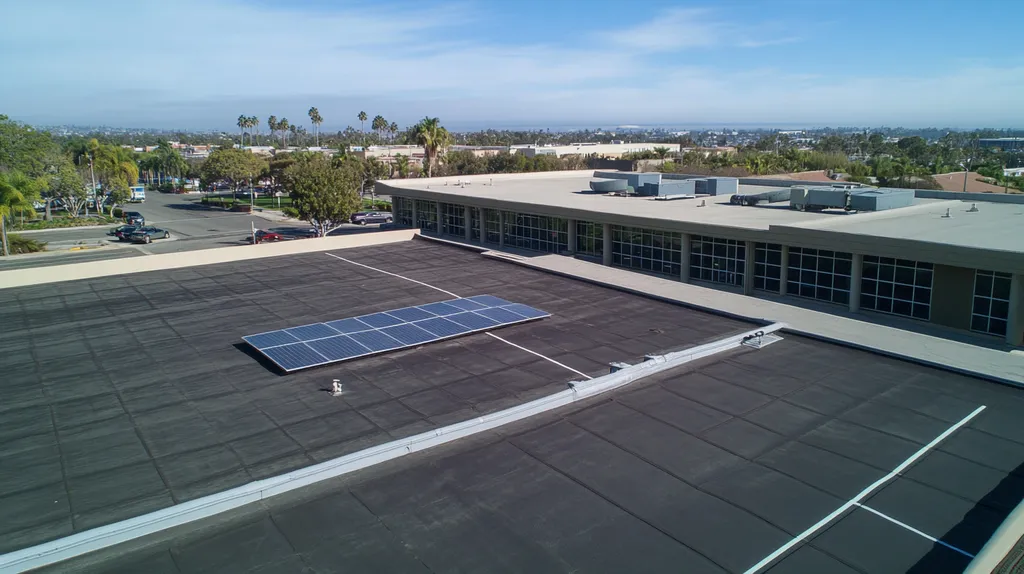
In the intricate world of roofing, understanding key terminology is crucial for property owners and facility managers. Misunderstanding these terms can lead to poor decisions that jeopardize roof integrity and longevity. Familiarity with vital concepts like “elastomeric” and “reflectivity” plays a significant role in selecting the right coating materials. This section clarifies essential terms, guiding readers toward informed choices that enhance roof performance and lifespan.
Essential Terms Explained
Roof coatings come with specialized vocabulary that can often be perplexing. One key term is “elastomeric,” which describes coatings capable of stretching and flexing with the roof’s movements. This elasticity is critical in preventing cracks and leaks, particularly as buildings settle and shift.
Another vital term is “reflectivity,” which indicates how much sunlight a roof can reflect rather than absorb. Coatings with high reflectivity can lead to reduced cooling costs, making them an effective choice for energy efficiency and extending the lifespan of the roofing materials.
Understanding “VOC” (Volatile Organic Compounds) is equally important. VOCs are chemicals that some coatings release into the air at room temperature, potentially affecting indoor air quality and adhering to environmental regulations.
Finally, “adhesion” refers to how well the coating bonds to the roof’s surface. Strong adhesion is essential for durability; inadequate adhesion can lead to peeling or flaking, undermining the protective benefits of the coating.
Industry Jargon Translated
The roofing industry is filled with jargon that can be daunting for those not familiar with it. For example, “TPO,” or Thermoplastic Polyolefin, is a popular roofing membrane known for its energy efficiency and long-lasting durability. Understanding TPO and its advantages can significantly aid in making better roofing decisions.
“Standard test methods” are procedures for evaluating the performance of coatings, commonly referenced in product specifications. Familiarity with these methods enables property owners to better assess whether a coating meets essential durability and weather-resistance standards.
Moreover, the term “life cycle cost” sheds light on the long-term financial implications of roofing choices. This concept encourages property owners to look beyond initial expenses and consider maintenance, lifespan, and energy savings down the road.
Grasping these terms empowers property owners to communicate effectively with contractors and suppliers. This knowledge equips them to ask informed questions and make decisions that align with both their budget and building requirements.
Measurement & Units Simplified
Understanding measurements and units is essential when evaluating roofing materials. For instance, “mils” measure thickness, a critical factor in determining the durability of coatings. Generally, thicker coatings provide enhanced protection, but they may also come with higher costs.
The “Solar Reflective Index” (SRI) is another essential metric. It combines a material’s reflectivity and emittance for a comprehensive view of energy efficiency. This knowledge assists property owners in selecting coatings that minimize heat absorption, enhancing overall energy performance.
Additionally, “psi,” or pounds per square inch, often indicates tensile strength in materials. Coatings with higher psi ratings signify stronger formulations, which are particularly important in areas prone to extreme weather conditions.
Finally, the “application rate,” typically expressed in square feet per gallon, ensures that property owners purchase the right amount of coating needed for their projects. This understanding helps prevent waste and unexpected costs, maximizing the budget and project efficiency.
SECTION 4: DECISION FACTORS
Selecting the right materials for commercial roof coatings is not merely a choice; it’s a critical decision that can greatly influence building performance and longevity. Failing to make informed choices can accelerate deterioration, leading to skyrocketing maintenance costs and operational headaches. Property owners need to navigate essential factors like cost, performance, and durability, ensuring they avoid future pitfalls. This section examines these crucial elements, empowering decision-makers with the knowledge to implement effective roof management strategies.
Cost Considerations
The initial expenses associated with roof coatings can vary considerably based on material selection. For example, acrylic and silicone coatings often have lower upfront costs but may not always be the most cost-effective in the long run. Property owners should take into account not just the price tag but also ongoing expenses like maintenance and potential energy savings.
Investing in high-quality materials can lead to substantial savings over time. Durable coatings, such as those that reflect sunlight, contribute to lower energy bills and decreased cooling expenses, enhancing overall efficiency. A comprehensive analysis of the total cost of ownership is vital to make sure budget constraints do not overshadow long-term gains.
Ultimately, a robust roofing strategy integrates both initial investment and future performance components. By selecting durable coatings, property managers can effectively ward off leaks and extensive repairs, safeguarding financial resources for other crucial investments.
Although lower-priced alternatives may seem advantageous, they often incur higher overall costs due to frequent maintenance and earlier replacements. Savvy property owners focus on achieving a balance between cost and quality for maximum long-term benefits.
Performance Trade-offs
Performance is a key criterion when selecting roof coatings. Different materials offer varied levels of UV protection, water resistance, and flexibility tailored to specific conditions. For example, while silicone coatings excel at waterproofing, they may struggle with adhesion to some substrates, limiting their effectiveness in certain environments.
Additionally, the choice between reflective and non-reflective coatings can have a dramatic impact on managing building temperatures. Reflective coatings can significantly lower energy consumption but may not perform as well in climates where higher thermal retention is needed.
Property owners must analyze these trade-offs against their specific building needs. A facility located in a coastal region may prioritize water resistance, while a structure in a hot desert environment might require coatings that focus on heat reflection.
Recognizing these performance nuances enables facility managers to align their decisions with operational requirements. Choosing the right performance metrics enhances not only roof functionality but also contributes to the overall efficiency of a building’s energy strategy.
Lifespan & Durability Factors
The longevity and durability of roof coatings are pivotal elements that directly influence a property’s overall value. Coatings with lower initial costs might not always be the best choice if they have shorter lifespans, leading to more frequent replacements than their higher-quality counterparts.
For instance, polyurethane coatings are known for their exceptional durability and ability to withstand severe environmental conditions compared to acrylics. This enhanced resilience could make them a more cost-effective solution over time.
Additionally, some coatings excel in resisting harsh weather elements such as heavy rain, hail, or prolonged UV exposure. By understanding the local climate and environmental challenges, property managers can make informed choices about coatings that will endure specific conditions.
In the end, durability affects not just operational efficiency but also the asset value of the building. High-quality, long-lasting coatings reduce disruptions and the associated costs of replacements, ultimately providing peace of mind for property owners.
SECTION 5: COMMON CHALLENGES
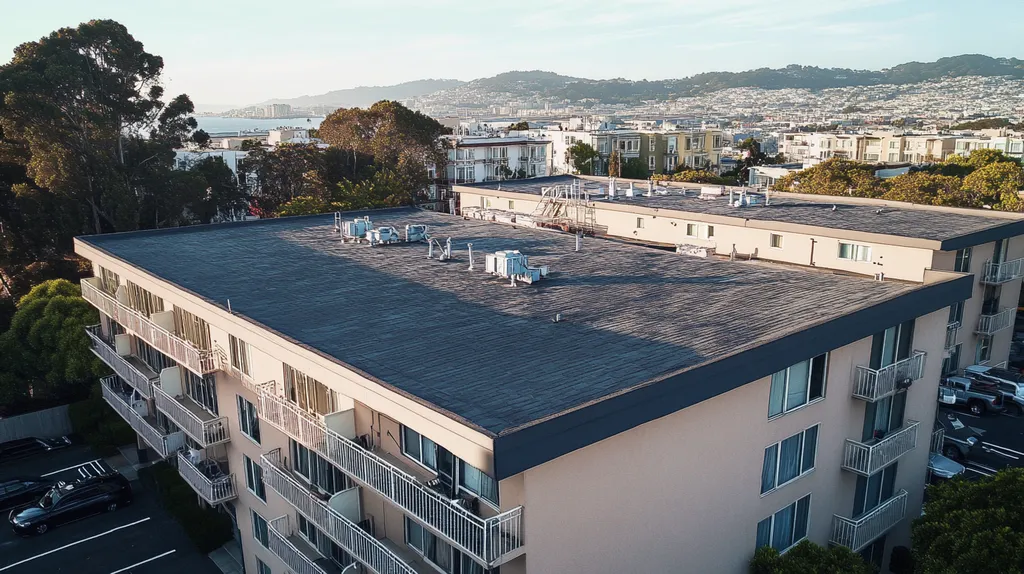
While roof coatings are essential for prolonging the life of commercial roofs, numerous challenges can hinder their effectiveness. Inadequate application, environmental stressors, and material glitches can all contribute to costly repairs or premature roof replacements. Recognizing these challenges is crucial for property owners and facility managers to safeguard their investments and secure the long-term performance of their roofs.
Frequent Problems & Solutions
One of the most prevalent challenges faced with roof coatings is improper application. When coatings aren’t applied according to manufacturer guidelines, problems such as peeling or blistering can arise, drastically cutting down their effectiveness. Engaging experienced installers who understand the intricacies of roof coatings can significantly minimize these risks.
Additionally, selecting materials that aren’t compatible with the existing roofing substrate is another common mistake. For example, applying a coating intended for flat roofs on sloped surfaces can result in serious drainage complications. Conducting thorough research into compatible materials tailored to specific roof types is essential for overcoming this hurdle.
Environmental factors, like extreme temperature fluctuations and prolonged UV exposure, can also diminish the performance of roof coatings. Opting for coatings that boast higher UV resistance and flexibility is key to boosting durability across various climates.
Finally, neglecting routine maintenance can lead to deterioration over time. Implementing a regular maintenance schedule that includes inspections and repairs can effectively extend the life of the roof coating.
Warning Signs To Watch For
Identifying issues early on is vital for upholding the integrity of roof coatings. One significant warning sign is visible cracking or peeling of the coating, indicating that immediate attention is required. Ignoring these signs can lead to leaks and extensive damage.
Blisters or bubbles forming on the coating’s surface are another concern. These irregularities can trap moisture beneath, compromising the substrate. Routine monthly inspections can help catch these problems before they morph into larger issues.
Discoloration or fading of the coating also serves as a red flag for property owners. This change often signals that the material is losing its ability to protect against UV rays. When discoloration occurs, it may be time to evaluate the situation for potential re-coating or repairs.
Pooling water after rainfall is another indication of possible coating failure. This issue could mean drainage systems aren’t functioning properly, warranting immediate evaluation to prevent leaks and structural damage.
Preventative Approaches
Proactive measures can drastically decrease the chances of encountering common roofing challenges. Conducting regular inspections at least twice a year can help property owners spot issues early and deal with them proactively. This preventative habit can save significant time and resources in the long run.
Establishing a robust cleaning schedule is also crucial for maintaining the effectiveness of roof coatings. Accumulated debris can create moisture traps that lead to coating failure, making it essential to keep roof surfaces clear and clean.
Investing in high-quality materials designed specifically for the unique environmental conditions can further lessen future complications. By researching and choosing top-tier coatings, property owners will likely experience improved performance and durability.
Lastly, fostering a partnership with a reputable roofing contractor ensures that coatings are applied accurately and maintained effectively. Building long-term relationships with professionals who understand commercial roofing needs will greatly enhance the longevity of roof coatings.
SECTION 6: NEXT STEPS & RESOURCES
With the stakes higher than ever in commercial roofing, mastering roof coatings is key to preserving property investments. Alarmingly, over 60% of commercial roofing failures are linked to poor maintenance and coating decisions. Thus, it’s critical for property owners to approach these choices with care and diligence. This section outlines important steps to ensure informed decisions, including essential questions to ask providers, adhering to industry standards, and resources for further education.
Questions To Ask Providers
When consulting roofing providers, it’s vital for owners to ask the right questions to assess expertise and reliability. Start by clarifying the specifics of the manufacturer’s warranty. Knowing the coverage period and any exclusions gives insight into the product’s expected performance.
Next, inquire about the applicator’s certification. It’s essential to confirm that the installers are trained and certified in handling the recommended coating materials. This significantly reduces the chances of errors during application.
Request references and examples of past projects as well. Examining previous work provides a clear picture of the provider’s reliability and breadth of experience with similar roofing systems.
Lastly, explore the maintenance services available after installation. Ongoing maintenance is crucial for extending the life of roof coatings, and providers should present detailed plans for support and care post-application.
Industry Standards & Guidelines
Adhering to industry standards is essential for upholding the integrity of roof coatings. The Cool Roof Rating Council (CRRC) provides guidelines that help in selecting coatings that improve energy efficiency while complying with local building codes. Coatings that meet these standards can lead to notable energy savings.
The National Roofing Contractors Association (NRCA) offers a wealth of resources outlining best practices for various roofing systems, including coatings. Following these guidelines ensures that contractors implement steps that enhance both performance and longevity.
Additionally, referring to ASTM International standards helps owners validate the quality of materials and systems used. Familiarity with these technical standards safeguards against poor material choices and performance failures.
Staying updated on these industry standards empowers property owners to make informed decisions that align with performance expectations and regulatory requirements.
Further Learning Simplified
For property owners eager to deepen their knowledge of roofing coatings, numerous resources are available. The NRCA’s webinars and workshops offer valuable insights into the latest technologies and best practices in roofing, enhancing decision-making capabilities.
Industry publications like “Roofing Contractor” and “Professional Roofing” frequently feature articles discussing new trends and innovations, serving as excellent references for ongoing learning.
Online forums and professional networks provide platforms for exchanging insights with peers in the industry. Joining associations and attending trade shows allow property owners to discover products that cater to their unique needs.
By actively seeking further education, property owners position themselves to make informed choices about roofing solutions that safeguard their investments and ensure roof longevity.
The Bottom Line
With commercial roof coating failures costing businesses billions annually, selecting the right materials is more critical than ever for protecting valuable assets and ensuring building longevity.
The data is clear: properly selected and applied coatings can extend roof life by 15-20 years while reducing energy costs by up to 35%.
From acrylic and silicone to advanced polyurethane systems, today’s coating options offer unprecedented protection when matched correctly to specific building needs and environmental conditions.
Success demands careful evaluation of cost factors, performance requirements, and application considerations, along with ongoing maintenance and monitoring.
By following industry best practices and leveraging professional expertise, property owners can maximize their roof coating investment and avoid the devastating impact of premature failures.
FREQUENTLY ASKED QUESTIONS
Q. What are commercial roof coatings and why are they essential?
A. Roof coatings are protective materials applied to roofs to enhance performance and longevity. They help prevent leaks and reduce wear from environmental factors, making them crucial for safeguarding the structural integrity of your building.
Q. How can commercial roof coatings improve building energy efficiency?
A. Applying reflective roof coatings can significantly lower indoor temperatures, which reduces reliance on air conditioning. This leads to decreased energy costs, making it a smart investment for any commercial property owner.
Q. What is the difference between elastomeric and reflective coatings for industrial roofs?
A. Elastomeric coatings can stretch and flex, protecting against cracking, while reflective coatings are designed to minimize heat absorption. Understanding these differences helps in choosing the right coating based on specific environmental needs.
Q. What are key factors to consider when choosing commercial roof coatings?
A. Consider aspects like cost, performance, and durability. A comprehensive understanding of these factors ensures the selected coating aligns with both budget constraints and long-term operational needs, protecting your investment.
Q. What common challenges do commercial roof coatings face?
A. Frequent challenges include improper application, material incompatibility, and adverse environmental conditions. By recognizing these issues early and addressing them, property owners can enhance the longevity and performance of their roof coatings.
Q. What questions should I ask roofing providers before choosing coatings?
A. Inquire about warranty details, applicator certifications, and examples of past work. These questions help gauge expertise and ensure you select a reliable provider for your roof coating needs.
Q. How can I maintain my commercial roof coatings for longevity?
A. Regular inspections and cleaning are vital for keeping roof coatings in optimal condition. A well-maintained roof can prevent damage and prolong the lifespan of the coating, ultimately saving costs over time.






