
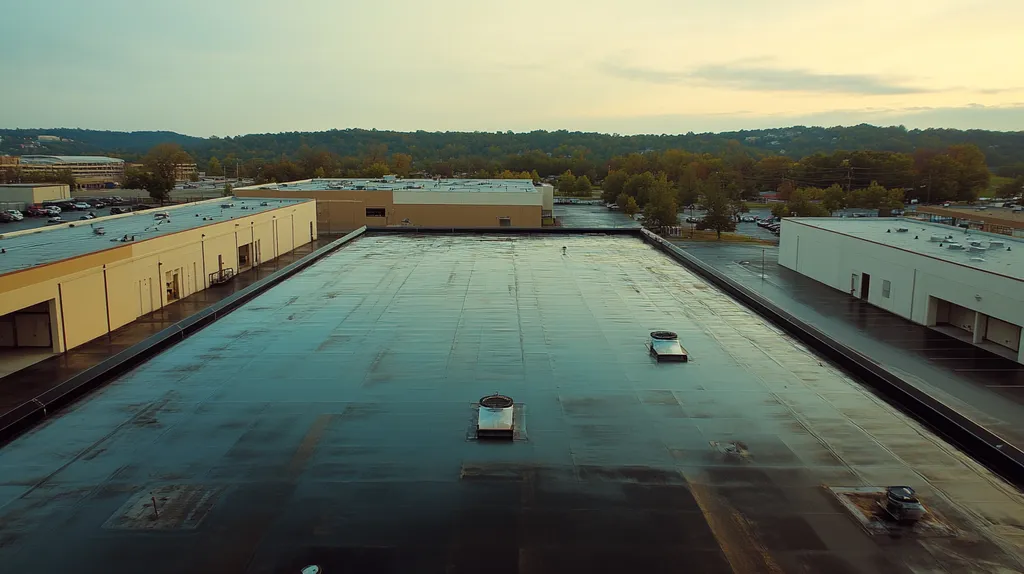
Commercial property owners lose millions annually by making uninformed decisions about roof repairs versus replacement. Industry data shows that nearly 40% of commercial roofs are replaced prematurely, while 35% suffer from deferred maintenance that leads to preventable damage.
The stakes are especially high for facilities spanning 20,000+ square feet, where the difference between strategic repairs and full replacement can exceed $500,000.
This analysis examines the key factors driving roofing decisions, dispels common misconceptions, and provides a framework for evidence-based choices that optimize both performance and cost.
SECTION 1: COMMON MISCONCEPTIONS
Commercial property owners and facility managers often confront challenging roofing decisions that can greatly influence their operations and financial performance. A widespread misconception is that every instance of roofing damage necessitates a full replacement, leading to inflated costs and unwanted downtime. Some also underestimate the importance of routine maintenance that can extend a roof’s lifespan and avert expensive repairs. Additionally, there is a common tendency to overrate the durability of roofs, catching decision-makers off guard when unforeseen issues arise. Clarifying these misconceptions is essential for making well-informed decisions.
Assuming All Damage Requires Replacement
A frequent error in commercial roofing is the assumption that any visible damage requires a complete roof replacement. This misconception often arises from a limited understanding of roofing materials and damage evaluation. In reality, minor issues like small leaks or surface wear may only need specific repairs instead of an entire overhaul.
For example, a small leak can often be addressed with a simple patch rather than a costly replacement. Failing to consider this option can result in soaring expenses for property owners, which may in turn be passed on to tenants or customers, ultimately impacting business profitability.
It is crucial to work with a qualified roofing professional to conduct comprehensive inspections. They can determine whether repairs or a replacement is warranted, based on the roof’s current condition.
Tackling damage at its onset through appropriate repairs allows property owners to prolong their roof’s lifespan while maintaining operational efficiency. A strategic roofing plan assesses all options and reinforces the idea that not all damage is created equal.
Ignoring the Role of Maintenance
Routine maintenance is frequently disregarded in roofing discussions, yet it is vital for extending the life of commercial roofs. Failing to perform regular check-ups can cause minor issues to snowball into costly repairs or premature replacements.
Regular inspections can detect minor leaks and surface damage before they escalate into serious problems. Proactive maintenance can significantly extend a roof’s lifespan, sometimes by as much as 50%. A well-maintained roof can last years longer than one that suffers from neglect.
Prioritizing maintenance is not just a cost-saving tactic; it also reduces business disruptions. Timely repairs prevent leaks that could damage interior spaces and disrupt employee productivity. Having a structured maintenance plan clarifies responsibilities, making it easier for facility managers to stay on top of essential tasks.
Incorporating a maintenance strategy is essential for the long-term health of any commercial building. Adopting a proactive approach to maintenance is a smart investment for property owners (source: 1800 New Roof).
Overestimating Roof Lifespan
A common misconception is that all roofs have a standard lifespan that can be easily predicted. Many property owners hold unrealistic expectations regarding durability without recognizing the various factors that can influence a roof’s longevity, such as material type, weather conditions, and maintenance practices.
For instance, an EPDM roof may last between 15 to 25 years, but harsh climates can considerably shorten its lifespan. Conversely, a metal roof can potentially exceed 50 years if maintained properly, yet neglect can lead to rapid deterioration.
Warranties can also create a misleading sense of security. Property owners might believe that as long as the warranty is valid, their roof is assured to remain in top condition. This misjudgment can result in unexpected financial strain when significant repairs are needed much sooner than anticipated.
Understanding the complexities behind roofing lifespans aids in better budgeting and planning. Decision-makers should seek clear information regarding the specific materials used, and how to maintain them effectively.
Ultimately, a well-informed approach to understanding roof longevity facilitates timely evaluations and actions, ensuring roofs perform as expected or beyond.
SECTION 2: PRACTICAL IMPLICATIONS
Choosing to repair or replace a commercial roof can dramatically impact daily operations and finances. A hasty decision may cause unplanned disruptions during peak hours, leading to costly setbacks. Studies indicate that neglected roofs can increase operational costs by up to 30% over time. Recognizing these practical implications empowers property owners to make smart decisions, ensuring the longevity and efficiency of their buildings.
Impact on Building Operations
The choice between repair and replacement significantly affects daily operations. Undertaking a roofing project can interrupt business activities, risking revenue loss. For instance, delayed repairs for minor leaks can lead to extensive water damage, potentially halting operations entirely.
During a roof replacement, occupants may have restricted access to certain areas, exacerbating delays in services or production. However, a well-planned replacement can minimize disruptions. Proper timing for repairs can prevent major work that interferes with normal business activities.
Contractors must also account for seasonal considerations, as certain climates may favor repairs during peak weather months. By understanding these factors, property managers can maintain stable operational workflows without compromising roof integrity.
Thus, carefully weighing the implications of repair versus replacement is crucial. This assessment not only keeps productivity levels high but also assures that safety standards are respected throughout the premises.
Effects on Energy Efficiency
Decisions about roofing have a vital impact on a building’s energy efficiency. Aging roofs can lead to skyrocketing heating and cooling costs. For example, roofs with inadequate insulation can result in energy loss exceeding 20%, further straining utility budgets.
On the flip side, a roof replacement brings the chance to incorporate advanced insulation materials, which can drastically reduce energy consumption and yield long-term savings. Property managers need to recognize that this approach also supports their sustainability strategies.
Moreover, a new roof can boost a building’s reflective properties, further lowering cooling costs. Facilities managers can take advantage of this by selecting energy-efficient roofing systems tailored to their specific needs.
Consequently, conducting a thorough analysis of energy efficiency impacts is essential when making roofing decisions, aligning with overarching business sustainability goals.
Safety and Liability Concerns
Safety and liability issues play a crucial role in the roofing decision-making process. A compromised roof poses significant threats, not only to occupants but also to the surrounding area. Leaks can create slip hazards, while falling debris can lead to injuries or property damage.
In the U.S., businesses face severe penalties for failing to comply with safety regulations. A faulty roof can contribute to violations that may result in insurance claims and increased premiums. Regular inspections and timely repairs substantially reduce these risks, enhancing safety for employees and clients alike.
Replacing an aging roof with a modern system can also improve structural integrity, helping to safeguard against unexpected weather events. A robust roof reduces liability and fosters trust among stakeholders.
Ultimately, addressing safety and liability concerns is imperative for long-term business success. Informed choices regarding roofing options protect investments and ensure employee safety while preserving company reputation.
SECTION 3: COST OF MISINFORMATION
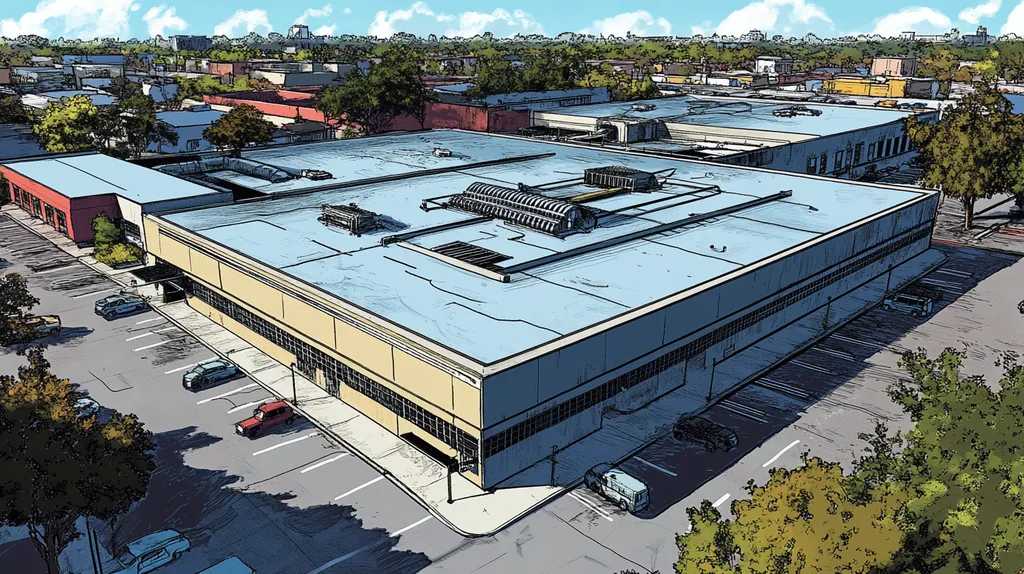
The stakes involved in roofing decisions are often underestimated by property owners. Every dollar spent on repeated repairs could have been redirected toward a durable roof replacement. Industry studies indicate that property owners may incur up to 50% more in cumulative repair costs when delaying replacement. This section highlights the costs associated with misinformation regarding roofing, particularly the dangers of postponing necessary replacements.
Cumulative Repair Costs
Many property owners fail to grasp the financial burden of continuous roof repairs. While each minor fix may seem small, these expenses can accumulate quickly. A roof that consistently requires patching can ultimately cost more than a complete replacement.
For instance, a flat roof might need several repairs for leaks and membrane issues throughout its life. Each repair adds to past expenditures, straining the budget over time. Eventually, cumulative repair costs can consume funds that could be better used for long-term property enhancements.
Facility managers should meticulously track repair costs. If expenses regularly surpass set benchmarks, it may indicate the need for an immediate replacement. Neglecting this can result in throwing money at a failing system without achieving meaningful results.
Relying solely on repairs can also jeopardize warranties associated with existing roofing systems. Ignoring significant problems exacerbates issues and inflates future costs. A thorough understanding of cumulative repair expenses is crucial for making informed, strategic roofing decisions.
Hidden Expenses of Delayed Replacement
Delaying a roof replacement carries hidden costs that are frequently overlooked. Water infiltration from a compromised roof can cause severe damage to interior structures. This might include not only damage to walls and ceilings but also the loss of valuable inventory or equipment underneath the roof.
The financial ramifications of such damage can be substantial. For example, mold growth due to ongoing leaks can lead to additional remediation costs and regulatory compliance headaches. The potential loss of business during repairs adds another financial burden.
Moreover, a damaged roof can significantly reduce a building’s energy efficiency. This inefficiency can result in increased utility bills, contributing to rising operational costs even as the building continues to deteriorate. The cycle of expenses caused by delayed replacement is difficult to break.
Investing in a full roof replacement sooner rather than later can help mitigate these hidden costs. Tackling the problem at its root not only preserves the structural integrity of the building but also shields the financial bottom line.
Opportunity Costs of Inefficient Decisions
Inefficient roofing decisions lead to substantial opportunity costs. Every dollar spent on repetitive repairs could have been channeled into strategic investments, such as enhancing energy efficiency or improving tenant comfort. Postponing a roof replacement frequently diverts critical capital from other essential projects.
A modern roofing system can provide benefits well beyond stopping leaks. Improved energy performance can produce long-term savings, while also contributing to a reduced carbon footprint. Enhanced warranties that come with new roofing systems offer peace of mind to property owners.
Furthermore, a new roof can increase property value and enhance marketability. Well-maintained buildings create positive first impressions, attracting more desirable tenants or buyers. In contrast, a reactive approach reliant on outdated repair methods often undermines this potential.
By balancing operational costs against missed opportunities, property owners can make more informed roofing decisions. Prioritizing roof replacement paves the way for substantial improvements in property value and overall operational efficiency.
SECTION 4: REALITY CHECK
For commercial property owners, the stakes surrounding roofing issues are high, with the difference between repair and full replacement often measured in thousands of dollars. Urgent decisions can have serious financial implications, as studies indicate that neglecting roofing needs can lead to replacement costs up to 50% higher than initially anticipated. This section outlines three critical factors—roof condition and age, extent of damage, and climate influences—to aid in making informed decisions about roofing options.
Assessing Roof Condition and Age
Evaluating the current condition of a roof is essential for determining the appropriate course of action. Older roofs, particularly those over 20 years old, are at a higher risk of requiring replacement due to common indicators such as leaks and granule loss. In contrast, roofs that are relatively new may still have viable repair options.
Conducting regular inspections can reveal hidden concerns that may worsen if left unaddressed. A combination of visual evaluations and moisture surveys allows property owners to gauge their roof’s health effectively. If minor issues are identified early, immediate repairs may be the best route to prolong the roof’s lifespan.
In the end, a roof’s age and condition are critical factors dictating whether repair or replacement is the most cost-effective strategy. Engaging a skilled roofing contractor for thorough evaluations can help avoid hasty decisions driven by incomplete information.
Evaluating Extent of Damage
The severity and distribution of damage play a significant role in determining whether repairs or a full replacement is warranted. Isolated issues like small leaks may only require localized repairs, but widespread damage often signals more significant problems that need comprehensive evaluation.
For instance, the emergence of multiple leaks can indicate deeper systemic issues, such as compromised structural integrity. If extensive damage is found, a replacement might be the most logical solution to address these underlying conditions effectively.
Cost factors heavily into this decision-making process. If the projected repair costs exceed a benchmark—commonly around 60% of the cost of a replacement—it may represent a more prudent long-term investment to opt for a new roof.
Considering Climate and Material Factors
The climate of a region significantly impacts roofing material performance and longevity. Environments characterized by extreme weather conditions—like heavy snowfall or high winds—can accelerate roof deterioration. For example, metal roofs often withstand harsher climates better than asphalt shingles, which can crack and wear out more quickly.
Additionally, the choice of roofing materials influences the decision between repairs and replacement. Some materials allow for easier repairs, while others, like single-ply membranes, may need total removal to fix underlying issues effectively.
Recognizing these climatic and material-related factors enables property owners to make strategic choices. By selecting roofing systems suited to their specific regional conditions, they can maximize the lifespan of their roofs and minimize long-term costs.
SECTION 5: EVIDENCE-BASED ALTERNATIVES
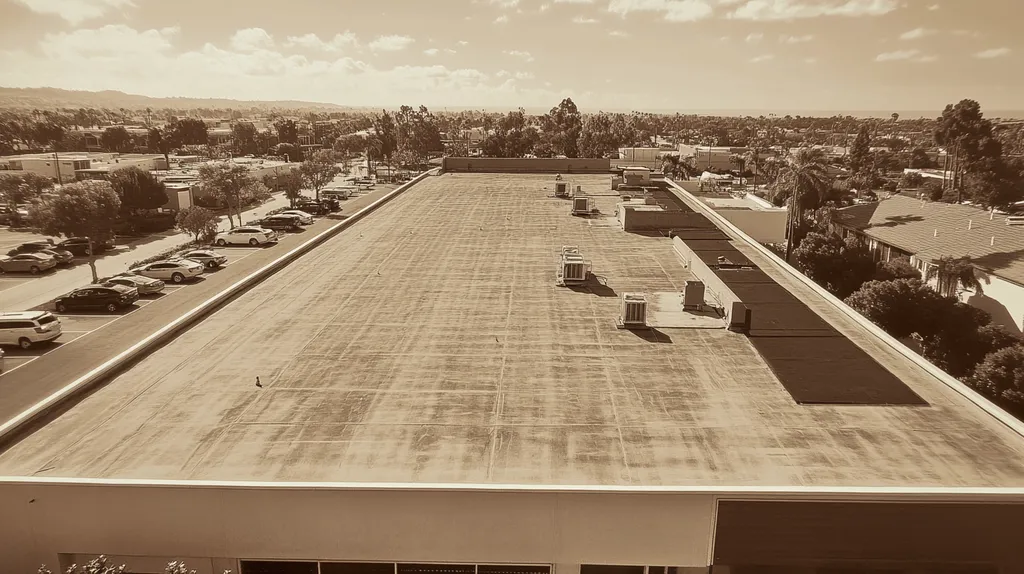
Choosing between roof repair and full replacement is a crucial decision for commercial property owners, with financial implications that can be substantial. Neglecting roof issues can result in extensive water damage and lost productivity. Research indicates that approximately 70% of commercial roof replacements could have been avoided with timely repairs. This section will explore when to consider repair, the advantages of roof restoration, and scenarios that call for a complete roof replacement.
When to Opt for Roof Repair
Keeping a commercial roof in good condition often begins with identifying and addressing minor issues early. Localized damage, such as small leaks or minor tears in the membrane, can often be resolved through prompt repairs, significantly extending the roof’s lifespan.
Industry guidelines suggest that immediate repair is warranted for any issues impacting 20% or less of the roof surface. Addressing these problems not only prevents water infiltration but also minimizes disruption to business operations.
If the roof structure remains sound and the existing materials are functional, opting for repairs can be a cost-effective decision. Generally, repair costs fall between 5% and 15% of total replacement costs, making this an attractive option for property owners aiming to safeguard their investments.
Regular inspections are essential for catching small problems before they escalate into larger issues. By proactively addressing minor repairs, property owners can protect their long-term financial interests.
Benefits of Roof Restoration
Roof restoration presents an effective alternative to full roof replacement, rejuvenating aging roofing systems without the need for complete overhaul. This method includes applying various techniques aimed at enhancing the roof’s integrity and extending its lifespan.
Restoration techniques may involve the application of reflective coatings that improve energy efficiency and waterproof membranes that enhance durability. Studies show that roof restoration can extend a roof’s life by 10 to 15 years.
From a financial standpoint, restoration is often 50% less expensive than replacement. Investing in restoration can yield significant long-term savings while simultaneously improving the building’s energy performance.
Furthermore, restoration projects can be executed with minimal disruption to daily operations, helping property owners meet their sustainability goals by reducing waste and maximizing the use of existing materials.
Scenarios for Full Replacement
While opting for repair and restoration may be suitable in many cases, certain situations demand full roof replacement. If a roof is nearing the end of its service life, usually after 20 years, a replacement may be the most sensible option.
Severe damage, such as extensive leaks or structural degradation, often signifies that repairs will only provide temporary relief. When repairs exceed 25% of the roof surface, full replacement typically becomes more financially viable.
Additionally, if the roofing material fails crucial industry tests for durability or energy efficiency, a complete replacement enables property owners to utilize advanced materials that offer better protection and energy savings.
A comprehensive evaluation of the roof’s current condition is crucial in determining whether to pursue repairs or replacement. This careful assessment helps ensure the integrity of the property, supporting financial health and operational efficiency (source: SFS USA).
SECTION 6: TEST AND VERIFY
Deciding between roof repair and full replacement is a critical choice for commercial property owners, with financial consequences that can reach hundreds of thousands of dollars. Research shows that nearly 30% of commercial roofs are not evaluated properly before major repairs or replacements, leading to unnecessary expenses and safety hazards. Testing and verification are vital to prevent costly oversights. This section highlights the importance of hiring professional inspectors, obtaining detailed estimates, and ensuring compliance with warranty and regulatory standards.
Hiring a Professional Inspector
Engaging a qualified roofing inspector is essential for accurately assessing the condition of a commercial roof. These professionals possess the experience to uncover hidden problems, such as moisture intrusion, that may threaten structural integrity.
A thorough inspection covers various factors, including signs of wear and tear, the performance of drainage systems, and the condition of roof penetration points. These insights enable property owners to determine if repairs or a full replacement is the more prudent choice.
Additionally, a comprehensive inspection report can serve as a valuable asset in negotiations with contractors and support future claims. By investing in professional assessments, property owners minimize the risks of misdiagnosis and the costly mistakes that can follow.
Obtaining Detailed Estimates and Reports
Once an inspection is completed, the next step is obtaining detailed estimates. These estimates should provide an exhaustive breakdown of the required work, material costs, and labor expenses. Transparency at this stage is vital for understanding the financial implications of both repair and replacement options.
Detailed reports should also delineate the long-term benefits of each choice. While repairs might offer a short-term fix, a full replacement could provide durability and assurance for decades to come.
Without comprehensive estimates, property owners enter negotiations without the necessary context, risking misunderstandings regarding project scopes and future expenditures. Requesting multiple quotes from various contractors can help ensure competitive pricing and strengthen decision-making aligned with budgetary limitations.
Ensuring Compliance and Warranty Considerations
Adherence to local building codes and industry regulations is crucial when making roofing decisions. Commercial roofing systems often face strict requirements that must be satisfied to ensure both safety and stability.
Furthermore, addressing warranty considerations is imperative. New roof replacements typically come with warranties that offer peace of mind, whereas repairs may have limited coverage, creating a potential financial gap.
For instance, many manufacturers stipulate that only licensed contractors can perform repairs to keep warranties valid. Understanding these nuances is critical for avoiding disputes and preventing unexpected expenses in the future.
Maintaining compliance and adhering to warranty conditions not only protects the property but also enhances long-term asset value, ensuring the integrity and durability of the roofing system.
The Bottom Line
Commercial property owners face potential losses of $100,000 to $500,000 when making uninformed roofing decisions, with 40% of replacements occurring prematurely and 35% suffering from negligent maintenance.
The evidence clearly shows that strategic assessment of repair versus replacement options, backed by professional inspection and thorough documentation, delivers the strongest return on investment.
Regular maintenance combined with timely repairs can extend a commercial roof’s lifespan by up to 50%, while proper timing of full replacement prevents cascading damage to other building systems.
Moving forward, property owners must prioritize data-driven decisions over reactive solutions, ensuring their roofing investments protect both their assets and bottom line.
FREQUENTLY ASKED QUESTIONS
Q. What are common misconceptions about commercial roofs?
A. Many believe all damage requires replacement, leading to increased costs and downtime. Some overlook the impact of routine maintenance, crucial for extending a roof’s lifespan. Others may overestimate durability, resulting in unanticipated repairs when issues arise.
Q. How does a commercial roof’s repair or replacement affect operations?
A. Choosing between repairs and replacements can disrupt daily operations, risking revenue loss. Delayed repairs for minor issues can lead to severe water damage, causing major project disruptions. A well-planned approach minimizes interruptions, maintaining operational efficiency.
Q. What are the financial impacts of delaying roof replacement?
A. Delaying replacement can lead to cumulative repair costs that exceed initial estimates. Hidden expenses, such as internal water damage or mold growth, add to financial strains. Investing in timely replacements mitigates these hidden costs and preserves asset value.
Q. How do I assess a commercial roof’s condition?
A. Regular inspections are vital for evaluating roof condition and age. Signs of wear, leaks, or granule loss often indicate the need for a replacement, especially in older roofs. Engaging professionals for thorough assessments aids in informed decision-making.
Q. When should I consider roof restoration for my commercial property?
A. Restoration is ideal when localized damage, such as small leaks, can be addressed without a full replacement. This method enhances integrity and longevity, extending the roof’s life while minimizing disruption. It’s typically more cost-effective than a full overhaul.
Q. Why is hiring a professional inspector essential for commercial roofs?
A. Qualified inspectors can uncover hidden issues like moisture intrusion that threaten structural integrity. Thorough inspections provide property owners with necessary insights to make informed decisions, ensuring risks of misdiagnosis and unnecessary expenses are minimized.
Q. What are common signs indicating a complete roof replacement is necessary?
A. Complete replacement is advisable if damage exceeds 25% of the roof surface. Severe leaks or noticeable structural degradation often signal that repairs will be inadequate. Additionally, roofs nearing the end of their expected service life typically require replacement.






