
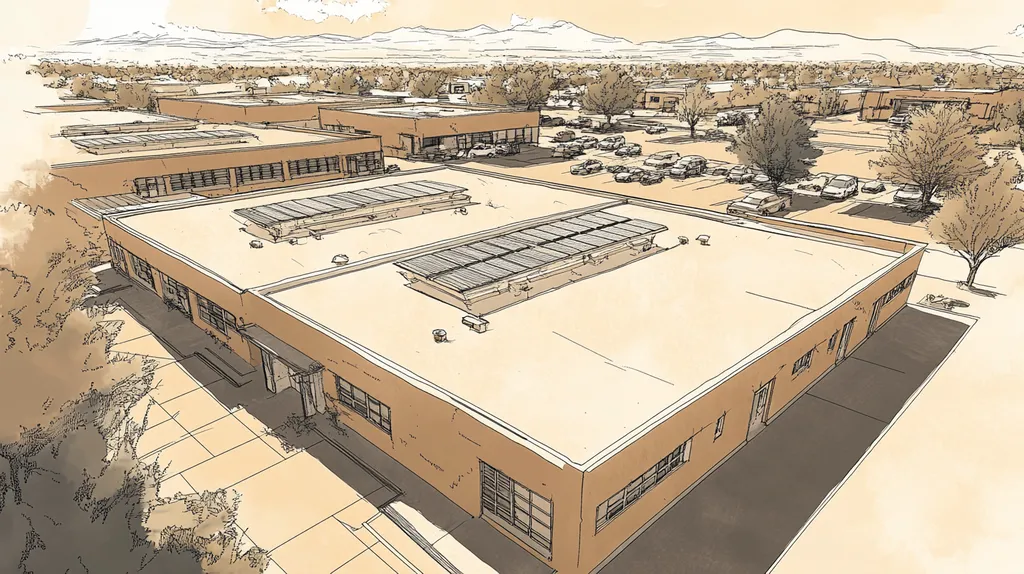
More than 60% of industrial roof coating failures stem from a single preventable mistake: neglecting essential repairs before application. This oversight costs facility owners millions in premature coating replacement and structural damage each year.
While protective coatings can extend a roof’s lifespan, they’re only effective when applied to properly maintained surfaces. Rushing to coat over existing damage creates an illusion of protection that ultimately leads to bigger problems.
This guide examines the critical steps needed to prepare industrial roofs for coating, helping property managers avoid costly failures through strategic maintenance and timely repairs.
SECTION 1: THE BASICS EXPLAINED
Neglecting essential repairs before applying a roof coating can lead to serious complications and rising expenses. In fact, studies indicate that more than 60% of coating failures are due to underlying problems that were overlooked. Property owners and facility managers need to recognize that simply adding a coating without addressing existing issues can create an illusion of protection that ultimately succumbs to failure. This oversight can result in expensive repairs and prolonged downtime, impacting the bottom line.
What It Is (In Plain Language)
Roof coating is a protective layer applied to commercial and industrial roofs to improve durability and withstand harsh weather conditions. However, it’s not a one-size-fits-all remedy. Before a coating is applied, any existing damage must be repaired, such as leaks or worn-out membranes. Otherwise, the coating can trap moisture, making hidden issues worse.
Many facility managers mistakenly think that a fresh coat can simply mask wear and tear. This common misconception can lead to wasted money and can significantly shorten the roof’s lifespan. Addressing the roof’s current condition is essential for optimal results.
Ultimately, giving priority to repairs ensures the coating adheres correctly and performs as intended. A well-maintained roof surface is key to unlocking the full potential of a coating.
Consequently, before considering a coating, property owners should carry out comprehensive inspections and make necessary repairs. This groundwork is vital for protecting valuable assets over the long haul.
Why It Matters (To Your Building)
The integrity of an industrial roof plays a critical role in the performance and safety of the entire building. A compromised roof can lead to leaks, inefficient energy use, and safety risks for occupants. Addressing repairs before applying a coating is essential to upholding the building’s structural integrity.
Ignoring this preventive approach can lead to increased costs due to water damage, mold growth, and diminished insulation capabilities. Furthermore, when claims are filed with insurance, discovering underlying issues post-application can complicate and delay the process.
A well-maintained roof also supports sustainability initiatives. Ensuring the roof is in excellent condition before coating helps reduce energy consumption and minimizes waste in the long term.
In summary, proactive maintenance not only protects a building’s assets but also boosts operational efficiency. A solid roof serves as the first line of defense against the elements, emphasizing its importance in the overall health of the structure.
How It Works
A roofing system consists of multiple layers, each serving a unique function such as insulation and water resistance. When repairs become necessary, the first step is diagnosing issues—this may include cracked seams, blisters, or rusted metal components.
Repairs could involve replacing damaged membrane sections, sealing seams, or fixing insulation failures. This initial work is crucial to the effectiveness of any coating to be applied later.
After repairs are completed, proper surface preparation for coating is essential, which includes thorough cleaning and priming. These steps ensure that the coating adheres well and delivers the expected benefits. Ignoring foundational issues can lead to even greater complications down the line.
In conclusion, grasping how roof coatings function and their limitations can save property owners both time and money. A careful approach that emphasizes repairs establishes the foundation for a successful and viable roofing solution.
SECTION 2: PRACTICAL APPLICATIONS
Roof maintenance is not just a good idea—it’s a financial essential! Neglecting necessary repairs can result in costly coating failures, potentially increasing future repair expenses by up to 50%. By prioritizing timely repairs, businesses can not only prolong the life of their roof coatings but also prevent water intrusion that may lead to serious structural damage. In this section, we will delve into the common applications for roof repairs, identify critical moments when attention is needed, and discuss how roofing systems interact with other building elements.
Common Uses & Examples
Roof repairs serve several vital functions to keep your roof in top shape. Common practices include patching leaks and sealing cracks to prevent moisture penetration—an essential step before any coating is applied. Additionally, reinforcing flashing around roof penetrations can deter potential leaks and bolster the integrity of the roof.
Take a flat commercial roof, for instance. Regular inspections can uncover minor concerns like bubbling or fractured seams. If left unchecked, these seemingly small problems can escalate rapidly, leading to extensive damage requiring more significant repairs.
Implementing proper sealing and repair techniques not only extends the life of the existing roof but also maximizes the effectiveness of any new coating. Proactive measures like these are fundamental to ensuring your roofing system remains healthy and prepared to perform.
When You Need It Most
Timing is everything when it comes to roof repairs. Routine inspections are crucial, especially after extreme weather events like storms or heavy snowfall. Any visible signs of damage—such as pooling water or blistering—should be addressed immediately to prevent more extensive issues.
As roofs approach the end of their expected lifespan, they often require more frequent repair assessments. Ignoring minor repairs during this critical period can lead to sudden emergency repairs and even the need for a total roof replacement.
To maintain your roof’s health, organize inspections at least twice a year, as well as after severe weather. This regular upkeep helps identify and tackle problems promptly, safeguarding any coatings applied.
Interactions With Other Systems
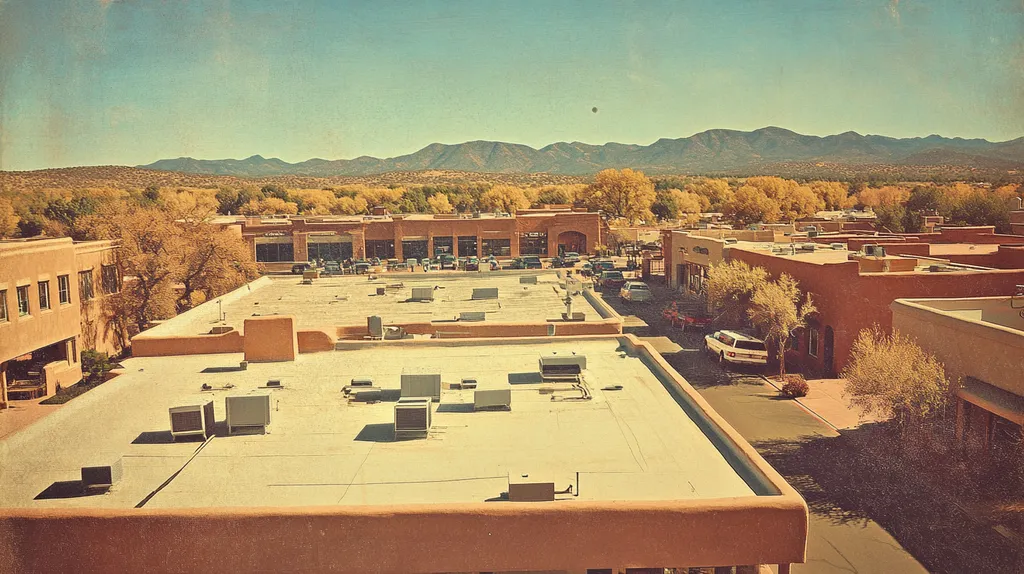
The performance of a roof relies heavily on the synergy with other building systems. For example, HVAC units and vent stacks can affect moisture levels on the roof. If repairs are not made, trouble from these nearby systems can aggravate existing roof issues, leading to accelerated deterioration.
Furthermore, maintaining proper drainage is essential. Faulty gutters and downspouts can cause water to pool on the roof, adding unnecessary weight and risk of collapse, not to mention the potential for coating failure.
Understanding these interactions is crucial for effective roof management, necessitating collaboration between roofing professionals and other maintenance teams. By addressing these relationships, property managers can mitigate risks and enhance the overall effectiveness of roofing coatings.
SECTION 3: KEY TERMINOLOGY DECODED
Navigating roofing terminology is vital for making sound decisions about industrial roof maintenance. When property owners and facility managers stumble over technical terms, it can lead to misunderstandings that may threaten their roof’s durability. For instance, if someone doesn’t comprehend what a “moisture barrier” is, they might compromise their roof’s defense against leaks. By demystifying these terms, stakeholders are better equipped to prioritize repairs and avoid costly coating failures.
Essential Terms Explained
To start, let’s clarify what a “moisture barrier” is. This material plays a crucial role in keeping water vapor from seeping into the roofing system. If this barrier is neglected, moisture can build up, weakening the roof structure and triggering expensive repairs. Understanding this concept enables facility managers to invest wisely in high-quality moisture barriers.
Next up is “membrane.” This component serves as the first line of defense against water penetration. An aging or damaged membrane can lead to unwanted leaks and extensive damage over time. By grasping the importance of maintaining membrane integrity, managers can schedule timely inspections and necessary maintenance steps.
Another critical term is “flashings.” These metal strips are installed to channel water away from vulnerable points like corners and transitions. When flashings are compromised, it can lead to major leakage issues. Spotting problems with flashings early on can save property owners from costly structural repairs in the future.
Industry Jargon Translated
One term facility managers may hear often is “ponding water.” This phrase refers to standing water that collects on a roof, which can accelerate degradation of the membrane. Property owners should prioritize fixing any areas where water tends to pool to help extend their roof’s lifespan.
Another commonly used term is “thermal expansion.” This describes how roofing materials change size due to temperature fluctuations. Failing to consider thermal expansion could put unnecessary stress on materials, leading to premature failures. A good understanding of this concept can encourage precautions during roofing installations.
The term “coating system” refers to the layers applied over the roofing membrane aimed at enhancing its durability and waterproofing capabilities. Recognizing this term is crucial when planning for coating applications, ensuring that the underlying layers are in good shape before application.
Measurement & Units Simplified
When assessing roofing needs, it’s essential to understand “square footage.” This measurement influences the materials required for repairs or coatings. Accurate measurements help avoid overestimates and waste, protecting budgets and resources from unnecessary strain.
Another important term is “mil,” which equals one-thousandth of an inch and is frequently used to describe the thickness of coatings. Knowing the required mils for various coatings can significantly impact their performance and longevity.
Lastly, understanding “psi” (pounds per square inch) is important for measuring the pressure exerted by water systems on roofs. High psi levels may indicate potential overloading, necessitating an inspection. This awareness empowers property managers to make proactive decisions regarding water management on their roofs.
SECTION 4: DECISION FACTORS
Choosing to apply a coating on an industrial roof is a critical decision that carries significant consequences. Ignoring necessary repairs beforehand can lead to considerable financial setbacks and operational interruptions. In fact, it’s estimated that inadequate maintenance can drive roof management costs up by as much as 35%. By grasping the important factors surrounding repairs versus coatings, property owners and facility managers can make informed decisions that protect their investments effectively.
Cost Considerations
Effective budgeting for roof maintenance is vital for anyone who owns an industrial property. While undertaking repairs may seem like an immediate financial burden, putting off these critical tasks can lead to even greater expenses down the line. For example, a small leak could spiral out of control, damaging insulation or structural elements, which can easily cost thousands to remedy.
Applying a coating without first addressing underlying issues can introduce additional challenges. Though coatings might temporarily conceal damage, they do not fix the root problems. This often leads to earlier failures and added financial pressures.
It’s important to evaluate the long-term financial landscape. While repairs might necessitate upfront investment, they often far outweigh the costs associated with a coated roof that hasn’t been properly maintained. A well-thought-out maintenance strategy prioritizing repairs can save a company from costly future roofing issues.
In short, conducting a thorough financial assessment is key. Analyzing the costs of repairs compared to coating applications can offer deeper insight and clarity when it comes to maintaining an industrial roof.
Performance Trade-offs
Performance is a paramount consideration when weighing roof repairs against coatings. Coatings are designed to protect the roof, but if the substrate is compromised, their effectiveness diminishes significantly. For instance, if a roof has structural flaws, a coating won’t adhere properly, resulting in problems like peeling and bubbling.
Evaluating the expected lifespans of both repairs and coatings is equally important. A high-quality coating placed on a damaged substrate may fail within a year, while addressing those underlying issues can substantially prolong the roof’s longevity.
To maximize performance, it is crucial to ensure foundational elements are sound before adding protective layers. This proactive approach enhances moisture resistance and overall durability, ultimately increasing value for property management.
Investing time in thorough repairs boosts the overall protective capabilities of the roofing system, guaranteeing that coatings perform effectively. This thoughtful strategy enables property owners to secure the best return on their maintenance investments.
Lifespan & Durability Factors
The longevity and durability of an industrial roof are heavily influenced by the condition of the materials beneath the surface. While coatings can enhance a roof’s lifespan, their benefits only materialize if the underlying structure is intact. If necessary repairs are overlooked, the overall system’s durability may wane, resulting in frequent maintenance challenges.
A roof that undergoes essential repairs can have a lifespan far exceeding that of one that has been prematurely coated. For instance, roofs that are adequately repaired and then coated can last 20 years or more, but without those crucial repairs, a coating may fail in a fraction of that time.
Environmental factors also significantly influence performance. A well-maintained roof is better equipped to endure harsh conditions, which is essential for industrial facilities that frequently face extreme weather. Ignoring repairs can leave roofs vulnerable to damage during adverse weather.
To achieve a long-lasting roofing solution, assessing the integrity of existing materials is vital. Durability is reliant on timely repairs and the appropriate application of coatings, ensuring that the roof effectively serves its purpose for years to come.
SECTION 5: COMMON CHALLENGES
Neglecting necessary roof repairs before applying coatings can lead to significant long-term issues. Many property owners and facility managers fail to recognize the importance of addressing underlying problems, which can result in costly failures. In fact, studies reveal that 60% of coating failures occur due to improperly repaired surfaces. By understanding frequent roofing challenges, recognizing warning signs, and implementing preventative maintenance, stakeholders can save money and increase the lifespan of their roofs.
Frequent Problems & Solutions
Industrial roofs face several common issues including leaks, blistering, and membrane wear. These problems can compromise the roof’s integrity and escalate repair costs over time. For instance, a small puncture in the membrane can lead to severe water damage if it goes untreated.
Timely intervention is key. Property owners should schedule regular inspections and enlist the help of qualified roofing professionals who can accurately identify problems. Implementing targeted repairs can minimize moisture intrusion and the risk of needing a complete roof replacement.
Creating a maintenance schedule aligned with seasonal changes is essential. Regular check-ups allow for the early detection of minor issues before they morph into costly repairs. Investing in repairs now strengthens the roof and supports the overarching goal of prolonging its life.
In essence, proactively addressing frequent roofing problems is vital for ensuring optimal performance from any coatings applied later. These solutions foster a healthier roofing system, making it better equipped to handle environmental challenges.
Warning Signs To Watch For
Recognizing the warning signs of roof distress early can prevent major failures. Common indicators include cracked seams, standing water, and visible wear on the membrane. Each of these signs means that immediate action is necessary to avoid extensive repairs.
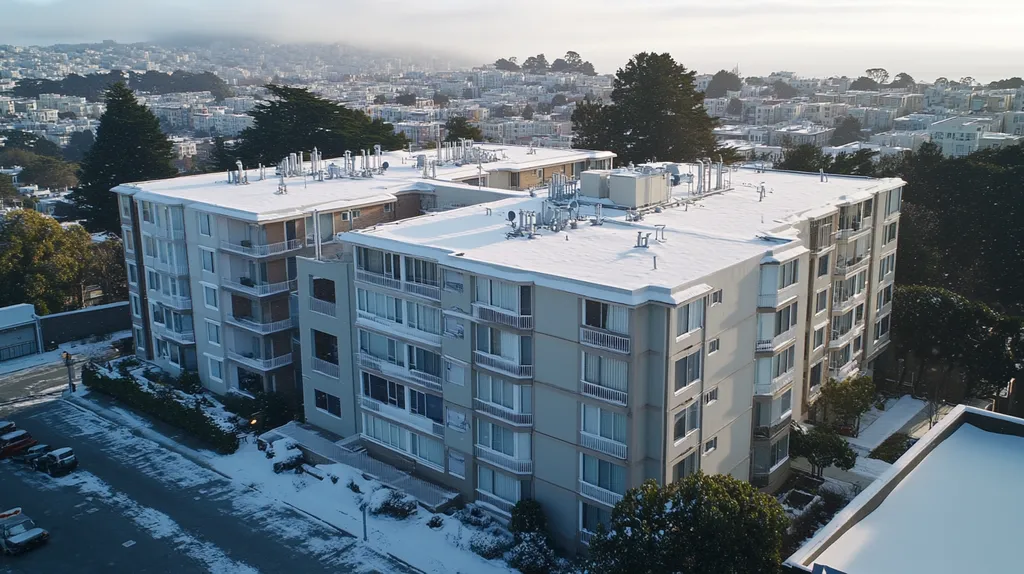
Ponding water is particularly alarming; it can lead to leaks and even mold growth, increasing the roof’s stress levels. Routine inspections, especially during and after heavy rain or snow, can help identify these early warning signs.
Internal signals, like water stains on ceilings and walls, indicate moisture intrusion and potential hidden roof issues. Prompt action on both external and internal symptoms is crucial for maintaining overall roof integrity.
Failing to address these warning signs jeopardizes the investment made in coatings. With proactive monitoring and vigilance, property owners can protect against costly failures and ensure that their roof coatings function as intended.
Preventative Approaches
Preventative maintenance is the best safeguard against roof failures. This strategy involves regular inspections, frequent cleaning, and timely repairs to minimize damage and extend the life of the roof. Establishing a solid maintenance plan can dramatically reduce long-term costs.
One crucial aspect is checking for debris accumulation, which can trap moisture and accelerate wear. Regularly clearing this debris enhances drainage and contributes to the roof’s longevity.
Engaging experienced professionals for routine inspections is also vital. They can detect weaknesses that untrained eyes might miss, allowing for early intervention to bolster the roof’s condition before any coatings are applied.
Ultimately, adopting a proactive maintenance philosophy with timely repairs lays a strong foundation for successful roof coating applications. These efforts ensure that industrial roofs remain effective and functional over time, maximizing the return on roofing investments.
SECTION 6: NEXT STEPS & RESOURCES
For property owners and facility managers, acting on roof repairs is crucial. Research shows that a whopping percentage of coating failures stem from unresolved underlying issues. By prioritizing necessary repairs before applying coatings, significant savings can be achieved, and the roof’s lifespan can be extended. This section highlights essential questions to pose to roofing providers, outlines key industry standards, and points to resources for further learning.
Questions To Ask Providers
When considering roofing providers, it’s important to ask targeted questions to ensure transparency regarding the repair process. Start by inquiring about their methods for assessing existing roof damage and understanding the specific repairs needed prior to applying any coating.
Clarify what warranties or guarantees they offer, and what these cover and for how long. It’s also vital to discuss the types of materials they recommend and their alignment with industry standards, which can help reduce the likelihood of future coating failures.
Don’t hesitate to ask for references or case studies that showcase their experience and reliability. These questions not only promote accountability but also empower property owners to make informed decisions that prioritize roof health and longevity.
Strong communication with roofing providers fosters successful outcomes and helps facility managers grasp the full scope of work necessary to avoid complications down the road.
Industry Standards & Guidelines
Understanding industry standards is essential for property owners navigating roofing maintenance. Organizations like the National Roofing Contractors Association (NRCA) offer comprehensive guidelines promoting best practices for repairs and maintenance.
The standards established by the American Society for Testing and Materials (ASTM) serve as benchmarks for roofing material quality, minimizing the risk of coating failures caused by subpar repairs. It’s also critical to consider local building codes, as these may specify particular practices for repairs and coatings.
Staying informed about these regulations transcends mere compliance; it safeguards investments and ensures proper maintenance protocols are followed. A solid understanding of industry standards allows property owners to demand quality services from roofing providers.
Further Learning Simplified
To enhance knowledge regarding roof maintenance and repairs, various resources are available for both novices and experienced professionals alike. Educational seminars and webinars from roofing associations often address vital topics such as preventive maintenance strategies and material selection.
Additionally, online resources like industry-specific forums and educational sites offer access to valuable white papers and case studies that reinforce the importance of prioritizing repairs before coatings.
Engaging with these learning opportunities equips property owners with the information needed to stay ahead of potential roofing issues. Continuous education fosters a culture of proactive maintenance, significantly reducing the likelihood of costly failures in the future.
The Bottom Line
With over 60% of industrial roof coating failures traced directly to inadequate repairs, the message is clear: addressing underlying issues before coating application is non-negotiable.
The cost of overlooking necessary repairs can multiply exponentially, often resulting in complete coating failure within the first year.
Property owners and facility managers must prioritize comprehensive inspections, timely repairs, and proper surface preparation before considering any coating application.
By following industry standards, engaging qualified professionals, and maintaining regular preventive maintenance schedules, businesses can maximize their coating investment and extend their roof’s lifespan by 15-20 years.
Remember: a successful roof coating system begins with a solid foundation of repairs and proper preparation.
FREQUENTLY ASKED QUESTIONS
Q. Why is it important to prioritize repairs on a commercial roof?
A. Neglecting essential repairs before applying a roof coating can lead to serious complications. Studies show that over 60% of coating failures arise from underlying issues that weren’t addressed. Properly prioritizing repairs ensures the roof maintains its integrity, enhancing the lifespan of any coatings applied.
Q. When should I schedule maintenance for my industrial roof?
A. Routine inspections should be organized at least twice a year, especially after extreme weather events. This proactive approach helps to identify damage quickly, such as leaks or pooling water, allowing for timely repairs and preventing more extensive problems down the line.
Q. What is a moisture barrier in roofing terminology?
A. A moisture barrier is a crucial component that prevents water vapor from seeping into the roofing system. Neglecting this material can lead to moisture buildup, weakening the roof structure. Understanding its function allows facility managers to make informed decisions about roof maintenance and repairs.
Q. How do repairs affect the lifespan of coatings on an industrial roof?
A. The condition of the roof significantly influences the durability of coatings applied. If repairs are made before coating, it can dramatically extend the lifespan of the roofing system. In contrast, if underlying issues are ignored, coatings may fail prematurely, leading to costly repairs and replacements.
Q. What common challenges should I be aware of with my commercial roof?
A. Common challenges include leaks, blistering, and membrane wear, which can escalate repair costs. Recognizing these issues early can prevent significantly more expensive repairs later. Regular inspections and maintenance can help in identifying minor problems before they worsen.
Q. What should I ask roofing providers when considering repairs?
A. It’s essential to inquire about their assessment methods, warranty details, and the materials they recommend. Requesting references or case studies can also provide insights into their reliability. Asking these questions helps ensure transparency and correct decision-making regarding repairs and coatings.
Q. How can I access further learning resources about roof maintenance?
A. Various resources are available through roofing associations offering seminars and webinars on maintenance strategies. Online forums and educational websites provide access to white papers and case studies. Engaging with these resources equips property owners with valuable insights to address roofing issues proactively.






