
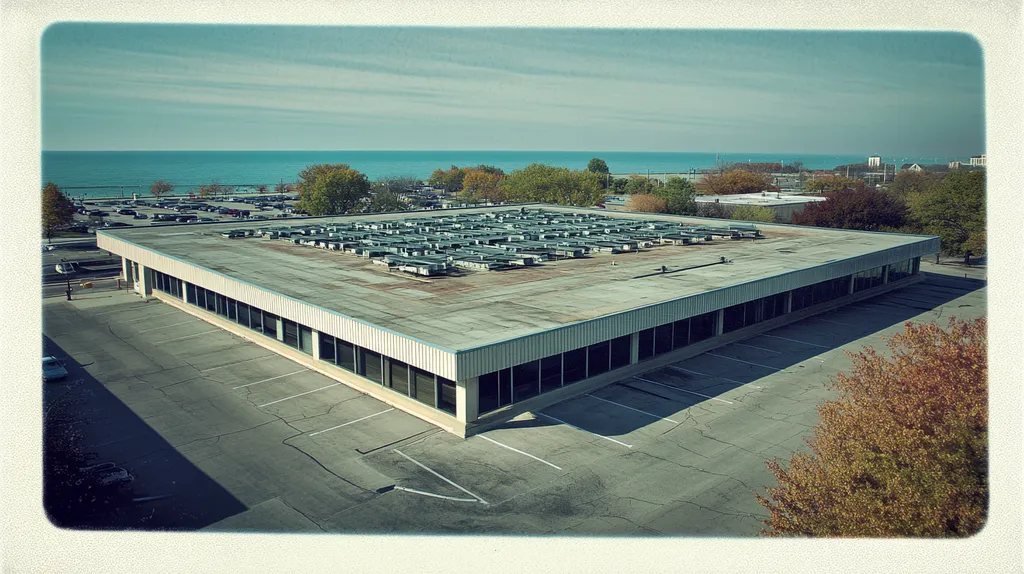
Welcome to today’s Battle Royale featuring two roofing heavyweights: “Silicone” in the east corner versus “Polyurethane” in the west!
Tonight’s showdown pits these contenders against each other across six punishing rounds designed to test every aspect of their performance for Commercial Roof Coatings.
At stake? Millions in potential costs, decades of building protection, and the critical performance demands of modern commercial and industrial facilities.
Our professional judging panel will evaluate each round on technical merit, real-world performance, and value delivery. After all six rounds, we’ll declare our ultimate champion.
Ladies and gentlemen, facility managers and building owners… it’s time to rumble!
ROUND 1: INITIAL COSTS & INSTALLATION
When evaluating commercial roof coatings, the initial investment and installation process can make or break a project’s success. With coating projects often ranging from $50,000 to $500,000 for large commercial facilities, making the wrong choice can lead to substantial financial waste and operational disruption.
Material Expenses
Initial material costs represent a significant portion of any coating project’s budget. Silicone coatings typically command premium pricing, with costs running 15-25% higher than comparable polyurethane options.
There are two main types of polyurethane coatings: aliphatic and aromatic. While aromatic polyurethanes offer lower initial costs, aliphatic versions provide better UV stability and longevity, though at a higher price point. (source: American WeatherStar)
Despite higher upfront costs, silicone’s superior weathering characteristics and longer service life often justify the investment. The reduced need for recoating and repairs typically offsets the initial price difference.
When considering total lifecycle costs rather than just initial expenses, silicone coatings demonstrate clear economic advantages. Therefore, in terms of material expenses, silicone coatings earn an “ADVANTAGE.”
Installation Complexity
Installation complexity directly impacts labor costs and project timelines. Silicone coatings generally require minimal surface preparation and can often be applied in a single coat.
Polyurethane systems demand more extensive preparation work and typically require multiple coats. The complexity increases with two-component systems that must be mixed on-site and applied within specific temperature and humidity ranges.
The simpler application process for silicone reduces the potential for installation errors and callbacks. This translates to lower labor costs and fewer quality control issues.
Given the significant difference in application requirements, silicone coatings claim the “ADVANTAGE” for installation complexity.
Project Timeline
Project duration affects both direct costs and business disruption. Silicone coatings typically require 24-48 hours to cure completely, allowing for faster project completion.
Polyurethane systems often need extended curing times between coats, which can stretch projects over several days or weeks. Weather delays impact polyurethane installations more severely due to stricter application requirements.
Faster completion times with silicone mean reduced labor costs and minimal disruption to building operations. This efficiency becomes particularly crucial during emergency repairs or time-sensitive projects.
With consistently shorter project durations, silicone coatings secure the “ADVANTAGE” for project timeline.
ROUND 1 WINNER: Silicone Coatings
ROUND 2: DURABILITY & LIFESPAN
When investing hundreds of thousands in commercial roof protection, durability and lifespan become make-or-break factors. A coating’s ability to withstand harsh conditions directly impacts maintenance costs, repair frequency, and long-term return on investment.
Property owners face a critical choice between silicone’s renowned weatherability and polyurethane’s mechanical strength. This round examines how these coatings perform across key durability metrics that determine their true value.
Environmental Resistance
Environmental resistance determines how well a coating maintains its protective properties when faced with UV radiation, temperature swings, and moisture exposure. These factors can rapidly degrade poorly chosen systems.
Silicone coatings demonstrate exceptional resistance to UV radiation and maintain their physical properties even after years of sun exposure. Their moisture resistance prevents degradation from ponding water, making them ideal for low-slope commercial roofs.
Polyurethane coatings require multiple coats on textured surfaces and show greater sensitivity to moisture during application. While they offer superior abrasion resistance, their environmental durability depends heavily on proper installation conditions. (source: ArmorGarage Roof Coating Comparison Chart)
Given its superior weathering characteristics, silicone earns the “ADVANTAGE” for environmental resistance.
Lifespan and Warranty
A coating’s functional lifespan directly impacts its lifetime cost and value proposition. Premature failure can double or triple the effective cost per year of protection.
Silicone coatings typically maintain their protective properties for 15-20 years when properly installed. Most manufacturers offer warranties matching this expected lifespan, reflecting confidence in long-term performance.
Polyurethane systems generally carry 10-15 year warranties, with actual performance heavily dependent on local conditions and maintenance. Their shorter typical lifespan increases the total cost of ownership.
With consistently longer service life and warranty coverage, silicone claims the “ADVANTAGE” for lifespan.
Repairability
Even the most durable coatings eventually require maintenance or repairs. The ease and effectiveness of these repairs significantly impact long-term performance and costs.
Silicone coatings can be repaired with excellent adhesion to existing material, requiring minimal surface preparation. This allows for quick, effective repairs that fully restore the coating’s protective properties.
Polyurethane repairs often require extensive surface preparation and precise application conditions. The complexity of these repairs increases both cost and the risk of failure.
Based on superior repair characteristics, silicone earns the “ADVANTAGE” for repairability.
ROUND 2 WINNER: SILICONE COATINGS
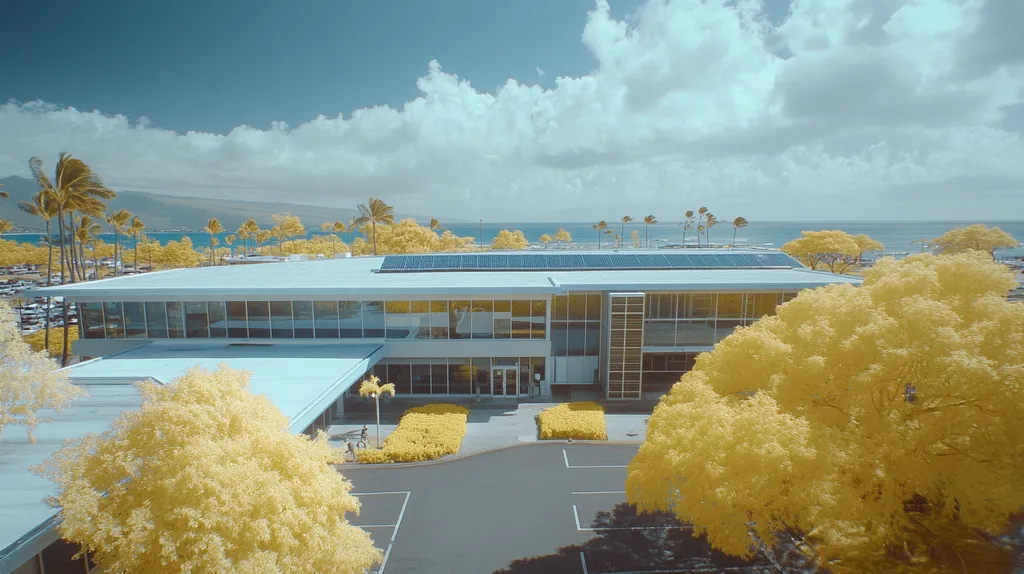
ROUND 3: PERFORMANCE FACTORS
Performance factors can make the difference between a roof coating that lasts decades and one that fails prematurely. With commercial roof replacement costs averaging $8-15 per square foot, choosing a coating with subpar performance characteristics can lead to hundreds of thousands in unnecessary expenses.
Weathering Resistance
A coating’s ability to withstand environmental stressors directly impacts its protective capabilities. UV radiation, thermal cycling, and moisture exposure can rapidly degrade inferior products, leading to premature failure.
Silicone coatings demonstrate exceptional resistance to UV radiation and temperature fluctuations. Their molecular structure remains stable even after years of intense sun exposure, and they maintain flexibility across extreme temperature ranges.
Polyurethane coatings show initial strength but can become brittle over time when exposed to UV radiation. While they resist chemical exposure well, their physical properties can degrade more quickly than silicone under harsh weather conditions.
For long-term weathering resistance, silicone coatings earn the ADVANTAGE.
Energy Performance
The energy performance of roof coatings directly affects building operating costs and sustainability goals. Initial solar reflectance and thermal emittance are key metrics that determine a coating’s ability to reduce cooling loads. (source: Sustainability Directory)
Silicone coatings excel in solar reflectance, maintaining their reflective properties longer than other options. Their high emissivity helps release absorbed heat, reducing indoor cooling demands and urban heat island effects.
Polyurethane coatings provide good initial reflectivity but often show faster degradation of their reflective properties. This decline in performance can lead to increased energy costs over time.
Given their superior long-term energy performance, silicone coatings claim the ADVANTAGE.
Impact Resistance
Impact resistance affects a coating’s ability to withstand foot traffic, maintenance activities, and falling debris. Poor impact resistance can lead to frequent repairs and compromised waterproofing.
Silicone coatings show moderate impact resistance but can be more susceptible to punctures and tears. Their softer nature makes them less ideal for high-traffic roofs or areas with frequent maintenance requirements.
Polyurethane coatings demonstrate superior impact resistance and mechanical strength. Their harder surface better withstands foot traffic and physical abuse, making them ideal for roofs requiring regular maintenance access.
For impact resistance, polyurethane coatings secure the ADVANTAGE.
ROUND 3 WINNER: SILICONE COATINGS
ROUND 4: MAINTENANCE REQUIREMENTS
Maintenance requirements can make or break a commercial roof coating’s long-term success. With replacement costs ranging from $8-15 per square foot, choosing a coating that demands excessive maintenance can drain facility budgets and disrupt operations. Understanding the maintenance implications of silicone versus polyurethane coatings is crucial for making cost-effective decisions.
Inspection Frequency
Regular inspections are essential for identifying and addressing potential issues before they lead to costly repairs. The frequency and complexity of these inspections directly impact maintenance budgets and staff resources.
Silicone coatings typically require only annual inspections due to their superior weathering characteristics and resistance to degradation. Their stable chemical structure maintains performance longer, reducing the need for frequent checkups.
Polyurethane coatings often need semi-annual inspections to monitor for UV damage and mechanical wear. Their susceptibility to environmental factors necessitates more vigilant oversight and increases maintenance demands.
Given the reduced inspection requirements, silicone coatings earn the ADVANTAGE for inspection frequency.
Cleaning Requirements
Roof cleanliness affects both coating performance and energy efficiency. The effort required to maintain a clean roof surface directly impacts maintenance costs and scheduling.
Silicone coatings feature excellent self-cleaning properties, with rain naturally washing away most surface contaminants. Their smooth surface resists dirt accumulation and typically requires only light cleaning during annual inspections.
Polyurethane coatings tend to attract and hold more dirt, requiring more frequent and intensive cleaning operations. Their textured surface can trap debris, demanding additional maintenance effort to maintain optimal performance.
Based on reduced cleaning needs, silicone coatings claim the ADVANTAGE for cleaning requirements.
Repair Procedures
The complexity and frequency of repairs significantly influence long-term maintenance costs. Simple repair procedures reduce downtime and minimize the risk of installation errors.
Silicone coatings allow for straightforward repairs with excellent adhesion to existing material. Most repairs can be completed quickly with minimal surface preparation, reducing labor costs and facility disruption.
Polyurethane repairs demand extensive surface preparation and precise application conditions. Their complex repair requirements increase both the time and expertise needed for successful maintenance.
For simpler repair procedures, silicone coatings secure the ADVANTAGE.
ROUND 4 WINNER: Silicone Coatings
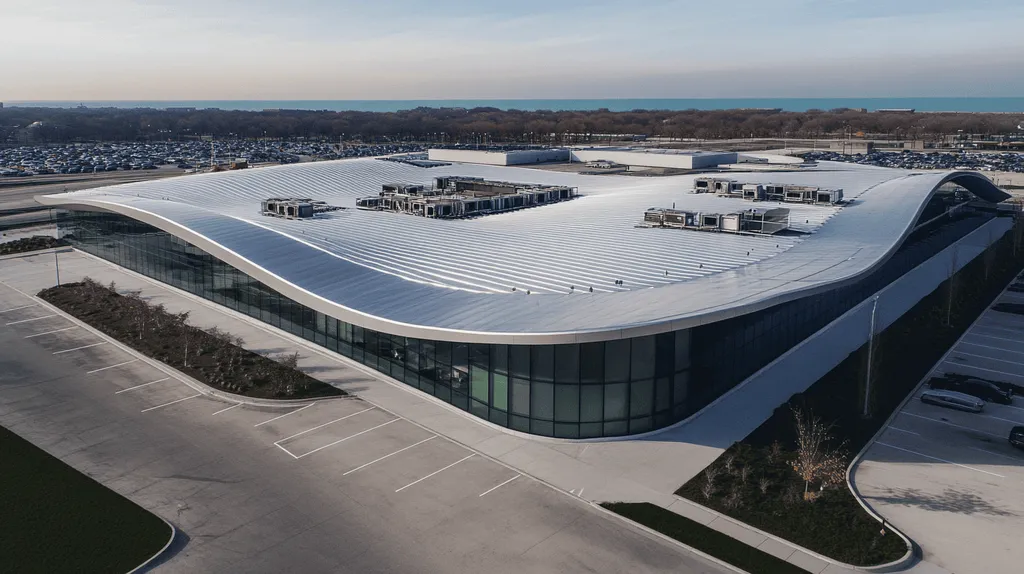
ROUND 5: SUSTAINABILITY CREDENTIALS
Environmental responsibility has become a decisive factor in commercial roofing decisions, with sustainable solutions directly impacting both operational costs and corporate environmental goals. For facilities averaging 50,000 square feet or more, choosing the wrong coating system can increase carbon footprints by up to 40% while missing valuable energy incentives and environmental certifications.
Environmental Impact
Silicone coatings contain minimal volatile organic compounds (VOCs) and produce virtually no harmful emissions during application. Their solvent-free formulation creates a safer work environment and reduces environmental impact during installation.
Initial installation costs for polyurethane coatings are often lower due to raw material pricing, but their application process releases more VOCs and requires more extensive safety measures. Their environmental footprint extends beyond just material costs to include increased energy consumption during production. (source: 838 Coatings)
Given their significantly lower environmental impact, silicone coatings earn the ADVANTAGE in this category.
Energy Efficiency
Silicone coatings maintain their reflective properties throughout their service life, reducing cooling loads and energy consumption. Their high emissivity helps buildings stay cooler even in intense sunlight, contributing to substantial energy savings.
While polyurethane coatings offer initial reflectivity, their performance degrades more quickly over time. This degradation leads to increased energy costs and reduced environmental benefits as the coating ages.
Based on superior long-term energy performance, silicone coatings claim the ADVANTAGE.
Recyclability
Silicone coatings can often be recoated directly over existing layers, reducing waste and extending roof life. Their chemical stability allows for potential recycling at end-of-life, supporting circular economy initiatives.
Polyurethane coatings typically require complete removal before reapplication, generating significant waste. Their complex chemical structure makes recycling more difficult and expensive.
For superior recyclability and waste reduction, silicone coatings secure the ADVANTAGE.
ROUND 5 WINNER: SILICONE COATINGS
ROUND 6: SPECIALIZED APPLICATIONS
Specialized commercial roofing applications present unique challenges that can make or break a coating’s performance. With installation costs often exceeding $100,000 for large facilities, selecting the wrong coating for specific conditions can lead to premature failure and extensive property damage.
Understanding how different coatings perform under specialized conditions is crucial for maximizing protection while controlling long-term costs. The stakes are particularly high for facilities with unique environmental challenges or strict performance requirements.
Temperature Performance
Temperature fluctuations and extreme conditions pose significant challenges for commercial roof coatings. These variations can cause coating degradation, compromised waterproofing, and reduced service life if the wrong system is selected.
Silicone coatings maintain exceptional flexibility across wide temperature ranges, even in extreme cold conditions. Their molecular structure resists brittleness and cracking, ensuring consistent protection throughout seasonal changes.
Polyurethane coatings must meet rigorous low-temperature flexibility requirements, with some formulations struggling to maintain performance at -26°C. While newer standards provide more options, achieving consistent cold-weather flexibility remains challenging. (source: BASF Insights)
Given their superior temperature stability, silicone coatings earn the ADVANTAGE.
Chemical Exposure
Industrial facilities often expose roof coatings to harsh chemicals, exhaust emissions, and corrosive substances. These environmental factors can rapidly degrade coating performance without proper chemical resistance.
Silicone coatings demonstrate excellent resistance to most industrial chemicals and airborne pollutants. Their inert chemical structure prevents degradation from exposure to acids, bases, and industrial emissions.
Polyurethane coatings show variable chemical resistance depending on their specific formulation. While some versions offer good protection, others may deteriorate more quickly under sustained chemical exposure.
Based on consistent chemical resistance, silicone coatings claim the ADVANTAGE.
High-Traffic Areas
Rooftop equipment maintenance, HVAC servicing, and regular inspections create high-traffic zones that demand superior wear resistance. Coating failure in these areas can compromise the entire roof system.
Silicone coatings typically show lower resistance to mechanical wear and can be damaged by frequent foot traffic. Their softer surface makes them less suitable for areas requiring regular maintenance access.
Polyurethane coatings excel in high-traffic applications, offering superior abrasion resistance and mechanical durability. Their harder finish better withstands regular foot traffic and maintenance activities.
For high-traffic durability, polyurethane coatings secure the ADVANTAGE.
ROUND 6 WINNER: SILICONE COATINGS
AND THE WINNER IS…
After six grueling rounds of technical evaluation, we have our verdict…
In a dominant performance that stunned industry veterans, SILICONE COATINGS have emerged victorious, winning five out of six rounds in this championship matchup!
Silicone’s superior weathering resistance, simplified maintenance requirements, and outstanding environmental credentials proved decisive. Its exceptional performance in durability, energy efficiency, and chemical resistance showcased why it’s becoming the undisputed champion of commercial roof protection.
But don’t count polyurethane out completely! In specialized applications requiring superior impact resistance and high-traffic durability, this contender still packs a powerful punch. For facilities with heavy maintenance traffic or frequent mechanical access needs, polyurethane remains a formidable challenger.
Important Disclaimer: Every building presents unique challenges based on local climate, structural characteristics, and usage patterns. While this analysis provides general guidance, it cannot account for all variables. Property owners should always consult qualified roofing professionals who can evaluate specific site conditions and requirements before making final coating selections.
Ladies and gentlemen, in the high-stakes arena of commercial roof protection, remember: The true victory comes not from blindly following the champion, but from strategically matching your facility’s specific needs with the right contender’s strengths.
FREQUENTLY ASKED QUESTIONS
Q. What are the initial costs for commercial roof coatings?
A. Initial costs for coatings can vary widely, ranging between $50,000 to $500,000 based on the choice of materials and installation requirements. Silicone typically costs 15-25% more than polyurethane, but its long-term benefits often justify the investment.
Q. How do silicone and polyurethane coatings compare in durability?
A. Silicone coatings offer superior resistance to UV radiation, moisture, and temperature fluctuations, maintaining their protective properties for longer. Polyurethane coatings may provide mechanical strength but often require more frequent maintenance to stay effective.
Q. What performance factors should I consider for my industrial roof?
A. Weathering resistance, energy performance, and impact resistance are critical performance factors. Silicone coatings excel in maintaining flexibility and UV stability over time, helping to lower overall maintenance and energy costs.
Q. How often should I inspect my commercial roof coatings?
A. Silicone coatings generally require annual inspections due to their durability, while polyurethane systems need semi-annual checkups to monitor for issues. Less frequent inspections for silicone can significantly reduce maintenance costs.
Q. What are the sustainability benefits of roof coatings?
A. Silicone coatings produce fewer VOCs and promote energy efficiency, which contributes to lower operational costs and helps meet environmental goals. Their recyclability also supports sustainability initiatives while reducing waste in the long run.
Q. Are there specialized applications for commercial roof coatings?
A. Yes, specialized applications may require specific coatings based on environmental factors. For example, silicone performs well in extreme temperatures, while polyurethane may excel in high-traffic areas. Matching coatings to your facility’s needs is crucial for optimal performance.
Q. How does weather impact commercial roof coatings?
A. Weather conditions like UV exposure, moisture, and temperature fluctuations can degrade coatings over time. Silicone coatings generally withstand these factors better than polyurethane, resulting in fewer maintenance needs and longer service life.






