

Welcome to today’s Battle Royale featuring two roofing heavyweights: “TPO” in the east corner versus “EPDM” in the west!
Tonight’s showdown pits these contenders against each other across six punishing rounds designed to test every aspect of their performance for Common Mistakes in Industrial Roof Projects.
At stake? Millions in potential costs, decades of building protection, and the critical performance demands of modern commercial and industrial facilities.
Our professional judging panel will evaluate each round on technical merit, real-world performance, and value delivery. After all six rounds, we’ll declare our ultimate champion.
Ladies and gentlemen, facility managers and building owners… it’s time to rumble!
ROUND 1: INITIAL COSTS & INSTALLATION
“Industrial roofing projects can be seriously expensive. Balancing the need for high-quality materials with cost constraints can feel like a tightrope walk,” notes SunBased Data, highlighting why initial costs and installation decisions are make-or-break moments. The wrong choice between TPO and EPDM can cascade into budget overruns, extended timelines, and compromised performance. (source: SunBased Data)
Material Expenses
TPO membrane typically costs 15-25% less per square foot than EPDM, making it the budget-friendly heavyweight contender. This cost difference can translate to significant savings on large industrial projects where material expenses often dominate the budget.
Beyond the raw numbers, TPO’s competitive pricing doesn’t necessarily indicate inferior quality. Modern TPO formulations deliver impressive performance metrics that rival their pricier EPDM counterparts.
EPDM commands premium pricing due to its established track record and rubber-based composition. While this higher initial investment often pays dividends through longevity, it can strain tight project budgets.
ADVANTAGE: TPO takes this round with its attractive price point and solid performance ratio.
Installation Complexity
TPO installation leverages heat-welded seams that create virtually bulletproof connections. This welding process, while requiring specialized equipment, is faster and more foolproof than EPDM’s adhesive-based installation.
The learning curve for TPO installation is notably shorter. Crews can typically master the heat-welding technique within days, compared to weeks of practice needed for consistent EPDM adhesive application.
EPDM installation demands perfect weather conditions and precise adhesive application. Even slight deviations in temperature or humidity can compromise seam integrity, leading to costly callbacks.
ADVANTAGE: TPO’s more straightforward installation process makes it the clear winner here.
Project Timeline
TPO’s heat-welded seams can be tested immediately after installation, allowing for rapid project completion. This quick verification process means fewer delays and faster project signoff.
Weather dependencies barely impact TPO installation schedules. As long as it’s not actively raining, crews can continue working, maintaining momentum and meeting deadlines.
EPDM’s adhesive-based system requires extensive cure times between steps. Add in its weather sensitivity, and project timelines can stretch uncomfortably long, especially in volatile climates.
ADVANTAGE: TPO dominates this category with its weather-resistant installation process and immediate quality verification.
ROUND 1 WINNER: TPO
ROUND 2: DURABILITY & LIFESPAN
When it comes to industrial roofing, durability isn’t just about surviving – it’s about thriving under brutal conditions. Every passing season throws new challenges at these membranes: scorching heat, freeze-thaw cycles, chemical exposure, and maintenance traffic. Making the wrong choice between TPO and EPDM can turn a 20-year investment into a 5-year headache.
Understanding Durability
TPO brings impressive initial strength to the ring, with exceptional resistance to punctures and tears. Its reinforced scrim layer acts like body armor, defending against impacts that would flatten lesser membranes.
However, TPO’s performance can be inconsistent across manufacturers and formulations. Some versions struggle with heat aging and weathering, showing premature signs of deterioration in as little as 7-10 years.
EPDM counters with proven resilience that spans decades. Its rubber-based composition handles thermal shock like a champion, expanding and contracting without compromising structural integrity.
ADVANTAGE: EPDM wins this round with battle-tested reliability.
Lifespan Expectations
TPO roofs typically promise 15-20 years of service life. However, this estimate assumes perfect installation conditions and moderate climate exposure – two rarities in the real world of industrial roofing.
Early TPO formulations faced challenges with seam failures and membrane cracking. While modern versions have improved significantly, they still lack the long-term performance data that property owners crave.
EPDM systems routinely deliver 25-30 years of dependable service. Their simple but effective chemistry resists degradation from UV exposure, ozone, and temperature extremes.
ADVANTAGE: EPDM dominates with proven longevity.
Environmental Resilience
TPO shines brightest in reflectivity, bouncing back up to 87% of solar radiation. This characteristic makes it a heavyweight contender in hot climates where cooling costs eat into operating budgets.
However, TPO’s environmental performance can falter in areas with high chemical exposure or extreme temperature swings. The membrane becomes less flexible over time, increasing its vulnerability to stress cracks.
EPDM handles environmental abuse like a seasoned pro. Its stable chemical structure shrugs off acid rain, industrial pollutants, and even some of the harshest weather Mother Nature can dish out.
ADVANTAGE: EPDM clinches another win through superior chemical stability.
ROUND 2 WINNER: EPDM
ROUND 3: PERFORMANCE FACTORS
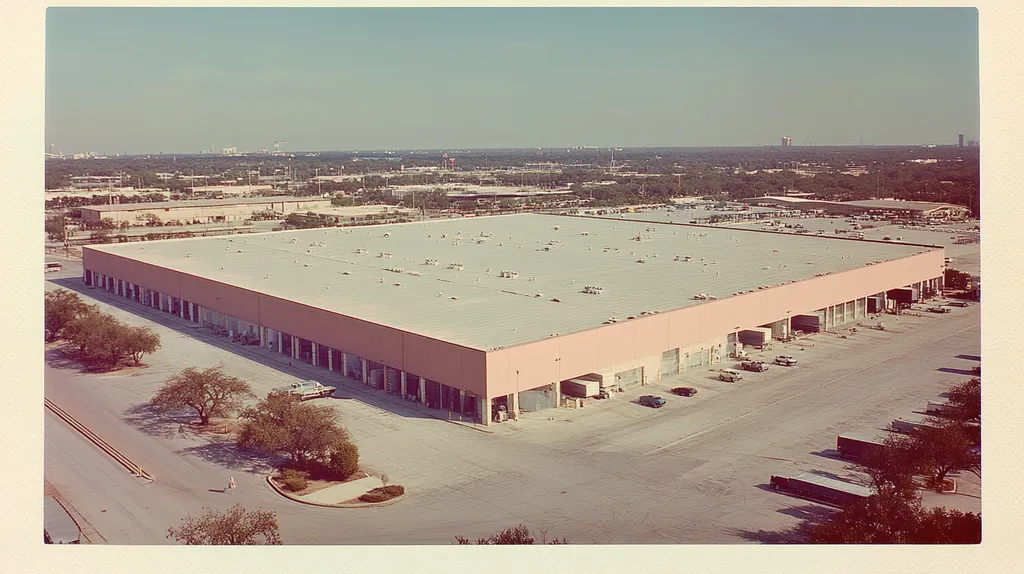
Performance factors can make or break an industrial roofing system faster than a heavyweight’s knockout punch. With replacement costs soaring past $15 per square foot, choosing the wrong membrane turns budget projections into fantasy fiction. Every performance metric – from UV resistance to maintenance needs – shapes the long-term success or failure of your roofing investment.
Weather Resistance
Weather resistance determines whether your roof goes the distance or throws in the towel early. UV radiation, thermal cycling, and extreme temperatures constantly pound industrial roofs like relentless body blows.
TPO’s highly reflective surface deflects up to 87% of solar radiation, reducing heat absorption and thermal stress. Its weld-sealed seams create a watertight barrier that maintains integrity through freeze-thaw cycles.
EPDM absorbs heat rather than reflecting it, leading to accelerated aging in hot climates. While naturally flexible, its adhesive seams can become vulnerable to moisture intrusion over time.
ADVANTAGE: TPO claims this round with superior reflectivity and seam strength.
Chemical Resistance
Industrial environments expose roofs to a brutal cocktail of chemical pollutants, exhaust fumes, and acid rain. Without proper chemical resistance, these environmental assaults can rapidly degrade membrane performance.
TPO’s thermoplastic formulation provides excellent resistance to most industrial chemicals and pollutants. Its smooth surface prevents contaminants from embedding themselves in the membrane.
EPDM shows vulnerability to oils, greases, and some industrial solvents that can cause swelling or degradation. Its porous surface can trap contaminants, accelerating wear in heavy industrial zones.
ADVANTAGE: TPO wins through superior chemical fortification.
Maintenance Requirements
Industrial roofing projects demand careful consideration of long-term maintenance needs. Balancing initial material quality against ongoing maintenance costs can mean the difference between a profitable investment and a budget-draining liability.
TPO’s slick surface resists dirt accumulation and cleans easily with standard methods. Regular inspections and minimal maintenance keep these systems performing at peak levels.
EPDM requires more frequent cleaning and seam inspection to prevent premature failure. Its darker surface shows dirt and damage more readily, demanding increased maintenance attention and cost.
ADVANTAGE: TPO dominates with lower maintenance demands.
ROUND 3 WINNER: TPO
ROUND 4: MAINTENANCE REQUIREMENTS
Every missed maintenance check on an industrial roof is like skipping rope with a live wire – the consequences can be shocking. With replacement costs averaging $15-20 per square foot, proper maintenance isn’t just about keeping things looking pretty. It’s about protecting massive investments from turning into even more massive liabilities.
Regular Inspection Requirements
TPO roofing systems demand quarterly visual inspections of seams, flashings, and drainage paths. Their white surface makes damage detection straightforward, with discoloration and wear patterns clearly visible against the bright background.
The heat-welded seams of TPO rarely require touch-ups, and when issues are found, repairs can typically be completed same-day with basic heat-welding equipment. The membrane’s chemical resistance means fewer specialty cleaners are needed for maintenance.
EPDM systems need monthly inspections, especially around seams and penetrations where adhesive bonds can weaken. The black surface makes damage harder to spot, requiring more thorough and time-consuming examinations.
ADVANTAGE: TPO wins with less frequent inspection requirements and easier damage detection.
Cleaning and Repair Procedures
TPO’s smooth surface resists dirt accumulation and typically requires only annual cleaning with standard commercial detergents. Most debris can be removed with simple pressure washing, and the reflective surface maintains its properties with minimal intervention.
When repairs are needed, TPO’s thermoplastic nature allows for direct heat-welding of patches, creating seamless fixes that are as strong as the original membrane. The process is quick, reliable, and doesn’t require extensive surface preparation.
EPDM demands quarterly cleaning to prevent pollutant buildup and maintain membrane integrity. Repairs involve complex adhesive applications and cure times, often requiring specialized products and techniques that increase maintenance costs.
ADVANTAGE: TPO dominates with simpler cleaning and repair protocols.
Long-term Maintenance Costs
TPO demonstrates superior resistance to environmental staining and chemical attack, reducing the need for specialized cleaning treatments. Its reflective surface maintains energy efficiency with minimal maintenance, contributing to lower operating costs.
The simplified repair procedures for TPO translate to lower labor costs and shorter maintenance windows. Even after years of service, TPO membranes generally maintain their original appearance and performance with standard care routines.
EPDM’s darker surface absorbs more heat and collects more debris, requiring more frequent maintenance interventions. The complexity of repairs and the need for specific adhesives and primers drive up long-term maintenance expenses.
ADVANTAGE: TPO claims victory through reduced lifetime maintenance costs.
ROUND 4 WINNER: TPO
ROUND 5: SUSTAINABILITY CREDENTIALS
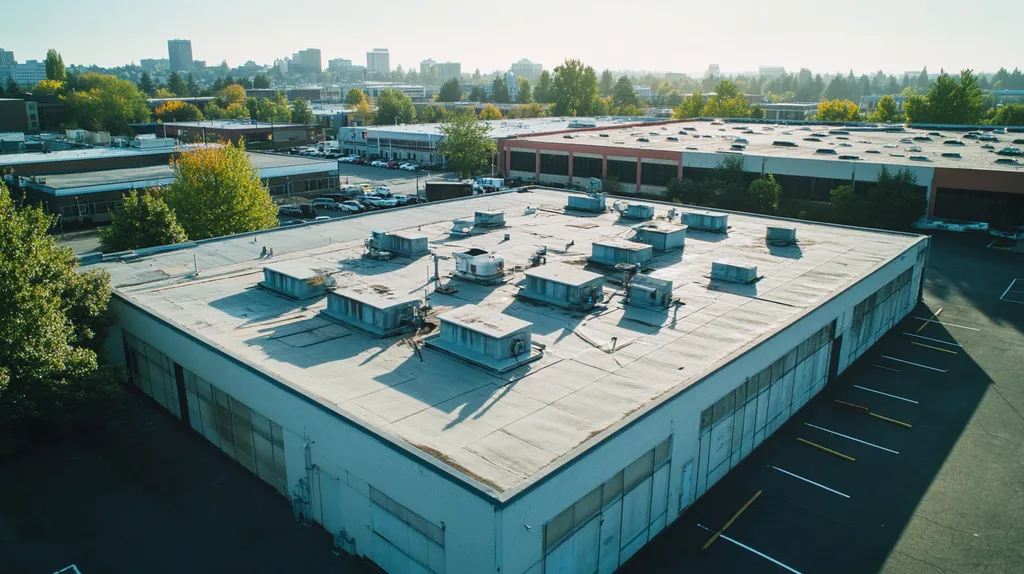
In today’s high-stakes industrial roofing game, sustainability isn’t just about looking green – it’s about avoiding costly regulatory penalties and future-proofing your investment. With environmental regulations tightening and energy costs soaring, choosing the wrong roofing system can lock you into decades of unnecessary expenses and compliance headaches.
Materials and Manufacturing Impact
TPO membranes showcase modern manufacturing efficiency, requiring up to 25% less energy to produce than traditional materials. Their production process generates minimal waste, with most scrap material being immediately recycled back into new membrane production.
Advanced TPO formulations incorporate recycled materials without compromising performance, earning points toward green building certifications. The lightweight nature of TPO also reduces transportation emissions and installation equipment requirements.
EPDM manufacturing demands intensive energy input and generates more waste byproducts. While improvements have been made, the rubber-based production process still carries a heavier environmental footprint than thermoplastic alternatives.
ADVANTAGE: TPO claims this round with cleaner manufacturing processes.
End-of-Life Management
TPO membranes can be fully recycled at end-of-life, with manufacturers offering take-back programs that turn old roofs into new materials. The clean recycling process requires minimal energy and produces no hazardous byproducts.
The homogeneous composition of TPO makes separation and processing straightforward, eliminating costly sorting steps. Many facilities even generate revenue by selling their old TPO membranes back to manufacturers.
EPDM poses significant recycling challenges due to its complex rubber chemistry and adhesive contamination. Most EPDM roofs end up in landfills, contributing to construction waste issues and increasing disposal costs.
ADVANTAGE: TPO dominates through superior recyclability.
Energy Performance
TPO’s reflective surface delivers measurable energy savings by reducing cooling loads up to 30% in warm climates. This white surface maintains its reflectivity for years with minimal maintenance, ensuring consistent performance.
The heat-reflecting properties of TPO help mitigate urban heat island effects, supporting broader sustainability initiatives. Buildings with TPO roofs often qualify for energy efficiency incentives and tax breaks.
EPDM’s dark surface absorbs solar radiation, increasing cooling costs and straining HVAC systems. While white EPDM exists, it costs significantly more and doesn’t match TPO’s long-term reflective performance.
ADVANTAGE: TPO wins through superior energy efficiency.
ROUND 5 WINNER: TPO
ROUND 6: SPECIALIZED APPLICATIONS
When it comes to specialized industrial applications, choosing the wrong roofing membrane is like bringing a butter knife to a gunfight – catastrophic failure is inevitable. Each industrial facility faces unique challenges, from extreme temperature fluctuations to aggressive chemical exposure, that can shred an inappropriate membrane choice within months.
Recent data shows that 35% of premature industrial roof failures occur in specialized applications where standard performance metrics don’t tell the whole story. The stakes are particularly high in food processing, pharmaceutical manufacturing, and cold storage facilities where roof failure can trigger FDA shutdowns or inventory losses in the millions.
Chemical Processing Environments
Chemical processing facilities present some of the most aggressive environments in industrial roofing. Constant exposure to caustic vapors, acid rain, and industrial pollutants can rapidly degrade standard roofing materials.
TPO’s advanced polymer formulation creates an exceptionally resistant barrier against most industrial chemicals. Its heat-welded seams maintain integrity even under sustained chemical attack, preventing dangerous vapor infiltration.
EPDM shows vulnerability to certain organic solvents and petroleum-based chemicals that can cause membrane swelling and deterioration. While it handles some acids well, its adhesive seams can become compromise points when exposed to aggressive chemicals.
ADVANTAGE: TPO wins through superior chemical resistance.
Extreme Temperature Applications
Industrial facilities often experience dramatic temperature swings that can stress roofing materials to their breaking point. From solar-baked surfaces exceeding 180°F to flash-freezing conditions, these thermal cycles challenge membrane flexibility and durability.
TPO becomes slightly more rigid in extreme cold, which can stress seams during thermal cycling. While modern formulations have improved, some TPO products show reduced impact resistance at very low temperatures.
EPDM maintains exceptional flexibility across an impressive temperature range. Its rubber-based composition handles thermal shock without compromising structural integrity, making it ideal for facilities with extreme temperature variations.
ADVANTAGE: EPDM dominates with superior thermal performance.
High-Moisture Environments
Facilities with high interior humidity levels, like paper mills and textile plants, demand exceptional vapor control. Moisture infiltration can devastate production equipment and create dangerous working conditions.
TPO’s watertight heat-welded seams and non-porous surface create an exceptional vapor barrier. The membrane’s resistance to biological growth prevents moisture-loving organisms from compromising roof integrity.
EPDM’s reliance on adhesive seams makes it more vulnerable to moisture infiltration over time. While the membrane itself resists water well, seam degradation in constantly damp conditions can create hidden entry points for moisture.
ADVANTAGE: TPO claims victory through superior moisture control.
ROUND 6 WINNER: TPO
AND THE WINNER IS…
After six grueling rounds of technical warfare, we have our verdict. With a dominant 4-2 victory, TPO claims the championship belt in this industrial roofing showdown!
TPO’s knockout performance came through superior cost-effectiveness, streamlined installation, easier maintenance, and impressive sustainability credentials. Its reflective surface and chemical resistance delivered a technical masterclass that EPDM couldn’t overcome.
But don’t count EPDM out completely, folks! This veteran contender proved its worth in Round 2, showing exceptional durability and lifespan that make it the undisputed champion for facilities facing extreme temperature fluctuations or requiring decades of proven performance.
Remember, champions – every building brings its own unique challenges to the ring. Local climate conditions, facility operations, and specific building characteristics can shift the odds dramatically. This analysis provides general guidance, but cannot account for all variables in your corner. Always consult with qualified roofing professionals who can evaluate your facility’s specific requirements before making your final decision.
The bell has rung, but the real victory in industrial roofing comes from matching your facility’s unique demands with the right contender’s strengths. Choose wisely, because in this high-stakes arena, there are no rematch guarantees!
FREQUENTLY ASKED QUESTIONS
Q. What are the initial costs of a commercial roof using TPO vs. EPDM?
A. Durability and performance go hand in hand, but installing TPO is typically cheaper. It can cut costs significantly compared to EPDM, which may strain budgets due to its higher pricing. Choosing TPO can save cash in the long run, especially on large projects.
Q. How do durability and lifespan compare for industrial roofs?
A. While TPO offers decent durability, EPDM is the heavyweight champion when it comes to longevity. TPO may last around 15-20 years, but EPDM often crowns itself victor with 25-30 years of reliable service, making it ideal for high-stakes environments.
Q. What are the performance factors for a commercial roof?
A. Performance metrics are pivotal; TPO takes the lead with superior UV resistance and watertight seams. While EPDM is flexible, it struggles with heat absorption and moisture intrusion over time. For long-term performance, TPO often emerges as the better option.
Q. How do maintenance requirements differ for TPO and EPDM roofs?
A. TPO roofs require quarterly inspections and minimal cleaning, easing your maintenance load. In contrast, EPDM needs monthly checks, with more complicated cleaning and repairs. TPO shines with lower upkeep demands, making it a smarter financial choice over time.
Q. What are the sustainability credentials of commercial roofing materials?
A. TPO edges out EPDM with its cleaner production methods and recyclability at end-of-life. Its energy-efficient properties can reduce cooling costs greatly, appealing to eco-conscious facility managers. EPDM, while durable, struggles with recycling, hindering its sustainability appeal.
Q. How does each roof handle specialized applications?
A. For specialized environments, TPO excels in chemical resistance, making it ideal for harsh facilities. EPDM, although good for temperature extremes, falters in high moisture settings where its seams struggle. Choosing the right membrane is critical to prevent early failures.
Q. What are typical warranty lengths for commercial roofs?
A. For commercial roofs, TPO tends to offer warranties ranging from 15 to 20 years, depending on the manufacturer. EPDM often extends warranties up to 30 years, reflecting its trusted longevity. However, always check specific terms to know what’s covered!






