
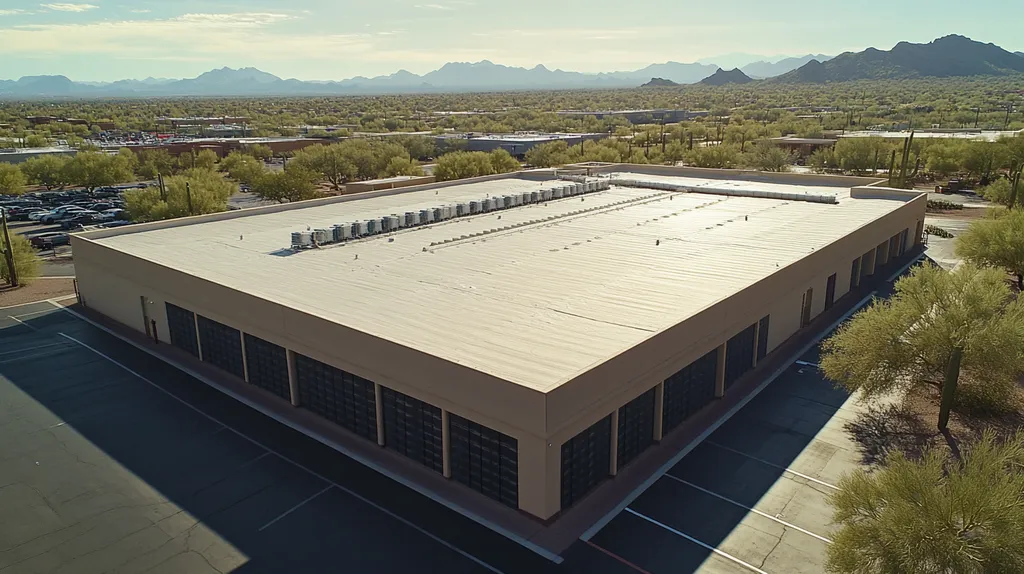
When an industrial roof warranty claim gets denied, facility managers face repair costs that can soar past $50,000 – yet remarkably, 60% of denials could have been prevented with proper documentation and understanding.
From misinterpreted maintenance requirements to overlooked policy exclusions, the path to a denied claim is paved with costly misconceptions that keep facility managers up at night.
This comprehensive guide separates warranty claim facts from fiction, equipping property owners with practical strategies to navigate denials, protect their investments, and avoid the common pitfalls that lead to rejected claims.
SECTION 1: COMMON MISCONCEPTIONS
Facility managers often find themselves overwhelmed when dealing with denied industrial roof warranty claims, a situation that is all too common yet filled with misunderstandings. Astonishingly, research indicates that more than half of all roofing warranty claims end up denied due to misinterpretations of policy terms. Recognizing these common misconceptions is vital for property owners to not only protect their investments but also to take proactive steps that avert costly repairs.
Misunderstanding Policy Coverage
Many facility managers carry an incorrect belief that roof warranties provide coverage for all forms of damage, with no exceptions. This assumption can lead to shock and disappointment when it comes time to file a claim. Typically, warranties focus on “manufacturing defects” or “workmanship issues,” leaving other types of damage—like those from severe weather or inadequate maintenance—uncovered.
For instance, if a roof leaks following a particularly heavy snowfall, a facility manager may mistakenly expect the warranty to cover it. In truth, such weather-related damage might be excluded. This underlines the importance of thoroughly reviewing warranty documents to understand what is and isn’t covered.
It can be beneficial to consult with roofing professionals or legal specialists who can simplify complex jargon and clarify the specific obligations and limitations spelled out in the warranty. Being aware of these critical details fosters informed decision-making, which can significantly reduce the risk of claims being denied.
Ignoring Warranty Exclusions
Another frequent misstep is overlooking warranty exclusions. These specific clauses can significantly affect coverage and lead to unexpected expenses if ignored. Many warranties outline exclusions for certain scenarios, and failing to pay attention to these details may result in a rude awakening when a claim is rejected.
For example, if modifications, such as the addition of new HVAC systems, are made to the roof post-installation, some warranties may not cover any resultant issues. Facility managers who overlook this fact could assume that their warranty still applies, only to find out otherwise when it’s too late.
Understanding and regularly reviewing these exclusions is key for effective expectations management. By ensuring compliance with all warranty terms, facility managers can significantly mitigate the risk of denial and keep their roof’s warranty intact, thus bolstering the facility’s roofing system as a whole.
Assuming No Appeal Options
When faced with a denied warranty claim, many facility managers mistakenly think there are no further options to explore. This belief can inhibit meaningful attempts to appeal the denial. In reality, there are often pathways available to dispute a rejection, potentially overturning unfavorable outcomes.
Facility managers should meticulously evaluate the reasons for denial and compile additional evidence or documentation that strengthens their appeal. For example, obtaining an expert opinion from a roofing specialist can add weight to the case. Furthermore, keeping a record of all communications with the warranty provider is crucial.
Pursuing a rightful appeal can sometimes reveal misunderstandings or overlooked facts that could reinstate the claim. Enlisting the help of a warranty specialist can streamline this appeal process, making it easier to navigate.
In essence, facility managers should not be disheartened by an initial denial. By grasping the appeal process, they can empower themselves to recover costs that would otherwise slip through the cracks.
SECTION 2: PRACTICAL IMPLICATIONS
When an industrial roof warranty claim gets the dreaded denial stamp, the fallout reaches far beyond just a financial sting. Facility managers often find themselves grappling with a series of challenges, including intensified maintenance demands, disruptions in everyday operations, and unexpected hits to their budgets. Without the shield of a strong roof, the entire facility’s productivity can take a nose dive. This section dives into how denied claims can reshape maintenance schedules, operational integrity, and financial strategies.
Impact on Maintenance Schedules
A denied warranty claim can throw maintenance schedules into disarray. Without warranty support, facility managers may have to reallocate resources to manage unexpected leaks or damage, forcing them to shuffle priorities. Instead of following a carefully crafted maintenance calendar, teams might find themselves scrambling to patch urgent issues.
This scramble can derail long-term maintenance plans. When funds initially designated for preventative work get siphoned off to cover urgent repairs, those safeguards may fall by the wayside. This neglect can snowball into bigger problems down the line, potentially triggering further warranty denials.
On a practical level, increased repair needs can wear down maintenance staff. The bitter crunch of escalating pressure can lead to burnout, diminishing overall efficiency and team morale. It’s a precarious balancing act; a chaotic roof management strategy can quickly escalate into hazardous conditions.
In the end, effective maintenance thrives on one thing: predictability. A denied claim undermines this foundation, plunging managers into a cycle of emergency fixes and budgetary puzzles that can cramp operational flow.
Consequences for Facility Operations
The domino effect of denied roof warranty claims hits facility operations hard. Unresolved leaks can escalate into dire water damage, hindering production lines and ruining costly equipment. These disruptions lead to frustrating delays and painful downtimes.
Moreover, the integrity of the roofing system is crucial for operational efficiency. A failing roof compromises climate control within the facility, potentially creating an uncomfortable work environment that stifles employee productivity.
Furthermore, frequent roofing issues raise the stakes for liability. If an employee or visitor sustains an injury due to roof-related problems, the facility could face legal repercussions that add another layer of cost and complexity. Such distractions pull managers away from their core duties, diverting focus from the organization’s primary goals.
Ultimately, the cascading effects of denied warranty claims can create a turbulent operational landscape, jeopardizing an organization’s ability to deliver quality goods and services seamlessly.
Effects on Budget Planning
The sting of a denied warranty claim means immediate financial recalibration, dramatically impacting budget planning. With claims denied, the unexpected expenses can veer financial strategies off course, leaving facility managers in search of funds for repairs that were once covered under warranty.
This financial dilemma often forces tough choices, like slashing budgets for critical services. As operational budgets shrink, everything from staffing to supplies can take a hit. A reactive approach to finances can unravel carefully established budgetary frameworks.
The unpredictability of repair costs leads to scant financial reserves, putting organizations at risk when future emergencies arise. It can also hamper investment in essential areas, from upgrading technology to supporting infrastructure improvements.
Over time, these budgetary pressures might stifle growth opportunities, curbing innovation and agility within the facility. This underscores the urgent need for facility managers to thoroughly understand warranty provisions and the far-reaching implications they have on financial planning.
SECTION 3: COST OF MISINFORMATION
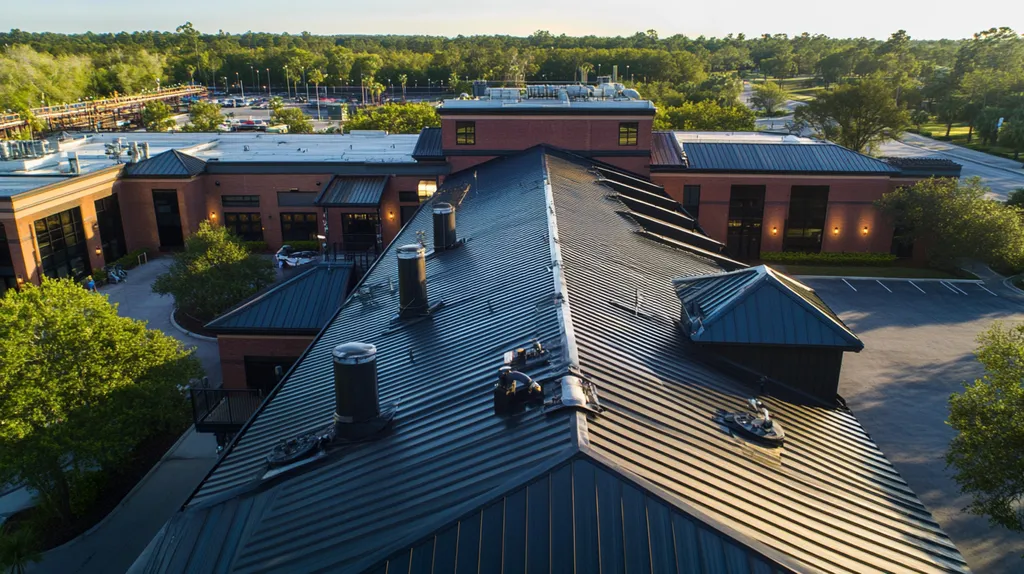
The stakes are high when it comes to misinformation about industrial roof warranties. Not only can misunderstandings lead to expensive repairs, but they can also disrupt day-to-day operations and put financial stability at risk. A recent study revealed that 40% of denied warranty claims result in out-of-pocket costs averaging a staggering $20,000. These costs highlight the importance of having accurate, reliable information to inform decisions that protect valuable investments.
Financial Burden of Uncovered Repairs
The financial implications of uncovered repairs can escalate quickly, catching facility managers off guard. Often, denied warranties arise from non-compliance with maintenance guidelines, resulting in unanticipated expenses. For example, neglecting to maintain comprehensive maintenance records can void a warranty, leaving managers responsible for repairs that could be far more costly than they originally estimated.
When repairs are ignored or not executed correctly, financial strains multiply. Costs can soar into the thousands, threatening an organization’s financial health. Staying compliant with warranty requirements from the outset is crucial to keeping these expenses at bay.
Moreover, grasping the fine print of a warranty is essential for avoiding pitfalls. If issues arise from shoddy installation or unauthorized modifications, property owners may bear the full cost of needed repairs. Keeping informed can help prevent unplanned expenditures that disrupt financial planning.
Loss of Business Due to Downtime
The impact of downtime caused by roofing issues can severely hinder business performance. When a roof fails and leads to leaks or structural problems, the resulting interruptions can stall production and service delivery. These disruptions not only trigger immediate revenue losses but can also lead to prolonged customer dissatisfaction.
For instance, if a manufacturing facility faces a day of downtime from roof repairs, it could lose up to $100,000 in production. The costs of downtime ripple out, affecting future business potential as clients may turn to competitors providing more reliable service.
Relying on outdated or incorrect information about warranty coverage can worsen the situation. Facility managers could find themselves dealing with longer repair times and more significant setbacks. Therefore, accurately understanding roofing warranties is essential for maintaining smooth business operations.
Long-Term Damage to Roof Integrity
Misinformation can spell disaster for the long-term health of a roof, leading to issues that extend well beyond immediate repairs. Ignoring maintenance protocols outlined in warranty agreements can jeopardize a building’s structure and safety. Inadequate care might manifest as premature wear, necessitating costly replacements sooner than anticipated.
For example, improper installation of insulation might induce moisture retention, significantly accelerating the deterioration of roofing materials. Such long-term damage inflates overall repair costs and may threaten compliance with safety and operational regulations.
Facility managers must prioritize understanding warranty details to ensure the enduring integrity of their roofs. Investing time in comprehending warranty specifics shields properties from avoidable damage, guaranteeing both safety and longevity for the facility.
SECTION 4: REALITY CHECK
When an industrial roof warranty claim hits the denial wall, the consequences can be steep. Facility managers face potential financial headaches from unanticipated repairs or even complete roof replacements. Shockingly, 40% of surveyed facility managers reported costly repairs right after their claims were denied. Understanding the “why” behind denial decisions is essential for navigating this challenging landscape. This section will unpack the common reasons claims get denied, emphasize the importance of scrutinizing denial letters, and spotlight clerical errors that can change the game.
Understanding Denial Reasons
To tackle a denied warranty claim, the first step is to decode the reasons behind it. Common culprits include insufficient maintenance records or straying from installation protocols. Facility managers must get familiar with warranty terms to dodge these pitfalls and bolster their claims.
Another red flag is when repairs are made without notifying the warranty provider. Such actions can jeopardize the warranty’s validity, leaving managers in a bind. Staying well-informed about what modifications can affect warranty status is vital to sidestepping denials.
Also, factors like the roof’s age and condition play into a warranty’s enforceability. Managers need to realize that warranties might have coverage limits based on material lifespan. A solid grasp of these terms can save significant headaches down the line.
Ultimately, understanding denial reasons equips managers to proactively ensure their claims hold water, avoiding costly missteps.
Reviewing Denial Letters Carefully
Think of each denial letter as a treasure map leading to the hidden clues of why a claim was rejected. Analyzing these letters closely can unveil important insights. Paying attention to every detail is crucial; overlooking specific language can result in lost chances for a successful appeal.
Facility managers should note each reason provided in the denial letter. Misinterpretations can easily lead to missed opportunities to challenge the decision effectively. Knowing the exact grounds for denial allows for a focused and targeted response.
Sometimes, denials arise from vague language. It can pay off to reach out to the warranty provider for clarification, potentially uncovering opportunities for correction. Open communication can be the key to resolving misunderstandings and moving forward.
In summary, a thorough review of denial letters is essential for crafting an effective response and increases the chances for a successful appeal.
Identifying Clerical Errors
Surprisingly, clerical errors can wreak havoc on warranty claims, leading to wrongful denials. Facility managers should diligently review submitted documents for any slips. Simple inaccuracies—like a wrong date or misrecorded info—can jeopardize an otherwise valid claim.
Cross-checking details in the denial letter against original submission documents can uncover discrepancies. If managers spot clerical errors, they should promptly address these with the warranty provider, ensuring that records are corrected accurately.
Additionally, documenting all communications and corrections is crucial. This fosters transparency and builds a strong case for the validity of the claim. A thorough paper trail is invaluable in demonstrating responsible management of the facility’s roof warranty.
In conclusion, pinpointing and resolving clerical errors can be a game-changer, potentially turning the tide in favor of the facility manager and leading to a successful reinstatement of the warranty claim.
SECTION 5: EVIDENCE-BASED ALTERNATIVES
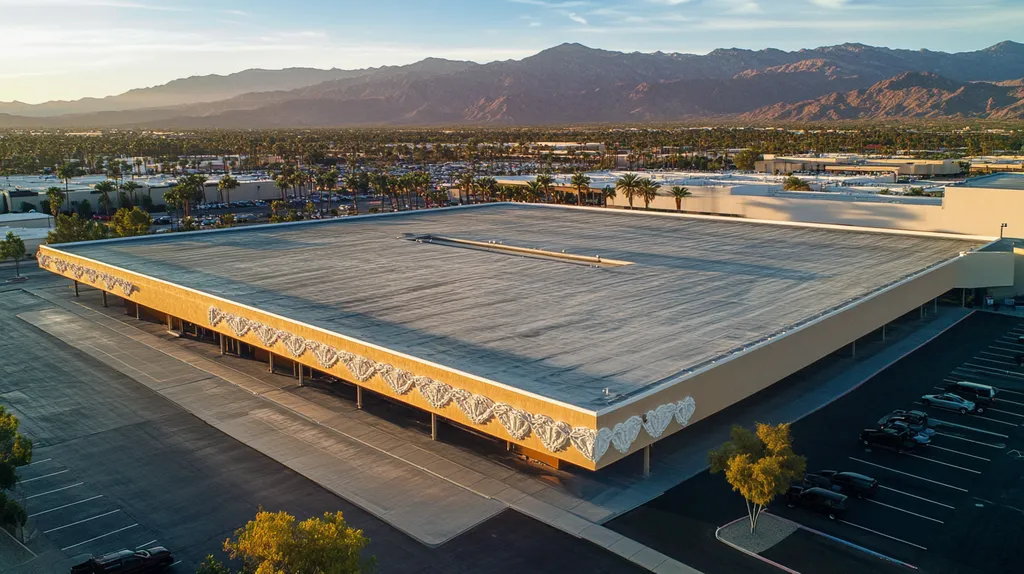
The aftermath of a denied industrial roof warranty claim can be daunting, often leaving facility managers facing unexpected costs and potential roofing failures. Alarmingly, industry reports reveal that nearly 40% of such claims are denied due to insufficient evidence. Gathering robust documentation is the key to overturning a denial and strengthening a claim. This section highlights essential strategies to build a compelling case against the denial.
Gathering Additional Evidence
Start by compiling a comprehensive set of evidence to challenge a denied warranty claim. This vital documentation includes maintenance records, photographs of previous work, and details of any repairs conducted. Failing to demonstrate proper maintenance history can easily result in dismissed claims.
Facility managers should keep meticulous notes on all issues encountered, alongside timestamps for repairs. For example, fully documenting a roof leak reported right after installation can significantly invigorate the claim. This kind of evidence allows for clear differentiation between acceptable wear and tear and actionable warranty failures.
Additionally, a thorough history of communications with roofing contractors establishes confidence that all warranty stipulations were adhered to, reinforcing the case’s legitimacy.
A proactive approach to gathering evidence enhances the likelihood of a strong appeal, ensuring compliance with all warranty conditions and reducing uncertainties for all parties involved.
Consulting Independent Inspectors
Bringing in an independent inspector spares no expense when it comes to obtaining an unbiased evaluation of the roofing system. Their specialized knowledge in construction can pinpoint whether reported issues stem from installation mistakes or material faults.
Such independent assessments can serve as credible, third-party endorsements supporting the appeal against the warranty denial. If an inspector confirms a manufacturing defect, it can reinforce the case significantly.
Selecting an inspector with dedicated experience in industrial roofing is crucial; they provide insights into frequent pitfalls and disputes that often arise in the field. This expertise can uncover additional evidence that facility managers may overlook.
By securing an independent opinion, facility managers lay the groundwork for a convincing appeal, ensuring unjust denials do not become permanent obstacles.
Seeking Professional Assessments
In addition to independent inspectors, hiring roofing professionals offers another layer of depth to support claims. These experts conduct thorough evaluations that can identify specific failures in materials or installation practices.
Professional assessments often yield comprehensive reports that detail findings with visuals and supporting data. Such thorough documentation becomes invaluable in negotiations with warranty providers.
Moreover, these assessments can pinpoint ongoing maintenance requirements that mitigate the risk of future issues, ensuring a robust compliance framework. Investing in these evaluations not only fortifies the present case but also supports long-term warranty management.
In summary, pursuing detailed professional assessments can transform a denied claim into success, equipping facility managers with the necessary tools to safeguard their warranties effectively.
SECTION 6: TEST AND VERIFY
When a warranty claim is denied, the stakes become alarmingly high for facility managers and property owners. Studies reveal that over 30% of denied claims stem from insufficient evidence or disputed facts. Grasping the appraisal process, understanding the significance of independent appraisers, and mastering proper documentation can dramatically influence the outcome of your claim. This section equips managers with the critical knowledge needed to effectively navigate the maze of denial.
Appraisal Process Overview
The appraisal process is a structured method designed to evaluate denied warranty claims. It kicks off when both parties agree to subject the claim to an independent assessment. The main goal is to verify the validity of the claim while evaluating the extent of any incurred damages.
This process often outlines timelines, potential costs, and each party’s responsibilities. For facility managers, understanding these stipulations is paramount to meeting requirements and crafting a strong appeal.
Any delays in initiating the appraisal can prolong the resolution of claims, leading to added stress and uncertainty. Acting swiftly not only gauges the potential outcome but also arms property owners with a clearer perspective on the evidence needed to support their case, lessening the risk of further financial losses.
Role of Independent Appraisers
Independent appraisers are crucial for verifying the details surrounding denied warranty claims. Their unbiased evaluations ensure that both sides of the dispute are examined fairly, providing a fresh perspective on the matter.
Facility managers should look for appraisers with extensive backgrounds in industrial roofing, as their expertise can accurately identify the root causes of damage. Knowledgeable appraisers produce comprehensive reports highlighting findings and recommendations, vital documents that lend weight to your case when presented to warranty insurers.
Grasping the intricacies of the appraisal process enables facility managers to choose the best appraisers for their specific needs, ultimately enhancing the likelihood of a favorable outcome.
Documenting and Compiling Evidence
Effective documentation is the backbone of a successful warranty claim appeal. Facility managers must diligently compile all relevant evidence, including photographs, maintenance records, and past inspection reports to substantiate their claims.
Additionally, thorough records of communications with warranty providers should be included. These documents provide essential context and may highlight inconsistencies in the rationale behind the denial.
Keeping organized files simplifies access during the appraisal process, making the investigation more efficient. A well-structured assembly of evidence promotes transparency and strengthens the appeal’s credibility.
To maximize the chances of a positive outcome, it’s crucial that all evidence is presented in a clear and logical fashion. This clarity fortifies the argument against denial, providing a solid foundation for the appeal.
The Bottom Line
With denied warranty claims costing facility managers an average of $50,000 in out-of-pocket repairs, the stakes couldn’t be higher for getting this process right.
Understanding warranty terms, maintaining meticulous documentation, and acting swiftly when issues arise can mean the difference between a successful claim and a costly denial.
The evidence is clear: 60% of denied claims could have been prevented through proper maintenance records and timely reporting.
By following the outlined steps – from gathering compelling evidence to leveraging independent assessments – facility managers can significantly improve their chances of overturning denials.
Remember: a denied claim isn’t necessarily the end of the road, but rather an opportunity to build a stronger case through methodical documentation and professional evaluation.
FREQUENTLY ASKED QUESTIONS
Q. What common misconceptions exist about commercial roof warranties?
A. Many facility managers believe that warranties cover all damages without exceptions. However, typically, warranties only cover specific types of issues, like manufacturing defects or workmanship problems. Weather-related damages or neglect often fall outside their coverage, leading to unpleasant surprises during claims.
Q. How do denied industrial roof warranty claims affect facility operations?
A. Denied claims can lead to unexpected repairs, disrupting normal operations and causing budget issues. Unresolved leaks can damage equipment and create uncomfortable work environments, affecting productivity. Additionally, operational disruptions increase potential liability risks, pulling managers away from core duties.
Q. What financial burden comes from misinformation about industrial roof warranties?
A. Misinformation can lead to uncovered repairs costing thousands. For instance, failing to adhere to maintenance guidelines can void warranties, leaving facility managers liable for costly fixes. This lack of accurate information can jeopardize financial planning and operational stability.
Q. Why do warranty claims get denied?
A. Common denial reasons include insufficient maintenance records or making repairs without notifying providers. Understanding warranty terms is vital to avoiding these pitfalls, as violations can jeopardize the validity of claims and lead to costly headaches.
Q. How can facility managers gather evidence for a denied claim?
A. Compiling maintenance records, photographs, and communications with contractors is essential. Robust documentation demonstrates adherence to warranty conditions, helping clarify circumstances around an issue. This thorough approach can significantly strengthen a claim during the appeals process.
Q. What role do independent appraisers play in warranty claims?
A. Independent appraisers provide unbiased evaluations of denied claims, assessing the validity of damage and the reasoning behind denials. Their expertise can substantiate claims with credible reports, increasing the chances for a favorable outcome in disputes with warranty providers.
Q. How important is understanding roofing maintenance for warranty claims?
A. Understanding maintenance requirements is crucial for keeping warranties valid. Regular upkeep prevents voiding warranties and ensures compliance with coverage terms, thereby helping facility managers avoid unexpected repair costs and protect their investments in commercial roofing systems.






