
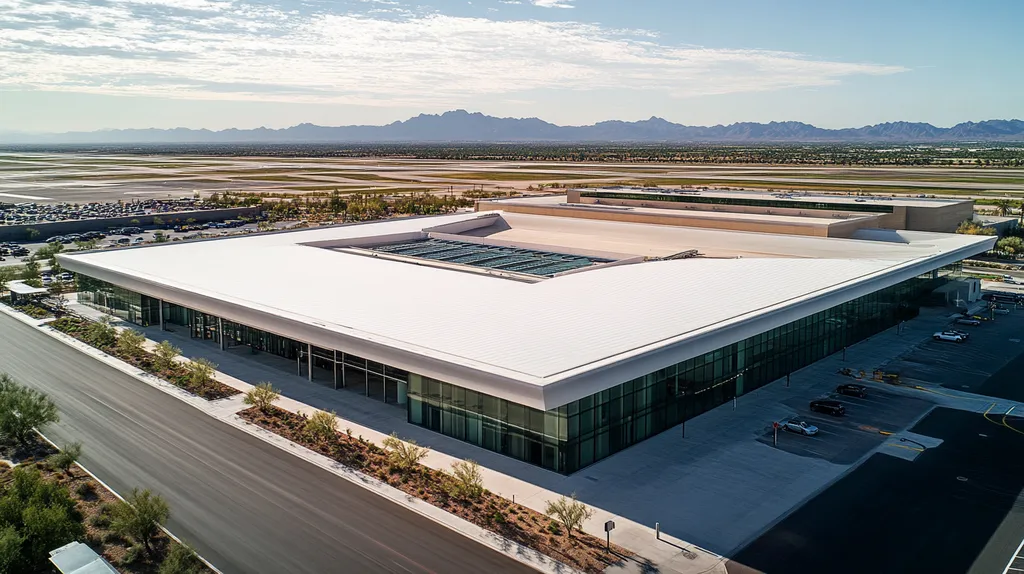
Welcome to today’s Battle Royale featuring two roofing heavyweights: “TPO” in the east corner versus “EPDM” in the west!
Tonight’s showdown pits these contenders against each other across six punishing rounds designed to test every aspect of their performance for Industrial Roof Warranty Periods.
At stake? Millions in potential costs, decades of building protection, and the critical performance demands of modern commercial and industrial facilities.
Our professional judging panel will evaluate each round on technical merit, real-world performance, and value delivery. After all six rounds, we’ll declare our ultimate champion.
Ladies and gentlemen, facility managers and building owners… it’s time to rumble!
ROUND 1: INITIAL COSTS & INSTALLATION
When selecting a commercial roofing system, the stakes couldn’t be higher for facility managers. A single misstep in material selection or installation can lead to hundreds of thousands in unexpected costs. With material warranties ranging from 10-30 years for single-ply systems, the initial investment and installation decisions have long-lasting implications for facility operations and maintenance budgets.
Material Expenses
Material warranties for both TPO and EPDM typically extend to 20 years, though premium systems can offer coverage up to 50 years. These warranties specifically cover manufacturing defects but exclude labor costs and installation issues. (source: GIDEON)
TPO materials generally command a higher price point, with costs ranging from $3.50 to $7.00 per square foot. The premium reflects TPO’s advanced chemical formulation and enhanced UV resistance properties.
EPDM materials typically cost less, averaging $2.50 to $4.50 per square foot. This lower entry point makes EPDM an attractive option for budget-conscious projects, particularly on larger facilities where material costs can quickly escalate.
When comparing pure material costs, EPDM takes the ADVANTAGE, offering significant upfront savings without compromising on basic performance requirements.
Installation Complexity
TPO installation demands specialized equipment and highly trained technicians for heat-welded seams. This precision requirement often extends project timelines and increases labor costs by 20-30% compared to simpler systems.
The learning curve for TPO installation is steeper, requiring extensive training for proper heat-welding techniques. Even experienced crews must carefully calibrate welding temperatures and speeds to achieve proper seam strength.
EPDM installation follows more straightforward protocols, using adhesives or mechanical fasteners rather than heat welding. This simplified approach reduces the likelihood of installation errors and requires less specialized training.
The straightforward nature of EPDM installation gives it a clear ADVANTAGE in this category, reducing both labor costs and the risk of installation-related failures.
Project Timeline
TPO installations typically require more preparation time, particularly for proper deck cleaning and primer application. The heat-welding process also demands careful attention to weather conditions, potentially causing weather-related delays.
Each TPO seam must be individually heat-welded and tested, adding significant time to larger projects. Quality control measures for TPO are more time-intensive, requiring specific testing procedures for every welded seam.
EPDM can be installed more rapidly, with larger sheets reducing the number of seams needed. The adhesive-based installation method is less weather-dependent, allowing work to proceed under a broader range of conditions.
For project timeline considerations, EPDM gains another ADVANTAGE due to its faster installation process and fewer weather restrictions.
ROUND 1 WINNER: EPDM
ROUND 2: DURABILITY & LIFESPAN
When it comes to industrial roofing, durability and lifespan directly impact the bottom line. A premature roof failure can cost facility owners millions in repairs, lost productivity, and damaged inventory. Understanding how TPO and EPDM perform over time is crucial for making informed decisions that protect both the building and the budget.
Material Resilience
TPO membranes excel in reflecting UV rays and heat, which helps prevent thermal degradation and extends their serviceable life. Their strong heat-welded seams create a monolithic surface that resists water infiltration and chemical exposure.
However, TPO’s performance can vary significantly between manufacturers, with some formulations showing premature aging and seam failures in extreme temperatures. The material’s relatively short market history means long-term performance data is still emerging.
EPDM brings over 50 years of proven field performance, maintaining flexibility even after decades of exposure. Its synthetic rubber composition naturally resists UV degradation and ozone, while accommodating building movement without cracking.
For material resilience, EPDM takes the ADVANTAGE based on its longer track record and consistent performance across manufacturers.
Maintenance Requirements
TPO’s smooth surface and heat-welded seams typically require minimal regular maintenance. The white surface can be easily cleaned to maintain reflectivity, and repairs, when needed, can be effectively heat-welded even years after installation.
Regular inspections of TPO roofs should focus on seam integrity and any signs of membrane stress around penetrations or corners. Proper maintenance can significantly extend the warranty period and overall performance.
EPDM requires more frequent inspections, particularly around seams and flashings where adhesives may deteriorate over time. The black surface can accumulate dirt and debris, necessitating regular cleaning to prevent ponding water and vegetation growth.
Due to its lower maintenance demands and easier repair procedures, TPO claims the ADVANTAGE in this category.
Expected Lifespan
TPO roofing systems typically carry material warranties ranging from 10-30 years, with actual performance highly dependent on installation quality and environmental conditions. Premium TPO systems with enhanced UV protection can extend this coverage up to 50 years. (source: GIDEON)
Proper installation and regular maintenance are crucial for TPO to reach its full lifespan potential. The material’s performance in extreme temperatures can impact its longevity, particularly in regions with high thermal cycling.
EPDM consistently delivers 20-30 years of service life, with many installations exceeding three decades. Its simple composition and stable chemical properties contribute to predictable aging and fewer surprises during the warranty period.
Given its proven long-term performance and more predictable aging, EPDM secures the ADVANTAGE for expected lifespan.
ROUND 2 WINNER: EPDM

ROUND 3: PERFORMANCE FACTORS
In the high-stakes world of industrial roofing, performance factors can make or break a facility’s operational continuity. A single performance failure can lead to millions in damage, production delays, and warranty disputes. Understanding how TPO and EPDM perform across critical metrics helps facility managers make choices that protect both their buildings and their budgets.
Weather Resistance
Weather resistance directly impacts warranty coverage and long-term performance. Extreme temperature fluctuations, UV exposure, and moisture can all trigger premature aging that may void warranty protection.
TPO’s advanced formulation excels in reflecting UV rays and dissipating heat, helping maintain material integrity even in harsh conditions. Its heat-welded seams create a monolithic surface that prevents water infiltration and maintains warranty compliance.
EPDM demonstrates exceptional flexibility across temperature extremes and naturally resists UV degradation. However, its black surface absorbs heat, potentially accelerating aging in hot climates and requiring more frequent warranty-mandated inspections.
With superior heat reflection and seam strength, TPO claims the ADVANTAGE for weather resistance.
Impact & Puncture Resistance
Industrial roofs must withstand frequent foot traffic, dropped tools, and debris impact without compromising their warranty coverage. Impact resistance directly affects maintenance costs and warranty claim frequency.
TPO membranes offer moderate puncture resistance but can be vulnerable to sharp impacts. While reinforced TPO provides improved durability, it may still require more frequent repairs to maintain warranty compliance.
EPDM’s rubber-like composition provides superior flexibility and natural puncture resistance. Its ability to absorb impacts without cracking or tearing reduces warranty claims and extends service life.
Given its superior impact absorption and damage resistance, EPDM takes the ADVANTAGE in this category.
Environmental Adaptability
A roof’s ability to adapt to changing environmental conditions affects both performance and warranty duration. Facilities face varying challenges from industrial emissions, chemical exposure, and atmospheric pollutants.
TPO demonstrates excellent resistance to chemical exposure and environmental pollutants. Its smooth surface prevents contaminant accumulation and maintains reflectivity, supporting longer warranty periods.
EPDM shows vulnerability to certain industrial chemicals and can trap pollutants in its surface. This susceptibility may require additional maintenance to maintain warranty coverage and prevent premature degradation.
TPO’s superior chemical resistance and self-cleaning properties earn it the ADVANTAGE for environmental adaptability.
ROUND 3 WINNER: TPO
ROUND 4: MAINTENANCE REQUIREMENTS
For industrial facility managers, roof maintenance requirements directly impact operational costs and warranty compliance. A single missed inspection or delayed repair can escalate into catastrophic failures, voiding warranty coverage and forcing premature replacement. Understanding the maintenance demands of different roofing systems is crucial for protecting both the warranty and the facility’s bottom line.
Regular Inspection Requirements
TPO roofing systems demand quarterly visual inspections of seams, flashings, and drainage points. The material’s white surface makes damage identification straightforward, allowing maintenance teams to spot potential issues before they compromise warranty coverage.
Professional inspections for TPO typically focus on seam integrity and membrane surface condition. The heat-welded seams rarely require maintenance, but any repairs must be performed by certified technicians to maintain warranty validity.
EPDM systems require more frequent inspections, particularly around adhesive-based seams and terminations. The black surface can mask damage, necessitating more thorough examination protocols to maintain warranty compliance.
Given its easier inspection requirements and visible damage indicators, TPO claims the ADVANTAGE in this category.
Cleaning and Preventive Care
TPO membranes feature a smooth surface that resists dirt accumulation and simplifies cleaning procedures. Regular washing helps maintain the material’s reflective properties and ensures optimal performance throughout the warranty period.
The non-porous nature of TPO prevents organic growth and chemical absorption. This characteristic reduces the frequency of intensive cleaning sessions and helps preserve the membrane’s protective properties.
EPDM surfaces tend to accumulate dirt and debris more readily, requiring more frequent cleaning interventions. The material’s textured surface can trap contaminants, potentially accelerating degradation if not properly maintained.
Due to its lower cleaning demands and resistant surface properties, TPO secures another ADVANTAGE.
Repair Procedures
TPO repairs require specialized heat-welding equipment and trained technicians. While this increases individual repair costs, the permanent nature of heat-welded patches ensures lasting performance through the warranty period.
The monolithic nature of TPO repairs helps maintain the roof’s overall integrity. However, finding qualified contractors for TPO repairs can be challenging in some regions, potentially delaying necessary maintenance.
EPDM repairs can often be completed using adhesive-based methods, making them more accessible and cost-effective. The material’s flexibility allows for simpler patch applications, though the reliability of adhesive repairs may decrease over time.
EPDM takes the ADVANTAGE in this category due to its more straightforward and accessible repair procedures.
ROUND 4 WINNER: TPO
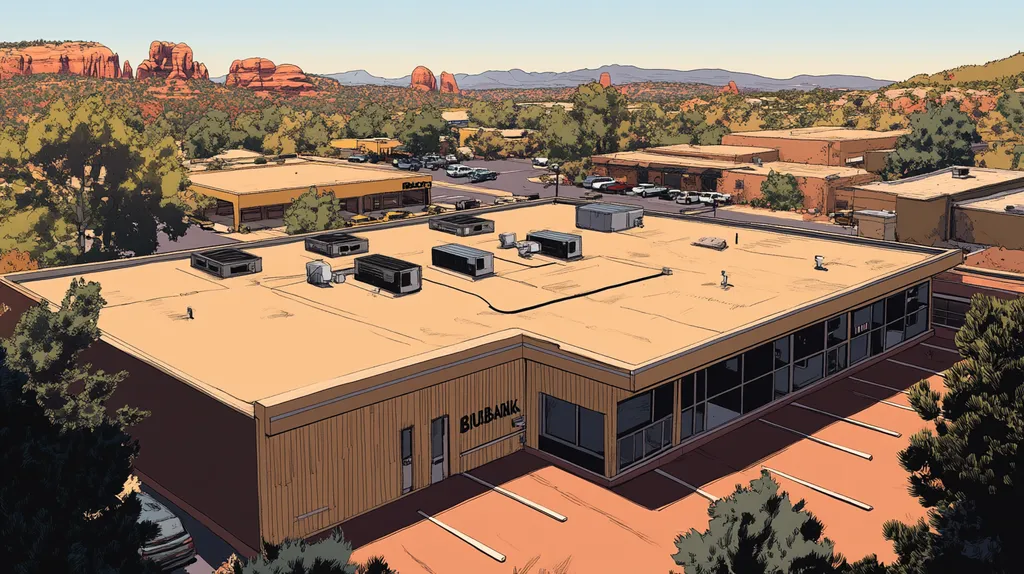
ROUND 5: SUSTAINABILITY CREDENTIALS
As environmental regulations tighten and energy costs soar, sustainability credentials have become a critical factor in industrial roofing decisions. Poor environmental performance can trigger compliance penalties exceeding $100,000 and dramatically increase operational costs through excessive energy consumption.
Understanding how TPO and EPDM align with sustainability requirements helps facility managers protect both their environmental compliance and their bottom line.
Recyclability
TPO’s thermoplastic composition allows it to be fully recycled at the end of its service life. When properly processed, TPO can be transformed into new roofing materials or other plastic products, reducing landfill impact.
Most manufacturers now offer TPO recycling programs that help facility owners meet zero-waste initiatives. The material can be recycled multiple times without significant degradation in quality, supporting circular economy goals.
EPDM poses greater recycling challenges due to its thermoset rubber composition. While some recycling programs exist, most EPDM material currently ends up in landfills at the end of its lifecycle.
For recyclability and waste reduction potential, TPO claims the ADVANTAGE.
Energy Efficiency
TPO’s highly reflective white surface dramatically reduces cooling costs in warm climates. Advanced formulations can reflect up to 85% of solar radiation, reducing roof surface temperatures by up to 60°F compared to dark surfaces.
This reflective capability maintains its effectiveness over time with proper maintenance. Lower surface temperatures also reduce thermal stress on the membrane, supporting longer material life.
Standard black EPDM absorbs significant solar heat, increasing cooling loads and energy consumption. While white EPDM options exist, they typically don’t match TPO’s reflective performance and often come with higher costs.
TPO’s superior reflective properties and energy performance earn it the ADVANTAGE in this category.
Environmental Impact
TPO manufacturing processes have evolved to reduce harmful emissions and chemical usage. Modern TPO formulations eliminate chlorinated compounds and other environmentally problematic materials. (source: GAF)
The material’s lighter weight reduces transportation emissions and installation equipment requirements. TPO’s extended service life also means fewer replacement cycles and reduced material consumption over time.
EPDM production involves energy-intensive processes and petroleum-based materials. While manufacturers have improved their methods, EPDM’s carbon footprint remains higher than TPO’s throughout its lifecycle.
TPO takes another ADVANTAGE for its lower environmental impact and more sustainable production process.
ROUND 5 WINNER: TPO
ROUND 6: SPECIALIZED APPLICATIONS
In specialized industrial environments, roofing system selection can mean the difference between operational continuity and catastrophic failure. Manufacturing facilities, cold storage warehouses, and chemical processing plants each present unique challenges that push roofing materials to their limits. A single material compatibility mistake can lead to hundreds of thousands in damage and voided warranties.
Chemical Resistance Requirements
Industrial facilities often expose roofing systems to harsh chemicals, from manufacturing emissions to cleaning solutions. The wrong material choice can lead to rapid degradation and premature warranty termination.
TPO membranes offer exceptional resistance to most industrial chemicals and pollutants. Their non-porous surface prevents chemical absorption, while advanced formulations maintain integrity even under regular exposure to industrial emissions.
EPDM shows vulnerability to certain solvents and petroleum-based substances commonly found in industrial environments. Extended exposure can cause material swelling or degradation, potentially compromising warranty coverage.
For chemical resistance applications, TPO claims the ADVANTAGE.
Temperature Fluctuation Tolerance
Extreme temperature variations can stress roofing systems beyond their design limits. Cold storage facilities and hot manufacturing environments create particularly challenging conditions that test material durability.
TPO’s advanced formulation allows it to maintain flexibility across a moderate temperature range. However, extreme cold can make the material brittle, while sustained high temperatures may accelerate aging.
EPDM exhibits superior performance under temperature extremes, maintaining flexibility from -40°F to 300°F. This natural elasticity prevents cracking and ensures consistent performance in varying conditions.
EPDM takes the ADVANTAGE for temperature tolerance applications.
Specialized Warranty Coverage
GAF’s specialized warranty programs offer coverage extensions up to 35 years for properly certified installations. Their Diamond Pledge™ NDL Roof Guarantee provides unlimited coverage for repairs and includes comprehensive system protection. (source: GAF)
TPO systems typically offer more flexible warranty terms for specialized applications. Manufacturers often provide extended coverage options when installations meet specific performance requirements.
EPDM warranty terms tend to be more standardized, with fewer options for customization in specialized environments. This can limit coverage options for unique industrial applications.
TPO secures the ADVANTAGE for specialized warranty flexibility.
ROUND 6 WINNER: TPO
AND THE WINNER IS…
After six grueling rounds of technical evaluation, we have our verdict…
In a split decision that had our judges reviewing the scorecards multiple times, TPO claims victory with four rounds to EPDM’s two!
TPO dominated the sustainability arena, crushed it in maintenance efficiency, and delivered knockout performances in both performance factors and specialized applications. Its superior chemical resistance, energy efficiency, and advanced warranty options helped secure this championship title.
But don’t count EPDM out, fight fans! This seasoned veteran proved its worth by dominating both the cost/installation and durability categories. For buildings in extreme temperature zones or where installation simplicity is paramount, EPDM remains a formidable contender.
*IMPORTANT RINGSIDE NOTICE*
Every facility brings unique conditions to the ring. Local climate, building use, budget constraints, and specific property requirements can all impact which system delivers the winning combination for your situation. Always consult with qualified roofing professionals who can evaluate your specific needs before making your final selection.
Remember, champions: in the high-stakes arena of industrial roofing, victory doesn’t go to the biggest name or the flashiest contender – it goes to the system that best matches your building’s specific requirements and performance demands. Choose wisely!
FREQUENTLY ASKED QUESTIONS
Q. What are the initial costs for a commercial roof installation?
A. Initial costs vary with TPO averaging $3.50 to $7.00 per square foot and EPDM costing around $2.50 to $4.50. TPO materials are more expensive due to advanced UV resistance, while EPDM offers budget-friendly options and savings on large projects.
Q. How durable are commercial roofs made from TPO and EPDM?
A. EPDM has over 50 years of proven performance, maintaining flexibility and resisting degradation. TPO offers good durability but varies by manufacturer; proper installation is key to ensure longevity for both materials.
Q. Which roofing material performs better in extreme weather conditions?
A. TPO excels in heat reflection, which helps maintain its integrity under harsh conditions. EPDM is flexible and durable but may absorb heat in warm climates, necessitating more frequent inspections to prevent degradation.
Q. What are the maintenance requirements for a commercial roof?
A. TPO requires quarterly visual inspections and minimal maintenance, while EPDM demands more frequent checks due to potential adhesive deterioration. Regular cleaning and timely repairs are crucial for warranty compliance with both systems.
Q. How do TPO and EPDM compare in terms of energy efficiency?
A. TPO’s highly reflective surface considerably reduces cooling costs in warm climates, reflecting up to 85% of solar radiation. EPDM, while available in white versions, typically absorbs more heat, increasing energy consumption.
Q. What specialized warranties are available for commercial roofs?
A. TPO systems often have flexible warranty terms, providing coverage extensions for certified applications. In contrast, EPDM warranties are more standardized, limiting options for customization in specialized industrial environments.
Q. Can I recycle my commercial roof material at its end of life?
A. TPO is fully recyclable and often processed into new materials, supporting sustainability goals. EPDM faces recycling challenges, with much material ending up in landfills, making TPO a more eco-friendly choice overall.






