
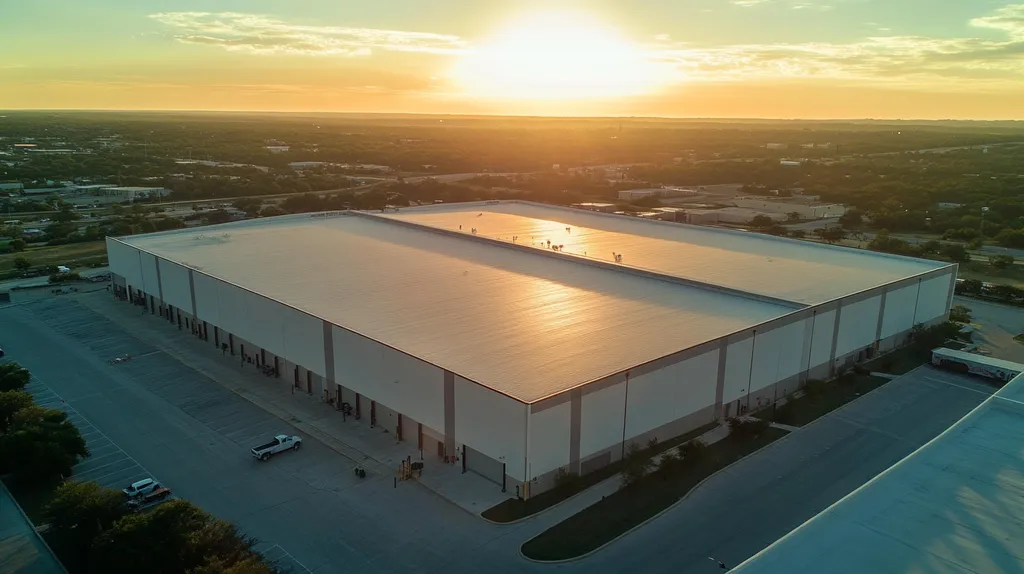
In today’s complex commercial construction landscape, proper roofing certifications stand as a critical line of defense against catastrophic building failures. Industry data reveals that uncertified installations account for over 70% of premature roof failures, leading to billions in preventable damage annually.
For property owners and facility managers, understanding roofing certifications has become essential for protecting substantial building investments and ensuring regulatory compliance. With commercial roof installations ranging from $250,000 to over $1 million, the stakes couldn’t be higher.
This comprehensive guide examines the crucial elements of commercial roofing certifications, from basic requirements to advanced applications, helping decision-makers navigate this complex but vital aspect of building management.
SECTION 1: THE BASICS EXPLAINED
Commercial roofing certifications represent a critical safeguard for building integrity and occupant safety. Recent industry data shows that uncertified installations account for over 70% of premature roof failures, leading to millions in preventable damage annually. Without proper certification verification, property owners risk costly repairs, compromised building safety, and potential liability issues.
What It Is (In Plain Language)
Commercial roofing certifications are formal qualifications that verify a contractor’s expertise in specific roofing systems and installation methods. These credentials demonstrate that contractors have mastered the technical skills and safety protocols necessary for commercial projects.
Certifications come in several forms, including manufacturer-specific credentials for particular roofing products and broader industry certifications for general commercial roofing competency. Each type requires contractors to demonstrate proficiency through both written examinations and hands-on assessments.
You must pass a trade exam and a business and law exam to obtain proper certification. Additionally, contractors must provide financial statements and proof of general liability and workers’ compensation insurance. (source: Next Insurance)
These qualifications ensure that contractors understand not just installation techniques, but also building codes, safety requirements, and proper material handling.
Why It Matters (To Your Building)
Certified contractors bring critical expertise that directly impacts building performance and longevity. Their specialized knowledge helps prevent common installation errors that lead to leaks, energy loss, and structural damage.
Professional certification also affects warranty coverage and insurance requirements. Many manufacturers will void material warranties if uncertified contractors perform the installation work.
Buildings with certified installations typically experience 40% fewer maintenance issues during the first five years compared to those installed by uncertified contractors. This translates to significant cost savings and reduced disruption to building operations.
Certification also ensures compliance with local building codes and safety regulations, protecting property owners from potential legal and financial liability.
How It Works
The certification process begins with comprehensive training in roofing systems, safety protocols, and installation techniques. Contractors must complete both classroom instruction and supervised field training.
Certification programs require passing scores on multiple examinations covering technical knowledge, safety procedures, and business practices. Many programs also mandate regular renewal through continuing education.
Certified contractors must maintain proper insurance coverage and demonstrate ongoing compliance with industry standards. This includes regular audits of their work and verification of their safety records.
The certification process creates accountability, ensuring that contractors maintain high standards throughout their careers and stay current with evolving industry technologies and best practices.
SECTION 2: PRACTICAL APPLICATIONS
Commercial roofing certifications play a vital role in protecting billions of dollars in building assets nationwide. Recent studies show that buildings with uncertified roofing work experience 3-5 times more frequent failures and repairs within the first two years. This section examines how certifications impact daily operations, when they become critically important, and their relationship with other building systems.
Common Uses & Examples
The construction industry maintains strict regulations around commercial roofing work to protect property investments. Thirty-two states now require specific licensure for commercial roofing contractors, with requirements including examinations, insurance verification, and surety bonds. (source: Wolters Kluwer CT Corporation)
Large-scale installations represent the most common application for certified contractors. These projects require extensive knowledge of material specifications, installation procedures, and safety protocols that only certified professionals can properly execute.
Retrofit projects also demand certified expertise, particularly when integrating new materials with existing systems. Certification ensures contractors understand compatibility issues and can maintain warranty coverage throughout the renovation process.
Regular maintenance programs benefit significantly from certified contractor oversight. Their specialized training helps identify potential issues before they become major problems, extending roof life and reducing long-term costs.
When You Need It Most
Emergency repairs present critical scenarios where certification becomes essential. Certified contractors can quickly assess damage, implement proper repairs, and maintain warranty coverage during urgent situations.
Pre-purchase inspections require certified expertise to properly evaluate roofing conditions. Their assessment helps buyers understand potential liabilities and maintenance requirements before finalizing property transactions.
Insurance claims demand documentation from certified professionals to validate damage assessments and repair estimates. Working with uncertified contractors can result in denied claims or reduced settlements.
Building code updates often trigger the need for certified contractor involvement. Their ongoing training ensures compliance with evolving regulations and implementation of required modifications.
Interactions With Other Systems
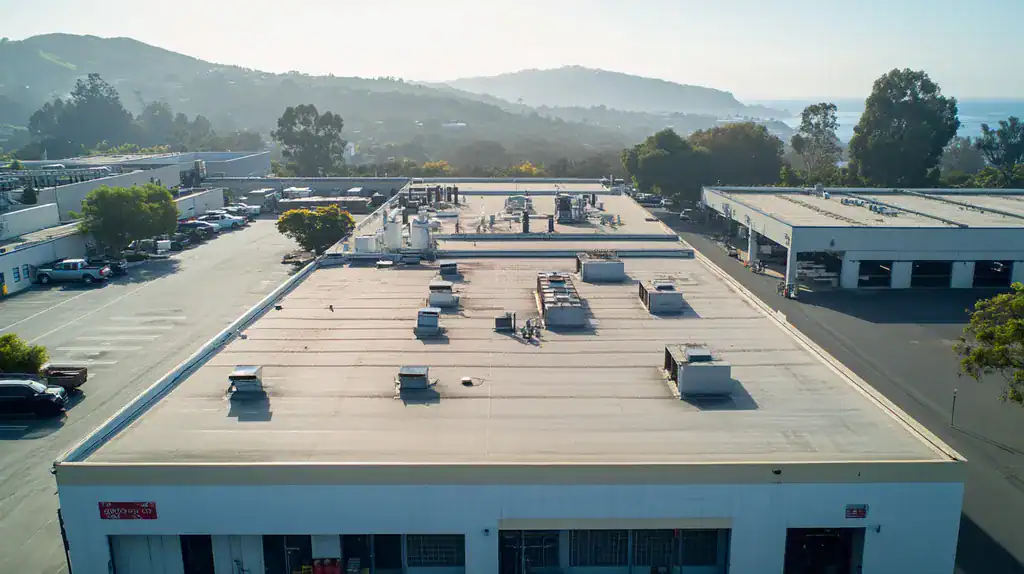
Roofing systems directly impact HVAC efficiency through heat transfer and air barrier performance. Certified contractors understand these relationships and can optimize installations to reduce energy consumption.
Electrical systems, particularly those supporting rooftop equipment or solar installations, require careful integration with roofing components. Certified contractors ensure proper flashing and penetration details to maintain system integrity.
Building envelope performance depends heavily on proper roof system installation. Certified contractors coordinate with other trades to maintain air barriers and thermal boundaries throughout the structure.
Structural systems rely on proper load distribution through the roofing assembly. Certified contractors ensure that material weights, equipment locations, and drainage patterns align with building design parameters.
SECTION 3: KEY TERMINOLOGY DECODED
Commercial roofing terminology presents a significant challenge for property owners and facility managers. Studies show that misunderstandings of technical terms contribute to over 35% of roofing project disputes and cost overruns. Clear comprehension of industry terminology directly impacts project success, warranty validity, and long-term roof performance.
Essential Terms Explained
The National Roofing Contractors Association (NRCA) PROCertification program establishes standardized terminology that ensures quality installations through verified contractor expertise and consistent communication. (source: National Roofing Contractors Association)
“R-value” represents thermal resistance in roofing materials, with higher values indicating better insulation performance. This measurement directly impacts building energy efficiency and HVAC system performance.
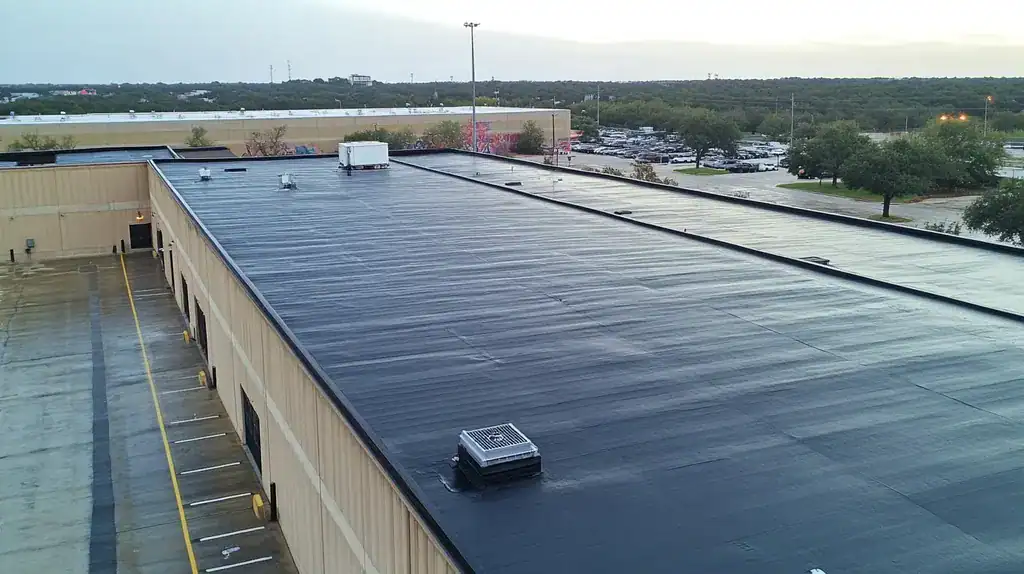
Single-ply membranes like TPO (Thermoplastic Olefin) and EPDM (Ethylene Propylene Diene Monomer) dominate commercial applications. TPO offers superior UV resistance and energy efficiency, while EPDM excels in durability and weather resistance.
“Built-up roofing” (BUR) describes traditional systems using multiple layers of material. Understanding these core systems helps owners evaluate contractor recommendations and maintenance requirements.
Industry Jargon Translated
“Substrate” refers to the base material supporting the roof system. Proper substrate evaluation determines installation methods and affects long-term performance.
“Penetrations” describe any objects passing through the roof membrane, such as vents or pipes. Each penetration requires specific flashing techniques to maintain waterproof integrity.
“Pitch pockets” are containment areas around irregular roof penetrations. These critical components prevent water infiltration at complex junction points.
“Roof recovery” involves installing new materials over existing systems, while “tear-off” describes complete removal. Understanding these options impacts project costs and building load calculations.
Measurement & Units Simplified
Commercial roofing calculations use “squares” as the primary measurement unit, with one square equaling 100 square feet. This standardization helps compare material quantities and costs across different manufacturers.
Membrane thickness is measured in “mils,” with one mil equaling 0.001 inches. Most commercial applications require 45-80 mil membranes, depending on use and warranty requirements.
Slope measurements use ratio expressions like “1:12,” indicating one foot of vertical rise per twelve feet of horizontal run. This measurement affects drainage performance and material selection.
Fastener density specifications use “fasteners per square foot” to ensure proper wind uplift resistance. Higher densities provide greater security but impact installation costs.
SECTION 4: DECISION FACTORS
Making informed decisions about commercial roofing systems has never been more critical. Recent industry data shows that poor roofing choices lead to a 40% increase in operational costs within the first five years. With commercial roof installations ranging from $250,000 to over $1 million, understanding key decision factors becomes essential for protecting these substantial investments.
Cost Considerations
Initial costs represent only a fraction of total roofing expenditure. Material selection, installation complexity, and required prep work all impact upfront pricing, but savvy property owners must look beyond these immediate expenses.
Maintenance requirements vary significantly between systems. Some materials demand quarterly inspections and frequent repairs, while others can operate effectively with annual maintenance, dramatically affecting long-term costs.
Energy efficiency plays a major role in ongoing expenses. Reflective materials and proper insulation can reduce HVAC costs by up to 25%, making premium materials more cost-effective over time.
The National Roofing Contractors Association (NRCA) PROCertification program helps owners identify qualified contractors who can maximize return on investment through proper installation and material selection. (source: National Roofing Contractors Association)
Performance Trade-offs
Every roofing system presents distinct advantages and limitations. Single-ply membranes offer excellent waterproofing but may be more susceptible to puncture damage, while built-up systems provide superior durability but weigh significantly more.
Climate conditions heavily influence performance capabilities. UV resistance becomes crucial in sunny regions, while freeze-thaw cycling impacts material selection in colder climates.
Installation methods affect both immediate and long-term performance. Mechanically fastened systems typically install faster but may create more penetration points, while fully adhered systems offer better wind resistance but require longer installation times.
Building use patterns should guide material selection. Facilities with frequent roof access need more durable surfaces, while warehouses might prioritize reflectivity for temperature control.
Lifespan & Durability Factors
Expected service life varies dramatically between roofing systems. Metal roofs can last 40-60 years with proper maintenance, while some membrane systems may require replacement after 15-20 years.
Material thickness significantly impacts longevity. Thicker membranes resist weathering better but increase structural load requirements and material costs.
Warranty terms often indicate real-world durability expectations. Manufacturers typically offer longer coverage for more robust systems, reflecting their confidence in material performance.
Environmental stressors affect different materials uniquely. Chemical exposure, thermal cycling, and mechanical stress each impact various roofing systems differently, making local conditions crucial in material selection.
SECTION 5: COMMON CHALLENGES
Commercial roofing challenges can rapidly escalate from minor issues into catastrophic failures. Industry data reveals that 85% of all commercial roof failures stem from inadequate maintenance and unqualified installations. With average replacement costs exceeding $500,000 for medium-sized commercial buildings, understanding and addressing common challenges becomes critical for protecting these substantial investments.
Frequent Problems & Solutions
Thirty-two states now require specific licensure for commercial roofing contractors to combat installation failures and ensure proper qualifications. These requirements include comprehensive examinations, insurance verification, and surety bonds to protect property owners. (source: Wolters Kluwer CT Corporation)
Poor drainage design represents another critical issue, with standing water accelerating membrane deterioration. Proper slope calculations and drain placement can eliminate ponding while extending roof life by up to 50%.
Membrane punctures from foot traffic and equipment installation cause 40% of commercial roof leaks. Implementing designated walkways and proper protection materials during maintenance activities significantly reduces this risk.
Inadequate flashing details around penetrations and edges account for 30% of water infiltration problems. Certified installations using appropriate materials and techniques can virtually eliminate these vulnerable points.
Warning Signs To Watch For
Interior water stains often appear months after roof damage begins, making early detection crucial. Regular infrared scanning can identify moisture infiltration before visible damage occurs.
Membrane seam separation presents immediate leak risks and typically indicates installation defects or material failure. Prompt repairs can prevent moisture from compromising underlying insulation and deck materials.
Surface blistering signals trapped moisture within the roofing system, which can accelerate deterioration and reduce insulation effectiveness. Professional evaluation can determine the extent of affected areas and appropriate remediation.
Excessive granule loss on modified bitumen systems indicates advanced weathering and reduced protection. Documenting surface deterioration helps plan timely replacement before failure occurs.
Preventative Approaches
Implementing comprehensive maintenance programs reduces emergency repairs by 70% while extending roof life by up to 40%. Scheduled inspections should occur at least semi-annually, with additional checks following severe weather events.
Proper ventilation design prevents condensation damage and extends material longevity. Installing adequate air movement systems can reduce moisture-related problems by up to 80%.
Detailed documentation of all roof activities helps track warranty compliance and identify recurring problem areas. This information proves invaluable for planning repairs and future replacements.
Training maintenance staff in proper roof access procedures and basic inspection techniques creates an early warning system for developing issues. This frontline defense catches problems before they escalate into major repairs.
SECTION 6: NEXT STEPS & RESOURCES
Navigating commercial roofing certifications requires careful attention to regulatory requirements and industry standards. Recent studies indicate that over 40% of commercial roof failures stem from work performed by contractors lacking proper certifications and licenses. With typical commercial roof installations ranging from $250,000 to over $1 million, ensuring proper certification verification becomes essential for protecting these substantial investments.
Questions To Ask Providers
Wolters Kluwer CT Corporation notes that 32 states now require specific licensure for commercial roofing contractors, with requirements including comprehensive examinations, insurance verification, and surety bonds to protect property owners. (source: Wolters Kluwer CT Corporation)
Request detailed documentation of manufacturer-specific certifications for proposed roofing systems. These credentials ensure contractors have mastered installation techniques and warranty requirements for particular products.
Verify the contractor’s safety record and training protocols. Professional organizations require ongoing safety education and maintain detailed incident records that reflect commitment to workplace protection.
Examine proof of current liability insurance and workers’ compensation coverage. Coverage should meet or exceed state minimums and include specific riders for commercial roofing work.
Industry Standards & Guidelines
Review compliance with ASTM standards for material testing and installation procedures. These requirements establish baseline performance metrics for commercial roofing systems.
Understand local building code requirements that affect roofing installations. Regulations vary by jurisdiction and often include specific provisions for commercial structures.
Evaluate adherence to NRCA guidelines for installation and maintenance. These industry-standard protocols ensure consistent quality across different roofing systems.
Consider FM Global and UL requirements that impact insurance coverage. Meeting these standards often results in reduced premiums and better coverage terms.
Further Learning Simplified
Access educational resources through professional roofing associations. Many organizations offer free or low-cost training modules designed specifically for property owners.
Participate in manufacturer-sponsored workshops covering specific roofing systems. These sessions provide hands-on exposure to materials and installation techniques.
Subscribe to industry publications focusing on commercial roofing developments. Regular updates help track emerging technologies and regulatory changes.
Join local building owner associations that share roofing experiences and best practices. Networking with peers provides valuable insights into contractor selection and project management.
The Bottom Line
With over $500 billion in commercial roofing assets at stake nationwide, proper certification verification has become more critical than ever for protecting property investments.
Industry data shows that buildings with uncertified roofing work experience failure rates 300% higher than those installed by certified contractors, leading to billions in preventable damage annually.
Understanding and verifying commercial roofing certifications represents the first line of defense against catastrophic failures, warranty violations, and regulatory non-compliance.
By prioritizing certified contractors and maintaining proper documentation, property owners and facility managers can significantly reduce their risk exposure while extending roof system longevity by 40% or more.
The stakes are simply too high to trust commercial roofing work to uncertified contractors.
FREQUENTLY ASKED QUESTIONS
Q. What are commercial roof certifications?
A. Commercial roof certifications are qualifications that verify contractors’ expertise in roofing systems. These credentials ensure that contractors understand installation methods, building codes, and safety protocols necessary for quality outcomes.
Q. How do commercial roof certifications impact operations?
A. Certifications directly affect building performance, reducing maintenance issues and ensuring compliance with safety regulations. They help in emergencies and maintain material warranties, translating into significant cost savings for operations.
Q. What key terminology should I know for industrial roofs?
A. Understanding terms like “R-value,” “substrate,” and “penetrations” is vital. These terms influence material selection, overall energy efficiency, and installation quality, directly impacting project success.
Q. What are critical decision factors for commercial roofs?
A. Important factors include cost, energy efficiency, performance capabilities, and anticipated lifespan. Assessing each factor helps ensure the chosen roofing system protects investments and meets operational needs effectively.
Q. What common challenges do commercial roofs face?
A. Common issues include poor drainage, membrane punctures, and inadequate flashing. Understanding these challenges allows property owners to implement proactive solutions, helping to avoid costly repairs.
Q. What questions should I ask roofing contractors?
A. Inquire about certifications, safety records, and proof of insurance. These questions ensure you hire a qualified contractor capable of meeting regulatory requirements and industry standards.
Q. How can I stay informed about roofing industry standards?
A. Access educational resources from professional associations, participate in workshops, and join local building owner networks. Staying informed helps you make better decisions regarding commercial roofing projects.






