

In commercial roofing, conventional problem-solving approaches are failing at an alarming rate, with 40% of roof repairs stemming from outdated practices and inadequate responses to unexpected issues.
While the industry clings to familiar solutions, property owners face mounting costs – averaging $9 per square foot for emergency repairs that could have been prevented with modern methodologies.
This analysis challenges established roofing practices, examining why traditional approaches fall short and exploring data-driven alternatives that promise better outcomes for commercial properties.
SECTION 1: CURRENT PRACTICES
In the dynamic arena of commercial roofing, the stakes couldn’t be higher for property owners. A staggering 40% of roof failures can be traced back to poor installation practices, as found in a 2022 report. Grasping the current landscape of commercial roofing is critical, as it lays a foundation for effectively tackling unexpected issues that may arise. This section delves into the popular roofing materials, standard installation techniques, and routine maintenance practices that define the industry today.
Common Roofing Materials Used
The selection of roofing material greatly influences both a building’s durability and its overall performance. Popular choices in commercial settings include single-ply membranes, built-up roofs, and metal roofing systems, each offering unique benefits such as weather resistance and longevity.
For example, thermoplastic polyolefin (TPO) is celebrated for its energy efficiency, while EPDM rubber shines in UV resistance. Yet, property owners often overlook their buildings’ specific needs when selecting these materials, setting the stage for costly repairs in the future.
Additionally, local climate plays a pivotal role in material effectiveness, as different roofing systems behave differently under various weather conditions. Ignoring these factors could lead to misapplied solutions, accelerating wear and increasing maintenance costs.
Ultimately, choosing the right roofing material tailored to a property’s individual circumstances is essential for achieving both longevity and efficiency. A solid understanding of available options empowers property owners to steer clear of the common pitfalls of misinformed decisions.
Standard Installation Methods
Installation approaches are crucial in determining the integrity of a commercial roof. Unfortunately, many contractors still rely on traditional methods that can inadvertently create weaknesses. For instance, the frequent mishandling of sealing at joints and penetrations remains a prevalent issue.
While skilled labor is essential, the consistency of execution can vary, leading to problematic installations that allow water infiltration. Such oversights can trigger larger structural challenges and lead to expensive repairs.
Other prevalent practices, like insufficient insulation or a lack of proper drainage planning, can significantly impact a roof’s effectiveness over time. Remaining tethered to conventional practices without assessing their relevance can put property owners at risk.
Exploring innovative technologies and methodologies in installation could significantly boost a roof’s longevity and performance, highlighting the need for practices that evolve with contemporary building standards. This willingness to adapt is vital in managing the increasing challenges posed by outdated methods.
Typical Maintenance Routines
Regular maintenance is often hailed as the secret sauce for prolonging a roof’s lifespan. Yet, many property owners mistakenly adopt a reactive maintenance strategy, tackling issues only once they surface. This approach can lead to unexpected failures and costly emergency repairs.
Often, routine inspections occur bi-annually with a focus on visible signs of wear. However, critical areas such as flashings or the spaces beneath membranes are frequently neglected, allowing minor problems to escalate before they are noticed. Proactive maintenance strategies could dramatically decrease these risks.
Some facility managers choose maintenance contracts for automated upkeep, but these agreements may not provide the customized inspections needed to catch issues before they escalate. An understanding of the intricacies of a specific roofing system is crucial for effective maintenance.
Shifting from reactive to proactive maintenance not only maximizes the life of the roof but can also save property owners significant expenses over time. Embracing comprehensive maintenance strategies equips facilities with better tools to navigate the unpredictable challenges in commercial roofing.
SECTION 2: SYSTEMIC ISSUES
The integrity of a commercial roof is pivotal to a property’s overall stability and value. In fact, studies reveal that a staggering 65% of rooftop failures are linked to systemic problems right from the start. By honing in on the root causes—like improper material selection, inadequate installation techniques, and neglected maintenance practices—property owners can take proactive steps to sidestep costly repairs and extend the lifespan of their roofs.
Improper Material Selection
Choosing the right roofing materials is essential for ensuring a roof’s durability and performance. Many property owners are tempted by low-cost options that may not be up to the challenge when faced with local weather conditions. For instance, opting for ordinary asphalt shingles in an area prone to heavy rainfall can lead to premature wear and tear.
Substandard materials often lack the necessary resilience for commercial use, making leaks and structural failures all too common. Not only does this create safety risks, but it can also lead to unforeseen repair expenses. It’s crucial to select materials that meet or exceed industry standards for long-term effectiveness.
Engaging with roofing professionals can help ensure that the chosen materials are appropriate for specific climates and building types. This foresight not only mitigates risks but can also enhance energy efficiency.
Investing in quality materials from the outset can yield significant savings over the roof’s lifespan by reducing ongoing maintenance requirements and extending overall performance.
Inadequate Installation Techniques
Even the finest materials can falter when installation methods fall short. Contractors sometimes rush through the process, neglecting vital industry best practices. This oversight can lead to improper sealing, misplaced fasteners, and insufficient drainage slope.
For example, without the correct pitch, water can accumulate in low areas, creating a perfect environment for mold growth and increasing leakage risks. Such oversights can dramatically reduce the roof’s lifespan.
Property owners should insist that their chosen contractors are certified and experienced with the specific roofing systems being employed. This diligence is crucial for minimizing the likelihood of early failures.
Conducting regular inspections during the installation process can help spot issues before they escalate. This measure underscores the importance of quality workmanship and attention to detail.
Neglected Maintenance Practices
Routine maintenance is essential for preserving the lifespan of a commercial roof. When maintenance is neglected, wear can accelerate, leading to serious issues later on. Research indicates that deferred maintenance can inflate replacement costs by 50% or more.
Common oversights include ignoring the buildup of debris, failing to keep drainage systems clear, and overlooking minor repairs. A roof that lacks regular maintenance becomes vulnerable to damage from environmental factors, resulting in costly leaks and potential structural issues.
Establishing a consistent maintenance schedule can help identify minor issues before they balloon into major problems. This proactive strategy keeps the roof in optimal condition, safeguarding both the building and its occupants.
Ultimately, investing in ongoing maintenance not only extends the roof’s lifespan but also upholds the overall value of the property—making it a savvy business decision.
SECTION 3: MISSED OPPORTUNITIES
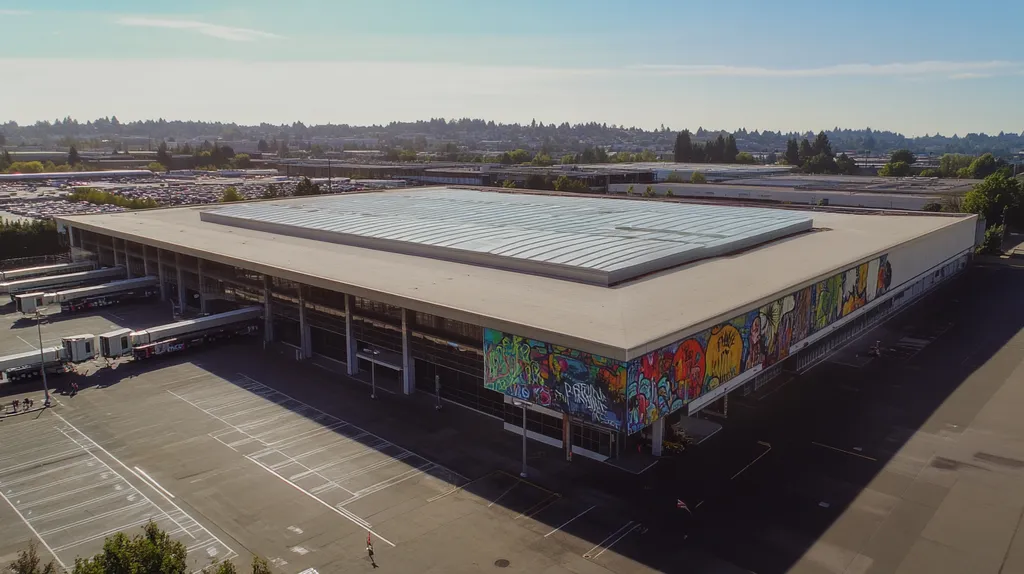
In the realm of commercial roofing, overlooking key factors can be more than just a minor oversight—it can lead to hefty financial repercussions. Shockingly, research shows that energy inefficiencies in commercial buildings account for a significant 30% of total energy consumption. As property owners and facility managers make critical decisions, they must confront missed opportunities surrounding energy efficiency, climate considerations, and the true costs of their roofing choices. Addressing these issues is essential for not only enhancing the lifespan and performance of a commercial roof but also for ensuring long-term financial viability.
Overlooking Energy Efficiency
Too often, property owners underestimate the crucial role that energy-efficient roofing solutions play in their overall costs. While traditional roofing materials may appear budget-friendly at first glance, they often lead to skyrocketing energy bills in the long run. Take, for example, a flat commercial roof that absorbs heat like a sponge; it can significantly hike cooling costs during the sweltering summer months.
By opting for reflective roofing materials, property owners can lower rooftop temperatures, effectively reducing their air conditioning demands. A cooler roof not only enhances indoor comfort but also extends the lifespan of the roofing system itself. By prioritizing energy efficiency, owners can unlock long-term savings while playing their part in sustainability efforts.
However, ignoring energy efficiency doesn’t just fatten operational costs; it can also hinder a property’s market appeal. Nowadays, more tenants and buyers are keen on sustainable features when making decisions. As a result, a shift towards roofs that bolster energy performance is essential for maintaining a competitive edge.
Maximizing energy efficiency has transitioned from a mere option to a necessity. The roofing industry must evolve to meet the demands of today’s eco-conscious stakeholders and ensure roofs resonate with core values of sustainability and efficiency.
Ignoring Climate-Specific Needs
Each geographic location presents unique challenges that any roofing solution must tackle. Despite this, many property owners default to generic roofing materials, disregarding the specific climate of their locale. For instance, in hurricane-prone zones, roofs must be fortified to withstand severe winds, yet many still opt for lightweight solutions that fall short.
Neglecting these climate-specific needs can spell rapid roof failure and eye-watering repair bills. A roof lacking the ability to manage heavy snowfall may collapse under the weight, resulting in significant damage. Strategically tailoring roofing solutions to local weather patterns fortifies assets and boosts durability.
Likewise, regions with high UV exposure demand specialized coatings that can reflect excessive sunlight, thus averting degradation. Ill-suited roofs not only create vulnerabilities but can also invite moisture intrusion and compromise structural integrity.
Consulting with roofing professionals who grasp regional challenges is crucial. Making informed, climate-conscious decisions helps property owners mitigate risks and extends their roofs’ lifespans significantly.
Disregarding Long-Term Costs
Many property owners focus laser-like on the initial price tag of roofing installation, neglecting to factor in long-term costs. This short-sightedness can morph into substantial financial burdens. For example, the allure of cheaper materials might be hard to resist, but they frequently demand a cycle of repairs and replacements that can quickly add up.
Long-term costs also encompass energy consumption, ongoing maintenance, and potential environmental fees. A roof of lower quality can escalate energy bills and put additional strain on HVAC systems. Over time, these expenses can surpass any initial savings from the cheaper solution.
Investing in high-quality materials and expert installation often results in longer lifespans and superior performance. A well-constructed roof not only maintains its integrity but also boosts property value, transforming what could be a financial burden into a wise investment.
Ultimately, property owners must adopt a holistic perspective on roofing expenditures by considering the total cost of ownership. Emphasizing durability and efficiency will lead to better outcomes, financially and operationally.
SECTION 4: ROOT CAUSES
Understanding the root causes behind unexpected commercial roofing problems is essential for property owners and facility managers. Alarmingly, research indicates that a staggering 30% of roofing failures arise from inadequate preparation and oversight. By tackling underlying issues such as improper licensing, inaccurate project estimations, and lackluster inspection processes, property owners can not only save time and money but also extend the lifespan of their roofs.
Lack of Proper Licensing and Certifications
Hiring unlicensed contractors is a gamble that many property owners cannot afford. These contractors often lack the necessary expertise to spot and address potential issues.
While many states mandate specific licensing and certifications, compliance is far too inconsistent across the industry. This slipshod approach can lead to shoddy workmanship that not only misses building codes but also heightens vulnerability to environmental threats.
For instance, an improperly installed membrane can void warranties and precipitate early roof failure, which in turn escalates repair costs. Investing in licensed professionals ensures compliance with industry standards, safeguarding both the building and its occupants.
Before starting any project, property owners should rigorously verify contractor credentials. A proactive check can lead to significant savings and prevent future headaches.
Insufficient Project Estimation
Robust project estimation is the backbone of any successful roofing venture. Unfortunately, when contractors underbid projects, they often leave insufficient resources allocated for materials and labor.
This shortfall leads to compromised quality, forcing contractors to rush and use substandard materials. The consequences can be dire, with problems arising long before the roof should have reached its expected lifespan.
For example, if a contractor miscalculates the labor required, they may cut corners during installation, leaving vulnerabilities that lead to leaks and other complications. Such oversights can not only increase expenses but also disrupt daily business operations.
To dodge these pitfalls, property owners should demand detailed project estimates that consider possible challenges. Careful budgeting protects against surprise costs and ensures a quality roof that withstands the test of time.
Inadequate Inspection Processes
A thorough inspection process is vital for extending the life of commercial roofs. Unfortunately, inadequate inspections often miss critical early warning signs, allowing small issues to snowball into major problems.
Routine inspections can catch issues like membrane punctures or seam failures, allowing for prompt repairs that prevent costly damages. However, many facility managers neglect this crucial maintenance step, often due to budget constraints or simply being unaware of its importance.
For instance, a tiny leak that goes undetected can erode structural integrity over time, leading to significant repair expenses. Proactive inspections, on the other hand, reduce this risk and help maintain a healthier bottom line.
Property owners should establish a regular inspection schedule and engage certified professionals to catch potential issues early. Prioritizing inspections can lead to lasting benefits and avert more severe roofing challenges down the line.
DATA DRIVEN EVIDENCE
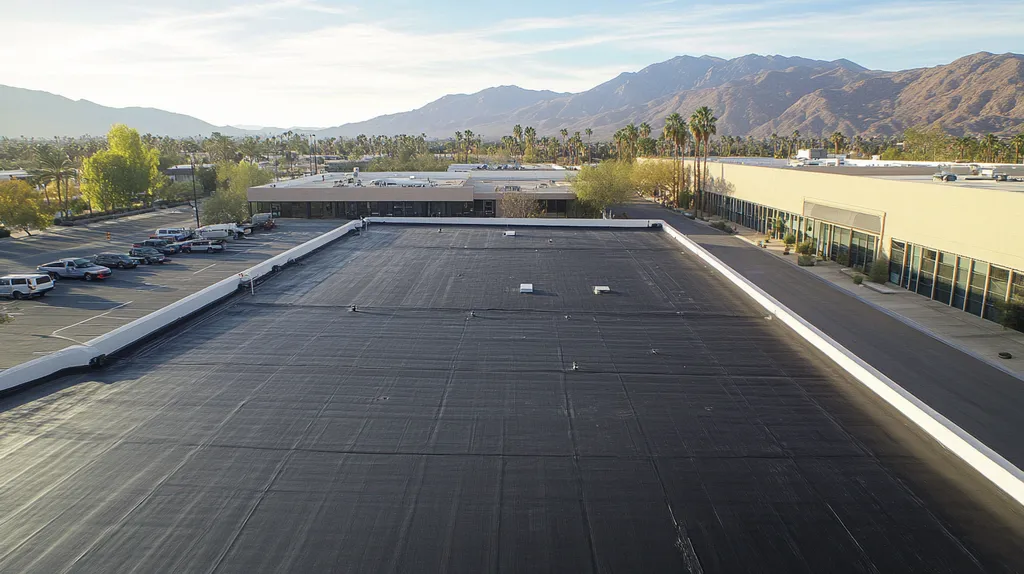
Every year, commercial roofs lead to substantial financial losses due to unexpected failures and costly repairs. Alarmingly, statistics indicate that nearly 30% of all roofing systems fail to last as long as intended. Understanding these failure rates, coupled with a clear picture of the cost associated with different roofing materials, can empower property owners and facility managers to make informed choices. This section delves into key statistical insights, a comparative analysis of material costs, and compelling case studies showcasing successful alternatives to traditional roofing practices.
Statistical Analysis of Roof Failures
The landscape of commercial roofing reveals startling trends regarding system failures. A recent report highlights that 25% of rooftops encounter significant leakage within just five years of their installation. For businesses, especially in industrial sectors, this can translate into steep repair costs and costly downtime.
Additionally, data suggests that improper installation and neglected maintenance are primary culprits behind these premature failures. Issues such as overlooked flashing and inadequate drainage can severely accelerate the wear-and-tear process, leading to substantial structural damage.
Familiarizing oneself with these trends can aid property owners in pinpointing vulnerabilities within their roofing systems. Awareness surrounding these failure statistics not only informs better material selection but also prompts proactive maintenance efforts, ultimately minimizing long-term financial impacts.
In conclusion, recognizing the statistical realities of roof failures fosters improved decision-making in terms of materials and maintenance strategies. This understanding serves as a strong foundation for adopting innovative solutions that mitigate the risk of costly issues.
Cost Comparisons of Different Materials
The choice of roofing material significantly influences long-term expenses associated with commercial roofing. For example, single-ply membranes like TPO and PVC often present lower initial installation costs compared to traditional built-up roofing systems. However, these must be weighed carefully against factors such as lifespan and required maintenance.
A study comparing roofing materials revealed that although EPDM may have higher upfront costs, its durability could result in significant savings related to maintenance and energy efficiency over time. Therefore, understanding the total lifecycle cost is crucial for property managers aiming for fiscal prudence.
Furthermore, a close analysis often shows that the cheapest initial option isn’t necessarily the most economical choice after considering potential repair expenses and ongoing energy use.
Ultimately, a comprehensive evaluation of material costs alongside their performance capabilities empowers property owners to devise roofing strategies that yield better financial outcomes.
Case Studies of Successful Alternatives
Several case studies demonstrate the tangible benefits of exploring alternative roofing solutions that step outside conventional practices. One striking example comes from a large retail facility that transitioned from a standard built-up roof to an innovative cool roofing system. This pivot led to a remarkable 30% reduction in energy costs, showcasing both significant financial and operational advantages.
Another noteworthy case involved a manufacturing plant that opted to replace its aging roof with a green roofing solution. This upgrade not only bolstered thermal insulation but also improved stormwater management, illustrating the environmental benefits of forward-thinking roofing decisions.
These case studies highlight the critical importance of evaluating alternative solutions to address specific roofing challenges. They provide compelling evidence that strategic changes in roofing materials can generate substantial benefits.
In the end, learning from such successful implementations encourages property owners to embrace change and consider modern alternatives that effectively safeguard their investments.
SECTION 6: ALTERNATIVE SOLUTIONS
The challenges facing commercial roofing today are as formidable as a rainstorm on a flimsy umbrella. With 35% of roofs failing prematurely due to subpar materials and installation practices, property owners and facility managers must take proactive measures to mitigate these risks. Innovative solutions in advanced materials, refined installation techniques, and sustainability present fresh opportunities for ensuring durability and efficiency. By considering these alternatives, stakeholders can potentially save costs and enhance their roofs’ lifecycle.
Advanced Roofing Materials and Technologies
The roofing industry is evolving, producing materials that offer not only enhanced durability but also impressive performance. Innovations like thermoplastic polyolefin (TPO) and ethylene propylene diene monomer (EPDM) boast superior resistance to UV rays, chemicals, and punctures. By incorporating these advanced materials, commercial roofs can see a significant extension in their lifespan, reducing the frequency of those frustrating repairs.
Moreover, cool roofing technologies are gaining popularity. These roofs reflect sunlight more effectively and absorb less heat—contributing to lower cooling costs in the sweltering summer months. Not only do they enhance energy efficiency, but they also promote a more sustainable urban landscape.
Smart roofing systems now include IoT sensors that monitor real-time conditions such as moisture levels and temperature fluctuations. This wealth of data allows for proactive maintenance, potentially preventing costly repairs down the line.
Investing in advanced roofing materials and technologies is not just a fad; it’s a strategic approach that promises reduced long-term costs and improved building performance.
Optimized Installation and Maintenance Strategies
Optimizing installation techniques can dramatically curtail unexpected roofing issues. Traditional methods often rely on guesswork, leading to installation errors that result in leaks and damage. Adopting techniques such as prefabrication can ensure elevated quality control, alongside reduced on-site construction time.
Equally important is embracing a rigorous maintenance schedule. Regular inspections and upkeep can extend a roof’s lifespan by as much as 25%. Facilities managers who take the time to consistently clean gutters and assess seams are primed to catch minor issues before they balloon into major headaches.
The development of training programs for installation teams further enhances their expertise in handling new materials and techniques. This ensures that contractors can utilize specialized materials effectively, minimizing costly installation slip-ups.
By leaning into refined installation strategies and maintaining diligent maintenance practices, property stakeholders can fortify their roofs against the unpredictable challenges that await them.
Sustainable and Energy-Efficient Roofing Systems
The growing push for sustainability is transforming building management, particularly in roofing systems. Green roofs, for example, provide impressive insulation benefits while fostering biodiversity. These systems can greatly improve a building’s thermal performance, resulting in meaningful reductions in energy consumption.
Moreover, incorporating reflective surfaces and solar panels can extend a roof’s lifespan while creating alternative energy sources. Buildings with solar roofs can significantly reduce energy costs and their reliance on non-renewable resources.
Sustainable materials, such as recycled rubber and environmentally friendly insulation, not only cut down on waste but also provide excellent insulation. These materials often come with lower lifecycle costs, making them another appealing option for budget-conscious facility managers.
By emphasizing environmental efficiency and sustainability, property owners can effectively tackle current roofing challenges while aligning with broader goals of corporate social responsibility.
Moving Forward
The commercial roofing industry stands at a critical crossroads, with 40% of roofs failing prematurely due to outdated problem-solving approaches, resulting in over $5 billion in annual repair costs.
The evidence clearly demonstrates that traditional methods are increasingly inadequate for modern building demands and environmental challenges.
Property owners who continue relying on conventional materials and practices face escalating maintenance costs, averaging 30% higher than those embracing innovative solutions.
By adopting data-driven decision making, advanced materials, and proactive maintenance strategies, stakeholders can significantly reduce unexpected issues while extending roof lifespans by up to 25%.
The future of commercial roofing lies not in patching old problems, but in preventing them through modern approaches and technologies that deliver measurable, long-term value.
FREQUENTLY ASKED QUESTIONS
Q. What are common issues with commercial roof installation?
A. Common issues often stem from poor installation practices, such as inadequate sealing and insufficient drainage planning. These mistakes can lead to premature failures and costly repairs. It’s vital for property owners to vet contractors thoroughly and ensure adherence to modern installation standards.
Q. How does improper material selection affect an industrial roof?
A. Selecting the wrong materials can accelerate failure rates and lead to frequent leaks. Many property owners opt for cheaper options but overlook their suitability for local weather conditions. This decision can result in elevated maintenance costs and significantly shortened roof lifespan.
Q. Why is routine maintenance crucial for a commercial roof?
A. Regular maintenance is essential because it identifies minor issues before they escalate into significant problems. Many facility managers neglect critical areas that contribute to roof failure. A proactive approach can prolong the roof’s life and save money on major repairs down the line.
Q. How can energy efficiency impact commercial roofing decisions?
A. Ignoring energy efficiency can lead to skyrocketing operational costs and diminished market appeal. Energy-efficient materials may have a higher upfront cost but reduce long-term energy bills. Investing in better insulation or reflective materials ultimately enhances sustainability and overall property value.
Q. What are the consequences of inadequate inspection for roofs?
A. Insufficient inspections can miss early warning signs like leaks or weak spots, which can snowball into costly repairs. Regular inspections and addressing minor problems proactively can significantly extend a roof’s life, whereas neglect might ultimately jeopardize the entire structure.
Q. How do alternative roofing solutions benefit property owners?
A. Alternative roofing solutions like green roofs or advanced materials can enhance durability and energy efficiency. These innovations often result in lower long-term costs and improved building aesthetics. Property owners should explore these options to align with sustainability goals and reduce operational expenses.
Q. Why should I invest in licensed roofing professionals?
A. Hiring licensed contractors ensures adherence to industry standards, reducing the risk of subpar workmanship. Unlicensed individuals might overlook codes and essential practices, leading to expensive failures. By investing in qualified professionals, property owners can protect their roofs and enhance longevity.






