
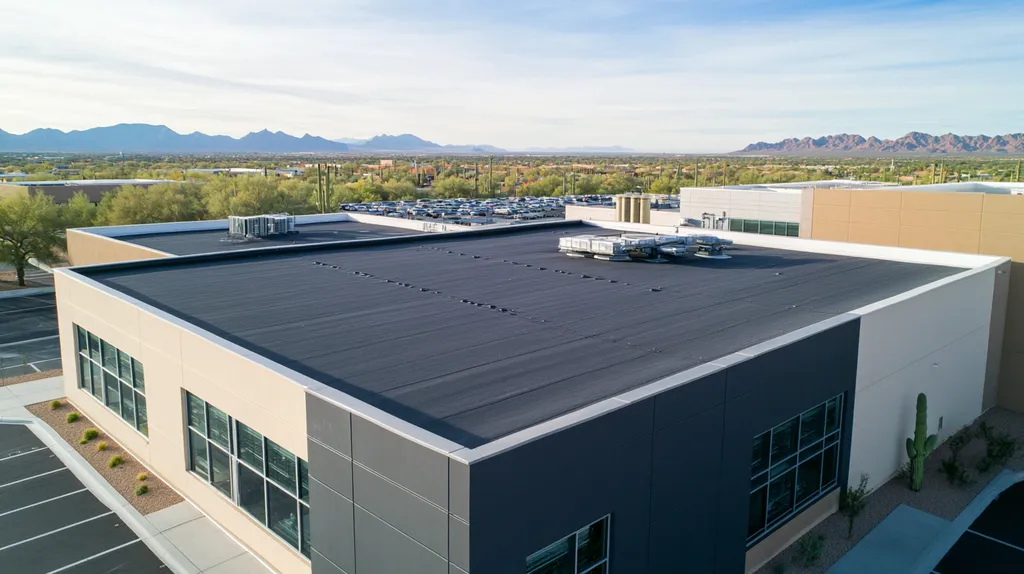
In industrial facilities across America, a staggering 40% of roof failures stem from inadequate initial design – a costly oversight that impacts everything from energy bills to structural integrity.
For facility managers and property owners, understanding the key elements of industrial roof design isn’t just about preventing leaks – it’s about protecting millions in assets and operations.
This comprehensive guide decodes the essential components of roof design assistance, from material selection to system integration, helping decision-makers navigate the complex world of industrial roofing with confidence.
SECTION 1: THE BASICS EXPLAINED
In the fast-paced world of industrial operations, a well-functioning roofing system is not just a luxury—it’s a necessity. A poorly designed roof can lead to hefty energy losses, dangerous structural issues, and substantial repair bills. Studies show that inadequate roof designs can sap up to 30% of your building’s energy efficiency! Grasping the fundamentals of roof design isn’t just smart; it’s essential for saving both time and money while ensuring a durable structure.
What It Is (In Plain Language)
Roof design is all about crafting a roofing system tailored to the specific needs of your building. This means choosing the right materials, style, and insulation methods that fit how your building is used and where it’s located. For industrial roofs, it’s crucial to include features like effective drainage and excellent thermal performance.
This isn’t merely about looks; roof design plays a vital role in durability, energy efficiency, and maintenance demands. A well-designed roof is like a robust shield, capable of withstanding harsh weather, improving insulation, and preventing leaks, ultimately ensuring it lasts longer and performs better.
To put it simply, roof design encompasses a range of factors that work together to create a resilient structure. Every decision made in the design phase can significantly impact the building’s overall performance and efficiency.
Investing in thoughtful roof design offers more than just visual appeal; it’s a strategic move that enhances operational efficiency and helps manage costs effectively.
Why It Matters (To Your Building)
Good roof design is crucial for protecting your industrial assets. A well-planned roof contributes to energy savings, which can lead to lower operational costs. For example, top-notch insulation can shave up to 25% off heating and cooling expenses.
Additionally, a carefully designed roof keeps water at bay and reduces the risk of leaks, preventing potential damage to both the structure and stored products. By putting roof design first, facility managers can ensure a safe and secure workplace for all.
Furthermore, the right roofing design can boost employee comfort and productivity. Adequate ventilation and thermal management foster a more pleasant workplace environment, positively influencing output and morale.
Ultimately, effective roof design serves as a bulwark against unexpected costs while promoting the long-term sustainability of the facility. In an age where energy costs keep climbing, investing in a sturdy roof is a smart choice that pays off.
How It Works
The process of effective roof design involves multiple stages and key considerations. First, it’s important to evaluate the specific needs of the building, including its intended use, geographic location, and climate conditions. This evaluation helps pinpoint the most appropriate materials and construction techniques.
Next, a load analysis is often performed to assess what the roof must support, such as HVAC units or heavy snow loads. This analysis is critical for making informed choices that enhance the roof’s lifespan and overall performance.
Different types of roofs, like flat or pitched styles, each come with unique advantages. For instance, flat roofs simplify mechanical system installations and can host rooftop gardens, while pitched roofs excel at directing water away and resisting severe weather conditions.
Working closely with design professionals is essential to comply with local building codes and sustainability standards. By integrating advanced technologies like energy-efficient materials and eco-friendly roofing solutions, facilities can markedly improve roof performance and durability.
SECTION 2: PRACTICAL APPLICATIONS
Industrial roof design isn’t just a behind-the-scenes operation—it’s the unsung hero that keeps businesses thriving. A misstep in roof design can lead to disastrous results, including steep repair bills and costly interruptions. In fact, studies indicate that a staggering 75% of roof failures stem from poor initial design. This section delves into the various applications of industrial roofing, highlights the critical moments when assistance is needed, and explores how roofs interact with other essential building systems.
Common Uses & Examples
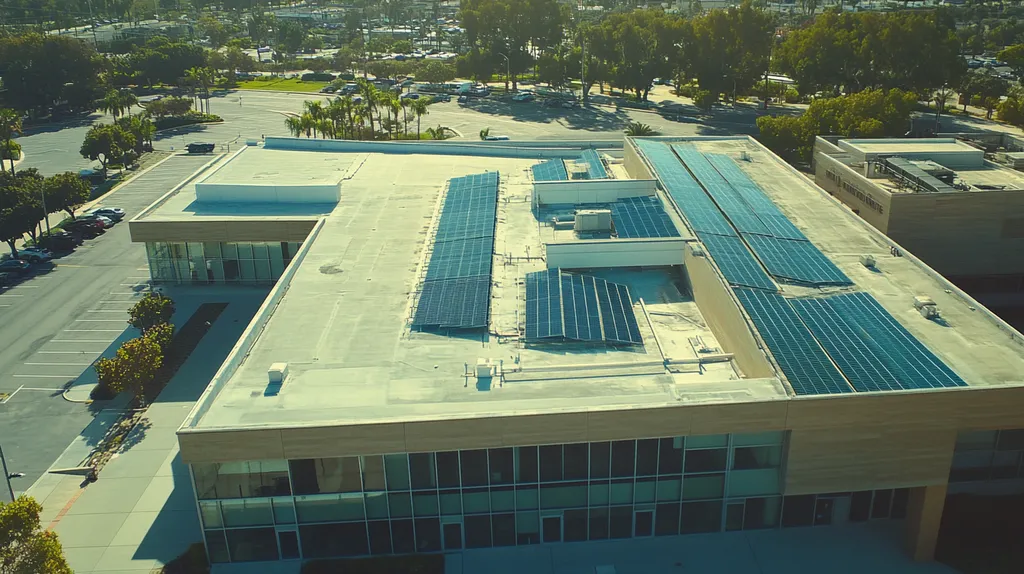
Industrial roofs are doing a lot more than just keeping the rain out—they are multi-functional powerhouses! These roofs must bear the weight of heavy machinery, HVAC systems, and even solar panels, which demand specialized designs. For example, manufacturing facilities often rely on reinforced thermoplastic membranes to withstand extreme weather and the constant foot traffic of maintenance personnel.
Warehouse roofs typically feature a sloped design to encourage efficient water drainage, significantly reducing the risk of leaks. It’s crucial for property owners to understand their roof’s specific role in protecting their assets and meeting safety standards.
Different industries have unique requirements as well. For instance, food processing plants often require hygienic roofing materials that can withstand rigorous cleaning protocols. Choosing the right design for each application not only boosts operational efficiency but also enhances asset protection.
In summary, understanding these diverse functions allows property owners to make informed decisions that align their roof design with both safety and operational goals.
When You Need It Most
Certain phases of a project demand expert design assistance more than others. When initiating roof design, tapping into professional expertise can help avoid costly miscalculations that might compromise structural integrity. Property owners should carefully consider environmental factors like local weather patterns and building codes to create safe and durable roofs.
Issues frequently arise during roof retrofitting. Installing new mechanical systems or implementing energy-efficient solutions calls for careful planning to ensure compatibility with existing structures. Neglecting this can lead to insufficient support or even structural overload.
Facility managers dealing with persistent leaks or maintenance headaches should revisit their design choices. Reflecting on past decisions can reveal opportunities for improvement that extend the roof’s lifespan.
Recognizing these critical moments for design help not only saves money but also ensures a smoother operation in the long term.
Interactions With Other Systems
An industrial roof is just one piece of the puzzle; it must interact seamlessly with other systems to function effectively. For example, roofs need to work in harmony with drainage systems to avoid water accumulation that could jeopardize the building’s structural integrity.
Additionally, the roof design must account for HVAC systems. Proper placement and insulation are vital for maintaining energy efficiency. Poor synergy can lead to increased energy costs and diminished performance.
Fire safety is another key consideration. Roofing materials must comply with fire-resistant standards to ensure safety and meet regulatory requirements. Integrating these safety systems into the design from the get-go minimizes risks and helps to create a secure environment.
In conclusion, understanding these critical interactions promotes a well-rounded approach to roof design. By considering how the roof interfaces with other systems, property owners can contribute to a more cohesive and efficient building ecosystem.
SECTION 3: KEY TERMINOLOGY DECODED
Navigating the world of roofing requires fluency in its unique vocabulary. For property owners and facility managers, misunderstanding roofing terms can lead to costly setbacks and missed opportunities for optimal performance. By decoding critical terminology and clarifying industry jargon, this section empowers decision-makers to choose the right materials, designs, and maintenance strategies that will keep their roofs—and their businesses—thriving.
Essential Terms Explained
When it comes to industrial roofs, specific terms are key to understanding their functionality. First up is “membrane.” This waterproof layer acts as a shield, protecting structures from leaks and environmental damage. A high-quality membrane is essential for maintaining a building’s integrity while keeping repair costs at bay.
Next, there’s “insulation.” Beyond keeping the building comfortable, effective insulation regulates temperature and lowers energy bills. Various materials, such as fiberglass, foam boards, or reflective insulation, serve distinct purposes depending on the roof’s design and location.
Another crucial term is “R-value,” which measures thermal resistance. A higher R-value signifies better insulation performance, allowing for greater energy savings and reduced emissions. This knowledge empowers property owners to select insulation materials that fit their efficiency goals.
Lastly, let’s discuss “drainage” systems. Proper drainage is vital for roof longevity, as it prevents water accumulation and the risk of leaks or structural damage. Roofs designed with optimal drainage in mind stand the test of time and weather.
Industry Jargon Translated
Industry jargon can often feel like a foreign language, making it essential to translate these terms into straightforward language. Take “thermal bridging,” for example. This term describes how heat escapes through more conductive materials, leading to energy loss. By understanding this, facility managers can make smarter insulation choices.
Then there’s the term “flat roof.” While it sounds simple, true flat roofs have a slight slope for drainage purposes. Clarifying this helps avoid installation pitfalls and ensures the roof maintains its structural integrity.
Finally, “flashing” is an essential component that prevents leaks at seams and joints. Knowing where and how flashing is applied can significantly enhance a roof’s performance and lower potential leak risks during heavy rainfall.
Measurement & Units Simplified
Precise measurements are the backbone of successful roofing projects, and simplifying the units can clear up confusion. For instance, roof area is typically measured in square feet, which is crucial for making accurate material estimates and pricing decisions.
In roofing, a “square” is a term used to represent 100 square feet, commonly seen in material sales. Familiarity with this unit helps property managers efficiently calculate the necessary roofing materials for any project.
“Pitch” refers to a roof’s slope, typically expressed as a ratio of vertical rise to horizontal run. Understanding pitch is vital for material selection, as it affects not only drainage but also ventilation and roof performance.
Lastly, thermal performance measurements are often given in British Thermal Units (BTUs). Being knowledgeable about BTUs aids in assessing insulation efficiency and energy use, key elements for making informed decisions during roof design.
SECTION 4: DECISION FACTORS
Making informed decisions about industrial roofing is vital for ensuring both long-term sustainability and cost-effectiveness. Alarmingly, studies reveal that nearly 85% of roofing failures are attributed to poor design or material selection. As property owners and facility managers navigate these waters, they must carefully consider various factors that will profoundly affect performance, maintenance, and overall expenses. This section explores essential elements, including cost considerations, performance trade-offs, and lifespan and durability factors that impact roofing choices.
Cost Considerations
Cost is at the forefront when selecting an industrial roof. While the urge to go for the lowest-priced option can be tempting, this strategy might lead to future headaches. A budget-friendly roof might necessitate more frequent repairs, driving up long-term costs considerably.
Property owners should examine not just the initial installation expenses, but also ongoing maintenance and potential downtime impacts. Investing in a quality roofing system may actually reduce maintenance costs over the years.
Energy efficiency should not be overlooked either; reflective roofing can significantly decrease heating and cooling bills, translating into savings that quickly cover the initial investment.
In the end, it’s crucial to balance upfront costs with expected longevity and energy efficiency, ensuring a financially sound decision that serves the facility well.
Performance Trade-offs
Performance attributes of roofing materials can differ dramatically, making it essential to select the right system. Each roofing solution—from single-ply membranes to robust metal options—carries its own set of pros and cons.
For instance, while built-up roofs may offer superior insulation and energy efficiency, they can also extend installation times. On the other hand, single-ply membranes allow for quicker installations but might not provide the same level of protection against extreme weather conditions.
These performance trade-offs become particularly crucial in areas subject to severe weather. A roofing solution needs to withstand local climate challenges while fitting within the property owner’s budget.
Recognizing these trade-offs aids stakeholders in making informed decisions that align with operational needs and local weather patterns.
Lifespan & Durability Factors
The lifespan and durability of a roofing system are key considerations in long-term planning. Different materials come with varied lifespans; for example, metal roofs can hold strong for over 50 years, while certain membranes may face replacement in just 20 years.
Durability matters because it significantly affects overall performance in adverse conditions. A roof designed to handle heavy rain or strong winds should utilize materials that meet those demands head-on, ensuring a reliable shield for your structure.
Moreover, property managers should look into warranty options tied to different roofing systems. A longer warranty can indicate the manufacturer’s confidence in their product, signaling anticipated durability.
By prioritizing lifespan and durability, stakeholders can make investments that not only address immediate needs but also safeguard the facility’s value in the long run.

SECTION 5: COMMON CHALLENGES
Industrial roofs encounter a myriad of challenges that can drastically influence both performance and operational efficiency. Stunningly, around 30% of commercial property owners grapple with roof-related issues each year, leading to significant water damage and structural concerns. This emphasizes the vital need for proactive roof management. By understanding typical challenges in industrial roofing, facility managers can develop effective strategies for prevention and maintenance.
Frequent Problems & Solutions
Among the most prevalent issues in industrial roofing are leaks, punctures, and inadequate drainage. Leaks often stem from materials breaking down or improper installation, causing serious structural damage over time. Punctures arise from foot traffic or equipment movement on the roof. Simple protective measures like walkways or designated pathways can dramatically minimize this risk.
Poor drainage represents another critical challenge, leading to dangerous water accumulation and leaks. Regular inspections and efficient drainage systems enhance water flow, bolstering roof integrity. Opting for high-quality materials further boosts durability against harsh weather conditions.
Implementing proactive solutions can eliminate the likelihood of these frequent headaches causing significant disruptions. Scheduled maintenance checks can catch issues before they escalate, ensuring that investments in roofing yield maximum performance and longevity.
Warning Signs To Watch For
Identifying early warning signs of roofing problems is crucial for effective management. Missing or damaged shingles can hint at underlying problems that deserve immediate attention. Dark spots or stains on roofing materials often indicate moisture infiltration, necessitating quick action to circumvent costly repairs.
Sagging or deformation is another red flag, suggesting potential structural concerns. Moreover, increased energy costs can signify a failing roof, leading to subpar insulation and ineffective temperature control.
Regular visual inspections are essential for catching these issues early. Facility managers are encouraged to maintain a checklist to systematically monitor their roofs’ conditions. Addressing problems as they arise can prevent minor concerns from growing into major challenges.
Preventative Approaches
Adopting a preventative mindset towards industrial roofing is critical for sidestepping common challenges. Establishing regular maintenance schedules can be a game-changer. Tasks might include clearing drains, inspecting seams, and checking for UV damage—essential actions that enhance the life and efficiency of the roof.
Upgrading roofing materials, like applying reflective coatings, can also provide extra protection against harsh weather while improving energy efficiency. This not only reduces wear and tear but contributes to long-term savings on operational costs.
Additionally, educating staff on proper rooftop access protocols is vital to avoiding damage from mishaps and careless handling. Highlighting the importance of adhering to established protocols ensures the roof remains a secure and functional component of the building.
SECTION 6: NEXT STEPS & RESOURCES
In the bustling arena of industrial roofing, making well-informed decisions is critical. With commercial roofs responsible for up to 20% of a facility’s energy consumption, poorly designed roofs can create significant cost and sustainability challenges. As property owners and facility managers navigate this complex landscape, having clear guidance is essential for optimizing performance. This section presents vital questions to ask roofing providers, outlines key industry standards, and suggests resources for ongoing learning.
Questions To Ask Providers
When engaging roofing providers, asking the right questions can save you from costly pitfalls. Begin by exploring their experience with industrial roofs; request case studies that highlight successes in projects akin to yours. Understanding their material selection process is paramount; will they focus on energy-efficient alternatives that align with your sustainability objectives?
Next, dive into warranty terms. A more extended warranty often signals confidence in the quality of the product. Discuss how the provider plans to support maintenance efforts post-installation, ensuring that your roof continues to function optimally throughout its lifespan.
Don’t forget to ask about custom design solutions. One-size-fits-all designs may not meet your building’s unique requirements. Tailored roofing options can significantly enhance both durability and energy efficiency.
Finally, ensure they are familiar with local building codes. Adhering to regulations not only helps avoid legal headaches but also reinforces the roof’s safety and durability.
Industry Standards & Guidelines
Grasping industry standards is crucial for effective roof design. Organizations like the National Roofing Contractors Association (NRCA) and the American Society for Testing and Materials (ASTM) establish guidelines that inform materials and construction practices. Familiarity with these standards enables property owners to evaluate the quality of both materials and craftsmanship.
Moreover, look for industry certifications, such as Energy Star for reflective roofing materials. These certifications often indicate enhanced efficiency, leading to long-term operational savings.
Staying updated with local regulations and building codes is equally important. Many regions have specific requirements regarding roofing techniques and materials that directly affect the roof’s performance. Compliance contributes to safety and can even influence insurance premiums.
Utilizing resources from professional organizations can provide an additional layer of insight into best practices. Comprehensive guidelines from these sources illuminate the critical role design plays in the success of industrial roofs.
Further Learning Simplified
Continued education is vital for mastering the intricacies of industrial roofing. Numerous resources simplify complex concepts for accessibility. Websites like the NRCA’s online learning platform offer engaging courses that tackle essential aspects of roofing design and maintenance.
Participating in webinars and industry conferences provides valuable opportunities to learn from experts while exploring cutting-edge technologies. These events can ignite innovative solutions and foster indispensable professional connections.
Subscribing to industry publications is another terrific way to stay informed. Many magazines and newsletters offer insights into new advancements and case studies that can positively impact decision-making.
Lastly, building a network with peers creates a platform for sharing experiences and solutions. Local roofing associations connect property owners and facility managers, cultivating a community focused on excellence in roof design.
The Bottom Line
With 40% of industrial roof failures stemming from design flaws, the stakes for proper roof design assistance couldn’t be higher.
Every decision made during the design phase ripples through decades of operational costs, energy efficiency, and structural integrity.
From material selection to system integration, thoughtful industrial roof design can slash energy costs by up to 30% while extending service life by decades.
The difference between mediocre and masterful roof design often means millions in avoided repairs, replacement costs, and business interruptions.
By leveraging professional design assistance and staying current with industry standards, facility managers can transform their roofs from potential liabilities into powerful assets that protect and enhance their operations for years to come.
FREQUENTLY ASKED QUESTIONS
Q. What is commercial roof design?
A. Commercial roof design involves tailoring a roofing system to meet the building’s specific needs. This includes selecting suitable materials, styles, and insulation methods, ensuring the roof performs efficiently in both durability and energy savings. A well-designed roof protects the facility and enhances operational effectiveness.
Q. How does an industrial roof function with other building systems?
A. An industrial roof must work in harmony with drainage and HVAC systems to ensure effective performance. Proper integration prevents water accumulation that could lead to structural damage, while ensuring that heating and cooling systems function efficiently. This collaboration enhances overall building sustainability.
Q. What are key terms related to commercial roofs?
A. Key terms include “membrane,” which protects against leaks; “insulation,” which manages temperature; and “R-value,” measuring thermal resistance. Understanding these terms empowers property owners to make informed choices about materials and design that optimize performance and energy efficiency.
Q. What factors affect industrial roofing decisions?
A. Important factors include cost, performance trade-offs, and durability. While initial price can tempt property owners, considering long-term maintenance and energy efficiency may result in lower overall costs. A well-chosen roof balances short-term savings with sustainable performance.
Q. What common challenges do industrial roofs face?
A. Common challenges include leaks, punctures, and drainage issues. Leaks may arise from material degradation or improper installations, while poor drainage can lead to water accumulation. Regular maintenance and inspections can elevate roof integrity and reduce the risk of costly problems.
Q. What questions should I ask roofing providers?
A. When evaluating providers, inquire about their experience with industrial roofs and ask for case studies. Discuss materials, warranty terms, and maintenance support to ensure that their services align with your facility’s specific needs and sustainability goals.
Q. How can I stay updated on roofing best practices?
A. Stay informed by participating in webinars and industry conferences addressing roofing design. Subscribing to relevant publications and engaging with local roofing associations fosters a community of knowledge sharing and offers insights into emerging technologies and best practices.






