
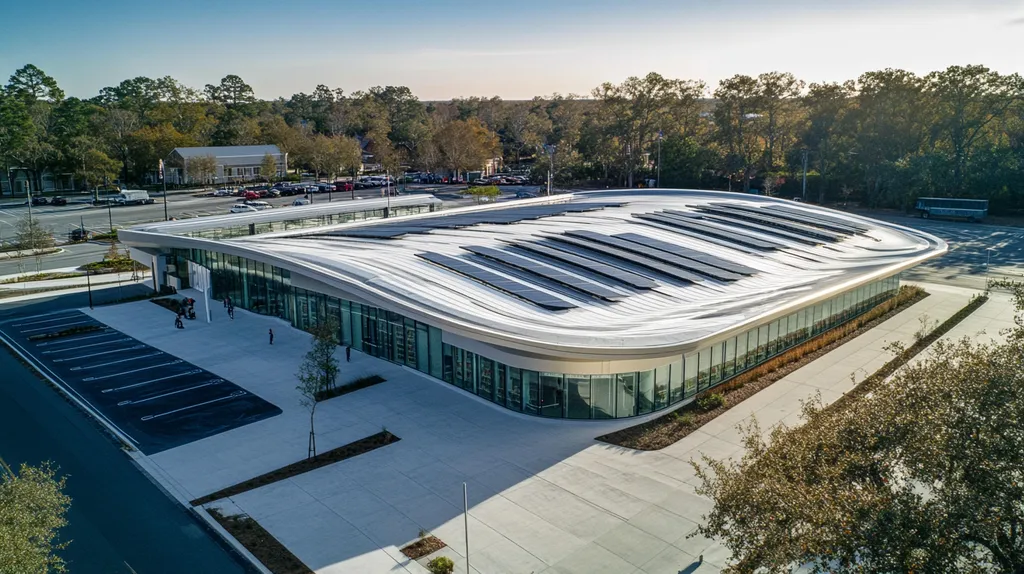
In the high-stakes world of industrial facilities, a roofing system failure can trigger a devastating chain reaction of equipment damage, production delays, and safety hazards. Studies show that 73% of commercial roof problems stem from poor initial system selection.
From energy-efficient membranes that slash utility costs to ultra-durable metal systems that laugh in the face of extreme weather, today’s industrial roofing options are more diverse and sophisticated than ever.
This comprehensive guide breaks down the essential factors in choosing the right roofing system, helping facility managers navigate materials, components, installation methods, maintenance requirements, and performance metrics to make informed decisions that protect their operations for decades to come.
SECTION 1: FUNDAMENTAL CONCEPTS
Choosing the right roofing system for an industrial facility isn’t just important—it’s essential. A poorly chosen roof can lead to hefty repair bills, operational delays, and even safety hazards. Imagine dealing with leaks that disrupt productivity and damage equipment! Understanding the various commercial roofing systems available and their unique benefits is vital for making informed decisions. This section will delve into key roofing materials, their essential properties, and how climate and building codes impact selection.
Types of Commercial Roofing Systems
Industrial facilities have a variety of roofing systems to choose from, each tailored for specific needs. Built-up roofing (BUR) systems, which use multiple layers of asphalt and felt, are known for their exceptional durability and weather resistance. On the other hand, single-ply membranes like TPO and PVC are lightweight and flexible, making them easy to install—perfect for flat roofs.
Metal roofing stands out for its strength and longevity, making it a go-to option in industrial settings. Resilient against severe weather, metal roofs demand minimal maintenance, resulting in fewer headaches down the line. Each roofing system comes with distinct characteristics that may fit various industrial applications.
Selecting the right roofing type also influences energy efficiency. Some materials like TPO have reflective properties that significantly reduce cooling costs. By understanding the differences, facility managers can make the best choice tailored to their unique demands.
The initial decision regarding roofing type is crucial, as it lays the groundwork for long-term performance and operational efficiency.
Roofing Material Properties and Benefits
Grasping the properties of roofing materials is key for facility managers looking to make the best choices. For instance, thermoplastic membranes such as TPO and PVC excel in energy efficiency, potentially saving significant amounts on utility bills over time. Plus, their resistance to chemicals and UV damage helps extend their lifespan.
On the flip side, EPDM rubber roofing systems are celebrated for their durability and ease of repair. Their elasticity allows them to handle extreme temperature changes, making them an ideal choice for facilities situated in diverse climates.
Metal roofing materials not only provide unmatched strength but also add to the visual appeal of a building, enhancing its overall look. Their remarkable longevity translates into lower life-cycle costs, making them an attractive investment for facility owners.
Ultimately, choosing roofing materials involves balancing upfront costs against long-term gains. A solid understanding of the properties and advantages of the options available leads to more informed, strategic selections.
Climate and Building Code Considerations
Climate is a game-changer when it comes to choosing a roofing system for industrial facilities. In hotter regions, reflective materials can help open up the financial vault by reducing cooling expenses. In contrast, facilities in snowy areas need roofs specifically designed to handle heavy loads without flinching.
Building codes also play a key role in roofing selections. Many local regulations set standards for material performance, insulation values, and fire resistance. Ignoring these can lead to costly penalties and rework, so it’s crucial for facility managers to review local codes before making roofing decisions.
Environmental factors, such as wind resistance, are also essential. Facilities located in hurricane-prone areas benefit from roofing systems engineered to withstand powerful winds, ensuring both safety and minimizing damage risk.
By addressing climate and building code considerations early in the decision-making process, facility managers will choose roofing systems that not only comply with regulatory requirements but also thrive in their specific environmental conditions. This proactive approach protects investments and enhances overall facility performance.
SECTION 2: SYSTEM COMPONENTS
When it comes to selecting the right roofing system, understanding its components is crucial. Many property owners and facility managers often overlook vital elements, setting the stage for significant long-term costs. In fact, nearly 85% of roofing failures stem from poorly designed or installed components. This section will break down key roofing system elements, focusing on membrane and insulation layers, reinforcement and adhesive systems, and flashings, gutters, and downspouts, while emphasizing their invaluable roles and impacts.
Membrane and Insulation Layers
At the heart of any industrial roofing system are the membrane and insulation layers. These layers serve as the first line of defense against harsh weather, directly affecting energy efficiency and durability. High-quality membrane materials like TPO or EPDM create a waterproof barrier that significantly reduces the risk of leaks.
Insulation is equally essential for regulating indoor temperatures and minimizing energy usage. With well-insulated roofs capable of slashing energy costs by up to 30%, selecting the right combination of membrane and insulation materials becomes critical to maximize both lifespan and performance.
Inadequate insulation can cause thermal bridging, where heat escapes through structural elements, resulting in higher HVAC expenses. Therefore, it’s imperative to choose insulation that complies with local energy codes and provides the best R-value for the climate.
Moreover, investing in advanced roofing membranes that resist UV damage and offer flexibility enhances the roof’s longevity, safeguarding the facility’s underlying structure from moisture infiltration.
Reinforcement and Adhesive Systems
Reinforcement and adhesive systems play a vital role in keeping roofing components secure against various stressors like high winds and temperature fluctuations. The quality of these systems can profoundly influence the lifespan of the roofing installation.
Common reinforcement methods include fiberglass mats and fabric scrims, which bolster the membrane layer’s strength. Choosing the right adhesive is equally important, as it determines bond strength and resistance to environmental elements such as water and thermal expansion.
Additionally, proper installation techniques are essential to minimizing the risk of delamination, where layers may separate and lead to leaks and deterioration. Many facility managers often underestimate the necessity of testing adhesive bonds and installations, exposing the roofing system to hidden vulnerabilities.
High-quality reinforcement materials and proper adhesive applications are key to mitigating risks from severe weather and enhancing the life expectancy of roofs.
Flashings, Gutters, and Downspouts
Flashings, gutters, and downspouts are crucial for managing water runoff and preventing moisture-related damage. Effective flashings act as barriers, keeping water from seeping into critical joints and seams, while appropriately sized gutters and downspouts facilitate efficient drainage away from buildings.
Many facilities suffer from significant damage due to inadequately designed drainage systems. If gutters lack the proper slope or size, they can overflow, leading to pooling around the foundation and potentially expensive repairs.
Selecting durable flashing materials that can withstand various weather conditions is essential. Options like copper or aluminum flashings offer lasting protection and adaptability to different architectural designs.
Regular inspections and maintenance of these components are critical to preventing clogs and ensuring proper functionality. Unfortunately, facility managers often overlook the need for consistent upkeep, aggravating existing problems and leading to even costlier solutions ahead.
SECTION 3: IMPLEMENTATION METHODS
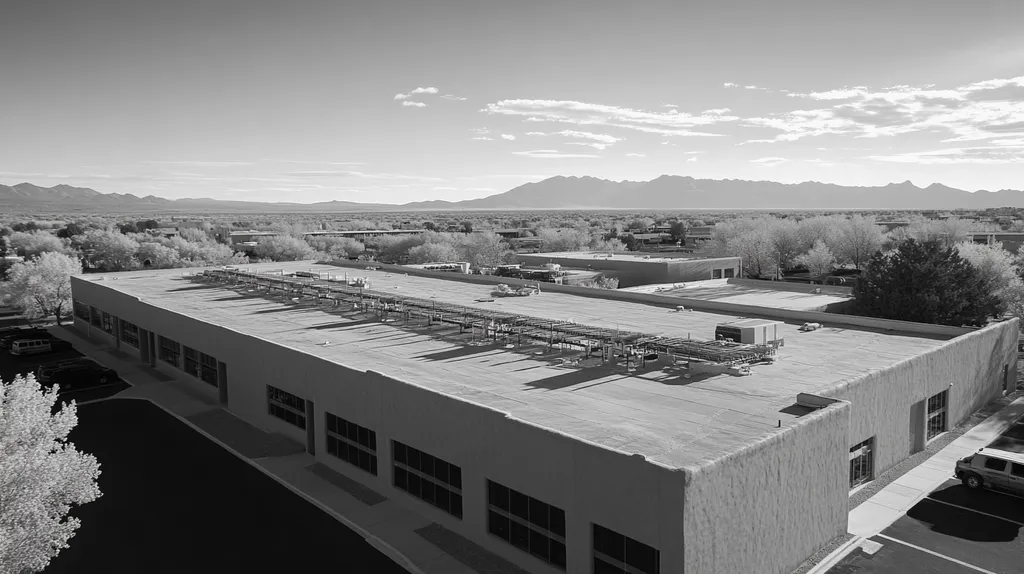
Selecting the right roofing system is only half the battle; how that system gets implemented is where the real magic happens. Effective installation and careful surface preparation are pivotal to ensuring a roof stands strong against time and the elements. This section emphasizes the crucial methods that not only enhance functionality but also fortify durability, ultimately protecting valuable assets.
Installation Techniques for Different Systems
When it comes to roofing, one size certainly does not fit all. Each system demands its own unique installation methods tailored to the specific materials and design at play. Take single-ply membranes like TPO or EPDM—they typically use ballast systems or adhesive methods that need skilled technicians to ensure that seams are airtight and well-sealed, warding off leaks.
Built-up roofing (BUR), on the other hand, relies on layering asphalt and felt. This technique requires a high level of precision to craft a durable barrier that can withstand the forces of nature. The chosen roofing system not only dictates the installation process but also influences how well the roof performs in the long run.
Metal roofing systems vary in their fastening methods, from mechanical seaming to clip installations. Each approach has its own advantages, primarily affecting the roof’s ability to handle temperature expansion and contraction, which is crucial for longevity.
Grasping the installation requirements specific to each roofing type can empower property owners to steer clear of common pitfalls that lead to unexpected failures and expensive repairs.
Surface Preparation and Application Procedures
Successful roofing starts with impeccable surface preparation, which is key to any roofing system’s longevity. The process kicks off with a thorough inspection of the existing structure to identify issues like moisture intrusion or structural weaknesses that need addressing right off the bat.
The surface should be clean and dry, free from any debris that could hinder adhesion. For roofs that will receive a new membrane or coating, removing contaminants like oil or grease is essential for a successful bond.
Specific roofing systems may have distinct preparation processes—for instance, spray-applied coatings require exceptional surface priming for optimal effectiveness. Proper application techniques, such as maintaining the right temperatures and mixing ratios, directly influence how well the installation will perform.
Skipping these important preparation steps can lead to severe issues—think blistering or a decrease in insulation performance—that ultimately compromise the roof’s integrity.
Ensuring Proper Slope and Drainage
Ensuring proper slope and drainage should be top of mind during roofing design and installation. A flat or poorly sloped roof can turn into a water trap, leading to leaks and potential structural damage. The industry standard recommends a minimum slope of 1% to ensure effective water drainage.
Incorporating adequate drainage solutions, such as scuppers or internal drains, is paramount. A roof lacking a proper drainage system can easily become overwhelmed and allow water to pool, which could accelerate wear and create a host of other issues.
Additionally, a well-thought-out roof design should include strategies for snow and ice melt during winter months to prevent excessive load stress that could lead to structural failure. Efficient drainage contributes to a roof’s resilience against extreme weather, protecting the entire building’s infrastructure.
By making slope and drainage a priority, facilities can enhance the lifespan of their roofs and avoid costly, disruptive repairs in the future.
SECTION 4: MAINTENANCE REQUIREMENTS
Regular maintenance is not just a suggestion—it’s a critical necessity for industrial roofing systems. Neglecting this vital aspect can lead to skyrocketing repair costs, as even the smallest leaks can evolve into major damage. In fact, a staggering 90% of roofing failures stem from inadequate maintenance. This section highlights key practices, including routine inspections and leak detection, effective repair techniques, and the establishment of a preventative maintenance schedule to keep roofs in peak condition.
Regular Inspection and Leak Detection
Regular roof inspections are an essential element for preserving the integrity of industrial roofing systems. A routine check can spot potential problems before they escalate into significant issues. Inspectors should look for visible wear and tear indicators, such as cracks, blisters, or sagging areas.
Leak detection is an integral part of inspections. Many leaks are elusive and not immediately visible, so employing techniques like infrared thermography or moisture meters can be invaluable. These tools identify trapped moisture before it develops into a major leak.
Moreover, inspections should be conducted at least twice a year, ideally in spring and fall. Seasonal check-ups allow property owners to address damages caused by winter weather or spring storms before they can worsen.
Involving trained professionals is crucial for a thorough assessment. Their expertise enables them to identify critical issues early and keep roofs functioning optimally.
Repair and Patching Techniques
When problems arise, prompt and effective repairs are essential for preserving the longevity of the roof. Industrial roofing systems face harsh conditions and are prone to damage, making the ability to patch these areas properly crucial.
The repair technique chosen will depend on the roofing material in use. For instance, repairing thermoplastic membranes necessitates welding, while EPDM roofs often need adhesives or patches. Being knowledgeable about specific systems is key to ensuring effective repairs.
Additionally, it’s vital to use high-quality materials during repairs. Relying on subpar materials can compromise the integrity of a patch, potentially leading to more extensive issues later. Remember, investing in quality materials continues to pay off in long-term durability.
Regular training for maintenance staff on emerging repair techniques can significantly enhance repair effectiveness. As roofing technology advances, so should the skills of those responsible for its upkeep.
Preventative Maintenance Schedules
A well-structured preventative maintenance schedule can translate into substantial savings for industrial facilities. By adhering to a clear schedule, property owners can plan for regular inspections and necessary repairs, alleviating the stress of unexpected emergencies.
Best practices involve creating a maintenance calendar detailing when inspections and repairs should occur. This schedule should remain flexible to adjust for weather changes or unforeseen events.
Documenting all maintenance activities is also advisable. Keeping a record of these efforts helps track the roof’s condition over time and proves helpful for future inspections or warranty claims.
Engaging a professional roofing contractor for ongoing maintenance can further enhance adherence to best practices. These experts have the knowledge and experience to implement effective maintenance strategies tailored to each roofing system.

SECTION 5: PERFORMANCE METRICS
Selecting the right roofing system for industrial facilities carries significant weight. A poorly chosen roof can result in inflated repair bills, hefty disruptions, and safety concerns. Alarmingly, nearly 30% of commercial roof failures stem from overlooking critical performance metrics during initial selection. This section dives into essential metrics—weather resistance, energy efficiency, and fire and wind ratings—that directly influence a facility’s operational effectiveness and long-term financial health.
Weather Resistance and Durability
Weather resistance stands as the cornerstone of any successful industrial roofing system. Roofs face relentless exposure to rain, snow, and temperature extremes. Research shows that roofs lacking durability tend to falter quickly, leading to leaks and structural issues.
For instance, single-ply membranes shine with exceptional weathering capabilities, demonstrating resilience against UV rays and high winds. Choosing roofing materials with superior resistance ratings ensures that your system can withstand local climatic conditions without breaking a sweat.
Facility managers should prioritize warranties connected to these weather resistance metrics. Manufacturers often back up their products with extended warranties tailored for roofs that can endure certain weather challenges. This adds an extra layer of financial protection in case things don’t go as planned.
In summary, investing in a robust roofing system not only boosts performance but also cuts down on long-term repair costs, ultimately enhancing the overall durability of the facility’s infrastructure.
Energy Efficiency and Thermal Performance
Energy efficiency isn’t just marketing fluff; it’s a vital performance metric that dramatically affects a facility’s operating expenses. A well-insulated roof can slash heating and cooling costs, which typically account for a sizable chunk of the operational budget.
Roofing materials that boast high thermal performance ratings, including reflective coatings, help keep indoor temperatures steady. According to a study by the Department of Energy, reflective roofs can reduce cooling energy use by as much as 15% in warmer climates.
Furthermore, designs focused on energy efficiency can boost your facility’s sustainability image, making it appealing to eco-conscious clients and investors alike. Governments frequently offer incentives for buildings that hit specific energy efficiency benchmarks, enhancing the financial upside.
Ultimately, selecting roofing systems with established energy efficiency metrics not only curtails expenses but also promotes environmental responsibility.
Fire and Wind Uplift Ratings
Fire and wind uplift ratings are non-negotiable when it comes to securing the safety of an industrial facility. Beyond weather challenges, roofs must also be prepared for fire hazards. Using materials with high fire ratings significantly lowers the risk of fire spreading, providing crucial time for personnel evacuation.
Take materials rated Class A for fire resistance, for example—they go through rigorous testing and are crucial in areas with higher fire risk. Opting for such materials can also lead to reduced insurance costs and a safer environment for workers and stored goods.
Wind uplift ratings are equally vital, particularly in regions often battered by high winds. Roofing systems must adhere to stringent uplift standards to prevent catastrophic failures during storms. Buildings with properly rated roofs are less likely to suffer serious damage in severe weather conditions.
In conclusion, placing a strong emphasis on fire and wind uplift ratings when selecting roofing materials is essential for protecting assets and ensuring the safety of everyone involved.
SECTION 5: PERFORMANCE METRICS
Selecting the right roofing system for industrial facilities is a high-stakes decision that can significantly impact a business. A misstep in this area can result in skyrocketing repair costs, unexpected downtime, and serious safety risks. Alarmingly, nearly 30% of commercial roof failures are attributed to overlooking important performance metrics during the selection process. This section uncovers essential metrics—including weather resistance, energy efficiency, and fire and wind ratings—that are critical for ensuring operational success and long-term cost efficiency.
Weather Resistance and Durability
Weather resistance is the bedrock of a robust industrial roofing system. Roofs endure relentless exposure to rain, snow, and extreme temperatures. Research indicates that roofs lacking durability can deteriorate rapidly, leading to frustrating leaks and structural problems.
Take single-ply membranes, for example—they are celebrated for their exemplary weathering capabilities. With a proven ability to resist UV rays and high winds, these materials help minimize damage over time. By choosing roofing materials with top-notch resistance ratings, facility managers can ensure their roofing systems withstand the specific climate challenges in their region.
Additionally, warranties related to weather resistance are worth considering. Many manufacturers back their products with extended warranties for systems that demonstrate resilience against local weather patterns. This added assurance can provide peace of mind and financial security if the roof fails unexpectedly.
Ultimately, investing in a high-durability roofing system not only cuts down on costly repairs but also extends the lifespan of the entire building, significantly enhancing the overall structure’s value.
Energy Efficiency and Thermal Performance
Energy efficiency is not just an industry buzzword; it represents a vital performance metric that can significantly affect operational expenses. A well-insulated roof can lead to substantial cuts in heating and cooling costs—expenses that often comprise a large portion of a facility’s budget.
Opting for roofing materials with excellent thermal performance ratings, such as reflective coatings, can have a remarkable impact. The Department of Energy’s findings show that reflective roofs can reduce cooling energy use by up to 15% in warmer climates, keeping operational costs down and comfort levels high.
Furthermore, investing in energy-efficient designs enhances a facility’s sustainability profile, attracting eco-conscious clients and investors. Many governments provide incentives for buildings meeting specific energy performance benchmarks, amplifying the financial benefits of making these smart choices.
In summary, selecting roofing systems with verified energy efficiency metrics not only reduces costs but also reinforces a commitment to environmental responsibility.
Fire and Wind Uplift Ratings
Fire and wind uplift ratings are crucial for safeguarding industrial facilities. These roofs must stand up to not just harsh weather but also potential fire hazards. Utilizing roofing materials with high fire ratings can significantly limit the risk of fire spreading, thereby allowing precious time for evacuation if necessary.
For example, materials rated Class A for fire resistance undergo rigorous testing and are indispensable in high-risk areas. Choosing such materials can also lead to lower insurance premiums while ensuring a safer environment for both employees and valuable goods stored within the building.
Similarly, wind uplift ratings cannot be overlooked, especially in locations frequently buffeted by strong winds. Roofing systems must meet strict uplift standards to prevent catastrophic failures during storms. Research shows that buildings equipped with compliant roofing systems are significantly less likely to sustain major damage during severe weather events.
In conclusion, prioritizing fire and wind uplift ratings during the roofing selection process is essential for protecting valuable assets and ensuring the safety of all personnel involved.
The Bottom Line
With over 70% of industrial roof failures traced back to poor system selection, the stakes couldn’t be higher for facility managers making roofing decisions.
Today’s industrial roofing landscape offers unprecedented options, from energy-efficient TPO membranes that can slash cooling costs by 15% to ultra-durable metal systems rated for extreme weather conditions.
Success hinges on carefully evaluating six critical factors: fundamental roofing concepts, system components, implementation methods, maintenance requirements, performance metrics, and optimization strategies.
By following this comprehensive framework, facility managers can select roofing systems that not only protect their operations but also maximize ROI through reduced energy costs, minimal maintenance needs, and extended service life.
The right choice today means decades of reliable protection tomorrow.
FREQUENTLY ASKED QUESTIONS
Q. What should I consider for my commercial roof?
A. Consider durability, climate conditions, and building codes. Understanding your available options is crucial for long-term performance. Prioritize materials that can handle local weather patterns while offering energy efficiency and strong warranties. This helps protect your investment and ensures operational continuity.
Q. What are essential components of an industrial roof?
A. Key components include membrane layers, insulation, reinforcement methods, and flashings. These parts work together to ensure durability and efficiency. Proper installation and maintenance of these components prevent costly leaks and extend the roof’s lifespan significantly.
Q. How important are installation methods for industrial roofs?
A. Installation methods are critical! Each roofing type has specific techniques ensuring functionality and durability. Proper installation prevents issues like leaks and promotes long-lasting performance, saving you from frustrating breakdowns and costly repairs down the line.
Q. How often should I maintain my industrial roof?
A. Regular inspections at least twice yearly are recommended. Seasonal check-ups help catch potential issues before they escalate. Develop a preventative maintenance schedule to address repairs promptly and track your roof’s condition, ensuring a healthier investment over time.
Q. What performance metrics should I prioritize for my commercial roof?
A. Focus on weather resistance, energy efficiency, and fire ratings. These metrics affect operational costs and safety. Choosing materials with robust performance will reduce maintenance needs and ensure that your roof can withstand harsh conditions over the years.
Q. What types of roofs are best for energy savings?
A. Reflective materials such as TPO and PVC excel in energy efficiency. These roofs help reduce heating and cooling costs significantly. Choosing energy-efficient options also enhances your facility’s sustainability profile, attracting eco-conscious clients and reducing long-term expenses.
Q. How can local climate impact my industrial roof choice?
A. Local climate dictates the type of roofing material you should choose. For instance, reflective roofs work well in hot areas, while regions with heavy snowfall need roofs that can support added weight. Analyzing climate carefully helps ensure long-term durability and performance.






