

Commercial building owners lose an estimated $30 billion annually due to inefficient roofing systems, yet widespread misconceptions about energy upgrade costs continue to prevent critical improvements.
Traditional cost calculations consistently undervalue the long-term financial benefits of energy-efficient roofing, leading to missed opportunities for significant operational savings and enhanced property values.
This analysis challenges established assumptions about commercial roof energy upgrades, examining current practices, systemic issues, and evidence-based solutions that demonstrate the true return on investment for modern roofing technologies.
SECTION 1: CURRENT PRACTICES
In the realm of commercial roofing, present practices reflect a crucial intersection of challenges and opportunities for enhancing energy efficiency. Buildings in the United States consume nearly 40% of total energy, underscoring the vital role commercial roofs play in mitigating energy use. Unfortunately, many property owners continue to rely on outdated materials and designs, which hinder optimal energy performance. Gaining an understanding of these current practices is essential for making decisions that not only align with environmental goals but also lead to significant cost savings over time.
Standard Roofing Materials and Designs
Asphalt shingles and tar-based roofing solutions remain dominant in the commercial sector. Although economical, these materials generally lack the reflective qualities needed to enhance energy efficiency. Consequently, buildings often incur increased cooling costs during summer months due to higher heat absorption.
Flat roofing designs, frequently employed in many facilities, are prone to water pooling, compromising structural integrity and leading to accelerated degradation. Such conditions not only reduce a roof’s lifespan but also compel HVAC systems to work harder to maintain comfortable indoor temperatures, thereby increasing energy consumption. While advanced, energy-efficient designs are emerging, the industry’s adherence to established standards presents a significant barrier to change.
Moreover, factors like longevity and maintenance of standard roofing materials are frequently underestimated. Property owners may face unexpected replacement costs, eroding any initial savings. Transitioning to more sustainable roofing options can dramatically enhance energy performance while extending the longevity of the roof itself.
Innovative materials, such as cool roofs and reflective membranes, are gaining momentum in the market. These advancements offer not only energy savings but also improved durability and lower overall lifecycle costs. Nonetheless, many property owners hesitate to adopt these technologies, primarily due to concerns over perceived high upfront costs.
Common Energy Efficiency Measures
Energy efficiency strategies in roofing predominantly center on enhancing insulation and surface reflectivity. Improved insulation minimizes thermal transfer, which can significantly lower heating and cooling expenses for facilities. Despite this, many installations fail to realize their full energy-saving potential because the performance of the building envelope is often undervalued.
Utilizing reflective coatings and roofing materials can significantly diminish heat absorption, helping buildings maintain cooler indoor environments. Unfortunately, many property managers are either unaware of these options or fail to appreciate their potential benefits. This oversight results in substantial missed opportunities for energy savings, particularly in hotter climates.
Routine maintenance of roofing systems is another crucial yet frequently overlooked component of energy efficiency. Regular inspections can catch minor issues before they escalate, ensuring roofs function effectively as energy barriers. Property owners need to recognize that proactive maintenance contributes to improved energy conservation.
Incorporating sophisticated technologies, such as photovoltaic systems or green roofs, can further elevate energy performance. While these solutions may represent higher initial costs, they promise significant long-term savings and environmental advantages. The ongoing challenge lies in reframing the perception of short-term investments in light of their long-term returns.
Typical Cost Calculation Methods
Current cost calculation methods in roofing often rely on simplified approaches that overlook the potential for long-term energy savings. Many property owners focus solely on upfront expenses, neglecting to consider the hidden costs associated with inefficient roofing systems. This limited perspective frequently leads to increased operational expenses throughout the roof’s lifespan.
Standard practices typically calculate costs on a per square foot basis, failing to capture the comprehensive value of energy-efficient upgrades. A thorough cost analysis should account for factors such as anticipated energy savings, lifecycle performance, and maintenance expenses. By disregarding these critical elements, building owners miss out on a clearer understanding of potential returns.
The unpredictability of energy prices introduces further complexity to cost estimates. While a material may appear affordable today, rising energy costs can quickly turn that decision into a financial burden. This reality highlights the necessity of selecting roofing systems that consistently promote energy savings.
To enhance investment decisions, property owners should engage in energy audits and long-term financial projections. Equipped with in-depth evaluations, they can make informed choices that align with both immediate budgetary constraints and future savings. A shift toward more comprehensive cost calculation methodologies is essential for advancing the industry’s energy efficiency initiatives.
SECTION 2: SYSTEMIC ISSUES
The commercial roofing industry faces significant systemic challenges that impede energy efficiency. Insufficient insulation, inadequate ventilation, and widespread reluctance to adopt advanced roofing technologies contribute to soaring energy costs and hinder environmental sustainability. These issues create financial burdens for property owners and facilities managers alike. Addressing these systemic problems is not optional; it is essential for unlocking real energy savings and enhancing overall building performance.
Inadequate Insulation and Ventilation
Insulation and ventilation form the backbone of efficient commercial roofing systems. Poor insulation can cause heat loss during winter and excessive heat gain in summer, placing undue stress on HVAC systems and escalating energy costs.
Many older buildings, particularly those built before current energy codes were enacted, often suffer from insufficient insulation and ventilation solutions. This oversight not only results in uncomfortable indoor environments but also accelerates wear and tear on heating and cooling equipment.
Upgrading insulation can dramatically lower energy expenses. Research indicates that improving insulation can decrease heating and cooling costs by 10-50% based on various factors like climate and building design. While these upgrades entail upfront costs, the substantial long-term savings provide a compelling case for investment.
Property owners should conduct thorough evaluations of their existing insulation. Such assessments allow for informed decisions regarding necessary upgrades, ensuring that energy efficiency and cost savings are achieved throughout the roof’s lifespan.
Lack of Reflective and Cool Roofing Adoption
Reflective and cool roofing systems have emerged as essential tools for reducing energy costs and alleviating urban heat. However, the industry’s slow adoption of these technologies stems from entrenched practices and misconceptions regarding their cost-effectiveness.
Cool roofs reflect more sunlight and absorb less heat, leading to significantly lower roof surface temperatures. In warmer climates, this can reduce cooling costs by as much as 20%, representing a valuable opportunity for property owners to capitalize on energy savings.
Despite their benefits, many buildings continue to utilize conventional roofing materials that do not harness these energy-saving advantages. Decision-makers are often deterred by the initial costs associated with reflective coatings, overlooking the long-term financial benefits.
Enhanced roof durability is another aspect worth considering. Cool roofing systems not only lower energy costs but also extend the lifespan of the roof, making them a wise investment for property owners.
Limited Use of Advanced Technologies
The commercial roofing sector has been slow to adopt advanced technologies that can significantly boost energy efficiency. Solutions like smart roofing systems and energy management software present untapped potential yet remain underutilized.
Smart roofing technologies enable real-time monitoring of energy consumption and environmental conditions, facilitating data-driven decision-making. This technology helps identify inefficiencies and recommends timely upgrades or repairs, which can lead to enhanced energy management.
Additionally, advanced materials, such as photovoltaic roof tiles, combine energy generation and traditional roofing functionality, allowing buildings to move toward energy neutrality or even surplus energy production.
While these technologies may require a higher initial investment, they yield considerable energy savings and boost property values over time. Embracing such innovations is crucial, as they offer robust solutions to the existing inefficiencies plaguing the industry.
SECTION 3: MISSED OPPORTUNITIES
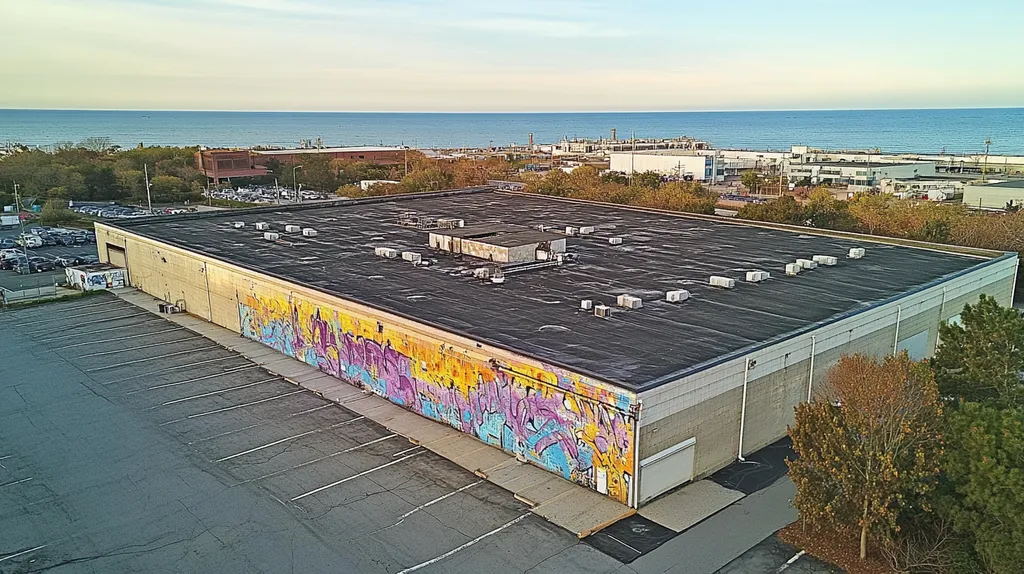
Many commercial property owners underestimate the substantial savings available through energy efficiency upgrades for roofing systems. Research indicates that neglecting tax incentives can cost business owners tens of thousands of dollars each year. These missed opportunities adversely affect both immediate financial health and long-term sustainability efforts. Recognizing these factors can profoundly influence the financial landscape of roofing decisions. This section delves into critical areas where opportunities are commonly overlooked.
Overlooking Tax Incentives and Rebates
Tax incentives and rebates for energy-efficient roofing improvements can significantly lessen upfront costs. Many property owners are unaware of valuable programs, such as the Energy Efficient Commercial Buildings Deduction (Section 179D), which offers deductions of up to $1.80 per square foot for qualifying upgrades.
Failure to utilize these incentives may result in missing financial advantages that directly impact a property’s bottom line. For instance, a 100,000-square-foot facility could secure deductions of up to $180,000, an impressive sum that can be redirected to other critical business areas.
Additionally, many utility companies provide rebates for energy-efficient installations, including reflective roofing materials. By not taking advantage of these financial opportunities, property owners inadvertently inflate their overall investment costs.
Consulting with roofing professionals who understand the ins and outs of available tax credits and rebates is essential. Conducting comprehensive financial assessments during the planning stage can align roofing choices with these incentives, ensuring potential savings are fully captured.
Neglecting Long-Term Maintenance Savings
Investing in energy-efficient roofing materials can yield significant long-term maintenance savings. For example, low-slope roofs made from high-quality thermoplastic polyolefin (TPO) or ethylene propylene diene monomer (EPDM) typically require less frequent maintenance compared to traditional materials.
However, many property managers overlook the benefits of reduced repair frequency when budgeting for roofing costs. A typical commercial roof may last 20 years or more; selecting energy-efficient options can extend this lifespan, resulting in lower overall expenses in the long run.
Moreover, energy-efficient roofs effectively regulate building temperatures, reducing stress on HVAC systems. This translates into lower energy bills, allowing facility managers to allocate their budgets more efficiently over time.
Recognizing this potential for long-term savings emphasizes the need for a future-oriented approach. Decision-makers should incorporate lifecycle cost analysis into their assessments, facilitating informed choices that promote better returns on investment.
Ignoring Enhanced Property Value
Installing energy-efficient roofing systems can significantly increase the market value of commercial properties. Buildings with advanced energy-efficient features tend to be more attractive to potential buyers and tenants seeking modern amenities.
For instance, properties featuring energy-efficient roofs can often command higher lease rates, with market studies showing rental premiums of up to 20% for such facilities in comparison to standard offerings.
Furthermore, the increasing focus on sustainability within the real estate sector can positively influence property appraisals. A well-maintained, energy-efficient roof signifies a commitment to environmental responsibility, reinforcing a property’s market appeal.
Investing in energy-efficient roofing should be viewed not just as an expense but as a strategic initiative for enhancing overall property value. Highlighting these upgrades during roofing discussions can deliver significant returns for property owners in a competitive real estate landscape.
SECTION 4: ROOT CAUSES
Understanding the complexities of energy efficiency upgrades is crucial for property owners and facility managers. Misunderstandings and outdated practices can lead to substantial long-term costs, as a poorly insulated roof can account for up to 30% of a building’s energy loss. Identifying the root causes of these misconceptions is essential for making informed choices that promote financial sustainability and operational efficiency.
Misunderstanding Energy Efficiency Benefits
Many property owners significantly undervalue the financial benefits associated with energy efficiency upgrades. They often perceive these improvements as mere upfront expenses rather than investments that yield long-term savings. For instance, reflective roofing materials can drastically lower cooling costs in hotter climates.
Moreover, a lack of awareness regarding government incentives further compounds this issue. Many property owners may not know that tax credits and rebates exist for integrating energy-efficient designs. This knowledge gap subsequently limits potential savings and financial advantages.
Another prevalent misconception is the belief that energy-saving upgrades do not enhance comfort levels within a building. In reality, effective thermal insulation not only reduces energy costs but also creates a more pleasant indoor environment.
To combat these misunderstandings, decision-makers must reframe their perspectives on energy-efficient options. A greater emphasis on these upgrades could lead to proactive investments and significant cost reductions over time.
Inadequate Roof Design Considerations
A significant issue in commercial roofing is often the insufficient evaluation of roof design, which directly impacts energy efficiency. Many facilities overlook how roof design affects energy performance—improperly sloped roofs can result in water pooling that degrades insulation quality, compromising overall effectiveness.
Additionally, choosing roofing materials based solely on initial costs, without considering their energy efficiency ratings, can be detrimental. High-performance materials may seem more expensive at first but can provide substantial long-term savings on energy expenses.
Equally important is the integration of adequate ventilation and insulation within roof designs. A well-constructed roof incorporates these essential elements to maximize energy conservation. Neglecting these factors can lead to heightened energy bills and costly repairs over time.
Ultimately, addressing these design shortcomings is critical for improving energy efficiency and extending roof lifespan. Prioritizing quality and functional designs can result in significant long-term benefits.
Insufficient Data on Energy Savings
A major barrier to successful energy efficiency upgrades in commercial roofs is the absence of reliable data regarding their actual energy savings. Many property owners often rely on anecdotal evidence, which can foster skepticism about the effectiveness of energy-efficient options.
Research shows that buildings equipped with reflective roofing can save up to 20% on cooling costs. Despite these statistics, many decision-makers remain oblivious to such findings, thereby hindering their willingness to invest in these systems.
The lack of case studies demonstrating successful energy efficiency upgrades in similar facilities exacerbates the situation. Property owners need tangible examples to build confidence in their investment decisions.
Consequently, filling this data void is essential for facilitating informed decision-making. Increased access to comprehensive studies and clear resources would empower property owners to embrace energy-efficient roofing options with greater confidence.
DATA DRIVEN EVIDENCE
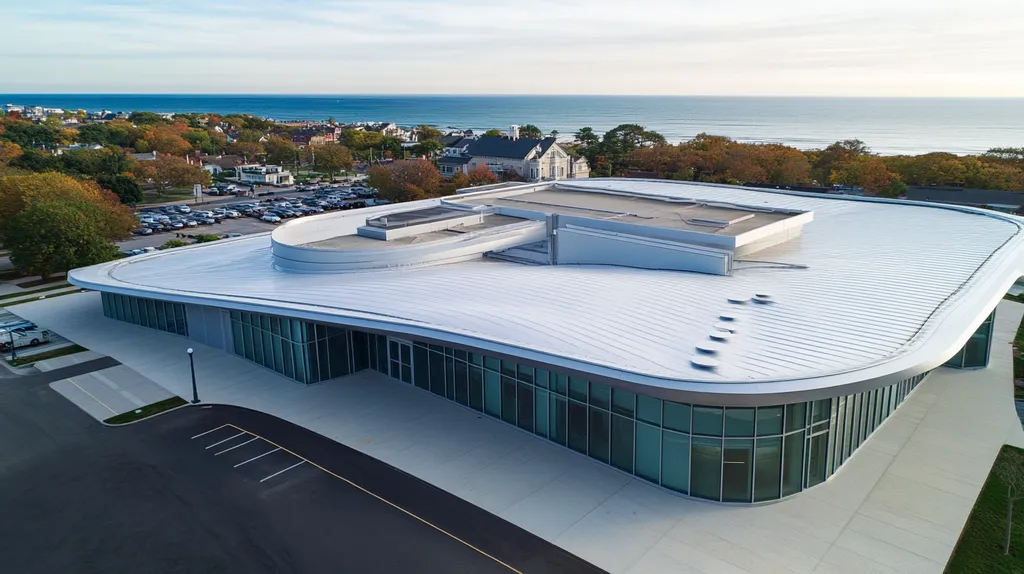
In the competitive realm of commercial real estate, energy efficiency is more than a goal; it’s a necessity. A recent study highlights that upgrading to energy-efficient roofing can lead to a remarkable reduction in energy consumption by up to 30%. This statistic emphasizes the dual financial and environmental imperatives at play. For property owners aiming to optimize budgets while pursuing sustainability, comprehending how modern roofing materials and upgrades can yield cost reductions is crucial. This section explores compelling statistics, cost-saving opportunities, and relevant case studies to underscore the significance of these upgrades.
Energy Consumption Reduction Statistics
Energy consumption within commercial buildings accounts for a significant portion of operational costs. According to the U.S. Department of Energy, nearly 40% of energy usage occurs within these spaces, with roofing being a crucial component affecting thermal performance.
Modern roofing designs featuring reflective surfaces can significantly lower cooling loads, which leads to decreased energy bills. For instance, roofs equipped with reflective coatings can lower surface temperatures by up to 100°F, resulting in substantial energy savings.
Additionally, research from the Lawrence Berkeley National Laboratory indicates that cool roofs can reduce energy consumption for cooling by approximately 10-20%. Such impactful figures illustrate how strategic roofing upgrades can yield extensive savings over time.
As the demand for energy conservation grows, property owners must reassess their roofing systems. This not only addresses immediate financial performance but also helps to lessen the long-term environmental implications associated with excessive energy usage.
Cost Savings from Modern Roofing Materials
While initial investments in modern roofing materials may feel steep, the long-term financial benefits can be extraordinary. For example, Energy Star-rated roofing materials often boast enhanced durability and require less frequent maintenance.
Research indicates that reflective roofing materials can save an average commercial building up to $1,500 annually in energy costs. Over a typical 20-year lifespan, this translates to an impressive cumulative saving of $30,000.
Moreover, innovative solutions like green roofs not only enhance insulation capabilities but also contribute to reduced heating and cooling expenses. These modern materials are not only cost-effective, but they also frequently qualify for various tax credits and rebates.
Investing in premium roofing translates to decreased operational costs while bolstering property value. Thus, property owners should perceive expenditures on energy-efficient materials as investments rather than mere costs.
Case Studies on Successful Upgrades
Numerous case studies illustrate the positive financial impacts of energy-efficient roofing upgrades. For instance, a prominent retail chain that transitioned to a cool roof experienced a remarkable 20% reduction in cooling costs, amounting to savings exceeding $1 million over five years.
Similarly, an industrial facility that adopted a green roof witnessed improvements in insulation and achieved a 50% reduction in stormwater runoff. This not only enhanced the building’s environmental performance but also contributed to overall cost reductions.
These success stories reinforce the notion that energy-efficient upgrades are essential investments with significant returns. They demonstrate how thoughtful roofing investments can yield tangible financial rewards while promoting sustainability.
Property owners are encouraged to derive insights from these examples as they assess their own roofing strategies. Recognizing the potential for meaningful cost savings should foster a proactive commitment to energy efficiency upgrades.
SECTION 6: ALTERNATIVE SOLUTIONS
Enhancing energy efficiency in commercial roofing is imperative as energy prices continue to rise, putting financial pressure on property owners. Conventional roofing often fails to address this challenge, with studies revealing that energy-efficient roofs can cut energy costs by 20% to 40%. This section delves into alternative solutions that can greatly improve a building’s energy profile while challenging outdated cost assumptions.
Integrating Solar Panels and Green Roofs
Solar panels and green roofs offer powerful transformations for commercial buildings. Solar panels harness sunlight for electricity, leading to significant reductions in utility expenses. For instance, businesses installing solar panels frequently achieve returns on investment within as little as five years.
On the other hand, green roofs provide insulation and help mitigate the heat island effect in urban settings, with energy savings of 15% or more. They effectively lower cooling costs and manage stormwater, enhancing both environmental and operational performance.
When combined, these technologies amplify energy efficiency. A green roof can cool down the area beneath solar panels, boosting their energy production. Many cities and states now provide incentives or rebates for these installations, making the initial investment more feasible for property owners.
With energy costs on the rise, integrating solar and green roofs not only generates immediate savings but also aligns with long-term sustainability goals. This positions businesses as leaders in energy efficiency and environmental responsibility.
Implementing Reflective Roof Coatings
Reflective roof coatings are another effective and simple upgrade for enhancing energy efficiency. These coatings minimize heat absorption, cooling roof surfaces and lowering cooling demands. Research indicates that reflective roofs can slash cooling costs by up to 30% in hotter climates.
Applying a reflective coating is often less expensive than a full roof replacement, making it a smart option for building owners. This upgrade can extend the roof’s lifespan by reducing thermal stress, maximizing the investment over time.
Many manufacturers now offer durable coatings that resist UV damage, ensuring minimal maintenance requirements. This combination of cost-effectiveness and longevity aligns with the broader trend toward energy conservation and sustainability.
Businesses that adopt reflective coatings can expect improved energy performance ratings while enhancing their market position in an increasingly eco-conscious industry.
Optimizing Roof Insulation and Ventilation Systems
Optimizing roof insulation and ventilation systems is crucial for achieving energy efficiency. Proper insulation limits heat transfer, helping maintain comfortable indoor conditions while reducing the dependency on HVAC systems. Studies have found that enhancing insulation can lower energy expenses by 10% to 30%.
Effective ventilation prevents heat buildup, particularly in large commercial rooftops. It improves indoor air quality and contributes to the longevity of roofing materials. This reduction in wear translates to lower maintenance costs and fewer required replacements over time.
Property owners should consider professional energy audits to assess the efficacy of current insulation and ventilation systems. Utilizing expert guidance allows for targeted upgrades that take advantage of specific energy-saving opportunities.
Investing in optimized insulation and ventilation exemplifies a strategic commitment to sustainability while substantially improving overall building performance and long-term financial returns.
The Bottom Line
Commercial property owners stand to lose an estimated $30 billion annually by maintaining outdated assumptions about energy-efficient roofing costs.
The evidence clearly demonstrates that modern roofing technologies, from reflective coatings to integrated solar systems, deliver substantial returns through reduced energy consumption, tax incentives, and enhanced property values.
Current cost calculation methods critically undervalue these long-term benefits, leading to missed opportunities for 20-40% reductions in energy expenses.
As energy costs continue to rise and environmental regulations tighten, property owners who fail to implement energy-efficient roofing solutions risk increasing operational expenses and declining property values.
The data conclusively shows that challenging traditional cost assumptions about energy-efficient roofing upgrades is not merely an option—it is an economic imperative for commercial property sustainability.
FREQUENTLY ASKED QUESTIONS
Q. What are the current practices in commercial roof energy efficiency?
A. Current practices often include outdated materials like asphalt shingles and tar-based solutions, which limit energy efficiency. Many buildings still use flat designs that lead to water pooling and higher energy costs. Transitioning to advanced materials and designs can significantly enhance energy performance and reduce expenses.
Q. How does inadequate insulation impact industrial roof efficiency?
A. Inadequate insulation leads to heat loss in winter and heat gain in summer, increasing energy costs. Older buildings may suffer from insufficient insulation, compounding stress on HVAC systems. Evaluating insulation quality is essential for improving energy efficiency and reducing operational expenses over time.
Q. What missed opportunities exist for commercial roof upgrades?
A. Common missed opportunities include neglecting available tax incentives for energy-efficient upgrades. Many property owners are unaware of programs that can significantly reduce upfront costs. Additionally, failing to consider long-term maintenance savings and enhanced property values undermines potential benefits offered by energy-efficient roofing solutions.
Q. What root causes lead to misunderstandings about energy efficiency in roofing?
A. Misunderstandings stem from viewing energy efficiency upgrades merely as expenses rather than investments. Moreover, a lack of awareness about government incentives limits property owners’ understanding of potential savings. Inadequate design considerations and insufficient data on energy savings further contribute to these misconceptions, making informed decisions challenging.
Q. What statistics highlight the energy consumption of commercial roofs?
A. Approximately 40% of energy usage in commercial buildings comes from roofing systems. Upgrading to energy-efficient solutions can lead to a reduction in energy consumption of up to 30%. Reflective roof designs can lower cooling loads significantly, resulting in decreased operational costs and enhanced sustainability.
Q. How can alternative solutions improve energy efficiency in commercial roofs?
A. Alternative solutions include integrating solar panels and green roofs, which enable significant utility cost reductions. Implementing reflective roof coatings can also decrease heat absorption. Optimizing insulation and ventilation enhances indoor climate control and longevity of roofing materials, making energy efficiency upgrades strategic for financial and environmental benefits.
Q. What types of roofing technologies can enhance commercial energy efficiency?
A. Advanced technologies like smart roofing systems and energy management software can significantly enhance energy efficiency. These tools enable real-time monitoring and data-driven decision-making on energy consumption. Incorporating such technologies, along with high-performance materials, can lead to substantial energy savings and improve overall building performance.






