
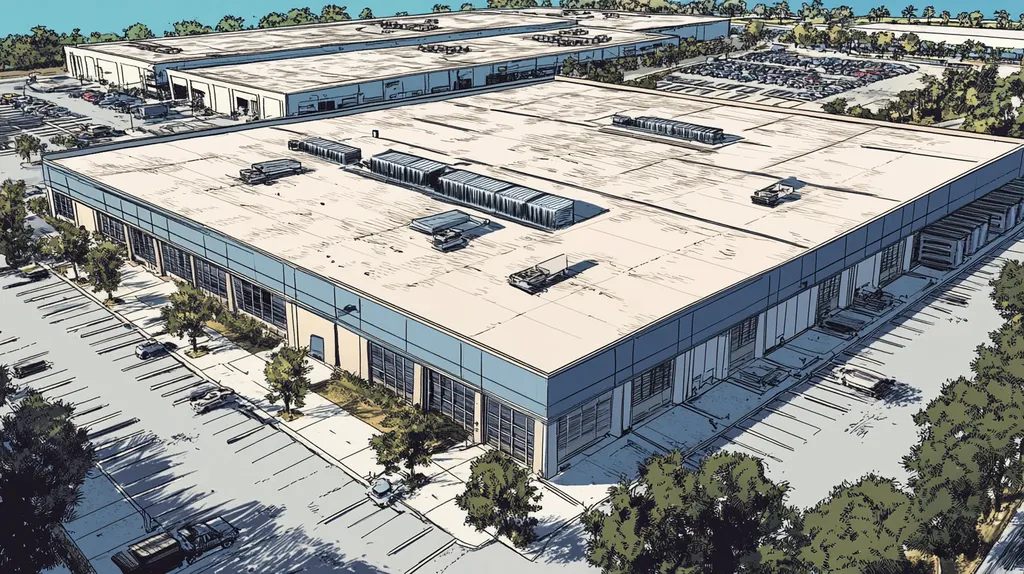
Industrial roofing costs have surged 32% since 2020, leaving facility managers scrambling to find sustainable financing solutions for critical roof replacements. With installation expenses now ranging from $8-15 per square foot, the stakes are higher than ever.
Nearly 40% of commercial buildings currently operate with roofing systems past their intended lifespan, risking costly structural damage and operational disruptions.
This comprehensive guide examines proven financing strategies – from traditional bank loans to innovative payment plans – equipping facility managers with actionable solutions for funding roof installations while maintaining operational budgets.
SECTION 1: PERFORMANCE FACTORS
Choosing to install a new industrial roof goes beyond just its appearance; it has significant effects on how a facility operates and its financial stability over time. An alarming 30% of commercial energy costs can be linked to the performance of a roof, according to the National Roofing Contractors Association. By understanding the crucial performance factors of roofing, facility managers can avoid expensive errors and make wiser investment choices. This section delves into vital elements including roof condition, energy efficiency, and structural integrity, equipping facility managers with the knowledge needed to make informed decisions.
Roof Condition and Age Assessment
Regularly evaluating the condition and age of a roof is essential for maintaining its integrity. Facility managers should routinely conduct visual inspections and thorough assessments to identify any signs of damage or wear. As roofs age, they become increasingly vulnerable to leaks and other structural challenges.
A roof that has surpassed 20 years of service may not only necessitate replacement but could also escalate operational costs due to inefficiencies. By consistently assessing roof conditions, managers can extend its lifespan, which in turn allows for strategic planning and budgeting for eventual replacements.
Thorough documentation of roof assessments is crucial, as it provides a clear record of any issues or past repairs. This information can be instrumental when discussing financing options with potential lenders, illustrating the necessity for investment.
Moreover, enlisting the support of roofing specialists can provide valuable insights into subtle signs of deterioration that may not be easily visible. These experts can suggest timely repairs that offer significant long-term savings.
Key Action Items
Energy Efficiency and Thermal Performance
Energy efficiency significantly influences both utility expenses and the longevity of a roof. Given the rising costs of energy, a roof’s thermal performance can greatly affect a facility’s financial health. Energy-efficient roofing materials have the potential to lower heating and cooling costs by as much as 30%.
Facility owners often choose reflective roofing materials to enhance thermal performance. These materials can effectively reduce rooftop temperatures, leading to decreased energy consumption and potential savings.
Additionally, energy-efficient roofs may qualify for various tax incentives or rebates, making them an appealing choice for financing. Recognizing the long-term financial benefits associated with energy-efficient roofing can empower facility managers to make well-informed selections.
Investing in energy-efficient roofing solutions not only diminishes costs but also aligns with sustainability goals. As property owners face increasing scrutiny regarding their environmental footprint, this factor becomes a vital consideration in roofing strategies.
Key Action Items
Structural Integrity and Load Capacity
Assessing a building’s structural integrity and load capacity is crucial before installing a new roof. Many industrial roofs are burdened with additional weight from HVAC systems, solar panels, and potential snow loads, making it essential to understand these dynamics for safety and durability.
Facility managers should collaborate with structural engineers to conduct load analyses, ensuring that the buildings can support new roofing systems without compromising safety. This proactive measure can help avert costly structural failures and potential injuries.
Older structures may require additional reinforcements to handle new roofing systems adequately. A comprehensive understanding of load capacity will assist in shaping financing strategies and investment decisions.
Ultimately, ensuring the structural integrity of a facility not only safeguards it but also enhances the roof’s performance and lifespan, delivering a solid return on investment.
Key Action Items
SECTION 2: FINANCIAL CONSIDERATIONS
Securing the right funding for a new industrial roof installation is crucial, yet it can feel overwhelming for facility managers. With installation costs ranging between $1.50 and $10 per square foot, making informed financial decisions is essential to stay within budget and ensure a good return on investment. This section highlights key financial strategies, from bank loans and flexible payment plans to government incentives, equipping decision-makers with the tools they need to effectively manage roofing expenses.
Bank Loans and Credit-Based Financing
Bank loans serve as a tried-and-true method for financing industrial roof installations, often providing lower interest rates compared to credit cards. Facility managers should prepare a robust business plan outlining the roof’s long-term benefits, typically lasting 20 to 30 years.
Credit-based financing can offer immediate access to funds, which is advantageous for urgent installations. However, facility managers need to remain cautious of potentially higher interest rates that could impact long-term financial health.
Additionally, leveraging existing assets through secured loans can unlock favorable borrowing terms, making it easier to incorporate roof replacement costs into the operational budget. Overall, exploring a variety of bank and credit options is vital for effective financial planning and successful roof installation.
Key Action Items
Lines of Credit and Flexible Payment Plans
Lines of credit present a flexible funding solution for industrial roof installations, allowing facility managers to withdraw funds as needed to address unforeseen expenses. This approach helps maintain cash flow while only incurring interest on the amounts utilized.
Additionally, many roofing contractors now offer customizable payment plans that cater to clients’ financial situations. These arrangements can allow organizations to spread costs over months or years, enhancing affordability without compromising the quality of materials or workmanship.
Combining a line of credit with a flexible payment plan optimizes financial resources, enabling managers to address necessary repairs while ensuring adequate funding for roof installation remains intact. Such strategies support proactive expense management, facilitating smoother project completion.
Key Action Items
Government Grants and Incentives
Government grants and incentives can dramatically ease the financial strain of installing a new industrial roof. Both federal and state programs are designed to encourage energy-efficient roofing solutions, providing funding that helps offset project costs. Facility managers should actively seek out relevant programs that could apply to their projects.
In many areas, tax credits and rebates are available for utilizing sustainable materials or advanced technologies, such as cool roofing systems, fostering environmentally friendly investments. These initiatives not only cut costs but also support evolving industry standards.
Additionally, local governments may sponsor economic development programs that extend funding opportunities for roofing projects. Engaging with local government representatives can unveil valuable funding opportunities that could benefit facilities significantly. Utilizing existing government resources enhances financing capability while promoting sustainable practices.
Key Action Items
SECTION 3: COMPLIANCE REQUIREMENTS
Compliance requirements for new roof installations are critical, affecting not only aesthetics and functionality but also safety and sustainability. Facility managers risk facing significant penalties and project delays if they overlook these regulations. Adhering to local and federal compliance not only safeguards the facility but fosters trust in the investment. This section sheds light on essential compliance aspects: regulatory compliance, building codes, zoning requirements, and environmental standards.
Local and Federal Regulatory Compliance
Understanding local and federal regulations is paramount for any roofing project. Each jurisdiction may enforce different rules related to building safety, material use, and installation practices. Facility managers need to conduct thorough research and engage with local authorities to ensure they are aligned with compliance standards.
For instance, federal OSHA regulations specify necessary safety measures during installation. Non-compliance can lead to severe fines and dangerous conditions. Engaging with local regulatory agencies early can expedite the permitting process and minimize potential delays.
Moreover, regional environmental regulations could influence material choices and waste management practices. Facilities may be held accountable for violations, leading to expensive legal complications and reputational damage.
Key Action Items
Building Code and Zoning Requirements
Building codes are designed to ensure that roofs are safe and structurally sound, while zoning requirements dictate permissible activities within specific areas. Facility managers must verify that their roof designs align with local building codes to meet safety standards.
For instance, buildings located in areas prone to heavy snow may require roofs engineered to handle significant snow loads. Ignoring these requirements can lead to catastrophic failures. Zoning laws may also dictate how high or how a roof can appear, affecting aesthetic compliance with neighboring properties.
Neglecting these codes can result in project rejections and inflated costs. Facility managers should plan for inspections throughout the installation process to avoid issues down the road.
Key Action Items
Environmental and Energy Efficiency Standards
Modern roofing projects must conform to various environmental and energy efficiency standards to promote sustainability. Many regions have established guidelines aimed at reducing energy consumption and enhancing the environmental footprint.
For example, the use of ENERGY STAR-certified roofing materials may be necessary to qualify for state incentives and rebates. Selecting compliant materials not only supports environmental goals but can lead to notable reductions in operating costs through energy savings.
Additionally, local regulations may require implementing stormwater management practices to mitigate runoff. Completing a roof that meets these standards not only helps avoid penalties but also positively impacts the local environment.
Key Action Items
SECTION 4: RISK MANAGEMENT
In the world of industrial roofing, managing risks is imperative. Poor roofing decisions can lead to significant financial setbacks, with reports indicating that roof failures may cost businesses more than $20,000 due to lost productivity and repair needs. By identifying hazards early on, facility managers can make informed financing decisions that safeguard against these costly outcomes.
Identifying Potential Roofing Hazards
Critical to any facility manager’s role is the identification of potential roofing hazards. This involves assessing material suitability, structural soundness, and environmental conditions that could impact durability. For example, some roofing materials are less effective under extreme weather.
Furthermore, improper installation practices contribute to leaks and costly water damage. A comprehensive understanding of these risks empowers managers to select more resilient options and financing that adequately prepares for potential repair costs. Regular inspections are essential for catching vulnerabilities before they escalate.
Equally important is knowledge of local building codes. Non-compliance can result in fines, budget overruns, and the financial burden of unanticipated renovations. A proactive hazard-identification approach fosters an environment of safety and accountability.
Key Action Items
Mitigating Financial Risks with Financing Options
To ensure the sustainability of roofing projects, mitigating financial risks through effective financing is crucial. Facility managers often overlook total ownership costs, such as maintenance and repairs, throughout the roof’s lifespan. By understanding various financing structures, such as fixed loans or leasing options, property owners can lower initial expenses.
For example, lease-to-own agreements provide the flexibility to spread costs over time, freeing up cash flow for ongoing maintenance. It is vital to compare different lenders to avoid unexpected costs resulting from high-interest rates.
Incorporating contingency funds into financing plans can further shield against financial risks, allowing for adjustments as unforeseen issues arise. Moreover, some manufacturers provide financing packages that simplify decisions by including warranties that cover the duration of financing.
Key Action Items
Insurance and Warranty Considerations
Effective management of risks in roofing installations hinges on comprehensive insurance and warranty coverage. Many facility managers fail to recognize the critical need for adequate insurance, leaving them vulnerable to significant financial repercussions from damage incidents.
Understanding the specifics of various policies, including liability and workers’ compensation, is essential. Ensuring that the roofing contractor carries adequate insurance protects facility owners from unexpected expenses stemming from installation errors or accidents.
Warranties serve as a fundamental component of risk management, providing assurance that if issues arise, associated costs will be covered. Seek warranties that encompass both materials and workmanship for comprehensive protection, and be aware of the differences between manufacturer and contractor warranties to bolster decision-making.
Key Action Items

SECTION 5: OPERATIONAL PROCEDURES
When financing options for new industrial roof installations are on the table, operational procedures play a pivotal role in the process. Without effective project management, facilities face unnecessary costs and delays, ultimately threatening their operations. Reports suggest that miscommunication throughout project phases can inflate expenses by up to 20%. Therefore, facility managers must adopt a meticulous approach, ensuring that financing, installation, and long-term sustainability are seamlessly coordinated. This section highlights the essential operational procedures: initial consultations, the application process, and project implementation.
Initial Consultation and Project Assessment
The initial consultation is the cornerstone of successful operational procedures. It sets the foundation for the entire roofing project. Facility managers should assess specific roofing needs, encompassing material preferences and structural requirements.
Roofing professionals can offer critical insights into the latest market conditions and financing options during this consultation. Collaborating with experienced roofers helps streamline decision-making, ensuring that the project is aligned with the best financing solutions available.
Following the initial dialogue, a comprehensive project assessment is necessary. This will encompass on-site evaluations and feasibility studies, all of which will inform the project’s overall scope and financing applications.
Key Action Items
Application and Approval Process
Once the initial consultation and assessments are wrapped up, the focus shifts to the application and approval process. A meticulously prepared financing application can accelerate approval, unlocking critical funding for the project.
Facility managers should compile essential financial documents and project information to create a robust application. This typically includes detailing project costs, timelines, and anticipated return on investment.
Close engagement with lenders or financial institutions during this phase is crucial. Their expertise can guide facility managers in selecting the financing structure best suited to their project’s unique requirements.
Key Action Items
Project Implementation and Monitoring
Project implementation merges planning with execution, making it vital to stay on schedule and budget. Facility managers need to work closely with roofing contractors to ensure aligned progress with the project plan.
Regular site meetings are essential for keeping all stakeholders on track and addressing issues swiftly. Ongoing progress monitoring helps mitigate unexpected costs and delays, which is crucial for maintaining the integrity of the financing plan.
Establishing a quality assurance framework during installation ensures compliance with safety regulations and project specifications. Documenting every phase of the project will aid in settling disputes and securing accountability.
Key Action Items
SECTION 5: OPERATIONAL PROCEDURES
When exploring financing options for new industrial roof installations, establishing effective operational procedures is essential. Inadequate project management can lead to costly overruns and delays, jeopardizing operations. Studies show that poor communication during projects can inflate costs by up to 20%. Therefore, facility managers must take a comprehensive approach to ensure effective financing, installation, and long-term sustainability. This section outlines critical operational procedures, including initial consultations, application processes, and project implementation.
Initial Consultation and Project Assessment
The initial consultation is a vital first step that lays the groundwork for the entire roofing project. Facility managers should comprehensively assess specific roofing needs, such as material choices and structural requirements.
Roofing professionals can share invaluable insights into current market conditions and available financing options. Collaborating with experienced roofers helps streamline decision-making and highlights the most effective financing possibilities.
Following this dialogue, a thorough project assessment is necessary. On-site evaluations and feasibility studies will clarify the project’s scope and guide financing applications.
Identifying potential challenges early helps save both time and money. Clear communication with stakeholders ensures that the project can proceed smoothly, minimizing obstacles.
Key Action Items
Application and Approval Process
After completing the initial consultation and assessments, facility managers must focus on the application and approval process. A thorough financing application can streamline approval, unlocking vital funds for the project.
Facility managers should compile relevant financial documents and detailed project information to create a comprehensive application. This typically involves outlining project costs, timelines, and expected return on investment.
Engaging with lenders or financial institutions during this phase is crucial. Their expertise can guide facility managers in selecting financing structures that meet the project’s distinctive needs.
Maintaining open communication with all stakeholders ensures smooth processing. Delays in approvals can hinder project timelines and potentially affect operational capabilities.
Key Action Items
Project Implementation and Monitoring
Project implementation is where planning translates into execution, making adherence to timelines and budgets essential. Facility managers must closely coordinate with roofing contractors to ensure the installation unfolds according to plan.
Regular site meetings can help keep all stakeholders aligned and allow for prompt resolution of any issues. Consistent monitoring can reduce the likelihood of unexpected costs or delays, which is vital for preserving the integrity of the financing plan.
Implementing a quality assurance framework during installation assures compliance with safety standards and project specifications. Documenting every project phase is crucial for resolving disputes and ensuring accountability.
After installation, evaluating roofing performance is key. Routine inspections can detect early issues, ultimately extending the roof’s lifespan and preventing future financial challenges.
Key Action Items
Looking Ahead
With industrial roofing costs projected to rise another 15% by 2025, facility managers cannot afford to delay critical financing decisions for roof installations.
The evolution from traditional financing methods to today’s diverse funding landscape offers unprecedented flexibility, from government-backed programs to innovative payment plans.
Yet studies show that 40% of commercial buildings still operate with roofs beyond their intended lifespan due to financing hesitation.
By leveraging the financing strategies outlined in this guide – from thorough performance assessments to creative funding solutions – facility managers can protect their investments while ensuring regulatory compliance.
The key lies in viewing roof financing not as a burden, but as a strategic opportunity to enhance facility value and operational efficiency for decades to come.
FREQUENTLY ASKED QUESTIONS
Q. What performance factors should I consider for my commercial roof?
A. It’s essential to evaluate the roof’s condition, age, energy efficiency, and structural integrity. Regular assessments help extend lifespan and budget effectively for replacements.
Q. What financing options are available for an industrial roof?
A. Varied options include bank loans, lines of credit, and government grants. Each provides unique benefits tailored to different financial situations and project requirements.
Q. How do compliance requirements impact industrial roof installations?
A. Compliance ensures safety and functionality, avoiding legal penalties. Assessing local regulations and building codes is crucial to not jeopardize your investment.
Q. What are the risks associated with poor roofing decisions?
A. Risks include significant financial setbacks, operational disruption, and increased repair costs from roof failures. Identifying hazards early can mitigate these risks effectively.
Q. What steps should be taken during initial consultations for roofing projects?
A. Clearly assess roofing needs, analyze material options, and discuss financing options with roofing professionals to streamline project effectiveness.
Q. How can I ensure effective project implementation for a new roof?
A. Coordinate closely with contractors, monitor progress through regular site meetings, and document each phase to ensure adherence to the project plan.
Q. Can adding insulation improve my industrial roof’s efficiency?
A. Yes, adding insulation can significantly enhance energy efficiency by retaining heat and reducing cooling costs, ultimately leading to lower utility expenses.






