
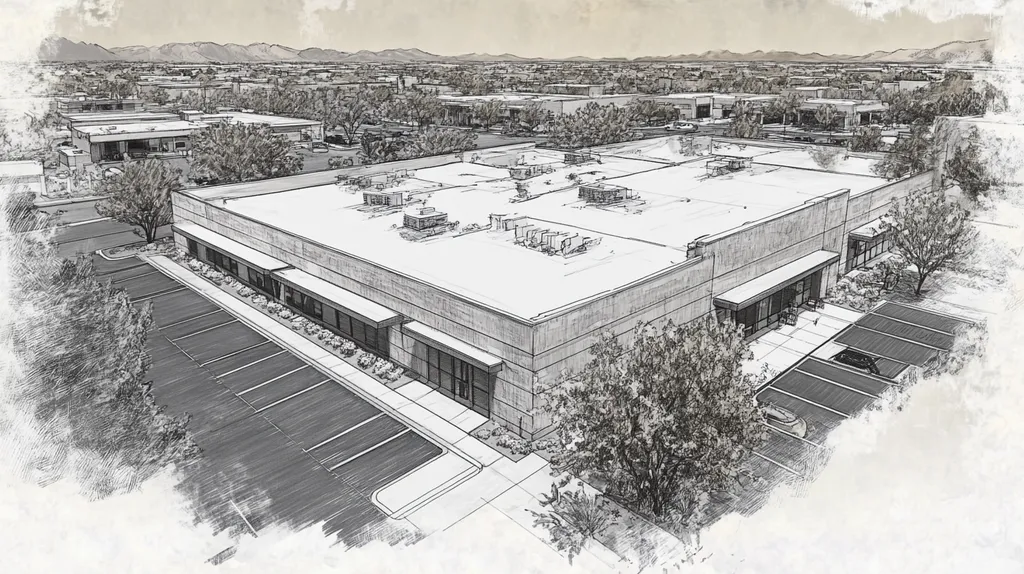
Every year, industrial property owners lose millions due to inadequate roof financing strategies, with 40% reporting significant financial strain from deferred maintenance.
Traditional financing plans, while readily available, often trap businesses in rigid payment structures that strain operational budgets and delay critical upgrades.
This comprehensive analysis exposes the systemic flaws in established roofing finance options, from hidden fees to missed incentives, while presenting data-driven alternatives that better serve modern industrial needs.
SECTION 1: CURRENT PRACTICES
Upgrading an industrial roof is not just an aesthetic choice; it’s a pressing necessity for property owners and facility managers. A worn-out roof can lead to costly water damage, soaring energy bills, and even disruptions in daily operations. In fact, studies reveal that over 40% of businesses face financial losses due to roofing issues. That’s why understanding available financing options is crucial. This section delves into traditional bank loans, contractor-provided financing, and government grants, highlighting their various limitations and implications.
Traditional Bank Loans and Lines of Credit
Traditional bank loans are often the go-to for financing roof upgrades. Many property owners seek these substantial loans, backed by their assets. While they can offer lower interest rates, the approval process is frequently lengthy and cumbersome.
Banks typically require extensive documentation, which can delay urgent roofing projects. Additionally, the stipulations tied to these loans often impose strict repayment schedules that can add pressure to owners.
Many times, property owners discover that their loan limits fall short of covering the entire roofing project’s expenses. This can lead to financial gaps, pressuring businesses to compromise on essential upgrades.
Furthermore, the combination of elevated interest rates with lengthy repayment terms can strain budgets, diverting vital resources from other critical areas of operations.
Contractor-Provided Financing Options
Contractor-provided financing options have become a popular alternative for those seeking more adaptable solutions. Many roofing contractors now offer financing directly to clients, streamlining the approval process.
This approach often promises flexibility, featuring options like deferred payments or manageable monthly installments. However, such convenience may come with higher interest rates compared to traditional bank loans.
The lack of transparency within these financing arrangements can lead to unexpected fees, leaving property owners stuck in high-cost borrowing scenarios without a clear grasp of their total financial commitments.
In essence, while contractor financing might present a quick fix, the long-term financial ramifications can be detrimental unless property owners thoroughly assess their options.
Government Grants and Incentives
Government grants and incentives present another avenue for funding industrial roof upgrades, especially for energy-efficient projects. Various federal and state programs are designed to foster sustainability and can significantly alleviate upfront costs.
However, obtaining these funds often necessitates navigating strict eligibility criteria and heavy paperwork. Many property owners find the application processes overwhelming, resulting in missed opportunities for essential upgrades.
Additionally, the availability of these grants can fluctuate, introducing uncertainty into long-term planning for roofing projects. This inconsistency complicates the decision-making process for property owners.
Even when property owners successfully secure grants, they can encounter delays in receiving funds, which complicates project timelines and may lead to unforeseen additional costs.
SECTION 2: SYSTEMIC ISSUES
Upgrading industrial roofs is a vital investment for any property owner, yet many encounter significant obstacles due to the existing financing systems. High interest rates can drastically inflate project costs, while hidden fees can quickly erode already stretched budgets. These systemic challenges create barriers that not only delay essential roof upgrades but also contribute to increased maintenance expenses and potential depreciation of valuable assets.
High Interest Rates and Hidden Fees
Many well-established financing plans come with steep interest rates that can dramatically raise the overall cost of roofing projects. Research illustrates that even a slight increase in interest rates can add tens of thousands of dollars to the total payment over time, rendering essential upgrades financially untenable. Beyond high rates, property owners frequently discover hidden fees—such as application charges, appraisal costs, and prepayment penalties—that complicate their financial planning.
These unexpected costs create a tangled web of expenses that can overwhelm initial budget projections. Therefore, decision-makers often find themselves navigating a challenging financial landscape where the high costs deter them from pursuing necessary upgrades. The impact on cash flow can be significant, as delaying critical roof projects can lead to larger, more costly issues down the line.
As material prices continue to climb, the consequences of postponing upgrades can compound over time, leading to a spiral of deferred maintenance. Increasing transparency around financing fees is essential for enabling property owners to make informed and sustainable decisions regarding their roofing investments.
Strict Eligibility and Application Processes
The eligibility criteria imposed by financing plans can often be excessively strict, leaving many property owners feeling sidelined. Factors such as established credit scores and detailed financial histories can unjustly exclude those who are in dire need of roof upgrades. Many smaller businesses, which often operate on tighter margins, may find themselves unable to access the funding that is essential to protect their assets.
The application processes can be particularly daunting, characterized by bureaucratic hurdles and an avalanche of paperwork. Prospective borrowers may be deterred by the time and effort required, leading them to delay critical roof replacements and continue operating under compromised conditions that put structural integrity at risk.
This administrative red tape not only frustrates property owners but also squanders opportunities for energy savings and enhanced safety. The industry should pivot towards more inclusive financing options that cater to the diverse needs of property owners and simplify the application process. Streamlining these systems could empower quicker decision-making and accelerate the implementation of upgrades.
Limited Flexibility in Repayment Terms
Current financing solutions often feature rigid repayment structures that fail to accommodate the dynamic financial circumstances of industrial property owners. Many plans demand fixed monthly payments, which can strain budgets—especially for enterprises that experience seasonal variations in cash flow. This inflexibility can increase the risk of late payments or defaults, undermining business credit ratings.
Furthermore, once repayment terms are established, making adjustments or refinancing can prove exceedingly difficult. Property owners may find themselves bound to unfavorable conditions, hampering their ability to reinvest in necessary upgrades or repairs. The lack of adaptability in repayment schedules can induce unnecessary financial stress, further detracting from operational efficiency.
To mitigate these challenges, the industry must champion financing solutions that incorporate flexible repayment structures. Such options would account for the seasonal or cyclical nature of various businesses, allowing owners to manage their cash flow more effectively. By emphasizing adaptable repayment plans, the industry could foster more successful financing experiences and enhance overall roof maintenance. (source: Maxwell Roofing)
SECTION 3: MISSED OPPORTUNITIES
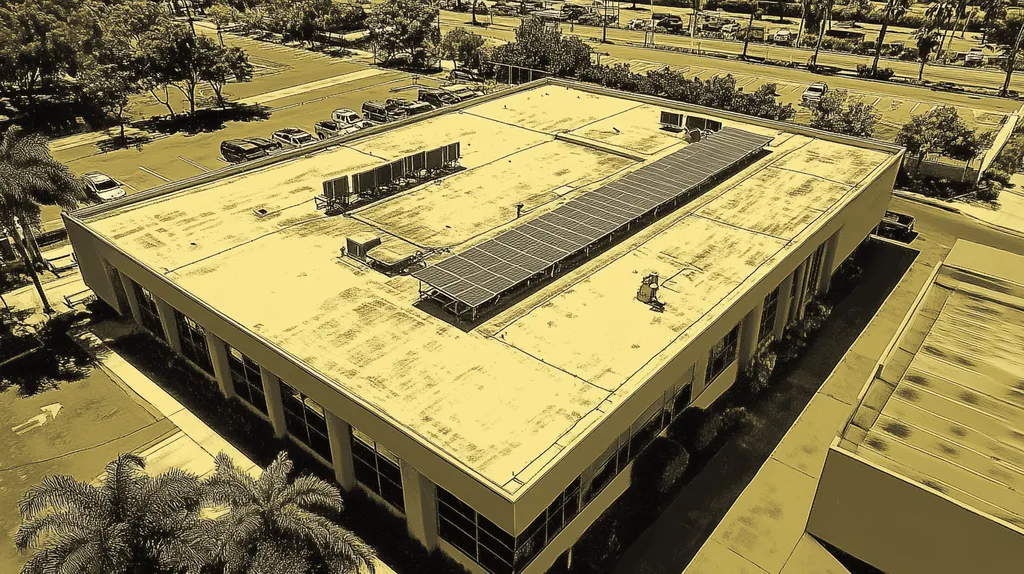
The consequences of inadequate financing strategies for industrial roof upgrades extend far beyond financial loss. They can result in wasted energy, declining efficiency, and missed opportunities for modernization. According to the U.S. Department of Energy, commercial buildings waste about 30% of their energy due to outdated systems. This section highlights critical areas where property owners often disregard substantial financial incentives, leading to unnecessary costs and subpar roofing solutions.
Overlooking Energy-Efficient Incentives
Sadly, many property owners are unaware of energy-efficient incentives available for roof upgrades. Utility companies frequently fund programs that offer rebates for installing energy-efficient roofing materials and systems, which can significantly slash upfront costs and lead to long-term savings on energy bills.
For example, a reflective roof can greatly reduce cooling expenses. Depending on the location, these incentives can amount to thousands of dollars. Ignoring such rebates often means incurring unnecessary costs that could have easily been avoided with smarter financial planning.
Furthermore, energy-efficient roofs often qualify for federal tax benefits, adding to their appeal. These tax credits not only provide immediate financial relief but also promote environmental sustainability. By failing to leverage these incentives, property owners risk both their financial health and an opportunity to enhance building performance.
Property owners are encouraged to conduct thorough research or engage roofing professionals to fully understand the incentives available in their area. By tapping into these programs, they can ensure a more cost-effective and environmentally responsible upgrade during the financing process.
Ignoring State and Local Financial Programs
State and local governments frequently establish financial programs designed to promote infrastructure improvements. Yet, many property owners overlook these valuable resources due to a lack of awareness or understanding. Local grants or low-interest loans can provide substantial financial support for necessary roofing projects.
For instance, certain states allocate funds specifically aimed at enhancing building durability during adverse weather events. By failing to utilize these resources, facility managers risk taking on heavier financial burdens than necessary.
In addition, many municipalities boast green building initiatives that offer financial incentives for sustainable upgrades. These programs can vary widely, often including reduced permit fees or property tax abatements for energy-efficient renovations, which commonly encompass roofing improvements.
Property owners are advised to connect with local economic development offices or trade associations to effectively navigate these opportunities. Broadening their financing scope to include state and local programs can yield significant savings and benefits.
Failure to Compare Multiple Financing Options
Comparing various financing options is a crucial step for making informed decisions about roof upgrades, yet many property owners neglect this vital practice. Relying on a single financing plan can appear convenient but may lead to overspending. Understanding the array of financing options available can lead to far more favorable financial arrangements.
For instance, while traditional bank loans often come with strict terms and higher interest rates, specialized contractors might offer tailored financing plans that fit roofing projects better. These alternatives can significantly lower monthly payments and minimize upfront costs.
Additionally, financing methods like performance-based contracts or property-assessed clean energy (PACE) financing align repayments with energy savings. Owners can offset their costs through reduced utility bills, effectively demonstrating the financing method’s value over time.
By not evaluating these alternatives, property owners jeopardize the financial feasibility of their roofing projects. Investing time to explore and assess diverse financing options can lead to more strategic, cost-effective decisions that benefit their bottom line.
SECTION 4: ROOT CAUSES
As industrial property owners grapple with the urgent need to upgrade their aging roofs, many find themselves paralyzed by financing obstacles. Alarmingly, 40% of commercial property owners report that financing challenges are their primary barrier to undertaking necessary upgrades. This section explores the underlying issues that contribute to the shortcomings of current financing plans, focusing on credit score dependencies, lack of customization, and the critical need for enhanced financial education.
Credit Score Dependencies and Collateral Requirements
Many conventional financing options rely heavily on credit scores, which can pose serious challenges for property owners already struggling with economic instability. A low credit score can unjustly prevent responsible owners from securing the funding they need for urgent roof repairs or upgrades.
Moreover, the requirement to provide collateral adds another layer of complexity. In order to obtain funding, owners may be forced to pledge valuable assets, which puts their financial stability at further risk during uncertain times.
This reliance on credit scores and collateral can result in delays in essential roof upgrades, ultimately leading to damage and disruptions that compromise business operations. The current financing landscape perpetuates a cycle of inaction, hindering growth and endangering the long-term value of properties.
To foster a more inclusive financing environment, the industry must reconsider these rigid criteria, allowing responsible property owners greater access to the funds necessary for essential upgrades.
Lack of Customization in Financing Plans
Standard financing plans often fall short in meeting the diverse needs of industrial property owners. One-size-fits-all approaches may lead to inadequate financial solutions that do not align with specific projects or business models, discouraging owners from pursuing vital upgrades.
With the rapid evolution of roofing technologies, financing options must also evolve. Without tailored solutions, businesses may find themselves bound to outdated or ineffective plans that do not consider modern market conditions, resulting in higher long-term costs.
Flexibility in payment structures is frequently lacking as well. Many financing options do not reflect the seasonal cash flow realities of commercial property ownership, which can deter owners from taking the necessary steps toward upgrades, despite recognizing their value.
Developing customized financing solutions that adapt to the unique circumstances of each business is essential for empowering property owners to proactively improve their roofing systems.
Inadequate Financial Education for Property Owners
A profound barrier for property owners is the widespread lack of financial education regarding roofing upgrades and available financing options. Many owners are preoccupied with day-to-day operations and may not prioritize financial planning, which can lead to uninformed decisions that impact their investments in roofing.
Complex financial structures and industry terminology can also confuse even the most experienced managers. This often results in missed opportunities for more favorable financing arrangements. Property owners can easily overlook valuable options, such as energy efficiency grants or low-interest loans, further limiting their financial capabilities.
Improving financial literacy among property owners is crucial. By fostering a deeper understanding of financing complexities, owners can make informed choices that enhance both roofing investments and long-term property sustainability.
DATA DRIVEN EVIDENCE
The urgency for industrial roof upgrades cannot be overstated. Over 30% of commercial facilities report significant cash flow challenges stemming from outdated financing plans for roof replacements. These financial strains not only lead to deferred maintenance but also escalate problems and increase long-term costs. For property owners and facility managers, grasping the financial implications of current practices is crucial. This section will examine the impact of delayed repayments on cash flow, compare various financing options, and highlight the statistical benefits of adopting more flexible payment plans.
Impact of Delayed Repayments on Cash Flow
Delayed repayments can significantly disrupt a company’s cash flow management. When repayment schedules do not align with cash inflows, businesses risk entering a cycle of debt where essential services suffer as funds are allocated to meet these financial obligations.
Many industrial properties that face financial difficulties point to delayed repayments as a major hurdle. These companies struggle to balance their operating expenses while adhering to strict payment commitments. Consequently, vital upgrades may be postponed, further jeopardizing long-term cost efficiencies.
This misalignment in payment schedules complicates financial planning for facilities. Those who plan upgrades without factoring in cash flow may find themselves in precarious situations, ultimately leading to exorbitant repair costs down the line—far outweighing any initial savings.
By embracing more flexible financing options, businesses can tackle cash flow issues effectively. Avoiding rigid repayment structures allows companies to sustain healthier financial positions and make vital investments in necessary upgrades.
Comparative Analysis of Financing Options
Choosing the right financing option for industrial roof upgrades requires considering the total cost of ownership rather than focusing solely on upfront expenses. Traditional loans, which often come with high-interest rates and rigid terms, may not suit every facility’s financial landscape.
In contrast, lease-to-own programs offer adaptability by allowing payments to align with seasonal cash flows, reducing financial pressure during slower business periods. This flexibility enables businesses to prioritize roof upgrades while freeing up capital for other critical operational needs.
Additionally, performance-based financing—where payments correlate with energy savings from new roofs—proves advantageous for facilities aiming to maximize return on investment. With little to no upfront costs, this strategy alleviates the burden of immediate financial outputs.
This comparative analysis underlines that alternative financing options empower property owners to make well-informed choices. By concentrating on the long-term benefits of various financing opportunities, they can select plans that best align with their operational and financial goals.
Statistical Benefits of Flexible Payment Plans
Recent studies demonstrate that facilities leveraging flexible payment plans experience a 25% reduction in operational disruptions compared to those adhering to rigid schedules. This evidence underscores the critical advantages of adapting payment structures to meet the unique needs of each business.
Moreover, organizations utilizing customized financing solutions report elevated satisfaction levels, reflecting a better alignment with revenue cycles. This flexibility not only eases cash flow but also encourages timely upgrades that enhance overall building performance and sustainability.
Additionally, facilities adopting performance-based financing enjoy an average return on investment exceeding 15% annually throughout the lifespan of their installations. This remarkable outcome illustrates the effectiveness of modern financing strategies beyond traditional models.
By harnessing this statistical evidence, it is evident that flexible payment plans offer more than mere convenience; they represent a strategic advantage in navigating the complexities of industrial roofing financing.
SECTION 6: ALTERNATIVE SOLUTIONS
As industrial roof upgrades demand significant investment, the need for exploring diverse financing alternatives has never been more urgent. A recent survey indicates that nearly 60% of facility managers experience delays in crucial upgrades due to financing hurdles. By focusing on customized financing options, building partnerships with multiple lenders, and leveraging technology to simplify application processes, property owners can discover solutions that align more closely with their financial circumstances and operational objectives.
Customized Financing Plans with Flexible Terms
Customized financing plans that cater to the specific needs of property owners are often overlooked. Traditional loans can be inflexible, resulting in high monthly payments and extended commitments. By pursuing financing options that include graduated payments or cash flow-based terms, businesses can better align their roof upgrade expenses with their revenue cycles.
Some lenders now offer flexible programs, allowing property owners to make smaller payments during slower months and increase payments as business picks up. This flexibility not only preserves capital for other essential operational needs but also tailors the financing duration to match the life expectancy of the chosen roofing materials.
Such adaptable financing solutions mitigate financial risks, allowing property managers to allocate resources more effectively. For larger properties facing seasonal downturns, customized plans provide a cushion, enabling critical roof upgrades without straining cash flow.
In today’s rapidly evolving economy, having an adaptable financial plan is vital. By embracing tailored financing options, property owners can support both their immediate roofing needs and overarching long-term objectives.
Partnering with Multiple Lenders for Better Rates
Relying solely on one lender for financing can lead to lost opportunities for securing better rates and favorable terms. Engaging multiple financial institutions allows property owners to cultivate a competitive landscape that reduces costs. This strategy offers more options and the ability to negotiate terms that fit within individual budgets.
For instance, a facility manager in search of funds for a roof upgrade might encounter one lender with a low-interest rate but strict repayment terms, while another might present flexible repayment plans at a slightly higher rate. By assessing these offers, decision-makers can balance the costs with their cash flow needs.
Additionally, collaborating with diverse financing sources can yield quicker approvals and access to unique loan products that support industrial upgrades. This approach helps spread financial risk, ensuring that no single institution can impose unfavorable conditions.
By fostering relationships with numerous lenders, property owners can enhance their financing strategies, leading to improved financial deals that bolster the overall health of their operations.
Leveraging Technology for Streamlined Applications
Technological advancements have transformed how property owners navigate financing applications. Many lenders now utilize digital tools to simplify the application process, making it easier to secure funds for roof upgrades. This modernization not only accelerates access to necessary capital but also minimizes administrative burdens.
Digital platforms often streamline the retrieval of essential financial documents, significantly reducing turnaround times. This efficiency helps prevent delays that could jeopardize project timelines in a competitive market. For instance, a facility seeking funds can often receive pre-approval far more quickly than through traditional channels.
Moreover, cloud-based solutions allow property managers to track financing options, compare rates, and manage multiple applications concurrently. Real-time updates on loan statuses empower property owners to stay informed and make timely decisions.
Embracing technology in the financing application process enables industrial properties to adeptly navigate complex financial landscapes. The integration of these innovative tools ultimately supports informed choices for timely and effective roof upgrades.
Moving Forward
The industrial roofing sector loses an estimated $2.8 billion annually due to inefficient financing practices that delay critical upgrades and repairs.
Traditional financing models, with their rigid terms and hidden fees, continue to burden property owners while overlooking valuable energy-efficient incentives and local funding programs.
The path forward demands a fundamental shift toward flexible, technology-enabled financing solutions that accommodate diverse business needs and seasonal cash flows.
By embracing customized payment plans, cultivating relationships with multiple lenders, and leveraging digital platforms, industrial property owners can secure more favorable terms while protecting their vital assets.
The future of industrial roof financing lies not in conventional loans, but in adaptive solutions that prioritize long-term sustainability and operational efficiency.
FREQUENTLY ASKED QUESTIONS
Q. What financing options exist for upgrading an industrial roof?
A. Property owners typically consider traditional bank loans, contractor-provided financing, and government grants. Each has its limitations and unique requirements that may impact approval and funding timelines. Exploring these avenues helps identify the best fit for necessary roofing upgrades while acknowledging potential financial gaps.
Q. How do high interest rates affect industrial roof financing?
A. High interest rates can significantly inflate project costs, making essential roof upgrades financially burdensome. They may deter property owners from pursuing upgrades altogether. Additionally, hidden fees associated with these financing options can further complicate budget planning, ultimately leading to deferred maintenance issues.
Q. What are potential missed opportunities with industrial roof financing?
A. Many property owners overlook energy-efficient incentives and local financial programs, which can significantly reduce upfront costs. Ignoring these opportunities leads to unnecessary expenses and missed chances for modernization. Engaging with professionals can help owners navigate available incentives and optimize their financial strategies.
Q. How do credit score requirements hinder roofing upgrades?
A. Strict credit score dependencies often exclude responsible owners from securing necessary funding for urgent upgrades. This reliance can lead to delays in addressing essential roofing issues, ultimately jeopardizing business operations. A more inclusive financing approach could empower more owners to pursue critical improvements.
Q. What financial impact can delayed repayments have on businesses?
A. Delayed repayments can disrupt cash flow, forcing businesses to shift funds away from essential services. This misalignment often results in postponed roof upgrades, culminating in higher repair costs. Adopting flexible financing options can alleviate these issues and better synchronize expenses with cash inflows.
Q. How can property owners explore alternative financing solutions?
A. Property owners should consider customized financing plans, partner with multiple lenders, and utilize digital tools for streamlined applications. This approach fosters a competitive landscape that enhances financial flexibility and minimizes administrative burdens, ultimately supporting timely roof upgrades aligned with operational priorities.
Q. What role does financial education play for property owners?
A. Improving financial literacy helps property owners navigate complex financing structures and recognize valuable opportunities. A deeper understanding of available options encourages informed decisions that can enhance both roofing investments and the long-term sustainability of their properties.






