

Welcome to today’s Battle Royale featuring two roofing heavyweights: “TPO” in the east corner versus “PVC” in the west!
Tonight’s showdown pits these contenders against each other across six punishing rounds designed to test every aspect of their performance for Industrial Roof Routine Maintenance.
At stake? Millions in potential costs, decades of building protection, and the critical performance demands of modern commercial and industrial facilities.
Our professional judging panel will evaluate each round on technical merit, real-world performance, and value delivery. After all six rounds, we’ll declare our ultimate champion.
Ladies and gentlemen, facility managers and building owners… it’s time to rumble!
ROUND 1: INITIAL COSTS & INSTALLATION
In today’s volatile economic climate, the initial investment in a commercial roofing system can impact a facility’s financial health for decades. Property owners and facility managers must carefully weigh the upfront costs against long-term performance to make informed decisions that protect both their buildings and bottom lines.
When comparing TPO and PVC roofing systems, three critical factors determine the total initial investment: material costs, installation requirements, and project duration. Each factor carries distinct implications for budget planning and operational continuity.
Material Expenses
Material costs represent a significant portion of any roofing project’s budget, often accounting for 40-50% of total expenses. TPO membranes typically cost 15-25% less than comparable PVC materials, making them an attractive option for cost-conscious facility managers.
PVC roofing materials command premium prices due to their advanced chemical formulation and enhanced durability features. While this higher cost can strain initial budgets, the material’s inherent resistance to chemicals and extreme weather conditions often justifies the investment.
When comparing material expenses alone, TPO’s lower cost structure provides a clear financial advantage for projects with tight capital constraints. However, this advantage must be weighed against long-term performance requirements.
Installation Complexity
The complexity of installation directly affects labor costs and project risk. TPO systems feature simplified installation procedures that require fewer specialized tools and techniques, reducing the potential for installation errors.
PVC installations demand more technical expertise and precise attention to detail, particularly around seams and penetrations. This complexity requires highly skilled labor teams and more rigorous quality control measures during installation.
The streamlined nature of TPO installation translates to lower labor costs and reduced risk of installation-related issues. This makes TPO the clear winner in terms of installation complexity.
Project Timeline
Project duration significantly impacts facility operations and overall costs. TPO installations typically progress 20-30% faster than PVC projects due to simpler welding requirements and fewer installation steps.
PVC installations require additional time for proper surface preparation and more detailed quality control checks. While this thoroughness contributes to system longevity, it extends project timelines and increases facility disruption.
The efficiency of TPO installation provides a substantial advantage in project timeline management, particularly for facilities where minimizing operational disruption is crucial.
ROUND 1 WINNER: TPO
ROUND 2: DURABILITY & LIFESPAN
Durability and lifespan determine the true cost of industrial roofing systems over decades of service. With commercial buildings facing increasingly extreme weather patterns and rising energy costs, the resilience of roofing materials directly impacts both facility operations and maintenance budgets.
Understanding how TPO and PVC membranes perform under real-world conditions helps facility managers make decisions that protect their investments and avoid costly premature replacements. Three key factors determine long-term performance: material resilience, expected service life, and weathering characteristics.
Material Resilience
TPO membranes offer good baseline resistance to UV radiation and common environmental stressors. Their flexible composition helps absorb building movement and thermal cycling while maintaining waterproof integrity.
However, TPO’s chemical resistance can vary significantly between manufacturers and formulations. Early generations of TPO showed premature degradation in high-heat environments, though newer formulations have improved.
PVC membranes demonstrate superior resistance to chemicals, oils, and industrial pollutants. Their hot-air welded seams create permanent molecular bonds that maintain strength throughout the membrane’s life.
When comparing material resilience, PVC’s proven chemical resistance and seam strength provide a clear ADVANTAGE over TPO’s more variable performance.
Service Life Expectations
TPO roofing systems typically deliver 15-20 years of service when properly installed and maintained. This lifespan assumes regular inspections and prompt repairs of any damage to preserve membrane integrity.
Most PVC systems reliably achieve 20-25 year lifespans, with some premium installations lasting 30 years or more. This extended service life results from PVC’s superior resistance to weathering and chemical exposure.
The substantial difference in expected service life gives PVC a clear ADVANTAGE in this category, potentially offering an additional decade of performance before replacement becomes necessary.
Weathering Performance
TPO membranes maintain good reflectivity and flexibility during initial years of service. However, surface degradation can accelerate in environments with high UV exposure or temperature extremes.
The surface layer of PVC membranes contains stabilizers that prevent degradation from UV exposure and weathering. This protection helps maintain membrane thickness and physical properties throughout its service life.
Best practices for drip edge installation and proper water management significantly impact both systems’ longevity. The drip edge should be installed on top of ASTM D226 Type II underlayment but under the self-adhering polymer-modified bitumen roof tile cap sheet to ensure optimal drainage. (source: IBHS)
PVC’s superior weathering resistance and proven long-term performance provide another clear ADVANTAGE over TPO in this category.
ROUND 2 WINNER: PVC
ROUND 3: PERFORMANCE FACTORS
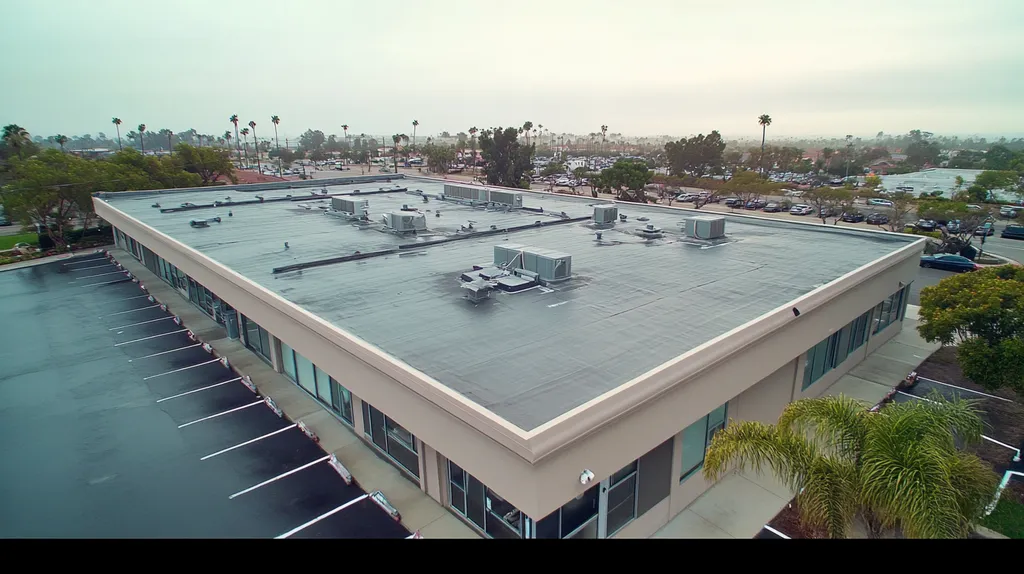
Performance factors make or break industrial roofing investments, directly impacting facility operations and maintenance budgets. Recent industry data shows that 85% of commercial roof failures stem from inadequate performance monitoring and maintenance practices, leading to premature system replacement.
Three critical performance indicators determine long-term roofing success: weather resistance capabilities, ease of ongoing maintenance, and system longevity. Understanding how TPO and PVC membranes measure against these factors helps facility managers optimize their roof maintenance strategies.
Weather Resistance
Weather resistance capabilities determine how well roofing systems maintain their protective properties under stress. TPO membranes excel in high-UV environments, with their reflective surface maintaining integrity even in extreme heat conditions.
Modern TPO formulations demonstrate excellent resistance to thermal cycling and temperature fluctuations. Their flexible composition allows the material to expand and contract without compromising seam integrity or surface protection.
PVC systems show strong performance in chemical exposure scenarios but can become brittle in extremely cold conditions. Their resistance to industrial pollutants makes them ideal for facilities with chemical exhaust concerns.
When evaluating weather resistance capabilities, TPO demonstrates an ADVANTAGE through superior UV protection and thermal performance across diverse climate conditions.
Maintenance Ease
Regular maintenance requirements significantly impact long-term operational costs and system reliability. TPO systems feature smooth surfaces that resist dirt accumulation and simplify cleaning procedures.
The welded seams in TPO installations can be easily inspected and repaired using standard heat-welding equipment. This accessibility reduces maintenance complexity and allows facilities teams to address minor issues before they escalate.
PVC systems demand more specialized maintenance attention, particularly around seams and penetrations. Their chemical composition requires specific cleaning products and techniques to prevent material degradation.
For maintenance considerations, TPO holds a clear ADVANTAGE due to its simplified maintenance requirements and repair procedures.
Longevity and Warranty
System longevity directly affects facility maintenance planning and replacement cycles. TPO membranes typically carry 20-year warranties when installed and maintained according to manufacturer specifications.
Field performance data shows TPO systems maintaining their protective properties throughout their expected service life. Proper maintenance and prompt repairs help these systems achieve their full lifespan potential.
PVC systems often come with extended 25-30 year warranties, reflecting their proven track record in demanding industrial environments. Their chemical stability contributes to consistent performance throughout the warranty period.
In the longevity category, PVC claims an ADVANTAGE through longer warranty coverage and established long-term performance history.
ROUND 3 WINNER: TPO
ROUND 4: MAINTENANCE REQUIREMENTS
Effective maintenance strategies determine whether an industrial roof becomes a long-term asset or a recurring liability. Studies show that poorly maintained roofing systems fail 5-7 years earlier than their expected lifespan, resulting in millions of dollars in preventable replacement costs across the commercial sector.
Understanding the distinct maintenance requirements of TPO and PVC systems enables facility managers to implement proactive care programs that maximize roof performance while minimizing lifecycle costs. Three key factors determine maintenance success: inspection protocols, repair accessibility, and system resilience.
Inspection Protocols
Regular inspections form the foundation of effective roof maintenance programs. TPO systems require thorough biannual inspections to identify and address potential issues before they compromise membrane integrity.
These inspections should occur in spring and fall to assess seasonal damage and prepare for upcoming weather conditions. Additional inspections after severe storms help prevent minor damage from escalating into system failures. (source: Naples Roofing)
PVC systems typically maintain stability with annual comprehensive inspections, though quarterly visual checks are recommended. Their chemical resistance and seam strength reduce vulnerability to environmental stressors.
When comparing inspection requirements, PVC demonstrates an ADVANTAGE through reduced inspection frequency while maintaining system integrity.
Repair Accessibility
TPO membranes offer straightforward repair procedures that facility maintenance teams can often handle internally. Their weldable surface allows for effective patching and seam repairs using standard heat-welding equipment.
The material’s flexibility facilitates repairs around roof penetrations and flashings, reducing the complexity of maintenance operations. This accessibility helps control costs and minimize repair-related facility disruptions.
PVC systems require specialized repair techniques and equipment, often necessitating professional contractor involvement. While repairs prove durable, the increased technical requirements can extend repair timelines and costs.
For repair accessibility, TPO claims a clear ADVANTAGE through simplified maintenance procedures and broader repair options.
System Resilience
TPO membranes demonstrate good resistance to common environmental stressors but may require more frequent preventive maintenance to maintain optimal performance. Their surface composition can show accelerated wear in areas with high UV exposure or chemical emissions.
Regular cleaning and surface treatments help preserve TPO’s protective properties, though these maintenance requirements increase operational costs. Proper drainage maintenance proves especially critical for preventing premature membrane degradation.
PVC systems exhibit superior chemical resistance and maintain their physical properties with minimal intervention. Their inherent durability reduces the frequency of preventive maintenance tasks while ensuring consistent performance.
In system resilience evaluation, PVC holds the ADVANTAGE through reduced maintenance requirements and superior chemical stability.
ROUND 4 WINNER: TIE
ROUND 5: SUSTAINABILITY CREDENTIALS
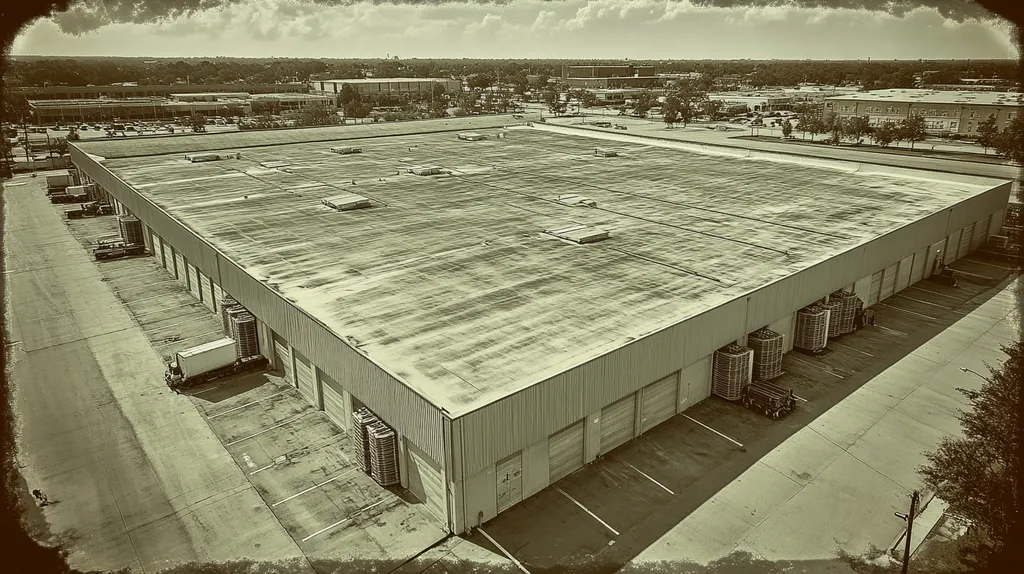
Environmental sustainability has become a critical factor in commercial roofing decisions, with regulatory requirements and market demands pushing facility managers toward greener solutions. Studies show that commercial buildings account for nearly 40% of total energy consumption in developed nations, making roofing choices pivotal in reducing environmental impact.
When evaluating TPO and PVC roofing systems through a sustainability lens, three key factors determine their environmental performance: material composition, energy efficiency, and end-of-life management. Understanding these elements helps facility managers balance immediate operational needs with long-term environmental responsibilities.
Material Composition
TPO membranes utilize thermoplastic materials that require minimal chemical additives during manufacturing. This simpler composition results in lower environmental impact during production and reduces the potential release of harmful compounds throughout the product lifecycle.
The manufacturing process for TPO generates fewer emissions and requires less energy compared to alternative roofing materials. Additionally, TPO formulations continue to evolve toward more environmentally friendly compositions while maintaining performance standards.
PVC production involves more complex chemical processes and requires substantial energy input. The material’s chlorine content raises environmental concerns, though modern manufacturing methods have significantly reduced emissions.
When comparing material composition impact, TPO demonstrates an ADVANTAGE through cleaner production processes and simpler chemical makeup.
Energy Efficiency
TPO’s highly reflective surface helps reduce cooling loads and energy consumption in commercial buildings. White TPO membranes can reflect up to 85% of solar radiation, maintaining effectiveness even as the surface ages.
This reflective capability translates directly into reduced HVAC strain and lower energy bills. TPO’s thermal performance remains consistent across various climate zones, providing reliable energy savings throughout the year.
PVC membranes also offer good reflective properties but typically achieve slightly lower reflection rates than TPO. Their energy performance can degrade more quickly in high-UV environments, potentially reducing long-term efficiency benefits.
For energy efficiency considerations, TPO claims another ADVANTAGE through superior reflectivity and consistent performance.
End-of-Life Management
TPO materials can be fully recycled at the end of their service life, supporting circular economy initiatives. The recycling process requires minimal energy and produces usable materials for various applications.
The simple chemical composition of TPO facilitates easier separation and processing during recycling. This characteristic reduces the cost and complexity of recycling operations while maximizing material recovery.
PVC recycling presents greater challenges due to chemical additives and processing requirements. While technically recyclable, many PVC roofing materials end up in landfills due to limited recycling infrastructure.
In end-of-life considerations, TPO holds the ADVANTAGE through superior recyclability and simpler processing requirements.
ROUND 5 WINNER: TPO
ROUND 6: SPECIALIZED APPLICATIONS
Industrial roofing applications increasingly demand specialized solutions as facilities face more complex operational challenges. Recent industry data shows that 73% of roof failures in specialized industrial settings stem from mismatched materials for specific applications, resulting in millions in damages and operational disruptions.
Three critical factors determine success in specialized applications: chemical exposure resistance, extreme temperature performance, and equipment integration capabilities. Understanding how TPO and PVC systems perform across these demands helps facility managers protect both their operations and investments.
Chemical Exposure Resistance
Chemical exposure represents a primary concern in industrial settings where roof membranes face constant contact with harsh substances. TPO membranes offer moderate resistance to common industrial chemicals but can show degradation when exposed to concentrated solvents or petroleum-based products.
Extended exposure to industrial emissions and chemical fallout can compromise TPO membrane integrity over time, particularly in areas with high concentrations of airborne pollutants. This vulnerability necessitates more frequent inspections and potential early replacement in chemically aggressive environments.
PVC systems demonstrate superior resistance across a broader spectrum of industrial chemicals, including acids, bases, and organic compounds. Their molecular structure maintains stability even under prolonged exposure to harsh industrial environments.
In chemical exposure scenarios, PVC demonstrates a clear ADVANTAGE through superior chemical stability and resistance to degradation.
Temperature Performance
Extreme temperature fluctuations challenge roofing system integrity, particularly in industrial settings with high-heat processes or cold storage requirements. TPO membranes maintain flexibility across a wide temperature range, helping prevent cracking and separation during thermal cycling.
The material’s formulation allows TPO to accommodate building movement and temperature-induced stress without compromising waterproof integrity. This adaptability proves especially valuable in facilities with varied temperature zones.
PVC systems exhibit comparable thermal performance characteristics, with excellent dimensional stability during temperature changes. Their welded seams remain secure through repeated thermal cycles, maintaining system integrity.
Both materials demonstrate strong thermal performance capabilities, resulting in a TIE for this category.
Equipment Integration
Modern industrial roofs must accommodate increasingly complex mechanical systems while maintaining watertight integrity. TPO installations allow for straightforward integration of new equipment and penetrations through heat-weldable flashings and accessories.
The material’s flexibility facilitates custom solutions for unique equipment configurations while maintaining system warranties. This adaptability helps facilities evolve their rooftop infrastructure without compromising protection.
PVC systems offer similar capabilities for equipment integration, featuring comprehensive flashing options and proven long-term performance around penetrations. Their chemical stability provides additional protection around mechanical equipment that may leak oils or coolants.
Both systems provide robust equipment integration solutions, leading to a TIE in this category.
ROUND 6 WINNER: PVC
AND THE WINNER IS…
After six grueling rounds of technical analysis, with millions in facility costs hanging in the balance, we have our verdict!
In a split decision that had our judges reviewing the scorecards multiple times, TPO emerges victorious with three round wins to PVC’s two (and one draw)! TPO dominated in initial costs, maintenance accessibility, and sustainability credentials, proving itself a formidable champion for cost-conscious facility managers seeking reliable performance.
But don’t count PVC out, ladies and gentlemen! This veteran contender showed its championship pedigree in durability and specialized applications, making it the undisputed choice for facilities facing harsh chemical exposure or demanding extended service life.
Important Disclaimer: While this matchup provides valuable insights, every facility faces unique challenges. Local climate conditions, regulatory requirements, and specific building characteristics can significantly impact roofing performance. Always consult qualified roofing professionals who can evaluate your specific situation before making this critical decision.
Remember, building owners and facility managers: In the high-stakes arena of industrial roofing, victory doesn’t always go to the strongest contender – it goes to the one that best matches your facility’s specific needs, budget constraints, and performance demands. Choose your champion wisely!
FREQUENTLY ASKED QUESTIONS
Q. What are the initial costs for a commercial roof installation?
A. Initial costs vary based on materials and installation complexity. TPO generally costs less than PVC, making it more budget-friendly for upfront investment. However, it’s important to consider long-term performance to ensure a worthy investment.
Q. How do durability and lifespan compare for industrial roofs?
A. Durability and lifespan can greatly influence lifecycle costs. PVC typically lasts longer than TPO, often reaching up to 30 years with proper maintenance, while TPO usually has a lifespan of 15-20 years when well cared for.
Q. Which roofing type offers better performance for industrial applications?
A. Performance is crucial for facility operations. TPO performs well under high UV exposure, while PVC excels in chemical environments. Each material has strengths that can influence productivity, so understanding unique needs is essential.
Q. What are the key maintenance requirements for commercial roofs?
A. Regular maintenance is critical. TPO systems need biannual inspections, while PVC requires annual checks. The ease of repairs also differs, with TPO often allowing for simpler repairs compared to the more technical PVC systems.
Q. How do sustainability credentials differ between TPO and PVC roofs?
A. Sustainability is vital for modern roofing choices. TPO is often preferred for its recycling potential and lower production impact, while PVC faces challenges due to its chemical components and processing complexities.
Q. How does each roofing type perform in specialized industrial applications?
A. For specialized needs, PVC often outperforms TPO in chemical resistance due to its robust composition. However, temperature performance is a tie, as both materials flex well under extreme conditions.
Q. What factors should I consider when choosing between TPO and PVC for a commercial roof?
A. When selecting roofing materials, consider initial costs, durability, maintenance needs, sustainability, and specific application requirements. Evaluating these factors will help ensure the chosen system meets both operational objectives and budget restrictions effectively.






