
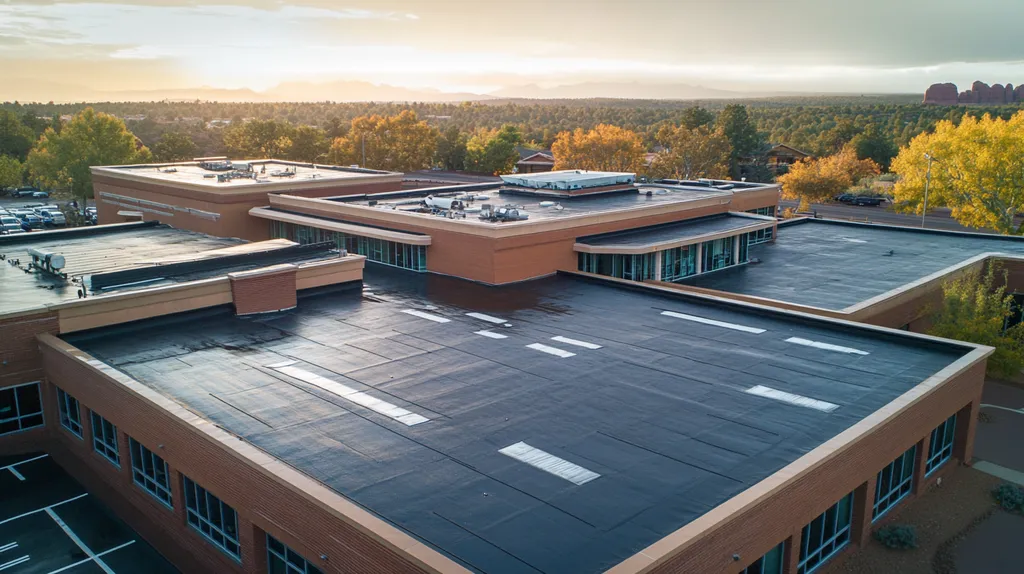
Commercial building owners hemorrhage thousands of dollars monthly through their roofs—watching profits literally escape through poor thermal control and outdated roofing systems.
Buildings with conventional roofing waste 40% more energy than necessary, driving utility costs skyward while energy-efficient systems slash operating expenses by 20-40% within the first year.
The transformation in commercial roofing technology is absolutely incredible! These advanced systems aren’t just protective barriers—they’re sophisticated energy-management tools that deliver extraordinary cost savings through smart design, superior materials, and strategic implementation.
This guide cuts through industry complexity to reveal exactly how energy-efficient roofing works, when it delivers maximum benefits, and what property managers must know to avoid costly mistakes that destroy expected savings.
SECTION 1: THE BASICS EXPLAINED
Every month, commercial property owners hemorrhage money through their roofs—literally watching profits escape through poor thermal control. Buildings with conventional roofing systems burn through 40% more energy than necessary, driving utility costs through the ceiling.
The transformation happening in commercial roofing technology is absolutely incredible! These advanced systems aren’t just protective barriers—they’re sophisticated energy-management tools that slash operating expenses while boosting building performance.
Understanding how energy-efficient roofing actually works is the key to unlocking massive cost savings. The fundamentals are surprisingly straightforward, but the financial impact is extraordinary.
What It Is (In Plain Language)
Energy-efficient roofing transforms your building’s thermal performance through three game-changing technologies: advanced reflectivity, superior insulation, and strategic ventilation. These systems work together to create a thermal barrier that keeps unwanted heat out in summer and valuable warmth in during winter.
The magic happens at the surface level with cool roof membranes and reflective coatings that bounce solar radiation back into space. Instead of absorbing heat like a giant sponge, these materials act like mirrors, reflecting up to 90% of incoming sunlight.
Beneath the surface, enhanced insulation layers create resistance to heat flow, dramatically reducing the workload on HVAC equipment. This isn’t your grandfather’s basic insulation—modern materials offer incredible thermal resistance in surprisingly thin profiles.
Ventilation systems complete the picture by expelling trapped hot air before it can infiltrate the building envelope. The result is a roof system that actively fights against energy waste rather than contributing to it.
Why It Matters (To Your Building)
The financial devastation from inefficient roofing is staggering—buildings routinely waste 30-50% of their energy budget fighting thermal problems caused by poor roof design. This translates to thousands of dollars monthly flowing straight to utility companies instead of your bottom line.
Energy-efficient roofing delivers immediate comfort improvements that tenants actually notice and appreciate. Temperature fluctuations disappear, hot spots vanish, and indoor environments become consistently comfortable year-round.
Equipment longevity skyrockets when HVAC systems aren’t constantly battling thermal loads from above. Motors run cooler, compressors cycle less frequently, and maintenance calls drop dramatically.
A well-designed and properly installed commercial roof significantly influences a building’s energy consumption, resulting in lower energy bills while waterproofing maintains insulation effectiveness, helping rooftop materials retain energy-saving properties. (source: Axiom D7)
Property values increase substantially when buildings demonstrate superior energy performance. Forward-thinking buyers recognize these systems as valuable assets, not just building components.
How It Works
The science behind energy-efficient roofing centers on controlling solar heat gain through reflectivity and thermal resistance. Light-colored membranes with specialized coatings reflect infrared radiation before it can convert to heat, keeping surface temperatures 50-80 degrees cooler than traditional dark roofs.
Insulation creates the critical thermal break between exterior and interior environments. Modern polyiso and spray foam systems provide exceptional R-values while maintaining structural integrity and moisture resistance.
Ventilation strategies—from simple ridge vents to powered exhaust systems—prevent heat buildup in roof cavities. This active heat removal keeps the entire roof system cooler and more effective.
The combination effect is extraordinary: reduced cooling loads, lower heating costs, and HVAC equipment that operates at peak efficiency. Buildings typically see 20-40% reductions in energy consumption within the first year.
Advanced systems integrate smart controls and monitoring technology to optimize performance continuously. These roofs don’t just save energy—they actively manage it.
SECTION 2: PRACTICAL APPLICATIONS
The revolution in energy-efficient roofing is transforming how smart building owners approach operational costs across every commercial sector. From massive distribution centers to high-rise office towers, these advanced systems are delivering game-changing results that show up immediately on utility bills.
The most successful implementations share common characteristics: strategic timing, proper integration, and understanding of building-specific thermal challenges. Property managers who master these practical applications consistently outperform their competition in both cost control and tenant satisfaction.
Common Uses & Examples
Manufacturing facilities and warehouses lead the charge in energy-efficient roofing adoption because their enormous roof surfaces create massive thermal challenges. These buildings see the most dramatic results—cooling costs can plummet by 30-50% when reflective membranes replace traditional dark roofing materials.
Retail centers and shopping complexes are embracing TPO and PVC single-ply systems that deliver superior reflectivity and durability. These materials stay over 50°F cooler in direct sunlight, dramatically reducing the thermal load on massive HVAC systems that serve hundreds of thousands of square feet.
Office buildings in urban environments increasingly choose green roof systems that provide exceptional insulation while managing stormwater runoff. These living systems create natural cooling effects that can reduce surrounding air temperatures and lower energy demands significantly.
Cool roofs reflect more sunlight and absorb less heat than conventional roofs, staying over 50°F cooler in the sun while delivering reduced cooling energy use, lower utility bills, and extended roof life. (source: U.S. Department of Energy)
Distribution centers report the most impressive energy reductions because their operations generate substantial internal heat that compounds roofing thermal challenges. Strategic cool roof installations consistently deliver 20-40% reductions in peak cooling loads within the first operating season.
When You Need It Most
Buildings facing roof replacement decisions represent the absolute best opportunities for energy-efficient upgrades. Retrofitting existing structures costs significantly more than integrating these systems during planned renovations, making timing absolutely critical for maximizing return on investment.
Facilities with high cooling loads and flat or low-slope roof configurations see the most dramatic energy savings. Sun-intensive climates amplify the benefits of reflective roofing systems, while northern buildings benefit most from superior insulation that prevents costly heat loss during winter months.
Properties with rooftop equipment installations require energy-efficient roofing to protect expensive HVAC units and solar arrays from thermal stress. Cooler roof surfaces extend equipment life while maintaining peak operational efficiency throughout extreme weather conditions.
Buildings approaching energy code compliance deadlines face regulatory pressure that makes energy-efficient roofing essential rather than optional. Proactive upgrades ensure compliance while capturing available incentives and rebates that offset installation costs.
High-occupancy facilities where tenant comfort directly impacts lease renewal rates benefit enormously from consistent interior temperatures. Energy-efficient roofing eliminates hot spots and temperature fluctuations that create tenant dissatisfaction and vacancy risks.
Interactions With Other Systems
HVAC equipment operates dramatically more efficiently when energy-efficient roofing reduces thermal loads from above. Compressors cycle less frequently, motors run cooler, and overall system longevity increases substantially while maintenance requirements decrease significantly.
Building envelope performance improves exponentially when energy-efficient roofing works synergistically with wall insulation and vapor barriers. This integrated approach prevents moisture intrusion while maximizing thermal resistance throughout the entire building structure.
Solar panel installations achieve peak efficiency when mounted on cool roofing systems that maintain lower surface temperatures. Photovoltaic panels generate more electricity and last longer when operating in cooler environments created by reflective roofing materials.
Energy management systems can monitor roof performance in real-time when integrated with smart roofing technologies. This data-driven approach enables continuous optimization and identifies maintenance needs before they impact building performance.
Fire suppression and safety systems benefit from cooler roof environments that reduce thermal stress on equipment and improve overall system reliability. Lower operating temperatures extend component life while maintaining critical safety functionality during emergencies.
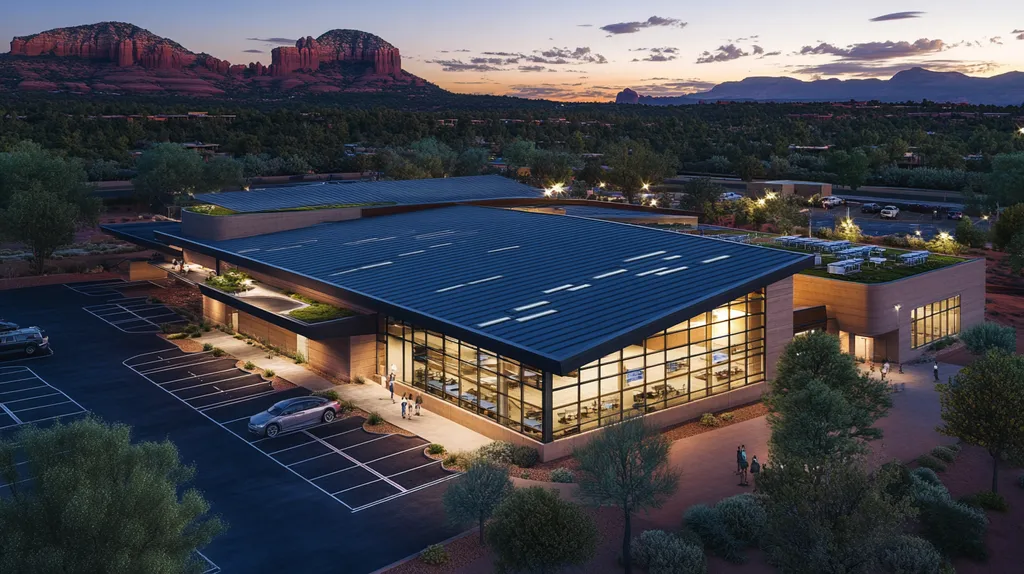
SECTION 3: KEY TERMINOLOGY DECODED
Property owners lose thousands annually because roofing contractors use confusing technical jargon that obscures critical performance differences. Buildings equipped with supposedly “energy-efficient” systems frequently underperform by 40% or more when owners misunderstand key specifications.
The terminology maze in commercial roofing creates costly decision-making errors that compound over decades. Understanding these essential concepts transforms property owners from passive victims of industry complexity into informed buyers who demand maximum performance.
Essential Terms Explained
Solar Reflectance measures how much sunlight a roof bounces back instead of absorbing as heat—the difference between a furnace and a mirror. High-performance membranes achieve reflectance values above 0.78, dramatically reducing cooling loads during peak summer months.
Thermal Emittance determines how effectively a roof releases absorbed heat back to the atmosphere once the sun sets. Materials with emittance values above 0.75 cool rapidly after sunset, preventing overnight heat buildup that forces HVAC systems to work harder.
R-Value quantifies insulation’s resistance to heat flow—higher numbers mean superior thermal barriers that slash energy waste. Commercial applications typically require R-20 to R-30 values, but specific requirements vary dramatically based on climate zone and building use.
Cool roofs reduce building air conditioning costs, lower urban heat island effect, reduce greenhouse gas emissions, and extend roof material lifespan by keeping roof temperatures lower. (source: ENERGY STAR)
Solar Reflectance Index (SRI) combines reflectance and emittance into a single performance metric that predicts real-world roof surface temperatures. Values above 78 indicate exceptional cooling performance that translates to immediate utility bill reductions.
Industry Jargon Translated
Single-ply membranes like TPO, PVC, and EPDM represent different polymer technologies with vastly different energy characteristics. TPO and PVC typically offer superior reflectance, while EPDM requires special coatings to achieve comparable cooling performance.
Thermal bridging creates devastating heat pathways through roof systems when conductive materials bypass insulation layers. Steel fasteners, concrete parapets, and metal structural elements can destroy 30-50% of a roof’s thermal efficiency if not properly addressed.
Modified bitumen systems use polymer-enhanced asphalt with reflective granules or coatings to improve energy performance. These systems offer durability advantages but require surface treatments to match single-ply membrane efficiency.
Green roofs integrate living vegetation with waterproof membranes to create natural insulation and cooling effects. These systems excel in urban environments where stormwater management and heat island reduction provide additional value beyond energy savings.
Built-up roofs (BUR) layer multiple plies of reinforcing fabric with bitumen to create thick, durable membranes. Traditional dark surfaces absorb massive amounts of heat, but reflective cap sheets can transform these systems into energy-efficient performers.
Measurement & Units Simplified
Reflectance and emittance values range from 0.0 to 1.0, where 1.0 represents perfect performance that reflects or emits 100% of energy. Most energy-efficient systems achieve reflectance above 0.70 and emittance above 0.75 for optimal cooling benefits.
R-values measure thermal resistance in hr·ft²·°F/BTU units—every point increase represents measurable energy savings that compound annually. Climate zones dictate minimum requirements, but exceeding these standards typically generates positive returns through reduced operating costs.
Membrane thickness affects both durability and thermal mass, with measurements typically expressed in mils (thousandths of an inch). Thicker membranes generally last longer but may store more heat, requiring careful balance between longevity and thermal performance.
Energy savings calculations use BTUs (British Thermal Units) or kilowatt-hours (kWh) to quantify thermal gains and electrical consumption reductions. These measurements directly translate to utility bill savings that justify system investments and ongoing maintenance costs.
Surface temperature measurements demonstrate real-world performance differences between roofing systems during peak conditions. Cool roofs typically operate 50-80°F cooler than conventional systems, creating measurable comfort improvements and equipment efficiency gains.
SECTION 4: DECISION FACTORS
The commercial roofing decision you make today will either drain your budget for decades or deliver extraordinary savings that compound annually. Buildings with poorly chosen roofing systems hemorrhage 40-60% more energy costs while facing premature replacement expenses that devastate capital budgets.
Smart property owners recognize that energy-efficient roofing decisions require analyzing three critical dimensions simultaneously. Upfront costs tell only part of the story—long-term performance and durability determine whether your investment generates profits or becomes a financial liability.
The most successful commercial roofing projects balance initial investment against operational savings and system longevity. Understanding these decision factors transforms potentially costly mistakes into strategic advantages that deliver superior building performance.
Cost Considerations
Initial installation costs create the most dangerous decision-making trap in commercial roofing because they blind property owners to massive long-term expenses. Energy-efficient systems typically cost 15-30% more upfront but deliver 20-40% lower utility bills that quickly offset higher initial investments through reduced operating costs.
Life-cycle cost analysis reveals the true financial impact of roofing decisions by calculating total ownership expenses over 20-30 year periods. Buildings with conventional roofing waste $2-4 per square foot annually on unnecessary energy costs that energy-efficient systems eliminate completely.
Installation complexity directly affects both upfront costs and long-term performance outcomes. Systems requiring specialized labor or advanced materials typically command higher initial budgets but deliver superior energy savings and fewer maintenance headaches throughout their operational lifespan.
Government incentives and utility rebates can offset 10-25% of energy-efficient roofing costs in many regions. Property owners who ignore these financial incentives essentially pay premium prices for conventional systems that will cost significantly more to operate over time.
Financing options specifically designed for energy improvements allow buildings to implement superior roofing systems with positive cash flow from day one. These programs recognize that energy savings often exceed monthly payment costs, creating immediate financial benefits rather than budget strain.
Performance Trade-offs
Regional climate conditions dramatically influence which energy-efficient roofing technologies deliver maximum savings for specific buildings. Reflective systems excel in cooling-dominated climates while insulation-focused approaches provide better results in heating-intensive environments where thermal retention matters most.
Building use patterns create distinct thermal challenges that require targeted roofing solutions for optimal performance. Manufacturing facilities with high internal heat loads benefit most from reflective systems, while office buildings in mixed climates need balanced approaches combining reflectivity and insulation.
Maintenance requirements vary significantly between energy-efficient roofing technologies and directly impact long-term cost effectiveness. Some reflective coatings require periodic cleaning to maintain peak performance, while premium membrane systems deliver consistent energy savings with minimal ongoing attention.
Cool roofs keep buildings cooler on hot days to improve indoor comfort and safety, reduce building air conditioning costs, and decrease roof temperature which can extend the life of the roof materials. (source: ENERGY STAR)
Integration capabilities with existing building systems influence both installation complexity and operational effectiveness. Energy-efficient roofing works synergistically with HVAC upgrades and building automation systems to maximize overall building performance and energy savings potential.
Lifespan & Durability Factors
Material durability determines whether energy-efficient roofing delivers decades of savings or becomes a costly maintenance nightmare requiring frequent repairs. Premium TPO and PVC membranes withstand UV exposure, thermal cycling, and weather extremes while maintaining energy performance throughout 20-30 year lifespans.
Warranty coverage provides critical insight into manufacturer confidence and long-term system reliability expectations. Comprehensive warranties covering both material defects and energy performance indicate superior quality while protecting property owners from unexpected replacement costs.
Installation quality affects system longevity more than material choice in many cases, making contractor selection absolutely critical for maximizing roofing investments. Experienced installers prevent thermal bridging, moisture infiltration, and membrane damage that can destroy energy efficiency and require costly repairs.
Environmental resistance capabilities determine how well energy-efficient roofing maintains performance under local weather conditions. Systems designed for specific climate challenges deliver consistent energy savings while conventional approaches degrade rapidly under thermal stress and moisture exposure.
Planned maintenance programs extend energy-efficient roofing lifespans while preserving peak performance characteristics that deliver maximum utility bill savings. Proactive care prevents minor issues from becoming major problems that compromise both building protection and energy efficiency benefits.
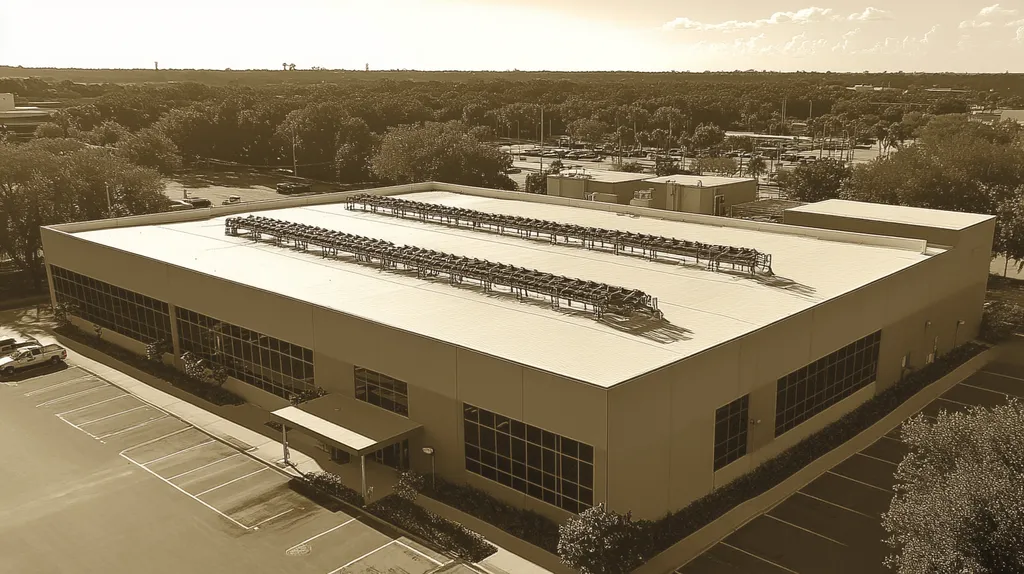
SECTION 5: COMMON CHALLENGES
Energy-efficient commercial roofing promises substantial savings, but countless property owners watch those benefits evaporate due to preventable installation mistakes and maintenance oversights. Buildings lose 25-40% of their expected energy savings when common problems go unaddressed during the first operating year.
The most devastating challenges stem from thermal bridging, inadequate insulation installation, and membrane degradation that destroys reflective properties. Smart facility managers who recognize these patterns early protect their investments while maintaining peak energy performance.
Understanding these frequent pitfalls transforms potential disasters into manageable maintenance items that preserve long-term operational savings.
Frequent Problems & Solutions
Thermal bridging devastates energy-efficient roofing performance when metal fasteners, structural supports, and parapet connections create heat pathways that bypass insulation layers. These thermal shortcuts can eliminate 30-50% of expected energy savings while creating hot spots that stress HVAC systems unnecessarily.
Insulation gaps and compression destroy thermal barriers during installation when contractors rush through complex details around penetrations and roof edges. Compressed insulation loses R-value dramatically, while gaps allow direct heat transfer that negates reflective membrane benefits.
Membrane contamination from construction debris, environmental pollutants, and biological growth reduces reflectivity by 20-40% within months of installation. Dark surfaces that once reflected 85% of sunlight may absorb heat like conventional roofing, driving cooling costs through the roof.
Solutions require meticulous attention to thermal break continuity using specialized fasteners and insulation techniques that eliminate bridging pathways. Quality control inspections during installation catch compression and gap issues before they become permanent energy drains.
Regular cleaning and maintenance programs preserve membrane reflectivity while protective coatings extend surface performance. These proactive measures maintain energy savings that justify system investments over decades of operation.
Warning Signs To Watch For
Utility bill increases during the first year of energy-efficient roof operation signal serious performance problems that require immediate investigation. Buildings should see 20-30% cooling cost reductions—any increase indicates thermal bridging, insulation failure, or membrane degradation.
Temperature variations across roof surfaces exceeding 10-15°F reveal thermal bridging locations where heat bypasses insulation systems. Infrared surveys identify these problem areas that appear as hot spots during peak sun exposure conditions.
Surface discoloration, biological growth, or debris accumulation on reflective membranes warns of declining energy performance before utility bills reflect the full impact. Dark patches absorb heat like conventional roofing materials, destroying cooling benefits in affected areas.
HVAC equipment cycling more frequently than historical patterns indicates increased thermal loads from compromised roof performance. Compressors working harder and running longer cycles suggest roof systems aren’t delivering expected thermal protection.
Cool roofs keep buildings cooler on hot days to improve indoor comfort and safety, reduce building air conditioning costs, and decrease roof temperature which can extend the life of the roof materials. (source: ENERGY STAR)
Preventative Approaches
Comprehensive installation specifications prevent thermal bridging by requiring specialized fasteners, continuous insulation techniques, and thermal break details at all structural connections. These upfront investments eliminate the most common causes of energy performance failures.
Semi-annual roof inspections identify membrane contamination, insulation settlement, and surface degradation before they impact energy savings significantly. Early detection enables cost-effective cleaning and repairs that preserve peak thermal performance.
Planned maintenance programs include reflectivity testing, thermal imaging surveys, and systematic cleaning schedules that maintain energy-efficient properties throughout system lifespans. These programs cost substantially less than energy losses from degraded performance.
Documentation systems track energy consumption patterns, roof surface conditions, and maintenance activities to identify performance trends before they become costly problems. Data-driven approaches enable proactive interventions that protect long-term savings.
Contractor training and quality control programs ensure installation teams understand thermal bridging prevention and proper insulation techniques. Investing in skilled labor prevents installation mistakes that can destroy energy efficiency permanently.
SECTION 6: NEXT STEPS & RESOURCES
The gap between selecting energy-efficient roofing and actually achieving promised savings devastates countless commercial properties annually. Buildings equipped with supposedly superior systems routinely underperform by 40% because owners asked the wrong questions and ignored critical standards during the selection process.
Property managers who master the essential questions, understand industry benchmarks, and leverage available resources consistently outperform their competition in both energy savings and system longevity. The difference between transformative results and costly disappointments often hinges on preparation and knowledge.
Questions To Ask Providers
Solar reflectance and thermal emittance values reveal the true energy performance potential of any roofing system under consideration. Contractors who cannot provide specific reflectance numbers above 0.70 and emittance values above 0.75 are essentially selling conventional roofing disguised with energy-efficient marketing claims.
Installation methodology questions expose contractor expertise and prevent thermal bridging disasters that destroy energy savings permanently. Experienced professionals should explain their thermal break strategies, insulation continuity techniques, and quality control procedures without hesitation or vague generalizations.
Performance guarantees and warranty coverage separate confident contractors from those hoping to avoid accountability for substandard results. Comprehensive warranties covering both material defects and energy performance indicate contractor confidence while protecting property investments from unexpected failures.
Reference projects with documented energy savings provide concrete evidence of contractor capabilities and system performance under real-world conditions. Contractors who cannot produce utility bill comparisons or thermal imaging data from recent installations lack the track record necessary for complex energy-efficient projects.
Energy-efficient roofing materials reflect more sunlight and absorb less heat than standard roofs, significantly reducing cooling costs in commercial properties while improving building comfort through lower temperature increases. (source: AAA Roofing and Façade Group)
Industry Standards & Guidelines
ENERGY STAR certification requirements establish minimum performance thresholds that separate legitimate energy-efficient roofing from marketing hype masquerading as advanced technology. Systems meeting these rigorous standards deliver measurable utility bill reductions while inferior products waste money on false promises.
Cool Roof Rating Council (CRRC) verification provides independent testing data that enables objective comparisons between competing roofing technologies. Property owners who ignore CRRC ratings risk selecting systems based on sales presentations rather than verified performance capabilities.
ASTM International testing standards ensure consistent measurement methodologies across manufacturers and provide reliable data for informed decision-making. These protocols eliminate manufacturer bias while establishing performance benchmarks that predict real-world energy savings accurately.
LEED credits for sustainable roofing create additional value streams beyond energy savings while supporting corporate environmental responsibility initiatives. Buildings pursuing LEED certification must meet specific reflectance and emittance requirements that align with superior energy performance standards.
Local building codes increasingly mandate energy-efficient roofing in new construction and major renovations, making compliance essential rather than optional. Proactive upgrades that exceed minimum requirements capture maximum incentives while ensuring future regulatory compliance.
Further Learning Simplified
National Roofing Contractors Association (NRCA) technical resources provide comprehensive guidance on energy-efficient installation techniques and maintenance procedures that preserve long-term performance. These professional development materials transform complex concepts into actionable strategies for facility managers.
Building Enclosure Council educational programs focus specifically on thermal performance optimization and moisture management integration with energy-efficient roofing systems. Their webinars and technical bulletins address real-world challenges that affect operational savings significantly.
Industry trade publications deliver regular updates on advancing roofing technologies, case studies with documented energy savings, and regulatory changes affecting commercial buildings. Staying current with these developments enables proactive decision-making that captures emerging opportunities.
Online energy modeling tools and savings calculators provide preliminary estimates of potential cost reductions based on building characteristics and local climate conditions. These resources help prioritize roofing investments while setting realistic performance expectations for different system types.
Professional certification programs for facility managers include specialized training modules on energy-efficient building envelope systems that integrate roofing with HVAC optimization. These credentials demonstrate competency while providing access to industry networks and continuing education resources.
The Bottom Line
Commercial buildings hemorrhaging energy costs through outdated roofing systems face an urgent crossroads—continue bleeding thousands monthly or capture 20-40% operational savings through strategic energy-efficient upgrades.
The transformation in roofing technology delivers extraordinary results for property owners who understand reflectivity requirements, thermal bridging prevention, and installation quality standards. Buildings equipped with properly specified systems consistently outperform conventional roofs by dramatic margins.
The cost of inaction compounds daily as utility rates climb and energy codes tighten. Properties clinging to conventional roofing approaches will face mounting competitive disadvantages while energy-efficient buildings capture tenant premiums and operational savings.
Smart facility managers recognize that today’s roofing decisions determine decades of future operating costs. The question isn’t whether to invest in energy-efficient roofing—it’s whether to act before mounting losses make the investment economically critical rather than strategically advantageous.
FREQUENTLY ASKED QUESTIONS
Q. What makes an energy-efficient commercial roof different from traditional roofing?
A. Energy-efficient roofs use advanced reflectivity, superior insulation, and strategic ventilation to reduce heat transfer. This synergy cuts cooling and heating demands dramatically, stabilizing indoor temperatures and lowering utility bills. Unlike traditional roofs that absorb heat, modern systems reflect sunlight and actively manage thermal energy.
Q. How do energy-efficient commercial roofs perform in different building types?
A. Large facilities like warehouses benefit immensely from reflective membranes reducing cooling loads by up to 50%. Retail centers and offices gain through TPO, PVC, or green roofs, which improve insulation and comfort. Tailoring solutions to building function and climate ensures the highest energy savings and tenant satisfaction.
Q. What essential terms should commercial roof owners understand?
A. Key terms include solar reflectance, which measures sunlight bounced away, and thermal emittance, indicating heat released after sunset. R-value quantifies insulation strength. Understanding these helps owners evaluate roofing performance beyond marketing buzz, ensuring informed decisions that maximize energy savings.
Q. What factors should influence my commercial roof selection decisions?
A. Consider upfront costs alongside long-term savings and durability. Energy-efficient systems may cost more initially but slash energy bills substantially. Also, factor in climate, building use, maintenance needs, and contractor expertise to select roofs that secure reliable savings over decades.
Q. What common challenges reduce energy savings from commercial roofing?
A. Thermal bridging, insulation gaps, and membrane contamination undermine energy performance significantly. These problems cause heat leaks and reduce reflectivity, driving up cooling costs. Proactive quality control during installation and routine maintenance preserve optimal roof efficiency and protect your investment.
Q. What questions should I ask commercial roof providers for energy efficiency?
A. Demand specific solar reflectance above 0.70 and thermal emittance over 0.75. Inquire about installation methods that prevent thermal bridging, request warranty and performance guarantees, and ask for proof through reference projects or utility bill comparisons. These questions separate experts from mere sales pitches.
Q. How does roof design impact HVAC equipment efficiency in industrial roofs?
A. Thoughtful roof design reduces heat gain, lowering strain on HVAC units and extending their lifespan. Cooler roof surfaces mean compressors cycle less and motors run at optimal temperatures, cutting maintenance and replacement costs. A smart roof acts as a frontline defender for your entire climate control system.






