
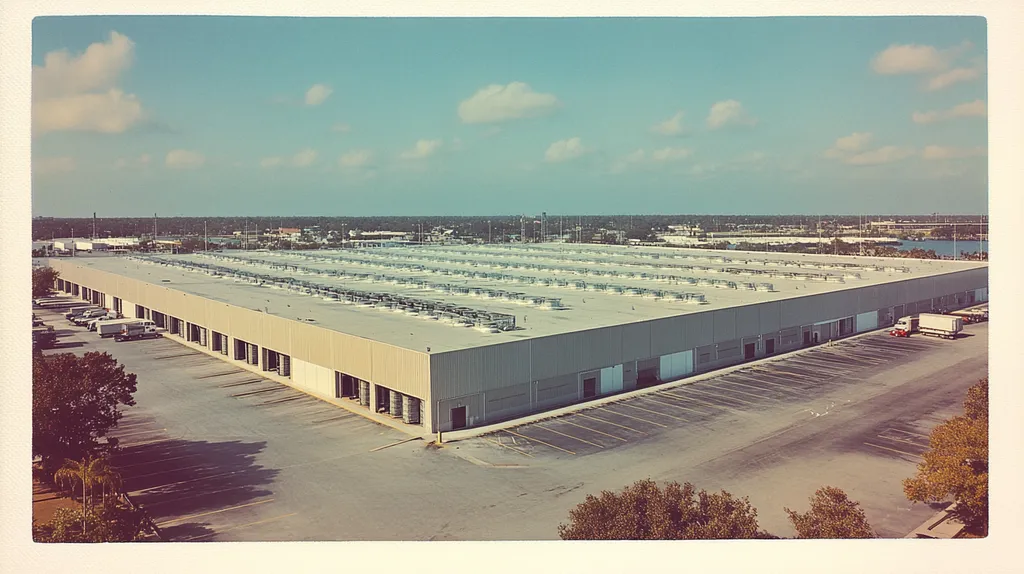
Up to 40% of commercial buildings are wasting energy through poorly implemented roofing systems, costing property owners thousands in preventable expenses each year.
As energy costs continue to climb, avoiding common pitfalls in energy-efficient roofing has become critical for sustainable building operations.
From material selection mishaps to installation oversights, these preventable errors not only drain budgets but also compromise building performance and environmental impact.
This guide examines the most frequent energy-efficient roofing mistakes and provides actionable solutions to help property owners and facility managers optimize their roofing investments.
SECTION 1: THE BASICS EXPLAINED
With energy prices climbing and sustainability becoming more critical, optimizing roofing systems is essential for any commercial property owner. Did you know that up to 30% of energy usage in commercial buildings can be traced back to heat escaping through the roof? Understanding energy-efficient roofing practices isn’t just a good idea; it’s a vital strategy for slashing operational costs and promoting sustainability. This section breaks down the basics of energy-efficient roofing, revealing why effective implementation is key.
What It Is (In Plain Language)
Energy-efficient roofing involves specially designed systems that actively reduce energy consumption and limit heat absorption. These innovative roofs often feature reflective materials or unique coatings that help keep indoor temperatures steady throughout the year. Additionally, they can use insulation techniques that help retain warmth in the winter and shield against the summer heat.
A prime example is the cool roof, which reflects sunlight rather than soaking it up. This technology not only minimizes the need for air conditioning but also helps lower surrounding temperatures. With cool roofs, property owners enjoy substantial energy savings while contributing positively to the environment.
While many might associate energy efficiency with homes, commercial properties are in an excellent position to benefit significantly from modern roofing upgrades. Therefore, understanding the elements of energy-efficient roofing is crucial for making smart investments in property infrastructure.
Why It Matters (To Your Building)
The significance of energy-efficient roofing goes far beyond just saving on energy bills. A well-executed energy-efficient roofing system can improve a building’s overall performance and increase its lifespan. Research shows that buildings equipped with energy-efficient roofs can realize energy cost reductions of up to 20% each year compared to traditional roofing systems.
Furthermore, these roofs play an essential role in meeting regulatory requirements and achieving sustainability objectives. As local governments tighten regulations to fight climate change, adopting energy-efficient roofing solutions ensures that property managers are well-prepared for future requirements and remain competitive in the marketplace.
Investing in energy-efficient roofing not only leads to notable cost savings but also enhances property value and ensures compliance with evolving building standards. This makes it crucial for every property owner and facilities manager to consider an energy-efficient roof.
How It Works
The success of energy-efficient roofing systems lies in their materials and design. For example, reflective roof coatings can be applied to increase reflectivity, thereby decreasing heat absorption from sunlight. Popular materials such as white TPO (Thermoplastic Olefin) and PVC (Polyvinyl Chloride) are well-regarded for their exceptional reflective qualities.
In addition, effective insulation is vital. Insulated roofs help maintain consistent indoor temperatures by preventing unwanted heat loss or gains. This factor is particularly critical in regions that experience extreme temperature changes.
By grasping how these systems operate, property owners and facilities managers can make informed and effective decisions. Proper installation and upkeep of energy-efficient roofs not only lead to considerable savings but also ensure that this vital investment pays off in the long run.
SECTION 2: PRACTICAL APPLICATIONS
The call for energy-efficient roofing practices is more urgent than ever. With energy costs on the rise and climate concerns looming large, property owners cannot afford to stand still. Shockingly, around 30% of energy in commercial buildings leaks out through the roof. This section uncovers the common applications of energy-efficient strategies, pinpoints the moments when they are most crucial, and explores how these systems work together with other building elements.
Common Uses & Examples
Energy-efficient roofing practices are vital in various commercial and industrial environments. In bustling urban settings, cool roofing materials shine by reflecting sunlight and minimizing heat absorption, which not only cuts down on air conditioning expenses but also counters the urban heat island effect that many cities face.
Another standout option is the green roof. These living systems soak up rainwater, reduce runoff, and offer natural insulation, making them especially beneficial for warehouses and manufacturing facilities that prioritize effective water management.
Reflective membranes are also making waves, particularly in flat roofing systems. By minimizing thermal conductivity, they significantly boost the building’s overall energy efficiency.
By grasping these diverse applications, property owners can confidently make decisions that yield real energy savings and foster sustainability.
When You Need It Most
Knowing the right time to implement energy-efficient roofing practices is essential for maximizing their impact. Major renovations or roof replacements present the ideal opportunity to adopt energy-efficient options. At this juncture, property owners can select materials that align with their energy-saving objectives.
Shifting weather patterns also signal the need for these upgrades. In areas with extreme temperature variations, roofs should be optimized to keep interiors comfortable all year long. Such improvements can diminish cooling costs during summer and retain warmth in winter.
Additionally, today’s stringent energy regulations necessitate considering energy efficiency early on. Being compliant with these standards can significantly affect operational costs and provide businesses with a competitive edge.
Recognizing these tipping points ensures that effective energy-efficient strategies are put into action at the right time, enhancing both building performance and cost-effectiveness.
Interactions With Other Systems
Energy-efficient roofing doesn’t operate in a vacuum; it closely integrates with other building systems. Effective insulation works alongside HVAC systems to optimize energy performance. Building managers must ensure insulation levels are adequate, lowering the demand on heating and cooling units.
Moreover, energy-efficient roofs can enhance the efficiency of solar panel installations. Reflective roofs help maintain cooler temperatures, allowing solar panels to capture more sunlight and produce greater energy.
Water management systems demonstrate further interaction. Green roofs not only contribute to energy efficiency but are also instrumental in stormwater management. This dual function supports property owners in meeting local regulations while bolstering their sustainability efforts.
By understanding these interactions, property owners can craft a cohesive, energy-efficient strategy that promotes long-term savings and improved building performance.
SECTION 3: KEY TERMINOLOGY DECODED
Understanding key roofing terminology is essential when diving into the world of energy-efficient roofing. Misunderstanding these terms can lead to costly mistakes that drive up expenses and shrink savings on energy bills. For example, grasping the differences between R-value and U-value can directly affect how energy-efficient your building is and how comfortable it feels. By decoding these terms, property owners and facility managers can lay the groundwork for successful, sustainable roofing practices.
Essential Terms Explained
Energy efficiency in roofing revolves around core concepts like R-value, U-value, and reflectance. R-value measures how well insulation resists the flow of heat; a higher R-value means better insulation. In contrast, U-value indicates how effective a building component is as an insulator, with lower U-values pointing to superior energy efficiency and minimal heat transfer.
Another crucial term is “thermal mass.” This refers to materials that can absorb and store heat. High thermal mass materials assist in maintaining indoor temperatures, which can lessen the need for active heating and cooling—key for places that experience significant temperature swings.
Lastly, “cool roofing” involves materials designed to reflect more sunlight and absorb less heat. These roofs keep their surface temperatures lower, which not only translates into energy savings but also helps combat the urban heat island effect that plagues many cities.
Industry Jargon Translated
When exploring roofing options, terms like “green roofing” and “living roofs” frequently pop up. Green roofing involves installing a layer of vegetation on rooftops, enhancing insulation and managing stormwater runoff. These living systems also foster biodiversity and assist in reducing surface temperatures.
Another important term is “ventilation,” crucial for a healthy roofing ecosystem. Proper ventilation prevents heat buildup and moisture issues, potentially extending the roof’s lifespan. It can be achieved through either natural or mechanical means and should work hand-in-hand with insulation for the best results.
Additionally, “building integrated photovoltaics” (BIPV) refers to solar energy systems seamlessly integrated into roofing materials. This innovative technology enables property owners to generate electricity on-site, lessening their reliance on traditional grid power sources. Understanding these concepts facilitates informed discussions surrounding sustainable roofing options.
Measurement & Units Simplified
Roofing measurements typically involve both imperial and metric units, which can be perplexing. For example, roof area is generally measured in square feet or square meters, critical for determining material needs and costs. Familiarity with these units is vital for precise budgeting and effective project planning.
Energy performance is often conveyed in BTUs (British Thermal Units) or kilowatt-hours (kWh). A BTU quantifies heat energy, whereas a kWh indicates electrical energy usage over time. Recognizing these units empowers property owners to assess energy efficiency metrics and the effectiveness of roofing solutions.
Lastly, wind resistance is evaluated using mph (miles per hour) or km/h (kilometers per hour). Understanding these parameters is necessary when selecting materials capable of enduring high winds, especially in regions vulnerable to severe weather. Clear comprehension of these measurements supports savvy risk management in any roofing project.
SECTION 4: DECISION FACTORS
When it comes to choosing roofing systems, the stakes couldn’t be higher for property owners and facility managers. The right decisions can lead to sustainable savings, while the wrong ones can balloon costs and compromise performance. Research shows that improper selection can increase energy costs by up to 30%. To avoid common pitfalls, it’s crucial to weigh cost, performance, and durability carefully as you navigate your roofing options.
Cost Considerations
Cost is always top of mind when selecting an energy-efficient roofing system. While some materials might appear budget-friendly at first glance, hidden long-term expenses could snuff out any initial savings. For example, opting for cheaper roofing products may result in frequent replacements, driving up total costs over time.
Moreover, many energy-efficient roofing options come with financial incentives or rebates. It’s essential, however, to read the fine print. If the roofs are not installed or maintained correctly, property owners risk losing out on these benefits, wasting valuable resources.
A life-cycle cost analysis can be a game-changer. This holistic view not only considers the upfront costs but also takes into account ongoing operational costs over the roof’s lifespan. Such analysis aids in securing funding and aligns with budget strategies, paving the way for sustainable financial health.
Ultimately, investing in higher-quality materials and skilled installation might lead to a steeper initial bill, but can provide substantial savings on energy bills and maintenance over time.
Performance Trade-offs
Performance is an essential factor when choosing roofing systems. Many property owners mistakenly prioritize energy efficiency while overlooking how materials interact with the local climate. A roofing system ill-matched to its environment can result in decreased insulation and higher heating and cooling costs.
Inexpensive roofing materials may also lack important reflective properties, which can aggravate energy consumption during hot summer months—especially in warmer climates. Ignoring the complete performance profile of roofing options can derail any intended energy savings.
Some energy-efficient materials have specialized installation needs. Reflective coatings, for example, require expert application to maximize performance. Settling for subpar installation can severely hinder the effectiveness of these systems and diminish long-term energy benefits.
Lifespan & Durability Factors
Lifespan and durability are vital considerations in energy-efficient roofing systems. Often, lower-cost materials suffer in structural integrity, leading to premature wear and tear. This not only increases the frequency of replacements but can disrupt business operations and potentially impact revenue.
The environmental conditions specific to regions must also be taken into account when estimating longevity. A roofing system that thrives in a temperate climate may falter in an area facing severe weather fluctuations. Avoiding a one-size-fits-all mentality is crucial for ensuring long-lasting roofs.
Investing in high-quality, durable materials can yield significant returns. Roofs with extended warranties may last decades, reducing long-term costs. By prioritizing robust options, property owners can enjoy peace of mind while promoting sustainability.
In summary, understanding the long-term impact of roofing decisions can help select a system that not only meets energy efficiency requirements but also stands the test of time, benefiting property owners both financially and environmentally.

SECTION 5: COMMON CHALLENGES
While energy-efficient roofing offers the promise of reduced costs and heightened sustainability, it’s not without its challenges that can easily spoil the benefits. Using the wrong materials or cutting corners during installation can lead to higher energy consumption, turning potential savings into unexpected expenses. Property owners and facility managers need to stay alert, as overlooking these issues can lead to costly repairs and major operational hiccups. Let’s delve into frequent problems, warning signs to watch for, and effective preventative approaches to keep roofs efficient and cost-effective.
Frequent Problems & Solutions
One common issue in energy-efficient roofing is the use of subpar materials. These low-quality options can degrade rapidly, leading to leaks and compromised insulation. A straightforward solution is to invest in high-quality materials that are well-suited for your local environment, ensuring longevity and efficiency.
Another significant problem is inadequate installation. Poorly executed roofing systems can create thermal gaps, which severely diminish energy efficiency. To combat this, hiring certified contractors who specialize in energy-efficient roofs is essential; their expertise ensures that installations meet the necessary standards for effectiveness.
Additionally, neglecting routine maintenance can exacerbate existing issues. Regular inspections help identify minor problems before they escalate, preserving long-term energy efficiency. It’s wise to establish a consistent maintenance schedule to ensure roofs remain in optimal condition.
Warning Signs To Watch For
Property owners should be vigilant for specific warning signs that indicate potential energy-efficient roofing failures. One major red flag is the appearance of water stains on interior walls or ceilings, hinting at leaks or inadequate insulation. Addressing these problems promptly is crucial to prevent unnecessary energy loss.
Another sign to keep an eye on is curling or cracking shingles. This damage can signal material degradation and can lead to increased heat loss during winter or unwanted heat gain in summer, ultimately raising energy bills.
Excessive condensation inside the building is also a concerning sign of poor ventilation. This can cause a humid environment that disrupts energy efficiency. Monitoring indoor air quality and humidity can help catch these issues early and allow for timely intervention.
Preventative Approaches
A proactive approach can significantly reduce energy-efficient roofing challenges. Training contractors on the importance of selecting suitable materials and proper installation techniques tailored to the building type is vital for improving service quality and outcomes.
Implementing a regular maintenance program ensures that roofs are periodically checked for wear and tear. Frequent inspections not only extend the life of roofing materials but also safeguard energy efficiency across the board.
Upgrading to reflective roofing materials is another key preventative measure. These materials help lower heat absorption, keeping buildings cooler during summer months and subsequently reducing reliance on air conditioning.
Lastly, conducting energy audits plays a crucial role in identifying opportunities to enhance energy efficiency. These audits offer valuable insights into roofing performance and actionable improvements based on concrete data, ensuring that property owners can make informed decisions to bolster sustainability efforts.
SECTION 6: NEXT STEPS & RESOURCES
The stakes for energy-efficient roofing couldn’t be higher! A malfunctioning roof can lead to energy loss, which skyrockets utility bills and negatively impacts the planet. Property owners and facility managers must take action now to find the right solutions through informed decisions. This section presents key steps and resources that empower stakeholders to navigate their roofing options effectively, ensuring both sustainability and cost savings.
Questions To Ask Providers
Before committing to a roofing contractor, property owners should arm themselves with a list of impactful questions. Focus on energy-efficient materials and installation methods. Start by asking whether the provider is certified in energy-efficient systems, confirming their expertise and qualifications.
Another vital question revolves around insulation strategies. Effective insulation is key to energy savings, so clear details from the contractor can signal their capability in delivering long-term efficiency.
Don’t forget to inquire about warranty terms covering energy-efficient materials. Thorough knowledge of warranty specifics can dramatically influence long-term costs and performance expectations.
Finally, gauge the provider’s experience with energy-efficient roofs to evaluate how adeptly they can meet client needs. Well-informed questions lead to sound choices that result in successful projects.
Industry Standards & Guidelines
Adhering to established industry standards is crucial for a smooth roofing project. The Cool Roof Rating Council (CRRC) sets valuable benchmarks for reflective roofing products, ensuring that selected materials effectively meet efficiency needs.
Moreover, the Energy Star program offers essential recommendations for both residential and commercial roofing systems. By following these guidelines, property owners can significantly trim down energy consumption.
Additionally, local building codes often incorporate energy efficiency requirements. Familiarity with these regulations helps avoid costly compliance issues and boosts overall roof performance.
Engaging with organizations like the National Roofing Contractors Association (NRCA) can further enrich understanding of best practices in energy-efficient roofing, helping facilities managers stay ahead of the curve.
Further Learning Simplified
Ongoing education in roofing practices is essential for staying informed. Numerous online platforms provide training materials on energy-efficient techniques that enhance decision-making. These resources offer insights that guide stakeholders toward the best options.
Participating in webinars and workshops hosted by respected organizations is another valuable avenue. These interactive sessions keep industry professionals informed on the latest trends and technologies.
Industry publications are treasure troves, featuring case studies of successful energy-efficient roofing projects. Real-world examples can inspire actionable insights for property owners.
Finally, tapping into local energy efficiency programs can provide tailored educational resources, ensuring property managers make strategic roofing choices aligned with sustainability goals.
The Bottom Line
With energy costs rising by up to 40% annually, property owners can no longer afford to ignore inefficient roofing practices that drain their budgets and harm the environment.
The path to sustainable savings requires avoiding common pitfalls like poor material selection, inadequate installation, and neglected maintenance that plague commercial roofing projects.
By understanding key terminology, weighing crucial decision factors, and implementing preventative measures, facility managers can optimize their roofing investments for maximum energy efficiency.
The time to act is now – every day of delay means more wasted energy and higher operational costs that impact both the bottom line and environmental sustainability.
Success in energy-efficient roofing isn’t just about making the right choices – it’s about avoiding the wrong ones.
FREQUENTLY ASKED QUESTIONS
Q. What is energy-efficient roofing for a commercial roof?
A. Energy-efficient roofing means using specialized materials that reduce energy use and limit heat absorption. Techniques like reflective coatings and effective insulation help maintain indoor temperatures, saving on energy costs. These roofs not only improve building performance but can also extend the roof’s lifespan while being kind to the environment.
Q. When should I implement energy-efficient practices for my industrial roof?
A. Implementing energy-efficient roofing strategies is most effective during major renovations or roof replacements. This timing allows property owners to select suitable materials and systems. Additionally, consider weather patterns; roofs should be optimized for areas with extreme temperatures to ensure year-round comfort and cost efficiency.
Q. What does R-value mean for my commercial roof?
A. R-value measures the effectiveness of insulation in resisting heat flow. The higher the R-value, the better the insulation performs, helping to maintain indoor temperatures and reduce energy consumption. Understanding this term is crucial for making informed decisions regarding energy-efficient roofing materials.
Q. How can cost affect my choice of an industrial roof?
A. While initial costs are crucial, selecting cheap roofing materials often results in increased long-term expenses due to frequent repairs and replacements. Conducting a life-cycle cost analysis can offer insights into the total costs over time, helping you make a sustainable, financially sound choice.
Q. What are common challenges with energy-efficient roofing?
A. Common challenges include using subpar materials, inadequate installation, and neglecting regular maintenance, leading to leaks or poor insulation. Being proactive through regular inspections, high-quality materials, and choosing certified contractors can save you time and money in the long run by ensuring your energy-efficient roof remains effective.
Q. What questions should I ask roofing contractors for my commercial roof?
A. Inquire about their certifications in energy-efficient systems, insulation strategies, and warranty terms. Understanding their experience with energy-efficient roofs can help gauge their capability in providing suitable solutions. These questions ensure informed choices that align with your sustainability goals while safeguarding your investment.
Q. Are there any alternative roofing solutions I should consider?
A. Yes! Green roofs are an excellent alternative, providing natural insulation and managing stormwater. Additionally, consider solar roofing technologies, which integrate solar panels into the roof, generating on-site electricity while also contributing to energy efficiency. Exploring these innovative solutions can further enhance your property’s sustainability efforts.






