
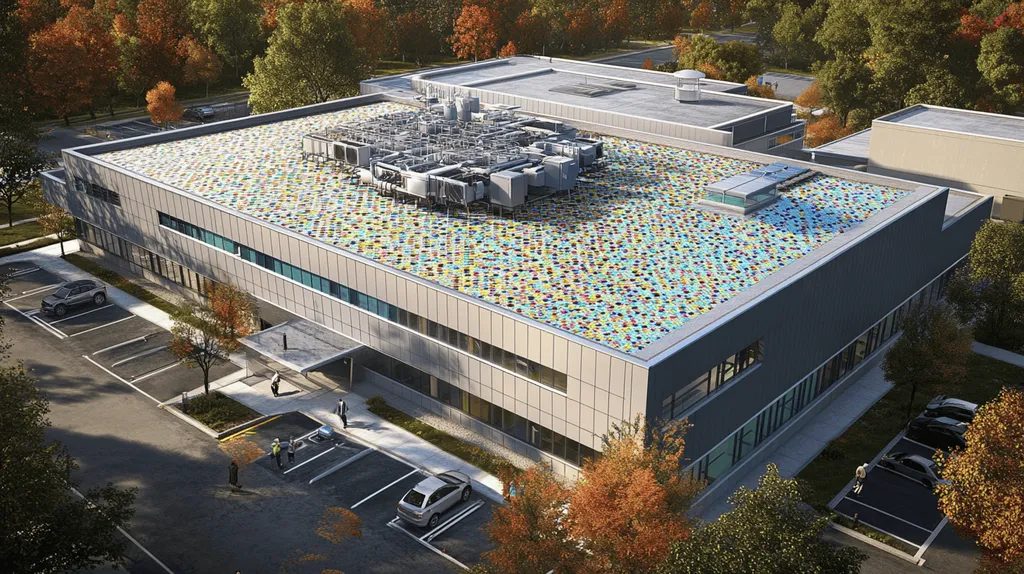
In an era of skyrocketing energy costs, commercial property owners are hemorrhaging money through inefficient roofs. Studies show that poorly performing roofs can waste up to 30% of a building’s total energy consumption—a staggering figure that directly impacts bottom lines.
Yet many facility managers still treat energy performance testing as an optional luxury rather than a critical necessity. This approach is about as sensible as running your AC with the windows wide open.
From thermal imaging to reflectance testing, modern roof assessment methods can pinpoint exactly where your building is leaking money. This comprehensive guide cuts through the industry jargon to deliver actionable insights for optimizing your roof’s energy performance.
SECTION 1: THE BASICS EXPLAINED
Energy performance testing for commercial roofs is not just a technicality—it’s a crucial component for savvy property owners and facility managers. With energy prices skyrocketing and an increasing number of environmental regulations, neglecting your roof can be like leaving your wallet wide open in a crowded street. Research indicates that inefficient roofs can contribute to as much as 30% of a building’s total energy loss. Understanding the fundamentals of energy performance testing can lead to significant savings and enhanced comfort within your facilities.
What It Is (In Plain Language)
Energy performance testing measures a commercial roof’s ability to conserve energy and control temperature. This process assesses key elements like insulation efficiency and how well the materials reflect heat. Using advanced tools to evaluate thermal performance, property owners can gain insights into energy movement through their roofing systems.
At its core, this testing answers two critical questions: Are you wasting energy? Is your roof performing optimally? The findings can illuminate pathways to enhanced energy efficiency.
When executed effectively, this testing offers critical information that propels decisions about repairs or replacements. Ultimately, the goal is to ensure the roof plays a crucial role in the building’s energy strategy.
To put it simply, energy performance testing is about maximizing ROI on your roofing investment. It arms property owners with actionable data to bolster their assets.
Why It Matters (To Your Building)
The stakes of energy performance testing extend far beyond cost savings; they touch on vital aspects like sustainability and regulatory compliance. Energy efficiency is increasingly critical to businesses today. A high-performing roof can cut energy bills, translating to considerable savings over time.
Moreover, efficiency enhancements often lead to a more comfortable indoor climate. This improvement boosts tenant satisfaction and can elevate occupancy rates. A pleasant working environment can enhance productivity and elevate employee well-being.
Additionally, positioning a building as a sustainable asset through energy performance testing can enhance business reputation and attract eco-conscious clients or tenants.
Lastly, with regulatory bodies tightening energy efficiency standards, testing is essential for compliance. It helps guarantee that your building meets these standards, sidestepping potential fines and headaches down the line.
How It Works
The energy performance testing process is methodical and thorough. Initially, inspectors conduct a comprehensive review of the roofing system to pinpoint weaknesses or inefficiencies. This includes checking insulation levels, sealing around penetrations, and evaluating thermal performance.
Next, cutting-edge equipment—like infrared thermography or energy modeling software—is utilized. These tools yield quantifiable data regarding heat loss, air leaks, and roofing material effectiveness.
Once the data is gathered, it undergoes in-depth analysis to assess the overall energy performance. This examination identifies where improvements are needed, whether through repairs, retrofitting, or even discussing a complete roof replacement.
Finally, the results are compiled into a detailed report. This document summarizes findings and offers practical recommendations, empowering property owners and facility managers to make informed decisions.
SECTION 2: PRACTICAL APPLICATIONS
Time to get real: energy performance testing isn’t just a box to check—it’s the difference between wasting resources and bankrolling operational savings. Studies reveal energy-efficient roofs can slash energy consumption by as much as 30%. In this section, we’ll dig into the common uses for energy testing, flag the moments that call for it, and showcase how it meshes with other building systems.
Common Uses & Examples
Energy performance testing pulls double duty in the world of commercial roofs. It’s not just about flair; it assesses insulation performance, spots thermal bridging, and scrutinizes older roofing systems. Take infrared thermography, for example—a tool that illuminates heat loss, allowing property owners to pinpoint and fix issues before they balloon into bigger problems.
Testing also validates the effectiveness of modern roofing materials. Ever heard of cool roofs? They’re designed to reflect solar radiation, and testing can verify if that shiny new reflective membrane is actually doing its job—saving you cash during those sweltering summer months.
For added muscle, building owners can leverage performance results to back up warranty claims with manufacturers. When you have solid proof of a roof underperforming, you empower negotiations for repairs or replacements, making manufacturers sit up and take notice.
In short, the practical applications of energy testing foster smarter maintenance decisions and upgrades—directly impacting your bottom line.
When You Need It Most
Timing is everything, and knowing when to conduct energy performance testing can save serious cash. Ideally, routine assessments align with scheduled maintenance or major renovations. If a roof replacement is on the horizon, make testing a priority. You don’t want to end up with a new system that fails to meet energy efficiency standards.
Extreme weather events also scream for testing. If hail or high winds have taken a toll on your building, prompt testing can reveal hidden damage that jeopardizes energy performance. This proactive strategy can spare property owners hefty costs in energy waste and repairs.
Don’t forget about after renovations or energy upgrades. Just because something is new doesn’t mean it’s optimal. Skipping the verification step could lead to assuming everything’s great when, in reality, it’s a hot mess.
In a nutshell, knowing when to test arms facility managers and owners with the intelligence they need for timely, informed decisions.
Interactions With Other Systems
Energy performance testing is not an island; it interconnects with various building systems. The roof’s thermal performance can throw a wrench in HVAC efficiency. If insulation is lackluster, the HVAC system could be working overtime, leading to elevated energy costs that no one wants to pay.
Moreover, roofing materials play a critical role in the performance of adjacent systems, like solar panels. If the roof’s energy performance is poor, that rooftop solar may produce far less power than you anticipated. It’s a recipe for underwhelming energy generation.
A comprehensive understanding of these interactions enables property owners to enhance overall building performance. By recognizing the links between roofing, HVAC, and renewable energy systems, stakeholders can carve out robust strategies moving forward.
In essence, energy performance testing isn’t just about the roof; it’s about elevating the entire building’s operational efficiency. Optimize one area, and the entire system stands to benefit.
SECTION 3: KEY TERMINOLOGY DECODED
When it comes to energy performance testing, understanding the lingo is non-negotiable for property owners and facility managers. As energy prices climb and the push for sustainable practices intensifies, having a grasp on key terms can make or break your decision-making. This section is here to untangle the essential jargon and metrics, simplifying conversations about roofing energy efficiency. By mastering these concepts, stakeholders can make savvy choices that boost their roof’s performance and lifespan.
Essential Terms Explained
Energy performance testing kicks off with foundational terms like “thermal resistance” and “insulation.” Thermal resistance, commonly measured in R-values, indicates how effectively a roof resists heat flow. The higher the R-value, the better the insulation and the lower your energy costs.
Another fundamental term is “solar reflective index” (SRI), which assesses a roof’s ability to bounce back solar energy. Roofs boasting high SRI values aren’t just shiny; they can significantly lower cooling costs, especially in sweltering climates where air conditioning is a must.
Let’s not overlook “air leakage,” a measure of how much air escapes from the building through the roof. Lower air leakage equals better energy efficiency and fresher indoor air quality—it’s a win-win for both cost and comfort.
By wrapping your head around these terms, property owners can engage more meaningfully in conversations about energy performance testing and its tangible rewards.
Industry Jargon Translated
Industry jargon often builds a wall of confusion. For example, “conductive heat loss” refers to heat escaping through materials like roofs. Recognizing this helps managers prioritize solutions that reduce thermal loss instead of letting dollars slip through the cracks.
Next up is “thermal bridging,” which happens when heat flows through materials with lower insulation values. Spotting potential thermal bridges opens the door for targeted renovations that amp up overall efficiency.
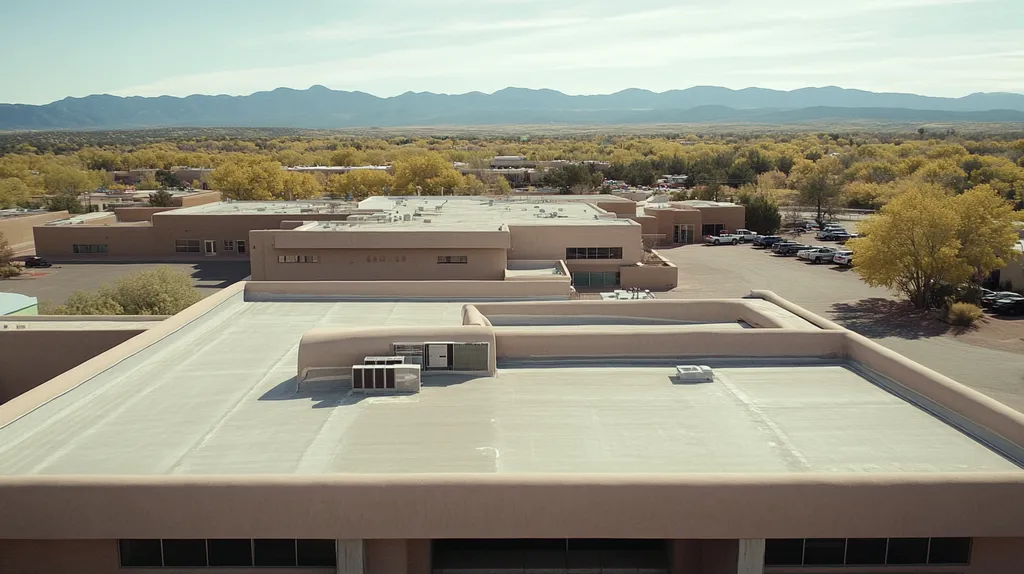
It’s also crucial to clarify what “cool roofing” means. These innovative materials are designed to reflect more sunlight while absorbing less heat, keeping energy demands low and your building comfy.
Decoding this jargon empowers stakeholders to ask the right questions and advocate for testing that validates energy performance in practical terms.
Measurement & Units Simplified
Clear measurements are pivotal when chatting about energy performance. Metrics like R-value or U-factor (which gauges thermal transmittance) are essential for grasping how well a roof insulates. A lower U-factor means better insulation, which translates to savings.
Grasping energy consumption units, such as kilowatt-hours (kWh), can help evaluate energy bills. Different roofing materials influence these units, so understanding their impact is key to making financially savvy decisions.
Also vital is the performance metric “HVAC efficiency.” This figure assesses how well a heating, ventilation, and air conditioning system utilizes energy, linking back directly to roofing choices.
By simplifying these measurements and units, property owners can effectively evaluate their roofs’ energy performance and make informed upgrades that pay off.
SECTION 4: DECISION FACTORS
Deciding on energy performance testing for commercial roofs isn’t just another item on a checklist—it’s a crucial move that could protect your bottom line in a big way. With energy costs potentially devouring up to 30% of your operating budget, the right testing can lead to major savings. Property owners and facility managers must think critically about factors like cost, performance trade-offs, and the longevity of roofing systems. By understanding these decision factors, they’re not just making choices for today—they’re setting up operations for success in the future.
Cost Considerations
The price tag for energy performance testing can vary, but brushing it off often leads to wasting money in the long run. Initially, the testing might feel like an unnecessary expense, but the payoff can be significant. Buildings optimized for energy efficiency have been shown to cut energy use by as much as 20%—now that’s worth a second look.
When budgeting, it’s essential to factor in potential savings on energy bills as well. Regular assessments catch problems earlier, helping prevent expensive repairs later. For example, a small leak could snowball into a massive issue, costing a fortune in water damage and insulation loss.
Plus, utility companies frequently offer incentives for energy-efficient solutions, making your testing expenses more palatable. Not only do such programs improve energy performance, but they also add financial benefits that further justify that initial cost.
In a nutshell, while the cost is a major consideration, the long-term savings generated by energy performance testing can easily outweigh early investment concerns.
Performance Trade-offs
When diving into energy performance testing, facility managers must weigh the performance trade-offs linked to various roofing materials. For instance, while reflective roof coatings can do wonders for reducing cooling costs, they often come with a higher initial price tag. Understanding these trade-offs is not just wise; it’s essential for making informed decisions.
Another crucial balance is between thermal efficiency and the physical weight of insulation materials. Heavier insulation can mean better thermal performance but may also put additional strain on a building’s structure. Assessing the building’s load-bearing capacity is key when choosing roofing materials that promise energy savings.
Moreover, some energy-efficient materials don’t stand up well under certain environmental conditions. There have been cases of cool roofing materials floundering in extreme heat, leading to soaring maintenance costs. Evaluating your roof’s exposure and local climate can guide managers toward the most suitable materials.
Overall, knowing these performance trade-offs enables property owners to select roofing solutions that blend efficiency with structural integrity, ultimately curbing long-term expenses.
Lifespan & Durability Factors
The lifespan and durability of roofing systems are crucial factors when it comes to energy performance testing. Opting for a roofing solution that needs frequent replacement can escalate costs and resource use over time. Selecting materials known for their longevity can significantly reduce the burden of repairs and replacements.
Durable materials typically enhance energy performance too, as they can resist environmental stressors without quickly degrading. Take high-quality roofing membranes, for instance—they maintain their insulating properties far longer than subpar alternatives, leading to ongoing energy savings.
Moreover, conducting regular energy performance testing can extend the useful lifespan of a roof. Identifying minor issues early allows for timely repairs before they escalate into major problems. This proactive approach not only keeps the roof intact but also preserves its energy efficiency.
In conclusion, considering lifespan and durability plays a massive role in the overall effectiveness and sustainability of a roofing system. This reinforces the vital need for comprehensive energy performance testing to keep efficiency levels high over time.
SECTION 5: COMMON CHALLENGES
The energy performance of commercial roofs can suffer from a range of common yet crucial challenges. Failing to address these issues can lead to staggering financial losses and increased greenhouse gas emissions. In fact, studies show that poor roofing can account for over 30% of a building’s energy expenses. This section highlights frequent problems, warning signs to catch early, and preventative measures that can keep those costs from spiraling out of control.
Frequent Problems & Solutions
One pervasive challenge is inadequate insulation, which can wreak havoc on energy bills by allowing heat to escape in winter and flood in during summer. This not only inflates energy costs but also makes indoor spaces uncomfortable. Upgrading to advanced insulation materials can provide a long-term fix that dramatically improves energy retention.
Poor roof drainage is another culprit, often leading to water pooling and structural damage. Regular inspections paired with well-designed drainage systems can mitigate these risks. By nipping drainage issues in the bud, property owners can enhance both energy efficiency and roof longevity.
Additionally, roofs are frequently undermined by deterioration from UV exposure and harsh weather. Reflective roofing materials can help combat this, keeping surface temperatures down and extending the overall life of the roof while boosting energy performance. It’s about coating roofs in smart materials—not just any shiny stuff that makes them look good.
Warning Signs To Watch For
Spotting early warning signs is essential for maintaining energy efficiency in roofing systems. One telltale sign is visible wear—cracks, blisters, or any irregularities that suggest the roof is crying for help. These flaws can lead to increased energy inefficiencies and should be examined immediately to prevent bigger headaches down the line.
Water stains on ceilings are another red flag indicating leaks in the roofing system, which can severely compromise energy performance. Swiftly addressing these leaks can save property owners from expensive repairs and help maintain a stable, comfortable indoor climate.
Rising energy bills could also signal lurking performance issues. An unexpected spike often hints that the roof’s energy regulation has gone off the rails. Keeping a close eye on usage patterns can empower property owners to act quickly to investigate potential roof problems.
Preventative Approaches
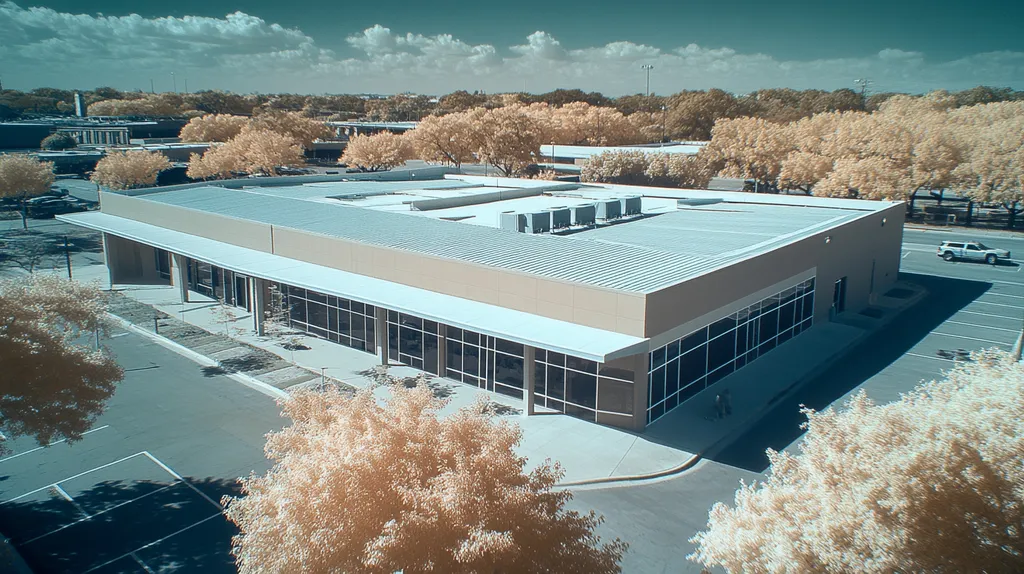
Adopting preventative measures can spare property owners from costly repairs in the future. Conducting regular thermal imaging scans can pinpoint insulation voids and identify areas needing improvement. Proactive assessments lead to better energy efficiency and a longer-lasting roof—saving headaches later.
A routine maintenance schedule is essential to keep everything running smoothly. Regular checks can catch minor concerns before they develop into major ones. This ongoing vigilance not only identifies trouble spots early but also boosts the overall efficiency of the roofing system.
Finally, investing in knowledge about energy roofing trends keeps property owners in the loop. Collaborating with professional roofing consultants can provide tailored strategies that optimize energy performance, ensuring roofs remain efficient over their lifetime.
SECTION 6: NEXT STEPS & RESOURCES
With the pressure to enhance energy efficiency mounting, commercial property owners face a critical choice: assess the performance of their roofs or risk a hefty financial hit. Poorly performing roofs can siphon off up to 30% of energy expenses, and neglecting energy performance testing is akin to tossing money out the window. This section arms you with essential questions to ask your roofing providers, important industry standards to consider, and resources for deepening your knowledge.
Questions To Ask Providers
Choosing the right roofing provider can feel overwhelming, but targeted questions can cut through the noise. Start by asking how they measure energy efficiency. Do they use tools like infrared thermography or thermal imaging to reveal heat loss? This info is key.
Next, delve into their qualifications. Are their testing processes up to industry standards? This ensures that you get reliable results that genuinely reflect your roof’s efficiency.
Also, consider the frequency of testing. Regular evaluations are crucial for maintaining long-term energy efficiency; make sure your provider has a solid testing schedule in place to catch potential issues before they balloon.
Lastly, don’t skip the details of reporting. Clear documentation of results enables property owners to make smarter, data-driven decisions about necessary upgrades or replacements.
Industry Standards & Guidelines
Understanding industry standards is essential for effective energy performance testing. Organizations like the American Society for Testing and Materials (ASTM) lay down the law on testing processes, ensuring consistency and clarity in evaluations. Following these guidelines can add a layer of credibility to your results.
Don’t overlook the U.S. Department of Energy (DOE) either. Their insights on energy efficiency best practices can help you establish solid roof performance benchmarks. Aligning with national energy goals is a win-win.
Moreover, certifications such as LEED (Leadership in Energy and Environmental Design) provide vital benchmarks for meeting energy performance targets. Knowing these standards can elevate your roofing efforts and sustainability initiatives.
Lastly, regulations evolve with technology and research advancements, so keeping an eye on changes is critical to staying ahead in energy efficiency.
Further Learning Simplified
Continued education is non-negotiable for those serious about enhancing roof energy performance. Online webinars and virtual courses offer a treasure trove of current best practices and strategies.
Networking at industry conferences can spark invaluable discussions and connections with experts, fueling fresh ideas on energy performance.
Additionally, professional organizations often publish insightful materials and white papers on emerging trends in roofing energy efficiency, which can keep you well-informed.
Lastly, consider attending local workshops led by roofing professionals. These sessions provide hands-on learning and a unique chance to interact directly with industry leaders, solidifying your grasp of energy performance testing.
The Bottom Line
Commercial roofs without proper energy performance testing are essentially burning money—up to 30% of total building energy costs vanish through poorly optimized roofing systems.
The stakes have never been higher, with rising energy costs and tightening environmental regulations creating a perfect storm for unprepared property owners.
Modern testing methods can precisely pinpoint energy waste, from thermal bridging to inadequate insulation, transforming abstract concepts into actionable data.
While some may dismiss energy performance testing as just another expense, the math is clear: buildings leveraging proper testing protocols consistently achieve 20-30% reductions in energy consumption.
The choice is simple: invest in performance testing now, or pay significantly more in wasted energy and premature repairs later.
FREQUENTLY ASKED QUESTIONS
Q. What is energy performance testing for a commercial roof?
A. Energy performance testing evaluates how well your roof conserves energy and controls temperature. It measures insulation efficiency and heat reflection capabilities, providing insights into energy loss. Essentially, it tells you whether your roof is a money-saver or an energy-wasting black hole.
Q. When should I test the energy performance of my industrial roof?
A. Test your industrial roof after major weather events, renovations, or scheduled maintenance. Regular assessments are key to catching issues before they spiral into costly repairs. Think of it as your roof’s health check-up; don’t skip it!
Q. What are the key terms I need to know for commercial roof performance?
A. Familiarize yourself with terms like thermal resistance, solar reflective index, and air leakage. These metrics will help you understand how effectively your roof retains heat and energy. Knowing the lingo empowers you to engage with testing results intelligently and practically.
Q. What costs should I consider for commercial roof energy testing?
A. While testing costs can vary, consider the long-term savings from enhanced energy efficiency. Neglecting testing can lead to rising energy bills and skyrocketing repair costs. Weigh the initial investment against potential savings—it’s really a no-brainer when you think about it!
Q. What are common challenges facing commercial roof energy performance?
A. Issues like inadequate insulation, poor drainage, and UV damage can significantly diminish energy efficiency. These challenges can lead to unhappy tenants and ballooning costs. Tackling them proactively ensures your roof doesn’t become an energy sink.
Q. What should I ask my roofing provider about energy testing?
A. Inquire about their testing methods, qualifications, and reporting format. Ask if they use advanced tools like infrared thermography to get accurate results. Having clarity ensures you’ll receive thorough energy performance evaluations that matter.
Q. How can I improve energy performance in my commercial roof?
A. Regular maintenance, investing in quality insulation materials, and employing reflective coatings are key. Also, consider thorough energy performance testing to identify problems early. By being proactive, you can significantly boost energy efficiency and save money in the long run.






