
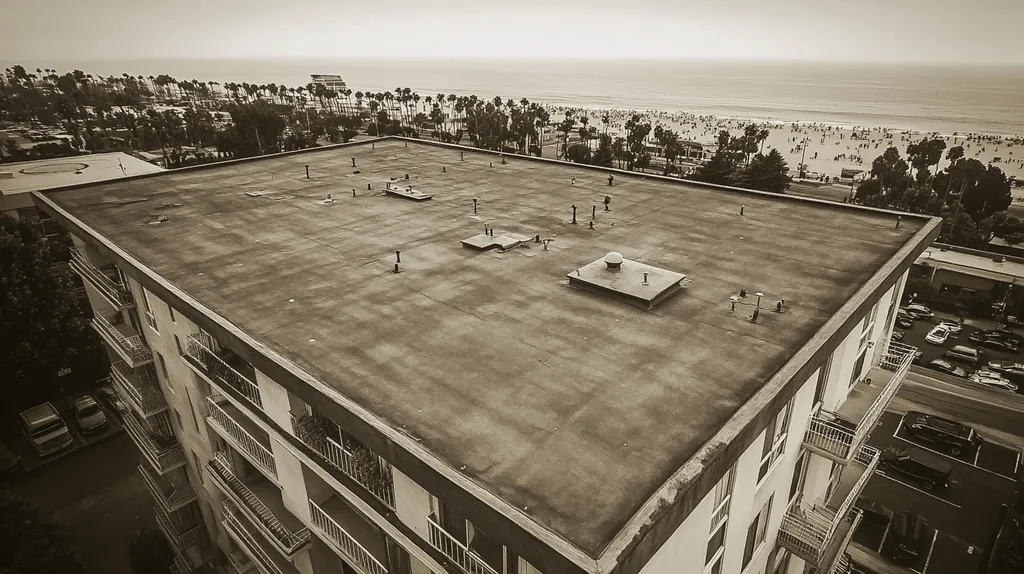
Industrial roof ventilation systems are failing to deliver on promised efficiency, with studies showing up to 40% of facilities operating well below optimal performance levels. These shortcomings cost industrial property owners an estimated $3.6 billion annually in excessive energy consumption and premature roof deterioration.
Traditional ventilation models, while widely accepted, often overlook critical factors such as building-specific airflow patterns and climate variations. This oversight results in systemic inefficiencies that compromise both structural integrity and operational costs.
This analysis examines the fundamental flaws in current ventilation practices, presents data-driven evidence of system inadequacies, and proposes alternative solutions that challenge conventional wisdom in industrial roof design.
SECTION 1: CURRENT PRACTICES
Ensuring proper ventilation in industrial roofs is essential not just for building longevity, but also for operational efficiency and energy savings. Inadequate ventilation can trigger various complications, such as soaring energy bills and structural damage. The U.S. Department of Energy highlights that improper ventilation can inflate energy costs by as much as 30%. This section delves into prevalent types of industrial roof vents, details best practices for installation and maintenance, and critically examines the energy efficiency claims made by various systems.
Common Types of Industrial Roof Vents
Recognizing the different types of roof ventilation systems is crucial for making informed choices. The most commonly employed options include passive vents, mechanical vents, and exhaust fans. Passive vents operate without electricity, relying solely on natural airflow, while mechanical vents utilize powered systems to enhance ventilation.
Each ventilation type carries distinct advantages and drawbacks. For example, mechanical vents provide robust control over temperature but may incur higher energy costs during operation. Conversely, passive systems are energy efficient but might falter in effectively expelling heat or moisture under specific climatic conditions.
The selection of the vent type can profoundly influence a building’s performance, particularly in terms of indoor air quality and energy efficiency. Thus, it is vital for property owners to evaluate their unique requirements to determine the most appropriate option.
Regular inspections are necessary to confirm that the chosen vent continues to function as intended. Overlooking routine assessments can inadvertently lead to inefficiencies that negate the benefits initially anticipated.
Installation and Maintenance Practices
Achieving effective ventilation in industrial roofing begins with expert installation. Vents that are improperly installed can lead to air leaks, diminishing overall system efficacy. Engaging trained professionals for installation is critical to avoid these pitfalls.
Post-installation, ongoing maintenance becomes paramount. Regular inspections for blockages or deterioration are essential to ensure vents operate at peak efficiency. Allowing debris to accumulate can quickly hinder airflow, severely diminishing the system’s effectiveness.
In addition, assessing the insulation and sealing around vents is crucial for optimal performance. Poor sealing may occur when new roofing materials are added, potentially nullifying the effectiveness of existing ventilation systems.
Documenting routine maintenance can provide insights into long-term performance trends. A proactive maintenance strategy can extend the lifespan of ventilation systems and help avert costly repairs or replacements down the road.
Energy Efficiency Claims
Some products may fail to address specific environmental conditions on-site, adversely affecting their overall performance. In certain instances, theoretical models do not correspond with real-world energy savings, which can lead to frustration and disillusionment.
Property owners are encouraged to conduct their in-depth performance evaluations to ensure adequate return on investment. Being aware of typical pitfalls in energy modeling can empower owners to challenge misleading sales claims effectively.
Ultimately, fostering transparency regarding the actual performance of ventilation systems versus theoretical claims is crucial. A thorough assessment of energy efficiency can lead to more informed decisions, enhancing overall building effectiveness and user satisfaction.
SECTION 2: SYSTEMIC ISSUES
Industrial roofs often face systemic issues that significantly compromise ventilation efficiency. Buildings with complex designs, multiple zones, and varying usage patterns can create airflow dead zones. These pockets of inadequate ventilation not only shorten the roof’s lifespan but can also lead to expensive structural damage and increased energy costs. Property owners must confront these systemic hurdles to enhance roof performance and mitigate future complications.
Inadequate Airflow in Complex Buildings
Many industrial facilities feature intricate layouts that make effective ventilation challenging. Confined spaces, such as those with low ceilings or numerous partitions, can obstruct air movement, creating stagnant zones. These stagnant conditions may lead to heat accumulation, moisture buildup, and, ultimately, mold growth.
Poor airflow not only impacts indoor air quality but also increases reliance on HVAC systems, driving up energy consumption. For instance, warehouses relying solely on mechanical ventilation may struggle to maintain comfortable temperatures, negatively affecting worker productivity and comfort.
To tackle airflow issues, a comprehensive assessment of the building’s design and ventilation system is essential. Property owners should invest in airflow analysis to pinpoint problem areas and implement tailored ventilation solutions that enhance air circulation and boost energy efficiency.
A proactive approach will promote roof longevity and foster a healthier working environment, underscoring the need for targeted ventilation strategies.
Dependence on External Power Sources
Many modern industrial ventilation systems are heavily reliant on external power to operate fans and HVAC units. This reliance presents a significant vulnerability, especially during power outages or energy supply disruptions. When the power goes out, effective ventilation vanishes, jeopardizing both building infrastructure and occupant comfort.
Facilities that experience frequent power fluctuations may notice long-term degradation of the roofing system. This dependence highlights the urgent need for backup systems or alternative energy sources. For instance, integrating solar-powered ventilators could provide resilience and independence from the grid.
Shifting toward less power-dependent ventilation solutions not only mitigates risk but may also reduce operational expenses over time. Property owners should explore renewable energy options that can enhance ventilation efficiency without relying on traditional power sources.
Ultimately, diversifying energy sources for ventilation systems strengthens the sustainability and performance of industrial roofs.
Maintenance Challenges and Costs
Effective maintenance is critical to the ongoing success of ventilation systems. Regular inspections and servicing are vital, yet many property owners underestimate both the frequency and costs associated with these tasks. Over time, neglect can lead to system failures that demand expensive repairs or complete replacements.
For example, neglecting duct and filter cleaning can lead to blockages that significantly diminish airflow efficiency. Such obstructions can create temperature imbalances within the building, leading to increased energy usage and operational costs.
To reap the full benefits of industrial roof ventilation, property owners need a structured maintenance plan. This plan should include routine audits and cleaning schedules to ensure effective system functionality. Ignoring maintenance not only incurs unnecessary costs but also threatens the building’s safety and operational efficiency.
Investing in comprehensive maintenance strategies will yield long-term savings, emphasizing the importance of proactivity in preserving ventilation systems’ performance.
SECTION 3: MISSED OPPORTUNITIES
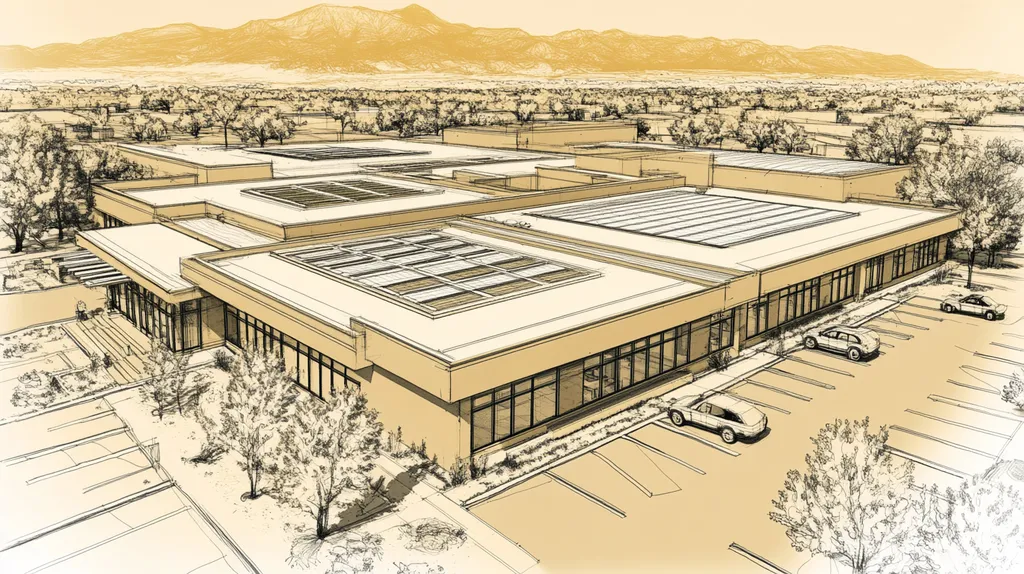
The industrial roofing sector frequently overlooks vital aspects of ventilation that could enhance efficiency and overall building performance. Ignoring passive ventilation, climate-specific solutions, and worker comfort can lead to inflated energy costs, diminished operational efficiency, and lower employee productivity. Property owners and facility managers must urgently address these gaps to achieve effective, sustainable roofing solutions that accommodate both their needs and their occupants.
Overlooking Passive Ventilation Benefits
Many industrial facilities predominantly depend on mechanical ventilation systems, often at the expense of considering passive options. By harnessing natural air movement through methods such as ridge vents and strategically placed soffit vents, facilities can achieve noticeable reductions in energy consumption. This can translate to lower heating and cooling costs while promoting a more sustainable operational model.
The advantages of passive ventilation extend beyond cost savings; they also reduce a facility’s environmental footprint. With a decreased reliance on energy-intensive systems, buildings become more sustainable in their operations. Additionally, well-designed passive systems typically require minimal maintenance, leading to considerable long-term savings.
By neglecting these opportunities, many facilities forfeit potential financial benefits. Emphasizing passive ventilation can enhance energy efficiency, which is increasingly critical in today’s environmentally-conscious market.
Decision-makers should conduct thorough evaluations of their ventilation needs, exploring all options—particularly those that are low-cost yet effective. A well-rounded approach can yield significant economic and environmental advantages.
Ignoring Climate-Specific Solutions
Adopting a one-size-fits-all approach to ventilation disregards the distinctive climate variations found in different regions. Industrial facilities situated in arid areas may require different ventilation strategies than those in humid or colder climates. Tailored solutions that reflect local environmental conditions can significantly improve operational efficiency and occupant comfort.
For instance, facilities in humid climates often need integrated dehumidification solutions to control moisture levels, thereby preventing mold and water damage to roofing materials. Conversely, facilities located in colder regions may need enhanced insulation combined with appropriate attic ventilation to avoid issues like ice dam formation.
Failing to acknowledge the intricacies of local climates can result in inefficient designs and elevated maintenance costs. Investing in climate-specific ventilation systems not only boosts building performance but also lowers energy consumption.
Industrial property owners must prioritize customized strategies that consider the unique climate conditions their facilities operate under. This proactive approach ultimately contributes to the building’s longevity and enhances operational efficiency.
Neglecting Worker Comfort and Productivity
Effective ventilation is vital not just for energy efficiency; it profoundly affects worker comfort and productivity. Poor indoor air quality and inadequate temperature control can lead to decreased morale and increased absenteeism. Research indicates that well-ventilated spaces correlate with improved employee output and overall health.
Inefficient ventilation can lead to stuffiness and overheating, especially in expansive industrial settings. Such conditions can cause fatigue and hinder concentration, adversely affecting production levels. Proactively addressing air quality through effective ventilation strategies can foster a more inviting work environment.
Investing in ventilation solutions that prioritize worker comfort is essential for modern facilities. Enhanced air quality results in improved productivity and reduced turnover rates, offering benefits to the entire organization.
Facility managers should prioritize ventilation options that focus on employee well-being. A commitment to comfort not only boosts productivity but also reinforces the organization’s dedication to health and safety in the workplace.
SECTION 4: ROOT CAUSES
Industrial roofing frequently underperforms in energy efficiency due to fundamental design flaws. Research indicates that inadequate ventilation can result in energy losses exceeding 30%. Property owners must acknowledge that custom solutions tailored to specific building characteristics are essential for optimizing performance and longevity. By addressing these root causes, businesses can significantly enhance their roofing system’s effectiveness, which in turn positively impacts operational costs.
Lack of Customized Ventilation Designs
Many industrial facilities rely on one-size-fits-all ventilation solutions that fail to consider the unique characteristics of each building. This oversight can create significant inefficiencies, as standard designs may not adequately meet the specific air circulation requirements. A successful ventilation system must be tailored to the idiosyncrasies of the structure it serves.
Without customized designs, certain areas can become hotspots for heat and humidity, which can accelerate the deterioration of roofing materials and diminish energy efficiency. For instance, a facility with large manufacturing equipment may require specialized exhaust systems to effectively manage the heat generated by machinery, yet these are often overlooked.
Moreover, customized ventilation helps to minimize the risk of moisture accumulation, which can give rise to mold and other structural problems. By adapting ventilation systems to the specific activities within the building, owners can ensure a healthier indoor environment for all occupants.
Investing in tailored ventilation solutions from the outset can yield improved efficiency and extend the lifespan of the roofing system, resulting in long-term savings on repairs and utility costs.
Insufficient Consideration of Building Size and Pitch
The size and pitch of a building significantly influence its ventilation needs. Unfortunately, many industrial facilities neglect these factors when choosing ventilation systems. For example, a flat roof mandates different ventilation strategies than a sloped roof to promote effective airflow.
Failing to account for size and pitch can lead to critical issues. Inadequate airflow may result in temperature imbalances and stagnant zones, causing undue wear on roofing materials and risking costly repairs or premature roof failures.
Furthermore, larger buildings typically require multiple ventilation points to ensure efficient air distribution. Omitting these considerations can create airflow dead zones, exacerbating energy losses and contributing to uncomfortable working conditions for employees.
Addressing building size and pitch during the planning phase allows facility managers to select appropriate systems that optimize airflow and enhance energy efficiency. This proactive approach often prevents future operational challenges.
Failure to Address Environmental Factors
Environmental factors are critical to a building’s ventilation system performance, but standard designs frequently overlook them. Elements such as nearby trees, adjacent structures, and prevailing winds can profoundly affect airflow. A system that works well in one location may underperform in another if local conditions are disregarded.
Climate plays a vital role in determining the effectiveness of ventilation strategies. In humid regions, for example, a poorly designed system may trap moisture instead of expelling it, accelerating deterioration and compromising the safety of both the building and its occupants.
Seasonal variations also necessitate adaptability. A ventilation system must effectively respond to different temperatures and wind patterns throughout the year to maintain optimal performance. Many facilities fail to consider this factor, leading to unanticipated maintenance costs when their systems do not operate as intended.
By taking environmental considerations into account, property owners can implement ventilation systems that function effectively year-round. This strategic approach not only enhances energy efficiency but also extends the life of the roofing system, ultimately benefiting the organization as a whole.
DATA DRIVEN EVIDENCE
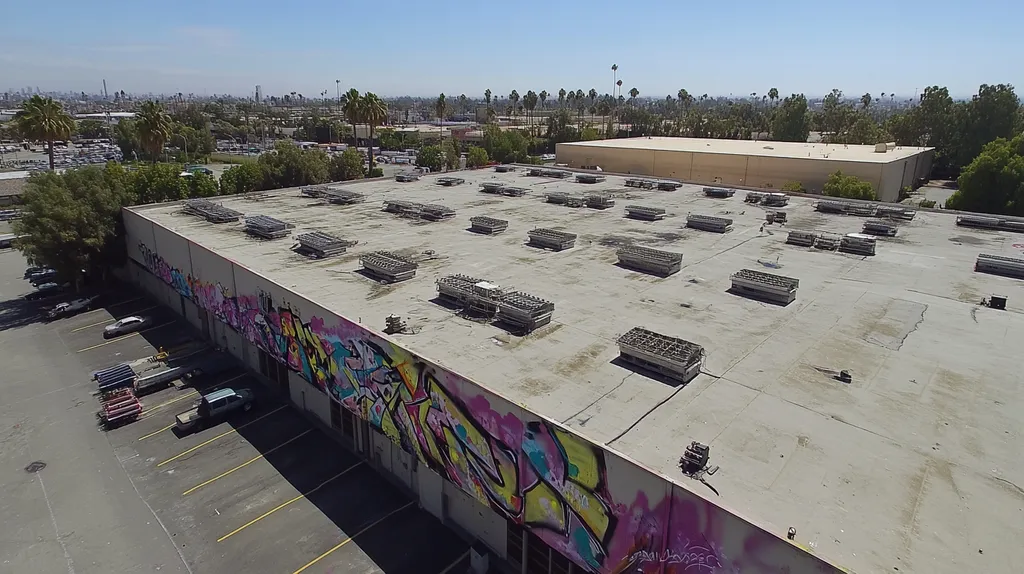
Effective roof ventilation is not just an operational choice; it’s a crucial factor influencing energy efficiency, equipment performance, and the well-being of workers. Inefficient ventilation can lead to increased indoor temperatures, heightened energy costs, and premature equipment failures. For instance, studies indicate that well-ventilated warehouses can lower indoor temperatures by as much as 20 degrees Fahrenheit, significantly enhancing operational efficiency. This section presents critical data on temperature reduction, equipment longevity, and worker health, emphasizing the necessity for improved ventilation strategies.
Temperature Reduction Statistics
One of the primary benefits of effective roof ventilation is its ability to manage indoor temperatures. Research shows that roofs designed with proper ventilation can lead to temperature reductions of up to 20 degrees Fahrenheit compared to poorly ventilated structures. This improvement is pivotal, as it directly influences cooling costs—businesses report reductions of up to 30% in these expenses due to adequate ventilation.
A consistent ventilation strategy also prevents heat buildup, mitigating the effects of thermal shock during temperature fluctuations. These findings highlight the significant potential of ventilation to lower energy consumption, emphasizing that effective temperature control should be a priority in operational planning.
By ensuring optimal ventilation, facility managers can create a stable internal environment that protects sensitive machinery and materials. Industries dependent on controlled temperatures can benefit greatly, with even minor temperature adjustments helping to maintain product quality and operational stability.
Thus, integrating advanced ventilation systems into roofing designs is essential. By adopting a data-driven approach, property owners can significantly reduce energy expenses while fostering a healthier working environment.
Equipment Longevity and Maintenance Data
Beyond temperature control, effective roof ventilation is crucial for extending the lifespan of equipment. Machinery operating under regulated conditions is less susceptible to overheating, thus minimizing wear and tear. Research indicates that equipment lifespan can increase by up to 25% when positioned in well-ventilated environments, reducing the frequency of costly maintenance and breakdowns.
Additionally, roofs that lack ventilation tend to trap moisture, leading to corrosion and damage to delicate electrical components. This situation creates a ripple effect, resulting in unexpected repairs and disruptions to operations. The financial and operational benefits derived from proper ventilation underscore the need for a modern approach to roof design.
When evaluating roofing strategies, property owners should prioritize ventilation-capable systems. Factoring in data related to equipment longevity reveals that investing in proper ventilation results in lower maintenance costs and increased reliability.
Worker Productivity and Health Studies
The link between adequate ventilation and employee well-being is significant. Numerous studies show that maintaining optimal indoor temperatures is associated with heightened productivity and worker satisfaction. Environments with controlled temperatures enhance cognitive function and minimize fatigue, leading to improved job performance.
One study found that workplaces benefiting from proper ventilation can experience productivity increases of 10-15%. This enhancement not only boosts output but also reduces absenteeism due to heat-related illnesses and discomfort. Thus, investing in roof ventilation is essential for fostering a healthy workforce.
Moreover, poorly ventilated spaces often harbor pollutants and moisture, leading to health concerns that adversely affect both productivity and morale. Ensuring quality air is vital for compliance with health standards and minimizes illness-related disruptions to operations.
Embedding proactive ventilation strategies in roofing decisions is vital for enhancing work conditions. Prioritizing wellness through effective ventilation is a strategic investment in the organization’s most valuable resource—its workforce.
SECTION 6: ALTERNATIVE SOLUTIONS
With rising energy costs and growing environmental concerns, optimizing ventilation in industrial roofs has become critical. Inefficient ventilation systems can lead to not only increased energy consumption but also higher operational costs and potential structural damage. By investigating alternative solutions, property owners can significantly improve roofing performance, enhance indoor air quality, and promote long-term sustainability. This section explores innovative methods, including the integration of ridge and soffit vents, the adoption of solar-powered ventilation systems, and the design of custom ventilation solutions tailored to specific applications.
Combining Ridge Vents with Soffit Vents
A balanced ventilation system is essential for the optimal performance of industrial roofs. By combining ridge vents with soffit vents, property owners can significantly enhance airflow and prevent heat accumulation. This dual approach takes advantage of natural air movement, allowing warmer air to escape while cooler air is drawn inside.
This method not only boosts energy efficiency but also extends the lifespan of roofing materials. For example, research indicates that structures equipped with balanced vent systems can achieve cooling cost reductions of up to 20%. These savings have a positive impact on operational budgets while enhancing tenant comfort.
Furthermore, this combination can be integrated seamlessly into new roof installations or retrofitted into existing roofs. This flexibility makes ridge and soffit vent systems a practical and versatile solution for a wide range of industrial applications.
Ultimately, ensuring that intake and exhaust vents are strategically positioned can prevent moisture accumulation and the problems that arise from it. Such thoughtful implementation can mitigate structural risks linked to poor ventilation.
Implementing Solar-Powered Ventilation Systems
Solar-powered ventilation systems present a sustainable alternative to conventional mechanical systems. By harnessing solar energy to power roof fans, facilities can dramatically lower their energy consumption. These systems efficiently exhaust hot air, contributing to reduced indoor temperatures.
This solution is particularly advantageous for buildings with limited roof space or accessibility, as they require minimal installation infrastructure. Solar-powered systems can be deployed quickly and often benefit from energy incentives, further minimizing costs.
For instance, a manufacturing facility that retrofitted its roof with solar-powered vents achieved a notable 30% reduction in cooling costs within the first year. Such outcomes underscore the financial benefits associated with adopting this technology.
Moreover, solar-powered systems align with a facility’s sustainability initiatives, making them an appealing choice for organizations focused on environmental stewardship. The combination of lower operational costs and a reduced carbon footprint represents a strategic advantage for property owners.
Custom Roof Vent Solutions for Specific Applications
In the realm of industrial roofing, a one-size-fits-all approach is often insufficient. Custom roof vent solutions can effectively address the unique requirements of various facilities, ensuring they operate at peak efficiency. These tailored systems can tackle specific issues related to air quality, temperature control, and moisture management.
For example, warehouses that store perishable goods may demand specialized ventilation to control both temperature and humidity levels accurately. Custom designs can even incorporate advanced sensors that dynamically adjust ventilation based on real-time conditions, enhancing overall efficiency and product integrity.
Collaborating with experienced roofing professionals can yield innovative designs that align both with building aesthetics and functional requirements. Ensuring that appearance and performance support each other is crucial for successful implementations.
By investing in customized ventilation solutions, property owners can substantially improve indoor environments while optimizing energy usage. This tailored approach not only addresses immediate operational concerns but also positions facilities for future advancements.
Moving Forward
The industrial roofing sector faces a critical inflection point, with current ventilation practices costing facility owners an estimated $3.6 billion annually in preventable expenses.
Traditional approaches to roof ventilation have proven inadequate, with up to 40% of facilities operating below optimal efficiency levels due to improper ventilation design.
Evidence demonstrates that implementing climate-specific, customized ventilation solutions can reduce cooling costs by 20-30% while extending equipment lifespan by up to 25%.
The path forward requires abandoning one-size-fits-all approaches in favor of data-driven, tailored solutions that consider building-specific characteristics, environmental factors, and operational requirements.
Without immediate intervention to address these systemic issues, industrial facilities will continue to face escalating energy costs, premature equipment failure, and compromised structural integrity.
FREQUENTLY ASKED QUESTIONS
Q. What are the common types of commercial roof ventilation systems?
A. The primary types include passive and mechanical ventilation systems. Passive vents rely on natural airflow, while mechanical systems use powered methods to enhance ventilation. Each has unique benefits and challenges that should be considered based on specific building needs.
Q. How can inadequate ventilation in industrial roofs impact energy costs?
A. Inadequate ventilation can inflate energy costs by up to 30% due to increased reliance on HVAC systems. Stagnant air can lead to heat buildup, demanding more energy to maintain comfortable indoor temperatures and ultimately leading to higher operational expenses.
Q. What are the systemic issues affecting industrial roof ventilation?
A. Systemic issues include airflow dead zones and dependence on external power sources. Complex building designs and varying usage patterns can obstruct airflow, leading to inefficiencies that affect both energy consumption and overall building performance.
Q. How can passive ventilation improve energy efficiency?
A. Passive ventilation utilizes natural airflow strategies, such as ridge and soffit vents, which significantly reduce reliance on mechanical systems. This leads to energy savings and promotes a healthier indoor environment, contributing to overall operational efficiency.
Q. What role do customized ventilation designs play in industrial roofs?
A. Customized designs address the unique characteristics of each facility, enhancing air circulation and minimizing inefficiencies. Tailored systems ensure that specific needs related to air quality and temperature control are met effectively, promoting longevity and optimal performance.
Q. How does poor ventilation affect worker health and productivity?
A. Inadequate ventilation can lead to poor indoor air quality, causing fatigue and decreased morale among workers. Enhancing ventilation creates a more comfortable work environment, which studies show can improve productivity and reduce absenteeism, benefitting overall workforce health.
Q. What alternative solutions exist for industrial roof ventilation?
A. Alternative solutions include combining ridge and soffit vents, implementing solar-powered systems, and developing custom ventilation designs. These methods enhance airflow, reduce energy costs, and improve indoor air quality, thus contributing to higher operational efficiency and sustainability.






