

In today’s volatile energy market, commercial property owners face mounting pressure to optimize their buildings’ efficiency. With roofs accounting for up to 40% of building energy loss, proper evaluation of roofing systems has become critical for controlling operational costs.
Recent studies show that energy-efficient roofing solutions can reduce heating and cooling expenses by 20-30%, yet many commercial buildings still rely on outdated systems that waste thousands in energy costs annually.
This comprehensive guide examines the essential components, implementation strategies, and performance metrics needed to evaluate and enhance commercial roof energy efficiency.
SECTION 1: FUNDAMENTAL CONCEPTS
With energy costs on the rise, evaluating the energy efficiency of commercial roofs is more critical than ever for property owners and facility managers. In the U.S., roofs are responsible for up to 40% of a building’s total energy usage. This section elucidates the essential factors that affect energy efficiency, specifically examining insulation, thermal resistance, roof color, and design.
Factors Affecting Energy Efficiency
Several key factors determine the energy efficiency of commercial roofs. The materials used and the methods of construction have a direct impact on energy consumption. For example, conventional roofing systems may fail to block heat loss effectively, forcing heating systems to work overtime and driving up energy bills.
Fortunately, energy-efficient materials, such as reflective coatings and advanced membranes, are available today. These options can significantly enhance thermal performance and curtail energy costs in the long run. Additionally, a building’s orientation and the local climate are also crucial; they dictate how much solar heat a roof absorbs or reflects.
Ignoring these factors can lead to performance issues that inflate operational costs. Therefore, property owners should take a holistic approach to ensure roofs actively contribute to energy efficiency objectives.
Regular evaluations and proactive upgrades to roofing systems can not only sustain efficiency but also present a sound investment for any commercial facility.
Role of Insulation and Thermal Resistance
Insulation is a fundamental component that markedly influences a roof’s thermal resistance, thereby affecting energy consumption levels. A well-insulated roof minimizes heat transfer between the interior and exterior, leading to reduced heating and cooling needs throughout the year.
Thermal resistance, typically measured as R-value, indicates how effective insulation is. Higher R-values mean superior insulating capabilities. For instance, a building with low insulation R-value may suffer from significant energy loss, resulting in elevated utility bills.
For optimal performance, property owners must carry out regular inspections of insulation levels and make timely upgrades. Investing in high-quality insulation not only leads to long-term savings but also enhances the overall functionality of the building.
Moreover, combining insulation with other energy-efficient roofing solutions will amplify benefits and encourage a sustainable operational environment.
Impact of Roof Color and Design
The color and design of a commercial roof significantly influence its energy efficiency. Dark roofs typically absorb more heat, leading to increased air conditioning demands during warmer months. In contrast, lighter-colored roofs reflect sunlight, helping maintain cooler indoor temperatures.
Research indicates that reflective roofing materials can reduce cooling energy use by as much as 20%. This reduction can have a substantial impact on a facility’s operating expenses and enhance the comfort levels for employees and customers alike.
Additionally, the design of the roof also contributes to its energy efficiency. Roofs that feature steep slopes or multiple facets can improve ventilation, thereby reducing heat buildup. Consequently, property owners should consider both roof color and shape when aiming to optimize energy efficiency.
Investing in a reflective roof system or re-coating existing roofs with lighter colors can lead to substantial energy savings while prolonging the roof’s lifespan (source: Preferred Roofing Services).
SECTION 2: SYSTEM COMPONENTS
In today’s competitive market, maximizing energy efficiency is not just beneficial—it’s vital for managing costs and enhancing operational performance. Commercial roof systems play a pivotal role, with energy-efficient roofs potentially slashing heating and cooling costs by as much as 30%. This can mean substantial savings for any facility. In this section, we’ll delve into the key components that make commercial roofing systems energetically efficient, ensuring property owners and facility managers can make informed decisions.
Reflective Materials and Coatings
Reflective materials are game changers when it comes to reducing thermal load on buildings. By reflecting solar energy away from the roof, these products help maintain cooler interior temperatures. Research shows that using reflective roofing materials can cut energy expenses by up to 20% in warmer regions.
Advanced coatings, such as white or light-colored elastomeric options, can further boost reflectivity. These coatings not only enhance energy efficiency but also prolong roof life, making them a smart choice for property owners looking to optimize performance while reducing cooling costs.
Moreover, implementing reflective materials contributes positively to the mitigation of the urban heat island effect, which can lead to livelier city atmospheres. Lowering surface temperatures triggers a domino effect of benefits, fostering a more sustainable urban landscape.
Investing in reflective roofing materials and coatings serves both financial and environmental objectives. They are fundamental elements in a building’s long-term energy efficiency strategy.
Insulation Types and Thickness
Insulation is the backbone of any energy-efficient roofing system. The right insulation type and thickness directly influence a building’s heating and cooling expenditures. For instance, insulation boasting an R-value of 30 can effectively retain heat in winter while keeping cool air in during summer months.
Common insulation choices for commercial roofs include fiberglass, polyurethane, and polystyrene. Each comes with distinct benefits, so it’s essential for property owners to consider their specific weather conditions and building requirements when selecting insulation.
The thickness of the insulation layer also matters significantly. Thicker insulation typically enhances thermal resistance, leading to decreased energy costs. It’s important, however, to strike a balance between thickness and the potential weight burden on the building structure.
Investing in high-quality insulation is more than just another expense; it’s an investment in both energy savings and occupant comfort. Property managers should prioritize effective insulation in their energy efficiency evaluations.
Green Roofs and Vegetation
Green roofs present a revolutionary approach to boosting energy efficiency while championing sustainability. By integrating vegetation into roofing systems, these roofs add a layer of natural insulation and substantially diminish heat absorption. Research indicates that green roofs can keep surface temperatures up to 40 degrees Fahrenheit cooler than traditional roofs.
Beyond cooling advantages, green roofs play a crucial role in stormwater management. The vegetation absorbs rainwater, reducing runoff and lessening the burden on local drainage systems. This eco-friendly feature also contributes to enhanced air quality, creating a more inviting atmosphere for both tenants and customers.
While installing a green roof may require a significant upfront investment, the long-term energy savings and environmental benefits often outweigh these initial costs. Additionally, local governments may provide incentives to encourage green roofing projects.
Ultimately, green roofs exemplify a multifaceted approach to energy efficiency, merging cost savings with ecological and aesthetic advantages, thereby supporting modern sustainability objectives for commercial properties.
SECTION 3: IMPLEMENTATION METHODS
In today’s economy, property owners must prioritize energy efficiency on commercial roofs to curb rising operating costs and lessen environmental impacts. With energy prices escalating, sustainable roofing solutions are no longer optional; they are essential. By choosing energy-efficient materials, employing innovative designs like cool roofs, and harnessing renewable energy, commercial facilities can achieve significant savings. This section outlines practical methods for implementation that can lead to lasting benefits.
Selecting Energy-Efficient Roofing Materials
The journey to energy efficiency begins with selecting the right roofing materials. Options such as thermoplastic polyolefin (TPO) and polyvinyl chloride (PVC) have gained traction for their superior reflectivity and longevity. A roof with high reflectivity can significantly reduce cooling demands, translating to lower energy bills during the hot summer months.
Additionally, choosing insulation materials with high R-values can further enhance thermal performance. For example, a polyurethane foam roof can drastically cut down on heat transfer, maintaining a consistent interior temperature. The better a building retains its warmth or coolness, the less energy it consumes for heating or cooling.
It’s also wise to consider the long-term advantages of energy-efficient materials, as they typically last longer than traditional options. This longevity means fewer replacements and minimized waste, aligning with sustainability goals and cost-saving efforts.
The material selection process should include consultation with roofing professionals familiar with the specific environmental challenges and local regulations. Finding the ideal materials tailored to a building’s unique needs can yield significant energy efficiency improvements.
Installing Cool Roofs and Daylighting Systems
Cool roofs offer an innovative solution for managing heat in commercial buildings. These roofs are designed to reflect a larger portion of sunlight, mitigating heat absorption compared to traditional materials. The result is significantly lower roof temperatures and reduced cooling needs, which can translate into lower energy expenses.
Incorporating daylighting systems is another effective strategy for enhancing energy efficiency. By smartly positioning skylights and light tubes, property owners can harness natural light, thereby decreasing the reliance on artificial lighting. This complementary approach of utilizing reflective surfaces and maximizing daylight can create a more pleasant and productive work environment.
To ensure maximum benefits, working with experienced contractors is critical. Proper installation guarantees that cool roofs and daylighting systems function as intended, while also preserving the structural integrity of the building.
Additionally, local incentives may exist for those who opt for these energy-efficient technologies, which can help alleviate initial installation costs and make these upgrades more feasible.
Integrating Renewable Energy Sources
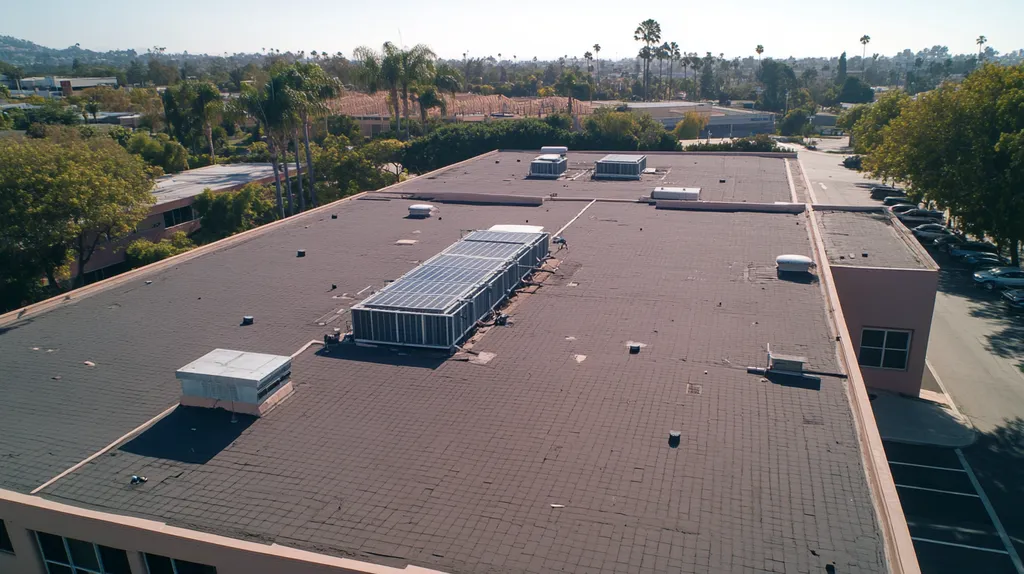
With the growing urgency for sustainability, incorporating renewable energy sources into commercial roofing systems is increasingly vital. Installing solar panels can significantly decrease dependence on traditional energy sources. A well-designed roof can generate substantial electricity, leading to increased energy independence and reduced costs.
Wind energy also offers an additional avenue, particularly for rooftops located in windy regions. Small wind turbines can easily be integrated into roof designs, providing an efficient energy source without occupying much extra space.
Planning for renewable energy integration should begin early in the roofing system design process. Property owners must consider structural aspects and zoning rules when integrating these technologies. Partnering with experts can ensure optimal performance and compliance with all regulations.
Moreover, financial incentives like tax rebates and grants for renewable energy installations can significantly ease the transition to greener roofing solutions, making them more accessible for property owners looking to enhance sustainability.
SECTION 4: MAINTENANCE REQUIREMENTS
Neglecting maintenance on commercial roofs can severely inflate energy costs and lead to premature replacements. The Department of Energy reports that poorly maintained roofs can hamper energy efficiency by as much as 30%. Regular maintenance not only extends the lifespan of the roof but also ensures that it performs optimally. It’s crucial to address aspects such as insulation quality, drainage systems, and the condition of the roof surface. This section highlights the importance of routine inspections, effective preventive maintenance, and common energy efficiency issues that need attention.
Regular Roof Inspections and Repairs
Regular inspections are vital for catching potential issues before they grow into costly problems. Facilities should establish an inspection schedule based on the type of roof and local weather conditions. For example, flat roofs may need inspections twice a year, while sloped roofs might only require an annual check.
During these inspections, facility managers should seek signs of damage, such as cracks, blisters, or areas where water is pooling. Timely resolutions to these problems can avert water damage and preserve insulation. Failure to act can lead to expensive repairs and lost energy as well.
Repairs are just as critical as inspections; quick action on detected issues can prevent them from snowballing. A small leak, if left untreated, can escalate into extensive water damage, significantly impacting energy efficiency. Ongoing maintenance and prompt repairs are essential to safeguard the roof’s integrity.
Keeping detailed records of all inspections and repairs is also beneficial. These logs help inform future maintenance decisions and track warranty expirations. Accurate documentation is invaluable during insurance claims, ensuring that all details are readily available.
Preventive Maintenance Strategies
Investing in preventive maintenance strategies pays off significantly over time. Regular roof cleaning helps prevent debris buildup, which clogs drainage systems and can lead to pooling. This buildup can increase moisture levels and contribute to insulation loss.
Routine checks on roofing materials are crucial too. It’s essential to inspect seals and flashings to confirm they remain secure and functional. A single compromised seal can trigger energy inefficiencies that drive costs higher.
Property owners should consider applying reflective roof coatings as a smart preventive measure. These coatings help reduce heat absorption, leading to decreased cooling costs during the summer months. Exploring this option can elevate the energy efficiency of existing roofs significantly.
Moreover, regularly assessing insulation performance can pinpoint areas ripe for improvement. Insulation is key to maintaining overall energy efficiency, and routine evaluations can ensure all materials are performing at their best.
Addressing Common Energy Efficiency Issues
Several issues commonly impede energy efficiency in commercial roofs. Poor insulation stands out as a major culprit, allowing heated or cooled air to escape. Facilities managers should regularly check insulation levels and conditions to boost thermal resistance.
Roof surface damage, such as cracks and rips, poses another significant problem that can result in energy loss. Strict monitoring of the roof surface should be enforced to identify these weak spots, enabling timely repairs.
Maintaining adequate ventilation is essential for preserving energy efficiency. Insufficient ventilation can trap excess heat and humidity, thereby increasing the burden on cooling systems. Ensuring that ventilation systems function optimally should be a top priority during inspections.
Finally, proactive moisture management is crucial. Excessive moisture can degrade both insulation and roofing materials. Addressing moisture issues head-on not only improves energy efficiency but also lengthens the life of the roof.
SECTION 5: PERFORMANCE METRICS
In today’s competitive market, the optimization of energy efficiency in commercial roofing systems has become a crucial priority. With energy costs steadily rising, property owners must navigate substantial financial implications. Reports from the U.S. Department of Energy indicate that commercial buildings contribute nearly 20% of the nation’s total energy usage. Therefore, evaluating performance metrics is essential for grasping the true efficiency of roofing systems and ensuring sustained cost savings. This section highlights vital methods for monitoring energy consumption, analyzing thermal performance, and evaluating overall cost savings.
Energy Consumption Monitoring
Effective energy consumption measurement is crucial for commercial property owners looking to minimize expenses. Utilizing advanced monitoring systems allows real-time tracking of energy usage, enabling precise adjustments as needed. These systems can reveal usage patterns that often go unnoticed, such as surges in demand tied to HVAC operations influenced by roof conditions.
For example, a facility employing continuous monitoring might discover that upgrading insulation can drop energy costs by as much as 30%. These insights promote proactive maintenance and upgrades, ensuring roofs actively contribute to lower energy bills.
Furthermore, linking energy consumption data with building management systems offers comprehensive insights. This integration empowers facility managers to make informed energy use decisions, closely assessing roofing system performance in real-time.
Regular monitoring facilitates early identification of inefficiencies. Addressing these issues promptly maximizes potential savings, paving the way for a more sustainable operational approach.
Thermal Performance Analysis
Analyzing thermal performance is essential for understanding how well a roof’s materials manage heat. An efficient roof directly influences indoor temperature, which affects heating and cooling requirements. For instance, reflective roofing materials can lead to lower cooling costs by reflecting rather than absorbing sunlight.
Utilizing thermal imaging technology helps pinpoint areas of heat loss that may not be immediately visible. This analysis highlights insulation weaknesses, allowing for focused repairs instead of costly, broad replacements. A thermal audit may uncover that updating an outdated roofing membrane could lead to improved thermal resistance and a longer roof lifespan.
Benchmarking thermal performance against industry standards enables property owners to stay competitive. It also supports decisions related to potential roofing upgrades that enhance efficiency. By investing in high-performance materials, energy consumption can be significantly reduced, leading to less dependence on HVAC systems.
Conducting regular thermal performance evaluations ensures roofs maintain their efficiency over time. This diligence not only boosts energy efficiency but also improves occupant comfort.
Cost Savings and ROI Evaluation
Assessing cost savings and return on investment (ROI) is critical when justifying roofing upgrades. Property owners should carefully analyze how energy-efficient roofs impact their finances. Initial investments in high-quality materials often yield substantial returns through reduced energy bills.
A study shows that a commercial property that adopted a green roofing system could realize a positive return on investment within five years, driven solely by energy savings. Assessing these financial metrics equips property owners to make informed choices regarding their roofing projects.
On top of energy savings, increased roof durability enhances cost efficiency. A roof that lasts longer translates to lower repair and replacement costs, further reinforcing the case for investing in energy-efficient solutions.
Ultimately, quantifying both immediate savings and long-term ROI builds a compelling argument for energy investments. Commercial property owners can utilize this data when exploring financing options or presenting projects to stakeholders.
SECTION 5: PERFORMANCE METRICS
In the competitive commercial landscape, optimizing energy efficiency in roofing systems is critical for financial sustainability. With energy costs consistently rising, property owners must address the profound impacts on their bottom line. According to the U.S. Department of Energy, commercial buildings are responsible for nearly 20% of the nation’s energy consumption. Therefore, assessing performance metrics is essential in determining the effectiveness of roofing systems and maximizing long-term savings. This section explores key methods for monitoring energy consumption, analyzing thermal performance, and evaluating overall cost savings.
Energy Consumption Monitoring
Monitoring energy consumption is indispensable for commercial property owners seeking to lower their expenses. With advanced monitoring systems, real-time tracking of energy usage becomes possible, enabling precise adjustments tailored to needs. These systems can highlight previously overlooked patterns, such as spikes in energy use driven by HVAC activity related to roof conditions.
For example, continuous monitoring might reveal that enhancing insulation could lower energy costs by up to 30%. Such insights drive proactive maintenance and strategic upgrades, ensuring roofs contribute positively to reducing energy bills.
Furthermore, integrating energy consumption data with building management systems offers a complete view of energy use. This integration allows facility managers to make informed decisions and evaluate roofing system performance continuously.
Regular monitoring also enables early identification of inefficiencies. Addressing issues promptly can maximize savings potential, fostering a more sustainable operation.
Thermal Performance Analysis
Analyzing thermal performance is crucial for understanding how well roofing materials manage heat. An efficient roof directly affects indoor temperatures, which in turn influence heating and cooling demands. For instance, roofs made with reflective materials can lower cooling expenses by reflecting rather than absorbing sunlight.
Utilizing thermal imaging technology identifies areas where heat loss may occur undetected. This detailed analysis highlights insulation weaknesses, allowing property managers to implement targeted repairs instead of incurring high costs for broad replacements. A thermal audit could indicate that updating an aging roofing membrane would enhance thermal resistance and extend the roof’s lifespan.
Benchmarking thermal performance against industry standards keeps property owners competitive. This evaluation informs potential upgrades aimed at increasing energy efficiency. Investing in high-performance materials significantly lowers energy consumption and reduces reliance on HVAC systems.
Conducting regular assessments of thermal performance guarantees roofs maintain their efficiency over time, ultimately benefiting energy conservation efforts and occupant comfort.
Cost Savings and ROI Evaluation
Evaluating cost savings and return on investment (ROI) is vital to justifying roofing upgrades. Property owners should closely examine the financial implications of adopting energy-efficient roofs. Initial investments in high-quality materials can yield substantial returns, primarily manifested through reduced energy expenditures.
For instance, data suggests that a commercial building investing in a green roofing system could achieve positive ROI within five years through energy savings alone. This analysis empowers property owners to make informed decisions about their roofing initiatives.
Moreover, the durability of energy-efficient roofs enhances overall cost-effectiveness. A longer roof lifespan results in decreased repair and replacement costs, consolidating the case for these upgraded systems.
Ultimately, quantifying both immediate savings and long-term ROI provides a compelling rationale for energy investments. Property owners can leverage this data when exploring financing options or presenting proposals to stakeholders.
Looking Ahead
With energy costs projected to rise 30% over the next decade, commercial property owners can no longer afford to ignore roofing efficiency.
The data clearly shows that implementing comprehensive energy evaluation programs for commercial roofs leads to 20-40% reductions in heating and cooling costs while extending roof lifespans by up to 10 years.
Success requires a systematic approach integrating proper material selection, professional installation, regular maintenance, and ongoing performance monitoring.
Property owners who fail to evaluate and optimize their roofing systems risk escalating operational costs and decreased property values in an increasingly efficiency-focused market.
The time to act is now – the financial and environmental stakes are simply too high to maintain the status quo.
FREQUENTLY ASKED QUESTIONS
Q. What factors affect energy efficiency on a commercial roof?
A. Key factors include insulation quality, roof color, thermal resistance, and design. Effective insulation minimizes heat transfer, while lighter roof colors reflect sunlight, lowering cooling needs. Regular evaluations and upgrades ensure that roofs contribute to energy efficiency goals.
Q. How do reflective materials enhance energy efficiency on a commercial roof?
A. Reflective materials reduce thermal load by reflecting solar energy, keeping interiors cooler. This can lower energy expenses significantly, especially in warm climates. Advanced coatings, like elastomeric options, further enhance reflectivity and extend roof longevity.
Q. What are the best methods for implementing energy efficiency in commercial roofs?
A. Choosing energy-efficient materials like TPO or PVC is essential. Installing cool roofs and daylighting systems maximizes natural light and minimizes heat absorption. Early integration of renewable energy sources also contributes to sustained energy savings.
Q. Why is regular maintenance important for commercial roofing systems?
A. Regular maintenance prevents issues that can inflate energy costs significantly. Neglect can cause damage that impacts insulation and drainage systems. Routine inspections help identify potential problems early, extending the roof’s lifespan and maintaining performance.
Q. How can I measure the energy performance of my commercial roof?
A. Monitoring energy consumption and analyzing thermal performance are vital. Utilizing advanced monitoring systems provides insights into usage patterns, while thermal imaging technology identifies heat loss areas. Regular assessments help improve efficiency significantly.
Q. What energy efficiency issues commonly affect commercial roofs?
A. Key issues include poor insulation, surface damage, and inadequate ventilation. Insulation failures can lead to significant energy loss, while damaged surfaces may exacerbate these problems. Maintaining optimal ventilation ensures the roof operates efficiently year-round.
Q. Are there innovative roofing solutions to improve energy efficiency?
A. Yes, integrating green roofs with vegetation enhances insulation and reduces heat absorption. Cool roofs equipped with reflective materials also manage heat effectively. Exploring these innovative options can result in improved energy conservation and sustainability.






