

Commercial buildings waste up to $30 billion annually through inefficient roofing systems, according to the U.S. Department of Energy. This energy loss not only impacts operating costs but also contributes significantly to carbon emissions.
As energy prices continue to rise, property owners and facility managers must understand how to implement and maintain energy-efficient roofing solutions that can reduce heating and cooling costs by up to 30%.
This comprehensive guide examines critical aspects of energy-efficient commercial roofing, from material selection and installation techniques to maintenance strategies and performance metrics, providing actionable insights for sustainable building operations.
SECTION 1: FUNDAMENTAL CONCEPTS
With energy costs climbing steadily, the need for energy-efficient roofing in commercial buildings has reached a critical point. Ineffective roofs not only inflate energy bills but also undermine a building’s sustainability efforts. Commercial structures contribute approximately 19% of total energy consumption in the U.S., as reported by the U.S. Energy Information Administration. This section will delve into essential elements like energy efficiency standards, the impact of roof design on energy usage, and climate-specific factors that guide roofing choices.
Energy Efficiency Standards and Codes
Energy efficiency standards and codes are critical to shaping effective commercial roofing practices. Renowned organizations such as the American Society of Heating, Refrigerating, and Air-Conditioning Engineers (ASHRAE) provide guidelines that advocate for energy savings while ensuring compliance with established norms.
To avoid costly penalties and enhance roof performance, building owners must grasp the local energy codes. Upgrading to energy-efficient roofing materials can not only meet but often exceed these regulations, paving the way for reduced operational costs.
Following these regulations reflects a commitment to sustainability and can enhance property value. Current trends favor roof systems that integrate advanced insulation and reflective materials, ultimately lowering energy consumption.
Additionally, many states offer incentives for compliance with specific energy efficiency standards. Leveraging local resources can empower property owners to remain competitive and energy-efficient in today’s marketplace.
Roof Design and Energy Consumption
Roof design significantly influences energy consumption in commercial buildings. Key aspects such as slope, insulation, and material choice play a major role in determining energy efficiency. A properly designed roof can effectively manage heat absorption, reducing the reliance on HVAC systems.
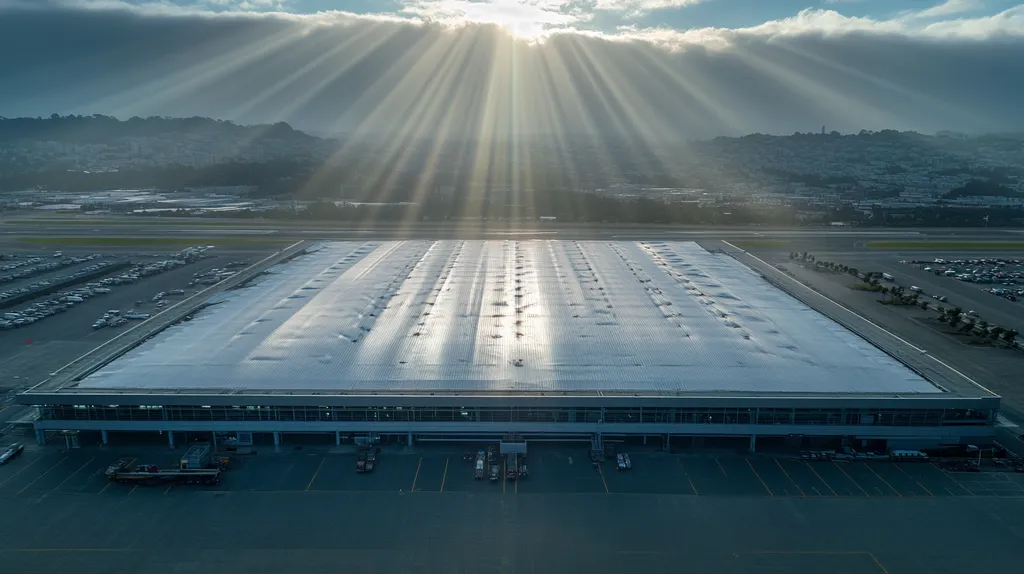
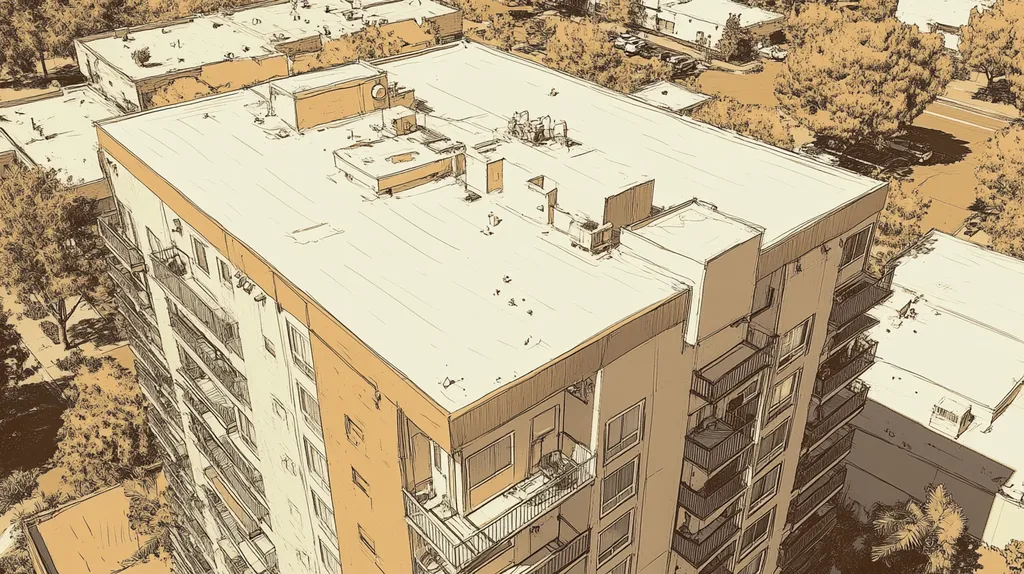
For example, flat roofs equipped with suitable insulation and reflective coatings can bounce back solar heat, which lowers cooling costs. The choice of materials and roof orientation is also critical, impacting heat retention and energy use.
Incorporating green roofs or roof gardens is another design strategy that boosts energy efficiency. These natural installations provide added insulation and help to lower surrounding temperatures, mitigating the urban heat island effect. Such designs emphasize the integration of functionality with sustainability.
By reassessing their roof design, commercial property owners can achieve substantial cost savings while also supporting energy conservation initiatives. Smart investments in design address immediate energy needs and prepare for future demands.
Climate-Specific Considerations
Climate is a key factor in identifying the most effective energy-efficient roofing strategies. Different regions face various weather challenges—such as extreme heat, intense rainfall, or heavy snowfall—that directly affect roofing decisions.
For instance, areas with higher temperatures benefit from cool roofing materials designed to reflect sunlight, whereas regions with heavy snowfall require roofs capable of supporting additional weight. Choosing appropriate materials and designs based on local climate can enhance both durability and energy efficiency.
Furthermore, an understanding of how local climate affects energy usage enables property owners to optimize their roofing systems for better performance and longevity. Tailoring roofing strategies to local conditions leads to more resilient solutions that manage environmental stresses effectively.
Ultimately, aligning roofing decisions with climate-specific factors not only enhances building performance but also amplifies sustainability efforts. The path toward energy-efficient roofing increasingly relies on the ability to adapt to and learn from local environmental conditions.
SECTION 2: SYSTEM COMPONENTS
Selecting the right system components for energy-efficient roofing is not just a technical choice; it’s a strategy to lower operating costs and reduce environmental impact. As energy prices continue to climb, property owners are under pressure to implement sustainable practices that minimize both expenses and carbon footprints. The right materials and technologies are integral to boosting energy efficiency and enhancing overall building performance. This section will outline the critical components necessary for an energy-efficient roofing system.
Energy-Efficient Roofing Materials
Energy-efficient roofing materials form the backbone of any sustainable roofing system. Modern choices such as thermoplastic polyolefin (TPO), ethylene propylene diene monomer (EPDM), and reflective metal roofs outperform traditional asphalt or built-up roofing in terms of durability and energy efficiency.
TPO and EPDM, for example, are renowned for their outstanding strength and resilience against the elements. Their reflective surfaces significantly reduce heat absorption, keeping buildings cooler and more efficient. Proper material selection not only extends the lifespan of the roof but also greatly reduces energy consumption.
Investing in energy-efficient materials offers substantial lifecycle cost advantages. While the initial investment may be higher, the long-term savings derived from decreased energy bills often justify the upfront costs. Therefore, property owners must make informed decisions about roofing materials based on their specific needs and local climate.
Ultimately, selecting the right materials leads to better sustainability and cost-effective solutions. Property owners are advised to engage with roofing professionals to evaluate their options comprehensively.
Insulation and Thermal Resistance
Effective insulation is a cornerstone of energy-efficient roofing systems. Adequate insulation keeps indoor temperatures consistent, which significantly decreases the need for heating and cooling. This not only enhances occupant comfort but also reduces energy expenditures.
Common insulation materials include fiberglass, foam board, and spray polyurethane foam (SPF). Each option varies in thermal performance and installation techniques, impacting overall energy efficiency. Examples like SPF stand out for its superior insulation properties and its ability to seal gaps effectively.
High R-value insulation is instrumental in reducing heat transfer, minimizing energy loss during colder months and helping keep buildings cool in the summer. Incorporating quality insulation into roofing systems allows property owners to maximize energy efficiency while lessening their dependence on HVAC systems.
Property owners can significantly benefit from energy audits and guidance from insulation specialists to identify the best insulation solutions tailored to their needs. Investing in top-notch insulation not only boosts energy efficiency but also contributes to notable long-term savings.
Reflective Coatings and Solar Panels
Reflective coatings are crucial in reducing energy consumption as they limit heat absorption in roofs. Applying these coatings to existing surfaces significantly enhances their reflective properties, resulting in cooler building interiors. This can lead to cooling cost reductions of up to 15% during hot summer months.
In addition to reflective coatings, integrating solar panels represents a powerful step toward energy efficiency. By capturing solar energy, buildings can substantially reduce their reliance on grid electricity, with the potential to reach net-zero energy status. The initial costs of solar technology are often offset by energy savings and available tax incentives.
The combination of reflective coatings and solar panel installations not only improves energy efficiency but also extends the roofing system’s lifespan by safeguarding underlying materials from UV damage.
In conclusion, leveraging reflective coatings alongside solar technology yields dual benefits: lowering energy costs and enhancing environmental sustainability. Property owners are encouraged to explore these innovations to unlock the full energy efficiency potential of their buildings.
SECTION 3: IMPLEMENTATION METHODS
As commercial buildings strive for sustainability, choosing the right roofing system plays a crucial role in enhancing energy efficiency and managing long-term costs. Research indicates that up to 30% of a building’s energy consumption stems from heating and cooling losses through the roof. Thus, making informed decisions during the implementation phase is essential. This section explores key considerations, including material selection, appropriate installation techniques, and innovative solutions like green roofs and solar panels.
Selecting the Right Roofing Material
Choosing the right roofing material lays the groundwork for energy efficiency. Materials like TPO, PVC, and EPDM are increasingly popular due to their reflective properties, which can cut cooling costs by up to 10%. Additionally, roof coatings present a viable option, enhancing existing roofs and boosting reflectivity without the need for total replacement.
It’s essential that materials are selected based on local climate conditions. For example, buildings in hotter regions should utilize lighter-colored materials to effectively reflect sunlight, while insulated roofing systems are beneficial in colder climates for retaining warmth. This tailored approach ensures improved energy efficiency.
Long-lasting materials should also be a priority. Investing in higher-quality roofing systems not only extends their lifespan but also minimizes the need for frequent repairs or replacements. This longevity plays a significant role in promoting a more sustainable business model.
Engaging with roofing professionals and considering local building codes will help property owners select materials that enhance efficiency and comply with all necessary regulations.
Installation Techniques for Single-Ply Membranes
The success of single-ply membrane systems hinges on precise installation to ensure peak performance. Quality installation minimizes vulnerabilities that could lead to leaks and energy loss. Properly sealing and fastening membranes is crucial for maintaining roof integrity over time, thus promoting energy efficiency.
Mechanical attachment methods can significantly enhance the stability of the membrane, while adhesive applications create tight seals that help reduce thermal bridging, lowering heating and cooling costs. Each step strengthens the roofing system’s ability to perform effectively.
Proper insulation beneath the membrane is also vital. A well-insulated roof not only sustains energy demands but also performs better in extreme weather conditions. Conducting building envelope tests before installation allows identification of areas needing reinforcement, thus improving thermal performance.
To maximize energy efficiency, following manufacturer specifications and industry best practices during installation is paramount. Paying attention to the details can prevent costly mistakes in the future.
Integrating Green Roofs and Solar Systems
Green roofs and solar systems are leading the way in energy-efficient roofing solutions. Green roofs not only provide essential insulation but also help manage stormwater runoff, lessening environmental impact. Their vegetation aids in regulating building temperatures and improves air quality, delivering long-term benefits for both the facility and its environment.
Additionally, incorporating solar systems into rooftops is a smart move for enhancing energy efficiency. Photovoltaic panels harness sunlight to produce electricity, significantly reducing dependency on grid energy. Many commercial rooftops offer ample space for sizable solar arrays, resulting in substantial savings over time.
The synergy of green roofs and solar systems creates a dual benefit. The vegetation can help cool solar panels, thereby enhancing their efficiency while adding extra insulation to the building.
Property owners should carefully evaluate their buildings’ structural capabilities to support these systems effectively. With strategic planning and proper installation, integrating these innovative roofing solutions can lead to significant improvements in energy efficiency and long-term cost savings.
SECTION 4: MAINTENANCE REQUIREMENTS
Regular maintenance of a commercial roof is not just recommended; it’s essential. Neglecting this crucial aspect can lead to severe energy inefficiencies, resulting in increased costs and potential structural damage. Statistics indicate that well-maintained roofs can save property owners up to 20% on energy bills. To keep an energy-efficient roofing system performing at its best, regular inspections and proactive measures are vital. This section highlights essential maintenance practices, including the importance of routine inspections, effective ventilation and drainage systems, and strategies for preventing water ponding and damage.
Regular Roof Inspections and Repairs
Regular roof inspections are crucial for maximizing energy efficiency. Property owners are advised to schedule inspections at least twice a year and after significant weather events. Catching wear and tear early can prevent small issues from escalating into major problems that jeopardize energy performance.
Documenting necessary repairs and addressing areas of concern promptly is vital. Quick action, such as replacing missing shingles or sealing leaks, can significantly prolong the roof’s lifespan and preserve its energy-saving qualities.
Collaborating with professional roofing contractors for comprehensive assessments is also recommended. These experts can evaluate insulation quality, sealing integrity, and overall durability, ensuring that maintenance needs are effectively and systematically addressed.
Ventilation and Drainage Systems
Effective ventilation and drainage systems are essential for maintaining an energy-efficient roof. Good ventilation helps manage indoor temperatures, which helps to reduce reliance on heating and cooling systems, ultimately lowering energy consumption and costs.
To maintain efficiency, it’s critical to ensure that roof vents remain clear and fully functional. Blocked vents can trap heat and moisture, leading to insulation breakdown and accelerated deterioration. Regular checks of ventilation systems enable adequate air circulation and help keep energy costs down.
Proper drainage systems are equally important to prevent water accumulation that can cause leaks and structural damage. Property owners should routinely inspect gutters and downspouts to guarantee proper water flow. Clean drainage systems play a significant role in maintaining the roof’s integrity and lifespan.
Preventing Water Ponding and Damage
Water ponding poses a serious threat to the durability of commercial roofs. Accumulated water increases weight and can cause leaks, material degradation, and even structural failure. Monitoring the roof’s slope and drainage performance is essential in preventing these issues.
Maintenance should include clearing debris from the rooftop and ensuring drainage systems effectively channel water away from critical areas. When existing drainage solutions fall short, installing additional options can minimize water damage risks.
Additionally, implementing moisture detection systems can help monitor water infiltration risks. Early detection of potential issues facilitates prompt interventions, safeguarding the energy efficiency benefits and overall integrity of the roof.
SECTION 5: PERFORMANCE METRICS
In an era of escalating energy costs, the choice and performance of roofing materials have a profound impact on a commercial building’s operational expenditures. Buildings equipped with energy-efficient roofing can trim thousands off their utility bills each year. However, to truly validate these savings and ensure optimal roof performance, implementing reliable performance metrics is crucial. This section will discuss key criteria for evaluating energy usage, roof efficiency, and long-term durability in commercial roofing systems.
Monitoring Energy Usage and Costs
To effectively assess energy usage, consistent monitoring of utility bills is essential. Property owners should compare their monthly consumption before and after installing an energy-efficient roof. This straightforward method will provide clear insights into the cost savings directly associated with the new roofing system.
Advanced energy management systems further enhance this process, allowing facility managers to track real-time energy consumption. With the help of specialized software, they can identify trends and determine if roofing products deliver on their performance promises.
For example, if a building has a reflective roof, the energy bills during the peak heating and cooling months can indicate its effectiveness. Lower cooling costs serve as positive evidence of a roof’s performance and justify the initial investment made in energy efficiency.
Maintaining detailed records of energy consumption not only aids in assessing current performance but also supports informed decision-making for future roofing renovations or upgrades. This proactive approach reinforces the critical need for ongoing advancements in energy-efficient roofing.
Evaluating Roof Reflectance and Emissivity
Reflectance and emissivity are pivotal performance metrics in energy-efficient roofing systems. Reflectance gauges how much sunlight a roof repels, whereas emissivity measures its ability to release absorbed heat. Achieving high values in both metrics generally leads to cooler rooftop temperatures and lower energy consumption.
Roof products can be tested and certified for reflectance and emissivity through established standards such as those from the Cool Roof Rating Council. Compliance with these standards not only enhances energy savings but can also extend the lifespan of the roofing materials.
For instance, a roof with a Solar Reflectance Index (SRI) of 78 can lead to significant energy savings, particularly in warmer climates. Facility managers should routinely review SRI ratings to ensure their roofs maintain effectiveness as they age.
By sustaining high levels of reflectance and emissivity, property owners can optimize energy performance and contribute to the longevity of their roofing systems. Implementing a strategic maintenance plan will address these critical factors over time.
Assessing Long-Term Durability
The long-term durability of energy-efficient roofs is vital to their overall performance. While energy savings are essential, the longevity of roofing systems ensures they remain cost-effective in the long run. Property owners must consider aspects such as weather resistance, maintenance demands, and material lifespan.
Materials like TPO and PVC often provide superior durability compared to traditional roofing options. These materials withstand harsh weather conditions while maintaining their energy-efficient properties, translating into fewer repairs and replacements.
Regular inspections and comprehensive maintenance plans are essential for detecting early signs of wear. Investing in preventive measures not only preserves energy-efficient attributes but also maximizes the roof’s lifespan.
Focusing on long-term durability helps ensure that property owners safeguard their initial investment while also enhancing the building’s sustainability profile. This comprehensive approach results in long-lasting benefits concerning operational efficiency and environmental stewardship.
SECTION 5: PERFORMANCE METRICS
As energy costs continue to rise, the choice of roofing materials can significantly impact a building’s operational expenses. Commercial buildings with energy-efficient roofs can save thousands each year on utility bills. However, to truly realize these savings, it’s crucial to monitor roof performance using reliable metrics. This section discusses essential criteria for evaluating energy usage, roof efficiency, and long-term durability.
Monitoring Energy Usage and Costs
Accurate assessment of energy usage begins with diligent monitoring of utility bills. Property owners should compare energy consumption monthly before and after installing an energy-efficient roof. This straightforward analysis will illuminate the cost savings achieved through the new roofing system.
Advanced energy management systems can further refine this tracking. They allow facility managers to monitor energy consumption in real time, using specialized software to identify trends that show whether roofing products meet their efficiency claims.
For example, if a building features a reflective roof, energy bills during peak cooling months can reveal its effectiveness. A noticeable drop in cooling costs serves as clear evidence of the roof’s performance and justifies the investment.
Maintaining detailed records of energy use not only assists in evaluating current roofing performance but also aids in making informed decisions for future renovations or upgrades. This proactive approach emphasizes the ongoing need for advancements in energy-efficient roofing.
Evaluating Roof Reflectance and Emissivity
Reflectance and emissivity are key performance metrics in evaluating energy-efficient roofing. Reflectance quantifies how much sunlight a roof deflects, while emissivity gauges its ability to release absorbed heat. Achieving high values in both metrics typically leads to cooler rooftops and decreased energy usage.
Roof products can be certified for reflectance and emissivity through established standards like those from the Cool Roof Rating Council. Adhering to these standards not only maximizes energy savings but can also prolong the lifespan of the roofing materials.
For instance, a roof with a Solar Reflectance Index (SRI) of 78 can lead to considerable energy savings in warmer climates. Facility managers should regularly review SRI ratings to ensure roofs maintain their effectiveness as they age.
By sustaining high reflectance and emissivity levels, property owners not only optimize energy performance but also contribute to extending their roofing system’s life. Implementing a strategic maintenance plan will help address these critical factors over time.
Assessing Long-Term Durability
The long-term durability of energy-efficient roofs is essential for their overall effectiveness. While energy savings are significant, the longevity of roofing systems ensures they remain cost-effective over time. Property owners should consider factors like weather resistance, maintenance demands, and material lifespan.
Materials such as TPO and PVC typically offer superior durability compared to traditional roofing options. They withstand severe weather conditions while maintaining energy efficiency, resulting in fewer repairs and replacements over the roof’s life.
Regular inspections and robust maintenance plans are crucial for catching early signs of wear. Investing in preventive actions not only preserves energy-efficient attributes but also maximizes the roof’s overall lifespan.
By prioritizing long-term durability, property owners safeguard their original investment and enhance their building’s sustainability. This comprehensive approach leads to lasting benefits, including improved operational efficiency and a reduced environmental footprint.
The Bottom Line
With commercial buildings wasting over $30 billion annually through inefficient roofing, the imperative for energy-efficient solutions has never been more urgent.
Modern roofing technologies, from reflective membranes to integrated solar systems, can reduce energy costs by up to 30% while extending roof lifespans by decades.
Success depends on selecting appropriate materials, ensuring proper installation, and maintaining consistent monitoring of performance metrics.
The initial investment in energy-efficient roofing typically pays for itself within 3-5 years through reduced operating costs, improved building value, and available tax incentives.
As energy costs continue to rise and environmental regulations tighten, implementing these proven solutions is no longer optional – it’s essential for sustainable commercial building operations.
FREQUENTLY ASKED QUESTIONS
Q. What are the energy efficiency standards for a commercial roof?
A. Energy efficiency standards vary by location but typically aim to reduce energy usage. Familiarizing yourself with local codes ensures compliance and enhanced roof performance. Upgrading to efficient materials can meet or exceed these standards while positively impacting property value.
Q. What materials are best for an industrial roof?
A. Materials like TPO, EPDM, and reflective metal are excellent choices for industrial roofs. They offer superior durability and energy efficiency, providing long-term savings on energy bills. Selecting the right material based on your climate can optimize performance and lifespan.
Q. How does roof design impact energy consumption for commercial roofs?
A. Roof design greatly affects energy use, with factors like slope and insulation playing key roles. A well-designed roof can minimize heat absorption, leading to reduced reliance on HVAC systems. Tailoring the design to your building’s needs can achieve substantial energy savings.
Q. What maintenance is required for energy-efficient roofing?
A. Regular inspections, efficient drainage systems, and effective ventilation are essential. Routine maintenance prevents leaks and prolongs roof lifespan, enhancing energy efficiency. Keeping the roof clear of debris also minimizes risks of water accumulation, maintaining optimal performance.
Q. How do I monitor energy usage for a commercial roof?
A. Track monthly utility bills before and after installing energy-efficient roofing. Advanced energy management systems can also provide real-time tracking and analysis of energy consumption, helping identify trends and assess the effectiveness of roofing solutions.
Q. What are the advantages of using reflective coatings on a commercial roof?
A. Reflective coatings significantly reduce heat absorption, leading to lower cooling costs during hot months. They also extend the lifespan of underlying materials by protecting them from UV damage. Overall, these coatings enhance energy efficiency while improving comfort levels inside the building.
Q. How can solar panels contribute to energy efficiency in industrial roofs?
A. Solar panels harness sunlight to generate electricity, reducing reliance on grid power and cutting energy costs. Integrating solar technology maximizes the roof’s functionality, and with potential tax incentives, the initial investment can be recouped over time through energy savings.






