

As cities grapple with rising temperatures, commercial roofs have emerged as unexpected heroes in the battle against urban heat. Studies show that well-designed roofing systems can reduce surrounding temperatures by up to 7°F, yet many buildings still sport heat-absorbing surfaces that worsen the urban heat island effect.
From reflective materials that bounce back sunlight to green roofs that act as nature’s air conditioners, modern commercial roofing solutions offer powerful tools for temperature management. The challenge lies in understanding which options deliver the best returns for both individual buildings and the broader urban environment.
This guide demystifies the role of commercial roofs in urban heat management, breaking down essential concepts into practical, actionable insights for property owners and facility managers.
SECTION 1: THE BASICS EXPLAINED
As urban landscapes evolve, understanding the influence of commercial roofs on heat management becomes all the more pressing. The U.S. Environmental Protection Agency reports that urban heat islands can increase city temperatures by 1-7 degrees Fahrenheit compared to their surroundings. This rise in temperature has far-reaching effects—it drives up energy consumption, heightens health risks, and worsens environmental challenges. For property owners and facility managers, grasping the significance of commercial roofs in this context is essential.
What It Is (In Plain Language)
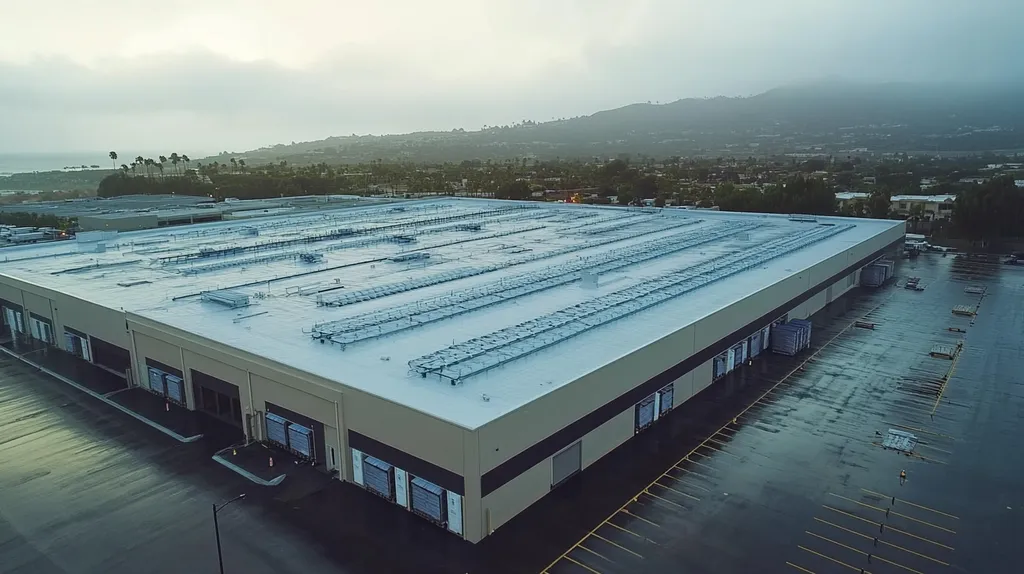
Commercial roofs are the upper coverings of commercial buildings, serving as a protective barrier against the elements while also playing an essential role in energy efficiency. They can be flat or sloped, and their materials typically include metal, asphalt, or membrane systems. Each type offers distinct characteristics that help in managing temperature and reflecting sunlight, crucial for effective heat management.
The design and material choices of a commercial roof significantly affect how much heat is absorbed or retained. Reflective roofs, often clad in white or light hues, excel at minimizing heat absorption. In contrast, darker surfaces tend to soak up heat, contributing to warmer indoor and outdoor climates—an important consideration for urban heat management.
Additionally, green roofs, adorned with vegetation, not only offer cooling benefits but also assist with insulation and stormwater management. By recognizing the various roof types, property managers can confidently make decisions that align with their sustainability goals.
Why It Matters (To Your Building)
Selecting the right roofing can carry significant consequences for energy efficiency and operational expenses. A poorly designed roof can lead to heightened cooling demands, soaring energy bills, and a less comfortable environment for occupants. On the flip side, a reflective roof system can slash energy costs by diminishing the reliance on air conditioning, enhancing the building’s overall performance.
Beyond individual structures, the urban environment suffers when roofing materials are not thoughtfully chosen. Heat islands worsen pollution, pose public health threats, and heighten the demand for energy resources. Acknowledging these impacts is crucial for fostering property sustainability and promoting the well-being of the community.
Moreover, property owners who opt for eco-friendly roofing solutions often unlock potential tax incentives and rebates. By aligning with regulatory standards, they can also boost their public image while demonstrating a commitment to environmental responsibility.
How It Works
Commercial roofs are key players in urban heat management, operating through several mechanisms. Firstly, they can effectively reflect sunlight, reducing the heat that gets absorbed by the building. Materials with high solar reflectance, or “albedo” ratings, are especially effective at combatting heat retention.
Secondly, well-insulated roofs help maintain a stable indoor climate. This insulation minimizes energy loss, allowing heating and cooling systems to work more efficiently. As a result, energy costs decrease, and greenhouse gas emissions are curtailed, contributing to a more sustainable environment.
Finally, embracing green roofing practices boosts buildings’ thermal performance. Vegetative layers absorb sunlight and create a cooling effect through evapotranspiration, effectively lowering surrounding temperatures. These roofs also enhance air quality and support biodiversity, showcasing their multifaceted benefits for urban areas.
SECTION 2: PRACTICAL APPLICATIONS
The pressing need for effective urban heat management cannot be overstated. As cities grapple with escalating temperatures driven by climate change and urbanization, commercial roofs are increasingly pivotal in mitigating heat. In fact, reflective or green roofing solutions can slash surface temperatures by up to 30%, translating to significant energy savings. This section delves into practical applications, showcasing common uses, timely interventions, and interactions with other systems that can enhance urban heat management strategies.
Common Uses & Examples
Commercial roofs serve vital functions that go far beyond basic shelter. For instance, reflective roofing systems actively combat heat absorption, helping to reduce the infamous heat island effect and cool nearby areas. These roofs work hard, reflecting sunlight rather than soaking it up.
Then there are green roofs, a green-thumbed option that combines aesthetics with practicality. These plant-covered rooftops provide superb insulation and manage stormwater, naturally cooling localized temperatures—perfect for bustling urban settings.
Moreover, rooftops are increasingly seen as platforms for energy generation. Solar panels can be installed to harness sunlight, serving a dual purpose: generating renewable energy while helping regulate building temperatures.
Each of these examples underscores how the right roofing choices can sway urban heat dynamics, contributing to a more sustainable environment and healthier communities.
When You Need It Most
The demand for effective roofing solutions peaks during extreme weather episodes. Heatwaves, for example, surge energy needs for cooling, burdening operational budgets for facilities. In these moments, businesses with reflective or energy-efficient roofs enjoy the perks of reduced air conditioning costs.
Furthermore, these roofs help maintain comfortable indoor climates, promoting employee productivity even when the outdoor temperatures soar. Think of it as a cool oasis on an otherwise blistering day.
Another critical period for thoughtful roofing choices arises during new construction planning. By incorporating energy-saving roofing technologies early on, design teams can sidestep future expenses and inefficiencies that plague poorly implemented systems.
Being proactive in selecting these roofs can significantly enhance not just a building’s performance but also bolster community efforts to tackle heat-related challenges.
Interactions With Other Systems
Commercial roofing systems don’t exist in a vacuum; their effectiveness flourishes when integrated with other building systems. For example, pairing a reflective or green roof with high-efficiency HVAC systems creates a powerhouse of energy optimization.
Consider rainwater harvesting systems as well. They can seamlessly augment green roofs by collecting excess water for irrigation or other uses, promoting harmony in nature while curtailing runoff—truly a win-win for urban resilience.
Additionally, integrating roofing systems with smart building technologies allows real-time monitoring of heat levels, enabling adjustments in ventilation that enhance energy efficiency. This kind of synergy can propel properties toward sustainability goals.
Grasping these interactions leads to smarter roofing investments, ensuring that assets effectively contribute to urban heat management strategies and bolster community sustainability efforts.

SECTION 3: KEY TERMINOLOGY DECODED
In the quest for effective urban heat management, grasping roofing terminology is not just beneficial—it’s essential. Without a solid understanding of key terms, property owners and facility managers may struggle to make informed choices that can significantly influence energy efficiency and overall building performance. From material selection to compliance with regulations, navigating the roofing lexicon empowers stakeholders to harness their roofs’ full potential. This section simplifies the relevant terms, transforming complex concepts into practical insights.
Essential Terms Explained
Diving into urban heat management, two crucial terms arise: “reflectivity” and “thermal performance.” Reflectivity indicates how much sunlight a roof manages to bounce away, which in turn affects its temperature and energy efficiency. A roof with high reflectivity keeps cool, aiding collective city efforts to manage heat.
Similarly, thermal performance refers to how well a roof insulates against heat. Roofs that excel in thermal performance maintain comfortable indoor climates, reducing the need for heating and cooling systems. Knowing these terms helps property owners select materials that not only comply with building codes but also support broader urban heat management strategies.
Another term worth noting is “green roofing.” This concept involves roofs adorned with vegetation that not only lowers surface temperatures but also improves air quality, making it particularly valuable in dense urban areas battling the heat island effect.
Becoming familiar with these vocabulary terms equips facility managers to communicate more effectively with contractors and consultants, resulting in better decisions regarding cooling strategies and energy efficiency.
Industry Jargon Translated
The roofing industry is laden with jargon, often leaving the uninitiated bewildered. For instance, “U-value” measures thermal transmittance and is essential for assessing how well a roof insulates. A lower U-value denotes superior insulation—critical for keeping indoor climates pleasant.
Then there’s the “solar reflectance index” (SRI), which quantifies how effectively a surface reflects solar energy while emitting heat. Roofs boasting a high SRI can markedly decrease surrounding air temperatures, making them key players in urban heat management.
Similarly, the term “cool roofs” describes materials specifically designed to reflect more sunlight and absorb less heat. These roofs are instrumental in combating urban heat islands and enhancing energy efficiency. Clear understanding of this jargon is crucial for making informed decisions that align with sustainable practices.
If clarity around these terms is lacking, stakeholders might struggle to evaluate which roofing options best meet sustainability goals.
Measurement & Units Simplified
The measurements related to roofing are foundational for grasping thermal performance. Reflectivity is generally expressed as a decimal or percentage, revealing how much sunlight is reflected by a roofing material. For example, a roof with a reflectivity of 0.70 reflects 70% of sunlight, which can significantly enhance its cooling efficiency.
Similarly, the thermal performance of roofs is assessed using R-value, which measures thermal resistance. The higher the R-value, the better the insulation. This metric is vital for ensuring that roofs contribute positively to energy savings and sustainability.
Understanding these units empowers property owners and facility managers to easily compare performance metrics across various roofing options, making informed choices more straightforward.
Ultimately, grasping these measurements helps ensure that building designs align with broader urban heat management strategies, enhancing efficiency and functionality.
SECTION 4: DECISION FACTORS
As urban temperatures rise, the choice of commercial roofing can be a game changer in heat management. Opting for the right materials not only impacts energy consumption but also shapes the urban heat landscape. Property owners are tasked with navigating cost considerations, performance trade-offs, and the lifespan of roofing options to devise effective heat management strategies that meet current and future needs.
Cost Considerations
Understanding the financial implications of roofing selections is vital for property owners. While initial costs for materials—such as reflective roofs—might be higher, the prospect of slashed energy bills can make these choices financially savvy over time.
Research from the U.S. Department of Energy indicates that reflective roofs can decrease cooling costs by as much as 30%. This translates to considerable savings, proving that sometimes you get what you pay for.
Moreover, many local governments offer incentives or rebates for adopting energy-efficient roofing strategies. These programs can ease the financial strain on property owners, making sustainable options even more enticing.
It’s also essential to factor maintenance costs into long-term planning. Although high-quality materials might bear a larger initial price tag, their durability often leads to reduced upkeep costs over time, yielding significant returns on investment.
Performance Trade-offs
Every roofing material comes with its own set of performance characteristics, which must align with the unique requirements of a building. Reflective roofs offer energy efficiency but may not withstand severe weather as well as traditional materials.
For instance, metal roofs excel in durability and reflectivity but could generate noise during storms. It’s essential to strike a balance between energy efficiency and material performance to ensure the roof meets regional climate challenges.
Additionally, different roofing systems necessitate varying degrees of insulation, which can influence energy efficiency. Awareness of these trade-offs allows property owners to make informed decisions aligned with their operational needs.
Evaluating life-cycle costs—incorporating performance during diverse weather conditions—can provide a clearer understanding of a roofing system’s long-term value, ensuring that any choice made won’t disrupt future plans.
Lifespan & Durability Factors
The lifespan and durability of roofing materials play a crucial role in strategic, long-term planning. Investing in roofs designed for longevity can reduce the frequency of replacements, yielding consistent savings.
Reflective roofing systems typically boast lifespans of 20 years or more, minimizing long-term costs while ensuring effective performance. Cheaper alternatives, however, can lead to premature replacements, which significantly inflate overall expenses.
It’s also crucial for roofing systems to withstand local environmental conditions, whether it be torrential rain, heavy snow, or relentless heat. Resilient materials will ensure reliability and service over the years.
Reviewing warranties and manufacturer claims can offer valuable insights into the expected durability and lifespan of roofing products, ultimately protecting property owners from the costs associated with frequent replacements.
SECTION 5: COMMON CHALLENGES
When it comes to commercial roofs, overlooking common challenges can have serious repercussions for urban heat management. Left unchecked, poorly maintained roofs can lead to escalating energy consumption, inflated operational costs, and intensify the urban heat island effect. Studies show that inadequate roofing may cause cities to warm by as much as 5°F, exacerbating existing environmental stresses. Tackling these challenges is crucial not only for the longevity of the building but also for enhancing energy efficiency and safeguarding environmental health.
Frequent Problems & Solutions
A prominent issue for commercial roofs is water pooling, where insufficient drainage allows water to collect and wreak havoc. This can lead to unwanted leaks and structural damage, often stemming from clogged gutters or improper sloping.
To mitigate this risk, regular inspections and speedy repairs are essential. Solutions such as installing tapered insulation or redesigning drainage systems can ensure proper water flow and help avert water damage.
Thermal expansion and contraction pose another challenge, as extreme temperature shifts can cause roofing materials to expand, contract, and ultimately crack. Investing in high-quality, thermally stable materials is a preventative strategy that can alleviate this concern.
Additionally, utilizing reflective roof coatings not only contributes to thermal stability but also reduces the building’s overall thermal load, leading to lower air conditioning expenses and a diminished heat footprint.
Warning Signs To Watch For
Property owners and facility managers should remain alert for potential warning signs of roofing issues. A sudden spike in energy bills may indicate that the roof is underperforming, possibly due to air leaks or insufficient insulation.
Visible stains on the ceiling are red flags that suggest water intrusion, which can signal leaks in roofing membranes. Catching these signs early can prevent costly repairs down the line.
The presence of mold or mildew is another alarming signal, indicating persistent moisture issues that can compromise indoor air quality and pose health risks if left unaddressed.
Physical damage such as scuffed areas or punctures on membrane roofs should be dealt with promptly, as neglecting these issues can lead to further complications. Regular maintenance checks are invaluable for spotting these signs before they escalate into more severe problems.
Preventative Approaches
Establishing a routine inspection schedule is one of the best preventative measures facility managers can adopt. Regular check-ups help identify issues before they become unmanageable, allowing property owners to stay informed about the roof’s condition and potential risks.
Investing in high-quality roofing materials that are suited specifically for local climate conditions can significantly boost a roof’s lifespan. Sustainable options like green roofs and reflective materials not only bolster urban heat management but also lower heat absorption in densely populated areas.
Creating a tailored maintenance plan is another crucial element. This includes scheduling repairs and necessary upgrades based on insights gained from inspections, keeping the roof in optimal condition.
Lastly, collaborating with skilled roofing contractors is essential for effective preventive strategies. Experienced professionals offer valuable insights and can implement tailored recommendations to tackle specific roofing challenges.
SECTION 6: NEXT STEPS & RESOURCES
As cities heat up like car interiors on a sunny day, the need for effective roofing solutions has never been more pressing. Commercial roofs hold the key to managing urban heat, yet many property owners remain in the dark about how to make the best choices. Understanding aspects like material selection, regulatory compliance, and sustainable practices isn’t just important; it’s imperative for a facility’s energy efficiency and environmental responsibility. This section paves the way for the next steps, spotlighting key questions to ask roofing providers, essential industry guidelines, and resources for deepening knowledge.
Questions To Ask Providers
Engaging with roofing providers is essential for making informed roof decisions. Property owners should prioritize inquiries about the reflective properties of roofing materials. Understanding how different options can minimize heat absorption is pivotal.
Additionally, ask about the longevity and maintenance requirements of suggested materials. A roof that requires constant repairs can quickly erode any initial savings.
Don’t forget to inquire about energy efficiency certifications. Verify if the proposed roofing products align with local energy codes and boast sustainability credentials.
Lastly, assess the provider’s experience with similar projects. A solid track record can guarantee reliability and performance under specific conditions.
Industry Standards & Guidelines
Familiarizing oneself with industry standards is the road to aligning roofing projects with best practices. Organizations like the American Society for Testing and Materials (ASTM) provide valuable guidelines on material performance, durability, and energy efficiency.
Another crucial resource is the Cool Roof Rating Council (CRRC), which measures the reflective capabilities of roofing products. Utilizing these standards ensures selected materials contribute effectively to urban heat management.
The Environmental Protection Agency (EPA) also offers guidance on sustainable building practices. Being well-versed in these recommendations equips property owners to make educated decisions.
Finally, heed local building codes and zoning regulations that may influence roofing choices. Understanding compliance can help avoid costly penalties or project delays.
Further Learning Simplified
Expanding knowledge about roofing systems and their effects on urban heat management is invaluable. Countless online resources—webinars, industry blogs, and forums—offer a treasure trove of information.
Joining professional organizations can open doors to networking opportunities and provide access to cutting-edge research. Many of these groups host events focused on sustainable design and innovative roofing technologies.
Online courses centered on renewable energy and sustainable construction practices are also available. Topics such as cool roofs, green roofs, and energy-efficient materials are frequently covered.
Lastly, industry publications often spotlight case studies detailing successful roofing projects, serving as practical examples of effective urban heat management strategies in action.
Looking Ahead
With urban temperatures projected to rise 4-7°F by 2050, commercial roofs represent a critical battleground in the fight against urban heat.
Today’s roofing choices will determine tomorrow’s energy costs, environmental impact, and urban livability.
Property owners who embrace reflective materials, green roofing systems, and strategic maintenance plans position themselves to reduce cooling costs by up to 30% while contributing to cooler, more sustainable cities.
The technology and knowledge exist – what’s needed now is wider adoption of these proven solutions.
As cities continue to grow and temperatures climb, the role of commercial roofs in urban heat management will only become more vital to our collective future.
FREQUENTLY ASKED QUESTIONS
Q. What is a commercial roof’s role in urban heat management?
A. Commercial roofs act as protective barriers while influencing energy efficiency. Their design significantly impacts heat absorption, making them essential in managing urban temperatures. Choosing the right materials can help reduce energy consumption and contribute to cooler city environments, which benefits both structures and communities.
Q. How do industrial roofs mitigate urban heat during hot months?
A. Industrial roofs can significantly cool urban areas by using reflective surfaces or vegetation. These options help lower surface temperatures, thus enhancing energy savings through reduced air conditioning needs. Implementing such roofs not only improves comfort for occupants but also aids in tackling broader heat challenges.
Q. What are the essential terms related to commercial roofs?
A. Key terms like “reflectivity,” “thermal performance,” and “green roofing” are essential. Reflectivity indicates how much sunlight a roof bounces away, affecting its temperature. Thermal performance measures insulation effectiveness. Understanding these terms enables better decision-making regarding materials and energy efficiency.
Q. Why is cost a significant factor for commercial roof selection?
A. Initial costs can vary widely, but reflective roofs often yield long-term savings on energy bills. While higher upfront costs may raise eyebrows, decreased cooling demand can balance these expenses over time. Property owners should also consider local incentives that support energy-efficient roofing choices.
Q. What common challenges do commercial roofs face?
A. Issues like water pooling and thermal expansion can lead to problems such as leaks and structural damage. Regular inspections are crucial for early detection. Adopting high-quality materials and implementing reflective coatings can help manage these challenges effectively and sustain roof performance.
Q. What steps can be taken to ensure effective roofing solutions?
A. Property owners should engage roofing providers with detailed questions about material properties and longevity. Familiarizing themselves with industry standards ensures alignment with best practices. Continuous education through resources and professional organizations can also foster informed decisions about roofing systems and strategies.
Q. How do regulatory requirements influence commercial roof choices?
A. Compliance with local building codes and energy efficiency regulations is crucial. These rules help ensure the selected roofing systems are sustainable and reduce operational costs. Understanding these requirements can also prevent costly violations and enhance the building’s performance in urban heat management.






