

As global temperatures continue to rise, industrial roofing systems consume over 40% of commercial buildings’ total energy through heating and cooling costs alone. This environmental and financial burden demands immediate attention.
Emerging technologies like smart sensors, self-healing membranes, and energy-efficient materials are revolutionizing how industrial roofs perform and interact with their environment. These innovations not only reduce operational costs but also minimize environmental impact.
This comprehensive guide examines the latest sustainable roofing technologies, from fundamental concepts to optimization strategies, providing property owners and facility managers with actionable insights for implementing more efficient and environmentally responsible roofing solutions.
SECTION 1: FUNDAMENTAL CONCEPTS
In today’s world, with pressing concerns about climate change and the depletion of natural resources, sustainable roofing has transitioned from a mere option to an imperative. Traditional roofing systems create a significant environmental burden, with asphalt roofs alone adding over 11 million tons of waste to U.S. landfills each year. This section will explore what smart roofing technology entails, the ecological challenges posed by conventional roofing practices, and the compelling advantages of embracing sustainable roofing solutions.
Definition of Smart Roofing Technology
Smart roofing technology refers to cutting-edge innovations aimed at maximizing energy efficiency and minimizing environmental impact. This encompasses advanced materials and systems designed to make industrial roofs more sustainable. A few noteworthy examples include cool roofs, which reflect sunlight to reduce heat absorption, and green roofs, which integrate vegetation to capture rainwater and purify the air.
These groundbreaking technologies not only aid in maintaining optimal building temperatures, thereby reducing energy costs for heating and cooling, but also help in mitigating the urban heat island effect that can drive up energy consumption in cities. Furthermore, property managers can harness real-time data analytics to track roof performance, ensuring that maintenance is timely and efficiency remains high.
Ultimately, smart roofing serves as a link between functionality and environmental stewardship, empowering facility managers to make conscientious decisions about roof care. As research and development progress, these technologies are poised to expand, providing diverse applications across industrial sectors, crucial for long-term sustainability.
Therefore, a solid understanding of smart roofing technology is essential for property owners who are looking to invest in roofing solutions that comply with regulatory standards while promoting environmental health. Transitioning to these innovative technologies represents a pivotal opportunity for businesses aiming to thrive sustainably.
Environmental Impact of Traditional Roofing
The environmental impact of traditional roofing is stark and concerning. Conventional materials such as asphalt and tar not only demand high energy usage throughout their life cycle but also generate a substantial amount of waste during installation and disposal. Research indicates that asphalt roofing contributes an estimated 11 million tons of waste to U.S. landfills each year.
Moreover, traditional roofs often lack energy-efficient features, leading to higher greenhouse gas emissions from heating and cooling systems. This exacerbates the issue of climate change, affecting ecosystems both locally and globally. By adopting alternative roofing materials and strategies, property owners can significantly lower their carbon footprint.
Additionally, runoff from traditional roofing systems can pollute nearby waterways, threatening aquatic life and local ecosystems. Given that industrial properties often have extensive roofs, the cumulative environmental effects can be quite significant.
It is imperative for commercial property owners and facility managers to reassess their roofing strategies. Embracing sustainable roofing practices not only addresses these environmental challenges but also aligns with global efforts to mitigate ecological damage.
Benefits of Sustainable Roofing Solutions
Sustainable roofing solutions present a broad spectrum of benefits that extend beyond mere functionality. They are specifically designed to boost energy efficiency, reduce waste, and enhance overall building performance. For example, cool roofs can reflect sunlight, significantly decreasing heat absorption and subsequently lowering air conditioning costs.
Another meaningful benefit is improved stormwater management. Green roofs are capable of absorbing rainwater, which helps to manage runoff and minimize flooding risks. This feature is particularly important in industrial areas that often face heavy rainfall and water accumulation issues.
Sustainable roofing can also enhance the longevity of a building. By utilizing durable, eco-friendly materials, property owners can decrease the need for frequent replacements and repairs, resulting in long-term cost savings. These economic advantages can be further bolstered by potential tax incentives and financial support available for green building initiatives.
Moreover, adopting sustainable roofing practices can elevate a company’s market image. Increasingly, consumers and stakeholders prefer businesses that prioritize eco-friendly practices, which enhances customer loyalty and could lead to higher sales. Thus, choosing sustainability is not merely an ecological decision; it’s a strategic advantage for any company.
SECTION 2: SYSTEM COMPONENTS
As climate change continues to escalate, the call for sustainable roofing solutions in industrial environments becomes increasingly pressing. Traditional roofing methods can lead to inflated energy costs, accelerated roof deterioration, and significant environmental damage. By embracing modern technologies, facility managers can not only enhance their roofs’ sustainability but also streamline operational costs and increase the long-term value of their properties. This section highlights three vital components of this roofing evolution: sensor-based systems, reflective materials, and self-healing membranes.
Sensor-Based Roofing Systems
Sensor-based roofing systems are transforming how facility managers oversee and maintain their roofs. Equipped with real-time sensors, these systems monitor critical factors such as temperature, moisture levels, and structural integrity. By catching potential problems early, managers can enact timely repairs, drastically reducing the risk of costly downtimes.
For instance, when a sensor detects pooling water on a rooftop, it can alert personnel immediately, preventing leaks and extensive damage. Such proactive measures safeguard the roof’s longevity and save resources by minimizing unnecessary repairs and replacements.
Additionally, sensor data can provide insight into energy consumption patterns. By analyzing how various climate factors impact the building, managers can optimize heating and cooling systems for enhanced energy efficiency.
Overall, integrating sensor technology into roofing practices fosters a culture of preventative care, thus enhancing both sustainability and operational efficiency in industrial settings.
Reflective and Energy-Efficient Materials
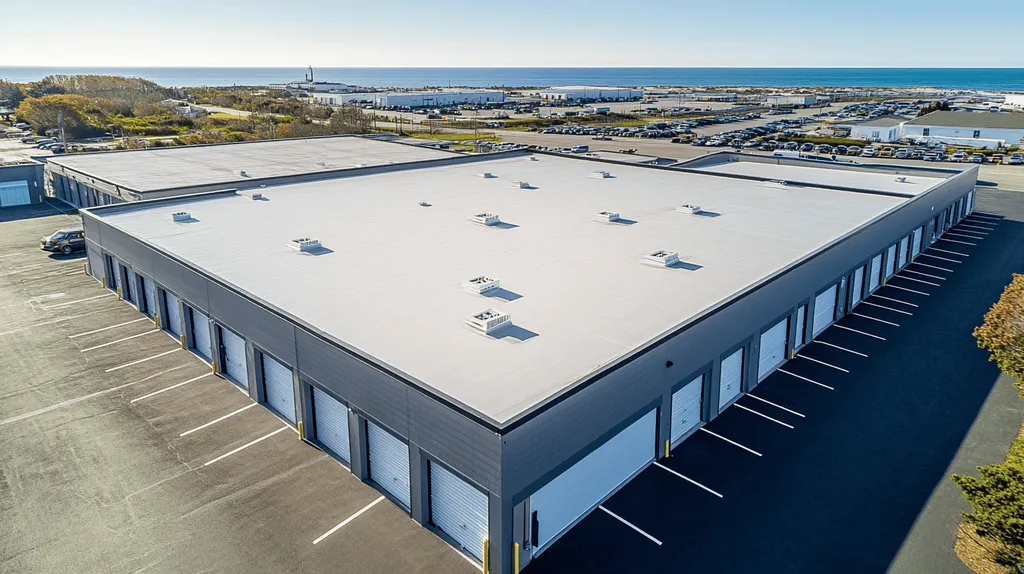
Utilizing reflective and energy-efficient roofing materials is crucial for promoting sustainability. Traditional dark roofing surfaces absorb heat, resulting in higher temperatures and elevated cooling costs during warmer months. In contrast, reflective materials significantly reduce heat absorption, leading to cooler interiors and lower energy consumption.
For example, cool roofing products, often featuring white or light-colored surfaces, can lower rooftop temperatures by as much as 30 degrees Fahrenheit. This reduction alleviates the load on air conditioning systems, contributing to energy savings while also extending the lifespan of the equipment.
Moreover, energy-efficient materials may qualify buildings for green certifications such as LEED, further enhancing their market value. While the initial investment in these materials may seem significant, the long-term performance can result in substantial cost savings, making them a wise choice for sustainable roofing.
As these energy-efficient solutions become more accessible, they mark a pivotal shift towards eco-friendly practices in the industrial roofing sector.
Self-Healing Roofing Membranes
Self-healing roofing membranes represent a groundbreaking advancement that tackles common roofing challenges, such as cracks and punctures. These innovative materials contain microcapsules filled with healing agents that activate upon exposure to air and moisture, automatically repairing damage. Implementing this technology can significantly extend a roof’s lifespan while also reducing maintenance costs.
For example, if a membrane develops a minor crack, the healing process can kick in, preventing water intrusion and further structural damage. This functionality minimizes the need for frequent repairs and ensures less disruption to daily operations.
Additionally, self-healing membranes contribute to sustainability by reducing waste. With fewer materials needing replacement, there is less waste sent to landfills, leading to lower resource consumption overall.
As industries strive to meet heightened sustainability standards, self-healing technologies exhibit immense potential to enhance the durability and environmental performance of roofing systems.
SECTION 3: IMPLEMENTATION METHODS
As the push for sustainable roofing technologies intensifies, the time for action is now. With approximately 40% of energy consumed in commercial buildings being spent on heating and cooling, enhancing roof performance is not just an opportunity for savings but also a critical step towards reducing environmental impact. Property owners must prioritize the integration of advanced roofing systems to stay competitive while also lowering their carbon footprint. This section delves into the installation of smart roofs, strategies for integrating these technologies with existing systems, and the innovative role of 3D printing in transforming industrial roofing.
Installation Process for Smart Roofs
Installing smart roofs requires meticulous planning and execution to ensure they provide maximum benefits. The process typically begins with a comprehensive evaluation of the existing building structure. Property owners must assess their specific needs to select suitable smart roofing technologies, such as reflective materials or advanced sensor systems.
A skilled installation team plays a vital role in integrating these innovative systems effectively. This often involves layering high-performance materials designed to enhance energy efficiency and durability. When installed correctly, smart roofs can dramatically lower energy expenses by reducing heat absorption, which makes buildings more comfortable while saving costs.
Furthermore, the installation can include additional features like solar panels or green roofs, which can elevate sustainability even further. By combining the right technologies, property owners can optimize energy consumption while extending the longevity of the roofing system.
It is wise for property owners to pursue warranties and maintenance agreements following installation. This approach safeguards the investment made in sustainable technology and ensures the long-term performance of smart roofs.
Integration with Existing Roofing Systems
Successfully integrating new technologies with existing roofing systems is crucial for achieving optimal efficiency. Many buildings have traditional roofing materials that can be enhanced without needing complete replacement. By utilizing smart retrofitting options, property owners can boost their roofs’ sustainability profile.
For example, adding reflective coatings to current surfaces can drastically reduce cooling costs by minimizing heat absorption. In more sophisticated scenarios, advanced membrane systems can be installed over older roofs, enhancing insulation and waterproofing capabilities.
Cohesive integration necessitates collaboration between contractors and roofing specialists. These professionals assess the current roof’s condition and propose customized solutions, ensuring integration aligns with current standards and operates seamlessly.
Cost analysis is essential during this phase. Although retrofitting can lower overall expenses, property owners should deeply consider long-term savings to justify the initial investment in transformative technologies.
Role of 3D Printing in Roofing
3D printing is emerging as a revolutionary technology in the roofing sector, offering the ability to create custom roofing materials that enhance sustainability and efficiency. With 3D printing, materials can be produced on-site, resulting in reduced waste and lower transportation costs, which is beneficial for both the environment and budgets.
This technology enables property owners to design roofs tailored to their specific environmental needs. Custom features can be integrated to boost insulation or effectively incorporate solar technology, outperforming traditional roofing materials in many cases.
As 3D printing technology matures, the costs associated with its application in roofing may decline, making it more accessible for a broader array of properties. Early adopters can leverage this innovation to significantly contribute to their sustainability goals.
Additionally, 3D printing allows for rapid prototyping and testing of roofing designs. This flexibility promotes innovation within the industry, encouraging the development of progressively sustainable roofing solutions that align with both market demands and environmental needs.
SECTION 4: MAINTENANCE REQUIREMENTS
Effective maintenance of industrial roofs is not just an option; it is essential for ensuring sustainability and prolonging lifespan. Failing to conduct regular upkeep can lead to significant repair costs and operational inefficiencies. Studies indicate that a well-maintained roof can last up to 50% longer than one that is neglected. Thus, embracing technologies like real-time monitoring and predictive maintenance is vital. This section delves into these innovations and the importance of implementing scheduled inspections.
Real-Time Monitoring and Data Analytics
Real-time monitoring systems are transforming how facility managers approach roof maintenance. Utilizing sensors, these technologies gather vital data on temperature, moisture levels, and structural integrity. This continuous assessment enables managers to keep a close eye on their roofs’ conditions.
With the actionable insights provided by data analytics, potential problems can be detected and addressed before they grow severe. For example, a moisture detection system can alert managers to a leak, enabling quick action to prevent extensive water damage.
This proactive approach also fosters energy efficiency. By regularly monitoring insulation performance, property owners are empowered to make informed decisions regarding necessary upgrades or repairs to optimize energy conservation.
In summary, real-time monitoring streamlines decision-making processes, significantly bolstering the building’s infrastructure and operational efficiency.
Predictive Maintenance Tools and Techniques
Predictive maintenance represents a forward-thinking strategy that anticipates and addresses roofing issues proactively. By analyzing trends in data, facility managers can predict when maintenance will be necessary, moving away from reactive fixes.
For instance, machine learning algorithms can assess wear patterns and highlight potential failure points. This helps minimize unexpected downtimes and promotes the longevity of roofing materials by tackling issues before they escalate.
Adopting predictive maintenance also translates to financial advantages. Scheduling repairs during off-peak hours can mitigate disruptions to daily operations, thus preserving productivity.
As more facilities ramp up their commitment to this approach, the durability and reliability of industrial roofing systems could see significant improvements.
Scheduled Inspection and Repair Protocols
Implementing scheduled inspections is vital for maintaining sustainable roofing systems. Routine checks allow facility managers to identify problems early on. For example, biannual inspections can reveal wear and tear that may not be immediately visible.
Establishing clear repair protocols is equally important for efficient maintenance. Facilities can employ structured checklists and reporting systems to streamline their inspection processes.
Additionally, training maintenance personnel enhances these protocols. Knowledgeable staff can catch early signs of deterioration, enabling timely interventions before minor issues escalate.
This consistent approach to maintenance not only protects the roof’s integrity but also aligns with long-term sustainability goals, minimizing wastefulness and optimizing resource use.
SECTION 5: PERFORMANCE METRICS
As industrial roofing systems continue to advance, understanding their performance metrics becomes crucial for property owners and facility managers. The stakes are high: investing in roofing solutions without fully grasping their long-term benefits can lead to wasted resources and missed opportunities. For instance, the U.S. Department of Energy reports that energy-efficient roofing can cut energy consumption by up to 30%. By evaluating energy efficiency, structural integrity, and environmental impact, decision-makers can pave the way for both sustainability and profitability.
Energy Efficiency and Cost Savings
Energy efficiency is closely linked to significant cost savings for industrial roofs. Installing reflective materials, commonly referred to as “cool roofs,” can markedly lower cooling costs during hot months. Research indicates that these roofs can slash energy bills by up to 20%, resulting in considerable savings over time.
Incorporating solar panels is another avenue for enhancing sustainability. Solar roofs offer the dual benefit of generating energy and providing savings on utility costs. For facility managers, weighing the initial investment against the anticipated energy savings is essential for making informed decisions.
Moreover, superior insulation is vital for maximizing energy efficiency. High-quality insulation minimizes thermal transfer, effectively reducing heating and cooling demands. This not only contributes to lower costs but also enhances comfort and productivity within industrial spaces.
Ultimately, a comprehensive approach to understanding energy metrics translates to improved return on investment for businesses, demonstrating that the financial advantages of energy-efficient roofing materials are hard to ignore.
Structural Integrity and Durability
Structural integrity is paramount for industrial roofs, influencing safety and overall maintenance costs. High-performance roofing materials, such as thermoplastic olefin (TPO) and polyvinyl chloride (PVC), are engineered for durability. These materials can endure harsh weather conditions, extending roof lifespan and reducing the frequency of replacements.
Additionally, roofs that incorporate enhanced structural features, like reinforced seams, maintain their integrity under stress. A roof designed to withstand extreme weather not only ensures safety but also reduces repair costs over its lifetime.
Research has shown that durable roofs can decrease repair expenses by up to 50%. This longevity not only protects physical assets but also aligns with sustainability goals by minimizing waste and preserving resources.
Investing in robust roofing solutions improves structural integrity, ultimately leading to lower long-term costs and promoting safer industrial environments.
Environmental Impact and Sustainability
The environmental impact of roofing systems is gaining traction among property owners. Sustainable roofing technologies can significantly lower carbon footprints, underscoring the importance of prioritizing eco-friendly materials. For example, green roofs featuring vegetation assist in managing stormwater runoff and enhance air quality.
Using roofing materials that contain recycled content is another effective way to reduce landfill waste and lessen the demand for virgin resources. Incorporating materials like reclaimed asphalt shingles can markedly decrease a building’s overall environmental impact.
Adopting sustainable roofing practices aligns with increasing regulatory requirements and public expectations. Companies that commit to sustainable measures often enjoy enhanced brand reputation and customer loyalty, leading to a competitive advantage in an eco-conscious market.
In conclusion, evaluating environmental impacts alongside performance metrics strengthens the case for sustainable, responsible roofing solutions that benefit both businesses and the community.
SECTION 5: PERFORMANCE METRICS
Understanding the performance metrics of industrial roofing systems has never been more critical. With property owners and facility managers tasked with evaluating both upfront costs and long-term benefits, the stakes are high. As noted by the U.S. Department of Energy, energy-efficient roofing can cut energy consumption by as much as 30%. By examining energy efficiency, structural integrity, and environmental impact, decision-makers can navigate their roofing options towards enhancing sustainability and profitability.
Energy Efficiency and Cost Savings
Achieving energy efficiency in industrial roofs leads to substantial cost savings. Cool roofs, which utilize reflective materials to minimize heat absorption, can significantly reduce cooling expenses, especially during high temperatures. Research shows that these roofs can lower energy bills by up to 20%, translating into meaningful savings for facilities over time.
Integrating solar panels into roofing designs bolsters sustainability efforts. Solar roofs not only produce renewable energy but also contribute to lower utility bills. Facility managers must weigh the initial installation costs against potential long-term savings to make informed financial decisions.
Additionally, high-quality insulation is crucial for maximizing energy efficiency. Effective insulation reduces thermal transfer, thereby decreasing heating and cooling demands. This results in lower operational costs, enhanced comfort, and improved productivity across industrial spaces.
In summary, the compelling financial benefits of energy-efficient roofing materials highlight the need for a holistic approach that ultimately enhances return on investment for businesses.
Structural Integrity and Durability
Structural integrity in industrial roofs is essential for safety and ongoing maintenance costs. High-performance roofing materials like thermoplastic olefin (TPO) and polyvinyl chloride (PVC) are engineered to be durable, capable of withstanding extreme weather, and extending the roof’s lifespan. Such long-lasting materials reduce the frequency and costs associated with replacements.
Moreover, roofing systems featuring reinforced seams maintain their integrity even under stress, which is critical during harsh weather conditions. A robust roof reduces repair costs over its lifespan, significantly contributing to overall safety.
Data indicates that durable roofs can lead to repair expense reductions of up to 50%. This longevity not only protects company assets but also supports sustainability goals by minimizing waste created from frequent replacements.
Ultimately, investing in high-quality roofing solutions fosters structural integrity, translating into lower long-term costs and promoting a safer environment in industrial settings.
Environmental Impact and Sustainability
The environmental footprint of roofing systems is increasingly crucial for property owners in today’s eco-conscious market. Sustainable roofing technologies are pivotal in lowering carbon footprints, urging companies to prioritize the use of eco-friendly materials. Green roofs, featuring vegetation, help manage stormwater runoff and enhance local air quality.
Utilizing roofing materials that contain recycled content is another effective strategy to minimize landfill waste and reduce the reliance on new resources. Incorporating materials such as reclaimed asphalt shingles can significantly lessen a building’s overall environmental impact.
Adopting sustainable roofing practices aligns businesses with evolving regulatory standards and societal expectations. Companies that actively pursue sustainable practices often enjoy a positive brand reputation and increased customer loyalty, translating into competitive advantages in a marketplace that values environmental responsibility.
In conclusion, evaluating environmental impacts alongside performance metrics strengthens the case for the sustainable and responsible roofing solutions that benefit both business objectives and the broader community.
Looking Ahead
With industrial roofs accounting for 40% of commercial energy consumption and contributing millions of tons of waste annually, the imperative for sustainable roofing technology has never been clearer.
Smart sensors, self-healing membranes, and energy-efficient materials are transforming industrial roofing from a passive structure into an active participant in building sustainability.
The integration of 3D printing, predictive maintenance, and real-time monitoring systems promises to further revolutionize how facilities manage their roofing assets.
As regulations tighten and environmental concerns intensify, property owners who embrace these sustainable technologies will find themselves better positioned to meet future challenges while reducing operational costs and environmental impact.
The future of industrial roofing lies not just in protecting buildings, but in actively contributing to a more sustainable built environment.
FREQUENTLY ASKED QUESTIONS
Q. What is smart roofing technology for a commercial roof?
A. Smart roofing technology involves innovative materials and systems that enhance energy efficiency and reduce environmental impact. Examples include cool roofs that reflect sunlight and green roofs with vegetation that manage rainwater. These advancements not only lower energy costs but also contribute to urban sustainability efforts.
Q. What components are vital for an industrial roof’s sustainability?
A. Key components for sustainability include sensor-based systems that monitor conditions, reflective materials that reduce heat absorption, and self-healing membranes that repair damage. These technologies enhance performance, minimize repair costs, and promote energy efficiency, benefiting both the environment and budget.
Q. How can I install smart roofing systems on my industrial roof?
A. The installation of smart roofs begins with assessing the existing structure to determine suitable technologies. Skilled professionals should layer high-performance materials while considering additional features like solar panels. Proper installation is key to maximizing energy savings and extending roof life.
Q. Why is maintenance important for industrial roofs?
A. Regular maintenance is crucial for extending the lifespan of industrial roofs. Scheduled inspections help identify problems before they escalate, reducing repair costs. Implementing real-time monitoring and predictive maintenance further enhances performance, ensuring operational efficiencies and sustainability goals are met.
Q. What performance metrics should I consider for industrial roofs?
A. Important performance metrics include energy efficiency, structural integrity, and environmental impact. Evaluating these factors helps assess long-term savings, durability, and sustainability. Efficient roofs can significantly reduce energy consumption and align with eco-friendly practices, creating a competitive advantage.
Q. How does 3D printing benefit industrial roofing?
A. 3D printing allows for the creation of custom roofing materials on-site, which reduces waste and transportation costs. This innovative technology can enhance sustainability by producing tailored roofs with improved insulation or integrated solar technology, ultimately contributing to greater efficiency.
Q. How can I create a sustainable commercial roof design?
A. To design a sustainable commercial roof, incorporate energy-efficient materials, such as reflective or green roofing systems. Consider integrated renewable energy sources like solar panels. Additionally, plan for effective stormwater management to enhance environmental benefits and comply with sustainability regulations.






