
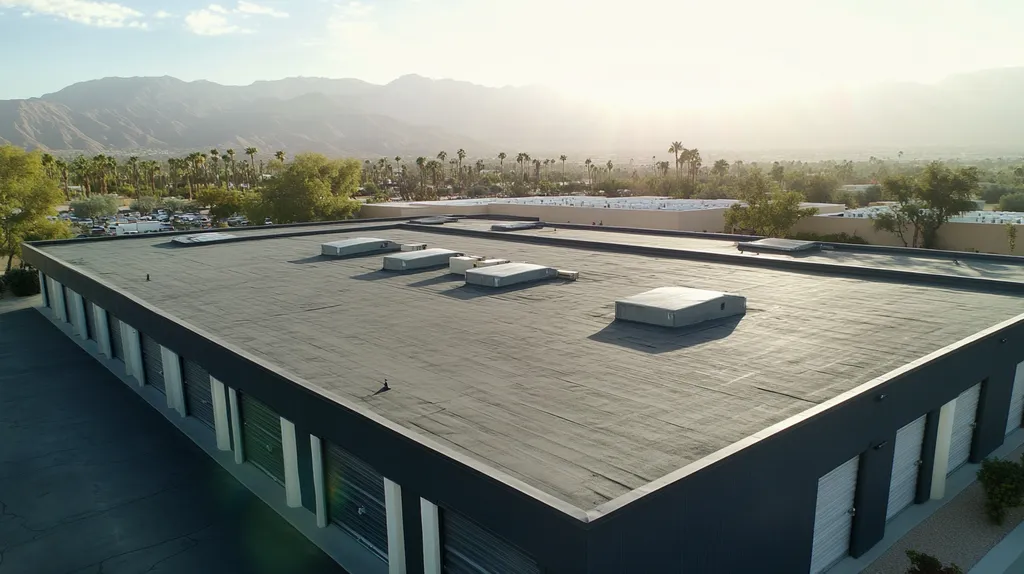
Commercial building fires cause billions in damages annually, with faulty roofing contributing to nearly 30% of rapid fire spread incidents. For property owners and facility managers, implementing proper fire-resistant coatings can mean the difference between containment and catastrophe.
From intumescent materials that expand under heat to advanced cementitious compounds, modern coating technologies offer sophisticated protection that was unimaginable in the era of simple tar and gravel systems.
This comprehensive guide examines the critical components of fire-resistant coatings, from material selection and application methods to ongoing maintenance and performance metrics that ensure lasting protection for commercial properties.
SECTION 1: FUNDAMENTAL CONCEPTS
In the high-stakes world of commercial and industrial properties, safety should never be an afterthought. Fire incidents can result in catastrophic losses, both in terms of property and human life. The National Fire Protection Association reports that commercial properties face thousands of fires each year, collectively inflicting billions of dollars in damages. For property owners and facility managers, understanding fire-resistant coatings is essential for enhancing roof safety and durability. This section will delve into what fire-resistant coatings are, the materials and properties that make them effective, and why they are vital in the realm of commercial and industrial roofing.
Definition and Purpose of Fire-Resistant Coatings
Fire-resistant coatings are advanced materials applied to roofing systems with the primary goal of slowing or stopping the spread of fire. These coatings create a protective barrier that resists ignition and minimizes heat transfer. By adhering to fire safety standards like those from ASTM and UL, these coatings greatly enhance overall building protection, ensuring safety is prioritized.
The main objective of these coatings is to improve fire safety for commercial roofs, which often face numerous environmental threats. Fire-resistant coatings are designed to buy critical time—time for occupants to escape and for emergency services to arrive. Their role in risk management cannot be overstated.
Additionally, implementing fire-resistant coatings can help property owners comply with insurance requirements and local building codes. Meeting such regulations often leads to lowered insurance premiums and a higher property valuation.
In short, fire-resistant coatings not only shield the roof from fire hazards but also protect the lives and assets housed within the property, underscoring the necessity of integrating these solutions into roofing strategies.
Materials and Properties of Fire-Resistant Coatings
Fire-resistant coatings are crafted from a range of materials, notably intumescent and cementitious compounds. Intumescent coatings react to heat by expanding and forming a protective char layer that insulates the roof, effectively slowing heat transfer to the underlying structure.
Cementitious coatings offer a robust and moisture-resistant alternative, prized for their capacity to endure harsh weather conditions while still providing substantial fire protection. These materials are engineered for longevity in commercial applications, helping to minimize maintenance while maximizing safety.
Key performance attributes such as adhesion, flexibility, and UV resistance are crucial to consider when selecting a fire-resistant coating. Strong adhesion ensures the coating stays intact throughout its lifespan, while flexibility allows it to perform under temperature fluctuations. UV resistance further prolongs the effective life of the coating under sunlight exposure.
Ultimately, the choice of materials and properties has significant implications for both safety and cost-effectiveness, making it essential for property managers to select coatings that align seamlessly with their roofing requirements.
Importance in Commercial and Industrial Roofing
The importance of fire-resistant coatings in commercial and industrial roofing is profound. These coatings protect invaluable assets, which is particularly crucial for facilities that deal with flammable materials or operate high-heat machinery.
By applying fire-resistant coatings, businesses can avert extensive damage during a fire, which can halt operations and lead to skyrocketing repair costs. Neglecting to implement such measures may also open the door to legal liabilities or inflated insurance premiums, stemming from a perceived lack of commitment to fire safety.
Moreover, many building codes now mandate the adoption of fire-resistant coatings, and failing to comply can lead to substantial fines and project delays. Property owners who take proactive steps toward fire safety can sidestep these regulatory pitfalls.
In conclusion, investing in fire-resistant coatings is a critical step in safeguarding the integrity and safety of commercial roofing systems. These coatings diminish risk, enhance compliance, and protect financial interests, making them a cornerstone of effective roofing strategies.
SECTION 2: SYSTEM COMPONENTS
With the ever-present threat of fire to commercial properties, choosing the right roofing materials and coatings is critical. These choices not only safeguard structures but can also bear significant implications for insurance costs and the long-term value of assets. For property owners and facility managers, becoming familiar with available options is key. This section will cover the various types of fire-resistant roof coatings, compatible roofing materials, and additional components that bolster safety measures.
Types of Fire-Resistant Roof Coatings
Fire-resistant roof coatings are vital for elevating safety in commercial buildings. They come in various formulations, including acrylic, silicone, and polyurethane. While each type offers unique advantages—such as UV resistance or waterproofing—they share a common mission: enhancing fire safety.
Acrylic coatings stand out for their easy application and cost-effectiveness. They create a protective barrier against ignition from external flames. Silicone coatings are celebrated not just for their waterproof qualities but also for their inherent fire-resistant properties, making them particularly valuable in hotter regions.
Polyurethane coatings deliver a robust solution against fire, ideal for roofs subject to heavy wear and tear. Each coating option plays a crucial role in raising a roof’s fire safety rating, ensuring both the building and its occupants are protected.
Choosing the right coating requires evaluating performance alongside compatibility with existing roofing materials. The most effective fire-resistant coating will not only improve safety but also promote the roof’s longevity.
Compatible Roofing Materials and Substrates
Selecting the right roofing substrate is critical for maximizing the effectiveness of fire-resistant coatings. Common materials like asphalt, metal, and single-ply membranes can significantly affect performance. Asphalt roofs often pair well with acrylic coatings, creating a flexible barrier that enhances fire resistance.
Metal roofs are naturally more fire-resistant but can still benefit from fire-retardant coatings that offer extra thermal protection. When coated, these roofs can endure elevated temperatures without compromising structural integrity.
Single-ply membranes, such as TPO or PVC, are great candidates for fire-resistant coatings due to their lightweight and flexible properties. These installations bolster fire protection while extending the lifespan of the overall roofing system.
Understanding the compatibility of materials allows property owners to choose effective fire-resistant coatings that align seamlessly with their existing roofs, ensuring peace of mind and enhanced safety.
Additional Fire-Resistant Components and Accessories
Beyond coatings, several components can bolster the fire resistance of a roofing system. Fire barriers, or fire stops, are crucial elements that inhibit the spread of flames across roof surfaces. These barriers can be strategically installed around critical areas such as vents and edges.
Specialized flashing materials can further enhance fire safety. Utilizing non-combustible materials in vulnerable areas, like parapets and intersections, reinforces the roof’s defenses against fire exposure.
Additionally, incorporating fire-retardant insulation materials provides extra protection, reducing the risk of ignition from internal sources. These materials are specifically engineered to endure high temperatures without compromising the roof’s strength.
Investing in these additional fire-resistant components can drastically improve the overall safety of a commercial roofing system, creating a comprehensive approach to fire hazard protection.
SECTION 3: IMPLEMENTATION METHODS
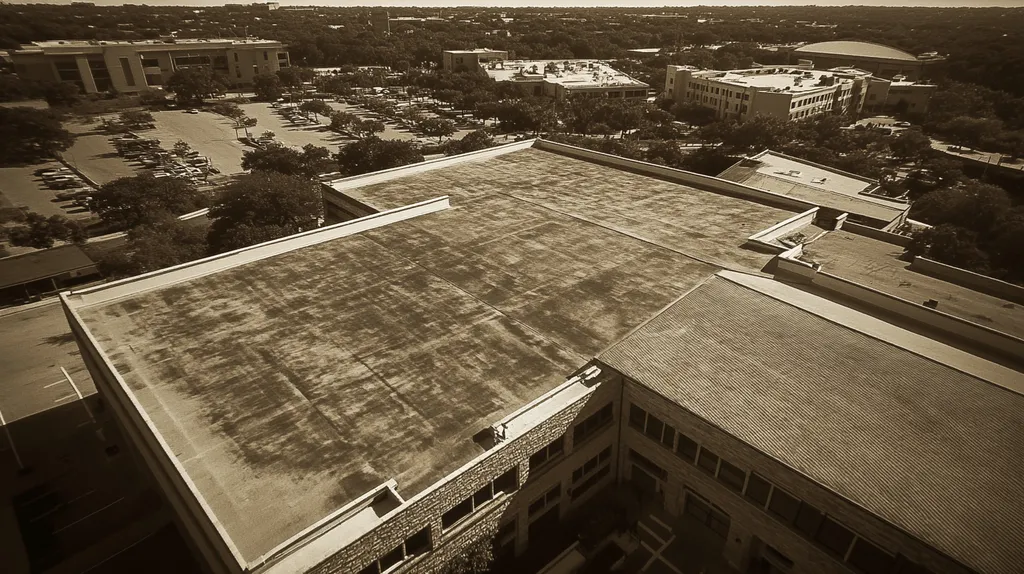
In the ever-evolving landscape of commercial roofing, the importance of effective fire-resistant coating applications cannot be overstated. With over 50% of commercial building fires resulting from electrical failures or equipment malfunctions, adopting proper coating methods is essential to enhance roof safety. This section will explore the critical practices for preparing surfaces, applying coatings efficiently, and ensuring thorough curing processes that maximize fire protection.
Surface Preparation for Coating Application
Thorough surface preparation is the cornerstone of successfully applying fire-resistant coatings. The performance and longevity of these coatings hinge on proper adhesion, which starts with a clean and well-maintained surface. This involves removing any debris, dirt, and old coatings to create an ideal substrate for application.
Common preparation methods include pressure washing and sanding, both of which help create a clean base for optimal coating performance. It’s equally important to conduct a careful inspection of the roof for existing damages before proceeding with any application.
Addressing these damages proactively is critical. Issues left unresolved can lead to moisture intrusion, undermining the fire-resistant qualities of the applied coating. By taking a careful approach to preparation, property owners can significantly reduce long-term risks and enhance overall safety.
Ensuring that all surfaces are dry and free from contaminants is essential for successful coating application. Following these preparation steps lays a solid foundation for achieving the desired protective benefits of fire-resistant coatings.
Application Techniques and Tools
Following surface preparation, the choice of application techniques and tools is integral to achieving the best results. The method selected can heavily influence the coating’s effectiveness. Spray application is a popular choice for its efficiency and ability to provide uniform coverage.
For smaller areas or complex roofing designs, roller application can be beneficial, giving the technician greater control over the distribution. Regardless of the method used, consistency in application thickness is crucial to maintaining fire-resistance effectiveness.
Utilizing high-quality tools also factors into the success of the application. Professional-grade sprayers or rollers can ensure an even coating layer. Technicians must also wear appropriate safety gear in compliance with health regulations throughout the application process.
Lastly, referring to the manufacturer’s guidelines is vital, as each fire-resistant coating may have specific application requirements to ensure they meet fire safety standards.
Priming and Curing Processes
Priming is often an important preliminary step before applying fire-resistant coatings. The right primer can enhance adhesion and significantly boost the coating’s overall performance, leading to increased longevity of the fire-resistant treatment.
Equally important is the curing process, which allows the coating to develop its full protective properties. Proper curing ensures that coatings are effective and deliver optimal performance. The duration of curing can depend on environmental factors and the specific coating in use.
Monitoring temperature and humidity during the curing phase is crucial, as unfavorable conditions can hinder the curing process and diminish the coating’s effectiveness. Implementing best practices will safeguard the coating’s durability and performance.
Additionally, keeping thorough records of the curing process enables property owners and managers to assess performance over time, ensuring ongoing compliance with fire safety standards. This proactive approach can immensely contribute to the overall safety of the building.
SECTION 4: MAINTENANCE REQUIREMENTS
In the realm of commercial roofing, neglecting the maintenance of fire-resistant coatings is not just a missed opportunity; it poses a serious risk to safety and property. Research indicates that 80% of roofing failures can be traced back to inadequate maintenance, making regular upkeep essential to preventing fire hazards. Property owners and facility managers must prioritize systematic inspections, timely repairs, and scheduled reapplications of these crucial coatings to protect their roofs and the lives within their buildings.
Regular Inspection and Monitoring
Regular inspections of fire-resistant coatings are vital for their enduring performance. Scheduling evaluations at least twice a year, ideally before and after seasonal extremes, helps property owners spot any signs of wear, such as cracks and discoloration, that can compromise fire protection.
During these inspections, it’s crucial to assess for moisture intrusion or algae growth, as early detection can allow for targeted remedies. Documenting findings from these evaluations aids in tracking the effectiveness of the coatings over time, enabling informed planning for future maintenance needs.
Engaging certified professionals can greatly enhance the inspection process. Experts not only identify potential issues but also provide recommendations on best practices for maintaining fire-resistant coatings. This investment in regular inspections ultimately strengthens the safety of both the building and its occupants.
Repair and Touch-Up Procedures
When damage occurs, swift repairs are essential to maintain the integrity of fire-resistant coatings. Property managers should have a plan for immediate touch-ups in areas that show signs of wear. Prompt action can prevent further deterioration, minimizing additional fire risks.
Repair processes typically involve cleaning the affected area followed by the application of compatible coating materials. Using the same product type is critical for effective bonding and performance. Keeping a supply of these repair materials readily available ensures that remediation can be executed without delay.
Furthermore, training staff to recognize when professional intervention is required for more extensive repairs fosters compliance with fire safety standards. Establishing clear protocols allows facilities to maintain safety, protecting both assets and lives.
Scheduled Reapplication and Renewal
Periodic reapplication of fire-resistant coatings is crucial for sustaining their protective capabilities. Experts recommend reapplying every 5 to 10 years, depending on the specific product and application conditions. Adhering to this timeline is vital for retaining the fire-resistant properties of the roofing system.
Prior to reapplication, it’s essential to conduct a comprehensive assessment of the existing coating to determine necessary surface preparations or repairs. Inadequate preparation can lead to poor adhesion, compromising the effectiveness of the new layer.
Once the surface is adequately prepared, applying the new layer according to manufacturer specifications ensures optimal performance and longevity. Effectively executed renewals not only bolster safety but also extend the life of the roof—an invaluable investment in ongoing protection.
SECTION 5: PERFORMANCE METRICS
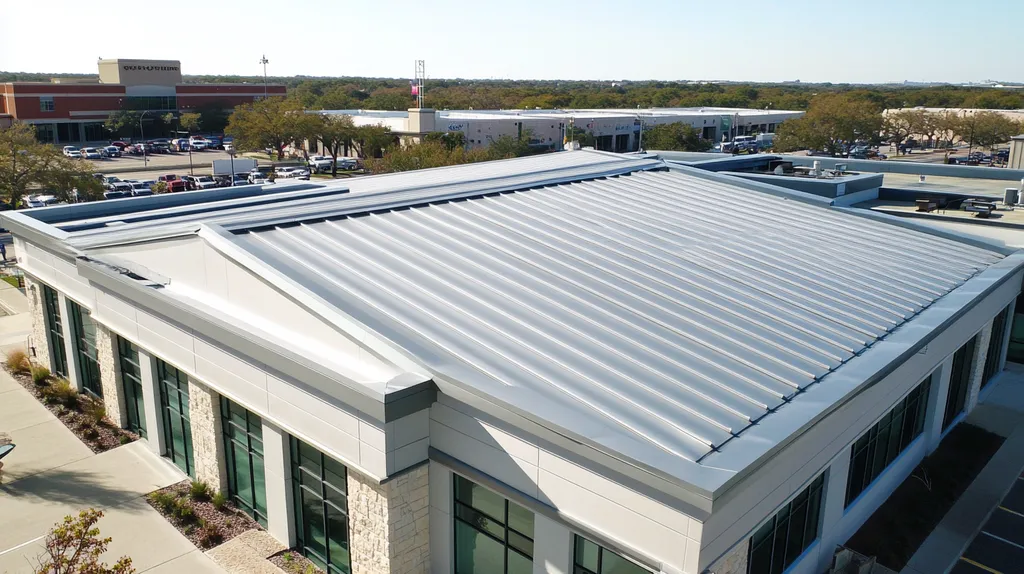
In the high-stakes realm of commercial roofing, understanding performance metrics for fire-resistant coatings is critical. Each year, more than 16,000 fires in commercial structures raise the alarm for property owners and facility managers. Deteriorated roofing materials can escalate fire hazards, lead to significant financial losses, and jeopardize safety. This section explores key performance indicators, including testing and certification, compliance with building codes, and the impacts on insurance premiums and property value.
Fire Resistance Testing and Certification
Fire resistance testing assesses how effectively a coating can resist flames and heat. Well-established tests like ASTM E84, which gauges flame spread, and ASTM E108, which evaluates roofing assemblies, provide essential benchmarks. Coatings that successfully pass these tests receive certification, assuring property owners that they meet crucial fire safety standards.
It is essential for property owners to select only certified fire-resistant coatings. Certification not only confirms the product’s reliability but also offers reassurance that it will provide vital protection during a fire.
Third-party testing reports further enhance credibility, allowing property owners to make informed decisions based on trusted performance claims. Checking a coating’s testing history is a proactive step in managing fire risks effectively, leading to enhanced safety for commercial structures.
Compliance with Building Codes and Regulations
Building codes are designed to ensure safety and efficiency in construction, with fire resistance being a pivotal element. Adhering to local building codes not only protects lives but also secures investments. Fire-resistant coatings are integral to meeting these essential requirements.
Many building codes dictate specific minimum fire ratings for roofing materials. Non-compliance can result in costly fines and the need for extensive repairs should a fire occur. Often, jurisdictions necessitate documentation to prove that materials fulfill established fire standards prior to issuing construction permits.
Investing in fire-resistant coatings not only elevates compliance with regulations but also simplifies the inspection and permitting processes. By prioritizing compliant materials, property owners can avoid delays and unwarranted expenses related to non-compliance.
Overall, complying with building codes enhances safety and increases property value. Structures that align with or exceed fire safety requirements tend to attract more buyers and tenants, boosting market appeal.
Impact on Insurance Premiums and Property Value
Fire-resistant coatings can dramatically affect a property’s insurance premiums. Insurers frequently offer reduced rates for buildings equipped with recognized fire protection measures. This risk reduction translates to lower costs for property owners, resulting in potential long-term savings.
Furthermore, having fire-resistant coatings may elevate property value. Buildings designed with enhanced safety features attract buyers willing to pay a premium. This increase in value becomes particularly important for future sales or refinancing opportunities.
Additionally, properties demonstrating proactive risk management through the incorporation of fire-resistant coatings often benefit from better loan terms and reduced financing costs. Lenders typically perceive these properties as lower risk, enhancing their desirability for investment.
In conclusion, reinforcing roofing systems with fire-resistant coatings not only boosts safety but also unlocks financial advantages. A strategic investment in fire protection yields tangible benefits, securing both safety and future profitability.
SECTION 5: PERFORMANCE METRICS
In the critical landscape of commercial roofing, recognizing the performance metrics of fire-resistant coatings is essential. With over 16,000 commercial structure fires reported each year, the stakes for property owners and facility managers have never been higher. Deteriorating roof materials can lead to increased fire hazards, substantial financial losses, and serious safety threats. This section focuses on the key performance metrics, including the importance of testing and certification, adherence to regulations, and how these elements impact insurance and property values.
Fire Resistance Testing and Certification
Fire resistance testing is crucial for determining how effectively a coating can withstand flames and heat. Among the most important tests are ASTM E84, which measures flame spread, and ASTM E108, which evaluates roofing assemblies under fire exposure. Coatings that pass these tests receive certification, assuring property owners that they meet essential fire safety standards.
It is vital for property owners to confirm that any fire-resistant coatings being applied are certified. Certification validates the product’s reliability and imports peace of mind, ensuring the coatings will provide the needed protection during a fire.
Property owners should also seek third-party testing reports, which enhance credibility and offer transparency regarding performance claims. Relying on trusted organizations for assessing certifications can provide valuable insights.
Before selecting a fire-resistant coating, reviewing its testing history is a proactive step in managing fire risk. This diligence not only minimizes hazards but also significantly enhances the safety of commercial structures.
Compliance with Building Codes and Regulations
Building codes are established to maintain safety and efficiency in all structures, with fire resistance standing out as a key component. Adhering to local building codes not only protects lives but also safeguards investments. Fire-resistant coatings are pivotal in meeting these essential requirements.
Many building codes dictate specific minimum fire ratings for roofing materials. Non-compliance can lead to hefty fines and costly repairs in case of a fire incident. Additionally, jurisdictions frequently require documentation that proves roofing materials meet established fire safety standards before construction permits are granted.
Investing in fire-resistant coatings not only boosts compliance with regulations but also simplifies inspection processes. By prioritizing materials that meet code standards, property owners can avoid unnecessary delays and extra costs stemming from regulations.
Ultimately, strict adherence to building codes enhances safety while simultaneously increasing property value. Structures that not only meet but exceed fire safety requirements tend to be more attractive to potential buyers and tenants.
Impact on Insurance Premiums and Property Value
Fire-resistant coatings can significantly impact a property’s insurance premiums. Insurers often reward buildings that incorporate recognized fire protection measures with reduced rates, translating to long-term savings for property owners.
Moreover, the presence of fire-resistant coatings can elevate a property’s market value. Buildings designed with enhanced safety features tend to attract buyers who are willing to pay a premium, making these upgrades a critical consideration during future sales or refinancing.
Additionally, properties exhibiting proactive risk management, like the use of fire-resistant coatings, often benefit from superior loan terms and lower financing costs. Lenders generally view these properties as lower risk, making them more appealing for investment opportunities.
In conclusion, reinforcing roofing systems with fire-resistant coatings not only enhances safety but also unlocks valuable financial advantages. A strategic investment in fire protection yields multiple benefits, ensuring safety and future profitability for property owners.
Looking Ahead
With commercial building fires causing over $2.6 billion in annual damages and climbing each year, the implementation of proper fire-resistant coatings has never been more critical.
Today’s advanced coating technologies offer unprecedented protection that early roofers could only dream of, yet statistics show that fewer than 40% of commercial buildings utilize these life-saving systems effectively.
The evolution from simple tar applications to sophisticated intumescent and cementitious compounds represents more than technical progress – it symbolizes our growing understanding of fire safety’s role in protecting both property and lives.
As building codes continue to tighten and insurance companies increase their focus on fire prevention, property owners who fail to embrace these protective measures risk both regulatory penalties and catastrophic losses.
The future of commercial roofing safety lies not just in meeting minimum standards, but in leveraging these revolutionary coating technologies to their fullest potential.
FREQUENTLY ASKED QUESTIONS
Q. What are fire-resistant coatings for commercial roofs?
A. Fire-resistant coatings are specialized materials that slow or stop fire spread, enhancing roof safety. These coatings adhere to fire safety standards, creating protective barriers that help minimize heat transfer. Their role is vital for improving safety in commercial properties, protecting both buildings and lives.
Q. What types of fire-resistant coatings are suitable for industrial roofs?
A. Common types include acrylic, silicone, and polyurethane coatings, each with unique advantages. Acrylic coatings offer cost-effectiveness, while silicone adds waterproof properties. Polyurethane is ideal for heavy-traffic roofs, ensuring durability without sacrificing fire resistance. Choosing the right type is crucial for effective protection.
Q. How should commercial roofs be prepared for fire-resistant coating applications?
A. Thorough surface preparation involves cleaning and inspecting the roof for damage. This can include pressure washing and sanding to remove debris, ensuring proper coating adhesion. Addressing any damages is crucial, as unresolved issues can compromise the coating’s effectiveness and result in moisture intrusion.
Q. How often should inspections of fire-resistant coatings for commercial roofs occur?
A. Inspections should ideally occur semi-annually, especially after extreme weather conditions. Regular assessments help identify signs of wear, such as cracks or discoloration, that may compromise fire protection. Engaging professionals for evaluations can enhance the process and ensure thorough inspections are conducted effectively.
Q. What are the benefits of using certified fire-resistant coatings?
A. Certified coatings are tested for performance, providing assurance of fire safety compliance. Using certified products helps property owners meet building codes and can potentially lower insurance premiums. Additionally, certification enhances the credibility of protective measures taken, reinforcing overall safety in commercial buildings.
Q. What role do fire-resistant coatings play in reducing insurance costs for commercial roofs?
A. Fire-resistant coatings can significantly lower insurance premiums, as they reduce the risk of fire damage. Insurers incentivize property owners who invest in recognized fire protection measures. This proactive risk management approach not only saves costs but also enhances property valuation over time.
Q. Why is maintenance important for fire-resistant coatings on industrial roofs?
A. Regular maintenance ensures the longevity and effectiveness of fire-resistant coatings. Neglecting upkeep can lead to deterioration, compromising fire protection and increasing hazard risks. Systematic inspections, timely repairs, and scheduled reapplications help sustain safety, protecting both the property and the lives within it.






