

Welcome to today’s Battle Royale featuring two roofing heavyweights: “TPO” in the east corner versus “PVC” in the west!
Tonight’s showdown pits these contenders against each other across six punishing rounds designed to test every aspect of their performance for Commercial Roof Fire Rating.
At stake? Millions in potential costs, decades of building protection, and the critical performance demands of modern commercial and industrial facilities.
Our professional judging panel will evaluate each round on technical merit, real-world performance, and value delivery. After all six rounds, we’ll declare our ultimate champion.
Ladies and gentlemen, facility managers and building owners… it’s time to rumble!
ROUND 1: INITIAL COSTS & INSTALLATION
When selecting roofing materials for commercial properties, the stakes couldn’t be higher. Fire safety ratings, installation costs, and long-term performance all impact the bottom line and building safety. Making an uninformed choice between TPO and PVC roofing systems can lead to significant financial consequences and potentially compromise building protection.
Material Expenses
TPO membrane typically costs 15-30% less than PVC per square foot, making it an attractive option for immediate budget constraints. However, the fire rating classification can significantly impact long-term insurance costs and building safety requirements.
Fire ratings for commercial roofing are classified from Class A to C, with Class A offering the highest resistance to fire. Both TPO and PVC can achieve Class A ratings when properly installed with appropriate underlayment materials. (source: Surviving Wildfire)
While TPO offers lower upfront costs, PVC’s superior chemical resistance and durability often justify its premium price point. The additional fire-resistant properties of PVC contribute to its higher material cost but provide enhanced protection.
ADVANTAGE: TPO
Installation Complexity
TPO installation requires precise attention to seam welding and membrane attachment. The lightweight nature of TPO makes it easier to handle on the roof, potentially reducing labor hours and associated costs.
PVC installation demands more specialized expertise due to its unique chemical properties and specific welding requirements. The material’s rigidity can make it more challenging to work with, particularly around roof penetrations and corners.
The complexity of PVC installation often results in higher labor costs, though this is partially offset by reduced likelihood of installation errors. Quality control during installation is crucial for maintaining fire rating compliance for both materials.
ADVANTAGE: TPO
Project Timeline
Project duration significantly impacts business operations and overall costs. TPO installations typically complete faster due to simpler handling characteristics and less demanding installation requirements.
PVC projects often require additional time for proper seam welding and detail work. The extra attention needed for fire-rated assembly installation can extend the timeline, though this investment supports long-term performance.
When considering timeline efficiency and minimal business disruption, TPO installations consistently finish ahead of comparable PVC projects. This advantage becomes particularly important for facilities requiring quick turnaround times.
ADVANTAGE: TPO
ROUND 1 WINNER: TPO
ROUND 2: DURABILITY & LIFESPAN
When evaluating commercial roofing systems, durability and lifespan directly impact building protection and financial planning. Fire-rated roofing assemblies must maintain their protective qualities throughout their service life, making material resilience a critical safety consideration.
Standard fire testing requirements under UL 790 and ASTM E108 establish baseline performance metrics that both TPO and PVC must maintain over time. The ability to sustain these ratings throughout the roof’s lifespan significantly influences long-term building safety and insurance costs.
Material Composition and Resistance
The chemical composition of roofing materials directly affects their ability to maintain fire-resistant properties. TPO membranes combine polypropylene with ethylene-propylene rubber, providing initial fire resistance but potentially degrading over time when exposed to harsh conditions.
PVC membranes contain inherent fire-retardant properties within their molecular structure. This composition helps maintain consistent fire ratings throughout the material’s lifespan, as verified through standardized testing procedures. (source: UL’s The Code Authority)
When comparing long-term fire resistance stability, PVC demonstrates superior performance and earns the ADVANTAGE in this category.
Performance Under Heat and Weather
TPO roofing can experience accelerated aging when exposed to extreme temperature fluctuations. This weathering may compromise the membrane’s integrity and potentially affect its fire-resistant capabilities over time.
PVC exhibits exceptional stability under varied weather conditions, maintaining its structural integrity and fire-resistant properties even after years of exposure. Its enhanced UV resistance helps preserve the material’s protective characteristics.
For sustained performance under environmental stress, PVC claims the ADVANTAGE.
Maintenance Requirements
TPO systems typically require more frequent inspections and maintenance to ensure their fire-resistant properties remain intact. Regular assessment of seam integrity and surface condition becomes crucial for maintaining safety standards.
PVC roofing demands fewer maintenance interventions while sustaining its protective qualities. The material’s inherent durability reduces the risk of compromised fire resistance due to weathering or deterioration.
Given the lower maintenance burden and consistent performance, PVC earns another ADVANTAGE in this category.
ROUND 2 WINNER: PVC
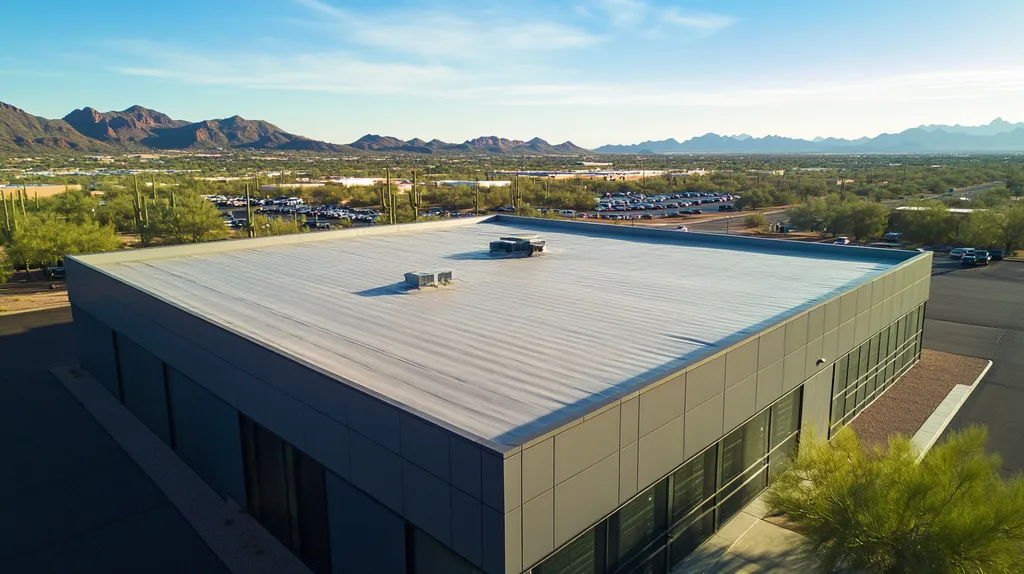
ROUND 3: PERFORMANCE FACTORS
The fire rating of a commercial roof can directly impact property value, insurance costs, and safety. With fire incidents causing billions in losses every year, having the right roofing material is crucial. This section will dissect the fire ratings of TPO and PVC roofs, focusing on critical performance factors like flame spread, smoke development, and overall safety.
Flame Spread Ratings
Fire ratings for commercial roofs are classified from Class A to C, with Class A offering the highest resistance to fire. The rating system evaluates how quickly flames can spread across roofing materials and their resistance to fire penetration. (source: Surviving Wildfire)
TPO membranes can achieve Class A ratings when properly installed with appropriate underlayment materials. However, their performance can vary based on membrane thickness and installation quality.
PVC roofing systems consistently achieve Class A ratings due to their inherent chemical composition. The material’s natural fire resistance provides more reliable protection against flame spread, regardless of installation variables.
ADVANTAGE: PVC
Smoke Development Ratings
Smoke development during a fire event can significantly impact building evacuation and emergency response effectiveness. This factor becomes especially critical in densely populated commercial areas where visibility matters.
TPO materials generally produce moderate levels of smoke when exposed to fire. While within acceptable safety limits, the smoke production can potentially complicate emergency responses.
PVC roofing demonstrates superior performance in smoke development tests. Its chemical composition results in notably lower smoke production during fire exposure, providing better visibility during emergencies.
ADVANTAGE: PVC
Overall Safety Ratings
Comprehensive safety ratings consider multiple factors including flame resistance, smoke development, and structural integrity during fire exposure. These ratings help determine insurance requirements and building code compliance.
TPO systems offer solid baseline protection when new but may show varying performance levels as they age. Environmental exposure and weathering can impact their fire-resistant properties over time.
PVC roofing maintains consistent fire-resistant properties throughout its lifespan. Its superior chemical stability and inherent fire resistance provide more reliable long-term protection.
ADVANTAGE: PVC
ROUND 3 WINNER: PVC
ROUND 4: MAINTENANCE REQUIREMENTS
Proper maintenance of fire-rated roofing systems directly impacts building safety and regulatory compliance. Even minor lapses in maintenance can compromise a roof’s fire resistance capabilities, potentially voiding insurance coverage and creating life-safety risks. Understanding the distinct maintenance requirements of TPO and PVC systems is crucial for preserving their protective qualities.
Routine Inspection Requirements
TPO roofing systems require quarterly inspections to verify seam integrity and surface condition. Special attention must focus on areas where fire-resistant properties could be compromised, such as penetrations and flashings.
A Class A fire rating demands rigorous maintenance of all roofing components to maintain effectiveness. Proper documentation of inspections and maintenance helps ensure continued compliance with fire safety standards. (source: Sheffield Metals)
PVC systems typically need only bi-annual professional inspections due to their superior chemical stability and inherent fire resistance. Their consistent performance reduces the frequency of required oversight.
ADVANTAGE: PVC
Repair Protocols
TPO membranes often require more frequent repairs to maintain their fire-resistant properties. Small tears or punctures can compromise the system’s fire rating if not addressed promptly.
The repair process for TPO involves careful attention to maintain proper overlap and weld integrity. Each repair must be thoroughly documented to ensure continued compliance with fire safety requirements.
PVC systems demonstrate superior durability and typically require fewer repairs over their lifespan. When repairs are needed, the material’s chemical composition helps maintain consistent fire resistance.
ADVANTAGE: PVC
Long-term Maintenance Costs
TPO maintenance costs increase significantly over time as the material ages and requires more frequent attention. The need for regular resealing and repair work adds to the total cost of ownership.
Weather exposure and chemical contamination can accelerate TPO degradation, necessitating additional maintenance investments to preserve fire safety ratings.
PVC systems generally maintain their performance with minimal intervention, resulting in lower long-term maintenance expenses. Their superior durability and stable fire-resistant properties reduce the need for costly repairs.
ADVANTAGE: PVC
ROUND 4 WINNER: PVC
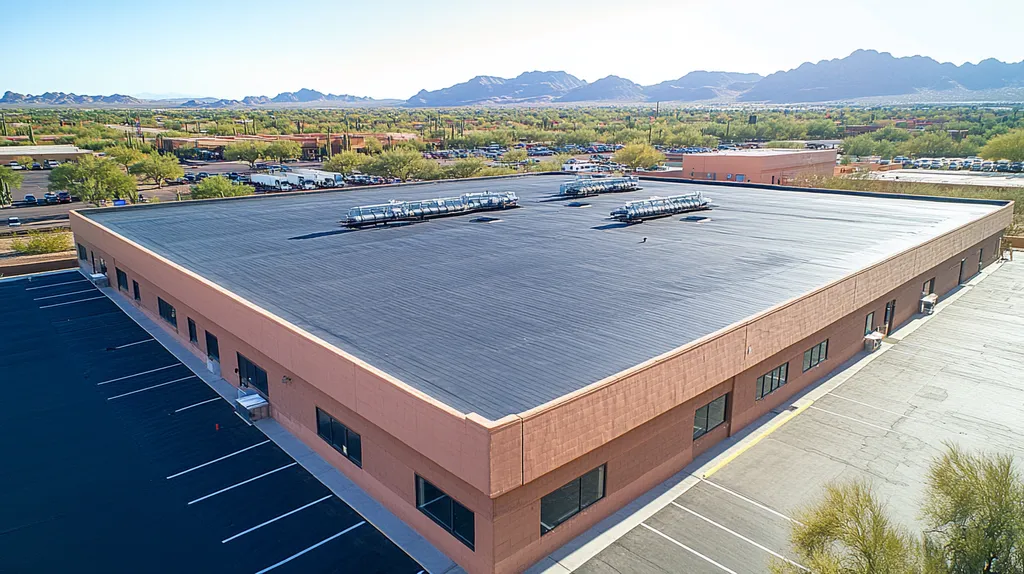
ROUND 5: SUSTAINABILITY CREDENTIALS
Environmental stewardship now drives many commercial roofing decisions, with regulations and market demands pushing sustainability to the forefront. Building owners face mounting pressure to reduce carbon footprints while maintaining crucial fire safety standards. The intersection of environmental responsibility and fire protection creates complex challenges that directly impact building operations, insurance costs, and corporate sustainability goals.
Recyclability
End-of-life disposal represents a critical environmental consideration for commercial roofing systems. Proper recycling can significantly reduce landfill impact while supporting corporate sustainability initiatives.
TPO membranes offer exceptional recyclability, with most manufacturers operating dedicated recycling programs. The material can be efficiently reprocessed into new roofing products, reducing waste and supporting circular economy principles.
PVC recycling faces greater challenges due to chemical additives and processing requirements. While technically recyclable, PVC often requires specialized facilities and more energy-intensive processes to break down and repurpose the material.
ADVANTAGE: TPO
Energy Efficiency
Thermal performance dramatically impacts building energy consumption and operating costs. Modern roofing systems must balance fire protection with energy efficiency to meet increasingly stringent building standards.
TPO membranes feature highly reflective surfaces that minimize heat absorption. This characteristic reduces cooling loads and energy consumption, particularly in warmer climates where air conditioning demands are highest.
PVC systems provide moderate reflectivity but generally demonstrate lower thermal performance than TPO. While still meeting basic energy requirements, PVC typically requires additional insulation to match TPO’s efficiency levels.
ADVANTAGE: TPO
Overall Environmental Impact
Manufacturing processes and chemical composition significantly influence a roofing system’s environmental footprint. These factors affect both immediate installation impact and long-term environmental consequences.
TPO production generates fewer harmful byproducts and requires less energy than alternative materials. The manufacturing process releases minimal volatile organic compounds (VOCs), supporting better air quality during installation.
PVC manufacturing involves chlorine-based processes that can produce harmful emissions. While modern facilities implement strict controls, PVC’s chemical foundation presents inherent environmental challenges throughout its lifecycle.
ADVANTAGE: TPO
ROUND 5 WINNER: TPO
ROUND 6: SPECIALIZED APPLICATIONS
Specialized commercial environments present unique fire safety challenges that standard roofing solutions often fail to address. From chemical processing facilities to commercial kitchens, the wrong roofing choice can create catastrophic vulnerabilities. The stakes are particularly high in environments where extreme temperatures, caustic chemicals, or heavy mechanical stress threaten roofing system integrity.
High-Risk Industrial Applications
Industrial facilities with extreme heat exposure or chemical processes require roofing systems that maintain consistent fire resistance under harsh conditions. Class A fire ratings become essential in these environments where standard protection measures may prove insufficient. (source: Sheffield Metals)
TPO systems, while adequate for standard applications, can show degraded performance when exposed to industrial chemicals and extreme heat. Their fire-resistant properties may deteriorate more rapidly under these demanding conditions.
PVC roofing demonstrates superior chemical resistance and thermal stability in industrial settings. Its molecular structure maintains fire-resistant properties even when exposed to harsh industrial environments.
ADVANTAGE: PVC
Food Service Environments
Commercial kitchen environments generate significant heat and grease exposure that can compromise roofing system integrity. These conditions create unique fire safety challenges that demand specialized material performance.
TPO membranes can experience accelerated aging when repeatedly exposed to kitchen exhaust temperatures. This degradation may impact their fire-resistant capabilities over time.
PVC roofing maintains its structural integrity and fire resistance even with constant exposure to kitchen exhaust systems. Its superior heat resistance and chemical stability make it ideal for food service applications.
ADVANTAGE: PVC
High-Traffic Service Areas
Rooftop mechanical systems and maintenance activities create constant stress on roofing materials. These high-traffic zones require materials that maintain fire resistance despite regular physical impact.
TPO systems can show premature wear in areas with frequent foot traffic and mechanical service activities. This deterioration potentially compromises the material’s fire-resistant properties.
PVC roofing delivers superior puncture resistance and maintains its protective qualities even in high-traffic zones. Its durable composition ensures consistent fire protection despite regular service activity.
ADVANTAGE: PVC
ROUND 6 WINNER: PVC
AND THE WINNER IS…
After six grueling rounds of technical evaluation, we have our verdict, ladies and gentlemen! With a commanding 4-2 victory, PVC claims the championship belt in this commercial roofing showdown!
PVC dominated the crucial categories of durability, fire performance, maintenance, and specialized applications. Its superior chemical stability, consistent fire resistance, and exceptional performance under extreme conditions proved decisive in securing this victory.
But don’t count TPO out completely! This scrappy contender showed impressive strength in initial costs, installation efficiency, and sustainability credentials. For properties prioritizing quick installation and strict environmental compliance, TPO remains a formidable challenger.
*Important Safety Notice*
Building requirements vary significantly based on location, usage, and local codes. Environmental conditions, structural specifications, and facility operations all impact roofing system performance. This analysis provides general guidance but cannot address every variable. Always consult qualified roofing professionals who can evaluate your specific situation and recommend appropriate solutions based on detailed property assessment.
In this high-stakes arena of commercial roofing, there’s no substitute for matching your facility’s unique demands with the right material’s strengths. The true champion isn’t the product with the most wins – it’s the one that best protects your specific building for decades to come!
FREQUENTLY ASKED QUESTIONS
Q. What are the initial costs for a commercial roof using TPO or PVC?
A. TPO typically costs 15-30% less than PVC per square foot, making it appealing for budgets. However, the fire rating classifications associated with each material can significantly impact long-term insurance costs and overall safety.
Q. How durable are TPO and PVC for an industrial roof?
A. PVC boasts superior long-term durability compared to TPO, maintaining its fire-resistant properties under harsh conditions. TPO, while initially effective, can degrade faster when subject to extreme temperatures and environmental factors.
Q. What are the fire ratings for commercial roofs?
A. Fire ratings for commercial roofs are categorized from Class A to C, with Class A providing the best resistance. PVC consistently achieves Class A ratings, while TPO can also reach this level but varies based on installation quality.
Q. How often should I inspect a commercial roof?
A. TPO systems need quarterly inspections, focusing on seam integrity and surface condition. In contrast, PVC typically requires bi-annual inspections due to its enhanced durability and chemical stability, reducing overall maintenance needs.
Q. Which roofing option is more environmentally friendly?
A. TPO membranes are generally better for the environment, being highly recyclable and requiring less energy in production. PVC, while technically recyclable, faces more challenges in processing and often has a higher environmental impact during manufacturing.
Q. Can I use PVC roofs in specialized applications?
A. Yes, PVC roofing is ideal for specialized applications such as industrial facilities due to its superior chemical resistance and thermal stability. TPO may not perform as well in environments with extreme heat or chemical exposure, making PVC a more reliable choice.
Q. What is the expected lifespan of TPO and PVC roofing?
A. Generally, PVC roofs last longer than TPO roofs, often exceeding 20 years with proper maintenance. TPO roofing may require more frequent maintenance and repairs, which can reduce its effective lifespan compared to PVC options.






