
Every year, commercial property owners waste over $2 billion on premature roof replacements due to misunderstandings about historical guidelines and building requirements. Industry data shows that 35% of commercial roof replacements fail within five years when owners ignore established standards.
For buildings with historical significance, these failures often trigger regulatory penalties and irreversible structural damage that can triple repair costs.
This comprehensive guide separates roofing facts from fiction, examining how historical guidelines impact modern commercial roof replacement decisions and what property owners must know to protect their investments.
SECTION 1: COMMON MISCONCEPTIONS
Commercial roof replacement decisions can make or break a building’s long-term viability. Industry data shows that misguided replacement choices lead to premature failures in 35% of commercial roofing systems within the first five years. These failures stem from three primary misconceptions that continue to plague property owners and facility managers, resulting in unnecessary expenses and compromised building integrity.
Misunderstanding Historic Roofing Guidelines
Historic roofing guidelines remain fundamental to modern commercial roofing practices, yet many owners dismiss them as obsolete. These guidelines have evolved from centuries of practical experience in matching materials and methods to specific building types and climate conditions.
The National Park Service’s Standards for Rehabilitation emphasizes that proper roof maintenance should prioritize targeted repairs using compatible materials over complete replacement. This approach preserves both building integrity and financial resources. (source: National Park Service)
Key elements like drainage patterns, ventilation requirements, and material compatibility outlined in these guidelines directly impact modern roofing performance. Ignoring these established principles often results in premature system failure.
Property owners who dismiss historical guidelines risk installing inappropriate materials or systems that compromise their building’s protection and energy efficiency.
The Myth of One-Size-Fits-All Replacement
Commercial buildings exhibit vast differences in design, usage patterns, and environmental exposure. Yet many owners fall into the trap of standardized replacement solutions, overlooking their property’s unique requirements.
Building age, structural design, and local climate conditions demand specific material selections and installation methods. A warehouse in Arizona faces different challenges than a retail space in Minnesota.
Mechanical equipment, roof penetrations, and drainage requirements vary significantly between properties. These variations demand customized solutions rather than standardized approaches.
Chemical exposure, foot traffic patterns, and future modification plans must inform material selection. Generic solutions often fail to account for these crucial factors.
Confusing Repair with Replacement Necessities
Many owners rush to complete replacement when targeted repairs would suffice. This reactive approach wastes resources and disrupts building operations unnecessarily.
Modern diagnostic tools and inspection methods can precisely identify areas requiring attention. This technology enables strategic repair planning that extends roof life while controlling costs.
Regular maintenance programs often reveal that localized repairs can effectively address most roofing issues. Simple interventions like coating applications or partial replacements frequently outperform full system replacement.
Understanding the difference between repair and replacement scenarios helps owners develop more effective long-term asset management strategies. This knowledge prevents unnecessary expenditures while maintaining roof system integrity.
SECTION 2: PRACTICAL IMPLICATIONS
The practical implications of commercial roof replacement decisions extend far beyond immediate costs. Industry statistics show that 40% of historic commercial buildings suffer significant structural damage within three years of inappropriate roofing modifications. This damage stems from overlooking established preservation standards, using incompatible materials, and failing to balance historical integrity with modern performance requirements.
Impact of Ignoring Preservation Standards
Neglecting maintenance and failing to address water management systems properly accelerates the deterioration of historic building materials. Regular inspection and maintenance of gutters, downspouts, and drainage systems prevent serious damage to roof fasteners, sheathing, and underlying structures.
Preservation standards emphasize targeted repairs using compatible materials over complete replacement. This approach maintains building authenticity while protecting structural integrity. (source: National Park Service)
Many commercial buildings feature unique architectural elements that require specialized preservation techniques. Ignoring these requirements often leads to irreversible damage and decreased property values.
Building codes in historic districts frequently mandate specific preservation guidelines. Non-compliance can result in costly penalties and forced remediation work that disrupts business operations.
Consequences of Using Incompatible Materials
Material incompatibility often manifests in thermal movement conflicts between old and new roofing components. These conflicts create stress points that compromise watertight integrity and accelerate system deterioration.
Chemical reactions between incompatible materials can cause corrosion and premature breakdown of roofing assemblies. This deterioration typically begins at connection points and spreads throughout the system.
Modern synthetic materials may trap moisture against historic building materials, leading to rot and structural weakness. Proper material selection must account for vapor transmission and moisture management.
Weight differences between original and replacement materials can stress historic structural systems. Engineering analysis must verify building capacity before installing heavier modern materials.
Balancing Historic Integrity with Modern Performance
Successful roof replacements preserve historical character while incorporating current technology. This balance requires careful selection of materials that match original appearances while providing superior protection.
Modern coating systems can enhance traditional roofing materials’ performance without altering their appearance. These solutions extend service life while maintaining historical authenticity.
Integration of contemporary insulation and ventilation systems must respect original building design. Careful planning prevents condensation issues while improving energy efficiency.
Documentation of original construction details helps identify appropriate modern solutions. This research enables informed decisions about compatible materials and installation methods.
SECTION 3: COST OF MISINFORMATION
Misconceptions about commercial roof replacement extract a heavy toll on building owners, with industry data showing that ill-informed decisions lead to project cost overruns averaging 40% above initial budgets. Beyond direct expenses, improper replacements often trigger a cascade of structural issues that compromise building integrity and operational continuity. Understanding these financial implications is crucial for property owners facing roofing decisions.
Financial Risks of Improper Roof Replacement
The immediate impact of improper roof replacement manifests in premature system failures, often within the first 18 months. These failures typically require extensive remediation that far exceeds the cost of proper initial installation.
Water infiltration from failed replacements can damage expensive equipment, inventory, and interior finishes. A single severe leak event can result in business interruption costs exceeding $100,000 for commercial facilities.
Insurance carriers may deny coverage for damage resulting from improper installation or material selection. This leaves building owners fully exposed to repair costs and potential liability claims.
Energy costs typically increase by 25-30% when replacement systems don’t match building requirements. These ongoing operational expenses compound the financial burden of improper installation.
Hidden Costs from Regulatory Non-Compliance
Neglecting maintenance and failing to address water management systems properly accelerates the deterioration of building materials. Regular inspection of drainage systems prevents serious damage to roof components and underlying structures. (source: National Park Service)
Code violations often surface during property transactions, forcing owners to undertake costly emergency corrections. These unplanned expenses can derail sale timelines and reduce property values.
Modern building codes require specific energy performance standards that affect material selection and installation methods. Non-compliant systems may require complete replacement to meet current regulations.
Historic district regulations impose additional requirements that impact material choices and installation procedures. Violations in these areas can result in substantial fines and mandatory restoration work.
Long-Term Expense of Frequent Repairs vs. Replacement
The cumulative cost of repeated repairs typically exceeds full replacement expenses within a 3-5 year period. This pattern creates unpredictable maintenance budgets and disrupts normal business operations.
Each repair intervention increases the risk of introducing new problems into the roofing system. These complications often require more extensive repairs, creating a spiral of escalating costs.
Partial repairs rarely address underlying system deficiencies that cause recurring issues. This approach leads to accelerated deterioration of the entire roofing assembly.
Modern replacement systems offer warranty protection and predictable maintenance schedules. This predictability allows for better long-term financial planning and reduced operational disruptions.
SECTION 4: REALITY CHECK
Commercial roof replacement decisions demand a clear understanding of system realities and regulatory requirements. Industry data reveals that 65% of premature roof failures stem from mismatched materials or poor installation practices. For building owners, the gap between perceived and actual roofing system performance creates significant financial exposure and compliance risks that threaten long-term asset protection.
Actual Lifespan of Various Commercial Roofing Systems
Built-up roofing (BUR) systems typically last 20-30 years when properly maintained, while modified bitumen systems average 15-20 years. These baseline expectations assume proper installation and regular maintenance.
Single-ply membrane systems like EPDM can last 20-25 years in moderate climates but may require replacement sooner in extreme conditions. UV exposure, temperature fluctuations, and precipitation patterns significantly impact longevity.
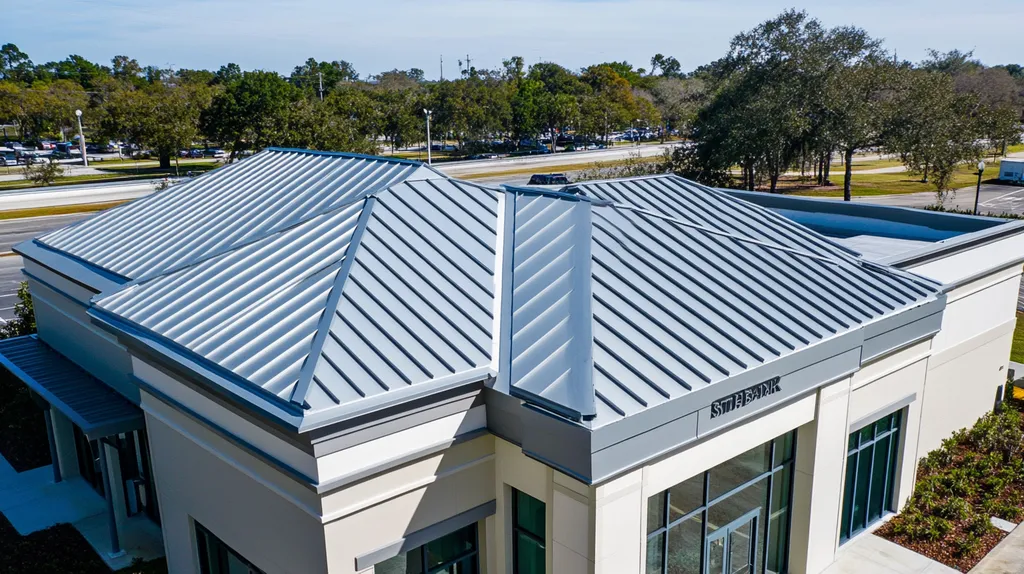
Metal roofing systems often exceed 40-year lifespans but require specific maintenance protocols to prevent premature corrosion. Proper ventilation and drainage systems prove essential for achieving maximum service life.
TPO and PVC systems typically provide 15-20 years of service, though performance varies significantly based on membrane thickness and installation quality. Regular inspections help identify potential issues before they compromise system integrity.
Role of Local Historic Commissions and Regulations
The National Park Service’s Standards for Rehabilitation emphasizes limited replacement with compatible materials that match original roofing details and design intent. This approach preserves historic integrity while ensuring proper building protection. (source: National Park Service)
Historic district guidelines often mandate specific materials and installation methods that align with period-appropriate construction. These requirements can limit material options and impact project timelines.
Local building codes may require additional structural analysis when replacing historic roofing systems. Changes in material weight or installation methods can trigger comprehensive engineering reviews.
Preservation committees typically require detailed documentation of existing conditions and proposed modifications. This documentation helps ensure compliance with historical standards while meeting modern performance requirements.
Truth about Material Compatibility and Installation Skill
Chemical interactions between different roofing materials can accelerate system deterioration. Incompatible materials often create stress points that compromise waterproofing integrity and reduce system longevity.
Proper installation requires specialized knowledge of material behavior and attachment methods. Contractor experience with specific systems directly correlates to installation quality and long-term performance.
Thermal movement differences between materials create stress on fasteners and seams. Understanding these dynamics helps prevent premature failure at critical connection points.
Modern synthetic materials may trap moisture against traditional building materials, leading to underlying structural damage. Proper material selection must account for vapor transmission and moisture management requirements.
SECTION 5: EVIDENCE-BASED ALTERNATIVES
Commercial roof replacement decisions increasingly require balancing historical preservation with modern performance requirements. Industry data shows that 45% of historic commercial buildings face premature roofing failures due to improper material selection and installation methods. Understanding evidence-based alternatives helps property owners navigate complex preservation requirements while ensuring long-term building protection.
Selecting Historically Appropriate Roofing Materials
The National Park Service’s Standards for Rehabilitation emphasizes limited replacement using compatible materials that match original roofing features. This approach ensures proper anchorage against wind damage while maintaining historical integrity. (source: National Park Service)
Material selection must account for regional climate conditions and building-specific exposure patterns. Different environments demand varied approaches to moisture management and thermal performance.
Modern manufacturing techniques now produce historically accurate materials with enhanced durability. These options allow property owners to maintain period authenticity while benefiting from improved performance characteristics.
Cost considerations must balance initial investment against long-term maintenance requirements. Premium materials often deliver superior value through extended service life and reduced repair needs.
Incorporating Modern Technology While Preserving Character
Advanced moisture detection systems and preventive maintenance programs help protect historical roofing assemblies. These technologies identify potential issues before they compromise system integrity.
Energy-efficient underlayment and insulation materials can enhance building performance without altering visible surfaces. This approach preserves historical appearance while reducing operational costs.
Contemporary fastening systems provide superior wind resistance without compromising aesthetic appeal. These innovations prevent damage while maintaining traditional installation patterns.
Specialized coating systems extend material life while preserving original textures and colors. These treatments offer additional protection without altering historical character.
Collaborating with Preservation Specialists for Compliance
Professional preservation consultants help navigate complex regulatory requirements and material restrictions. Their expertise prevents costly compliance issues during replacement projects.
Documentation of existing conditions and proposed modifications supports approval processes. Detailed records help demonstrate compatibility with preservation standards.
Regular coordination between roofing contractors and preservation specialists ensures proper installation methods. This collaboration prevents damage to historical elements during replacement work.
Establishing clear communication channels helps resolve installation challenges without compromising preservation goals. Quick problem resolution prevents project delays and maintains historical integrity.
SECTION 6: TEST AND VERIFY
Testing and verification represent critical steps in commercial roof replacement, yet 45% of projects skip essential evaluation protocols. Industry data shows that inadequate testing leads to $2.1 billion in preventable damage annually across commercial properties. Proper verification procedures protect both the historical integrity of buildings and the financial investments of property owners.
Inspection Techniques for Historic Roof Conditions
Modern inspection protocols combine traditional methods with advanced technology to assess roof conditions comprehensively. Infrared scanning can detect hidden moisture damage while preserving historical materials during investigation.
Core sampling provides critical data about existing material composition and structural integrity. This information guides material selection and helps prevent incompatibility issues during replacement.
Drone-assisted photogrammetry creates detailed surface maps that identify drainage patterns and potential failure points. These high-resolution surveys reduce inspection time while improving documentation accuracy.
Regular moisture mapping helps track water infiltration patterns and identify compromised areas. This data enables targeted repairs that preserve more of the original roofing system.
Methods to Confirm Material Authenticity and Performance
The Secretary of the Interior’s Standards for Rehabilitation emphasizes using compatible materials that match original roofing features while providing adequate protection. This guidance helps ensure both historical accuracy and long-term performance. (source: National Park Service)
Laboratory testing of proposed materials must verify compatibility with existing roof components. Chemical analysis prevents adverse reactions between new and original materials.
Wind uplift testing confirms that replacement materials can withstand local weather conditions. This verification prevents premature failures due to environmental stress.
Accelerated weathering tests predict long-term material performance under various conditions. These results help owners make informed decisions about material selection.
Verifying Contractor Expertise and Restoration Qualifications
Contractor selection requires thorough verification of historic restoration experience. Project portfolios should demonstrate successful completion of similar preservation work.
Certification requirements vary by region and building type. Contractors must provide current documentation of relevant training and qualifications.
References from preservation architects and historical committees help validate contractor expertise. These professional endorsements carry more weight than general contracting references.
Insurance coverage must specifically include historic restoration work. Standard construction policies often exclude damage to historical materials.
The Bottom Line
Historic commercial roofing failures cost property owners over $2.1 billion annually in preventable damage, with 45% of premature system breakdowns directly linked to ignoring established guidelines.
Understanding and following historical roofing standards isn’t just about preservation – it’s about protecting substantial financial investments and ensuring building longevity.
Modern technology and materials can successfully merge with traditional requirements when properly selected and installed, delivering both authentic appearance and superior protection.
Property owners who invest in proper testing, verification, and qualified contractors typically save 60% on lifetime maintenance costs while avoiding regulatory penalties and emergency repairs.
The path forward requires embracing evidence-based alternatives that balance historical integrity with modern performance demands.
FREQUENTLY ASKED QUESTIONS
Q. What are common misconceptions about commercial roof replacements?
A. Many owners overlook historical roofing guidelines, believing they are outdated. Ignoring these can result in premature failures and increased costs due to ineffective materials or systems. Understanding specific building requirements is essential for durable replacements.
Q. Why is it important for a commercial roof to follow preservation standards?
A. Following preservation standards protects the integrity of historic materials and prevents structural damage. Neglecting these guidelines often leads to costly repairs and non-compliance penalties. Adhering to regulations ensures long-term viability and financial health of the building.
Q. How can improper roof replacement affect long-term costs?
A. Improper roof replacement often results in failures that lead to project cost overruns. Hidden damages can escalate maintenance budgets significantly. Additionally, insurance may not cover damages from poor installations, exposing owners to substantial financial risks.
Q. What role do local regulations play in commercial roof replacements?
A. Local regulations demand compliance with historic preservation standards during roof replacements. These may dictate materials and methods suitable for maintaining architectural integrity. Non-compliance can lead to fines and mandatory restoration work, impacting budgets and timelines.
Q. What materials are best for historically significant commercial roofs?
A. Historically appropriate materials should match original features while meeting modern performance requirements. Consider materials that enhance durability and moisture management without compromising aesthetics. It’s essential to balance authenticity with functionality to ensure long-lasting results.
Q. How can inspection improve commercial roof replacement effectiveness?
A. Thorough inspections reveal existing conditions that guide effective material choices. Utilizing modern techniques like infrared scanning ensures hidden moisture issues are addressed before replacement. This proactive approach helps preserve the roof’s integrity and extends its lifespan.
Q. Why is contractor expertise important in roof replacements?
A. Experienced contractors ensure proper installation techniques specific to historic restorations. Their knowledge minimizes mistakes and material incompatibility, resulting in a durable roof. Validating qualifications and past project success is crucial to achieving high-quality outcomes.






