
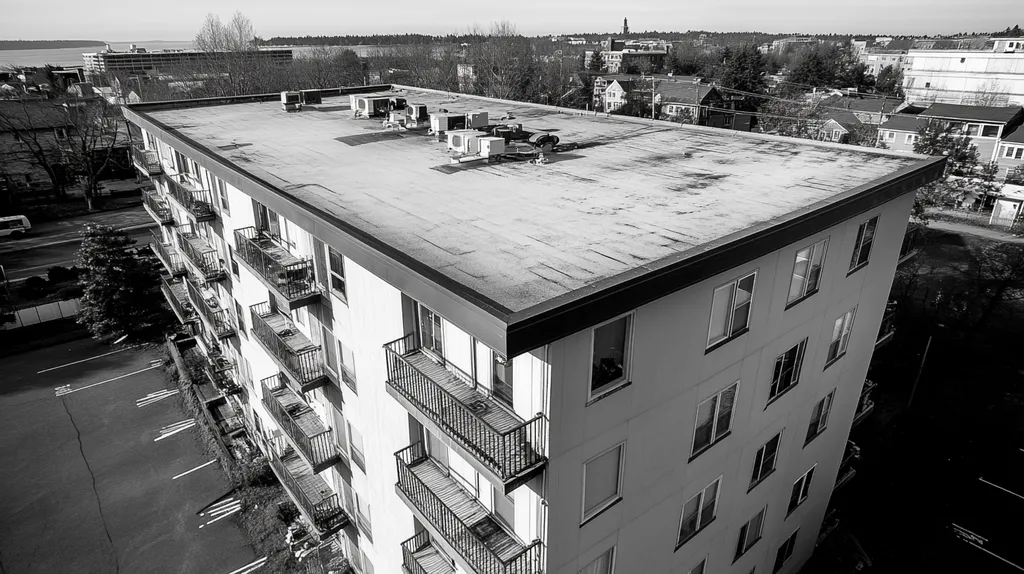
Welcome to today’s Battle Royale featuring two roofing heavyweights: “Elastomeric Coatings” in the east corner versus “Polyurethane Coatings” in the west!
Tonight’s showdown pits these contenders against each other across six punishing rounds designed to test every aspect of their performance for Reflective Coating on Historic Roofs.
At stake? Millions in potential costs, decades of building protection, and the critical performance demands of modern commercial and industrial facilities.
Our professional judging panel will evaluate each round on technical merit, real-world performance, and value delivery. After all six rounds, we’ll declare our ultimate champion.
Ladies and gentlemen, facility managers and building owners… it’s time to rumble!
ROUND 1: INITIAL COSTS & INSTALLATION
While your historic roof quietly bakes under another scorching summer sun, your HVAC system is working overtime and your energy bills are skyrocketing. The choice between elastomeric and polyurethane reflective coatings isn’t just about protecting heritage – it’s about protecting your bottom line. Unlike traditional roofing materials that absorb and retain heat, modern reflective coatings can dramatically reduce heat buildup and extend roof life. (source: American WeatherStar)
Material Expenses
Let’s cut through the marketing fluff and talk real numbers. Elastomeric coatings typically run $0.50 to $1.50 per square foot in material costs, making them the budget-friendly champion of the reflective coating world.
Polyurethane coatings swagger in at $2.00 to $3.50 per square foot, wearing their premium price tag like a badge of honor. Yes, they’re bringing better durability to the party, but that initial sticker shock can make even the most enthusiastic facility manager wince.
For those keeping score, elastomeric coatings take a clear “ADVANTAGE” in the material costs category. Though like buying the cheapest tires for your Ferrari, going purely by price might not be the smartest long-term strategy.
Installation Complexity
Installing elastomeric coatings is about as complicated as frosting a giant cake – roll it on, brush it out, and you’re mostly done. Most roofing crews can handle the application with minimal specialized training.
Polyurethane coatings, however, demand the precision of a brain surgeon and the patience of a monk. They require specific temperature conditions, careful mixing ratios, and specialized equipment that can turn your simple roof project into a chemical engineering experiment.
In the battle of installation headaches, elastomeric coatings claim another “ADVANTAGE”. They’re the “just add water” solution in a world of complicated cooking instructions.
Project Timeline
Time is money, and elastomeric coatings respect both. Most applications can be completed in 2-3 days, with minimal disruption to your building’s operations. The quick-curing formula means you’re back to business as usual before anyone notices you were closed.
Polyurethane coatings move at their own pace, like a tortoise training for a marathon. Multiple layers, longer curing times, and stricter application conditions can stretch your timeline from days into weeks.
When it comes to getting the job done quickly, elastomeric coatings score another “ADVANTAGE”. Though remember, sometimes good things come to those who wait.
ROUND 1 WINNER: ELASTOMERIC COATINGS
ROUND 2: DURABILITY & LIFESPAN
While your historic roof quietly endures another year of thermal shock, UV radiation, and increasingly extreme weather, the wrong coating choice could mean the difference between preservation and premature failure. In the battle between elastomeric and polyurethane coatings, durability isn’t just about toughness – it’s about maintaining your building’s heritage without bankrupting your maintenance budget.
Weather Resistance and Longevity
Let’s talk about flexibility – and we don’t mean yoga class. Elastomeric coatings can stretch up to 600% of their original size, bouncing back like a rubber band after every thermal cycle. They laugh in the face of expansion and contraction while maintaining their protective properties.
Polyurethane coatings, meanwhile, handle themselves like that one friend who can’t dance – stiff and awkward when things heat up. Their rigid chemistry makes them more prone to cracking and delamination when the building moves, which it absolutely will.
For weather resistance that actually resists weather, elastomeric coatings claim a clear “ADVANTAGE”. They’re the heavyweight champion of flexibility in a world where rigidity equals failure.
Maintenance Requirements
High-quality reflective coatings can dramatically reduce cooling demands while creating more comfortable indoor environments. Elastomeric coatings maintain their reflective properties with minimal maintenance, requiring only periodic cleaning and inspection to keep performing at peak efficiency. (source: American WeatherStar)
Polyurethane coatings demand attention like a neglected house pet. Their surface deterioration can accelerate quickly if not regularly maintained, leading to frequent touch-ups and repairs that’ll have your maintenance team camping out on the roof.
When it comes to keeping your maintenance crew off the roof and your budget intact, elastomeric coatings score another clear “ADVANTAGE”.
Lifecycle Cost Analysis
Let’s crunch some numbers that actually matter. Elastomeric coatings typically last 10-15 years with basic maintenance, spreading their initial cost over a decade or more of reliable service. Their superior UV resistance means they’ll still be reflecting heat long after their polyurethane competitors have faded.
Polyurethane coatings promise performance but deliver complications. Their 5-7 year service life means you’ll be scheduling replacement while elastomeric coatings are still going strong. Factor in higher maintenance costs and more frequent recoating, and your “premium” choice starts looking decidedly budget-unfriendly.
In the battle of long-term value, elastomeric coatings secure another “ADVANTAGE”. Sometimes the tortoise really does beat the hare.
ROUND 2 WINNER: Elastomeric Coatings
ROUND 3: PERFORMANCE FACTORS
While your historic roof silently absorbs another day of punishing UV rays and thermal stress, the wrong coating choice could be cooking your energy efficiency alive. Modern reflective coatings aren’t just shiny paint – they’re sophisticated thermal management systems that can slash cooling costs and extend roof life. But in the battle between elastomeric and polyurethane, performance isn’t just about numbers on a spec sheet.
Durability and Weather Resistance
Picture your roof as a heavyweight boxer taking punches from Mother Nature. Every day brings another round of thermal shock, UV bombardment, and whatever weather cocktail climate change is serving up this season.
Elastomeric coatings float like butterflies and stretch like rubber bands, expanding and contracting up to 600% without breaking a sweat. They’re the Muhammad Ali of the coating world, dancing around thermal stress while maintaining their protective shield.
Polyurethane coatings, meanwhile, handle stress about as well as a caffeinated chihuahua. Their rigid structure makes them prone to cracking when the building moves, which is approximately always in historic structures.
For pure staying power in the face of weather’s worst, elastomeric coatings claim a clear ADVANTAGE.
Energy Efficiency and Reflectivity
Let’s talk about your roof’s relationship with the sun. Without proper reflection, your historic structure is basically wearing a black wool sweater in August.
Elastomeric coatings act like a mirror at a vampire convention – reflecting up to 85% of solar radiation away from your building. This dramatic reduction in heat absorption means your HVAC system isn’t fighting a losing battle against the sun.
Polyurethane coatings start strong but fade faster than a summer tan. Their initial reflectivity drops significantly over time, turning your energy-efficient roof into an expensive solar collector.
In the battle for energy efficiency, elastomeric coatings score another clear ADVANTAGE.
Maintenance Requirements and Longevity
Nobody wants their maintenance team living on the roof like urban mountaineers. The best coating is one you can almost forget about – almost.
Elastomeric coatings are the low-maintenance champions of the roofing world. A simple cleaning schedule and occasional inspection keep them performing at peak efficiency for years.
Polyurethane coatings demand attention like a neglected Instagram influencer. Their complex chemistry means more frequent touch-ups, repairs, and complete recoating cycles.
When it comes to keeping your maintenance budget and team happy, elastomeric coatings secure another ADVANTAGE.
ROUND 3 WINNER: Elastomeric Coatings
ROUND 4: MAINTENANCE REQUIREMENTS
While your historic roof silently endures another season of punishing weather, choosing the wrong coating maintenance strategy could turn your preservation efforts into an expensive game of whack-a-mole. Traditional approaches to roof maintenance often treat reflective coatings as “set it and forget it” solutions – a dangerous mindset that can lead to premature coating failure and accelerated degradation of historic materials.
Regular Inspection Requirements
Elastomeric coatings thrive on a simple, predictable maintenance schedule. Annual inspections and basic cleaning keep these flexible warriors performing at peak efficiency, while their high elasticity means fewer stress points to monitor.
White coatings with high solar reflectivity and high IR emissivity can significantly reduce energy use for cooling while enhancing fire safety through IR radiation reflection. This dual benefit makes maintenance even more critical for long-term performance. (source: Lawrence Berkeley Laboratory)
Polyurethane coatings demand attention like a needy ex-partner. Their rigid structure requires quarterly inspections to catch early signs of cracking or delamination, turning your maintenance team into full-time coating babysitters.
For maintenance simplicity and inspection efficiency, elastomeric coatings claim a clear ADVANTAGE.
Cleaning and Repair Protocols
Keeping elastomeric coatings clean is about as complicated as washing your car. A gentle pressure wash and basic cleaning solutions remove most contaminants, while repairs typically involve simple patch applications that bond seamlessly with existing material.
Polyurethane coatings treat every cleaning session like a delicate surgical procedure. Their sensitive chemistry means using specific cleaning agents and repair materials, with strict environmental conditions for proper adhesion.
When it comes to straightforward cleaning and hassle-free repairs, elastomeric coatings score another ADVANTAGE.
Long-term Performance Monitoring
Tracking elastomeric coating performance feels like watching paint dry – in a good way. Their consistent degradation patterns and visible wear indicators make it easy to plan maintenance schedules and budget for eventual recoating.
Polyurethane coatings age like unpredictable teenagers. One section might look perfect while another fails completely, making long-term performance monitoring feel like playing detective with your roof.
In the battle for predictable performance monitoring, elastomeric coatings lock down another ADVANTAGE.
ROUND 4 WINNER: Elastomeric Coatings
ROUND 5: SUSTAINABILITY CREDENTIALS
While your historic roof silently contributes to climate change, the wrong coating choice could be multiplying your carbon footprint faster than a private jet convention. Modern reflective coatings aren’t just about keeping buildings cool – they’re about environmental stewardship that protects both your heritage and our planet’s future.
The battle between elastomeric and polyurethane coatings isn’t just about performance anymore – it’s about choosing solutions that will still make sense when your grandkids inherit your building maintenance headaches.
Energy Efficiency
Reflective roofs have evolved from eco-warrior wishful thinking into serious weapons against rising energy costs. High-quality reflective coatings can dramatically reduce cooling demands while creating more comfortable indoor environments. (source: American WeatherStar)
Elastomeric coatings act like cosmic bouncers, turning away up to 85% of solar radiation that tries to crash your building’s energy-efficiency party. Their stable reflective properties mean they’ll still be reflecting heat long after their polyurethane competitors have lost their shine.
Polyurethane coatings start strong but fade faster than New Year’s resolutions. Their diminishing reflectivity means your building gradually absorbs more heat, forcing your HVAC system to work harder each passing season.
For sustained energy efficiency that actually sustains, elastomeric coatings claim a clear ADVANTAGE.
Environmental Impact
When it comes to environmental footprint, elastomeric coatings tread lightly. Their water-based formulations and low VOC content mean installation doesn’t require everyone within fifty feet to wear a hazmat suit.
Polyurethane coatings arrive with enough chemical warnings to make a chemistry teacher nervous. Their solvent-based formulations release VOCs during application and curing, contributing to air quality issues and environmental concerns.
Installation crews need specialized protective equipment and ventilation systems that would make a submarine captain jealous. The environmental impact extends beyond the roof to affect air quality and worker safety.
In the battle for environmental responsibility, elastomeric coatings secure another clear ADVANTAGE.
Life Cycle Assessment
Elastomeric coatings take the long view on sustainability. Their extended service life means fewer replacement cycles, less material consumption, and reduced waste heading to landfills.
Their simple maintenance requirements and easy repair protocols mean you’re not constantly consuming resources just to keep the system functional. When it’s finally time for recoating, the process creates minimal waste and environmental disruption.
Polyurethane coatings cycle through replacement phases like fast fashion – frequently and wastefully. Their complex chemistry and shorter lifespan mean more materials consumed, more waste generated, and more environmental impact over time.
For sustainable lifecycle management that actually sustains, elastomeric coatings lock down another ADVANTAGE.
ROUND 5 WINNER: Elastomeric Coatings
ROUND 6: SPECIALIZED APPLICATIONS
While your historic roof slowly cooks under another merciless summer sun, the wrong specialized coating could turn your preservation efforts into an expensive lesson in material failure. Modern reflective coatings aren’t just about slapping a shiny layer on old surfaces – they’re sophisticated systems that must work in harmony with historic materials while delivering 21st-century performance.
Material Compatibility
Historic roofs are like temperamental antique cars – they demand solutions that respect their original engineering while addressing modern performance needs. Elastomeric coatings play nice with most traditional roofing materials, their flexible chemistry adapting to substrate movement without creating stress points.
The water-based formulation means they can be applied to slightly damp surfaces without triggering adhesion issues or trapped moisture problems. This flexibility makes them ideal for the often unpredictable conditions found in historic restoration projects.
Polyurethane coatings stomp around historic surfaces like a bull in a china shop. Their rigid chemistry and moisture sensitivity can create compatibility nightmares with traditional materials, leading to adhesion failures and accelerated substrate deterioration.
For playing well with historic materials, elastomeric coatings claim a clear ADVANTAGE.
Application Flexibility
Reflective roofs come in various types, each leveraging different technologies and reflective roofing materials to achieve the desired properties, and they have gained popularity for their potential to contribute to energy savings and create more comfortable indoor environments. (source: American WeatherStar)
Elastomeric coatings embrace the quirks and challenges of historic structures like a patient teacher. Their forgiving application windows and ability to be touched up or repaired without complete removal make them ideal for phased restoration projects.
Polyurethane coatings demand laboratory-perfect conditions that rarely exist in the real world of historic preservation. Their unforgiving application requirements can turn simple coating projects into logistical nightmares.
When it comes to real-world application flexibility, elastomeric coatings secure another ADVANTAGE.
Heritage Preservation
Protection of historic character isn’t just about aesthetics – it’s about preserving architectural heritage for future generations. Elastomeric coatings provide invisible protection while maintaining original surface appearances and textures.
Their ability to conform to irregular surfaces and complex geometries means they can protect ornamental features without obscuring architectural details. The reversible nature of water-based formulations also means future restoration options remain open.
Polyurethane coatings can alter surface textures and lock preservationists into irreversible decisions. Their rigid structure and aggressive bonding properties can make future restoration work more challenging and potentially damaging to historic materials.
For preserving historic character while providing modern protection, elastomeric coatings claim another ADVANTAGE.
ROUND 6 WINNER: Elastomeric Coatings
AND THE WINNER IS…
After six grueling rounds of technical evaluation, we have our verdict, and it’s a KNOCKOUT victory! In a stunning display of versatility and value, ELASTOMERIC COATINGS have emerged as our undisputed champion, winning all six rounds!
This powerhouse performer dominated with superior flexibility, maintenance simplicity, and environmental responsibility. From initial costs to long-term durability, elastomeric coatings proved they’re not just fighting for today’s performance – they’re defending your roof’s future.
Don’t count polyurethane coatings out completely, though! In specialized applications requiring maximum chemical resistance or extreme impact protection, these tough contenders can still punch above their weight class.
IMPORTANT RINGSIDE NOTICE: Every building brings its own unique challenges into the ring. Local climate conditions, substrate materials, and specific property requirements can all impact coating performance. This analysis provides general guidance but cannot account for all variables. Always consult with qualified roofing professionals who can evaluate your specific situation before making your final decision.
Ladies and gentlemen, in the high-stakes arena of historic roof protection, remember: The true champion isn’t just the coating with the most impressive stats – it’s the one that best matches your building’s specific needs while delivering knockout performance for years to come!
FREQUENTLY ASKED QUESTIONS
Q. What are the initial costs for a commercial roof coating?
A. Elastomeric coatings usually range from $0.50 to $1.50 per square foot, whereas polyurethane coatings can cost $2.00 to $3.50 per square foot. While elastomeric coatings save you money upfront, be wary of skimping on quality since it might not be worth it in the long run.
Q. Which coating offers better durability for an industrial roof?
A. Elastomeric coatings are incredibly flexible, stretching up to 600% without breaking. This makes them highly durable against thermal shock and weather extremes, unlike polyurethane coatings which are more rigid and prone to cracking under stress.
Q. How do elastomeric and polyurethane coatings perform in energy efficiency?
A. Elastomeric coatings excel in energy efficiency by reflecting up to 85% of solar radiation, helping to reduce cooling costs. In contrast, polyurethane coatings lose their reflectivity over time, diminishing their effectiveness and driving up energy bills.
Q. What are the maintenance requirements for a commercial roof coating?
A. Elastomeric coatings require minimal maintenance, usually needing just annual inspections and basic cleaning. On the other hand, polyurethane coatings demand regular inspections and touch-ups, making maintenance a constant chore that can drain your resources.
Q. Which coating is more environmentally friendly for historic roofs?
A. Elastomeric coatings are generally more eco-friendly, with water-based formulations and low VOC content. In contrast, polyurethane coatings release harmful VOCs during application, which can negatively affect air quality and the environment.
Q. How do these coatings affect the lifespan of an industrial roof?
A. Elastomeric coatings can last between 10-15 years with proper maintenance, greatly extending the lifespan of your roof. Polyurethane coatings, however, may require replacement in as little as 5-7 years, making them a less viable long-term investment.
Q. Can elastomeric coatings be applied to all historic roof types?
A. Yes, elastomeric coatings are compatible with most traditional roofing materials, accommodating substrate movement. Polyurethane coatings, however, can create adhesion problems with historic surfaces, making elastomeric coatings the safer choice for preservation.






