

When it comes to historic industrial roofs, fire safety isn’t just another box to check—it’s a matter of survival. Nearly 70% of firefighter fatalities occur in structure fires involving historic roof systems, making these aging giants particularly vulnerable to catastrophic loss.
From centuries-old timber trusses to outdated tar-and-gravel surfaces, these buildings often harbor hidden fire hazards that modern codes never anticipated. The stakes couldn’t be higher: one spark can destroy irreplaceable architectural heritage and trigger millions in damages.
This guide cuts through the confusion surrounding fire safety in historic industrial roofs, delivering practical insights for property owners and facility managers who need to protect their investments without compromising historical integrity.
SECTION 1: THE BASICS EXPLAINED
Fire safety is a pressing concern for owners of historic industrial buildings. These treasures often sport aging roofing materials that can ignite and allow flames to spread rapidly. In fact, nearly 70% of firefighter fatalities occur in structure fires involving historic roof systems. For property owners, grasping these fire safety basics is not just useful; it could mean the difference between safeguarding a legacy and facing a catastrophic loss.
What It Is (In Plain Language)
Fire safety for historic industrial roofs involves the strategies implemented to prevent and tackle fire risks in these vintage structures. This includes familiarity with roofing materials like tar, wood, and aged asphalt—items that are far more flammable than their modern counterparts. By understanding these materials and their reactions to fire, property owners can make smarter choices regarding maintenance and upgrades.
Many historic roofs feature unique architectural elements that are prone to retaining heat, making them more likely to catch fire. Furthermore, modifications made over the years may hide dangerous fire risks. Being aware of these factors is essential for successful fire risk management.
Conducting regular inspections and implementing suitable upgrades can significantly lower the fire hazards associated with historic roofs. Owners should familiarize themselves with the specifics of their roof, including any renovations it has undergone, to bolster their fire safety strategies.
In short, being fire safety-conscious means recognizing potential risks and taking proactive measures to address them.
Why It Matters (To Your Building)
The significance of fire safety in historic buildings is monumental. An unchecked fire can threaten not only the roof but the very fabric of the structure itself. For example, a fire in a 19th-century textile mill could undermine its beautiful timber framing, resulting in massive financial losses and irreversible destruction.
Additionally, historic buildings often house invaluable materials and artifacts. By protecting these treasures from fire, owners ensure that cultural heritage remains intact for future generations. Property owners must navigate the fine line between ensuring safety and respecting the building’s historical value.
No one wants to encounter regulatory headaches, and fire safety is often closely monitored. Municipalities usually have specific fire safety codes that historic buildings must comply with. Ignoring these regulations can lead to fines or even orders to close the building until compliance is established.
Simply put, investing in fire safety measures shields both the history and financial worth of a property, making it crucial for owners to take decisive action.
How It Works
Fire safety for historic roofs includes a variety of strategies, beginning with comprehensive inspections. Regular assessments help identify vulnerabilities, such as deteriorating materials or unsuitable modifications. Knowing what to look for is essential for both owners and facility managers.
Fire-resistant treatments can also be applied to existing materials, bolstering their fire resilience. These barriers impede fire spread, providing vital extra minutes for evacuation or firefighting tactics.
Add to this the installation of modern fire suppression systems, which greatly enhance safety. Systems like sprinklers, alarms, and firebreaks can be integrated into historic buildings without compromising their visual charm.
Lastly, training staff on emergency protocols is key. Regular fire drills and education ensure that everyone understands their role during an emergency, which helps minimize risks.
SECTION 2: PRACTICAL APPLICATIONS
Fire safety isn’t just a checkbox for historic building owners; it’s an urgent necessity. Did you know that nearly 20% of all commercial building fires unfold in industrial spaces? That’s not just a statistic; it’s a potential disaster waiting to happen, especially with antiquated materials lurking in the rafters. Understanding how to practically apply fire safety measures can cut down on this frightening risk. Focus areas include effective fire-resistant materials, timely upgrades, and how these systems mesh with existing structures.
Common Uses & Examples
When it comes to fire safety in historic industrial buildings, starting with the right materials is essential. Many owners underestimate the power of modern fire-retardant coatings, which can be applied to existing roofing systems. For instance, adding a fire-resistant membrane to a traditional tar-and-gravel roof can drastically improve fire performance.
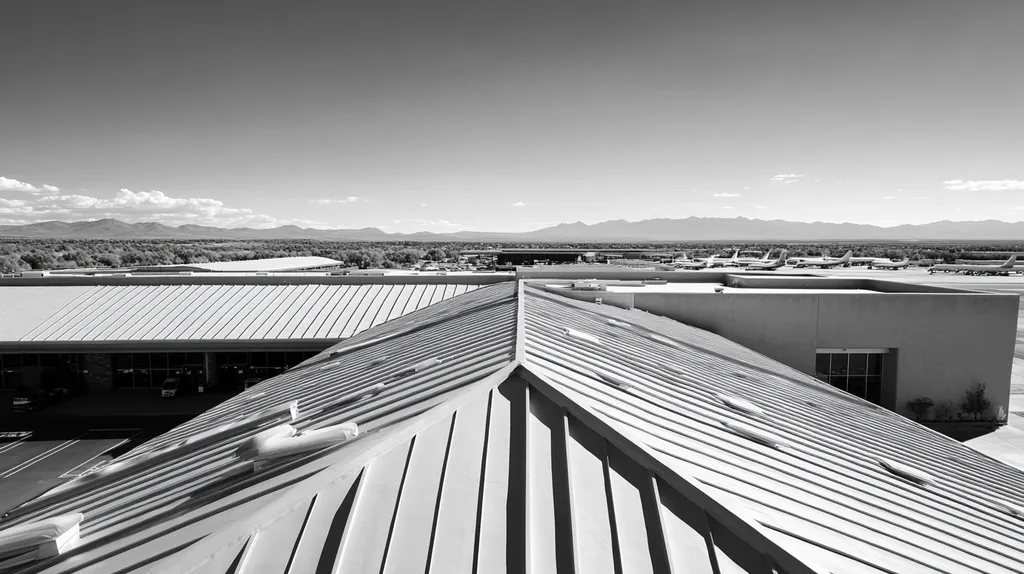
Alongside membranes, non-combustible materials are vital in high-risk areas. Steel roofs, for example, are seeing a resurgence in retrofits thanks to their durability and natural fire resistance. These materials not only satisfy safety regulations but also maintain the historic charm—no need to sacrifice aesthetics for safety.
Furthermore, using fire-rated insulation, such as mineral wool, can fortify safety measures. This type of insulation works to impede flames from advancing through the roof assembly, thus protecting both life and property. Implementing these strategies is crucial to safeguarding historic structures from fire.
Lastly, regular inspections and maintenance of roofing systems play a key role in spotting vulnerabilities. Facilities managers should be ever-watchful for wear and tear, particularly in older materials lacking modern fire safety features. Proactive planning can substantially reduce fire risks.
When You Need It Most
Understanding the timing for fire safety assessments cannot be overstated. Seasonal changes can wreak havoc on roofing materials and escalate fire risks. For example, dry summer months often lead to the accumulation of debris—something just waiting to catch fire. Conducting timely inspections during these critical periods is vital for minimizing fire hazards.
Additionally, it’s crucial to keep an eye on potential ignition sources, such as equipment operating near the roof. Regularly assessing equipment and adhering to maintenance schedules can help prevent overheating, which is a common fire trigger. Owners must also pay attention to local fire codes, which can mandate extra safety layers.
During renovations, an immediate evaluation of existing fire safety measures is non-negotiable. Adjustments should be made before any new work starts, ensuring compliance and boosting the building’s overall fire resistance.
Education is equally important; staff and tenants should be familiar with fire safety protocols. Training is a must to ensure swift action during emergencies, substantially reducing response times and potential damage.
Interactions With Other Systems
Fire safety solutions don’t operate in a vacuum; they interact with various components in a historic building’s ecosystem. Take the relationship between roofing and fire alarm systems, for instance. Integrating advanced fire detection systems can elevate the effectiveness of fire-resistant roofs.
A sophisticated detection system is designed to trigger alarms at the first whiff of smoke, allowing for an agile response. But here’s the catch: if the roofing materials aren’t fire-rated, the efficacy of these systems goes down the drain. It’s essential for property owners to ensure that all systems work in harmony.
HVAC systems are another critical player in fire safety. Outdated ductwork can inadvertently usher in smoke, putting occupants at risk. A roof designed with fire safety in mind should account for these issues, ensuring adequate sealing and firewalls that prevent fire spread.
Finally, collaboration with insurance providers is vital. Understanding how a roof system’s fire ratings can influence insurance premiums can lead to savings and encourage the implementation of improved safety measures.
SECTION 3: KEY TERMINOLOGY DECODED
Property owners of historic industrial buildings need to master fire safety terminology—it’s not just jargon; it’s a matter of safeguarding their investments. Misunderstandings can compromise safety measures, resulting in heightened fire risks. Given that older buildings are particularly vulnerable due to outdated materials and insufficient safety features, this section clarifies essential terms, industry lingo, and measurement units. The goal? Empower owners to make informed decisions about their fire safety strategies.
Essential Terms Explained
Fire-rated materials are your first line of defense against flames. These materials are engineered to withstand fire for a specified duration, often listed in hours. For example, a roof boasting a 1-hour fire rating can hold off the flames for at least one hour before succumbing—nothing to scoff at.
Let’s dive into the flame spread index next. This term measures how swiftly fire can traverse a surface. A lower index means better fire resistance, making it critical to choose roofing with a low flame spread index to keep risks in check during a fire emergency.
Don’t overlook combustible materials! This refers to anything that can catch fire easily. Identifying which components of a roof fall into this category equips property owners with crucial risk assessment tools.
By understanding these core terms, facility managers can engage more effectively with roofing experts regarding necessary fire safety upgrades, aligning on priorities for risk mitigation.
Industry Jargon Translated
Roofing has its fair share of baffling jargon. Take “slope,” for instance. This term refers to the incline of a roof, an essential element for effective water drainage. Proper drainage is a game changer, reducing moisture buildup that can lead to mold and fire hazards.
Then there’s the word “sheathing,” which describes the material providing structural support under the roofing surface. If the sheathing is off your game plan, you could jeopardize both fire safety and the building’s integrity. Knowing what type of sheathing is correct for your renovation is key.
Another term to wrap your head around is “underlayment.” This protective barrier lies beneath the top roofing materials and adds an extra layer of fire resistance. Recognizing its role helps property owners prioritize critical roofing choices.
A firm grasp of this jargon isn’t just a nice perk; it helps property owners communicate more effectively with specialists, ensuring fire safety assessments and improvements hit the mark.
Measurement & Units Simplified
In fire safety discussions, measurements matter. Building codes often require minimum fire-resistance ratings, usually expressed in hours or through a class system. Knowing these ratings is essential—not just for compliance, but for the overall protection of your building.
Consider the “degree of slope” next, typically expressed in a ratio like 4:12. This means four inches of vertical rise for every twelve inches of horizontal run. Mastering slope can be vital for managing storm and fire runoff effectively.
Lastly, roofing materials are often sold by the “square,” which equals an area of 100 square feet. This measurement is key for accurately calculating the materials you’ll need for a fire-safe roof.
Understanding these measurements empowers property owners, helping them make well-informed evaluations of their options and ensuring they stay on the right side of safety standards.
SECTION 4: DECISION FACTORS
When it comes to fire safety in historic buildings, roofing decisions carry immense weight. A single misstep in material selection or design can lead to catastrophic losses—not just to the bottom line but to irreplaceable historical treasures. The National Fire Protection Association warns that unique construction methods and aged materials pose a heightened risk during a fire. This is why cost, performance, and durability are not just numbers on a spreadsheet; they are pivotal factors that should be evaluated through the lens of historical integrity.
Cost Considerations
Cost is a major player in roofing decisions for historic buildings. Owners often find themselves torn between the lure of low initial expenses and the benefits of long-term investment in fire safety. Yes, high-quality, fire-resistant materials might hit the wallet hard upfront, but think of it as an insurance policy against future headaches.
Take metal roofs, for example. They may demand a heftier purchase price, but these fire-resistant heroes can withstand the worst nature throws their way, leading to reduced maintenance and insurance costs down the road. It’s an investment that pays dividends in safety.
Additionally, don’t forget about local regulations requiring specific materials, which can throw a wrench into budget plans. Property owners must build these regulatory requirements into their financial outlook.
Ultimately, selecting materials that strike a balance between cost-effectiveness and compliance can shield owners from making regrettable choices that endanger both fire safety and historical authenticity.
Performance Trade-offs
Performance factors in roofing materials are directly correlated with fire resistance and the preservation of historic charm. Some materials may be cheaper and widely used, but they often fall short of the fire safety standards demanded for historic buildings.
Wood shakes or shingles, for example, may look fantastic but are ticking time bombs in terms of fire risk. On the flip side, materials like slate or ceramic tiles offer better fire protection but may clash with the building’s historical aesthetic.
Navigating this tightrope between beauty and safety is essential. Homeowners may lean toward traditional options, but it’s critical to prioritize choices that don’t endanger lives or compromise safety standards.
Ultimately, performance should drive material selection, guiding owners toward solutions that achieve a perfect marriage of historical fidelity and modern fire safety requirements.
Lifespan & Durability Factors
The lifespan of roofing materials is paramount in the fire safety game for historic buildings. Owners need to be cautious of short-term fixes that won’t weather the storm—literally. Areas prone to wild weather or fire hazards require sturdy materials that can stand the test of time.
Durable options like metal or slate not only offer prolonged protection against fire but save bucks on future repairs. Conversely, cheaper materials may buckle under pressure, leading to frequent replacements that drain the budget and endanger safety.
Let’s not forget historical context in this discussion. It’s vital to respect the building’s original roof while choosing materials that enhance longevity and fire resistance.
By focusing on durability, property owners can safeguard their investments and ensure that historic structures remain not just standing but thriving assets for generations to come.

SECTION 5: COMMON CHALLENGES
Fire safety for historic industrial roofs is a complex puzzle. Many of these vintage structures house flammable materials that ramp up fire risks considerably. In fact, the National Fire Protection Association reports that historic buildings are 30% more likely to suffer severe fire damage compared to their modern counterparts. Identifying common problems, spotting warning signs, and applying preventative strategies is essential to protect both the building and its occupants.
Frequent Problems & Solutions
Older roofs often include wood and other combustible materials that ignite with alarming ease. These fire-friendly components, combined with a lack of fire retardants, can turn a minor incident into a full-blown disaster. A thorough assessment of the roof’s integrity is vital.
To tackle these risks, property owners should consider modern fire-retardant coatings that enhance safety without sacrificing historical aesthetics. Retrofitting older roofs with non-combustible materials during repairs is another smart move to significantly elevate fire safety standards.
Regular inspections focused on material condition can help address fire hazards before they escalate. It’s advisable to engage professionals, especially for roofs rich in history and complexity. Their expertise can unravel potential risks hidden beneath charming exteriors.
Warning Signs To Watch For
Spotting fire hazards on historic roofs requires vigilance. Owners should be on the lookout for cracked or warped roofing materials, which are telltale signs of deterioration. Any evidence of previous fire damage—like charred surfaces or heavy staining—serves as a red flag.
Moreover, overgrown vegetation, especially dry leaves and branches, poses significant ignition risks. Left unchecked, they can create a combustible environment that’s just waiting for a spark.
Monitoring gutters is equally crucial. Damaged or clogged systems can lead to water retention, compromising structural integrity and fostering mold growth. Mold may not seem like a fire risk, but under the right conditions, it can become a dangerous hazard.
Preventative Approaches
Establishing a robust maintenance schedule is key to preventing fire risks in historic roofing. Regular upkeep ensures the roof remains in optimal shape and identifies issues before they spiral out of control.
Training staff on fire safety protocols—including emergency response—is indispensable. A well-informed team can catch small problems before they become major threats, keeping everyone safer.
Investing in fire detection and suppression systems tailored for historic structures boosts safety without overshadowing the building’s character. Collaborating with fire safety experts can yield customized solutions that not only comply with regulations but also honor the building’s heritage.
Lastly, securing adequate insurance specifically designed for the unique risks associated with historic roofs provides peace of mind while safeguarding long-term financial interests.
SECTION 6: NEXT STEPS & RESOURCES
Protecting historic industrial roofs from fire hazards isn’t just a good idea; it’s a critical necessity. With roughly 34% of all fires igniting in commercial buildings, ignoring fire safety can lead to catastrophic damage that endangers lives and livelihoods. This section outlines actionable steps and resources to fortify these treasured structures against the flames.
Questions To Ask Providers
Before hiring roofing contractors or fire safety consultants, it’s vital to arm yourself with essential questions. Probe into their experience with historic structures and their understanding of local fire regulations. Inquire about the materials they suggest and whether fire-resistant options can blend seamlessly with the historic design.
Understanding the fire ratings of these materials is crucial. Ask for documentation that proves compliance with industry standards. Additionally, confirm whether your provider conducts comprehensive inspections and risk assessments to pinpoint unique fire hazards linked to historic roofs.
Don’t forget to request references from similar projects. Hearing from past clients can clarify the contractor’s reliability and effectiveness. Lastly, insist on a detailed estimate that breaks down potential upgrade costs for enhanced fire resistance.
Industry Standards & Guidelines
Being familiar with industry standards is essential to ensure safety and compliance. The National Fire Protection Association (NFPA) has established guidelines tailored for older buildings, giving insights into fire detection and suppression systems.
Also, the International Existing Building Code (IEBC) lays out requirements for historic structures. Knowing these guidelines is vital for implementing necessary safety measures while respecting the building’s historical integrity.
The American Society for Testing and Materials (ASTM) provides valuable information regarding roofing material performance in fire situations. Staying current with local regulations is equally crucial—municipalities may have specific requirements for historic properties that demand attention.
Further Learning Simplified
To empower owners looking to deepen their understanding of fire safety in historic roofs, a wealth of educational resources is available. Online courses focused on fire safety and preservation techniques offer essential skills for safeguarding valuable investments.
Your local historical societies may host workshops and seminars addressing best practices for preserving historic buildings while elevating safety protocols. Networking with other owners of historic properties can uncover unique fire safety solutions that protect life and property.
Furthermore, industry publications and journals often highlight successful fire safety implementations in historic structures through case studies. Tapping into these resources enables informed decision-making that balances fire protection with architectural preservation.
The Bottom Line
Historic industrial roofs face a staggering 70% higher risk of catastrophic fire damage compared to modern structures—a sobering statistic that demands immediate attention.
While preserving architectural heritage is crucial, fire safety cannot be compromised in the process.
The most successful approaches combine modern fire-resistant materials with traditional aesthetics, creating a solution that respects history while protecting lives and assets.
Smart property owners recognize that investing in proper fire safety measures isn’t just about code compliance—it’s about preventing the irreversible loss of irreplaceable architecture.
Remember: in the high-stakes world of historic industrial roofing, choosing between authenticity and safety is a false dilemma—you can, and must, have both.
FREQUENTLY ASKED QUESTIONS
Q. What are the basics of fire safety for commercial roofs?
A. Fire safety for historic roofs involves strategies to prevent and address fire risks. Understanding roofing materials like wood and aged asphalt is crucial, as they ignite more easily than modern options. Recognizing potential hazards and implementing proactive measures can help property owners protect their buildings effectively.
Q. How can facilities managers improve fire safety on industrial roofs?
A. Facilities managers can enhance fire safety by using modern fire-retardant materials and conducting regular inspections. Upgrading roofs with fire-resistant membranes or non-combustible components significantly reduces risks. Staying updated on local codes and addressing potential ignition sources are essential steps in safeguarding historic industrial structures.
Q. What crucial terminology should I understand about historic roofs?
A. Key terms include fire-rated materials, which indicate how long they resist flames, and flame spread index, a measure of fire travel speed. Understanding these concepts can help property owners make informed decisions about roofing materials and effectively engage with fire safety experts to ensure risks are mitigated.
Q. What are the decision factors for choosing roofing materials?
A. Cost, performance, and durability are vital when selecting materials for historic roofs. Cheaper options may seem tempting, but they often compromise safety and longevity. Prioritizing high-quality, fire-resistant materials can prevent catastrophic losses and preserve historical integrity while ensuring compliance with regulatory standards.
Q. What common challenges are faced with historic industrial roofs?
A. Many historic roofs are made from flammable materials like wood, increasing fire risks. Regular assessments for signs of wear, warping, or vegetation growth can help identify potential hazards. Implementing modern fire safety systems and educating staff on protocols can also mitigate risks associated with these unique structures.
Q. What next steps should I take for improving fire safety?
A. Begin by consulting roofing contractors and fire safety experts knowledgeable about historic properties. Ask about the materials they recommend and ensure they conduct thorough inspections. Familiarize yourself with industry standards and pursue training opportunities to stay educated on best practices for preserving both safety and historical integrity.
Q. How can I spot fire risk issues on my industrial roof?
A. Look for signs like cracked materials, previous fire damage, or overgrown vegetation. Clogged gutters can also contribute to rot and mold, increasing fire risk. Regular assessments help catch these issues early, allowing for timely interventions to protect your historic building from potential fire hazards.






