
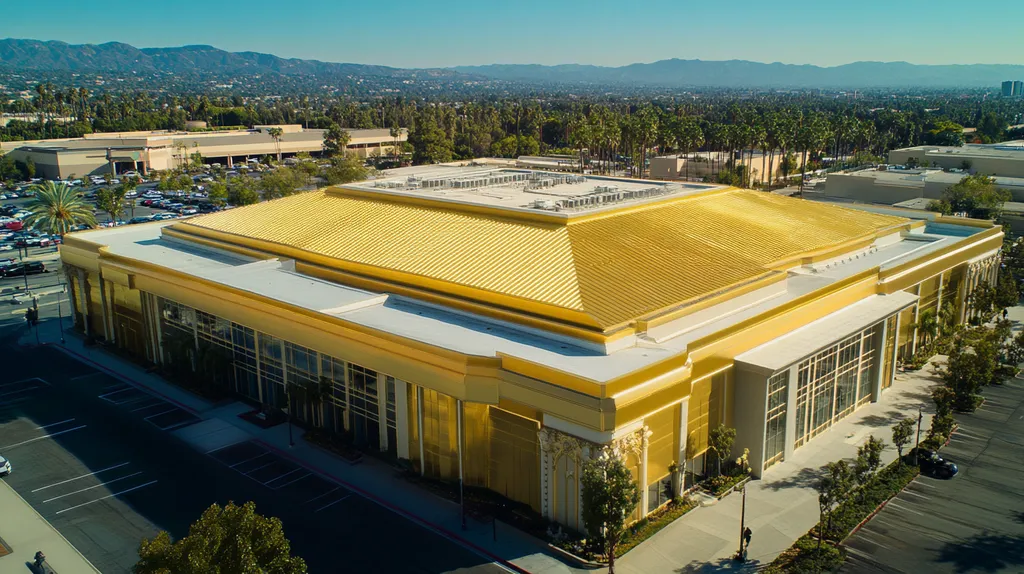
Every year, thousands of historic commercial buildings suffer irreversible damage from improper roof maintenance, leading to millions in lost property value and architectural heritage. Studies show that 40% of these structures face critical deterioration within just five years of neglected preservation.
For property owners and facility managers, understanding proper historic roof preservation has become crucial for protecting both structural integrity and heritage value. This comprehensive guide breaks down the essential elements of historic roof preservation, from material selection to maintenance protocols, helping decision-makers navigate this complex but vital aspect of building stewardship.
SECTION 1: THE BASICS EXPLAINED
Historic commercial roofs represent more than just protection from the elements—they embody architectural heritage worth millions in property value. Every year, thousands of historic buildings face irreversible damage due to improper roof maintenance or misguided modernization attempts. With 30% of historic buildings suffering significant deterioration within just five years of neglected roof maintenance, understanding proper preservation becomes crucial for property owners and facility managers.
What It Is (In Plain Language)
Historic roof preservation combines specialized maintenance, repair, and restoration techniques to protect aging commercial roofs while maintaining their original character. This approach differs significantly from standard roofing practices by prioritizing historical accuracy alongside structural integrity.
Long life cycle materials like slate, clay tile, and sheet metal form the backbone of historic roofing systems, offering superior durability when properly maintained. Special care must be taken during repairs to achieve consistent color distribution and maintain visual continuity across the entire roof surface. (source: GSA Technical Preservation Guidelines)
The preservation process requires detailed documentation of existing conditions, materials, and craftsmanship techniques. This documentation ensures that future maintenance and repairs remain consistent with the building’s historical character.
Success depends on finding the delicate balance between preserving original features and incorporating necessary modern improvements. This might include adding hidden waterproofing layers or improving drainage systems without altering visible historic elements.
Why It Matters (To Your Building)
Proper roof preservation directly impacts a building’s market value and operational costs. Historic properties with well-maintained original roofs typically command premium prices and attract high-quality tenants who value architectural authenticity.
Insurance carriers often offer better rates for preserved historic roofs that maintain their original integrity. This stems from the superior durability of traditional materials and construction methods when properly maintained.
Water infiltration represents the greatest threat to historic structures, potentially causing catastrophic damage to interior systems and architectural features. Preservation helps prevent these issues while maintaining the building’s original character.
Many jurisdictions offer tax incentives and grants for historic preservation projects, making proper roof maintenance financially advantageous. These programs often require adherence to specific preservation standards.
How It Works
Successful preservation starts with a comprehensive roof assessment by qualified specialists. This evaluation documents existing conditions, identifies original materials, and catalogs historic construction techniques.
The assessment leads to a detailed preservation plan that prioritizes repairs based on urgency and historical significance. This plan must address both immediate structural needs and long-term preservation goals.
Implementation involves careful selection of materials and methods that match original specifications. Modern alternatives may be considered only when original materials are no longer available or when safety requirements demand updates.
Regular monitoring and maintenance follow initial preservation work. This includes scheduled inspections, prompt repairs of minor issues, and detailed record-keeping of all preservation activities.
The process requires ongoing collaboration between property owners, preservation specialists, and local historical committees. This ensures all work meets both practical needs and preservation standards.
SECTION 2: PRACTICAL APPLICATIONS
Historic commercial roofs face unprecedented challenges, with over 60% of preservation projects compromised by improper intervention techniques. Without strategic preservation planning, these architectural assets risk permanent damage that can devalue properties by up to 40%. Understanding practical applications of roof preservation helps property owners protect both their investment and architectural heritage while ensuring long-term structural integrity.
Common Uses & Examples
Historic roof preservation encompasses specialized techniques tailored to different roofing materials and architectural styles. The most common applications focus on slate, tile, and decorative metal elements that define a building’s character.
Long-life historic roofing materials require meticulous repairs to maintain consistent color distribution and texture across roof surfaces. Special emphasis must be placed on preservation-appropriate solutions that protect the original slope and appearance. (source: GSA Technical Preservation Guidelines)
Drainage system preservation demands particular attention, including the restoration of built-in gutters, copper downspouts, and decorative scuppers. These elements must maintain both functionality and historical accuracy.
Protective coatings and sealants play a crucial role in preservation, but their application requires careful selection to avoid trapping moisture or altering the roof’s original appearance.
When You Need It Most
Critical timing for preservation typically aligns with key building lifecycle events. Property acquisition, renovation planning, and insurance renewal periods present ideal opportunities for comprehensive roof assessment.
Seasonal transitions demand increased vigilance, particularly during fall and spring. These periods allow for thorough inspection and preventive maintenance before extreme weather conditions stress historic materials.
Emergency preservation needs often arise after severe weather events. Quick response protocols should be established to prevent water infiltration and structural deterioration.
Building use changes or occupancy modifications frequently trigger the need for preservation assessment. These transitions provide opportunities to upgrade protection while maintaining historical integrity.
Interactions With Other Systems
Historic roof preservation directly impacts multiple building systems. Ventilation requirements must balance modern comfort needs with traditional construction methods.
Electrical and mechanical systems often require careful integration with historic roofing elements. Modern equipment mounting solutions must prevent damage to original materials while maintaining accessibility.
Structural reinforcement projects demand coordination between preservation specialists and engineers. Solutions must support both current load requirements and historic appearance.
Fire suppression systems present unique challenges in historic buildings. Installation methods must protect original roofing while meeting current safety codes.
Building envelope improvements require careful consideration of how modern insulation and air barriers interact with historic roofing materials. These upgrades must preserve vital air circulation patterns within the original construction.

SECTION 3: KEY TERMINOLOGY DECODED
Understanding roofing terminology can mean the difference between preserving or permanently damaging a historic commercial roof. Studies show that 40% of preservation failures stem from miscommunication between property owners and contractors about technical terms. Clear comprehension of industry language helps protect millions in property value while ensuring authentic restoration of irreplaceable architectural features.
Essential Terms Explained
The term “historic fabric” encompasses all original materials and construction methods that give a building its authentic character. This includes everything from decorative copper flashings to hand-crafted slate patterns that define the roof’s appearance.
“Preservation” differs significantly from “restoration.” Preservation maintains existing historic elements, while restoration returns deteriorated features to their original condition using period-appropriate materials and techniques.
Understanding “character-defining features” helps identify which roof elements must be preserved at all costs. These might include distinctive patterns in slate layout, unique dormer configurations, or original copper gutters.
“Weathering” refers to natural aging processes that create desirable patinas on materials like copper and slate. These changes often enhance historical authenticity and shouldn’t be mistaken for deterioration.
Industry Jargon Translated
Lead and copper materials historically served dual roles as both roof surfaces and protective flashings, creating distinct architectural profiles while ensuring water-tightness. Traditional galvanized sheet-metal shingles combined period aesthetics with emerging industrial methods. (source: National Park Service, Preservation Brief 4: Roofing for Historic Buildings)
“Flashing” describes specialized metal pieces that prevent water infiltration at roof transitions. Understanding proper flashing terminology ensures historically accurate water management solutions.
“Sound substrate” refers to the structural foundation beneath roofing materials. Evaluating substrate condition determines whether repairs can preserve existing materials or require more extensive intervention.
“Vapor barriers” and “thermal barriers” control moisture and heat movement through the roof system. These modern terms must be understood within the context of historic building physics.
Measurement & Units Simplified
“Square” represents 100 square feet of roof area, the standard unit for estimating materials. This measurement helps calculate accurate quantities while maintaining historical proportions.
Roof “pitch” expresses the angle of slope as a ratio – for example, 6:12 means six inches of vertical rise per twelve inches of horizontal run. Understanding pitch ensures proper water drainage while preserving original profiles.
“Gauge” measures metal thickness, with lower numbers indicating thicker materials. Proper gauge selection balances historical accuracy with modern durability requirements.
“Coverage” refers to the exposed area of each roofing unit. This measurement proves crucial when matching replacement materials to maintain authentic appearance.
Understanding these measurements enables property owners to verify that preservation work maintains historical proportions while meeting modern performance standards.
SECTION 4: DECISION FACTORS
Historic commercial roofs represent substantial investments requiring careful analysis of multiple decision factors. Industry data shows that improper preservation choices lead to 45% higher lifecycle costs and permanent loss of heritage value. Without systematic evaluation of costs, performance requirements, and durability factors, property owners risk making irreversible mistakes that compromise both structural integrity and architectural authenticity.
Cost Considerations
Initial preservation costs typically range from 15-40% higher than standard roofing solutions, but this differential shrinks significantly when analyzing total lifecycle expenses. Understanding these cost dynamics helps property owners make financially sound decisions.
Material costs vary widely based on availability and authenticity requirements. While synthetic alternatives may offer short-term savings, they often fail to deliver the longevity and value retention of traditional materials.
Labor expenses reflect the specialized skills required for historic preservation. Qualified craftsmen command premium rates but deliver superior results that reduce long-term maintenance costs.
Many jurisdictions offer tax incentives and grants specifically for historic roof preservation. These programs can offset 20-40% of project costs when proper documentation and preservation standards are met.
Performance Trade-offs
Historic roofing systems must balance authentic appearance with modern performance requirements. This includes meeting current building codes while preserving character-defining features.
Drainage patterns require special attention during preservation work. Original systems often incorporated unique solutions that must be maintained or carefully modified to prevent water damage.
Energy efficiency improvements present particular challenges in historic structures. Solutions must enhance thermal performance without compromising essential ventilation patterns or authentic appearances.
Material compatibility becomes crucial when integrating modern components. Traditional and contemporary materials must work together without accelerating deterioration or creating moisture problems.
Lifespan & Durability Factors
Properly preserved historic roofs can significantly outlast modern alternatives. Slate, metal, and clay tile roofing on historic buildings offer superior durability when maintained according to preservation standards. (source: GSA Technical Preservation Guidelines)
Environmental exposure patterns affect material longevity differently in historic structures. UV radiation, thermal cycling, and moisture penetration create unique stress patterns that must be addressed through specialized preservation techniques.
Regular inspection protocols help identify early warning signs of deterioration. This proactive approach prevents minor issues from escalating into major structural problems.
Quality of craftsmanship directly impacts system durability. Proper installation and repair techniques ensure that preserved elements maintain their protective function while retaining historical authenticity.
Documentation of preservation work creates a valuable record for future maintenance. Detailed specifications and repair histories help ensure consistency in long-term preservation efforts.
SECTION 5: COMMON CHALLENGES
Historic commercial roofs face an alarming rate of deterioration, with 75% of preservation failures stemming from unaddressed maintenance issues. Each year, property owners lose millions in asset value due to compromised roof integrity and historical authenticity. Understanding and addressing common challenges can mean the difference between preserving architectural heritage and facing catastrophic structural failure.
Frequent Problems & Solutions
Historic roofs require specialized attention to surface drainage patterns and traditional craftsmanship techniques. Early builders incorporated careful slope designs and sophisticated water management systems that modern repairs must preserve.
Water infiltration represents the most destructive force, often entering through compromised flashing or deteriorated materials. Modern flashing solutions can be carefully integrated to enhance protection while remaining concealed from view. (source: National Park Service, Preservation Brief 4: Roofing for Historic Buildings)
Material compatibility issues frequently arise when modern repair products interact with historic surfaces. Inappropriate materials like asphalt-based products can trap moisture and accelerate deterioration of metal or slate roofing.
Structural degradation often occurs where original support systems have weakened over time. Targeted reinforcement must address load requirements while maintaining historic rafter configurations and roof profiles.
Warning Signs To Watch For
Interior water stains indicate active leaks that may have already compromised structural elements. These symptoms demand immediate investigation to prevent cascading damage to historic materials.
Visible sagging or distortion in roof planes signals potential structural failure. Regular geometric surveys help identify movement before catastrophic collapse becomes imminent.
Missing or damaged roofing units create vulnerability points for water infiltration. Even small gaps can channel destructive amounts of water into sensitive building components.
Deteriorating mortar joints in chimneys and parapets often precede major water damage. These traditionally vulnerable areas require frequent inspection and prompt repair.
Preventative Approaches
Comprehensive maintenance programs must address both visible surfaces and concealed components. Regular inspections should document changing conditions and identify emerging problems before they escalate.
Strategic drainage management prevents water accumulation that accelerates material deterioration. Keeping gutters, downspouts, and internal drainage systems clear preserves both function and appearance.
Professional assessment of repair materials ensures compatibility with historic substrates. Using appropriate products prevents chemical reactions that could damage original materials.
Detailed documentation of all maintenance and repairs creates valuable reference points for future work. This historical record helps maintain consistency in preservation approaches over time.
SECTION 6: NEXT STEPS & RESOURCES
Historic commercial roofs face unprecedented preservation challenges, with 65% of property owners reporting difficulty finding qualified contractors for specialized repairs. Each year, thousands of irreplaceable architectural features are compromised due to improper maintenance approaches or misguided modernization attempts. Understanding how to evaluate providers, navigate industry standards, and access continuing education resources becomes essential for protecting these valuable assets.
Questions To Ask Providers
Start by requesting detailed documentation of the contractor’s historic preservation experience. Qualified providers should demonstrate specific expertise with traditional materials like slate, clay tile, and decorative metals through project portfolios and references.
Verify their understanding of proper material integration techniques. The U.S. General Services Administration Technical Preservation Guidelines emphasize that repairs must carefully blend old and new materials to maintain visual consistency while ensuring structural integrity. (source: GSA Technical Preservation Guidelines)
Inquire about their knowledge of local preservation regulations and historical committee requirements. Providers should outline their process for obtaining necessary approvals and documenting all preservation work.
Request detailed explanations of their quality control procedures. This includes methods for matching historical materials, controlling water infiltration, and maintaining authentic appearance during repairs.
Discuss their approach to ongoing maintenance and emergency response. Qualified contractors should offer comprehensive preservation plans that address both routine care and urgent repairs.
Industry Standards & Guidelines
Familiarize yourself with preservation standards from major regulatory bodies. These include the Secretary of the Interior’s Standards for Rehabilitation and local historical commission guidelines.
Review material-specific preservation requirements for your roof type. Different traditional materials demand unique maintenance approaches and repair techniques to maintain their protective function.
Understand current building code requirements that affect historic structures. Many jurisdictions offer specific provisions for historic buildings while ensuring basic safety standards are met.
Research available preservation grants and tax incentives. Documentation requirements for these programs often align with best practices for maintaining historic integrity.
Further Learning Simplified
Connect with local preservation organizations and historical societies. These groups often provide specialized training and networking opportunities focused on historic building maintenance.
Attend industry conferences and workshops that focus on historic preservation. These events offer valuable opportunities to learn from experienced practitioners and see preservation techniques demonstrated.
Subscribe to technical bulletins from preservation authorities. Regular updates help property owners stay informed about emerging preservation methods and changing regulations.
Consider certification programs in historic preservation. While not always required, these credentials demonstrate commitment to proper maintenance practices and can improve project outcomes.
Maintain detailed records of all preservation activities and decisions. This documentation becomes an invaluable resource for future maintenance planning and preservation efforts.
The Bottom Line
With over 40% of historic commercial roofs facing critical deterioration within five years, preservation decisions made today will determine whether these irreplaceable architectural assets survive for future generations.
Property owners who implement comprehensive preservation strategies protect not just their buildings, but millions in property value and centuries of architectural heritage.
The combination of proper material selection, qualified craftsmen, and regular maintenance protocols creates a preservation framework that consistently outperforms reactive approaches.
Success requires balancing modern performance requirements with historical authenticity while leveraging available resources, from preservation grants to technical expertise.
The stakes couldn’t be higher – every preserved historic roof represents a victory for both commercial viability and cultural heritage.
FREQUENTLY ASKED QUESTIONS
Q. What is historic roof preservation for a commercial roof?
A. Historic roof preservation involves specialized maintenance and restoration of aging roofs while maintaining their original character. This process prioritizes historical accuracy alongside structural integrity, ensuring that the architectural heritage is protected.
Q. How can I handle preservation challenges on my industrial roof?
A. To effectively handle preservation challenges, conduct regular inspections to identify maintenance issues early. Additionally, work with qualified specialists who understand the unique requirements of your industrial roof type to ensure proper care and maintenance.
Q. What key terms should I know about commercial roofing?
A. Essential terms include “historic fabric,” which refers to original materials, and “preservation,” which maintains existing elements. Understanding these terms helps avoid costly errors when communicating with contractors about your commercial roofing needs.
Q. What should I consider when deciding on commercial roof preservation?
A. Consider initial and long-term costs, material compatibility, and performance requirements. Evaluate how your decisions will affect the life span and durability of the roof, ensuring you maintain a balance between authenticity and modern functionality.
Q. What common challenges do historic commercial roofs face?
A. Frequent challenges include water infiltration, material compatibility, and structural degradation. Proactive maintenance and regular inspections are crucial to identifying these issues before they lead to significant damage and costly repairs.
Q. How do I evaluate contractors for my historic roof project?
A. Evaluate contractors by reviewing their experience with historic roofs and their methods for integrating original materials. Request references and ask how they handle local preservation regulations, ensuring they comply with necessary standards.
Q. What maintenance practices can prevent roof deterioration on commercial roofs?
A. Regular inspections, prompt repair of leaks, and careful management of drainage systems are vital practices. Additionally, ensure that maintenance documentation exists to track repairs and upkeep, allowing for informed future management of the roof’s condition.






