

Nearly 40% of historical commercial buildings face premature deterioration due to improper roofing maintenance, leading to millions in preventable damage each year.
When it comes to preserving architecturally significant properties, not just any roofing contractor will do – specialized expertise can mean the difference between preservation and costly disaster.
From intricate slate installations to period-authentic copper flashing, historical commercial roofing demands a unique blend of traditional craftsmanship and modern technical knowledge.
This guide unpacks everything property owners need to know about specialized historical roofing contractors, from essential qualifications to critical warning signs, helping you protect both your building’s heritage and your bottom line.
SECTION 1: THE BASICS EXPLAINED
Understanding the ins and outs of historical commercial roofing is not just a luxury; it’s a necessity for property owners and facility managers alike. These roofs, often showcasing time-honored materials and designs, face unique challenges thanks to their age and architectural importance. When overlooked, neglecting these roofs can lead to leaks, structural damage, and costly repairs down the line. In this section, we’ll unpack what historical roofing entails, why it’s vital for your building, and how specialized contractors beautifully navigate this intricate landscape.
What It Is (In Plain Language)
Historical commercial roofing refers to the roofs atop buildings that are recognized for their architectural and historical value. Think of roofs made from elegant slate, charming tiles, or eye-catching metals—each requiring specialized knowledge for maintenance. It’s crucial to grasp the unique features of these roofs, as they come with specific characteristics that set them apart from your everyday flat or shingle roofs.
Many of these historical roofs were crafted with techniques and materials no longer widely used. This is why not every contractor is equipped to handle them effectively. Property owners should be aware of these distinct needs when considering roofing services.
Moreover, this isn’t just about keeping things pretty; it’s about preserving the very essence of the building. Specialized contractors focus on restoration that harmonizes with the original design, ensuring that repairs don’t just fix problems but also maintain the building’s character.
In short, historical commercial roofing demands attention from contractors who appreciate both its aesthetic and material complexities. Understanding these factors is essential for anyone looking to restore or care for such roofs successfully.
Why It Matters (To Your Building)
Maintaining a historical roof isn’t just an upkeep task; it directly influences the safety and value of the entire property. Skipping on necessary maintenance can result in serious complications like leaks, structural harm, and soaring restoration costs later on. Recognizing the potential repercussions of poor roof care underlines the importance of addressing historical roofing needs with urgency and precision.
But there’s more—maintaining the historical integrity of a building can boost its appeal on the market. Many prospective tenants or buyers are drawn to properties with rich character and history. A well-preserved roof can be a standout selling point.
Additionally, historical roofs often come with their own set of regulations and guidelines based on local preservation laws. Being aware of these regulations is crucial to sidestep legal entanglements and ensure compliance during any roofing work.
Ultimately, acknowledging the importance of specialized roofing care not only protects the building but also safeguards its historical significance. For property owners and facility managers, prioritizing these needs is essential for preserving both property and legacy.
How It Works
Teaming up with a specialized contractor for a historical roofing project kicks off with a detailed assessment of the roof’s current condition. This process typically includes visual inspections, moisture testing, and material analysis to chart the best course of action. Afterward, the contractor crafts a customized plan that meets specific needs while aligning with preservation standards.
With a clear plan in hand, these contractors utilize an array of techniques to restore or repair the roof. This may require sourcing original materials or selecting fitting alternatives to preserve the building’s authenticity. Throughout the project, fostering clear communication remains paramount, ensuring property owners are kept in the loop at every turn.
Moreover, specialized contractors often collaborate with conservationists and architects to guarantee that any modifications respect historical preservation practices. This teamwork is crucial for upholding the building’s integrity while effectively tackling modern roofing challenges.
In conclusion, partnering with contractors who specialize in historical roofing necessitates understanding both the building’s needs and the nuances of preservation regulations. This comprehensive approach ensures the roof fulfills its vital role while paying homage to the building’s historical significance.
SECTION 2: PRACTICAL APPLICATIONS
The significance of specialized contractors in historical commercial roofing is paramount. As buildings age, they often reveal unique and complex challenges that can put property owners at risk. Did you know that nearly 25% of commercial buildings over 50 years old have unresolved maintenance issues? This neglect can lead to significant repair costs and safety hazards. By understanding the practical applications of specialized roofing services, property owners can protect their investments, ensure structural integrity, and preserve architectural heritage. In this section, we’ll dive into common uses and examples, pinpoint critical moments for intervention, and highlight how roofing interfaces with other building systems.
Common Uses & Examples
Specialized contractors embark on various projects involving historical roofs, tackling everything from repairs to restorations. Common applications include fixing slate, tile, and metal roofs that reflect the unique character and era of the building. Take, for instance, a 1900s structure featuring original slate roofing; it requires specific techniques to avoid accidental damage during any restoration efforts.
These experts also offer essential services such as waterproofing and restoring distinctive architectural elements like cornices and finials. By using original materials wherever possible, they help maintain the roof’s authenticity and visual charm.
Furthermore, specialized contractors effectively blend modern techniques and materials into their work, enhancing durability while respecting historical design features. For example, they may incorporate advanced weatherproofing solutions that don’t compromise the roof’s original aesthetic.
In essence, the expertise of specialized contractors is critical for preserving the character of historically significant roofs while ensuring they continue to perform effectively in today’s demanding environments.
When You Need It Most
There’s a specific urgency associated with hiring specialized roofing contractors during critical moments. If a building owner notices missing or damaged materials, it’s crucial to act quickly to stave off further deterioration. For example, a leaking roof can rapidly lead to interior damage and the growth of mold, resulting in costly future remediation.
Severe weather events can also unmask vulnerabilities, necessitating immediate assessments and repairs. Engaging a specialized contractor during such emergencies guarantees that repairs are handled with historical accuracy and integrity.
Another key moment for consultation is during renovation projects, which often require adherence to preservation codes. Failing to follow proper restoration methods can result in compliance issues and potential fines.
Finally, regular roof inspections are essential, particularly for buildings older than 50 years. Early detection of issues can save property owners significant expenses related to larger repairs in the future.
Interactions With Other Systems
Historical roofs do not operate in isolation; they interact closely with other essential building systems. The performance of a roof is closely tied to the building’s ventilation, drainage, and insulation components. To achieve a cohesive restoration, specialized contractors must consider these interconnected elements.
For example, an ineffective drainage system may lead to standing water on a historical roof, causing accelerated deterioration of original materials. Therefore, coordination between roofing specialists and plumbing or HVAC contractors is vital.
Many historical roofs also have unique features, such as skylights or chimneys, which must be integrated seamlessly during repairs. A specialized contractor ensures that these elements are preserved while updating systems for modern efficiency.
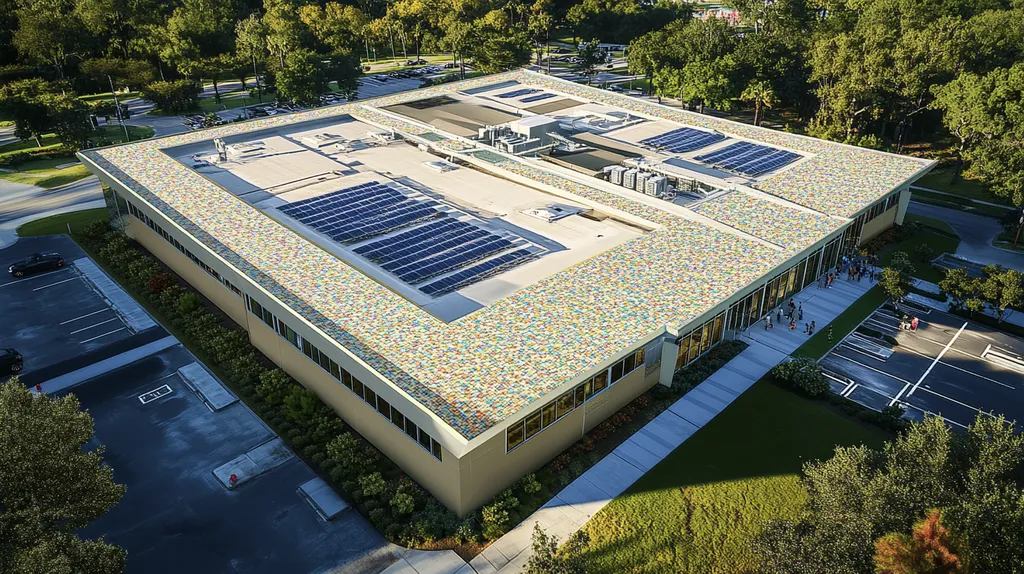
Equipping historical structures with energy-efficient systems, like solar panels or cool roofing materials, can enhance sustainability without sacrificing the building’s historical value, proving that preservation and modern efficiency can go hand in hand.

SECTION 3: KEY TERMINOLOGY DECODED
Navigating the world of historical commercial roofing without a solid grasp of the relevant terminology can feel daunting. Misunderstandings around terms can lead to costly errors or frustrating delays. For instance, confusion over the distinction between “restoration” and “replacement” can significantly affect both the budget and the scope of a roofing project. This section aims to demystify essential roofing terms, translate those industry phrases that often trip up property owners, and clarify measurement units to empower smart decision-making.
Essential Terms Explained
Getting familiar with key roofing terms lays a solid foundation for effective conversations. For instance, “historical roofing” describes the materials and techniques used in significant buildings, and understanding this helps owners make informed choices about preservation efforts and regulatory compliance. Then there’s the term “restoration,” which means fixing and preserving the existing roof rather than opting for complete replacement. This approach often safeguards the building’s historical charm while extending its lifespan.
“Flashing” is another critical term to know. This component is designed to prevent leaks at joints and edges, protecting the roof’s integrity for years to come. For historical structures, where maintaining the original look is paramount, effective flashing becomes even more essential. Lastly, terms like “substrate” and “membrane” refer to the supportive layers within a roof system. Misunderstanding these can lead to improper repairs or renovations, potentially jeopardizing the building’s future.
Industry Jargon Translated
The roofing industry is loaded with jargon that can confuse those less familiar with the trade. For example, “thermal bridging” refers to the transfer of heat through the roof, which can impair energy efficiency—an issue particularly pronounced in older buildings, making it crucial for property owners to grasp this concept for effective climate control.
Additionally, “R-value” measures thermal resistance, with a higher R-value meaning better insulation. This is crucial for maintaining pleasant indoor temperatures in historical buildings. Understanding these ratings enables owners to make savvy choices that balance environmental responsibility and cost savings.
Another key piece of jargon is “load-bearing capacity,” signifying how much weight a roof can support. Older roofing systems often require extra scrutiny to prevent structural overload. Alerting clients about this potential risk early in the planning stage can prevent larger headaches down the road.
Measurement & Units Simplified
Measurements in roofing are often expressed in square feet, which can be a source of confusion. One “square” translates to 100 square feet—a standard metric necessary for estimating roofing materials and associated costs. Grasping this unit of measurement is vital, especially when reviewing contractor proposals or determining how much material is needed.
Another important measurement is the “pitch” of the roof, noted as a ratio. For example, a pitch of 4:12 indicates that for every 12 horizontal inches, the roof rises 4 inches. Understanding roof pitch affects both drainage and material selection, making it an essential concept for property owners to comprehend.
Lastly, “gutter size” is a measurement that plays a critical role in managing water runoff effectively. Selecting the correct gutter size is essential to prevent water pooling, which can lead to significant damage over time. Clarity on these measurements empowers property owners to work more effectively with contractors.
SECTION 4: DECISION FACTORS
Choosing the right contractor for historical commercial roofing projects is a decision that cannot be taken lightly. Ignoring key factors may lead to disastrous results, compromising both the structural integrity and historical significance of the building. The financial implications of hasty choices can be staggering, as costs for repairs and restoration can escalate quickly. Grasping the nuances of cost, performance trade-offs, and lifespan durability can empower owners to make smarter decisions about their roofing needs.
Cost Considerations
When it comes to selecting a roofing contractor for historical buildings, cost is a pivotal factor. Property owners often zero in on the initial price, which can be misleading when long-term expenses are factored in. For instance, skimping on high-quality materials may save money upfront but could lead to frequent repairs and higher costs over time.
It’s crucial to ask for comprehensive estimates that break down material costs, labor, and any potential surprise expenses. This clarity helps property owners compare various contractors fairly. Keep in mind that many restoration projects qualify for grants and tax incentives, which can help alleviate some financial burdens while supporting quality work.
Investing in a reputable contractor may come with a higher sticker price, but it often leads to financial savings through better efficiency and fewer maintenance headaches in the future. Assessing initial costs against a roof’s long-term value is essential for ensuring its longevity.
Ultimately, focusing solely on immediate expenses can lead to regrettable consequences later on. Understanding the complete cost-of-ownership concept is vital for property owners to make informed choices that benefit their buildings in the long run.
Performance Trade-offs
Performance trade-offs are another crucial aspect of the decision-making process. Historical roofs demand specific materials and techniques not just for visual appeal but also for effective functionality. Compromises made during this stage can have lasting effects on both aesthetics and performance.
For example, choosing modern materials that deviate from established historical specifications might appear to be cost-saving, but it could lead to inadequate waterproofing or unsatisfactory appearances. A roof’s ability to withstand local climate conditions is essential; any performance failures can result in premature deterioration.
Property owners should also consider the contractor’s skills and expertise. A contractor who specializes in historical roofs possesses the knowledge required to balance maintaining form while ensuring optimal function. Their insights are invaluable in avoiding pitfalls that could lead to significant performance issues.
Striking a balance between performance needs and budgetary constraints is essential, but compromising historical sensitivity for short-term savings is a slippery slope. The focus should always be on achieving long-term functionality while honoring the building’s unique character.
Lifespan & Durability Factors
The lifespan and durability of roofing materials play a significant role in choosing the right contractor. Historical roofs often face unique environmental challenges, requiring specialized knowledge to address effectively. Selecting inappropriate materials can drastically shorten not just the roof’s life but that of the entire structure.
Contractors should assess local weather patterns and environmental stresses to recommend materials that are not only visually fitting but also built to last. This attention to detail assures that any repairs or replacements endure over time.
Additionally, modern synthetic alternatives designed to mimic traditional materials can enhance durability without sacrificing authenticity. These solutions offer robust performance under harsh conditions while adhering to preservation guidelines.
In summary, focusing on lifespan and durability can help prevent expensive future repairs while maintaining the historical integrity of the building. Partnering with knowledgeable contractors allows property owners to navigate these complexities adeptly and confidently.
SECTION 5: COMMON CHALLENGES
Historical commercial roofing projects come with their own set of hurdles that can seriously affect the longevity and safety of a building. Property owners must recognize that neglecting these challenges can cost them dearly—up to 30% of the building’s total value in some cases. To safeguard these invaluable structures, it’s crucial to be informed about common challenges, watch for warning signs, and implement proactive measures that keep roofs in top shape.
Frequent Problems & Solutions
Many historical roofs are crafted from exquisite materials like slate, tile, or metal, each demanding specialized care. Over the years, exposure to the elements often leads to issues like leaks, missing tiles, and decaying materials. Acting promptly is key to preventing more severe damage from escalating.
Regular inspections are an excellent first line of defense, as they allow certified roofing contractors to identify vulnerabilities that may evade typical maintenance checks. These professionals are trained to discern signs of wear and tear that the untrained eye might miss.
Another common challenge arises from inadequate drainage systems, which can result in water pooling and subsequent leaks. Upgrading these systems is essential for preserving the integrity of historical roofs and preventing costly repairs.
By establishing a proactive maintenance strategy, property owners can tackle these issues head-on, ultimately prolonging the lifespan of their roofing materials and safeguarding their investment.
Warning Signs To Watch For
Being vigilant for warning signs can prevents small issues from blossoming into costly repairs. Look out for curling or missing shingles, as they often indicate underlying problems that need immediate attention. Scheduling roof inspections at least twice a year is a proactive way to catch these problems before they escalate.
Stains or discoloration on interior ceilings are another red flag; they could signify water intrusion from the roof. These visual indicators can escalate quickly and should prompt timely investigations to mitigate further damage.
Additionally, watch for granule loss from shingles or tiles, which signifies that wear and tear could be affecting the roof’s effectiveness. Any unusual water pooling or leaks should result in an immediate assessment by a professional.
Recognizing these signs early can help property owners nip minor issues in the bud, ultimately preserving the building’s value and structural integrity.
Preventative Approaches
Establishing a preventative maintenance plan is essential for extending the life of historical roofs. Scheduling regular inspections and maintenance ensures that minor repairs are addressed before they escalate into major undertakings.
Seasonal weatherproofing can also be highly effective. Applying protective coatings will help shield historical roofing materials from moisture damage and harmful UV exposure, which can degrade materials over time.
It’s also wise to engage specialized contractors who understand the nuances of historical roofing. These experts ensure that any materials used for repairs align with preservation standards, helping to maintain the building’s character and integrity.
Investing in these preventative measures not only protects the property but also enhances its aesthetic and historical value, allowing future generations to appreciate its legacy.
SECTION 6: NEXT STEPS & RESOURCES
When it comes to historical commercial roofing projects, choosing the right path can make all the difference. Property owners face unique challenges that require specialized knowledge and care. Failing to select the appropriate contractor or neglecting vital resources could lead to costly repairs and a significant decline in the building’s heritage value. In this section, we’ll explore essential next steps that ensure a successful roofing endeavor.
Questions To Ask Providers
Before settling on a contractor for a historical roofing project, property owners should arm themselves with a list of critical questions. Start by asking about the contractor’s experience with similar projects. Their past work can provide valuable insight into their ability to handle the specific needs of historic roofs.
Next, inquire about the materials and techniques they intend to use. Authentic restoration often hinges on specialized materials that match the building’s original design. Ensuring the contractor utilizes appropriate products is crucial for preserving historical integrity.
Additionally, it’s wise to ask how the contractor plans to obtain necessary permits and adhere to local preservation guidelines. A contractor knowledgeable about these regulations can smooth the path for navigating the complexities involved in historic renovations.
Finally, don’t forget to request references or case studies from previous clients. Real experiences can yield insights into the contractor’s reliability, work quality, and dedication to excellence.
Industry Standards & Guidelines
To protect historical integrity, property owners should familiarize themselves with the industry standards that guide restoration practices. Organizations like the National Park Service and the American Institute of Architects provide invaluable guidelines specifically tailored for historic preservation.
By understanding these standards, property owners can grasp the criteria necessary for compliance. This knowledge not only makes project execution smoother but also ensures that renovations receive appropriate recognition and protection.
Additionally, it’s a great idea to engage with local preservation boards or historical societies. These groups can offer vital insights and might assist in securing necessary permits and approvals for roofing projects.
Striking the right balance between modern techniques and historical authenticity is key for success. Following these guidelines minimizes the risk of future complications and enhances the property’s enduring value.
Further Learning Simplified
Continuous education is essential for property owners eager to deepen their understanding of historical roofing. A plethora of resources is available, including online courses and webinars that focus on preservation techniques.
Local libraries and historical societies frequently offer literature that enriches knowledge surrounding the specific materials and techniques used in historic roofing.
Moreover, attending industry conferences provides networking opportunities with experts in historical preservation. Engaging with professionals in the field keeps property owners informed about the latest practices and methodologies.
By tapping into these resources, property owners can make informed decisions and develop a profound appreciation for the unique qualities of their historical properties.
The Bottom Line
With over 40% of historical commercial buildings at risk of preventable damage, the stakes couldn’t be higher for property owners seeking specialized roofing contractors.
The difference between preservation and deterioration often comes down to selecting contractors who truly understand the unique demands of historical structures.
From matching period-authentic materials to navigating preservation guidelines, these specialized experts bring essential knowledge that standard roofing contractors simply can’t match.
Property owners who invest in qualified historical roofing specialists not only protect their buildings’ heritage but also secure significant long-term cost savings through proper maintenance and restoration.
The future of our architectural heritage depends on making informed choices today – choosing the right contractor is the crucial first step in that journey.
FREQUENTLY ASKED QUESTIONS
Q. What is historical commercial roofing?
A. Historical commercial roofing refers to roofs on architecturally significant buildings, often made with unique materials. Specialized contractors understand these roofs’ specific challenges and maintenance requirements, which set them apart from traditional roofing types.
Q. When should I hire specialized contractors for my industrial roof?
A. It’s important to hire specialized contractors immediately if you notice issues like leaks or damaged materials. Additionally, they are essential during any renovation projects, ensuring compliance with historical preservation codes while maintaining the roof’s integrity.
Q. What key terms should I understand for historical commercial roofs?
A. Familiarize yourself with terms like restoration, flashing, and thermal bridging. Understanding these concepts will empower you to make informed decisions about your roofing project and avoid common pitfalls that might arise during maintenance or repair.
Q. How can I decide the right contractor for my historical roof?
A. When choosing a contractor, consider their experience with historical roofs, the materials they use, and their adherence to preservation guidelines. Asking for references and evaluating their past projects can also provide valuable insights into their reliability and expertise.
Q. What common challenges do historical commercial roofs face?
A. Common challenges include leaks, deteriorating materials, and inadequate drainage systems. Regular inspections and proactive maintenance strategies are essential for addressing these issues before they escalate into costly repairs or structural failures.
Q. What steps can I take next for my historical roof project?
A. Start by asking potential contractors critical questions about their experience and materials. Familiarize yourself with industry standards for restoration and engage local preservation boards for advice on compliance with regulations, ensuring your project respects the building’s historical integrity.
Q. How can I ensure my commercial roof is up to modern standards?
A. To meet modern standards, collaborate with contractors who blend traditional techniques with new technologies. Assess the roof’s insulation, drainage, and energy efficiency, incorporating solutions like cool roofing or solar panels to enhance both functionality and sustainability without sacrificing historical value.






