

In an era where commercial buildings face unprecedented environmental challenges, outdated roofing technology costs U.S. businesses over $3.3 billion annually in preventable repairs and energy losses. Recent studies indicate that 78% of commercial roofs fail to meet current performance standards due to aging materials and obsolete installation methods.
Emerging technologies in commercial roofing now offer solutions that can extend roof lifespan by up to 25 years while reducing energy costs by 30% or more. From smart sensors to advanced polymer membranes, these innovations are transforming how buildings perform and protect assets.
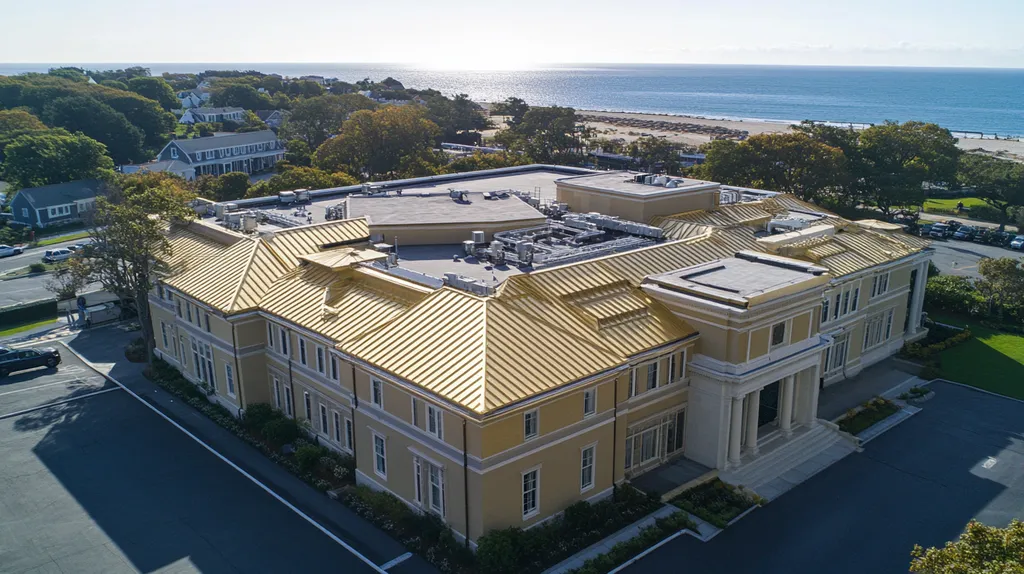
This comprehensive guide examines how modern roofing technologies integrate with historical commercial structures, exploring practical applications, cost considerations, and implementation strategies essential for property owners and facility managers.
SECTION 1: THE BASICS EXPLAINED
In the fast-paced world of commercial real estate, roofing technology is not just changing; it is essential for ensuring the long-term viability of buildings. Research indicates that approximately 80% of roofs in the U.S. are underperforming, primarily due to outdated materials and methods. With ever-increasing costs and the rising frequency of weather-related damages, it is crucial for property owners to grasp how cutting-edge solutions can significantly improve roof durability and energy efficiency. This section will clarify what these technologies entail, their importance, and the principles that underlie their effectiveness.
What It Is (In Plain Language)
New roofing technologies refer to a variety of materials and methods aimed at dramatically enhancing the performance of existing roofs. These innovations, such as reflective coatings, energy-efficient membranes, and advanced insulation materials, contribute to better stress management, reduced energy consumption, and an increased lifespan for roofs.
Sustainability sits at the heart of these advancements. Property owners are increasingly looking for options that not only safeguard their investments but also meet environmental standards. Understanding these groundbreaking solutions is essential for making informed choices about roofing upgrades.
Additionally, these technologies are designed with weather resistance and adaptability in mind. As climatic conditions grow more unpredictable, having roofs that can withstand severe weather is becoming increasingly vital.
In summary, these technological advancements represent a pivotal shift from traditional roofing practices, promising enhanced efficiency and durability for commercial properties.
Why It Matters (To Your Building)
Your roof serves as the primary shield for your building against external elements. An effective and well-maintained roof can translate into significant long-term savings for property owners. For example, modern roofing solutions can cut energy costs by as much as 30% through improved insulation and reflective properties.
Moreover, a high-performance roof can elevate a building’s overall market value. Properties featuring state-of-the-art roofs typically command higher resale prices due to their energy efficiency and lower maintenance requirements. Thus, investing in new technologies is not just about maintenance; it is a strategic financial decision.
The integration of innovative roofing systems can also enhance indoor air quality and overall comfort, directly impacting tenant satisfaction. This improved environment can lead to higher occupancy rates and tenant retention. Therefore, ensuring peak roofing performance is key to increasing the functionality and appeal of any property.
Finally, innovative roofing technologies are critical for safeguarding against moisture, leaks, and other structural issues. These advancements work to mitigate risks and prolong the lifespan of a building.
How It Works
The fundamentals of modern roofing technologies revolve around advanced materials designed to reflect heat and resist water. For instance, reflective coatings can reduce roof surface temperatures, thereby minimizing the energy requirements for cooling during the warmer months.
Insulation technology has advanced as well, using materials that decrease thermal transfer between outside temperatures and the interior of the building. This leads to enhanced energy efficiency and greater occupant comfort.
Furthermore, the inclusion of smart technologies enables real-time performance monitoring of the roof. These advanced systems can track moisture levels, identify leaks, and send alerts for maintenance needs, thus preventing minor issues from escalating into significant problems.
Together, these technologies create a more resilient and efficient roofing system, ultimately benefiting property owners by reducing operational costs and enhancing property value.
SECTION 2: PRACTICAL APPLICATIONS
In the competitive realm of commercial property management, effective roof performance is crucial for sustaining asset value. Property owners and facility managers are increasingly challenged by issues like leaks, inefficient energy use, and safety risks. The National Roofing Contractors Association reports that poor roofing choices can inflate operational costs by 10-15%. Grasping the advantages of new technologies can help avoid these costly pitfalls while bolstering roof longevity. This section delves into common applications of these technologies, optimal timing for their implementation, and their interactions with other essential building systems.
Common Uses & Examples
Innovative roofing technologies are reshaping the industry by addressing enduring challenges. Reflective roofing membranes are widely utilized in commercial buildings, significantly improving energy efficiency. These materials can lower cooling costs by up to 20%, making them an economically sound choice for facility managers.
In addition, advanced waterproofing systems, such as liquid-applied membranes, provide seamless barriers against moisture penetration. This not only prolongs roof life but also minimizes the risk of mold formation, enhancing indoor air quality.
The integration of solar panels into roofing systems is increasingly prevalent. Many facilities harness solar energy, thus generating power while maintaining structural integrity.
Moreover, cutting-edge smart sensors are emerging as vital tools in roof management. These devices continually monitor roof conditions, alerting facility managers to potential problems before they escalate into costly repairs and extended downtimes.
When You Need It Most
Recognizing the right times to adopt new roofing technologies is essential for facility managers. Key opportunities often arise during roof replacement or major repair projects, allowing for seamless integration of advanced materials.
Implementing upgrades before extreme weather events is also crucial. For example, bolstering a roof’s weather resistance ahead of winter can avert significant repair expenses due to ice accumulation and snow damage.
Additionally, conducting energy audits is an ideal time to identify inefficiencies that warrant upgraded roofing solutions. Facilities facing elevated energy bills can benefit from energy-efficient options such as reflective or insulated roofing materials.
Finally, a proactive maintenance routine often uncovers the need for modern technologies. Facilities that regularly inspect their roofs are better positioned to adopt innovations that enhance performance and lifespan.
Interactions With Other Systems
The effectiveness of roofing systems is significantly impacted by their interaction with other building components. For instance, roofs equipped with solar panels must align with the building’s electrical systems to optimize energy efficiency.
Furthermore, proper drainage systems are essential to complement modern roofing materials. By integrating effective drainage with advanced waterproofing solutions, facilities can create a holistic defense against water-related damage.
Heating, ventilation, and air conditioning (HVAC) systems also rely heavily on roof performance. Insulated roofs contribute to HVAC efficiency, thus lowering energy consumption while improving indoor comfort levels.
Ensuring that roofing systems work in harmony with these critical components is not merely beneficial; it is crucial for achieving peak performance and energy efficiency across the entire facility.

SECTION 3: KEY TERMINOLOGY DECODED
Comprehending roofing terminology is essential for property owners and facility managers facing important decisions about roof performance. As advancements in roofing technology emerge, the terminology can seem complicated and daunting. By understanding key terms, stakeholders can make informed assessments and ensure the longevity of roof systems. This section clarifies essential vocabulary, breaking it down into straightforward definitions.
Essential Terms Explained
Peel-and-stick membranes offer a modern roofing solution that streamlines installation and boosts waterproofing efficacy. These self-adhering products bond directly to the roof substrate, which reduces both labor costs and installation time. Their straightforward application helps prevent leaks, making them integral to high-performance roofing strategies.
Energy Star-rated materials are designed to reflect sunlight, potentially lowering cooling costs. Property managers can optimize energy efficiency by selecting roofing systems that are certified for their thermal performance. This choice supports sustainability goals while also enhancing a building’s market value.
Green roofs, or living roofs, incorporate vegetation into roofing systems. These installations improve insulation and decrease stormwater runoff, contributing positively to urban environments. Understanding the maintenance and installation processes for green roofs is critical for ensuring their long-term performance and eco-friendliness.
Reflective coatings enhance existing rooftops by adding an extra layer of protection against harmful UV rays. These coatings can significantly lengthen a roof’s lifespan by preventing degradation. Knowing the proper application techniques and timings can lead to major cost savings throughout a roof’s life cycle.
Industry Jargon Translated
In the world of roofing, terms like “R-value” are crucial. This measurement signifies thermal resistance, revealing how effectively a roofing system insulates a building. Higher R-values correlate with better insulation, which can greatly influence overall energy efficiency metrics.
Another significant term is “weathering,” which describes a roof’s capacity to endure adverse elements such as rain, wind, and UV radiation. Gaining an understanding of weathering is essential for making informed decisions regarding materials for various climates and applications.
The term “ply” pertains to the layers within a membrane roofing system. Each additional ply enhances durability, making it essential to comprehend how differing ply counts can impact overall performance and longevity.
“Thermal bridging” refers to the heat transfer that occurs through solid structural elements, potentially leading to energy losses. Acknowledging this concept helps property managers select materials designed to minimize heat loss, ultimately leading to reduced energy expenditures.
Measurement & Units Simplified
Grasping roofing measurements is vital for precise evaluations. The predominant unit of measurement is square footage, signifying the area that roofing materials will cover. Accurate measurements assure the correct quantity of materials is ordered, thus avoiding waste or shortages.
Another critical measurement is the “slope,” which defines the angle of the roof. This factor influences water runoff properties and helps determine the suitability of various materials for specific roofing systems. Mastering how to calculate and recognize slope can prevent water accumulation and leaks.
Roofing warranties frequently reference “mil,” which indicates the thickness of roofing membranes. One mil equates to one-thousandth of an inch, and often, thicker membranes promise longer-lasting protection. Familiarity with this term empowers property owners to select products that can endure time and diverse environmental factors.
Lastly, understanding UV resistance ratings is key for choosing roofing materials adept at withstanding harsh sunlight. These ratings are typically denoted as a numerical index, representing a product’s expected lifespan under UV exposure. This knowledge is instrumental in making smart long-term investments in roof durability.
SECTION 4: DECISION FACTORS
When commercial and industrial property owners consider new roofing technologies, the decisions made can significantly impact their investment. The stakes are high: a suboptimal roofing choice can lead to leaks, increased energy bills, and expensive repairs. To maximize the performance of roof systems, it’s essential to evaluate key decision factors such as costs, performance trade-offs, and durability. This section will guide property owners through these critical areas as they make informed roofing decisions.
Cost Considerations
The initial costs associated with roofing systems can vary widely. While traditional materials may seem more affordable initially, modern solutions such as cool roofs or advanced membrane systems are often more cost-effective over time. Property owners should take a close look at the total cost of ownership, factoring in installation, maintenance, and ongoing energy expenses.
Energy-efficient technologies can significantly reduce utility costs. For example, reflective roofing materials are designed to lower building temperatures, thus decreasing energy consumption and leading to lower monthly energy bills.
Financial incentives can also play a crucial role in roofing decisions. Knowing about available rebates and financing options can help mitigate initial expenditures for advanced roofing systems. Utilizing external funding sources may render more high-tech solutions financially viable.
Ultimately, cost assessment should encompass more than just upfront expenditures; it should prioritize long-term value. Investing in the right roofing system can yield substantial operational savings and enhance overall property value.
Performance Trade-offs
Adopting new roofing technologies often involves complex performance trade-offs. Property owners must carefully weigh the advantages of high-performance materials against their potential disadvantages. While modern systems may promise improved durability, they might also have specific installation requirements that complicate the process.
Weather resistance is another critical component in this balance. Certain advanced roofing materials are engineered to perform excellently in challenging weather, reducing long-term maintenance needs. For instance, thermoplastic polyolefin (TPO) roofs are noted for their exceptional UV resistance and durability, ensuring that roofs last longer under stress.
Moreover, energy efficiency influences these performance considerations. Some roofing systems provide substantial cooling cost reductions but may necessitate specific insulation types or methods during application, complicating installation efforts.
In summary, understanding the interactions between new roofing technologies and the building’s environment is essential. A thoughtful approach to these trade-offs can enhance roof performance, ultimately contributing to the property’s efficiency and sustainability.
Lifespan & Durability Factors
The lifespan and durability of roofing systems are among the most critical decision factors. Advanced materials frequently outlast traditional options, offering enduring performance. For example, epoxy coatings not only seal leaks but also protect against degradation, effectively extending the lifespan of roofs.
Examining the manufacturer’s warranty is equally vital, as it reveals the expected durability of the roofing system. A strong warranty reflects confidence in the product, potentially reducing future repair and replacement costs.
Additionally, environmental factors must be considered when selecting roofing materials. Properties located in regions prone to harsh weather may benefit from reinforced membranes specifically designed to withstand challenging conditions.
Lastly, proper installation and ongoing maintenance are paramount in maximizing a roof’s lifespan. Engaging certified professionals ensures that cutting-edge roofing technologies are applied correctly, thus extending their beneficial impact and performance longevity.
SECTION 5: COMMON CHALLENGES
Commercial roofing systems face a plethora of challenges that threaten their longevity and effectiveness. Alarmingly, a substantial percentage of flat roofs experience leaks within the first few years due to inadequate installation or lack of proper maintenance. Recognizing these challenges is vital for property owners and facility managers who seek to enhance roof durability and performance. This section outlines frequent problems, warning signs to be vigilant for, and preventative strategies to mitigate risks.
Frequent Problems & Solutions
Ponding water is a prevalent issue in commercial roofing, leading to membrane deterioration and potential leaks. This situation commonly results from poor drainage or improperly maintained sloped surfaces. To combat this, establishing a routine inspection schedule can help identify and resolve drainage issues promptly, preventing water buildup.
Moreover, blisters and cracks in the roofing membrane are frequent due to thermal expansion and contraction. These defects can severely compromise the waterproofing capabilities of the roof. Utilizing advanced materials like thermoplastic membranes enhances flexibility, thereby reducing the risk of such damage.
Another significant challenge is the deterioration of flashings around roof penetrations. Infiltration at these areas can result in substantial structural issues. By installing durable and modern flashing materials, property managers can effectively prevent leaks and extend the lifespan of their roofs.
A proactive approach to these common roofing challenges not only minimizes potential risks but also saves property owners time and money. Embracing innovative roofing solutions is crucial in safeguarding investments.
Warning Signs To Watch For
Property managers must remain vigilant for key warning signs that could indicate developing roof problems. One critical indicator is water stains on ceilings or walls, signaling possible leaks. Timely detection is crucial in avoiding extensive damages and interruptions to business operations.
Another alarming sign is the presence of mold or mildew, typically found in dark, moist areas. This not only raises health concerns but also suggests underlying roof issues. Regular inspections can catch such signs early, allowing for effective remediation.
Visible membrane damage, such as tears or punctures, serves as a clear warning that the roof’s integrity may be compromised. Promptly addressing these visible issues allows for immediate repairs, mitigating the risk of more severe complications later on.
Additionally, a notable increase in energy bills may indicate inefficiencies in insulation or roofing materials. Monitoring energy usage can help identify when a roof is not functioning optimally, prompting further evaluation and intervention.
Preventative Approaches
Implementing preventative measures can significantly boost roof performance and durability. Regular maintenance, which should include periodic inspections and cleaning, is essential for identifying minor issues before they escalate into major problems. Establishing a comprehensive maintenance schedule is vital for all commercial property owners.
Investing in advanced technologies, such as thermal imaging, can also be beneficial. This technology helps detect hidden leaks and thermal inefficiencies within the roofing system, enabling proactive management that reduces downtime and repair costs.
Utilizing innovative roofing materials designed to withstand environmental stressors further enhances durability. High-performance options, like cool roofs or reflective coatings, not only improve energy efficiency but also protect against various forms of damage.
Finally, equipping staff with basic roofing knowledge empowers facility managers to quickly identify warning signs and take appropriate actions. Educated teams contribute significantly to protecting investments and ensuring optimal roofing performance.
SECTION 6: NEXT STEPS & RESOURCES
Maintaining commercial roofs is a significant responsibility that directly affects operational costs and building integrity. A recent study indicates that roofs assessed or installed improperly can result in energy costs escalating by as much as 30%. Therefore, property owners and facility managers must engage with this issue seriously, asking informed questions, staying updated on industry standards, and pursuing ongoing educational opportunities. This section outlines essential steps to support effective decision-making in roofing technology applications.
Questions To Ask Providers
Selecting a roofing provider requires careful consideration, particularly concerning their familiarity with advanced technologies. Property owners should inquire about their experience with modern materials, such as reflective coatings or insulated membranes, which can significantly boost roof performance and energy efficiency.
It is also important to understand their methods for assessing existing roof conditions and the technologies they deploy for evaluations and installations. A competent provider should articulate their warranty options and how these align with industry standards.
Don’t hesitate to discuss timelines and comprehensive maintenance plans. Gaining insight into these aspects can clarify cost implications and help formulate a more strategic roofing project plan.
Lastly, request references and case studies that illustrate past successes with new technologies. Being well-informed at the outset ensures better long-term outcomes.
Industry Standards & Guidelines
Understanding industry standards is vital for making informed roofing choices. Organizations like ASTM International and the National Roofing Contractors Association (NRCA) offer guidelines that delineate best practices for roofing installations and material selections.
Adhering to these guidelines enhances compliance and can lead to improved roof durability and energy efficiency. It is crucial to keep abreast of any amendments to these standards, particularly as sustainability continues to gain precedence within the industry.
Moreover, verifying local codes and regulations can also influence roofing projects. Aligning these obligations with environmental initiatives provides valuable opportunities for enhancing project outcomes.
A regular review of these standards not only boosts safety but aids in making data-driven decisions concerning the adoption of roofing technologies.
Further Learning Simplified
Ongoing education is essential for grasping the rapidly evolving landscape of roofing technologies. Numerous online resources, including webinars and industry associations, deliver insights tailored to commercial property stakeholders.
Websites of organizations such as NRCA and the Roofing Contractors Association frequently provide training materials and articles focusing on the latest advancements in roofing technology.
Subscribing to industry journals that feature updates and case studies on innovative materials and techniques can significantly aid in informed decision-making.
Networking with industry peers through conferences and trade shows also opens avenues for practical knowledge and trending topics impacting roof performance. Informed property owners are better positioned to implement effective solutions, thus maximizing long-term value.
Looking Ahead
With aging commercial roofs costing businesses billions annually in preventable damage, the integration of new technologies is no longer optional – it’s imperative for survival.
Research demonstrates that buildings implementing modern roofing solutions see up to 30% reduction in energy costs and a 25-year extension in roof lifespan.
From smart sensors to advanced polymer membranes, these innovations are transforming how historical commercial structures perform and protect valuable assets.
The future of commercial roofing lies in the strategic adoption of these technologies, supported by proper maintenance protocols and ongoing education.
Property owners who embrace these advancements position themselves to significantly reduce operational costs while enhancing building value and sustainability for decades to come.
FREQUENTLY ASKED QUESTIONS
Q. What are the new technologies in commercial roofing?
A. New technologies in commercial roofing include reflective coatings, energy-efficient membranes, and advanced insulation. These innovations enhance stress management, reduce energy consumption, and extend the lifespan of roofs. Such technologies also focus on sustainability, meeting environmental standards and adapting to unpredictable weather conditions.
Q. How do modern commercial roofs improve energy efficiency?
A. Modern commercial roofs improve energy efficiency through materials like reflective membranes, lowering cooling costs. These solutions minimize energy consumption by reducing heat absorption and enhance insulation, contributing to a more comfortable indoor environment. The integration of these technologies also promotes sustainability in commercial real estate.
Q. What should I know about industrial roof installation?
A. Industrial roof installation requires understanding advanced materials and applications that enhance durability. Proper assessment of existing roof conditions is vital to identify the most effective materials. Additionally, certified professionals must handle installations to ensure compliance with industry standards and optimize long-term performance.
Q. What factors affect the durability of a commercial roof?
A. Factors affecting the durability of a commercial roof include material quality, installation techniques, and environmental conditions. Extreme weather can exacerbate wear and tear, while regular maintenance ensures early issue identification. The roof’s design, including drainage systems, is also crucial for preventing structural damage.
Q. How can I identify problems with my commercial roof?
A. Identifying problems with a commercial roof involves observing warning signs like water stains, mold, and visible membrane damage. Regular inspections can uncover these issues early, preventing extensive damage. Monitoring energy bills for unexpected increases can also indicate inefficiencies affecting roof performance.
Q. What questions should I ask roofing contractors?
A. When interviewing roofing contractors, inquire about their experience with modern materials and installation methods. Ask for their evaluation processes, warranty offerings, and maintenance plans. Additionally, request references or case studies that highlight their previous successes. This information ensures a well-informed decision for your project.
Q. How can I stay updated on roofing technology trends?
A. Staying updated on roofing technology trends involves subscribing to industry journals and attending conferences. Online webinars and resources from organizations like the NRCA offer valuable insights. Networking with peers can also provide practical knowledge about innovations in roofing technologies and best practices.






