
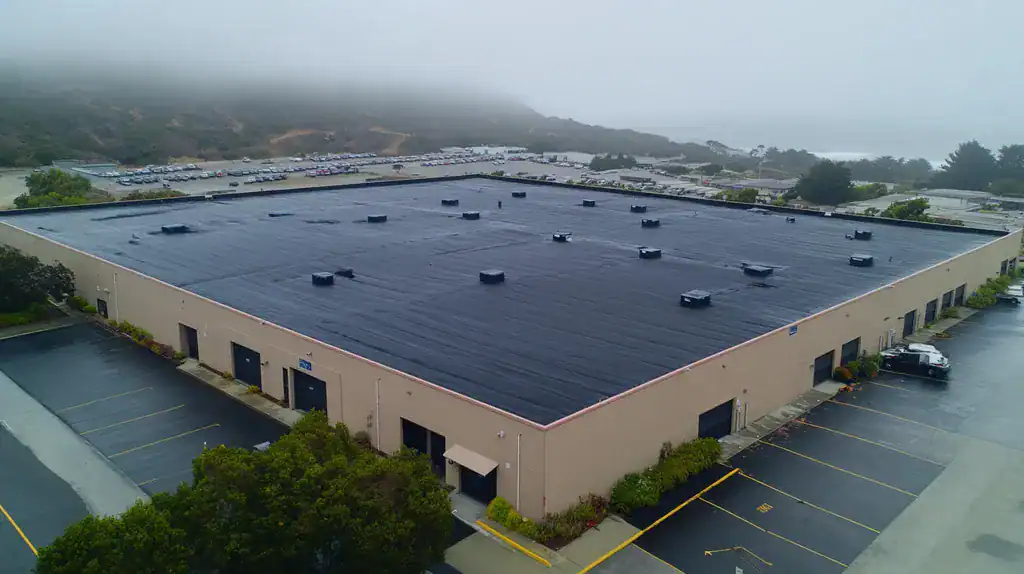
Commercial roof installations disrupt 65% of business operations, with the average project delay costing facilities $27,000 in lost productivity and potential damage. These disruptions often cascade into broader issues affecting tenant satisfaction, building protection, and operational continuity.
From weather delays and material shortages to coordination failures, understanding how to prevent and manage installation challenges has become crucial for protecting valuable property investments.
This comprehensive guide examines proven strategies for maintaining control during challenging installations while safeguarding business operations and building integrity.
SECTION 1: THE BASICS EXPLAINED
Commercial roof installation disruptions can severely impact business operations, property value, and tenant satisfaction. When mismanaged, these projects often extend weeks beyond schedule, leading to water damage, increased energy costs, and business interruptions that can cost tens of thousands of dollars. Understanding how to prevent and manage these disruptions is crucial for protecting both your building investment and business operations.
What It Is (In Plain Language)
A roofing disruption occurs when unexpected events or poor planning interfere with the normal installation process. These can range from weather delays and material shortages to contractor scheduling conflicts and structural complications discovered mid-project.
Common disruptions include extended periods with temporary weatherproofing, noise that disturbs tenants, restricted access to parking or loading docks, and HVAC system shutdowns. These issues directly impact daily business operations and tenant comfort.
The scope of disruption varies based on building size, roof complexity, and whether the building remains occupied during installation. Even minor delays can create significant ripple effects throughout the project timeline.
Proper installation management requires coordinating multiple elements: worker access, material staging, debris removal, and weather protection – all while maintaining building security and operations.
Why It Matters (To Your Building)
The quality of roof installation directly impacts your building’s long-term performance and durability. Proper installation by qualified contractors using tested roofing products is essential for protecting against severe weather events and preventing premature system failure. (source: Insurance Institute for Business & Home Safety)
Poor installation management often leads to rushed work and cut corners, resulting in decreased roof lifespan and increased maintenance costs. These issues typically surface months or years later through leaks, energy loss, and premature aging.
Installation disruptions can also strain tenant relationships and trigger early lease terminations. When projects drag on, the resulting noise, dust, and access restrictions may drive away customers and reduce property value.
Building insurance costs may increase if installation problems compromise the roof’s protective capabilities or create additional risk factors.
How It Works
Effective disruption management starts with detailed pre-installation planning. This includes creating realistic timelines, identifying potential bottlenecks, and establishing clear communication protocols between property managers, contractors, and tenants.
The installation process requires careful sequencing of activities to minimize exposure to weather and maintain building operations. Each phase must account for material delivery, equipment positioning, and worker access while protecting occupant safety.
Weather monitoring and response plans are essential, as unexpected conditions can force work stoppages. Having backup suppliers and alternate work schedules helps maintain progress when disruptions occur.
Success depends on maintaining strong quality control throughout the project. Regular inspections catch problems early, while documented procedures ensure consistent execution even when schedules shift.
Project closeout procedures should verify all work meets specifications before removing temporary protections or declaring the installation complete.
SECTION 2: PRACTICAL APPLICATIONS
Commercial roof installation disruptions can devastate building operations and financial performance. Industry data shows that poorly managed installations typically extend 40-60% beyond scheduled completion times, while increasing project costs by 25-35%. Understanding practical strategies for managing these disruptions has become essential as buildings grow more complex and weather patterns become more unpredictable. This section examines proven approaches for maintaining control during challenging installations.
Common Uses & Examples
Modern disruption management starts with comprehensive pre-installation surveys using advanced imaging and moisture detection. These technologies can identify potential complications before work begins, allowing teams to develop targeted solutions.
Digital project management platforms now enable real-time coordination between contractors, suppliers, and facility managers. These systems track material deliveries, worker scheduling, and weather conditions to prevent workflow bottlenecks.
Many facilities implement phased installation approaches, dividing large projects into manageable sections. This strategy maintains building operations while limiting exposure to weather events and other disruptions.
Successful installations often utilize temporary protection systems like mobile canopies and sealed barriers. These solutions maintain business operations while protecting exposed areas from environmental damage.
When You Need It Most
Disruption management becomes critical during emergency repairs when weather damage compromises building integrity. Having established protocols helps teams respond quickly while maintaining quality standards.
The proper selection of qualified, licensed contractors is essential for preventing installation disruptions and maintaining building protection. Insurance Institute for Business & Home Safety guidelines emphasize thorough contractor vetting and weather planning to ensure reliable performance. (source: Insurance Institute for Business & Home Safety)
Peak construction seasons often create resource constraints that can delay projects. Advanced planning and material procurement help avoid shortages and price increases during these high-demand periods.
Multi-tenant buildings require extra attention during roof replacement to maintain occupant satisfaction. Carefully scheduled work phases minimize noise and disruption while keeping tenants informed of progress.
Interactions With Other Systems
Roofing projects significantly impact building envelope performance. Proper integration with wall systems, flashings, and penetrations prevents air and water infiltration that could compromise interior conditions.
HVAC operations require careful coordination during installation. Equipment access, ductwork protection, and air intake management help maintain indoor air quality and comfort levels.
Lightning protection and electrical systems must be properly maintained throughout the installation process. Temporary disconnection and reconnection procedures protect both workers and equipment.
Building security systems often require modification during roof work. Access control, surveillance coverage, and emergency response capabilities must remain functional while accommodating construction activities.
SECTION 3: KEY TERMINOLOGY DECODED
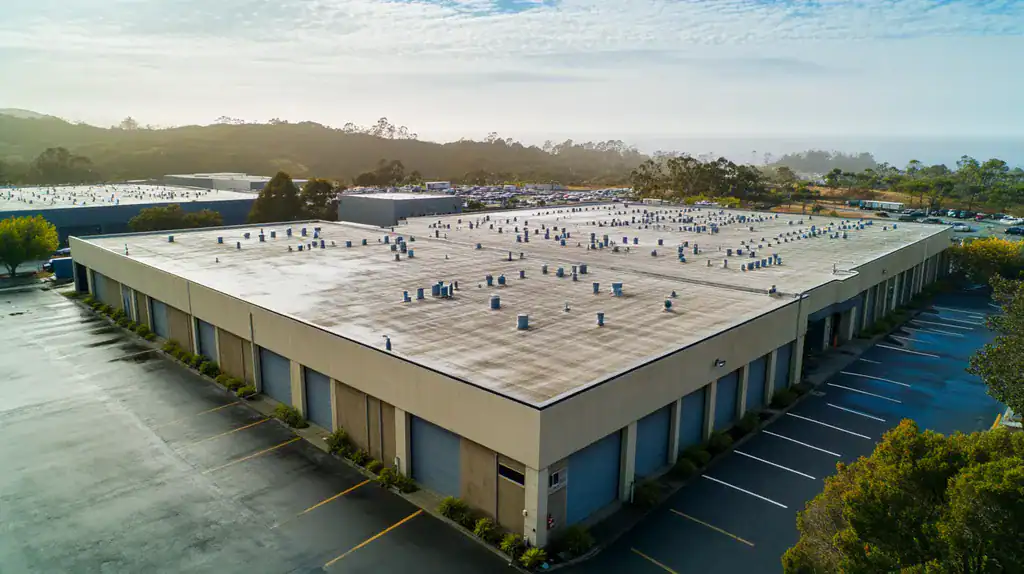
Misunderstanding roofing terminology leads to costly installation errors and project delays that impact building performance. Studies show that terminology confusion accounts for 30% of commercial roofing project complications, with the average miscommunication adding $15,000-25,000 to project costs. Clear comprehension of industry terms, measurements, and specifications provides the foundation for successful installations and helps prevent expensive mistakes.
Essential Terms Explained
The roof membrane serves as your building’s primary weather barrier, protecting against rain, snow, and UV exposure. Understanding membrane types and their specific applications helps ensure proper material selection for your climate and building requirements.
Proper flashing details are critical for sealing roof penetrations, transitions, and terminations. These components represent the most vulnerable areas of any roofing system and require careful attention during specification and installation.
Roof assemblies contain multiple integrated layers that work together as a system. The deck provides structural support, while insulation manages thermal performance and the cover board protects underlying materials.
The roof is a building’s first line of defense against natural hazards, making proper material selection and installation essential for long-term performance. Clear communication about these components helps ensure appropriate choices for your specific building needs. (source: Insurance Institute for Business & Home Safety)
Industry Jargon Translated
Single-ply membranes include TPO (Thermoplastic Polyolefin), EPDM (Ethylene Propylene Diene Monomer), and PVC (Polyvinyl Chloride). Each material offers distinct advantages for different building types and environmental conditions.
Built-up roofing (BUR) systems use multiple layers of reinforcing felts and bitumen. Understanding these traditional systems helps when evaluating replacement options for older buildings.
Modified bitumen membranes incorporate rubber or plastic compounds to enhance performance. APP (Atactic Polypropylene) and SBS (Styrene-Butadiene-Styrene) modifications provide different installation and performance characteristics.
Cool roofing refers to materials engineered to reflect solar radiation and reduce heat absorption. These systems can significantly impact building energy efficiency and comfort.
Measurement & Units Simplified
Roof area measurements use “squares” as the standard unit, with one square equaling 100 square feet. This terminology helps standardize material quantities and cost estimates across projects.
Slope or pitch describes roof steepness, expressed as rise over run (e.g., 4:12). Understanding slope requirements ensures proper drainage and material compatibility.
R-value measures insulation effectiveness, with higher numbers indicating better thermal resistance. Local building codes typically specify minimum R-values based on climate zone and building type.
Wind uplift ratings indicate a roof system’s resistance to negative pressure forces. These ratings must match local building code requirements and site-specific conditions to ensure proper performance.
SECTION 4: DECISION FACTORS
Commercial roof installation decisions directly impact building performance, tenant satisfaction, and long-term operational costs. Research shows that poor material choices and inadequate planning lead to 40% higher maintenance expenses within the first five years. Making informed decisions about costs, performance requirements, and durability factors can prevent costly disruptions while ensuring optimal building protection. Understanding these critical factors helps property owners navigate complex choices and achieve successful installations.
Cost Considerations
Initial installation costs typically represent only 25-30% of a roof’s total lifecycle expense. Understanding this broader financial context helps property owners make decisions that optimize long-term value rather than focusing solely on upfront savings.
Material quality significantly influences both installation complexity and future maintenance requirements. Premium materials often install faster and with fewer complications, potentially offsetting their higher purchase price through reduced labor costs.
Managing tenant disruption during installation directly impacts property revenue. Strategic material staging and efficient installation scheduling can minimize business interruptions while maintaining building operations.
Proper material storage and handling procedures during installation prevent damage that could void warranties or require costly replacements. Designating specific areas for equipment and materials helps maintain tenant access while protecting new roofing components. (source: IKO)
Performance Trade-offs
System performance requirements vary significantly based on building use, location, and climate conditions. High-traffic roofs need enhanced puncture resistance, while facilities with sensitive operations may require low-VOC materials and quieter installation methods.
Energy efficiency improvements often justify higher material costs through reduced HVAC expenses. Cool roofing systems can lower peak cooling demands by 15-25% in warm climates.
Wind resistance capabilities must match local weather patterns and building exposure. Higher-grade materials provide better protection against severe weather but may require specialized installation techniques.
Sound transmission control becomes crucial for occupied buildings during installation. Selecting appropriate materials and installation methods helps maintain tenant comfort without compromising system performance.
Lifespan & Durability Factors
Expected service life varies dramatically between roofing systems, ranging from 15 to 40 years under optimal conditions. Understanding these differences helps align material selection with building ownership plans and budget cycles.
Installation quality directly impacts system longevity. Proper detailing around penetrations, adequate drainage provisions, and correct membrane attachment prevent premature aging and failure.
Environmental exposure affects material degradation rates. UV resistance, chemical compatibility, and thermal cycling tolerance must match site-specific conditions to achieve projected lifespans.
Maintenance requirements influence long-term durability. Systems requiring minimal upkeep often prove more cost-effective, even with higher initial costs, by reducing ongoing inspection and repair expenses.
SECTION 5: COMMON CHALLENGES
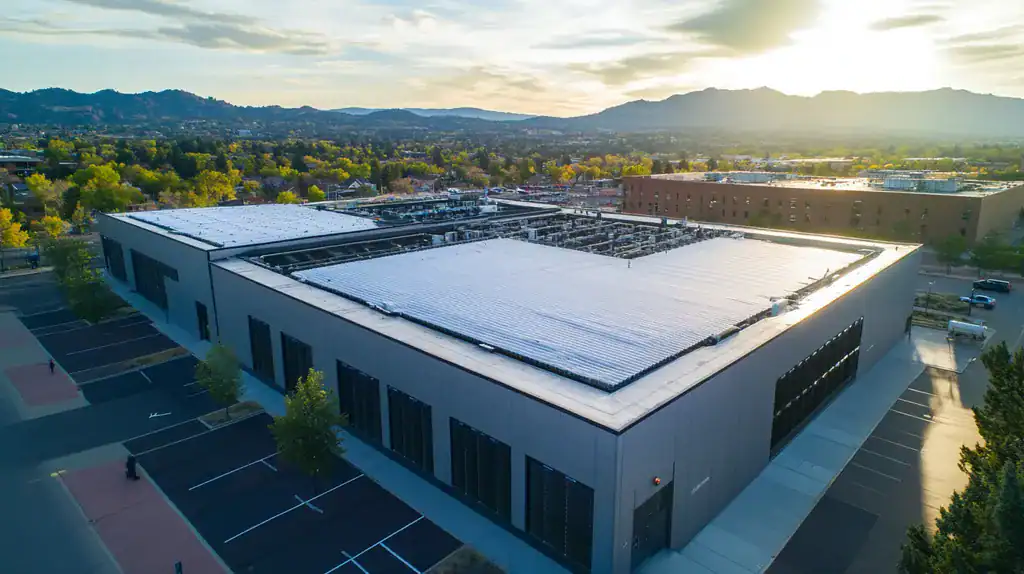
Commercial roof installations face increasingly complex challenges that can derail even well-planned projects. Industry data shows that 65% of installations experience significant disruptions, with the average delay adding 3-4 weeks to completion times. These setbacks often cascade into broader operational impacts, affecting everything from tenant satisfaction to building protection. Understanding and preparing for common challenges has become essential for maintaining project control and protecting investment value.
Frequent Problems & Solutions
Weather disruptions represent the most common installation challenge, accounting for nearly 40% of project delays. Strategic scheduling and having flexible backup plans helps teams adapt to changing conditions while maintaining progress.
Material shortages and supply chain issues frequently derail project timelines. Establishing relationships with multiple suppliers and maintaining buffer inventories helps prevent critical delays.
Labor availability increasingly impacts installation quality and timing. Working with established contractors who maintain dedicated crews helps ensure consistent staffing throughout the project.
Access restrictions and staging limitations can severely impact workflow efficiency. Careful coordination of material delivery and equipment positioning minimizes conflicts while maintaining building operations.
Tenant activities often conflict with installation work, creating unexpected delays. Designating specific areas for equipment and materials while maintaining clear access paths helps reduce business disruptions and tenant complaints. (source: IKO Roofing)
Warning Signs To Watch For
Schedule compression early in the project often indicates underlying problems. When contractors start rushing to catch up, quality typically suffers and mistakes multiply.
Poor site organization and material handling practices frequently signal deeper management issues. Maintaining organized staging areas and protecting materials prevents damage and delays.
Communication breakdowns between project teams create coordination problems. Regular progress meetings and clear documentation help prevent misunderstandings that impact schedules.
Incomplete or rushed quality control inspections often precede significant problems. Maintaining rigorous inspection protocols catches issues before they affect other project phases.
Changes in crew composition or supervision can disrupt workflow continuity. Monitoring team stability helps maintain consistent quality and efficient operations.
Preventative Approaches
Detailed pre-installation planning remains the most effective way to prevent disruptions. Identifying potential problems and developing mitigation strategies keeps projects on track.
Weather monitoring and response protocols help teams anticipate and manage environmental challenges. Having clear triggers for work stoppages protects both workers and building components.
Material management systems prevent inventory shortages while protecting components from damage. Proper storage and handling procedures maintain material quality throughout installation.
Quality control programs catch problems early when corrections are easier and less costly. Regular inspections verify proper installation techniques and maintain system integrity.
Clear communication protocols between all stakeholders help prevent misunderstandings and delays. Establishing single points of contact streamlines decision-making and problem resolution.
SECTION 6: NEXT STEPS & RESOURCES
Successfully managing commercial roof installations requires careful preparation and access to reliable resources. Industry data shows that properties with well-documented installation plans and vetted contractors experience 40% fewer disruptions and complete projects an average of 12 days faster. Understanding how to evaluate providers, navigate industry standards, and leverage learning resources helps ensure successful project outcomes while protecting valuable building assets.
Questions To Ask Providers
Start by requesting detailed documentation of the contractor’s license, insurance coverage, and safety protocols. This information validates their qualifications and protects your property from liability during installation.
Ask for specific examples of similar projects completed within the last 24 months. Focus on buildings with comparable size, complexity, and occupancy patterns to ensure relevant experience.
Request a detailed project timeline that includes material lead times, crew scheduling, and contingency planning. Understanding these elements helps identify potential bottlenecks before work begins.
Discuss communication protocols and reporting structures. Clear chains of command and documented update procedures prevent information gaps that could delay critical decisions.
The roof serves as your building’s first line of defense against natural hazards, making proper contractor selection essential for long-term performance and protection. (source: Insurance Institute for Business & Home Safety)
Industry Standards & Guidelines
Review current building codes and compliance requirements specific to your location. These regulations establish minimum performance standards for materials and installation methods.
Understand warranty requirements and documentation needs. Many manufacturers require specific installation procedures and certified contractors to maintain coverage validity.
Familiarize yourself with ASTM testing standards for roofing materials. These benchmarks help verify product quality and compatibility with your building requirements.
Consider FM Global and UL requirements if your insurance carrier mandates specific ratings. These standards often influence material selection and installation details.
Further Learning Simplified
Access online training modules focused on installation oversight and quality control. These resources help property managers identify potential issues before they impact project timelines.
Review case studies of similar installations to understand common challenges and successful solutions. Learning from others’ experiences helps prevent repeated mistakes.
Join professional organizations that provide continued education and technical updates. These connections offer valuable networking opportunities and access to emerging best practices.
Maintain a resource library of manufacturer specifications and installation guides. Having these references readily available speeds decision-making during critical project phases.
The Bottom Line
With commercial roof installation disruptions costing facilities an average of $27,000 per delay, implementing proper management strategies has become essential for protecting property investments and business operations.
Successful installations require careful coordination between weather monitoring, material staging, crew scheduling, and tenant communication protocols.
Properties that develop comprehensive disruption management plans experience 40% fewer setbacks and complete projects nearly two weeks faster than those relying on reactive approaches.
By understanding common challenges, implementing preventative measures, and maintaining clear communication channels, facility managers can significantly reduce installation risks while ensuring optimal roof system performance.
The future of commercial roofing depends on proactive planning and strong quality control to protect increasingly complex building operations.
FREQUENTLY ASKED QUESTIONS
Q. What causes disruptions during commercial roof installation?
A. Disruptions can arise from weather delays, material shortages, or contractor scheduling conflicts. Additionally, unforeseen structural issues that appear mid-project can also hinder timely completion.
Q. How can I prevent disruptions in my industrial roof project?
A. Effective pre-installation planning, including detailed scheduling and communication protocols, can greatly help. Utilizing technology for real-time tracking of materials and scheduling also enhances project control, minimizing potential disruptions.
Q. What key terms should I understand for commercial roof projects?
A. Familiarize yourself with terms like roof membrane, flashing, and roof assemblies. Understanding these components and their functions is crucial for making informed decisions and minimizing installation errors.
Q. What factors influence decisions for commercial roof installations?
A. Key factors include initial costs, expected lifespan, and performance requirements. Understanding these elements helps ensure optimal decisions that align with building usage and long-term financial goals.
Q. What common challenges do commercial roof installations face?
A. Frequent challenges include weather disruptions, material shortages, and access limitations. Proactively identifying and addressing these issues can reduce the risk of significant project delays.
Q. How do I evaluate contractors for commercial roof installation?
A. Ask for documentation of their qualifications, recent project examples, and specific project timelines. Ensure they have clear communication protocols to maintain transparency throughout the installation process.
Q. What roofing options are suitable for energy efficiency in commercial roofs?
A. Cool roofing materials, such as reflective TPO or EPDM, are great options. These systems reduce energy usage by reflecting sunlight, which can significantly decrease cooling costs in warm climates.






