

With commercial buildings accounting for nearly 35% of U.S. energy consumption, the choice of roofing system has never been more critical for property managers and building owners.
Misconceptions about sustainable roofing options continue to drive decisions that result in higher operational costs and environmental impact.
This comprehensive analysis examines the realities of sustainable commercial roofing, from energy efficiency metrics to long-term cost implications, providing property managers with evidence-based recommendations for optimal roofing solutions.
SECTION 1: COMMON MISCONCEPTIONS
As sustainability emerges as a top priority in commercial real estate, several misconceptions about sustainable roofing continue to cloud judgment. Many property managers mistakenly believe that sustainable roofs are prohibitively expensive. Others think that green roofing options are only for modern, new constructions. A clear understanding of these myths can empower property owners to make decisions that not only enhance environmental stewardship but also protect their financial interests.
Myth: Sustainable Roofs Are Too Expensive
One of the most common myths about sustainable roofing is the belief that these options come with a hefty financial burden. In reality, investing in sustainable roofing can yield substantial savings over its lifespan. For example, energy-efficient roofs have been shown to substantially reduce heating and cooling costs, providing a return on investment that can compensate for initial installation expenses.
Additionally, modern sustainable materials often come with extended warranties and lower maintenance needs. Property managers might be surprised to discover that the total cost of ownership for sustainable roofs can actually be lower than traditional alternatives. By increasing property value and attracting environmentally conscious tenants, a sustainable roof becomes a strategic investment.
Choosing to overlook sustainable roofing options based on perceived high costs can result in increased long-term expenses, such as rising energy bills and potential regulatory fines. Property owners who consider long-term financial benefits are better equipped to make informed choices.
Ultimately, the misconception that sustainable roofs are prohibitively expensive overlooks their potential as a wise investment strategy.
Misconception: Green Roofs Are Only for New Buildings
Another widespread misconception is that green roofs can only be installed on new construction. In fact, existing buildings can also take advantage of green roofing technologies. Retrofitting current structures provides property owners with the opportunity to convert their rooftops into productive green spaces.
Many municipalities offer incentives and regulations to promote green roofs, regardless of the building’s age. This commitment to sustainability can enhance the surrounding community and environment. For example, a well-designed green roof can manage stormwater efficiently, reduce urban heat, and improve insulation—benefits that apply to both old and new buildings.
Facility managers should recognize that incorporating green roofs can enhance both the aesthetic appeal and functionality of their properties, making them more attractive to prospective tenants. Through careful planning, older buildings can be retrofitted with green roofs, maximizing sustainability and building performance.
By dismantling this myth, property managers can unlock the untapped potential of existing assets to achieve sustainability goals. Sustainable solutions definitely extend beyond new builds; they can rejuvenate longstanding structures.
Belief: Energy-Efficient Roofs Require Constant Maintenance
A common belief among property managers is that energy-efficient roofs demand extensive maintenance. While it is true that all roofing systems require some level of upkeep, many energy-efficient materials actually need less frequent repairs compared to traditional systems.
For instance, reflective roofing materials can significantly lessen thermal stress on roofs, potentially extending their longevity. Routine maintenance activities, such as inspections and cleaning, can further prevent minor issues from developing into costly repairs.
Recent technological advancements have led to the creation of materials that combine durability with low-maintenance properties. Property managers should explore these innovative options to mitigate maintenance concerns while realizing long-term energy savings.
By addressing these maintenance misconceptions, property owners are encouraged to investigate energy-efficient roofs, unlocking the potential for significant savings and improved building performance without the ongoing maintenance burden that is often feared.
SECTION 2: PRACTICAL IMPLICATIONS
For commercial property owners and facility managers, the choice of roofing system is more than just a construction decision; it carries significant implications for operational efficiency, maintenance expenses, and occupant wellbeing. Research indicates that energy-efficient roofing options can lower energy usage by as much as 15%. Understanding these practical implications is vital for making informed and strategic roofing choices.
Impact on Energy Consumption and Costs
Energy costs are a crucial factor in a property’s overall financial health. Traditional roofing materials often absorb heat, significantly increasing cooling demands in summer months. In contrast, sustainable roofing solutions like reflective and green roofs can drastically reduce heat absorption, effectively lowering energy bills.
For instance, a commercial building in California reported saving around $30,000 annually after upgrading to a cool roof system. This not only reflects immediate financial gains but also positions the property for future utility rebates, maximizing the return on investment.
Furthermore, choosing energy-efficient roofing aligns with emerging environmental regulations, helping property owners avoid potential fines. In essence, selecting the right roofing solution extends beyond short-term maintenance—it represents a forward-thinking approach to long-term financial viability.
Effects on Roof Lifespan and Durability
The longevity of a roofing system is critical for minimizing overall costs and ensuring reliable performance. Traditional roofing materials can deteriorate quickly due to weather impacts, often lasting only 15-20 years. In contrast, sustainable roofing systems tend to utilize more robust materials that endure harsh environmental conditions.
For example, single-ply membranes designed for durability can last up to 30 years, significantly reducing the need for frequent replacements. This longevity translates into lower replacement costs and less disruption to business operations.
Moreover, sustainable roofs typically require less maintenance due to their resilient design. They resist damage caused by UV rays, moisture, and extreme temperatures more effectively than their conventional counterparts, leading to a reduction in long-term maintenance expenses. Ultimately, investing in sustainable roofing is a smart move that yields durability and cost-effectiveness.
Influence on Indoor Comfort and Occupant Health
Creating a superior indoor environment is essential for both productivity and occupant satisfaction in commercial spaces. Traditional roofing can cause heat buildup, leading to fluctuating indoor temperatures that compromise comfort. In contrast, sustainable roofing options improve insulation and offer better reflectivity, ensuring a more stable indoor climate.
Research has shown that buildings equipped with green roofs or reflective materials experience improved air quality and temperature regulation, which can boost tenant productivity. For example, one study found that green roofs were linked to a 20% reduction in employee sick days, showcasing the health benefits of these installations.
Additionally, sustainable roofing solutions contribute to mitigating urban heat islands, promoting cooler local environments. This not only benefits occupant health but also supports community sustainability efforts. Thus, investing in a sustainable roofing system enhances both financial performance and the overall wellbeing of occupants.
SECTION 3: COST OF MISINFORMATION
The stakes are high when it comes to choosing the right roofing system for commercial properties. Inefficient roofs can lead to significant financial setbacks for property owners, with studies indicating that buildings with poor roofing choices can incur energy costs that are up to 20% higher than their sustainable alternatives. This section dissects the financial ramifications of inefficient roofs, the environmental toll of non-sustainable practices, and the potential financial losses associated with missed incentives and rebates.
Financial Consequences of Inefficient Roofs
Property managers frequently overlook the financial implications tied to choosing inefficient roofing systems. A roof lacking in adequate insulation or requiring frequent repairs can drastically inflate operating costs.
For instance, a commercial building that allows air or heat to escape may face annual energy costs soaring by as much as $25,000 compared to a well-insulated roof. This results in budget overruns that can negatively impact a property’s overall profitability.
Moreover, the expense of replacing a roof prematurely can accumulate rapidly. Many roofs are installed without a focus on long-term durability, resulting in unnecessary replacements that could have been avoided through sustainable options.
Ultimately, these financial burdens can erode a property owner’s bottom line, making it crucial to critically evaluate roofing choices to prevent incurring unnecessary expenses.
Environmental Costs of Non-Sustainable Practices
Neglecting sustainable roofing options not only leads to fiscal implications but also brings forth considerable environmental concerns. Traditional roofing materials often exacerbate urban heat islands, escalating temperatures in city settings.
A study by the Environmental Protection Agency indicated that reflective, sustainable roofing can lower surrounding air temperatures by up to 10 degrees. This reduction helps combat climate change and enhances urban air quality.
Additionally, non-sustainable materials may contain harmful chemicals that contribute to pollution and landfill burdens. Opting for eco-friendly roofing systems not only protects the environment but also aligns with corporate social responsibility initiatives.
By understanding these greater environmental costs, property managers can make informed decisions that reflect both fiscal responsibility and ecological awareness.
Opportunity Costs of Missed Incentives and Rebates
Choosing conventional roofing over sustainable alternatives often results in missed opportunities for attractive financial incentives and tax rebates. Government programs frequently offer substantial benefits for investments in energy-efficient roofing systems.
For example, property owners may qualify for tax credits, grants, or utility rebates that can cover a significant portion of installation costs. Ignoring these options not only limits potential savings but may also impede long-term sustainability objectives.
The economic benefits of adopting sustainable roofing strategies are significant. Overlooking these incentives means property managers risk missing out on valuable financial opportunities that could enhance their portfolio’s value.
Being aware of and acting on these incentives can transform initial investments into substantial assets for property managers, ensuring they maximize every available financial advantage.
SECTION 4: REALITY CHECK
With climate change concerns rising rapidly, the demand for sustainable roofing solutions is more pressing than ever. A study by the U.S. Environmental Protection Agency shows that cool roofs can cut energy consumption by as much as 15%. Understanding the concrete advantages of cool and green roofs is vital for property managers aiming to make responsible environmental choices. This section delves into their proven benefits, illustrates success stories, and highlights industry standards that validate sustainable roofing practices.
Actual Benefits of Cool and Green Roofs
Cool roofs effectively reflect sunlight, significantly reducing rooftop temperatures. This can translate into air conditioning cost savings of up to 20% during the hottest months. Such savings not only contribute to lower operating expenses but also help decrease greenhouse gas emissions linked to energy generation.
Green roofs offer exceptional insulation, maintaining stable temperatures within buildings and minimizing heating and cooling demands. Additionally, these roofs absorb rainwater, mitigating stormwater runoff and improving local water management.
Moreover, cool and green roofs can extend the overall lifespan of roofing materials. By reducing the detrimental effects of UV rays and extreme temperature changes, these sustainable options can outlast traditional roofing systems, leading to lower replacement costs over time.
Lastly, the adoption of these roofing solutions can enhance property value and appeal. Sustainable roofs are increasingly sought after by tenants and buyers eager for eco-friendly features that lower utility bills.
Real-World Examples of Sustainable Roofing Success
Many organizations have successfully implemented sustainable roofing solutions, demonstrating their effectiveness. The Bullitt Center in Seattle features a green roof that not only enhances insulation but also serves as a garden space, improving both aesthetics and biodiversity.
In Chicago, the reflective membrane covering City Hall’s rooftop has significantly reduced heat absorption, resulting in a notable decline in energy usage. This initiative serves as a powerful example of the benefits of sustainable materials.
Furthermore, the U.S. General Services Administration has committed to using cool roofing materials in government buildings across the nation, fostering energy savings and diminishing urban heat islands. Their results underline the impact of energy-efficient government infrastructure.
These examples illustrate that sustainable roofing choices aren’t merely theoretical; they offer real, measurable advantages for both stakeholders and the environment.
Industry Standards and Certifications for Sustainability
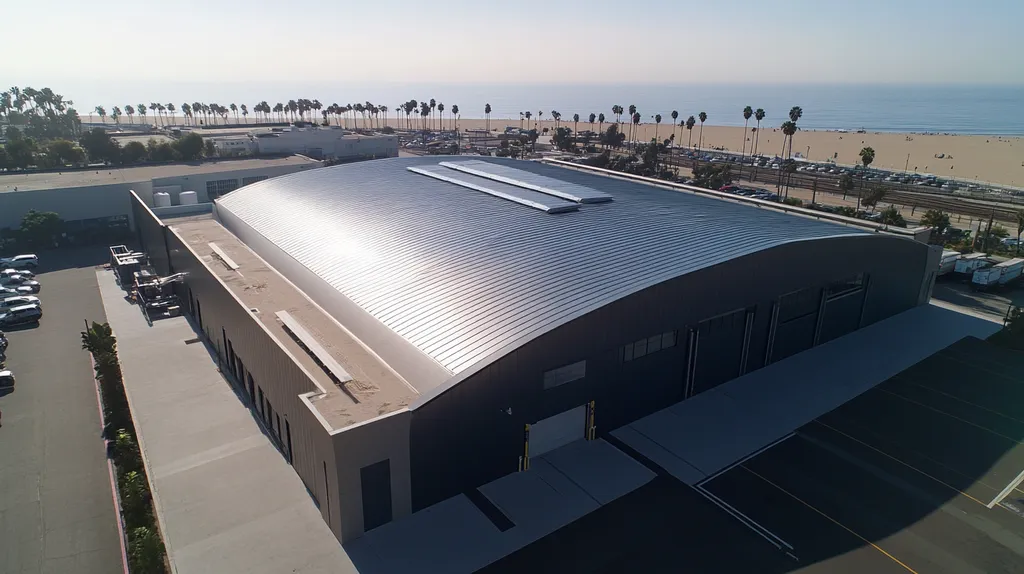
The roofing industry provides multiple standards and certifications that affirm sustainable roofing practices. LEED (Leadership in Energy and Environmental Design) certification is one of the most recognized and encourages environmentally responsible building practices. Roofs that meet LEED criteria earn points toward certification, highlighting their efficiency and sustainability.
Additionally, the Cool Roof Rating Council offers ratings to assist in selecting roofing materials that efficiently reflect sunlight, helping to decrease energy costs for owners and support environmental goals.
Another notable standard is ENERGY STAR, which certifies products that adhere to stringent energy efficiency guidelines. Roofs featuring the ENERGY STAR label are recognized as energy-efficient options, appealing to building managers focused on reducing their carbon footprint.
By adhering to these standards, property managers can demonstrate their commitment to sustainability and make informed choices that enhance overall property appeal.
SECTION 5: EVIDENCE-BASED ALTERNATIVES
As the demand for sustainable roofing increases, property managers must adapt to tighter regulations and rising operational costs. According to the U.S. Environmental Protection Agency, rooftop runoff significantly contributes to urban water pollution. To navigate these challenges, it is essential for property managers to explore evidence-based alternatives for roofing that enhance sustainability and compliance. This section explores three critical alternatives: using recycled and recyclable materials, integrating solar panels, and implementing preventive maintenance programs.
Using Recycled and Recyclable Roofing Materials
Employing recycled and recyclable materials in roofing plays a pivotal role in waste reduction and resource conservation. Modern options like TPO and EPDM roofs are made with recycled content and can be fully recycled at the end of their life cycle.
By opting for materials rich in recycled content, commercial properties can emphasize their commitment to sustainability. This approach not only enhances marketability but can also reduce long-term material expenses.
Additionally, selecting roofing systems that are recyclable promotes efficient material recovery, minimizing the environmental impact of waste. Metal roofs stand out as sustainable options, as they can be recycled indefinitely without degradation.
Investing in these roofing materials allows property managers to contribute to a circular economy, ensuring responsible sourcing and effective waste management while extending the lifespan of roofing systems.
Integrating Solar Panels into Roofing Systems
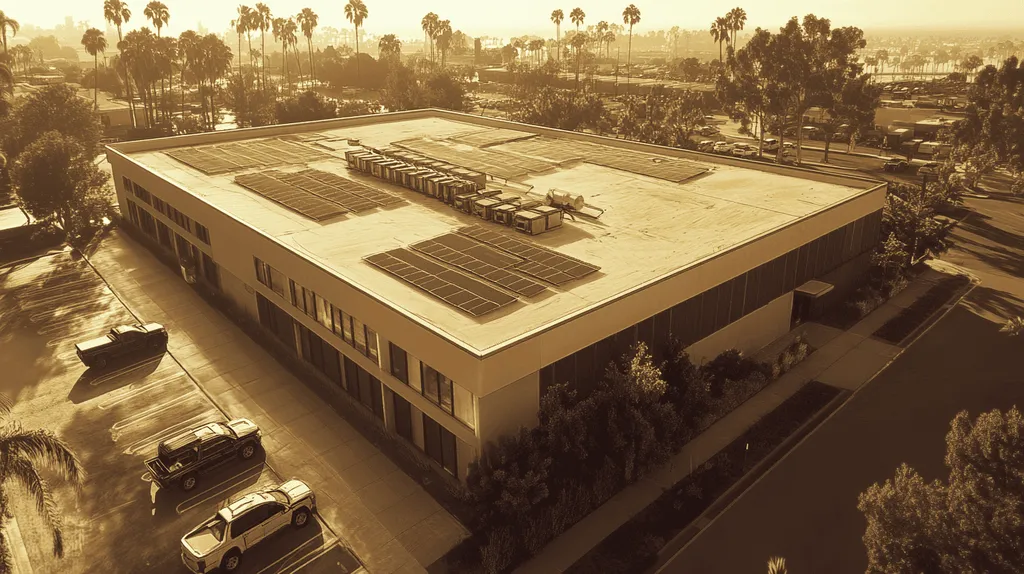
Incorporating solar panels into roofing systems represents a groundbreaking shift toward sustainability. Buildings equipped with solar technology can drastically cut energy bills, with some reaching net-zero energy usage.
Solar panels serve a dual purpose, acting as protective coverings while generating electricity. Research shows that roofs featuring solar panels often last longer due to the added protection they provide against environmental stressors.
Financial advantages abound, as tax incentives and rebates can considerably reduce the initial installation costs. Over time, property managers may notice an uptick in property value and overall attractiveness to tenants.
Strategically integrating solar technology into roofing not only boosts sustainability but also aligns with broader energy efficiency objectives, providing long-term financial benefits and resilience against rising energy costs.
Implementing Preventive Maintenance Programs
Implementing preventive maintenance programs is crucial for extending roofing systems’ lifespans. Routine inspections and timely repairs significantly decrease the risk of major failures and costly replacements.
According to data from the National Roofing Contractors Association, a properly maintained roof can last 20 to 30 years longer than one that is neglected. A proactive maintenance approach enables facility managers to budget effectively and prevent unexpected expenses.
Regular maintenance also ensures optimal performance of roofing materials, enhancing overall energy efficiency. By tackling minor issues before they escalate, property managers contribute to efficient resource use and reduce environmental impact.
A well-structured preventive maintenance program not only prolongs the roof’s life but also solidifies sustainability as a key component of the property management strategy.
SECTION 6: TEST AND VERIFY
As sustainability gains traction in the commercial roofing sector, thorough evaluations are crucial. Without proper testing and verification, property managers may face significant financial penalties due to premature roof failures. Poor assessments lead to costly mistakes and missed sustainability goals. This section outlines vital testing methods that empower informed roofing decisions, ensuring maximum effectiveness and longevity.
Conducting Energy Efficiency Audits
Energy efficiency audits play a vital role in assessing a roofing system’s ability to manage temperature and energy consumption. These audits can pinpoint thermal leaks and insulation deficiencies that might result in energy losses. For instance, a roof with inadequate insulation may drive up heating and cooling expenses, impacting profitability.
Specialized tools like infrared cameras enable auditors to discover issues not visible to the naked eye. By evaluating the roof’s thermal performance, property managers can make data-driven enhancements that boost energy efficiency. This not only lowers operational costs but also aligns with sustainability objectives.
Additionally, regular energy audits help set benchmarks for future performance, providing an ongoing method to ensure that roofing systems continue to meet energy standards over time. Implementing audit recommendations can lead to immediate financial benefits, such as tax credits for energy efficiency improvements.
Ultimately, effective energy audits pave the way for property managers to optimize roof performance while contributing to larger environmental goals.
Monitoring Roof Performance with Intelligent Systems
Advanced monitoring systems offer real-time insights into roofing performance, bolstering sustainability efforts. By employing sensors and IoT technology, property managers can track key variables like temperature, moisture, and structural integrity. This information supports proactive maintenance and energy management strategies.
For example, moisture-level monitoring systems can alert facility managers to potential leaks before they escalate into major repairs. This proactive maintenance approach protects building integrity and can enhance the roof’s lifespan. Furthermore, such technology optimizes energy usage by adjusting HVAC systems based on real-time weather conditions.
Transforming roofing management from a reactive to a proactive approach significantly minimizes risks and enhances sustainability outcomes. The power to analyze performance data allows decision-makers to fine-tune strategies in real-time, ensuring optimal energy efficiency.
By investing in these advanced monitoring systems, property managers can safeguard their roofing investments and effectively track sustainability metrics, supporting compliance with local regulations.
Verifying Sustainability Claims with Certifications and Warranties
As the market for roofing materials expands, it is crucial to validate sustainability claims through credible certifications. Property managers should seek reputable certifications, such as Energy Star or LEED, that ensure compliance with environmental standards. These certifications confirm both quality and support for responsible building practices.
Warranties serve as an essential verification tool, reflecting a manufacturer’s confidence in a product’s performance and durability. A solid warranty can be critical; an unreliable roof might lead to frequent repairs, generating waste and contradicting sustainability objectives.
Scrutinizing the criteria behind these certifications and warranties is equally important. Understanding the qualifications for sustainable products helps prevent misrepresentation, ensuring that roofing choices genuinely prioritize sustainability.
Additionally, by selecting certified materials, property managers may access financial incentives, further reducing energy costs. Verified sustainability claims can significantly enhance property value, aligning with long-term investment strategies.
The Bottom Line
With commercial buildings consuming over one-third of U.S. energy resources, sustainable roofing choices have become a critical factor in responsible property management.
The evidence clearly demonstrates that sustainable roofing solutions deliver superior returns through reduced energy costs, extended lifespans, and enhanced property values.
Property managers who continue relying on outdated roofing systems risk falling behind regulatory requirements while missing valuable incentives and tax benefits that could offset installation costs.
By implementing evidence-based roofing solutions, conducting regular performance monitoring, and maintaining proper certifications, facility managers can achieve up to 20% reduction in energy costs while contributing to environmental preservation.
The time for sustainable commercial roofing adoption is now – the cost of inaction grows with each passing year.
FREQUENTLY ASKED QUESTIONS
Q. Are sustainable roofs too expensive for commercial buildings?
A. Many property managers believe sustainable roofs are costly, but they can yield significant savings over time. These roofing systems often reduce energy bills due to their efficiency. Additionally, the lower maintenance needs and longer warranties frequently associated with sustainable materials can enhance their overall financial viability.
Q. Can existing commercial roofs be retrofitted with sustainable options?
A. Yes, existing roofs can be retrofitted to incorporate sustainable technologies. Property managers have the opportunity to enhance older buildings without needing new construction. Retrofitting can also provide financial incentives and improve energy efficiency, leading to lower operational costs and sustainable performance.
Q. How do inefficient roofs impact commercial property costs?
A. Inefficient roofs can lead to significantly higher energy costs, impacting profitability. Such roofs may increase heating and cooling expenses and require premature replacements, adding to operating expenses. As a result, property managers could face substantial financial burdens from subpar roofing choices.
Q. What are the benefits of energy-efficient roofs?
A. Energy-efficient roofs provide numerous advantages, including reduced energy consumption and lower operating costs. They improve indoor comfort by regulating temperatures and enhance property values. Additionally, these roofs contribute positively to environmental goals and may qualify for government incentives.
Q. How can property managers verify sustainable roofing claims?
A. Property managers can verify sustainable claims by seeking reputable certifications like LEED or Energy Star. Warranties can also indicate a product’s dependability. Understanding the certifications’ criteria ensures that chosen materials genuinely support sustainability goals, helping to prevent misrepresentation in the market.
Q. What materials are recommended for eco-friendly commercial roofs?
A. Eco-friendly roofing materials include TPO, EPDM, and metal roofs. These options often contain recycled content and can be fully recycled at the end of their lifespan. Selecting materials that prioritize sustainability helps property managers align with environmental goals while promoting efficient resource use and waste reduction.
Q. How do sustainable roofs affect occupant health?
A. Sustainable roofs can enhance occupant health by improving indoor air quality and maintaining stable temperatures. Research indicates a direct link between these roofs and reduced absenteeism, as better insulated buildings create more comfortable environments. Overall, investing in sustainable roofs supports both tenant wellbeing and productivity.






