

Every year, commercial property owners lose millions of dollars due to preventable roof failures, with 90% of these incidents traced back to undetected structural issues. Understanding and assessing a roof’s structural integrity isn’t just about maintenance – it’s about protecting valuable assets and ensuring business continuity.
From load-bearing capacity to weather resistance, a comprehensive structural assessment involves multiple critical factors that can mean the difference between a secure facility and catastrophic failure.
This guide breaks down the essential components, proven methods, and industry best practices for evaluating commercial roof integrity, helping property owners and facility managers make informed decisions about their roofing systems.
SECTION 1: FUNDAMENTAL CONCEPTS
Understanding the structural integrity of a commercial roof is vital for maintaining a building’s safety and longevity. Roof failures often occur unexpectedly due to hidden structural problems, leading to expensive repairs and potential legal issues. It’s essential for property owners and facility managers to grasp the core elements of roof integrity, as well as how environmental factors can affect its durability.
Understanding Roof Structural Integrity
Roof structural integrity is essentially the roof’s ability to support expected loads without failing. This encompasses factors like weight, weather conditions, and how the building is used. By conducting regular assessments, property managers can identify weaknesses early, preventing serious issues from arising.
Indicators of structural integrity include the roof’s age and materials, as well as visible signs of wear such as sagging or cracks. For instance, a flat roof has different load distribution needs compared to a sloped roof, making tailored assessments necessary.
It’s also crucial to ensure that support structures are adequate. Inadequate support can lead to catastrophic failures, which pose substantial safety hazards and financial repercussions.
Investing in routine inspections not only safeguards occupants but also extends the lifespan of the roof. Understanding these fundamentals empowers property owners to make informed maintenance and repair decisions.
Common Types of Commercial Roofs
Commercial roofs come in various styles, each with distinct features and vulnerabilities. The most common types are flat roofs, sloped roofs, and low-slope roofs. Recognizing these differences is crucial for effective assessments.
For example, flat roofs are typically made of materials like EPDM, TPO, or built-up roofing systems. They are especially susceptible to water pooling and require regular maintenance to prevent leaks. In contrast, sloped roofs, commonly constructed with metal or shingles, facilitate drainage and need different inspection approaches.
Low-slope roofs fit between flat and steep profiles, presenting unique challenges during heavy snow or rain. By understanding these variations, property owners can tailor their inspection processes to the specific requirements of each roof style.
Effective maintenance strategies can be crafted when owners understand the roof type they’re managing. This knowledge enables property owners to allocate their resources wisely, ensuring maximum roof performance and longevity.
Climate and Environmental Factors
The climate significantly impacts a roof’s structural integrity. Factors such as extreme temperatures, heavy rainfall, and UV exposure can drastically affect roofing materials. In regions that experience severe weather, roofs should be rated to withstand these tough conditions.
For instance, roofs in hail-prone areas require durable materials to minimize the risk of damage. Similarly, roofs that endure constant sunlight without proper UV protection may deteriorate more rapidly. A clear understanding of local environmental threats helps property owners select appropriate roofing systems.
Regularly monitoring the roof based on seasonal changes can address potential issues before they escalate. This vigilance regarding environmental impacts allows property managers to adjust maintenance schedules and enhance structural integrity.
Ultimately, recognizing these climate-related factors allows for better planning. Being prepared for environmental challenges not only protects the roof’s integrity but also increases its lifespan, ensuring the building remains safe and sound for years to come.
SECTION 2: SYSTEM COMPONENTS
The structural integrity of a commercial roof relies on several critical components. Ignoring the condition of these systems can lead to costly financial setbacks and serious safety risks. In fact, a report from the National Roofing Contractors Association found that nearly 80% of roof failures are linked to poorly maintained roofing systems. Ensuring that key elements like roof surface materials, drainage systems, and rooftop equipment are all in good condition is essential for a roof’s longevity and performance. This section will delve into these vital components, offering practical insights for conducting assessments and maintaining roof integrity.
Roof Surface Materials and Condition
The roof surface acts as the first line of defense against harsh weather. Common materials like TPO, EPDM, and PVC each come with unique lifespans and performance traits. Regular inspections are indispensable, as wear and tear can quickly undermine their effectiveness.
Surface materials may face problems such as UV degradation, punctures, or blisters, all of which limit functionality. For example, a small tear in the membrane can lead to water leaks, causing extensive damage inside the building.
Tags such as fading, cracking, or curling serve as immediate red flags indicating the need for a thorough evaluation. Property owners should plan for biannual inspections to catch these issues early and act accordingly.
By prioritizing preventative maintenance, property owners can significantly extend the lifespan of roofing materials and minimize costly repairs in the future. Smart investment in timely assessments is key to preserving overall roof integrity.
Drainage Systems and Flashings
Efficient drainage systems are essential for preventing ponding water on commercial roofs, which can severely compromise structural integrity. Clogged gutters or downspouts can lead to backups, resulting in roof leaks and significant water damage.
Flashings play a critical role by protecting seams and details, effectively preventing water from infiltrating joints and edges where leaks are likely to occur. Regular inspections of drainage pathways and flashings can dramatically reduce risks of serious damage.
Simple acts like clearing debris from gutters can improve drainage efficiency significantly. Furthermore, using high-quality flashing materials will help ensure water is effectively directed away from sensitive areas, bolstering the roof’s overall health.
Rooftop Equipment and Penetrations
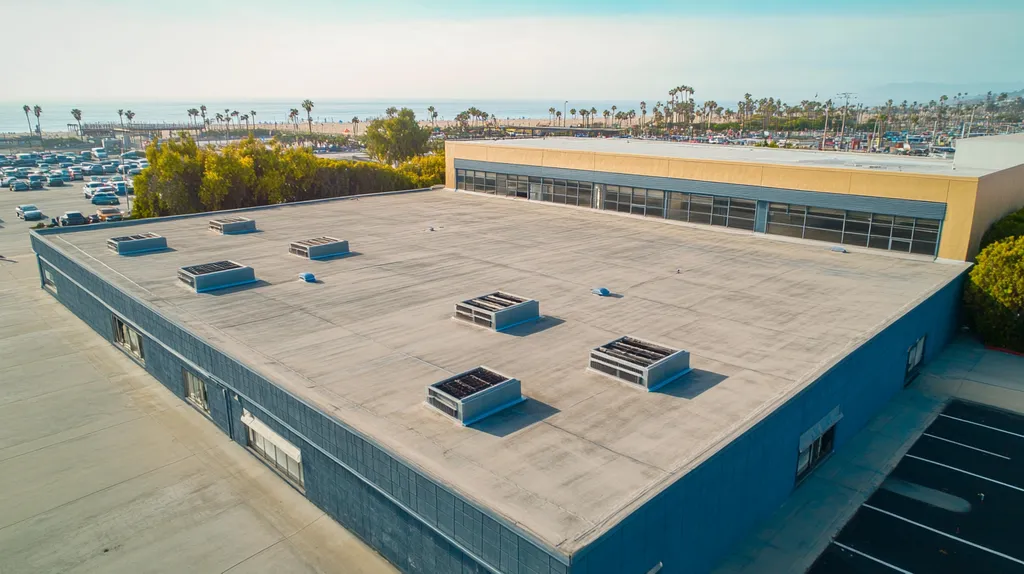
Rooftop equipment, including HVAC units and ventilation systems, can pose challenges to maintaining roof integrity. These installations are often sources of leaks if not properly sealed or maintained.
Poorly sealed penetrations frequently become failure points, allowing water to enter and cause damage. Facilities managers must prioritize inspections of equipment bases and surrounding regions to uncover vulnerabilities.
Additionally, well-maintained rooftop units can minimize excess weight and lessen structural strain. Regular assessments of equipment are essential to optimize performance and ensure there are no leak risks.
Investing in preventative measures for rooftop equipment—such as sealing and flashing—can greatly improve overall roof performance and safeguarding. By keeping these components in check, property owners enhance the durability and safety of their roofs.
SECTION 3: IMPLEMENTATION METHODS
Assessing the structural integrity of a commercial roof is crucial for ensuring the safety and longevity of a building. Ignoring this vital evaluation can lead to costly repairs or even catastrophic failures. Research shows that nearly 50% of roof failures are tied to poor maintenance and inspection practices, underscoring the need for proactive measures. This section highlights essential methods for implementation, covering visual inspections, advanced detection tools, and structural evaluation techniques.
Visual Inspection and Assessment
Visual inspections are the simplest yet most effective way to assess a roof’s integrity. Property owners and facility managers should routinely look for signs of wear, such as cracked flashing and missing shingles. These visible indicators can help catch minor issues before they evolve into major problems.
During a visual assessment, checking drainage systems is vital. Clogged drains can lead to water pooling, heightening the risk of leaks and structural damage. Regular inspections of these areas promote efficient water flow and significantly reduce risks.
Furthermore, closely examining the roof’s membrane and seams can reveal potential vulnerabilities. Gaps or tears can facilitate water intrusion, leading to interior damage. Identifying these issues early can save substantial repair costs.
Conducting visual inspections after severe weather events is equally important. High winds, hail, or heavy snowfall can compromise roof integrity, necessitating immediate evaluation to prevent further damage. By being proactive, property owners can safeguard their investments.
Advanced Tools for Leak Detection
In addition to visual assessments, utilizing advanced tools can greatly enhance leak detection accuracy. For instance, infrared thermography identifies moisture beneath the roof surface that is otherwise invisible. This technique leverages temperature differences to pinpoint areas where insulation may be compromised.
Another effective tool is acoustic emission testing, which detects sounds of leaks within the roofing structure. This non-invasive approach allows for thorough evaluation without disrupting building operations. Employing these techniques can lead to early detection of problems.
Electrical resistance testing is another innovative method evaluating roof integrity. By measuring electrical currents across various materials, it can provide insights into moisture presence that may lead to deterioration.
Incorporating these advanced detection tools not only improves detection rates but also informs proactive maintenance strategies. Early identification of potential issues can significantly reduce long-term repair costs, ensuring a roof remains reliable.
Structural Evaluation Techniques
A structural evaluation is essential for understanding a roof’s capacity to support loads effectively. This process often involves assessing existing materials and the overall design. For instance, a roof designed to bear light loads may fail under heavy snowfall or accumulated debris.
Load testing is another critical technique used to measure how much weight a roof can safely carry. This method involves distributing weights across the surface and monitoring performance under stress. The results provide insights into necessary reinforcements or complete replacements.
Engaging structural engineers for detailed analysis ensures compliance with safety standards and building codes. Their expertise can uncover deficiencies that general inspections might overlook, enhancing overall safety.
Regular structural evaluations contribute to long-term planning for roof replacements or major repairs. By establishing a maintenance schedule based on these assessments, property managers can extend the life of their roofs while safeguarding their investments.
SECTION 4: MAINTENANCE REQUIREMENTS
Regular roof maintenance is crucial for preserving the structural integrity of commercial roofs. Neglecting these essential tasks can lead to expensive repairs and operational interruptions. In fact, a study by the National Roofing Contractors Association found that proactive maintenance can extend the life of a roof by 20-30%. This section highlights the importance of instituting regular inspection schedules, effectively addressing both visible and hidden damage, and ensuring proper drainage.
Regular Inspection Schedules
Establishing a routine inspection schedule is vital for maintaining the integrity of a commercial roof. Experts recommend conducting at least biannual inspections, ideally during spring and fall. This frequency helps property managers catch minor problems before they escalate into significant repairs.
During these inspections, a qualified roofer should examine not only visible components but also less accessible areas prone to wear, such as flashings, seams, and joints. These regions often hide undetected damage that could compromise the roof’s structure. Utilizing a comprehensive checklist ensures that no critical areas are overlooked.
Documenting each inspection is also essential. Inspection reports should detail findings and recommended actions, creating a valuable historical record for future assessments. This documentation can highlight recurring issues and help identify underlying systemic problems.
Ultimately, regular inspections protect the investment in roofing and enhance the roof’s longevity, ensuring it can withstand the rigors of weather and time.
Addressing Visible and Hidden Damage
Visible damage, such as cracks, blisters, or missing shingles, is relatively straightforward to identify during inspections. However, hidden damage can be more insidious, often requiring professional evaluation to uncover. For example, internal leaks that go unnoticed can lead to severe water damage long before any signs appear on the roof’s surface.
When damage is discovered, property managers must act swiftly. Prompt repairs can prevent issues from worsening and incurring higher costs. A minor leak, if left unattended, can result in mold growth and necessitate extensive remediation, impacting indoor air quality.
Using technology like infrared thermography can help detect hidden moisture issues without invasive procedures. Moreover, regular maintenance should include a review of warranties related to the roofing system to ensure compliance for future repairs.
By proactively addressing both visible and hidden damage, property owners can protect their roofs and maintain the structural integrity of their buildings.
Ensuring Proper Drainage Function
Effective drainage is critical in prolonging the life of a commercial roof. Poor drainage can lead to water pooling, which significantly raises the risk of leaks and structural damage. It’s essential to routinely inspect and maintain downspouts, gutters, and scuppers to ensure optimal function.
Blocked drainage systems create hazardous conditions. For example, debris accumulation can lead to ice dams in colder regions, rupturing seams and compromising the roofing membrane. Regularly clearing gutters and ensuring unobstructed water flow is crucial.
Additionally, property managers should evaluate the design and placement of drainage systems during inspections. Modifications may be necessary to accommodate changing environmental conditions, such as increased rainfall associated with climate change.
Ultimately, ensuring proper drainage not only protects the roof but also safeguards the entire structure, helping to reduce long-term repair costs and extending the roof’s lifespan.

SECTION 5: PERFORMANCE METRICS
In the realm of commercial roofing, performance metrics are essential for evaluating a roof’s effectiveness and longevity. Left unchecked, damage can lead to serious problems like water leaks, structural failures, and skyrocketing repair costs, all of which can threaten a property’s safety and finances. With around 30% of commercial roofs exhibiting signs of distress, timely evaluations become critical. This section explores how to recognize roof damage, assess energy efficiency and insulation, and ensure compliance with safety standards.
Identifying Signs of Roof Damage
Spotting signs of roof damage is vital for facility managers. Common indicators include sagging areas, water stains on ceilings, and worn roofing materials. These issues often point to deeper structural problems that must be addressed promptly.
Proactive assessments can prevent minor annoyances from escalating into major headaches. For instance, just a few cracked shingles could lead to extensive water damage if left unattended. Routine inspections help confirm the roof’s overall condition, catching potential problems before they worsen.
Facility managers should also be extra vigilant after severe weather events. Hailstorms and high winds can cause hidden damage that requires thorough post-storm evaluations. Failing to recognize the consequences of harsh weather can lead to long-term challenges.
Utilizing infrared technology can aid in detecting moisture trapped within roofing systems. This method offers a non-invasive way to identify issues not visible to the naked eye, ensuring early and effective interventions.
Energy Efficiency and Insulation
Energy efficiency is a crucial performance metric that directly impacts operational costs. A roof with poor insulation can lead to significantly higher heating and cooling bills. Research shows that heat loss through an inadequately insulated roof can increase energy expenses by up to 30%.
To promote long-term savings, it’s essential to have effective insulation materials in place. Commercial roofs with high thermal resistance can help reduce energy consumption and contribute to a more sustainable building. Additionally, using reflective roofing materials minimizes heat absorption, enhancing overall efficiency.
During roof assessments, consider energy-efficient upgrades to maximize performance metrics. Innovations like cool roofing technology can drastically lower energy costs while extending the roof’s lifespan.
Monitoring energy usage trends provides valuable insights into a roof’s overall efficiency. Facility managers who stay attentive to these metrics can take timely actions when performance declines, ensuring cost-effective operations.
Safety and Compliance Standards
Safety and compliance are critical when assessing the integrity of a commercial roof. Following local building codes and standards is vital—not only for legal reasons but also for maintaining a safe work environment. Non-compliance can lead to serious legal repercussions and hefty fines.
Regular roof inspections help ensure adherence to these evolving safety standards. For instance, OSHA regulations require specific safety measures during maintenance operations. Facility managers need to keep updated on compliance requirements to avoid costly errors.
Evaluating the roof’s structural design is also key to protecting personnel and equipment from potential hazards. A compromised roof may create risks that emphasize the necessity of prompt assessments.
Training maintenance staff on safety procedures and compliance enhances the roof’s performance metrics. Implementing best practices during inspections and repairs not only mitigates risks but also contributes to the roof’s long-term durability.
SECTION 5: PERFORMANCE METRICS
In commercial roofing, performance metrics are essential for gauging a roof’s effectiveness and durability. Unchecked roof damage can lead to issues like leaks, structural failures, and soaring repair bills, impacting both safety and profitability. With approximately 30% of commercial roofs showing signs of distress, timely assessments are vital. This section will guide facility managers in identifying roof damage, evaluating energy efficiency, and ensuring that safety and compliance standards are upheld.
Identifying Signs of Roof Damage
Spotting roof damage is crucial for facility managers to maintain building integrity. Common indicators like sagging areas, water stains on ceilings, and worn roofing materials often suggest deeper structural issues needing urgent attention.
Proactive assessments can stop small problems from turning into major headaches. For example, a couple of cracked shingles might seem insignificant, but they can lead to extensive water damage if not addressed. Regular inspections help confirm the roof’s condition before issues escalate.
Facility managers should also stay alert after severe weather events. Hail and high winds can cause hidden damage, making thorough post-storm evaluations essential. Failing to assess these impacts can lead to long-term challenges.
Using infrared technology is another effective way to detect moisture trapped inside roofing systems. This non-invasive approach can reveal problems hidden from sight, allowing for early interventions.
Energy Efficiency and Insulation
Energy efficiency stands out as a key performance metric with direct implications for operational costs. A poorly insulated roof can substantially inflate heating and cooling expenses, with studies showing that inadequate insulation can raise energy bills by as much as 30%.
Having effective insulation materials is critical for achieving long-term savings. Roofs boasting high thermal resistance help minimize energy consumption, leading to a more sustainable building operation. Moreover, reflective roofing materials aid in reducing heat absorption, enhancing overall efficiency.
During assessments, facility managers should consider potential energy-efficient upgrades to boost performance metrics. Options like cool roofing technology can significantly lower energy costs while prolonging the lifespan of the roof.
Keeping track of energy usage trends provides valuable insights into the roof’s efficiency. By monitoring these metrics, facility managers can act swiftly when performance dips, ensuring operations remain cost-effective.
Safety and Compliance Standards
Ensuring safety and compliance is paramount when assessing a commercial roof’s integrity. Following local building codes and standards is not just a legal obligation; it also fosters a safe work environment. Failure to comply can result in severe legal consequences and substantial fines.
Regular inspections help verify adherence to these codes. For instance, OSHA regulations mandate specific safety measures during maintenance operations. Facility managers need to stay informed about these compliance requirements to avoid mistakes that could be costly.
Additionally, evaluating the roof’s structural design is essential for safeguarding against potential hazards. A compromised roof poses risks not just to the structure but also to personnel and equipment, underscoring the need for timely assessments.
Training maintenance staff on safety protocols enhances the roof’s performance metrics. By implementing best practices during inspections and repairs, property owners can significantly reduce risks and extend the roof’s longevity.
The Bottom Line
With over 40% of commercial roof failures traced to inadequate structural assessment practices, the stakes for proper evaluation couldn’t be higher.
Regular inspections, advanced diagnostic tools, and adherence to maintenance schedules form the foundation of effective roof integrity management.
Property owners who implement comprehensive assessment protocols can expect to extend their roof’s lifespan by 25-40% while avoiding catastrophic failures that average $250,000 in damages and business interruption costs.
By following the guidelines outlined in this guide, facility managers can protect their investments, ensure occupant safety, and maintain optimal building performance for years to come.
The time and resources invested in proper structural assessment today will yield substantial returns through prevention of costly emergency repairs tomorrow.
FREQUENTLY ASKED QUESTIONS
Q. Why is assessing the integrity of a commercial roof important?
A. Assessing a commercial roof’s integrity prevents unexpected failures, costly repairs, and safety hazards. Regular evaluations identify hidden issues early, which can save significant expenses and extend the roof’s lifespan. Understanding these fundamentals empowers property owners to make informed maintenance decisions.
Q. What components impact the structural integrity of an industrial roof?
A. Key components include roof surface materials, drainage systems, and rooftop equipment. Proper maintenance of these elements is essential for preventing leaks and structural failures. Neglecting any component can lead to costly issues and compromise the roof’s performance.
Q. How can I visually inspect my commercial roof effectively?
A. For effective visual inspections, check for cracks, leaks, and drainage issues routinely. Look closely at flashings, seams, and roof membranes, especially after severe weather. This proactive approach allows property managers to catch small problems before they escalate into significant damage.
Q. What does a routine maintenance schedule for a commercial roof involve?
A. A routine maintenance schedule should include biannual inspections and thorough checks of visible components. It’s vital to document each inspection and address any visible or hidden damage promptly. This structured approach enhances the roof’s longevity and keeps it performing well over time.
Q. How can I identify signs of damage on my commercial roof?
A. Look for sagging areas, water stains on ceilings, and worn roofing materials. These signs indicate deeper structural issues needing prompt attention. Additionally, conducting post-storm evaluations can reveal hidden damage, ensuring timely intervention before problems worsen.
Q. What role does energy efficiency play in commercial roofing?
A. Energy efficiency is crucial as it directly impacts operational costs. Poor insulation can significantly raise heating and cooling expenses, with effective materials helping to lower these costs. Regular assessments can identify opportunities for energy-efficient upgrades, enhancing overall building sustainability.
Q. What safety standards should I consider for my commercial roof?
A. Adhering to local building codes and OSHA regulations is crucial for safety and legal compliance. Regular inspections ensure that the roof meets these standards, reducing legal risks and protecting personnel. Staying informed about compliance requirements is essential for successful property management.






