

In today’s competitive commercial environment, roofing material selection can mean the difference between long-term savings and devastating repair costs. Studies show that up to 40% of commercial roof failures stem from poor material choices, leading to billions in annual losses across the industry.
The expanding range of available roofing materials – from traditional built-up systems to advanced synthetic membranes – offers unprecedented opportunities for enhancing building performance and durability.
This comprehensive guide examines critical aspects of commercial roofing materials, from fundamental concepts through optimization strategies, equipping property owners and facility managers with essential knowledge for making informed decisions that protect their investments.
SECTION 1: FUNDAMENTAL CONCEPTS
Selecting the right materials for commercial roofing is a critical decision that extends beyond aesthetics; it’s vital for ensuring durability and long-term performance. The National Roofing Contractors Association has highlighted that using inappropriate materials can lead to significant repair costs down the line. Property owners and facility managers must make informed choices. This section delves into essential topics, including the various types of roofing materials, the influence of climate on roof performance, and the necessity of adhering to building codes.
Roofing Material Types and Characteristics
Commercial roofing materials come in a range of options, each designed to meet specific building needs. Common choices include built-up roofing (BUR), single-ply membranes, and metal roofs. For example, BUR is excellent for water resistance, but it may demand more frequent maintenance than metal roofs, which offer both durability and energy efficiency.
Understanding these materials’ characteristics is key to making an informed choice. Single-ply systems, such as TPO and EPDM, are lightweight yet provide strong moisture resistance. Each material has varying life expectancies; metal roofs can last upwards of 50 years, whereas some membranes might require replacement after 20 years.
Factors such as durability, insulation value, and sustainability are also highly significant. For instance, cool roofing materials can effectively reduce heat absorption, leading to improved energy efficiency. When selecting roofing materials, property owners should weigh initial costs against long-term performance and maintenance demands.
Ultimately, gaining knowledge about the various materials available enables property owners to make strategic choices that align with their needs, helping to strike a balance between initial investment and future savings.
Climate and Environmental Considerations
The local climate plays a crucial role in how well roofing materials perform and endure over time. Areas with extreme temperatures, heavy rainfall, or strong winds necessitate materials designed for resilience. For example, modified bitumen roofs are particularly flexible and effective in cold climates, while reflective roofs can significantly reduce cooling costs in hotter regions.
Environmental factors, like humidity, can lead to problems such as mold and mildew, which some materials resist more effectively than others. It’s imperative to choose roofing with suitable ratings for wind uplift in breezy areas, where a lack of adherence can lead to severe damage.
A roofing material’s longevity can also be influenced by its surroundings. Urban settings often benefit from technologies that combat urban heat islands, while rural areas may require different insulation approaches. Property owners should consider local climate conditions and broader environmental implications when choosing roofing materials to enhance durability.
Incorporating sustainable practices, such as utilizing recycled materials or assessing impacts on biodiversity, further improves long-term performance. By making informed choices, property owners can mitigate future repair needs and positively influence the environment.
Building Code Compliance
Adhering to local building codes is essential when selecting roofing materials. These codes ensure safety, durability, and proper installation, protecting both property and occupants. For example, areas vulnerable to wildfires or high wind speeds may necessitate specific materials.
Navigating these building codes might seem overwhelming; however, they often provide essential guidance for material selection. Compliance can safeguard property owners from costly penalties and the need for expensive repairs if roofing does not meet performance standards.
Moreover, building codes are frequently updated to reflect advancements in materials and technologies. Staying informed about these changes empowers property owners to select roof products that not only meet current code requirements but also leverage innovative solutions for enhanced performance.
Regular consultations with roofing professionals can help ensure compliance and facilitate the use of materials that meet or exceed local requirements, ultimately bolstering overall roofing durability.
SECTION 2: SYSTEM COMPONENTS
Choosing the right materials for commercial roofing is crucial for ensuring long-term durability and performance. Businesses can suffer significant losses, as inadequate roofing can lead to costly repairs, energy inefficiencies, and potential safety hazards. For instance, up to 30% of energy can escape through poorly insulated rooftops, directly impacting operational costs. Therefore, understanding the strengths and weaknesses of various roofing systems is vital for property owners and facility managers looking to make informed decisions.
Single-Ply Membranes (TPO, PVC, EPDM)
Single-ply membranes have become a favorite choice due to their easy installation and superior flexibility. TPO (Thermoplastic Olefin) membranes are particularly energy-efficient, reflecting sunlight and reducing cooling costs. Meanwhile, PVC (Polyvinyl Chloride) roofing excel in environments with moisture and chemicals, making them ideal for specialized facilities.
EPDM (Ethylene Propylene Diene Monomer) is renowned for its durability and exceptional UV resistance. Each membrane type presents unique benefits, yet single-ply systems collectively lower the chances of leaks and damage over time. To maintain their effectiveness, regular inspections and proactive maintenance are essential.
One major advantage of single-ply membranes is their lightweight composition, reducing stress on the building structure. Their compatibility with various rooftop components, such as insulation and drainage systems, allows for a cohesive solution that boosts overall roof performance.
When selecting a single-ply membrane, property owners should consider factors like climate and intended use. A well-informed choice can enhance insulation, extend service life, and significantly reduce operational costs. Ultimately, investing in the right single-ply system leads to lower energy bills and less frequent repairs.
Built-Up and Modified Bitumen Systems
Built-up roofing (BUR) systems have long been a trusted option, comprising multiple layers of bitumen and reinforcing materials. This layered construction provides excellent waterproofing, particularly beneficial for flat roofs. The robust design enhances durability, making BUR less susceptible to punctures and tears.
Modified bitumen systems represent an evolution of BUR, incorporating polymers that enhance flexibility and overall performance. These roofs can handle temperature fluctuations gracefully without compromising integrity. Some modified bitumen roofs can even tolerate foot traffic, making them ideal for commercial setups that host rooftop equipment.
Both BUR and modified bitumen systems can be installed using hot asphalt, cold adhesive, or self-adhering techniques, providing flexibility tailored to site conditions and facility needs. The multilayer strategy also extends the lifespan of these roofs, often exceeding 20 years when maintained properly.
Deciding between BUR and modified bitumen comes down to specific building requirements and local climate considerations. For example, structures in regions with extreme weather may gain significant benefits from the added resilience of modified options. Collaborating with knowledgeable roofing professionals can facilitate informed decisions that minimize future costs.
Metal Roofing Materials and Coatings
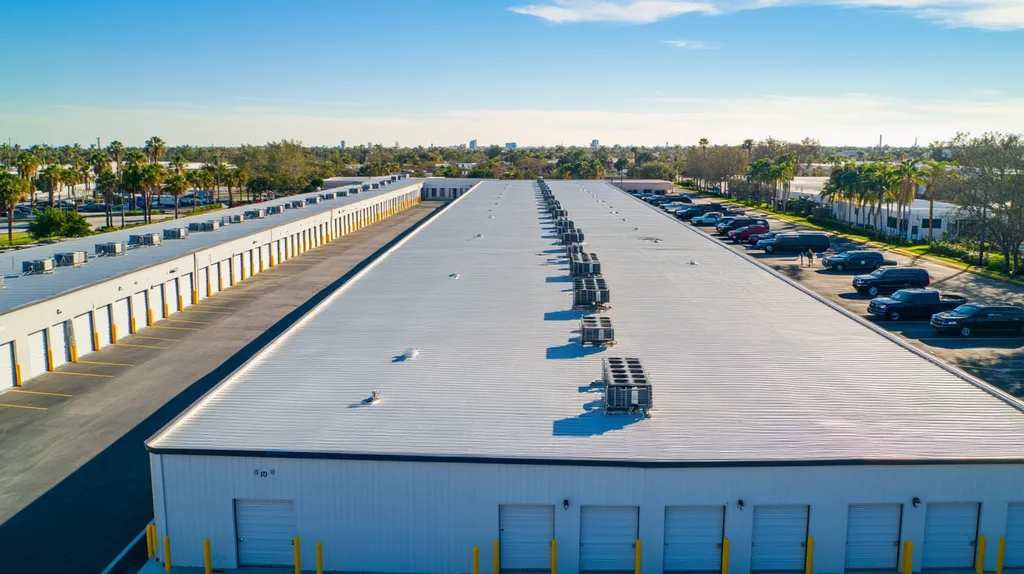
Metal roofing is increasingly favored by commercial property owners for its longevity and sustainability. Steel and aluminum are among the most common materials used, offering exceptional durability while standing up to severe weather conditions. Protective coatings further enhance resistance to corrosion and UV deterioration.
One of the key advantages of metal roofs is their remarkable lifespan, often exceeding 40 years with minimal maintenance. Their lightweight nature enables installation over existing roofs, helping reduce labor costs and disposal fees. Furthermore, energy-efficient coatings can reflect solar heat, significantly lowering cooling expenses in warmer climates.
Metal roofing systems are also highly customizable, available in designs such as standing seam or corrugated panels, which allows for aesthetic flexibility. This capability benefits facility managers who need to balance performance with property value aesthetics.
However, metal roofs may be prone to denting and noise during heavy rainfall. Proper installation techniques and quality materials can help mitigate these issues, ensuring that metal roofing systems meet performance expectations. Ultimately, metal roofing serves as a solid, reliable option for businesses aiming for durability and long-term reliability.
SECTION 3: IMPLEMENTATION METHODS
Effective implementation methods are essential for maximizing the durability and performance of commercial roofing systems. A staggering 25% of roofing failures can be traced back to improper installation techniques. To ensure long-lasting results, property owners and facility managers must grasp the key elements of installation methods, drainage requirements, and best practices for seams and fasteners. Each component significantly impacts the roof’s lifespan and overall effectiveness.
Installation Techniques for Flat Roofs
Flat roofs demand specialized installation techniques to address potential challenges like water pooling. To achieve effective water runoff, the installation process must incorporate materials specifically designed for flat surfaces. Utilizing methods such as the ‘fully adhered’ technique can strengthen the bond between the roofing material and the underlying substrate.
Furthermore, the choice between thermoplastic and rubber membranes affects installation requirements. Each type has distinct guidelines that are vital for optimal performance. For instance, thermoplastic membranes may need to be heat-welded, while EPDM requires specific adhesive applications.
Preparing the underlying structure is equally important. Any contaminants or debris on the substrate can severely compromise adhesion, highlighting the need for a thorough inspection before installation.
Finally, engaging certified roofing professionals for flat roof installations ensures that installation protocols are meticulously followed, significantly reducing the risk of future failures.
Slope and Drainage Considerations
A critical factor in roofing performance is ensuring proper slope and drainage. A minimum slope of ¼ inch per foot is necessary to prevent water accumulation, which can lead to significant material wear and tear. Inadequate drainage not only speeds up the degradation of roofing materials but also increases maintenance costs over time.
Incorporating features such as scuppers and internal drains is often essential for effective water management. These should be strategically placed to optimize water flow and minimize pooling on the surface. Routine maintenance is equally crucial to clear any debris that could obstruct drainage.
Additionally, local climate plays a vital role in slope and drainage requirements. Regions that experience heavy rainfall or significant snowfall may warrant steeper slopes and more robust drainage systems. Designing with these elements in mind from the outset can dramatically reduce long-term maintenance challenges.
Ultimately, implementing design practices that prioritize slope and drainage not only extends the lifespan of the roofing system but also reduces the likelihood of premature replacements.
Seaming and Fastening Best Practices
The integrity of commercial roofs hinges on effective seaming and fastening practices. High-quality materials used for seams are essential in preventing leaks. Techniques such as specialized adhesives and heat-welding ensure seams remain secure and watertight over time.
The selection of appropriate fasteners is equally important for maintaining overall stability. Fasteners must be corrosion-resistant and compatible with the roofing materials used. Inadequate fasteners can lead to seams pulling apart, creating vulnerabilities that can compromise the roof’s effectiveness.
Moreover, proper spacing and alignment of fasteners can significantly influence the roof’s performance. Installing fasteners according to manufacturer specifications creates a secure bond that can withstand harsh weather conditions.
Finally, regular inspections of seams and fasteners after installation are crucial. This proactive approach helps identify potential issues early, ensuring the continued efficacy of the roofing system and ultimately promoting its longevity.
SECTION 4: MAINTENANCE REQUIREMENTS
Effective maintenance of commercial roofs is not just a good practice; it’s essential for safeguarding your investment and ensuring optimal performance. Ignoring regular upkeep can lead to hefty repair costs and potentially necessitate an early roof replacement. In fact, studies suggest that conducting routine inspections can help identify up to 90% of potential issues before they become significant problems. This section outlines crucial protocols for inspections and repairs, proactive maintenance strategies, and practical solutions for common roofing challenges.
Regular Inspection and Repair Protocols
Routine inspections are the backbone of effective roof maintenance. Property owners are advised to schedule these checks at least twice a year, ideally during spring and fall. This seasonal timing allows facility managers to evaluate any weather-related damage and address it before it worsens.
An effective inspection involves checking for signs of deterioration, including cracked membranes, loose seams, and any deficiencies in the roof’s drainage system. Addressing these issues promptly can prevent water accumulation, which could lead to costly structural damage.
When problems arise, swift repairs are vital. Delaying necessary fixes can escalate issues, increasing costs and risking business operations. Property owners should establish a budget for unexpected repairs, facilitating rapid action when needed.
Keeping meticulous records of all inspections and repairs is equally important. Documenting these activities helps refine maintenance strategies and allows for monitoring trends indicative of deteriorating conditions, ultimately guiding informed decisions.
Preventative Maintenance Strategies
A proactive maintenance approach can significantly extend the lifespan of a commercial roof. One effective strategy includes regularly cleaning debris, such as leaves and branches, from the roof’s surface and gutters to avoid moisture retention, which poses risks for leaks and mold growth.
Applying protective coatings to the roof surface is another valuable tactic. These coatings enhance UV protection and weather resistance, improving the roof’s insulation and performance overall.
Facilities managers should tailor maintenance practices to regional weather patterns. For instance, in areas subject to heavy snowfall, regular snow and ice removal can prevent excessive weight and potential structural issues.
Training maintenance staff on best practices for roof care fosters a culture of vigilance, aiding in the early identification of problems, which can lead to quicker resolutions and lower repair costs.
Addressing Common Issues and Leaks
Common roofing problems such as leaks, blisters, and ponding water can significantly undermine a roof’s functionality. Early leak detection is crucial, as water intrusion can result in severe damage to interiors. Regularly inspecting spaces under the roof for water stains can alert facility managers to potential roofing issues.
Blisters, which often form due to trapped moisture or inadequate installation, need prompt attention. Addressing these blisters quickly can avert more significant damage to the roofing membrane, saving on costly repairs later.
Ponding water, caused by improper drainage, poses another major concern, leading to accelerated wear and structural risks. Ensuring drainage systems are clear and functioning effectively is essential to curtail this issue.
Upon identifying any problems, hiring professional roofing contractors for repairs is advisable. Their expertise ensures that repairs are executed correctly and safely, helping to prevent recurring issues and extending the roof’s reliable performance.

SECTION 5: PERFORMANCE METRICS
Choosing the right roofing materials is crucial for commercial property owners, as performance metrics like energy efficiency, durability, and weather resistance can make a significant impact on both finances and property integrity. Inefficient roofing can lead to soaring energy bills, while low-quality materials may falter under extreme weather. The consequences of overlooking these metrics can be severe, resulting in costly repairs and damage. This section illuminates the performance metrics essential for making sound roofing decisions.
Energy Efficiency and Cooling Costs
Energy efficiency is a top priority for commercial roofs, particularly in regions facing extreme climates. Research indicates that reflective roofing materials can lower cooling costs by up to 20%. A roof that absorbs excessive heat increases energy demand, straining both budgets and the environment.
Incorporating materials with high insulation values further reduces heating and cooling expenses. For example, adding insulation beneath the roof membrane can lead to substantial energy savings and decrease reliance on HVAC systems, resulting in lower operational costs.
When planning a new roof, consider integrating green technologies and cool roofing options. These materials are designed to reflect more sunlight and absorb less heat, enhancing not only energy efficiency but also occupant comfort. Choosing energy-efficient roofing solutions can lead to noticeable savings while supporting sustainability goals.
Ultimately, focusing on energy efficiency metrics can significantly impact both financial performance and environmental responsibility, making it a critical aspect of any roofing project.
Durability and Lifespan Expectations
Durability directly affects a roof’s lifespan and long-term maintenance costs. Many commercial roofing materials are designed to endure various weather conditions, but performance can vary widely. For instance, a properly installed thermoplastic roofing system can last over 20 years with appropriate maintenance.
Property owners should compare the expected lifespans of different roofing materials alongside their manufacturer’s warranties. Longer warranties often convey a greater confidence in a product’s durability, helping to minimize future replacement or repair expenses.
Choosing materials that are suitable for specific site conditions is crucial. For example, silicone coatings provide exceptional protection against issues like ponding water. Understanding these specifics enables informed decisions that can save costs in the long run.
Investing in durable roofing materials is not just about cost savings; it creates a solid asset for many years. The right materials can help guard against premature failure and extend the lifespan of commercial roofs.
Weather Resistance and Impact Testing
Weather resistance is paramount when assessing roofing materials, as severe weather can lead to system failures. For example, roofing systems designed to endure hurricane winds are vital in coastal regions. Effective materials undergo rigorous impact testing to ensure they meet or exceed industry standards.
Impact-resistant shingles and membranes can shield roofs from hail, debris, and other threats. Materials that fail these tests can result in leaks and water damage, necessitating expensive repairs. It is crucial to select materials with robust performance data to ensure reliability.
A comprehensive evaluation of weather resistance also includes a roof’s ability to handle moisture effectively. A waterproof membrane can prevent leaks during heavy rainstorms, protecting the building from secondary issues like mold. Choosing materials that are engineered for weather resilience greatly enhances overall performance.
In conclusion, making educated decisions regarding weather-resistant materials is vital. These informed choices not only protect property investments but also provide peace of mind for property owners and facility managers facing unpredictable weather conditions.
SECTION 5: PERFORMANCE METRICS
Selecting the right roofing materials is a high-stakes decision for commercial property owners. Performance metrics like energy efficiency, durability, and weather resistance play critical roles in the overall success of a roofing investment. Poorly performing roofs can lead to soaring energy bills and extensive damage, which can be financially devastating for businesses. This section outlines the key performance metrics that are essential for making smart roofing choices.
Energy Efficiency and Cooling Costs
Energy efficiency is a crucial consideration for commercial roofs, especially in regions with extreme temperatures. Reflective roofing materials can reduce cooling costs by up to 20%, helping businesses save on energy expenses. In contrast, roofs that absorb too much heat contribute to higher energy consumption, adding strain to both budgets and the environment.
Using materials with high insulation values further cuts down on heating and cooling costs. For example, installing insulation beneath the roof membrane can lead to substantial energy savings, promoting a decreased reliance on HVAC systems.
Additionally, when it comes to new roof installations, consider incorporating green technologies, such as cool roofing options. These materials excel in reflecting sunlight, helping to create energy-efficient buildings. By investing in these roofing solutions, property owners can not only lower operational costs but also improve the comfort of building occupants.
In summary, focusing on energy efficiency metrics is critical. This not only benefits financial health but also aligns with sustainability goals, making it a vital factor for any roofing project.
Durability and Lifespan Expectations
Durability directly affects a roof’s lifespan and long-term maintenance costs. Many commercial roofing materials are engineered to withstand various weather conditions, but their performance can differ significantly. For instance, a well-installed thermoplastic roofing system can last over 20 years with proper maintenance.
It’s essential for property owners to compare the expected lifespans of different materials along with their manufacturer warranties. A longer warranty usually signifies a greater confidence in a product’s durability, which can help reduce future replacement costs.
Moreover, selecting materials that are appropriate for specific site conditions is crucial. For example, silicone coatings offer robust protection against ponding water, ideal for roofs in areas prone to standing water. Understanding these specifics is key to making informed decisions.
Ultimately, investing in durable roofing materials is about more than just saving costs; it’s about creating a long-lasting asset that will protect your property for years to come.
Weather Resistance and Impact Testing
Weather resistance is vital when evaluating roofing materials, as extreme conditions can lead to catastrophic failures. For example, in coastal regions, roofs must be designed to withstand hurricane winds. Materials undergo rigorous impact testing to confirm they meet stringent industry standards.
Impact-resistant shingles and membranes effectively protect roofs from hail and falling debris, while those that do not meet these standards may result in leaks and structural issues, leading to costly repairs. It’s crucial to select materials supported by reliable performance data.
Additionally, assessing weather resistance also requires consideration of a roof’s moisture management capabilities. A well-designed roof can prevent leaks during severe rainstorms, protecting the building from mold and other secondary damage. Utilizing waterproof membranes can significantly enhance a roof’s performance.
In conclusion, making educated decisions about weather-resistant materials is essential. These choices will not only protect your investment but also help provide peace of mind for property owners and facility managers in the face of unpredictable weather conditions.
The Bottom Line
With commercial roofing failures costing businesses over $3.3 billion annually, selecting the right materials and implementing proper maintenance protocols has never been more critical.
Modern roofing technologies offer unprecedented opportunities to enhance building performance, from energy-efficient membranes that can reduce cooling costs by 20% to impact-resistant materials capable of withstanding extreme weather events.
The key to maximizing these benefits lies in understanding the interplay between material selection, installation methods, and ongoing maintenance requirements.
By leveraging the insights provided in this guide, property owners and facility managers can make informed decisions that protect their investments while ensuring optimal roof performance for decades to come.
The future of commercial roofing belongs to those who embrace these advanced materials and best practices, transforming what was once a liability into a valuable building asset.
FREQUENTLY ASKED QUESTIONS
Q. What materials should I consider for a commercial roof?
A. Key materials include built-up roofing, single-ply membranes, and metal roofs. Each option has unique characteristics, such as durability, energy efficiency, and insulation value, which can impact long-term performance. Understanding these differences helps in selecting the right material for your building’s needs.
Q. How do climate conditions affect my industrial roof choice?
A. Climate significantly influences roof performance and durability. Areas with extreme temperatures or heavy rainfall require materials designed to withstand these conditions. Selecting materials appropriate for your local climate enhances your roof’s longevity and overall effectiveness.
Q. What are the best practices for commercial roof installation?
A. Best practices include ensuring proper surface preparation, using the correct techniques for the roofing materials chosen, and maintaining an adequate slope for drainage. Engaging certified professionals helps ensure that installation protocols are followed, which mitigates the risk of future problems.
Q. How often should I inspect my commercial roof?
A. It’s recommended to inspect your roof at least twice a year, preferably in spring and fall. Regular inspections help identify early signs of damage or wear, making it easier to address issues before they escalate into costly repairs.
Q. What are the key performance metrics for commercial roofs?
A. Key metrics include energy efficiency, durability, and weather resistance. Evaluating these factors can guide property owners in selecting materials that protect their investment and minimize long-term operational costs, ensuring the roof meets their building’s needs.
Q. How can I reduce cooling costs with my industrial roof?
A. Utilizing reflective roofing materials can help lower cooling costs by reducing heat absorption. Adding insulation beneath the roof membrane also improves energy efficiency, significantly decreasing reliance on air conditioning systems and resulting in lower energy bills.
Q. What common roofing problems should I be aware of?
A. Common problems include leaks, ponding water, and blisters. Regular inspections help identify these issues early, allowing for prompt repairs, which can greatly extend the roof’s lifespan and reduce maintenance costs.






