
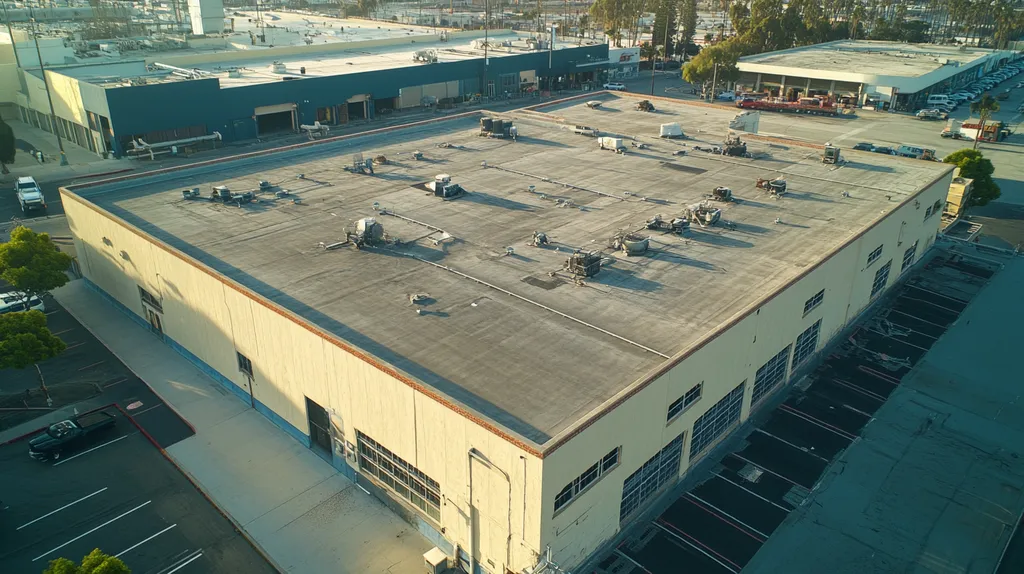
Welcome to today’s Battle Royale featuring two roofing heavyweights: “Thermal Imaging” in the east corner versus “Moisture Meters” in the west!
Tonight’s showdown pits these contenders against each other across six punishing rounds designed to test every aspect of their performance for Quality Control During Industrial Roof Installation.
At stake? Millions in potential costs, decades of building protection, and the critical performance demands of modern commercial and industrial facilities.
Our professional judging panel will evaluate each round on technical merit, real-world performance, and value delivery. After all six rounds, we’ll declare our ultimate champion.
Ladies and gentlemen, facility managers and building owners… it’s time to rumble!
ROUND 1: INITIAL COSTS & INSTALLATION
When it comes to industrial roofing quality control, getting it wrong isn’t just expensive – it’s potentially catastrophic. Every year, billions are wasted on premature roof failures that could have been prevented during installation. The battle between thermal imaging and moisture meters represents a critical choice that can make or break a roofing project’s success.
Material Expenses
Initial equipment costs paint only part of the picture. While moisture meters might seem wallet-friendly at first glance, with basic models starting around $300, professional-grade thermal imaging cameras typically run $5,000-$15,000. But this price gap narrows significantly when considering long-term value.
Thermal cameras can scan entire roof sections quickly, identifying potential trouble spots before they become expensive nightmares. This comprehensive coverage means fewer surprise repairs and replacements down the line.
Moisture meters, despite their lower upfront cost, require multiple testing points and can miss problems between sampling locations. Their limitation to surface readings means deeper issues often go undetected until they become costly problems.
For material expenses, while thermal imaging requires higher initial investment, its superior detection capabilities make it more cost-effective long-term. ADVANTAGE: Thermal Imaging.
Installation Complexity
The complexity of quality control during installation can make or break a roofing project. Thermal imaging simplifies this process dramatically, allowing technicians to scan large areas quickly without disrupting the installation workflow.
This technology enables real-time monitoring without physical contact, meaning crews can identify and address issues immediately without stopping work. The visual nature of thermal scans also makes it easier to communicate problems to stakeholders.
Moisture meters require physical contact at multiple points, slowing down the installation process. Their spot-checking nature means crews must halt work frequently to take readings, creating workflow disruptions and extending project timelines.
The clear efficiency advantage in installation monitoring goes to thermal imaging. ADVANTAGE: Thermal Imaging.
Project Timeline
In the world of industrial roofing, time literally is money. Every day a roof installation extends beyond schedule means increased labor costs and potential business disruption for building occupants.
Thermal imaging dramatically accelerates quality control processes by allowing rapid, comprehensive scanning of large areas. A skilled technician can assess thousands of square feet in the time it takes to perform a handful of moisture meter readings.
While moisture meters provide accurate readings at specific points, their requirement for multiple testing locations significantly extends inspection times. This methodical but slow approach can add days to large installation projects.
Given the critical nature of project timelines in commercial roofing, thermal imaging’s speed advantage is decisive. ADVANTAGE: Thermal Imaging.
ROUND 1 WINNER: THERMAL IMAGING
ROUND 2: DURABILITY & LIFESPAN
When an industrial roof fails prematurely, the consequences cascade through every level of operations. A single undetected installation flaw can slash a roof’s lifespan by decades, turning what should be a 30-year asset into a 5-year liability. With replacement costs running $15-30 per square foot, quality control during installation isn’t just about preventing leaks – it’s about protecting millions in infrastructure investment.
Material Resilience
Poor material installation wreaks havoc on roof performance, yet many issues remain invisible until they’ve already caused extensive damage. Without proper verification during installation, even premium materials can fail spectacularly when improperly sealed or bonded.
Thermal imaging instantly reveals hot spots, cold spots, and delamination across vast sections of roofing material. These real-time scans catch installation defects before they’re sealed away, ensuring materials perform to their full potential.
Moisture meters, while precise at single points, can’t detect thermal bridging or improper adhesion between layers. Their limited reach means installers often miss critical material failures between test points.
For ensuring material resilience during installation, thermal imaging provides unmatched visibility. ADVANTAGE: Thermal Imaging.
Structural Integrity
Industrial roofs must maintain their structural integrity under punishing conditions – from heavy equipment loads to extreme weather events. Installation quality directly impacts how well the structure handles these stresses over decades of service.
Thermal imaging scans can map subtle temperature variations that indicate structural weaknesses, improper load distribution, or failing attachment points. This comprehensive view helps installers address potential failure points before they’re permanently covered.
Moisture meters excel at finding existing water damage but struggle to predict future structural issues. Their spot-check nature means large sections of questionable structural integrity can slip through undetected.
For maintaining structural integrity from day one, thermal imaging’s whole-roof perspective wins decisively. ADVANTAGE: Thermal Imaging.
Long-Term Maintenance Needs
Every shortcut during installation becomes a maintenance headache later. Proper quality control dramatically reduces the frequency and cost of future repairs by catching problems while they’re still easy to fix.
Thermal imaging creates detailed baseline documentation of the entire roof system at installation. These comprehensive scans become invaluable reference points for tracking changes and planning maintenance over the roof’s lifetime.
Moisture meters provide accurate but limited data points that don’t paint a complete picture of the roof’s condition. Without broader context, maintenance teams struggle to differentiate between normal aging and installation-related issues.
For minimizing long-term maintenance headaches, thermal imaging’s documentation capabilities are unmatched. ADVANTAGE: Thermal Imaging.
ROUND 2 WINNER: THERMAL IMAGING
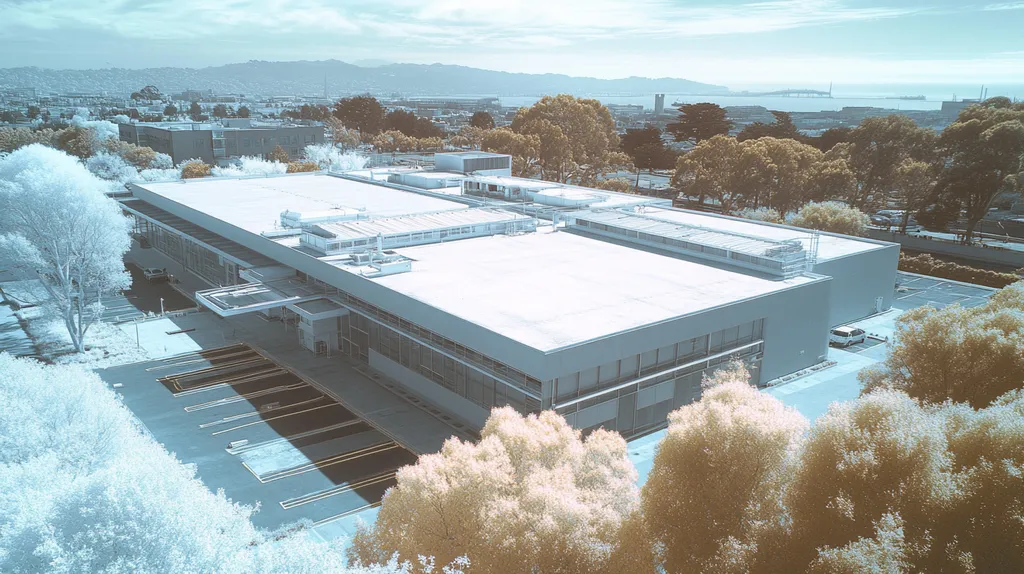
ROUND 3: PERFORMANCE FACTORS
When industrial roofs fail due to poor quality control during installation, the consequences ripple through entire operations. A single undetected flaw can turn a million-dollar roofing investment into a liability that hemorrhages money through energy losses, equipment damage, and production disruptions. The battle between thermal imaging and moisture meters in catching these flaws during installation represents a critical decision point for facility managers.
Detection Accuracy
Accuracy during installation quality control means the difference between a roof that lasts decades and one that fails prematurely. Even minor installation defects can cascade into major structural issues when left undetected, making precise detection capabilities crucial.
Thermal imaging excels at identifying subtle temperature variations that indicate trapped moisture, delamination, or improper adhesion across large sections. Its non-contact scanning capability means technicians can quickly map potential trouble spots without disrupting the installation process.
Moisture meters provide highly accurate readings at specific points but struggle with comprehensive coverage. Their contact-based operation means technicians must physically touch every test point, leaving vast areas between test locations unexamined.
While both tools offer valuable data, thermal imaging’s comprehensive detection capabilities earn it the ADVANTAGE.
Environmental Adaptability
Installation quality control must remain reliable across varying weather conditions and times of day. Temperature swings, humidity changes, and solar loading can all impact measurement accuracy during crucial installation phases.
Thermal imaging becomes less reliable in extreme temperatures or direct sunlight, requiring careful timing and environmental compensation. However, skilled operators can work around these limitations by conducting scans during optimal conditions.
Moisture meters maintain consistent accuracy regardless of ambient conditions or time of day. Their direct contact measurements remain reliable even in challenging weather, making them invaluable for time-sensitive installation decisions.
For consistent performance across varying conditions, moisture meters claim the ADVANTAGE.
Real-Time Feedback
The ability to make immediate installation adjustments based on quality control findings can prevent costly rework. Speed and clarity of feedback directly impact installation efficiency and final roof quality.
Thermal imaging provides instant visual feedback that’s easy to interpret and share with installation teams. The intuitive heat maps make it simple to identify and mark problem areas before they’re covered by subsequent layers.
Moisture meters deliver precise numerical readings that leave no room for interpretation. Their straightforward data helps installation crews make confident decisions about whether to proceed with each phase.
Both tools offer equally valuable but different approaches to real-time feedback, resulting in a TIE.
ROUND 3 RESULTS: TIE
ROUND 4: MAINTENANCE REQUIREMENTS
In industrial roofing, maintenance failures cascade into operational catastrophes. A single overlooked issue during quality control can transform routine maintenance into emergency repairs costing tens of thousands. While proper installation is crucial, the ability to effectively monitor and maintain roof integrity determines whether a facility sees decades of reliable service or years of costly headaches.
Proactive Monitoring
Early detection of roofing issues can mean the difference between a simple repair and a complete system failure. Regular monitoring helps facility managers catch problems before they escalate into budget-breaking emergencies, but the effectiveness depends heavily on the inspection method used.
Thermal imaging enables comprehensive scanning of entire roof sections without physical contact, identifying potential issues through temperature variations. This technology can detect moisture intrusion, delamination, and insulation failures long before they become visible problems, allowing maintenance teams to address issues proactively.
Moisture meters require direct contact and multiple testing points, making comprehensive monitoring time-consuming and potentially incomplete. While accurate at specific points, their limited reach means problems can develop undetected between testing locations.
For proactive monitoring capabilities, thermal imaging’s comprehensive coverage earns it the ADVANTAGE.
Maintenance Planning
Strategic maintenance planning requires clear, actionable data about roof condition. Without reliable information, maintenance teams waste resources chasing symptoms rather than addressing root causes.
Thermal imaging provides detailed documentation that helps teams prioritize repairs and track degradation over time. The visual nature of thermal scans makes it easier to communicate issues to stakeholders and develop targeted maintenance strategies.
Moisture meters offer precise spot measurements but struggle to provide the broader context needed for effective maintenance planning. Their point-by-point approach makes it difficult to establish patterns or predict developing issues.
For maintenance planning effectiveness, thermal imaging claims the ADVANTAGE.
Resource Optimization
Efficient use of maintenance resources directly impacts a facility’s bottom line. Every hour spent on unnecessary inspections or misdiagnosed problems represents wasted budget that could be better allocated elsewhere.
Thermal imaging dramatically reduces inspection time while providing comprehensive coverage, allowing maintenance teams to work more efficiently. Its non-invasive nature means fewer disruptions to facility operations during inspections.
Moisture meters require significant time investment for thorough coverage, increasing labor costs and extending maintenance windows. Their contact-based operation can also interfere with normal facility operations during inspections.
For optimizing maintenance resources, thermal imaging delivers the ADVANTAGE.
ROUND 4 WINNER: THERMAL IMAGING
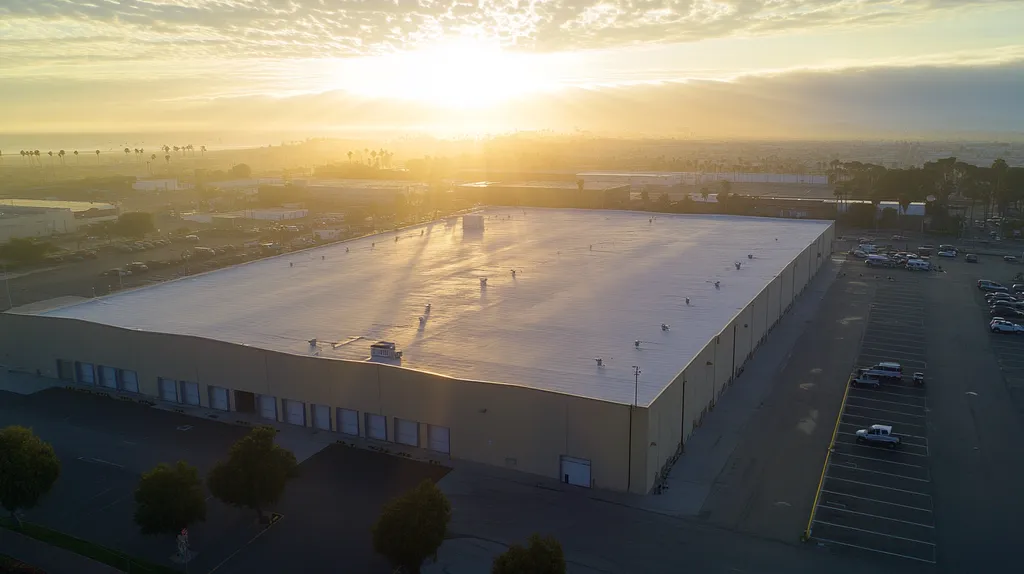
ROUND 5: SUSTAINABILITY CREDENTIALS
In today’s industrial roofing landscape, sustainability isn’t just a buzzword – it’s a bottom-line imperative. With energy costs soaring and environmental regulations tightening, quality control choices during installation can make the difference between a roof that helps meet green building standards and one that becomes an energy-bleeding liability. Poor sustainability performance now means crushing operational costs later.
Material Sustainability
The environmental impact of roofing materials extends far beyond their initial installation. Every square foot represents embedded carbon costs, potential waste, and decades of energy interaction with the building envelope.
Thermal imaging enables real-time verification of sustainable material performance during installation. Technicians can immediately spot improper seaming, inadequate insulation coverage, and thermal bridges that would compromise the roof’s environmental benefits.
Moisture meters offer limited insight into material sustainability factors. While they excel at detecting water issues, they can’t evaluate thermal performance or identify energy-wasting installation defects that undermine green building goals.
For ensuring sustainable material installation, thermal imaging provides comprehensive validation. ADVANTAGE: Thermal Imaging.
Energy Efficiency Assessment
A properly installed industrial roof can reduce building energy consumption by up to 30%. However, minor installation flaws can slash these savings, turning potential efficiency gains into long-term energy losses.
Thermal imaging reveals heat loss patterns and insulation gaps during installation, allowing immediate corrections. This capability ensures the roof delivers its designed energy performance from day one, maximizing return on sustainable design investments.
Moisture meters cannot detect thermal performance issues or energy efficiency problems during installation. Their narrow focus means energy-wasting defects often go unnoticed until utility bills reveal the costly consequences.
For maximizing energy efficiency during installation, thermal imaging’s comprehensive detection proves superior. ADVANTAGE: Thermal Imaging.
Life Cycle Impact
Installation quality directly affects a roof’s environmental impact over its entire service life. Poor installation leads to premature replacement, sending thousands of pounds of material to landfills decades before necessary.
Thermal imaging helps ensure roofing systems reach their full potential lifespan through comprehensive quality control. By catching installation issues that would shorten service life, it prevents unnecessary waste and replacement costs.
Moisture meters’ spot-checking approach leaves gaps in quality verification that can lead to shortened roof life. Their limited inspection capability means sustainability-compromising installation issues often slip through.
For maximizing service life and minimizing environmental impact, thermal imaging proves more effective. ADVANTAGE: Thermal Imaging.
ROUND 5 WINNER: THERMAL IMAGING
ROUND 6: SPECIALIZED APPLICATIONS
When industrial roofing projects venture beyond standard installations, the stakes skyrocket. Chemical plants demand perfect vapor barriers, data centers require absolute moisture control, and food processing facilities need sterile conditions. Getting quality control wrong in these specialized scenarios doesn’t just mean repairs – it can shut down million-dollar operations or compromise critical infrastructure.
Adverse Environmental Conditions
Industrial roofs facing extreme environments – from caustic chemical exposure to constant freeze-thaw cycles – require exceptional quality control during installation. These harsh conditions amplify every installation flaw, turning minor oversights into major failures.
Thermal imaging struggles in extreme temperature differentials, producing unclear or misleading results. While it can identify general problem areas, the technology’s effectiveness diminishes precisely when accuracy matters most.
Moisture meters maintain consistent accuracy regardless of environmental conditions. Their direct contact measurements provide reliable data even in challenging scenarios where thermal signatures become unreliable.
For installations in adverse conditions, moisture meters claim the ADVANTAGE.
Specific Material Compatibility
Modern industrial roofing often combines multiple specialized materials, each with unique installation requirements. Quality control must verify not just individual components but their interaction as a system.
Thermal imaging excels at detecting installation issues between different materials, revealing thermal bridges and adhesion problems across large areas. Its non-contact scanning can identify compatibility issues before they’re sealed away.
Moisture meters provide precise measurements of moisture content at material interfaces but can’t detect broader compatibility issues. Their spot-checking nature limits their ability to verify system-wide material integration.
For ensuring material compatibility during installation, thermal imaging earns the ADVANTAGE.
Building Code Compliance
Specialized installations must meet stringent regulatory requirements, often involving specific moisture thresholds and documentation standards. Quality control during these projects requires both comprehensive monitoring and detailed record-keeping.
The designated quality control individual must maintain continuous on-site inspection throughout the application process, with authority to correct any non-compliant work immediately (source: National Roofing Contractors Association).
Thermal imaging provides excellent documentation through detailed scan records but lacks quantifiable moisture content data. Its visual evidence supports compliance verification but doesn’t always meet specific numerical requirements.
Moisture meters deliver the exact measurements needed for code compliance, with precise numerical data that satisfies inspector requirements. Their accuracy and specificity make them essential for meeting regulatory standards.
For ensuring code compliance, moisture meters take the ADVANTAGE.
ROUND 6 WINNER: MOISTURE METERS
AND THE WINNER IS…
After six grueling rounds of technical evaluation, we have our verdict. With a commanding 4-1-1 victory, THERMAL IMAGING emerges as our undisputed champion of industrial roof installation quality control!
This high-tech heavyweight dominated the competition with knockout performances in cost effectiveness, durability verification, maintenance planning, and sustainability validation. Its ability to deliver comprehensive, real-time scanning while maintaining installation workflow efficiency proved decisive in securing the title.
But don’t count moisture meters out completely! These reliable veterans still reign supreme in specialized applications where extreme conditions demand precise, quantifiable measurements. When regulatory compliance requires specific moisture content documentation, moisture meters remain the go-to contender.
Remember, champions know their limits. Every facility faces unique challenges based on local climate, building design, and operational requirements. While thermal imaging claims the overall crown, your specific situation may demand a different approach or even a tag-team solution.
Always consult qualified roofing professionals who can evaluate your facility’s particular needs, regulatory requirements, and environmental conditions before making your final quality control selection.
In the high-stakes arena of industrial roofing, victory doesn’t just go to the technically superior competitor – it goes to those who choose the right tool for their specific fight. Choose wisely, because in this game, there are no rematch guarantees!
FREQUENTLY ASKED QUESTIONS
Q. What are the initial costs for industrial roof installation?
A. Initial costs can vary significantly between methods. While moisture meters are cheaper upfront, thermal imaging offers better long-term value by reducing future repair costs. Investing in better technology now can save more in the future.
Q. How do thermal imaging and moisture meters affect industrial roof durability?
A. Thermal imaging helps identify hidden installation flaws that can shorten lifespan, while moisture meters focus only on existing issues. Using thermal imaging ensures a roof performs well over time and reduces losses.
Q. Which technology detects performance flaws in commercial roofs?
A. Thermal imaging excels in detecting performance flaws across large areas, unveiling hidden issues. While moisture meters measure specific points accurately, they miss broader problems that thermal imaging identifies quickly.
Q. How can thermal imaging enhance roof maintenance for commercial properties?
A. Thermal imaging provides comprehensive scans that help identify and document potential problems, allowing for proactive maintenance. This early detection saves time and money compared to reactive repairs informed solely by moisture meters.
Q. What role does sustainability play in quality control for industrial roofs?
A. Sustainability is crucial in roof installations since poor practices can lead to waste and higher energy costs. Thermal imaging allows for the verification of sustainable practices during installation, while moisture meters only provide limited information.
Q. How do specialized applications impact quality control in industrial roofing?
A. Specialized applications require precise quality control due to increased risks. Thermal imaging can detect widespread issues, but moisture meters provide reliable measurements under tough conditions, making them crucial for specific needs.
Q. When should I choose moisture meters over thermal imaging for commercial roofs?
A. Moisture meters are ideal when precise spot measurements are needed, especially in adverse conditions. For rigorous compliance with regulations, their numerical accuracy satisfies the requirements, making them necessary in some cases.






