

Welcome to today’s Battle Royale featuring two roofing heavyweights: “TPO” in the east corner versus “PVC” in the west!
Tonight’s showdown pits these contenders against each other across six punishing rounds designed to test every aspect of their performance for industrial roof installation minimal disruption.
At stake? Millions in potential costs, decades of building protection, and the critical performance demands of modern commercial and industrial facilities.
Our professional judging panel will evaluate each round on technical merit, real-world performance, and value delivery. After all six rounds, we’ll declare our ultimate champion.
Ladies and gentlemen, facility managers and building owners… it’s time to rumble!
ROUND 1: INITIAL COSTS & INSTALLATION
When industrial facilities undergo roofing installations, every hour of disruption translates directly to lost productivity and revenue. A medium-sized manufacturing plant can lose upwards of $20,000 per hour during roofing work that interferes with operations. The choice between TPO and PVC roofing materials significantly impacts these disruption costs through three critical factors: material expenses, installation complexity, and project timeline.
Material Expenses
Material costs drive initial budget decisions and affect how quickly projects can begin. TPO membrane offers an economical entry point at $3.50 to $5.50 per square foot installed, making it particularly attractive for large industrial surfaces.
PVC roofing commands a premium price point of $6.00 to $9.50 per square foot installed, primarily due to its advanced chemical formulation and enhanced durability features. This higher cost often requires longer budget approval processes.
While both materials deliver reliable performance, TPO’s lower cost allows for faster project initiation and fewer budget-related delays. For material expenses, TPO claims the ADVANTAGE.
Installation Complexity
Installation complexity directly affects workplace disruption duration. TPO’s simplified installation process requires fewer specialized tools and techniques, allowing installation teams to work efficiently with minimal setup time.
PVC installation demands more technical expertise, particularly around seam welding and detail work. This complexity often requires additional equipment staging areas and more extensive prep time, creating larger disruption zones in active facilities.
The straightforward nature of TPO installation reduces both setup requirements and potential complications, earning it the ADVANTAGE in this category.
Project Timeline
Timeline predictability determines how effectively facilities can plan around roofing work. TPO installations typically complete 20-30% faster than comparable PVC projects, thanks to simpler welding requirements and fewer detail complications.
PVC installations face more variable timelines due to their precise welding requirements and more complex flashing details. Weather sensitivity during installation can also extend project durations unpredictably.
TPO’s consistently shorter installation window provides better timeline control and minimizes operational impact, securing the ADVANTAGE for project timeline considerations.
ROUND 1 WINNER: TPO
ROUND 2: DURABILITY & LIFESPAN
The durability and lifespan of industrial roofing directly impact operational continuity and long-term costs. A single roof failure can halt production for days, costing facilities hundreds of thousands in lost revenue. Beyond the immediate installation period, choosing between TPO and PVC roofing materials determines how frequently a facility faces future disruptions from repairs, maintenance, and eventual replacement.
Durability Factors
Proper roof slope, drainage systems, and structural reinforcement significantly influence a roof’s ability to withstand environmental challenges. These fundamental elements must be carefully considered during material selection and installation planning to prevent water damage and ice dam formation. (source: Aquila Commercial)
TPO membranes deliver solid puncture resistance and good weathering characteristics in moderate climates. However, their performance can degrade more quickly in extreme temperatures or when exposed to harsh chemical environments.
PVC roofing systems demonstrate superior resistance to chemicals, fire, and environmental stress. Their advanced formulation provides better protection against industrial emissions, grease exposure, and temperature fluctuations.
For overall durability factors, PVC claims the ADVANTAGE.
Lifespan Considerations
TPO roofing systems typically last 15-20 years when properly maintained. This lifespan can be shortened in facilities with high chemical exposure or extreme temperature variations, potentially requiring premature replacement.
PVC roofs consistently achieve 20-30 year lifespans, even in challenging industrial environments. Their superior chemical resistance and thermal stability contribute to this extended service life.
The longer functional lifespan of PVC systems means fewer disruptions for replacement or major repairs, earning PVC the ADVANTAGE.
Maintenance Requirements
TPO roofs demand regular inspections and maintenance to prevent premature aging. Seam failures and surface degradation can develop without proper attention, leading to unexpected operational disruptions.
PVC systems require minimal ongoing maintenance due to their superior material stability and weld strength. Their resistance to environmental factors results in fewer emergency repairs and less frequent maintenance disruptions.
The reduced maintenance burden of PVC systems provides more predictable facility operations, giving PVC the ADVANTAGE.
ROUND 2 WINNER: PVC
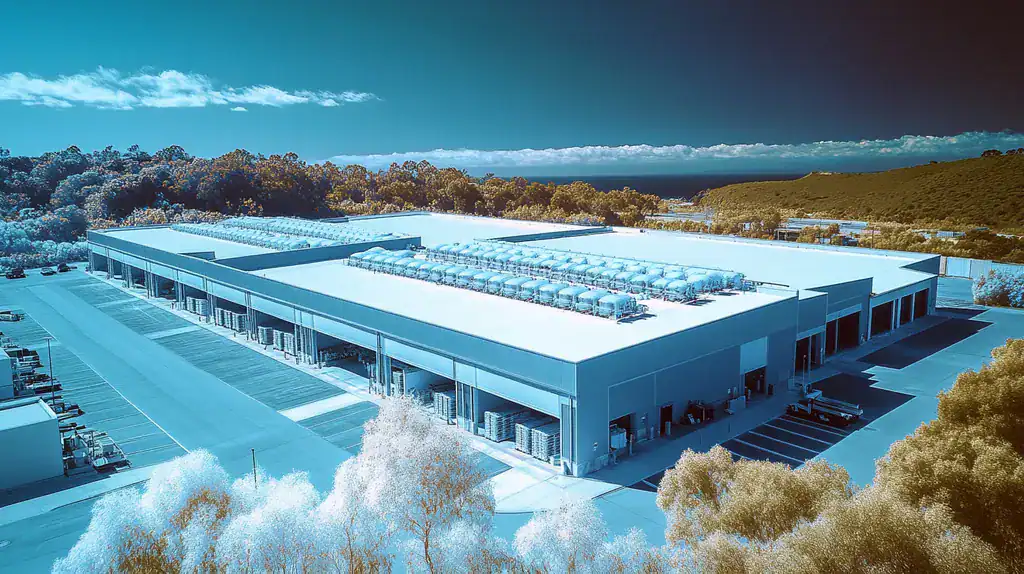
ROUND 3: PERFORMANCE FACTORS
Every hour of industrial roofing work impacts facility operations, making performance factors critical in minimizing disruption. With installation costs ranging from $50,000 to $500,000 for typical industrial facilities, choosing between TPO and PVC demands careful evaluation of how each material performs during and after installation.
Weather Resistance
Weather resistance directly affects installation scheduling and ongoing operations. Proper scheduling and work zone designation during installation can significantly reduce operational impact. (source: Royalty Roofing)
TPO membranes demonstrate excellent UV resistance and heat reflection, allowing more flexible installation scheduling. Their superior heat resistance means fewer temperature-related installation delays and better performance in hot climates.
PVC roofs offer good weather resistance but require more precise temperature conditions during installation. Their seam welding process is particularly sensitive to moisture and temperature fluctuations, potentially extending installation timeframes.
TPO’s broader installation window and superior heat handling earn it the ADVANTAGE in weather resistance.
Installation Impact
Installation impact encompasses both immediate disruption and long-term operational effects. TPO’s faster installation process reduces the duration of facility disruption, allowing operations to resume normal activities sooner.
PVC installation requires more extensive surface preparation and precise welding conditions. These demanding requirements often extend project timelines and increase the area of operational disruption.
The streamlined installation process of TPO minimizes facility impact and provides more scheduling flexibility, securing the ADVANTAGE.
Environmental Adaptability
Environmental adaptability determines how well materials perform across varying conditions. TPO demonstrates consistent performance across different climate zones and maintains its properties through temperature fluctuations.
PVC shows greater sensitivity to extreme temperatures during installation, which can limit scheduling options. However, it offers superior chemical resistance once installed, making it ideal for specific industrial environments.
TPO’s versatility and broader installation window earn it the ADVANTAGE for environmental adaptability.
ROUND 3 WINNER: TPO
ROUND 4: MAINTENANCE REQUIREMENTS
When industrial roofing systems fail, maintenance costs can spiral out of control. A single emergency repair can halt production for days, costing facilities up to $50,000 per incident in lost productivity. Understanding the maintenance requirements of TPO and PVC roofing systems becomes crucial for minimizing these costly disruptions and ensuring continuous operations.
Inspection Requirements
Regular inspections form the foundation of effective roof maintenance programs. TPO roofing systems typically require quarterly inspections, focusing primarily on seam integrity and surface wear patterns.
PVC roofing demands more rigorous inspection protocols, particularly around chemical exposure points and high-stress areas. These inspections often require specialized expertise to properly evaluate weld integrity and membrane condition.
The simpler inspection requirements and lower technical expertise needed for TPO maintenance gives it the ADVANTAGE in this category.
Repair Complexity
When repairs become necessary, TPO systems offer straightforward solutions. Most repairs can be completed with standard tools and materials, allowing maintenance teams to address issues quickly with minimal facility disruption.
PVC repairs frequently require specialized welding equipment and specific environmental conditions. This complexity can extend repair times and increase the duration of operational disruptions.
TPO’s simpler repair procedures and faster completion times earn it the ADVANTAGE for repair complexity.
Long-term Maintenance Costs
TPO maintenance costs remain relatively stable throughout the roof’s lifespan. Annual maintenance expenses typically range from $0.10 to $0.15 per square foot, making budget forecasting more predictable.
PVC systems show higher initial maintenance costs but demonstrate better chemical resistance over time. This superior resistance can reduce the frequency of repairs in facilities with heavy industrial emissions.
The long-term maintenance advantages of both systems balance out, resulting in a TIE for this category.
ROUND 4 WINNER: TPO
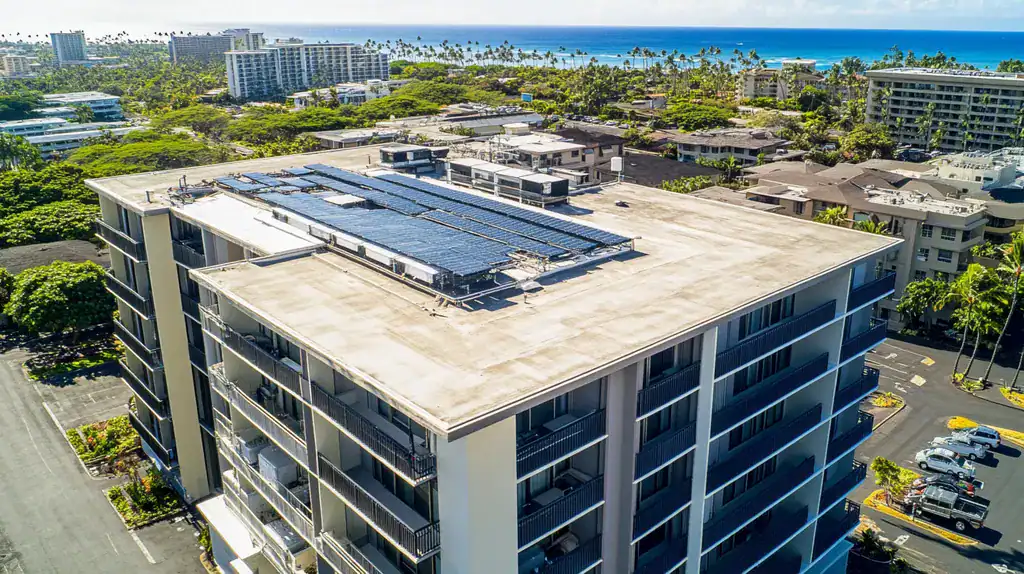
ROUND 5: SUSTAINABILITY CREDENTIALS
Environmental compliance and sustainability requirements increasingly impact industrial operations, with non-compliant roofing choices risking hefty fines and operational delays. A typical manufacturing facility can face penalties up to $100,000 for improper material disposal during roof replacement. Beyond regulatory concerns, sustainable roofing directly affects energy costs, with efficient systems reducing HVAC expenses by up to 30%.
Recyclability and Waste Impact
TPO roofing systems offer significant advantages in recyclability, with up to 95% of materials recoverable at end-of-life. Their clean manufacturing process produces minimal toxic byproducts, reducing environmental impact during production and installation.
The Huntsman Corporation’s industrial facility demonstrates TPO’s sustainability advantages through its innovative installation approach and complete recyclability of materials. (source: Huntsman Corporation)
PVC roofing presents greater environmental challenges, producing chlorine-based byproducts during manufacturing and disposal. These materials often require specialized handling and cannot be readily recycled into new roofing products.
TPO’s superior recyclability and cleaner lifecycle earn it the ADVANTAGE in this category.
Energy Performance
TPO membranes achieve exceptional solar reflectivity ratings, often exceeding 85% reflection in new installations. This high reflectivity significantly reduces cooling loads and helps facilities meet energy efficiency requirements.
PVC systems typically achieve 65-75% reflectivity ratings, requiring more energy for climate control. While still energy-efficient, they cannot match TPO’s superior heat reflection properties.
The superior energy performance of TPO systems provides measurable cost savings and earns it the ADVANTAGE.
Environmental Compliance
TPO roofing meets stringent environmental standards without requiring special handling or disposal protocols. This simplifies compliance documentation and reduces the risk of regulatory violations during installation or replacement.
PVC materials face increasing scrutiny from environmental regulators due to their chemical composition. Special permits and handling procedures may be required, complicating installation and disposal processes.
TPO’s straightforward compliance requirements and lower environmental impact secure the ADVANTAGE in this category.
ROUND 5 WINNER: TPO
ROUND 6: SPECIALIZED APPLICATIONS
In specialized industrial environments, choosing the wrong roofing system can trigger catastrophic disruptions costing up to $50,000 per day in lost productivity. Manufacturing facilities, food processing plants, and chemical storage warehouses each present unique challenges that demand specific roofing solutions. The stakes are particularly high during installation, where environmental conditions and operational requirements can dramatically impact project success.
Chemical Exposure Management
Industrial environments often expose roofing materials to harsh chemicals, corrosive emissions, and industrial byproducts. Proper communication and work zone designation during installation becomes crucial to maintain both safety and production schedules. (source: Royalty Roofing)
TPO membranes offer moderate chemical resistance but can show signs of degradation when exposed to certain industrial solvents. This vulnerability may require additional protective measures during installation, extending project timelines.
PVC roofing demonstrates superior resistance to chemical exposure and industrial pollutants. Its advanced formulation allows installation teams to work efficiently even in areas with ongoing chemical processes.
PVC’s superior chemical resistance and installation flexibility earn it the ADVANTAGE.
Temperature Control Requirements
Manufacturing processes often demand precise temperature control, making installation timing and material performance critical. TPO’s superior heat reflection properties allow for more flexible installation scheduling without disrupting climate-sensitive operations.
PVC installations face greater challenges in temperature-controlled environments. Their more complex welding requirements can conflict with facility cooling systems, potentially requiring temporary shutdowns of critical processes.
TPO’s installation flexibility and superior temperature management capabilities secure the ADVANTAGE.
Equipment and Process Integration
Modern industrial facilities often house sensitive equipment and complex processes that cannot be relocated during roof installation. TPO’s simplified installation process requires fewer specialized tools and smaller work zones, minimizing impact on facility operations.
PVC installations demand larger staging areas and more extensive equipment setups. This increased footprint can interfere with critical production processes and require more extensive operational adjustments.
The minimal disruption requirements of TPO installation give it the ADVANTAGE.
ROUND 6 WINNER: TPO
AND THE WINNER IS…
After six grueling rounds of technical evaluation, we have our verdict…
Ladies and gentlemen, with a dominant 4-2 victory across our championship categories, TPO claims the industrial roofing crown! This technical powerhouse dominated in crucial areas like cost efficiency, installation speed, and sustainability credentials, proving itself the undisputed champion of minimal disruption.
TPO’s victory comes from its impressive combination of fast installation times, lower initial costs, and outstanding environmental performance. Its ability to deliver quick, efficient installations while maintaining high-quality results made it nearly unstoppable in the disruption minimization categories.
However, don’t count PVC out completely! In specialized industrial environments with heavy chemical exposure or extreme durability demands, PVC’s superior chemical resistance and longer lifespan make it a formidable contender. PVC proved its worth by winning both the durability and specialized applications rounds.
Remember, folks: Every facility brings its own unique requirements to the ring. Local climate conditions, building specifications, and operational demands can all impact material performance. While TPO emerges victorious tonight, professional consultation remains essential for determining the best choice for your specific situation.
In the high-stakes arena of industrial roofing, the true champion isn’t the material – it’s the property owner who makes an informed decision based on their facility’s specific requirements and operational demands. Choose your contender wisely!
FREQUENTLY ASKED QUESTIONS
Q. How do initial costs affect commercial roof installation?
A. Initial costs play a crucial role in budgeting for roof projects. TPO is typically more affordable than PVC, allowing for quicker project approvals and reduced downtime. This lower cost can prevent significant losses from production disruptions during installation.
Q. What is the durability of an industrial roof system?
A. The durability varies between materials. PVC roofs generally last longer, around 20-30 years, compared to TPO’s 15-20 years. Choosing a durable option can reduce long-term repair frequency and extended disruptions for industrial facilities.
Q. How do performance factors influence industrial roof efficiency?
A. Performance factors greatly impact efficiency during installation and maintenance. TPO offers superior weather resistance and faster installation, allowing operations to resume quickly. Evaluating performance characteristics can help facilities minimize disruption and maintain productivity.
Q. What are the maintenance requirements for a commercial roof?
A. Regular inspections and prompt repairs are essential for maintaining roof integrity. TPO’s simpler inspections and repairs can minimize disruptions and costs. Proper maintenance helps prolong the roof’s lifespan and maintain factory operations smoothly.
Q. How does sustainability impact commercial roofing choices?
A. Sustainability affects operational costs and compliance with environmental regulations. TPO installations are more energy-efficient and have better recyclability than PVC. Choosing a sustainable option can reduce energy bills and minimize fines from improper waste disposal.
Q. What specialized applications require careful roofing selection?
A. Facilities like food processing plants or chemical storage need roofing that withstands specific conditions. PVC provides better chemical resistance, while TPO’s easier installation can fit tighter operational schedules. Proper material choice is crucial to avoid costly disruptions.
Q. What unexpected challenges can arise during industrial roof installations?
A. Challenges such as weather conditions, equipment access, and operational schedules can cause delays. Proper planning, selection of adaptable materials, and effective communication can mitigate these issues, and ensuring alignment with operational needs helps avoid significant losses.






