
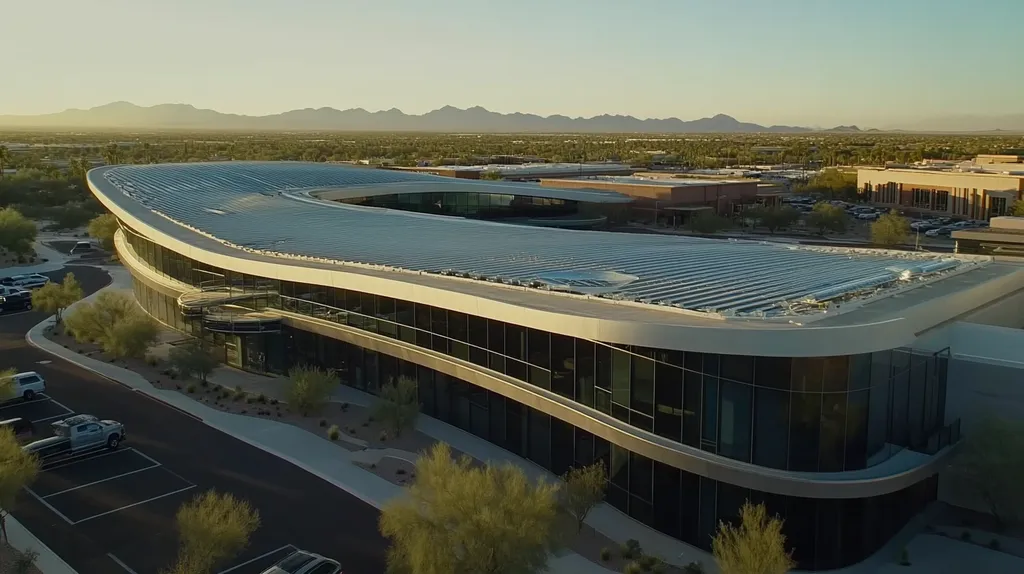
Welcome to today’s Battle Royale featuring two roofing heavyweights: “TPO” in the east corner versus “PVC” in the west!
Tonight’s showdown pits these contenders against each other across six punishing rounds designed to test every aspect of their performance for Managing Disruptions During Industrial Roof Installation.
At stake? Millions in potential costs, decades of building protection, and the critical performance demands of modern commercial and industrial facilities.
Our professional judging panel will evaluate each round on technical merit, real-world performance, and value delivery. After all six rounds, we’ll declare our ultimate champion.
Ladies and gentlemen, facility managers and building owners… it’s time to rumble!
ROUND 1: INITIAL COSTS & INSTALLATION
In today’s competitive industrial environment, every hour of operational disruption directly impacts the bottom line. When installing a new commercial roof, facility managers face a critical decision that affects not just immediate costs, but also installation timeframes and potential business interruptions.
The choice between TPO and PVC roofing systems represents a significant investment decision, with implications that ripple through project timelines, labor requirements, and operational continuity. Understanding these factors is essential for minimizing disruptions while maximizing value.
Material Expenses
The initial investment in roofing materials can vary significantly between TPO and PVC systems. TPO membranes typically cost 30% less per square foot than their PVC counterparts, making them particularly attractive for large industrial installations.
PVC systems command premium pricing due to their advanced chemical formulation and enhanced durability features. While this higher initial cost can strain immediate budgets, the material’s inherent resistance to chemicals and extreme weather conditions often justifies the investment.
For pure cost considerations, TPO’s lower price point provides an immediate advantage for budget-conscious projects. However, wise facility managers should consider this alongside long-term performance expectations.
In terms of initial material expenses, TPO claims the “ADVANTAGE.”
Installation Complexity
Installation procedures significantly impact both project duration and operational disruptions. TPO membranes feature simplified installation processes that require less specialized equipment and fewer technical steps.
The installation of PVC systems demands more precise welding techniques and specialized tools. This increased complexity often requires more experienced installers and can lead to longer installation windows.
TPO’s straightforward installation process reduces the likelihood of technical delays and minimizes the potential for installation errors. This simplicity translates directly to reduced disruption risks.
For installation complexity considerations, TPO earns the “ADVANTAGE.”
Project Timeline
Time efficiency during roof installation directly affects facility operations. TPO installations typically progress 20-30% faster than PVC installations, primarily due to simpler welding requirements and easier material handling.
PVC installations generally require more time for proper seam welding and detail work. While this attention to detail contributes to long-term performance, it extends the overall project timeline.
The faster installation time of TPO systems means fewer days of potential operational disruption and reduced exposure to weather-related installation delays. This speed advantage can be crucial for facilities operating on tight schedules.
For project timeline considerations, TPO secures another clear “ADVANTAGE.”
ROUND 1 WINNER: TPO
ROUND 2: DURABILITY & LIFESPAN
In today’s industrial environments, roofing system failures can trigger catastrophic disruptions, from damaged inventory to complete production shutdowns. The durability and lifespan of roofing materials directly impact operational continuity, making this a critical decision point for facility managers.
While initial installation costs matter, the long-term performance characteristics of TPO versus PVC systems can mean the difference between scheduled maintenance and emergency repairs that halt operations. Understanding these distinctions helps managers make choices that protect both assets and operational efficiency.
Weather Resistance
Weather resistance determines how well a roofing system maintains its protective properties under harsh conditions. TPO membranes offer excellent UV resistance and maintain their reflective properties longer than many alternatives, helping protect against solar degradation.
PVC systems demonstrate superior resistance to extreme weather conditions, including high winds, heavy rain, and temperature fluctuations. Their hot-air welded seams create permanent molecular bonds that remain watertight even under severe stress.
While both materials perform well, PVC’s proven track record in extreme conditions and superior seam strength earns it the “ADVANTAGE” in weather resistance.
Chemical Resistance
Industrial environments often expose roofing materials to harsh chemicals, making chemical resistance crucial for long-term performance. TPO systems offer good baseline chemical resistance but can show vulnerability to certain industrial pollutants and chemical exhaust.
PVC roofing exhibits exceptional resistance to chemicals, acids, and industrial emissions. This inherent chemical resistance helps prevent premature degradation and maintains membrane integrity even in harsh industrial settings.
The superior chemical resistance of PVC systems, particularly in industrial applications, gives PVC a clear “ADVANTAGE” in this category.
Maintenance Requirements
Regular maintenance impacts both operational disruptions and total ownership costs. TPO roofs typically require more frequent inspections and maintenance, particularly around seams and penetrations, which can lead to more frequent operational interruptions.
PVC systems generally demand less frequent maintenance due to their superior durability and chemical resistance. When maintenance is needed, repairs are typically more straightforward and permanent due to PVC’s superior weldability even after years of service.
The reduced maintenance frequency and easier repair characteristics of PVC systems provide another “ADVANTAGE” for PVC in this category.
ROUND 2 WINNER: PVC
ROUND 3: PERFORMANCE FACTORS
Performance factors in industrial roofing directly impact operational continuity and facility protection. When roofing systems underperform, the consequences ripple through every aspect of operations, from energy costs to production schedules to workplace safety.
Both TPO and PVC roofing systems offer distinct performance characteristics that affect long-term operational efficiency. Understanding these differences helps facility managers make decisions that protect both immediate operations and long-term business interests.
Thermal Performance
Thermal performance significantly impacts energy efficiency and operational costs in industrial facilities. TPO membranes excel in reflectivity, helping reduce cooling costs through superior heat reflection properties that remain effective throughout their service life.
PVC systems offer excellent thermal resistance and maintain their performance even under extreme temperature fluctuations. Their molecular structure provides consistent insulation properties that help regulate facility temperatures year-round.
Both materials deliver strong thermal benefits, but TPO’s superior reflective properties give it a slight edge in energy efficiency. For thermal performance, TPO claims the “ADVANTAGE.”
Puncture Resistance
Planning for rooftop activity and potential impacts is crucial for maintaining operational continuity. TPO membranes, while durable, can be more susceptible to damage from maintenance traffic and falling debris.
PVC membranes typically offer superior puncture resistance due to their denser molecular structure and enhanced flexibility. This increased durability reduces the risk of damage during routine maintenance and severe weather events.
For minimizing disruptions from damage and maintenance, PVC demonstrates clear superiority. In puncture resistance, PVC earns the “ADVANTAGE.” (source: Roofing Renovations Tennessee)
Longevity
System longevity directly affects the frequency of major roof replacements and associated operational disruptions. TPO systems typically provide 15-20 years of service life when properly maintained, requiring earlier replacement planning.
PVC roofing systems consistently demonstrate longer service lives, often exceeding 25-30 years with proper maintenance. This extended lifespan means fewer replacement cycles and reduced operational interruptions over time.
The superior longevity of PVC systems translates to fewer disruptions over the facility’s lifetime. For longevity considerations, PVC secures the “ADVANTAGE.”
ROUND 3 WINNER: PVC
ROUND 4: MAINTENANCE REQUIREMENTS
In industrial and commercial settings, roofing maintenance directly impacts operational continuity and asset protection. Even minor maintenance oversights can cascade into major disruptions, affecting everything from production schedules to workplace safety.
Understanding how TPO and PVC systems handle ongoing maintenance requirements helps facility managers make choices that protect both immediate operations and long-term business interests. The right choice minimizes disruptions while maximizing protection.
Scheduling and Access Requirements
Maintenance timing and accessibility significantly impact facility operations. TPO systems typically allow more flexible maintenance scheduling due to their simpler inspection and repair procedures, reducing conflicts with peak operational hours.
PVC systems often require more specialized maintenance crews and equipment, potentially leading to longer facility disruptions during inspections and repairs. Their complex chemical composition demands more thorough examinations, which can extend maintenance windows.
When considering minimal operational impact during routine maintenance, TPO earns the “ADVANTAGE.”
Repair Procedures
The complexity of repair procedures directly affects downtime duration. TPO membranes generally accept repairs more readily, with simpler patch applications and fewer special preparation requirements. Selection of these materials can significantly reduce noise and disruption during maintenance operations. (source: IKO Commercial Roofing Blog)
PVC repairs often require more extensive surface preparation and specific welding temperatures, leading to longer repair windows. While these procedures ensure proper adhesion, they can extend the duration of maintenance disruptions.
For minimizing disruption during repair procedures, TPO claims the “ADVANTAGE.”
Long-term Maintenance Planning
Strategic maintenance planning helps prevent unexpected operational interruptions. TPO systems typically follow more predictable maintenance patterns, making it easier to schedule around facility operations and minimize surprise disruptions.
PVC systems, while highly durable, can develop more complex issues over time that require specialized attention. This complexity can make long-term maintenance planning more challenging and potentially more disruptive.
Given the greater predictability and simpler planning requirements, TPO secures another “ADVANTAGE.”
ROUND 4 WINNER: TPO
ROUND 5: SUSTAINABILITY CREDENTIALS
In today’s industrial environment, sustainability credentials directly impact both operational costs and regulatory compliance. With increasing environmental regulations and stakeholder pressure, roofing system choices can affect everything from energy bills to carbon footprint reporting requirements.
Both TPO and PVC roofing systems offer distinct environmental advantages and challenges that facility managers must carefully evaluate. Understanding these differences helps ensure sustainable operations while maintaining protective building envelopes.
Recyclability and Lifecycle Assessment
TPO roofing materials offer significant end-of-life recycling potential, with many manufacturers operating take-back programs. The simple chemical composition of TPO makes it easier to process and reintegrate into new materials.
PVC systems face more complex recycling challenges due to their chemical additives and processing requirements. While technically recyclable, fewer facilities accept PVC roofing materials, potentially increasing disposal costs and environmental impact.
The streamlined recyclability and simpler chemical composition of TPO systems provides a clear sustainability advantage. For recyclability considerations, TPO claims the “ADVANTAGE.”
Energy Efficiency
TPO membranes maintain excellent reflectivity throughout their service life, reducing cooling loads and associated energy costs. Their highly reflective surface helps minimize heat island effects in urban environments while maintaining consistent internal temperatures.
PVC roofing systems offer good initial reflectivity but may experience more significant degradation over time. While still energy-efficient, they typically require more frequent cleaning or maintenance to maintain optimal reflective properties.
The superior long-term reflectivity and reduced maintenance needs of TPO provide another “ADVANTAGE” in energy efficiency considerations.
Environmental Footprint
TPO manufacturing processes generally require less energy and produce fewer emissions compared to PVC production. The simpler chemical composition results in reduced environmental impact during both production and installation. (source: GAF)
PVC production involves more complex chemical processes and generates more significant environmental impacts. The manufacturing process requires additional energy and produces more byproducts that must be carefully managed.
Given the lower environmental impact during production and installation, TPO secures another “ADVANTAGE” in this category.
ROUND 5 WINNER: TPO
ROUND 6: SPECIALIZED APPLICATIONS
Industrial facilities face unique roofing challenges that demand specialized solutions. With manufacturing equipment worth millions and production schedules measured in minutes, choosing the wrong roofing system for specialized applications can trigger costly disruptions that cascade through operations.
Understanding how TPO and PVC systems perform in specialized scenarios helps facility managers protect both assets and operations. The right choice minimizes installation disruptions while ensuring long-term protection for specialized industrial environments.
Adaptability to Unique Structures
Industrial facilities often feature complex roof designs with multiple penetrations, equipment mounts, and irregular shapes. TPO membranes offer excellent flexibility and can be easily cut, shaped, and welded around obstacles, reducing installation complexity and associated disruptions.
While PVC provides durability, its stiffer composition makes it more challenging to adapt to irregular shapes and complex penetrations. This reduced flexibility often requires additional labor and time for proper installation around roof features.
For adaptability to unique industrial structures, TPO’s superior flexibility and easier installation earns the “ADVANTAGE.”
Environmental Exposure Requirements
Manufacturing facilities often generate harsh chemical vapors, extreme temperatures, and corrosive conditions that challenge roofing systems. TPO provides good baseline chemical resistance but may show vulnerability to prolonged exposure to industrial emissions and certain chemical compounds.
PVC demonstrates exceptional resistance to industrial chemicals, acids, and pollutants. Its molecular structure maintains integrity even under sustained exposure to harsh industrial environments, reducing the risk of premature degradation.
Given its superior chemical resistance in industrial settings, PVC claims the “ADVANTAGE.”
Installation Efficiency
Minimizing production disruptions during roofing installation remains crucial for industrial facilities. TPO systems can be installed using advanced adhesives that provide high initial tackiness, allowing for faster installation than traditional methods. GAF’s EverGuard® TPO Quick-Spray Adhesive exemplifies this efficiency, effectively adhering materials while reducing installation time. (source: GAF Roofing Manufacturer Blog)
PVC installations typically require more precise welding techniques and specific temperature conditions. This increased technical complexity often extends installation timeframes and creates more opportunities for weather-related delays.
For installation efficiency in specialized applications, TPO secures the “ADVANTAGE.”
ROUND 6 WINNER: TPO
AND THE WINNER IS…
After six grueling rounds of technical evaluation, we have our verdict…
In a split decision that had our judges working overtime, TPO emerges victorious with 4 rounds to PVC’s 2!
TPO dominated the scorecard through superior performance in initial costs, installation efficiency, maintenance flexibility, and sustainability credentials. Its combination of budget-friendly pricing and faster installation times proved devastating for minimizing operational disruptions.
But don’t count PVC out, ladies and gentlemen! This heavyweight champion of chemical resistance and durability remains undefeated in harsh industrial environments where chemical exposure and extreme weather conditions demand ultimate protection. When long-term performance is paramount, PVC still packs a powerful punch.
Remember, facility managers and building owners – while TPO claims today’s title, every building brings its own unique challenges to the ring. Local climate conditions, specific facility requirements, and regional regulations can all impact roofing performance. Always consult with qualified roofing professionals who can evaluate your specific situation before making your final decision.
In the high-stakes arena of industrial roofing, victory doesn’t just come from choosing the reigning champion – it comes from matching your facility’s specific needs with the right contender’s strengths. Now, let’s get ready for the next round of protecting America’s industrial infrastructure!
FREQUENTLY ASKED QUESTIONS
Q. What are the initial costs for commercial roof installation?
A. The initial material costs for installing a commercial roof can vary significantly. TPO membranes typically cost about 30% less than PVC systems, making TPO appealing for budget-conscious projects. However, it’s essential to consider long-term performance when evaluating overall value.
Q. How do TPO and PVC compare in terms of industrial roof durability?
A. Durability is crucial for industrial roofs as failures can disrupt operations drastically. While both materials have strengths, PVC shows superior chemical resistance and seam strength, which helps it perform better in harsh conditions, ensuring minimal disruptions over time.
Q. Which material performs better in commercial roof energy efficiency?
A. When evaluating energy efficiency, TPO excels due to its superior reflective properties that can significantly reduce cooling costs in commercial buildings. This attribute helps maintain comfortable indoor temperatures while also lowering energy expenses associated with cooling systems.
Q. What are the maintenance requirements for an industrial roof?
A. Maintenance requirements can vary between roofing types. TPO generally allows for easier and more flexible maintenance scheduling due to simpler inspection processes. Conversely, PVC may involve more specialized maintenance tasks, potentially leading to longer disruptions when repairs are necessary.
Q. How sustainable are TPO and PVC for commercial roofs?
A. When it comes to sustainability, TPO has clear advantages due to its recyclability and lower environmental impact during production. PVC, while durable, presents challenges with its recycling process, which can lead to higher disposal costs and a larger ecological footprint over its lifecycle.
Q. What specialized applications suit TPO or PVC roofs best?
A. TPO is adaptable and works well in environments with unique structures due to its flexibility during installation. In contrast, PVC is preferable in harsh industrial settings, as its resilience to chemicals and extreme conditions ensures long-term integrity, protecting critical assets and operations.
Q. How do TPO and PVC roofing impact facility operations?
A. Both roofing options can significantly impact facility operations during installation. TPO tends to have quicker installation times, reducing operational disruptions. However, PVC’s longevity may result in less frequent replacements over time, balancing long-term operational continuity against initial installation time.






